Sergey Melnitchenko Receives The 1st Prize Of The PhMuseum 2026 Photography Grant
-
Published21 Apr 2026
-
Author
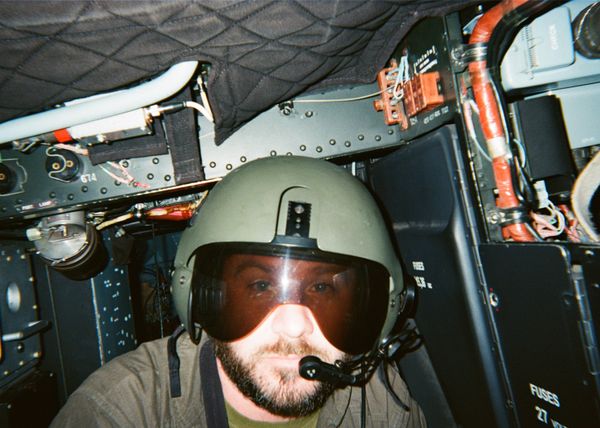
Frontline Rolls, a collaborative exchange between Melnitchenko and soldiers at the front, makes an intimate archive of war in Ukraine. Victoria Ruiz claims the New Generation Prize. See all the selected projects and read the judges' motivations.
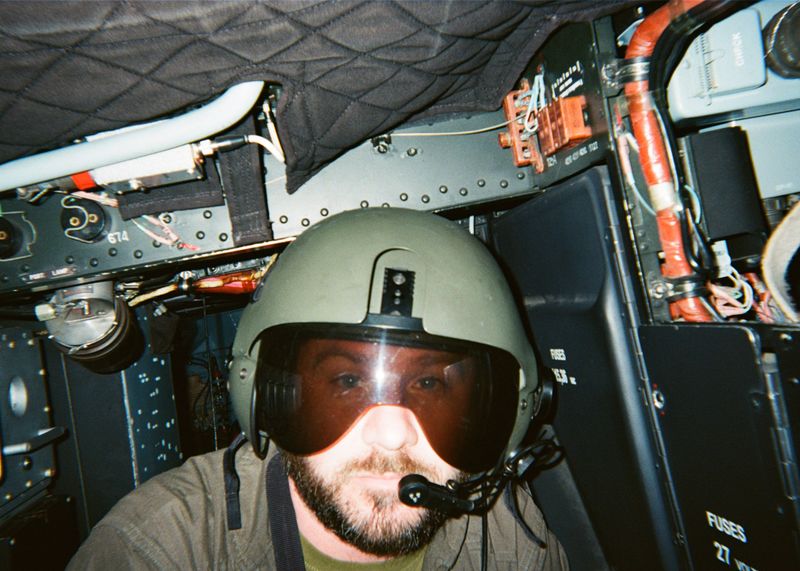
An independent jury comprised of Rafal Milach (Visual artist, Photographer, Artivist, and Educator), Charlotte Cotton (Curator, Writer and Creative Consultant), Carmen Winant (Artist and the Roy Lichtenstein Endowed Chair of Studio Art at the Ohio State University), Sergio Valenzuela-Escobedo (Artist and Researcher) has assigned the €5,000 PhMuseum 2026 Photography Grant Main Prize to Ukranian photographer Sergey Melnitchenko for his project Frontline Rolls: Photos, Letters & Artifacts From Ukrainian Soldiers. Judge Rafal Milach motivates the choice on behalf of the jury:
“Russia’s full-scale invasion of Ukraine in 2022 has become one of the most widely mediated conflicts in history, with vernacular reporting playing an unprecedented role alongside traditional media. Initiated by Sergey Melnitchenko, Frontline Rolls brings together accounts from Ukrainian soldiers on the front line. The project turns away from both the spectacle of violence and conventional war reporting. It does not depict combat or glorify war. Instead, its subjects create a diary of everyday life at the front, learning to inhabit a space in which they have been forced to live for over four years. Can such conditions become normalized? Or do they signal post-traumatic stress on the scale of an entire generation? This immersive archive of photographs, artefacts, and letters forms a collective, multi-voiced narrative of lives shaped by a conflict that began over a decade ago – and has, for the past four years, unfolded at full scale”.
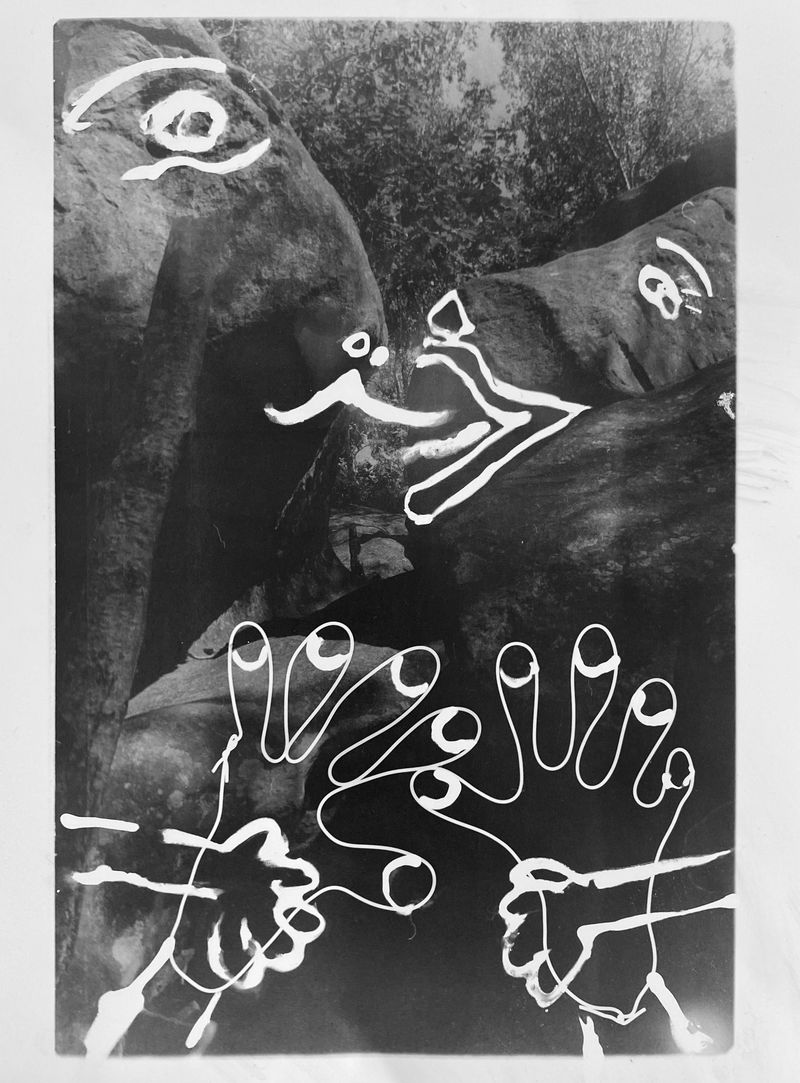
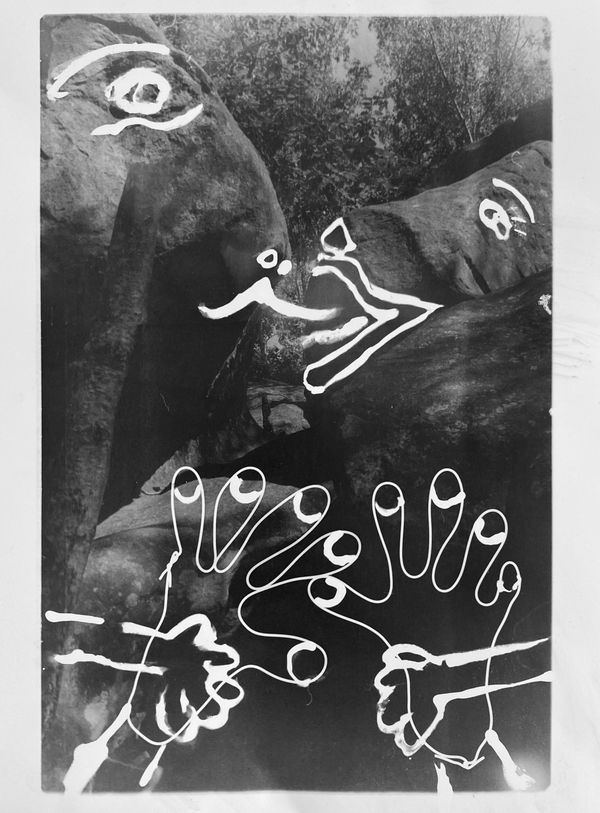
The €2,000 second prize was claimed by Iranian photographer Tahereh, who presented the project Light In My Pocket. Judge Sergio Valenzuela-Escobedo elaborates on the jury's choice:
“In Light in My Pocket, Tahereh transforms exile into a sensitive space where photography becomes a form of refuge. Through an analog black-and-white practice, she intervenes directly on her negatives, allowing fragile, almost childlike forms to emerge, infused with a raw intensity. In a context saturated with digital imagery and artificial intelligence, this gesture stands as an intimate act of resistance. The jury was deeply moved by this organic visual language, where the photographic surface holds a paradoxical tension – both tender and unsettling, luminous yet marked by the memory of war. Within the silence of the darkroom, turned into a space of retreat and reconstruction, her images resonate like inner storms. They carry the trace of a fractured world, but also the fragile possibility of solace, held close, like a light in one’s pocket. The jury also wished to acknowledge and support the trajectory of a 60-year-old artist, affirming the importance of recognizing practices that continue to evolve beyond youth, sustained by experience, resilience, and artistic necessity”.
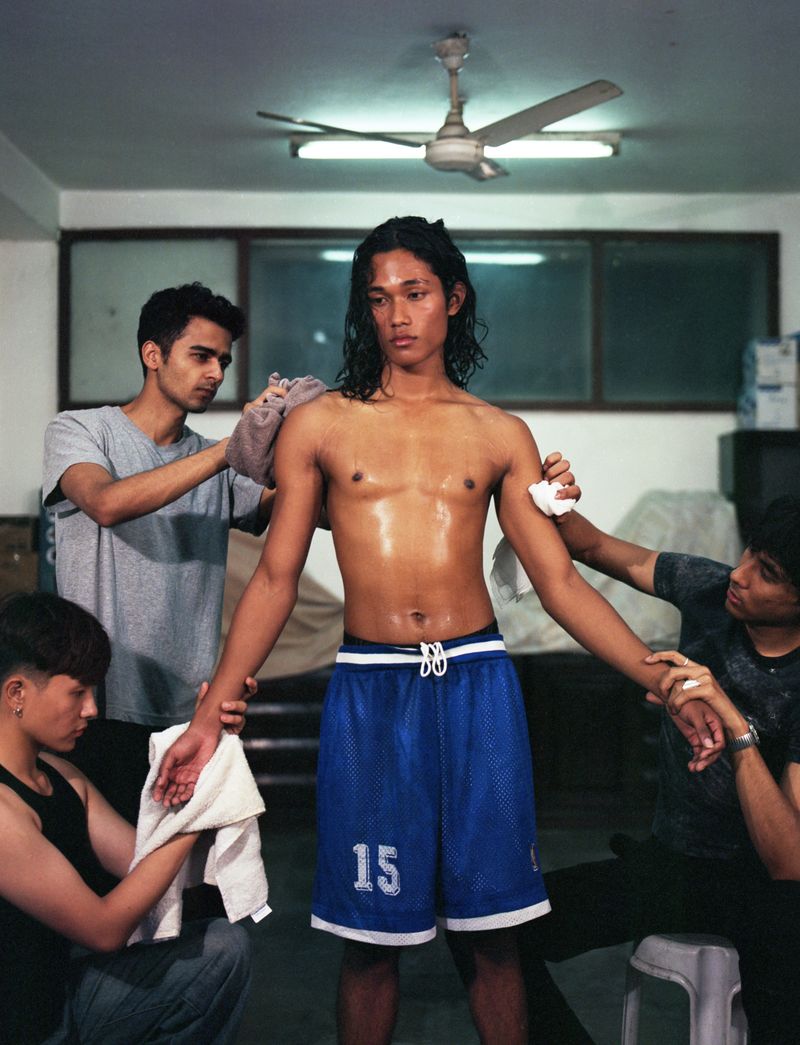
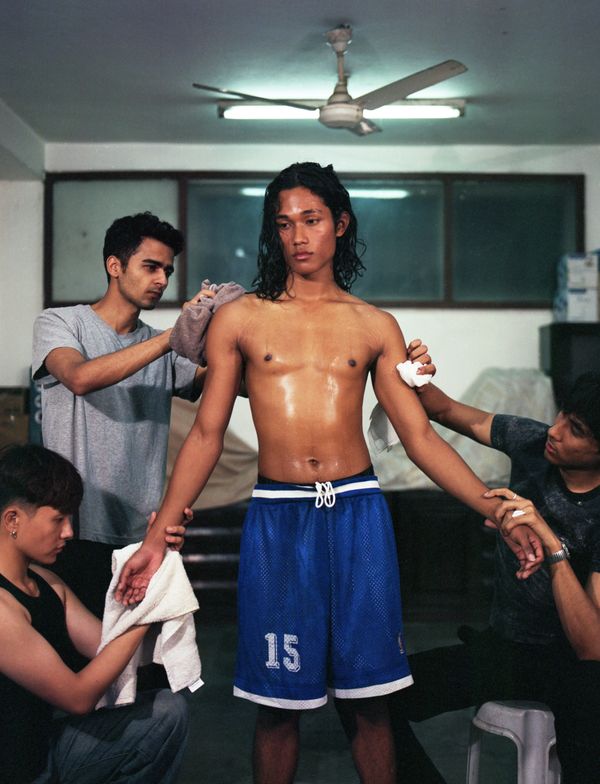
With his work Loose Fist, Nepalese photographer Arhant Shrestha was awarded the third prize of €1,000. Carmen Winant comments on his work:
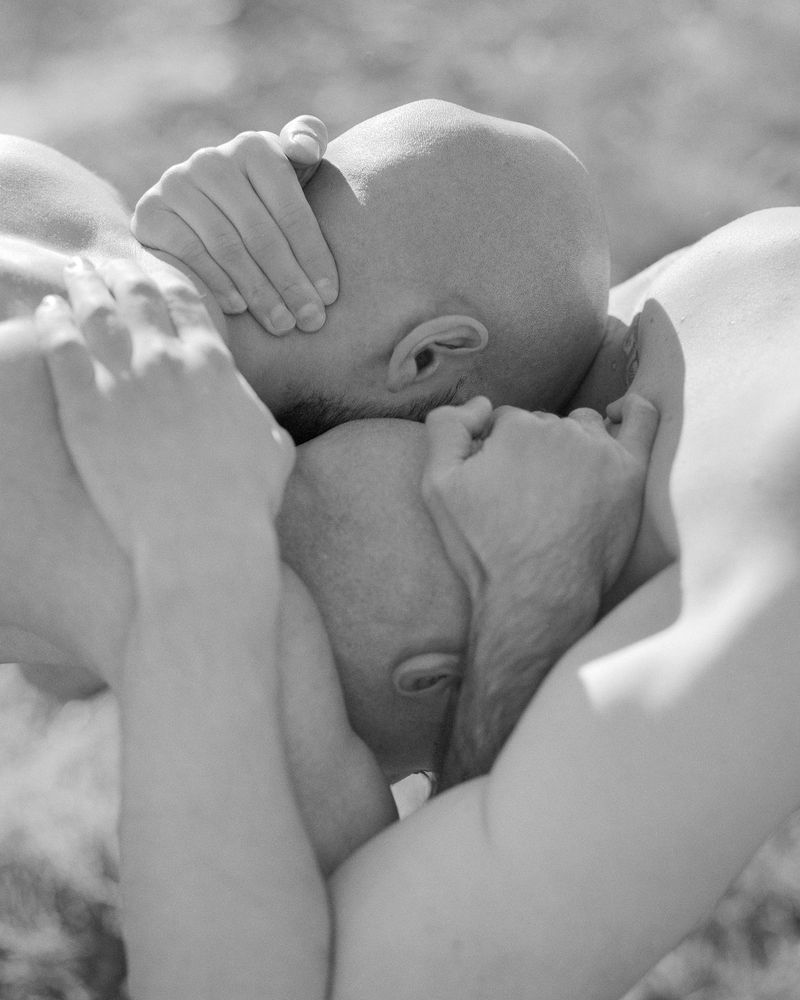
“Loose Fist stood out to the jury right away; we were surprised about the age of the photographer, considering how mature and unusual the work felt. The project – which centers masculinity culture in Kathmandu, Shrestha’s hometown – was begun in response to a homophobic attack he incurred. As the title suggests, the project is full of contradictions. At once desirous and violent, vivid and dark, Shrestha flirts with the line between conscripted performance and wild bodily expression. In a word, his pictures feel alive”.
The Main Prize Honourable Mentions were assigned to Garden by Mehrdad Mirzaie, Called To The Carpet by Sasha Velichko, and Bereitschaft by Ganslmeier & Zibelnik. Read the judges' motivations:
“Mehrdad Mirzaie's Garden is an astounding body of work of true cultural care. Begun in 2014, Mehrdad Mirzaie is creating an ongoing archive of thousands of digitally sourced, amateur portraits of Iranians killed and disappeared since the Islamic Republic Revolution in 1979. Here, the “garden” serves as a photographic honoring and resting place. Garden is a rooted endeavor to resist erasure and envision a strategy with which to remember, framed by the present day of Iranian socio- politics”. – Charlotte Cotton
“Called To The Carpet by Sasha Velichko addresses the experiences of women repressed under the regime of Belarusian dictator Alexander Lukashenko. It attempts to reconstruct a reality in which women are subjected to torture, humiliation, and sexual violence. The artist builds her narrative from testimonies of women arrested for taking part in protests against the rigged 2020 presidential election – voices that an authoritarian system has systematically disrupted and silenced. Velichko’s approach reflects the strategies of survival in harsh prison conditions. Her sculptural, handmade reconstructions of everyday objects become a desperate attempt to shed light on an issue that rarely reaches public awareness. These works are also an act of solidarity on the part of the artist – a political refugee who, alongside reconstructions, hand-weaves carpets featuring portraits of persecuted women. Though imperfect and marked by flaws, the pieces remain deeply human and personal. They create a space where the political and the intimate intertwine, quietly resisting an oppressive regime”. – Rafal Milach
“Bereitschaft by Ganslmeier & Zibelnik explores the contemporary circulation of fascist imaginaries through social media, revealing how aesthetics of the body, discipline, and performance are being reactivated within youth culture. The jury was compelled by the relevance of this inquiry, developed through a collective process, which sheds light on a phenomenon both pervasive and insidious: the re-emergence of ideological codes within seemingly innocuous digital cultures. Through an almost encyclopedic approach to collection, categorisation, and analysis, the project maps a diffuse form of fascism, rearticulated through the visual languages of our time. While the proposal did not achieve full consensus in terms of formal resolution, it stood out for the urgency of its subject. The jury chose to acknowledge a collective and research-driven critical practice, capable of engaging with the complexities of the present and opening space for reflection on dynamics that are as troubling as they are difficult to grasp”. – Sergio Valenzuela-Escobedo
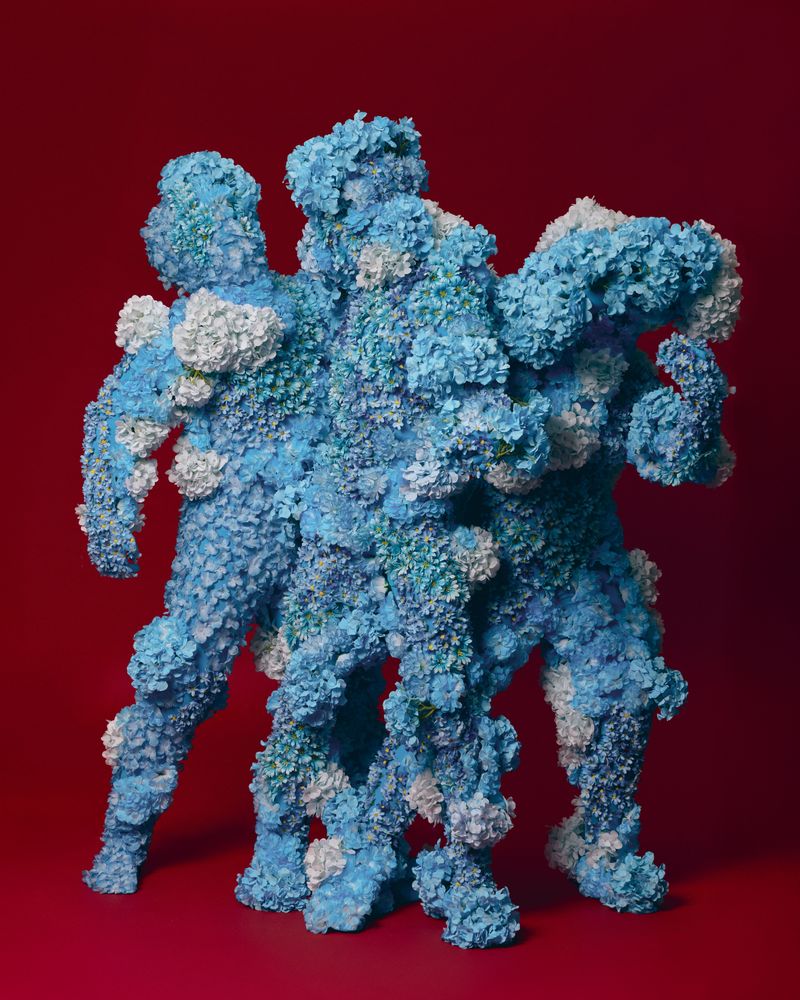
The €2,000 New Generation Prize was assigned to Venezuelan photographer Victoria Ruiz who presented the project We Knew The World In Fragments Of Color. Judge Charlotte Cotton explains the panel's decision for the under-30 prize recipient:
“Victoria Ruiz has a multivalent practice that spans performance, mask-making, carnivalesque costume creation, temporary sculptures and photography. With the rituals and mythology of her Venezuelan motherland melded with storytelling around ongoing civil unrest and suppression, and largest displacement crises in the world today, Ruiz draws us in with the vitality of her work. I appreciate the way in which her beautiful photographs fix but also complicate the stories that she tells us”.
26/01 by Mehrdad Mosaferi and West Of The Birch Trees by Anastasia Miseyko received the New Generation Prize Honourable Mention. Carmen Winant and Sergio-Valmotivates on behalf of the jury:
“In 26/01, Mehrdad Mosaferi offers a sensitive reflection on memory, erasure, and resistance, rooted in the Women, Life, Freedom movement in Iran. The jury wished to acknowledge the political urgency of this work, grounded in a complex present where bodies become sites of struggle. Through a dispositif combining documentary imagery and UV-reactive prints, the project reveals hidden narratives while questioning contemporary forms of visibility and disappearance. This selection reflects a broader consideration of how protest is represented and the relevance of political imagery today. In 2025, as images circulate and vanish at unprecedented speed, the work raises questions about what photography can still produce in the face of History. Created by a 28-year-old artist, the project stood out as a strong emerging voice. The jury also recognised the strength of a work in progress, whose unfinished nature opens toward future developments”. – Sergio Valenzuela-Escobedo
“Anastasia Miseyko’s West Of The Birch Trees surprised us, and felt entirely unusual. A Ukrainian artist living in Spain, her work embodies the feeling of her perpetual diaspora and displacement. The images are at once mundane and ghostly: grainy with harsh lighting – often holding only parts of bodies, and images within images – they are somewhat disorienting. Taken together, they read like a series of memories (or a foreboding dream) in which only pieces can be deciphered”. – Charlotte Cotton
PhEST's team granted a solo show at the coming edition of the Italian festival to Marek Kita’s work FUNFUN/GUN. PhEST Artistic Director Giovanni Troilo and Photography Curator Arianna Rinaldo explain how they selected the work to be exhibited in Monopoli, Italy this summer:
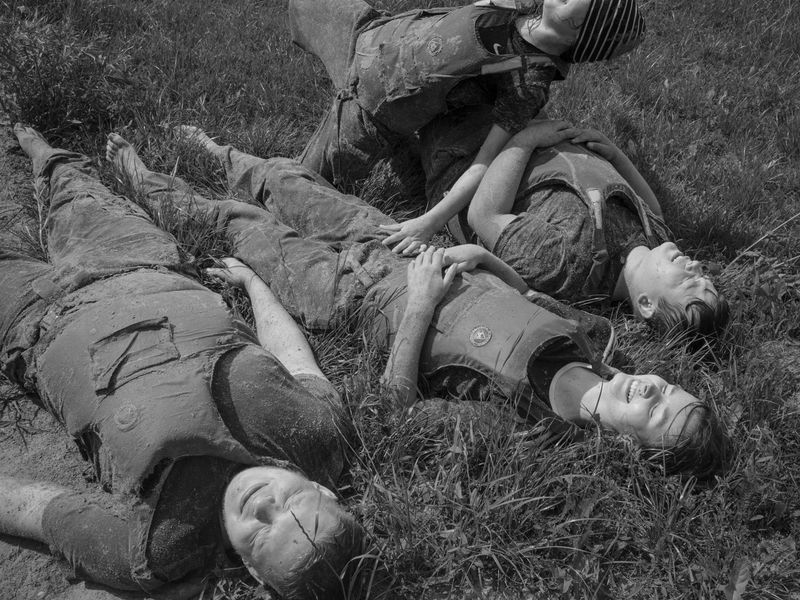
“Marek Kita’s FUNFUN/GUN is an apparently innocent documentation of children playing war during a holiday camp activity. However, in the context of the current geopolitical situation and in the broader spectrum of children's upbringing in a world dominated by real and virtual conflict, it speaks to larger issues. What if this becomes a reality? What if children’s playtime intertwines with the crude reality of political global decisions? It is not so far fetched, military education is happening in many countries, it is part of the coming of age process. Marek’s work makes us uncomfortable as we dive into the gestures and expressions that mimic the adult world but should not belong to the realm of childhood. With a soft black and white, that is devoid of drama, he succeeds in interrogating us on our current history and the paths of the future. And most importantly on the gradual but continuous normalization of conflict in our culture and our identity”.
The exhibition at Getxophoto Festival, which will take place in the Basque Country, starting at the end of May, was awarded to Radiant Grounds by German Photographer Jan Richard Heinicke. Curator Maria Ptqk motivates her choice:
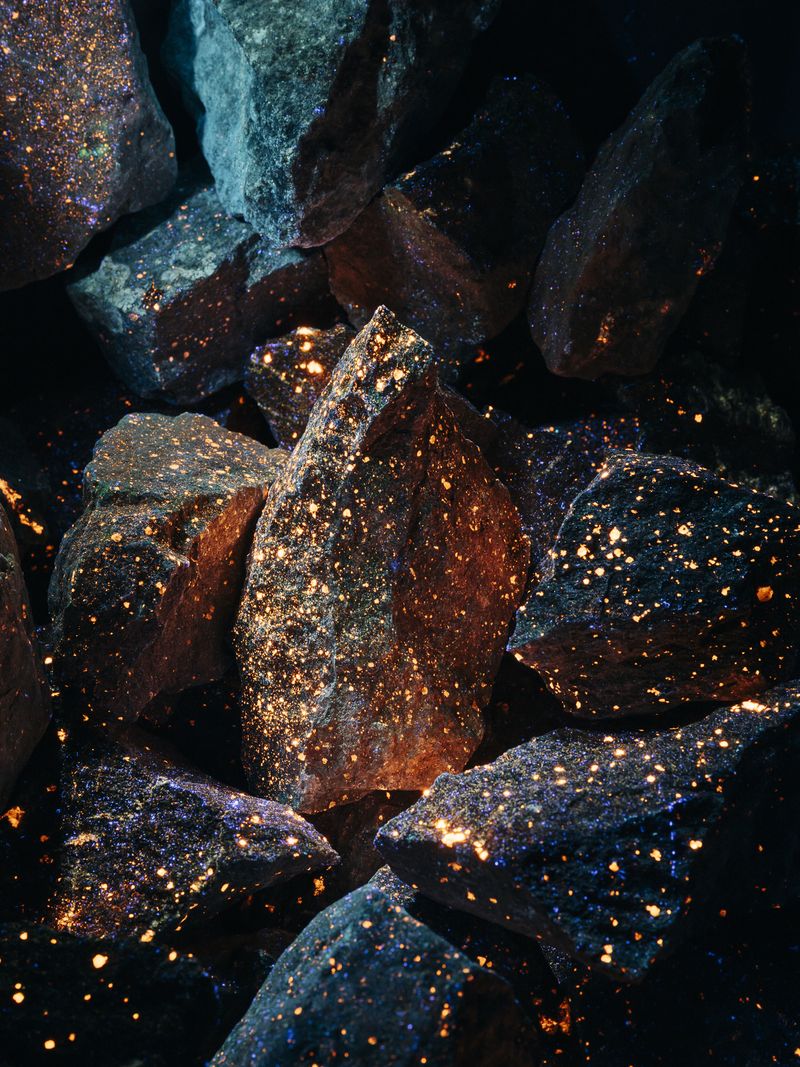
“Radiant Grounds by Jan Richard Heinicke has caught the attention of the jury because of its very fine combination between a highly complex and contemporary topic, such as the global battle for rare earth and uranium mines in Greenland, and its formal approach through an expanded understanding of documentary photography. The resulting project visually captures the multiple scales implicated: from the intimate view on the local communities to the political perspective on land, from the physical materiality of rocks and minerals to the haunting and invisible presence of radioactivity”.
The solo show at PhMuseum Lab was awarded to Parallel Mutant Family by Japanese artist duo Fujimura Family. PhMuseum's Founding and Artistic Director Giuseppe Oliverio comments:
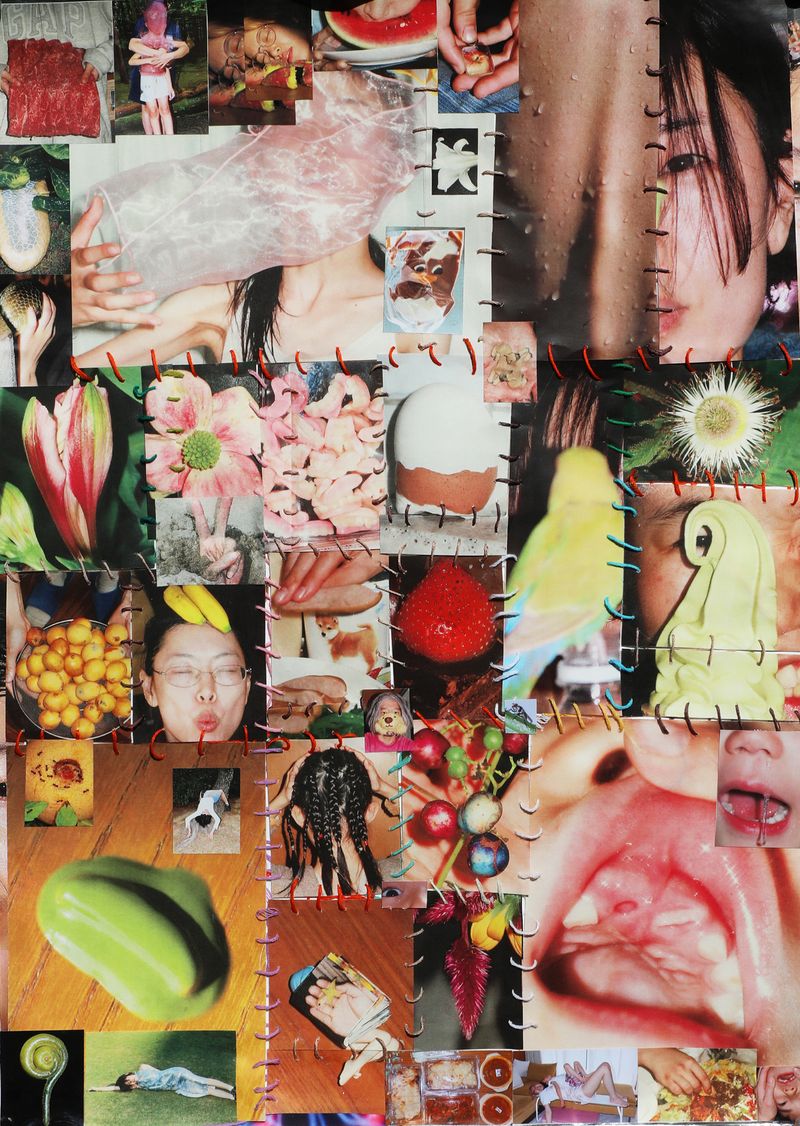
“When a new family is born, life takes on a different meaning. Time accelerates, and images become the most precious gift left to recall and celebrate the journey together. This subject is brilliantly interpreted by the Fujimura Family, who pair collage with a maximalist aesthetic. By cutting, stitching, and layering daily photographs, the project transforms subconscious memories into a tactile experience, exposing the complex, fragile, and layered process through which personal narratives are constructed. What stands out is a collaborative approach where freedom is the only rule to explore how daily life is full of precious moments and rituals that evolve and shift in meaning as we grow. Beyond its contemporary relevance, the work fits into the long tradition of the family album, responding with joy to a question that stays timeless: what will remain as time passes? Parallel Mutant Family is a visual testament within the frame of today’s visual culture that we are extremely happy to exhibit at PhMuseum Lab”.
Selected by Krzysztof Candrowicz and Mafalda Ruao, Lodz Fotofestiwal will welcome Dimitri Stefanov in the coming edition of Photo-Match, along with a dedicated screening of his work After The Fathers during the opening weekend in Lodz, Poland, this June.
“Dimitri Stefanov was selected for Fotofestiwal for his nuanced approach to documentary photography, in which a personal narrative intersects with a broader socio-cultural observation with great intimacy. After The Fathers feels like a meditation on masculine inheritance and absence — somehow a rare ability to locate meaning in the quiet and the overlooked. As a testimony to a generation that expressed itself through things and fleeting moments, rather than words”.
Nine 30-minute online portfolio reviews were assigned toVeneers by Barnaby Chinnock, Listen To The Prayers They Sing by Halima Ibrahim, The Mountain That Cried by Luiz Maudonnet, I Love You, Yet Not by María Fernanda Pérez, Sweet Or Bitter? by Mohamed Bakri, What You Think You Know / It's Just A Matter Of Production by Myrto Konstantinidou and Soti Tyrologou, Jungle Mahal by Shashwat Das, Oporanho - Afternoon by Tanjila Munia, and 1993- by Timur Kemelbaev. Each artist will select a mentor of their choice from the PhMuseum Education individual program.
Four projects will contribute to the 2nd issue of PhMuseum's printed Annual, to be launched at PhMuseum Days on 1–4 October 2026:The Reinforcements by Qiana Mestrich, Spider, Snake, Turtle And Dragon by Xiaoxiao Xu, Frontline Rolls by Sergey Melnitchenko, and Loose Fist by Arhant Shrestha.
Beyond the results, we will keep supporting selected work through articles, interviews, newsletters and features. We hope to meet the community in person at our festival PhMuseum Days and publishing fair Photobook Mania, happening jointly in Bologna on 1–4 October, where the 36 shortlisted projects will be screened. Projections will previously take place this Summer at Lodz Fotofestiwal and Kranj Foto Fest. In the meantime, enjoy all the selected and shortlisted projects at phmuseum.com/g26!