26/01
-
Dates2022 - Ongoing
-
Author
- Location Iran
-
Recognition
-
Recognition
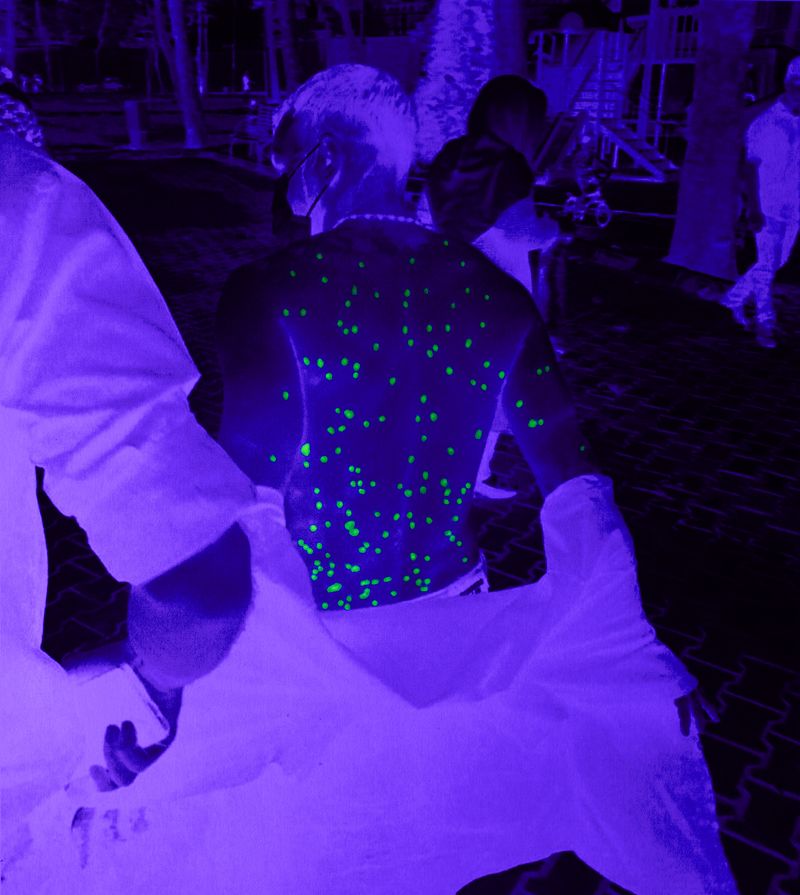
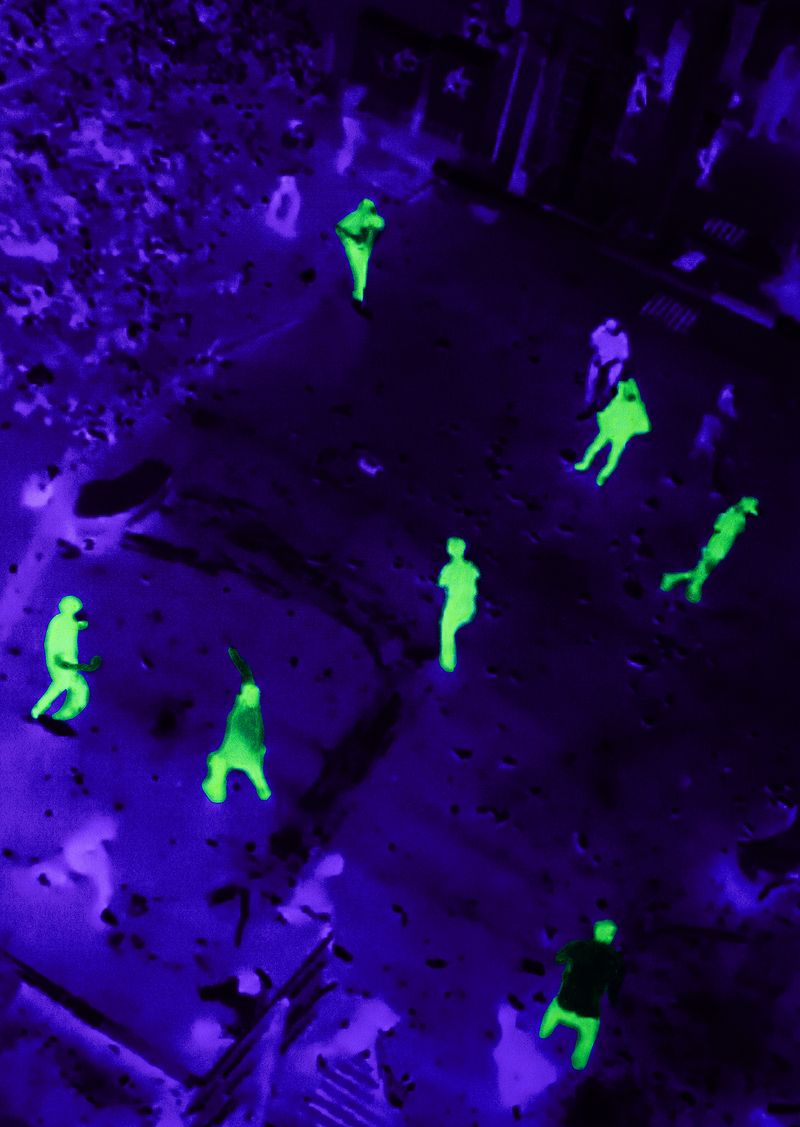
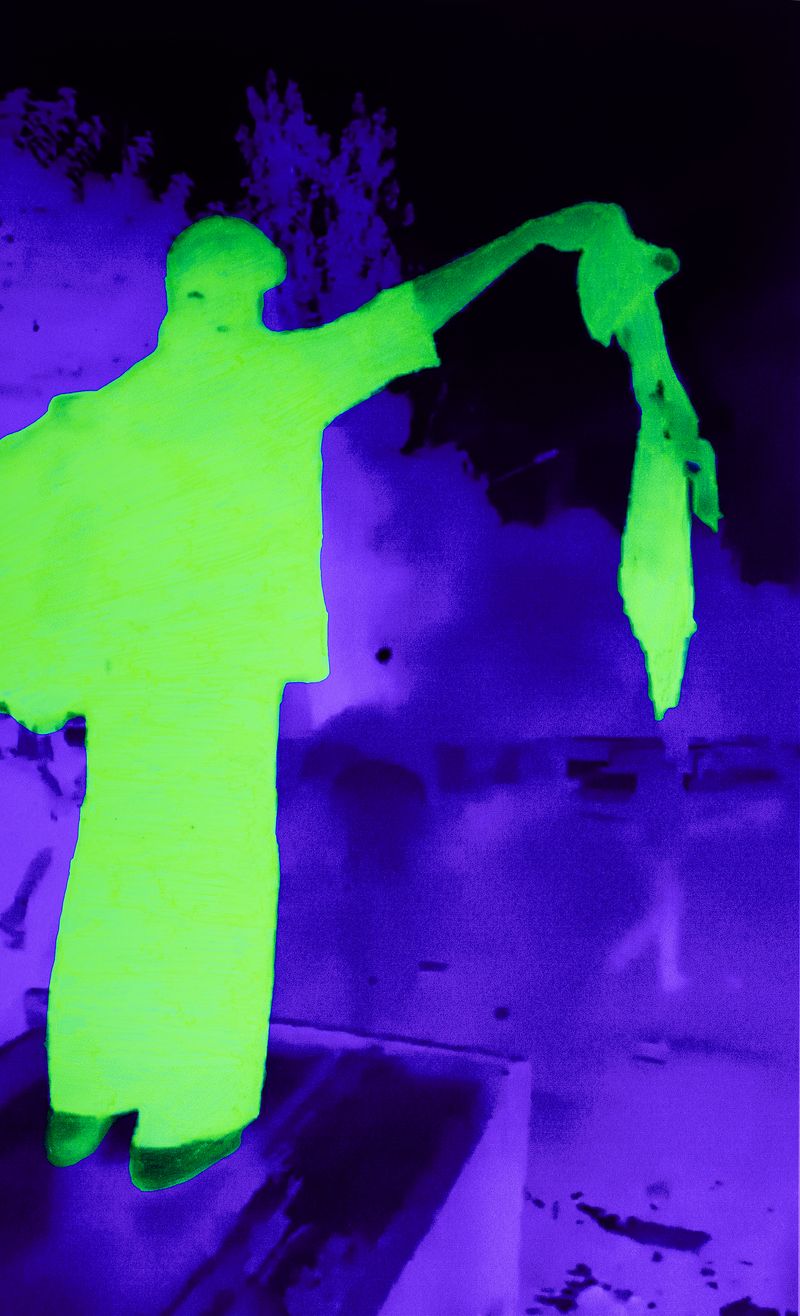
Project 26/01 looks through the lens of a witness at the Women, Life, Freedom movement in Iran, born after Mahsa Amini was killed by morality police, using UV-reactive prints to reveal hidden layers of memory and suppressed narratives.
Project 26/01 emerges from the tension between presence and absence, and between what is visible and what is suppressed. At its core, this project examines how bodies, especially female bodies, become sites of control, resistance, and collective memory under an oppressive state. The struggle over bodily autonomy reflects the broader dynamics of political and social power in my country.
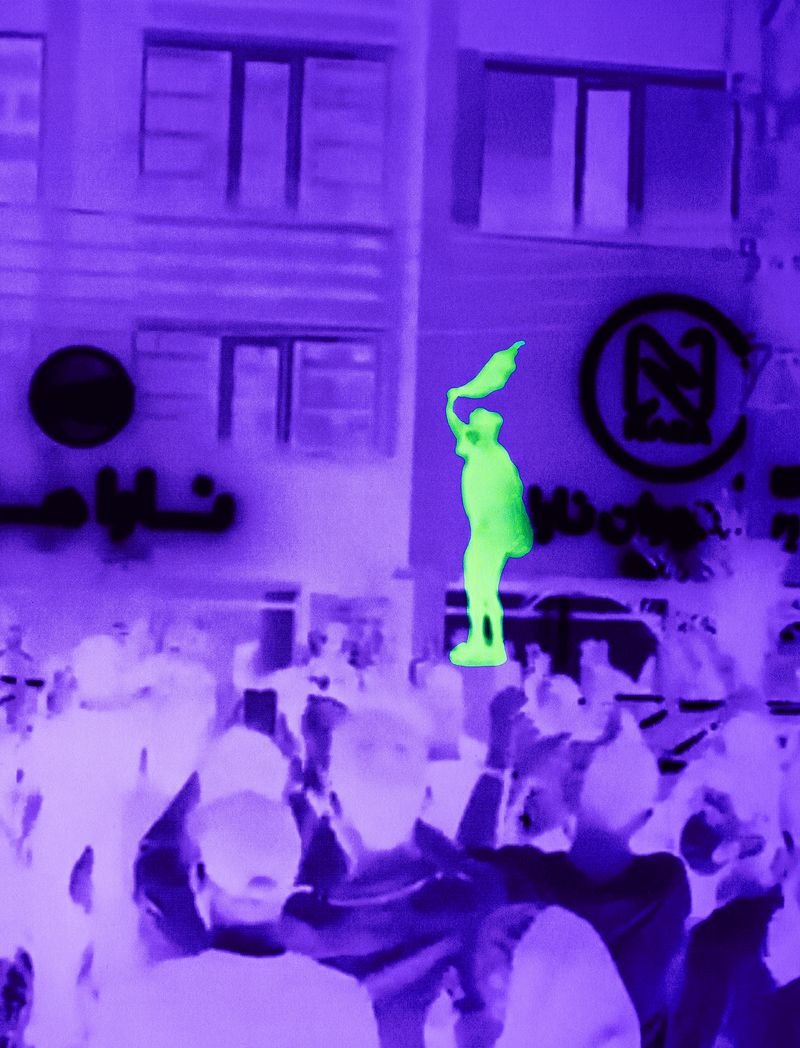
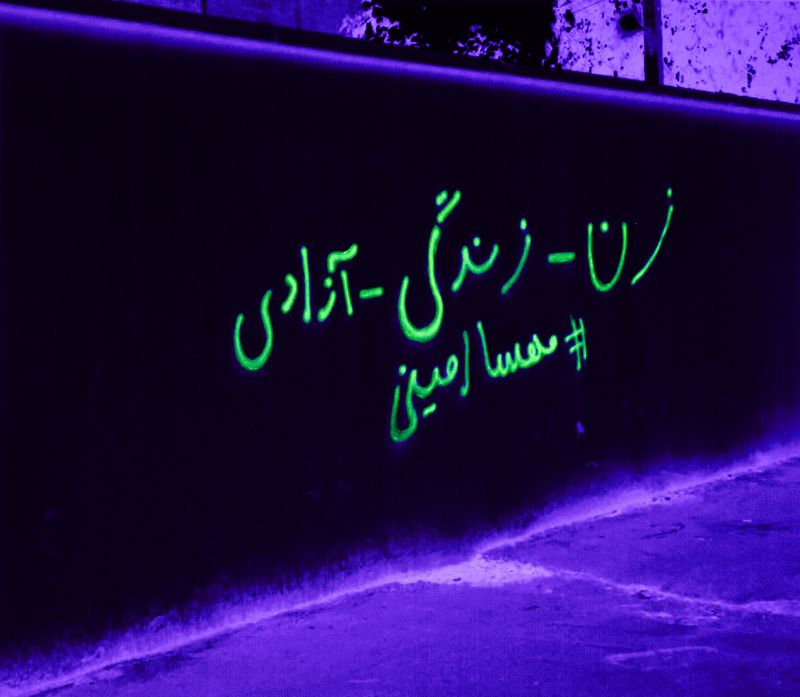
The uprising that inspired this project began with the tragic death of Mahsa Amini, who was killed by the morality police for allegedly violating mandatory hijab laws. Her death sparked protests as women courageously removed their hijabs, marking the beginning of the Women, Life, Freedom movement—a struggle for bodily and social liberation that continues to this day. This project seeks to document and reflect on these acts of resistance.
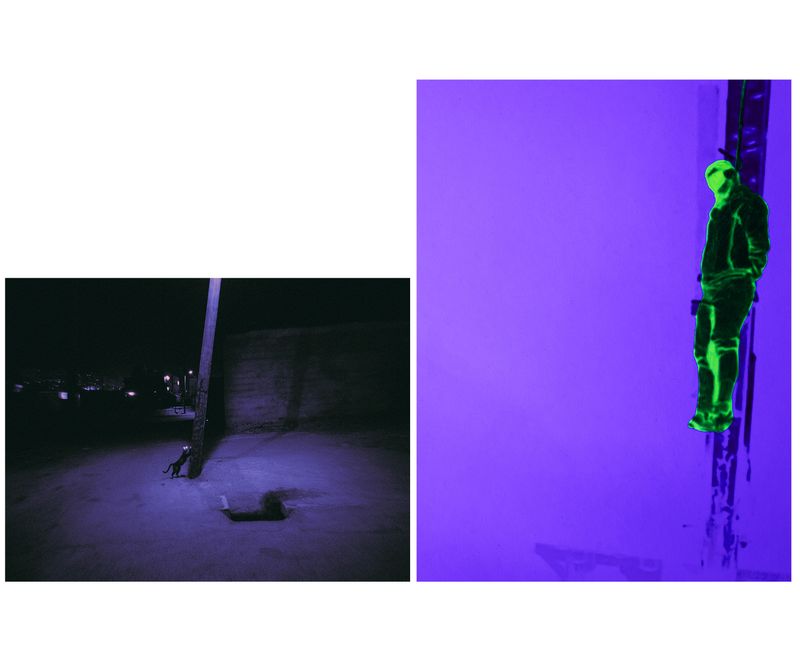
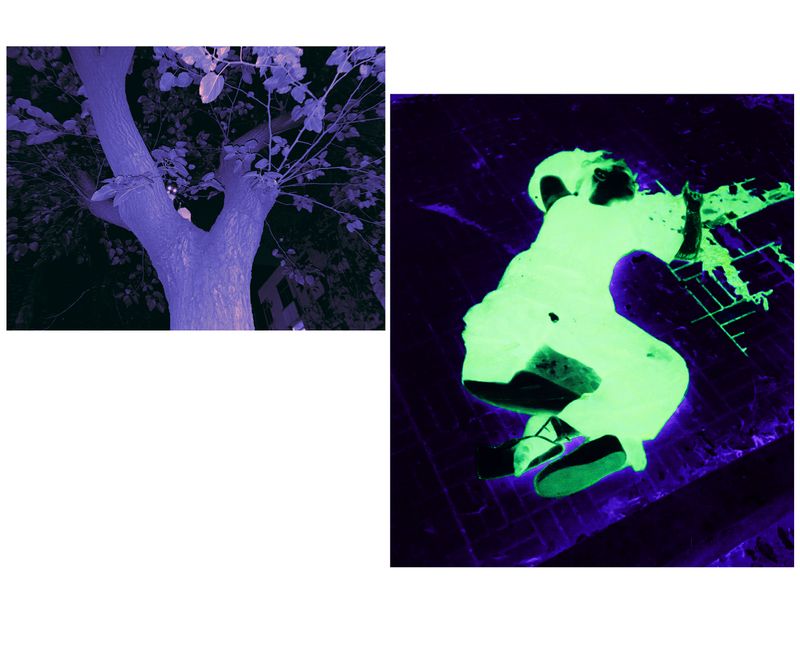
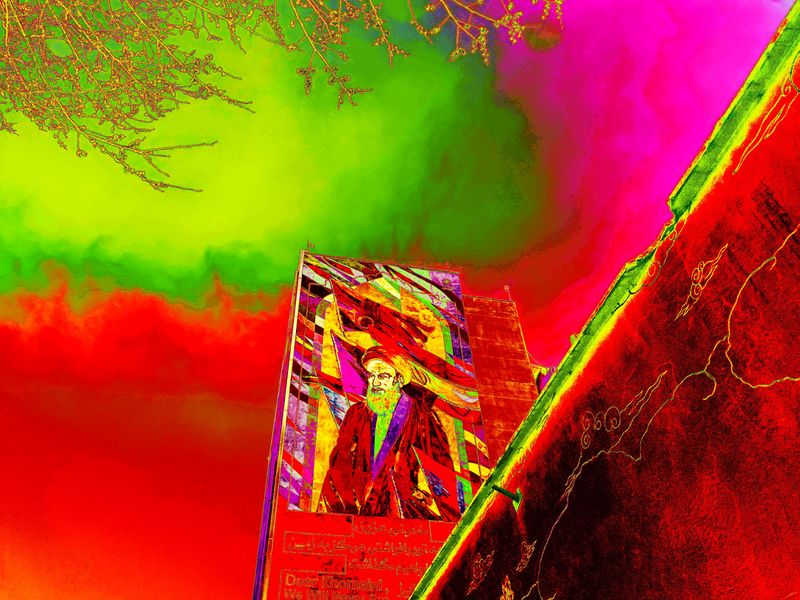
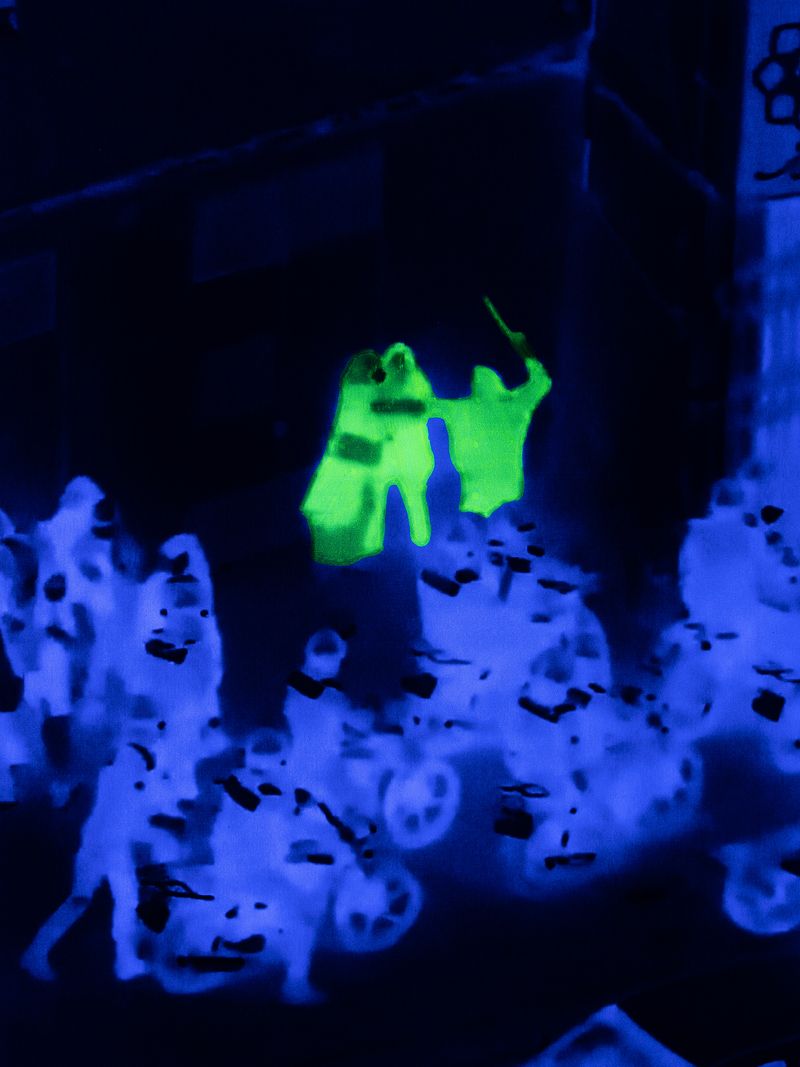
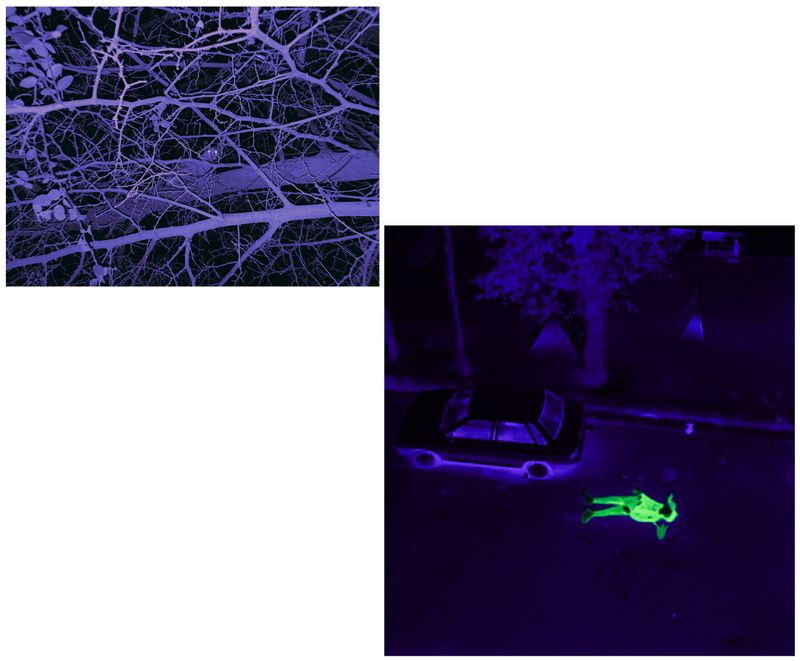
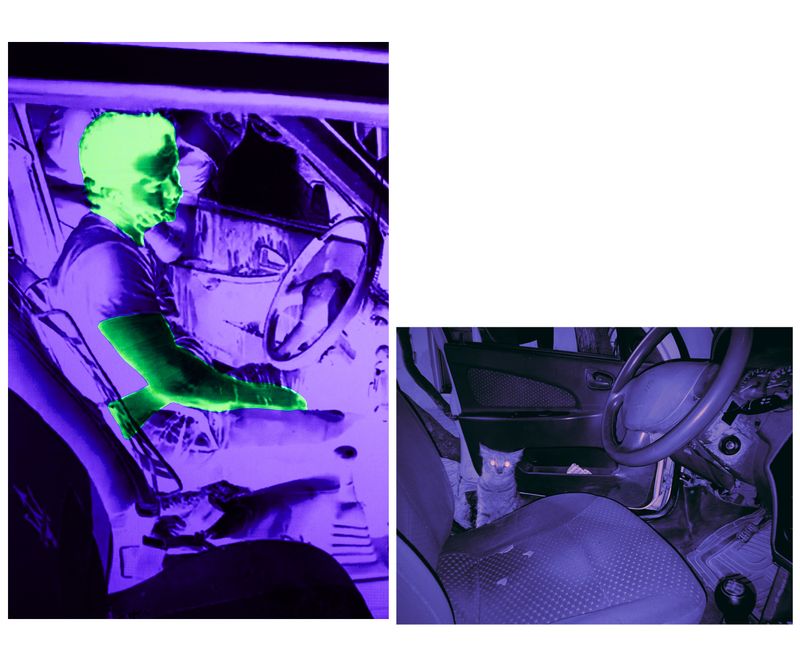
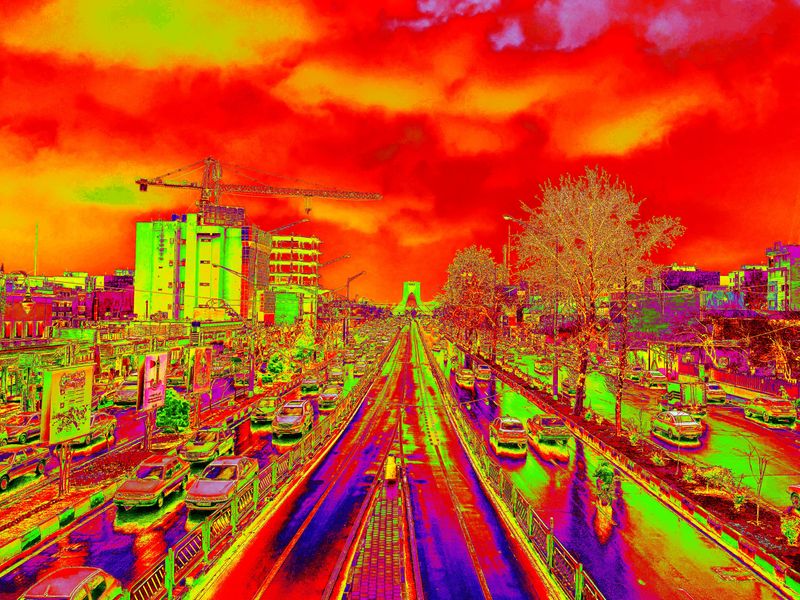
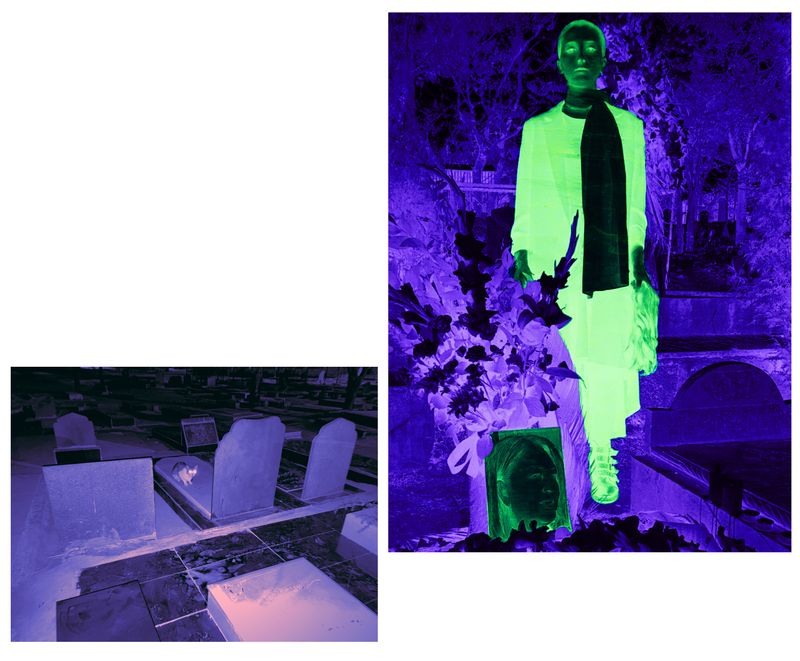
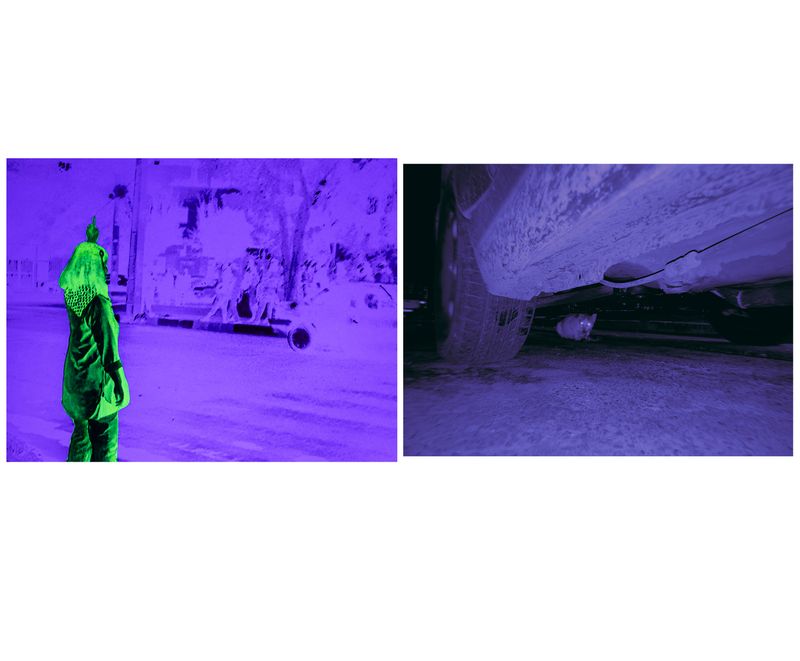
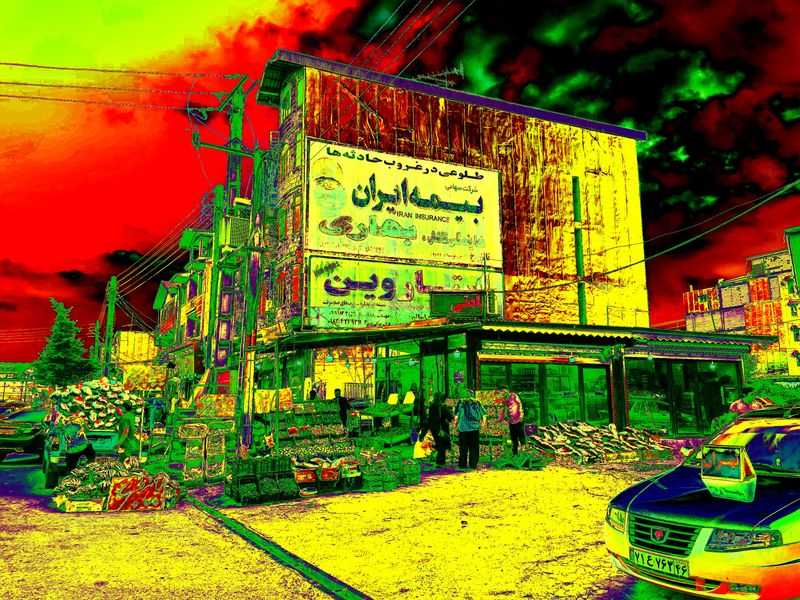
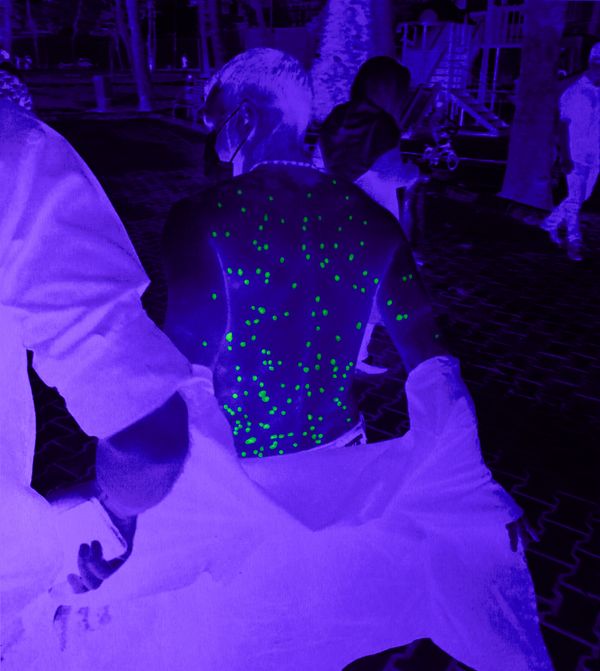
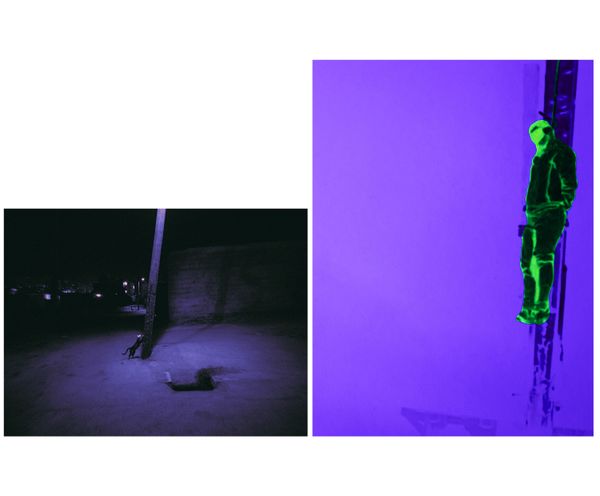
The works are presented as diptychs. On one side, recovered screenshots from the protests—gradually censored or erased—are displayed using UV-reactive ink, revealing hidden layers under ultraviolet light. These diptychs reflect the tension between presence and absence, visibility and erasure, across bodies, memory, and urban space. Urban landscapes, borrowing the visual language of topography, depict the city as a collective body; its elevations and depressions carry traces of control, suppression, and erasure, showing that even when images and bodies are removed, memory and truth persist in hidden layers.
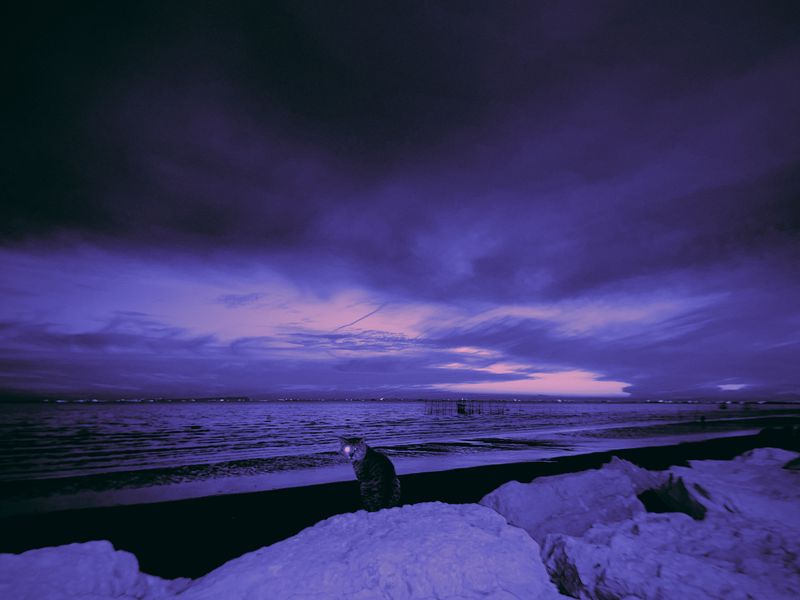
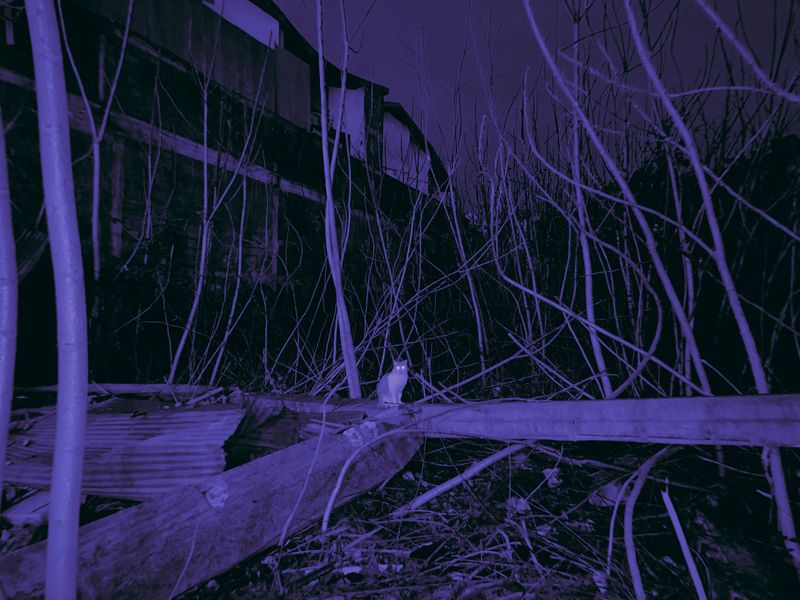
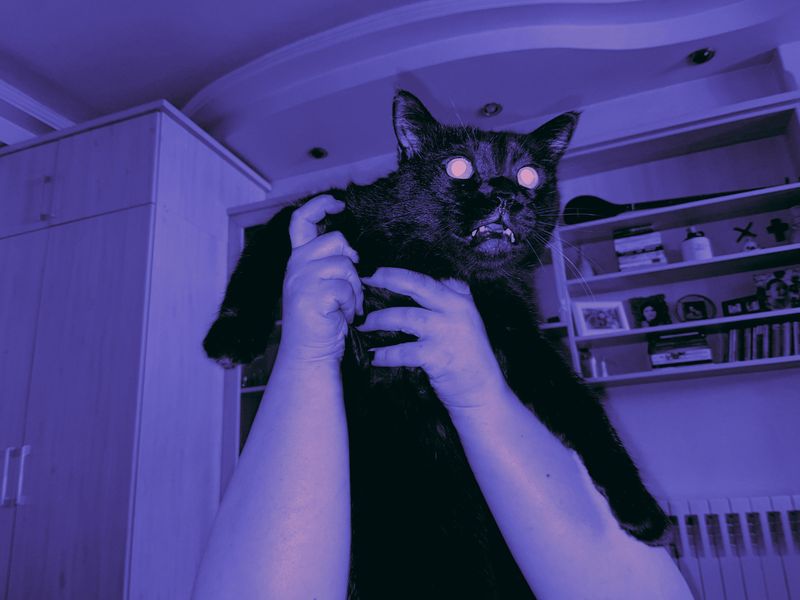
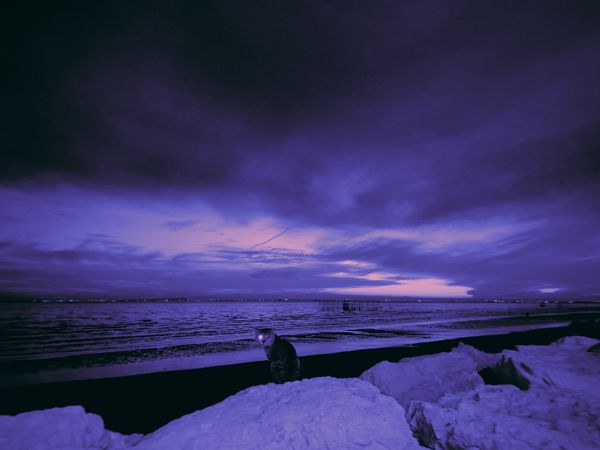
On the other side, documentary photographs of street cats mirror gestures and emotions from the protests. Cats act as silent witnesses—living archives that record truth outside official cameras, reminding viewers that truth persists even when deliberately ignored.
Some diptychs are intentionally left incomplete, inviting viewers to reconstruct the missing layer through their own memory. The project shifts between three types of visual compositions, allowing viewers to oscillate between roles as witness and affected subject, and fostering engagement with the tension between visibility and erasure.
Amid all this, I know there are always sharp-eyed witnesses—eyes that symbolize the continuity of collective memory and follow history, even when they cannot change it.