Garden
-
Dates2014 - Ongoing
-
Author
-
Recognition
-
Recognition
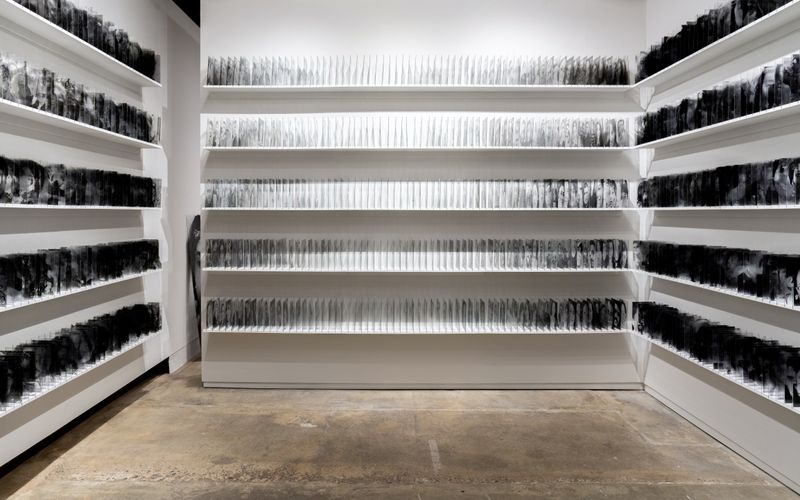
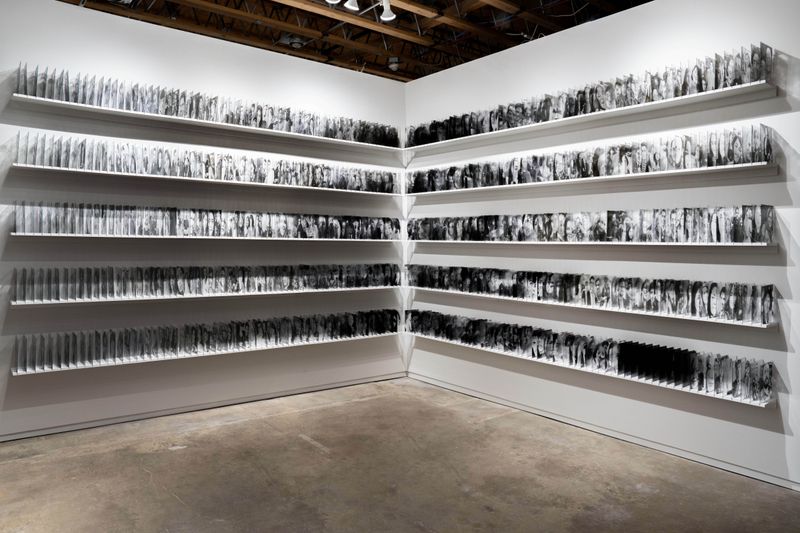
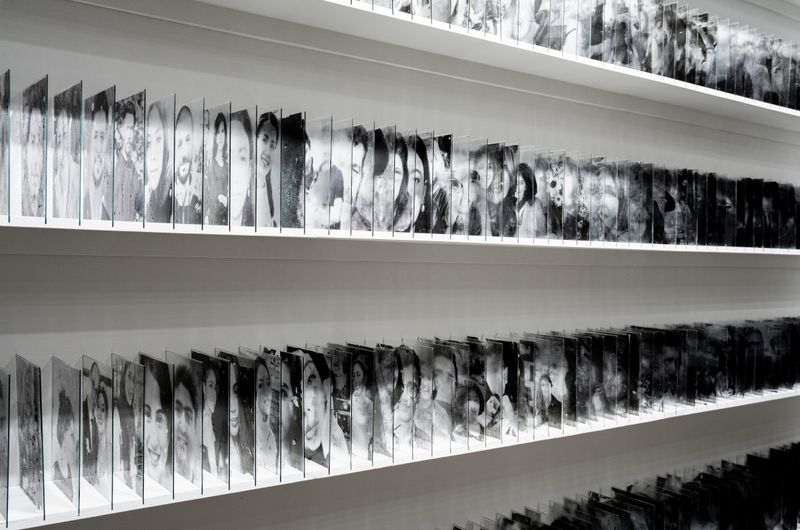
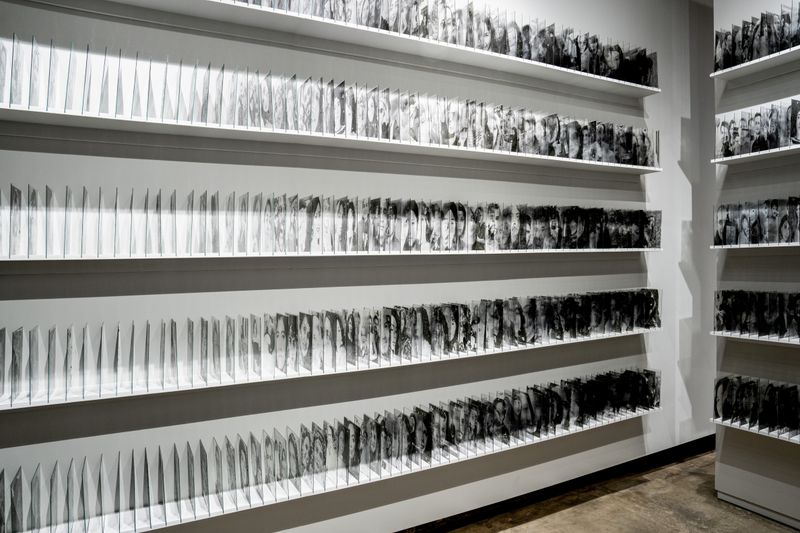
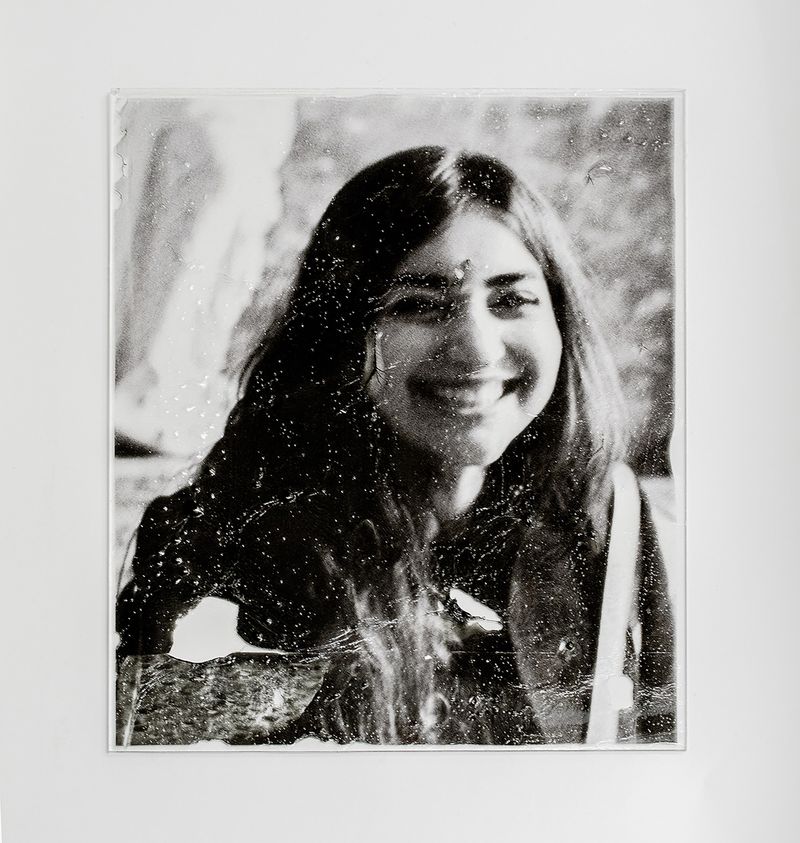
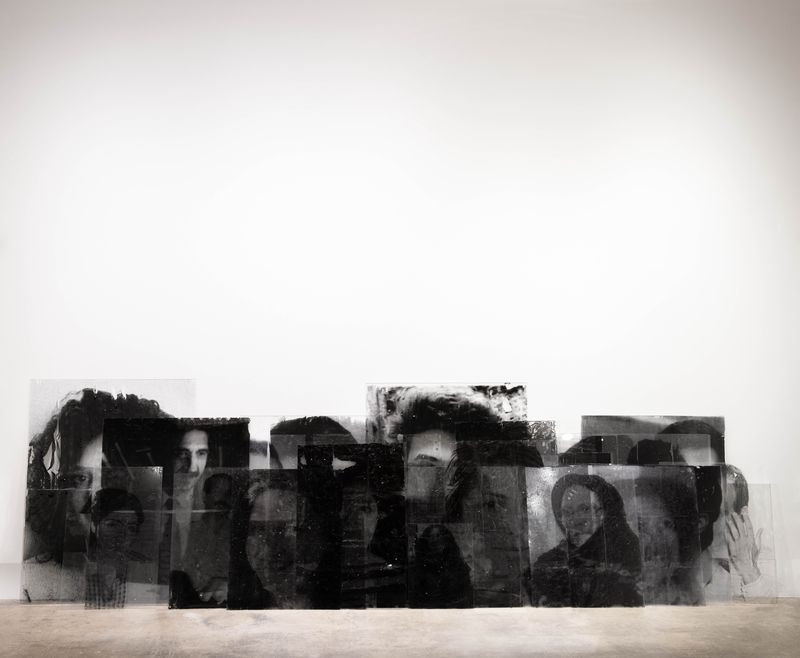
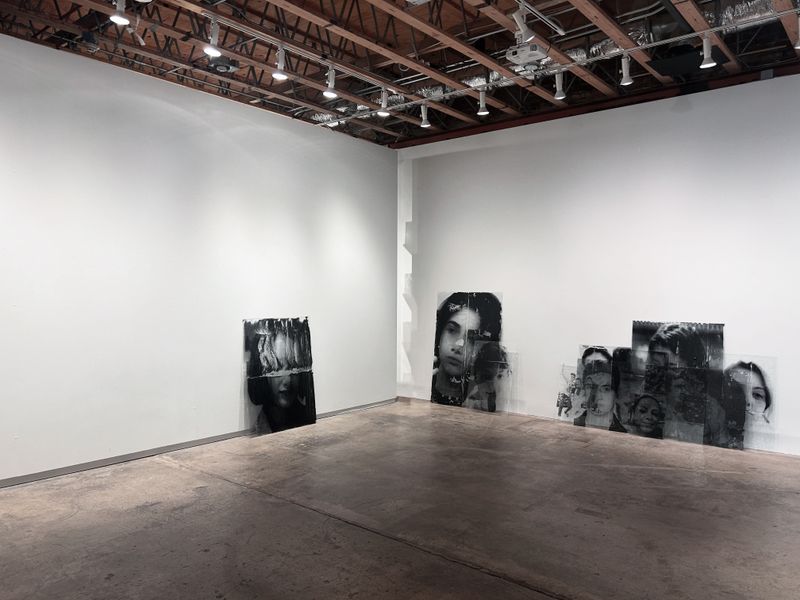
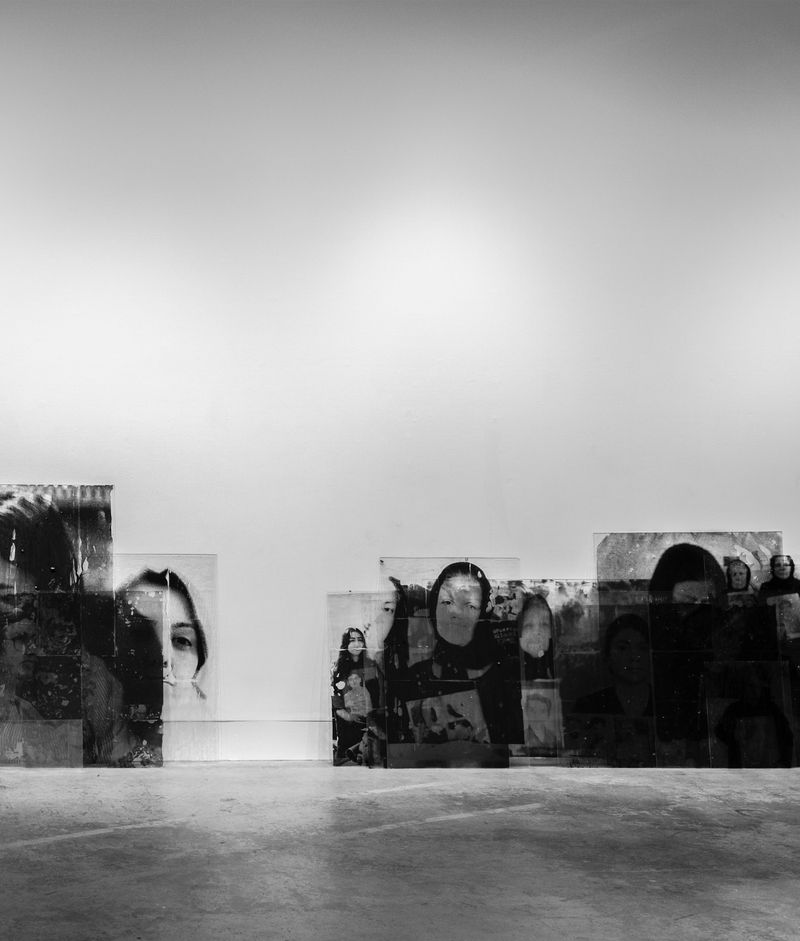
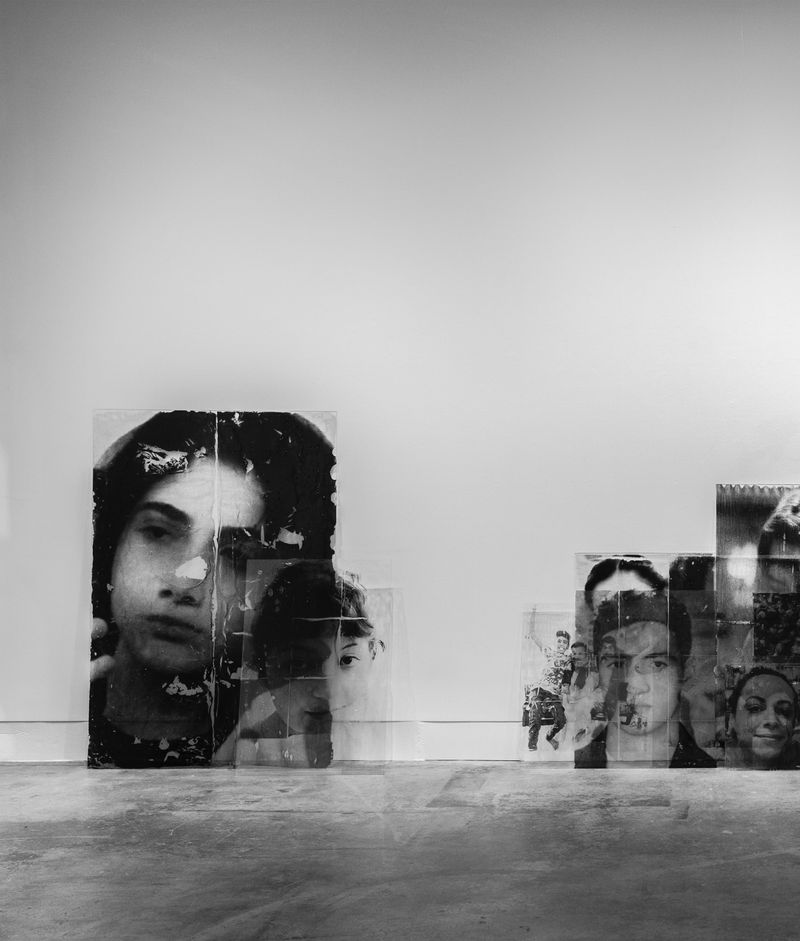
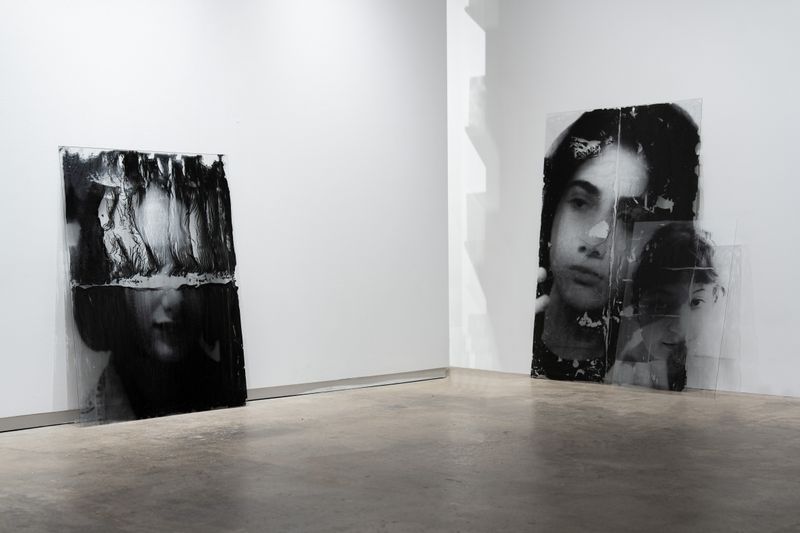
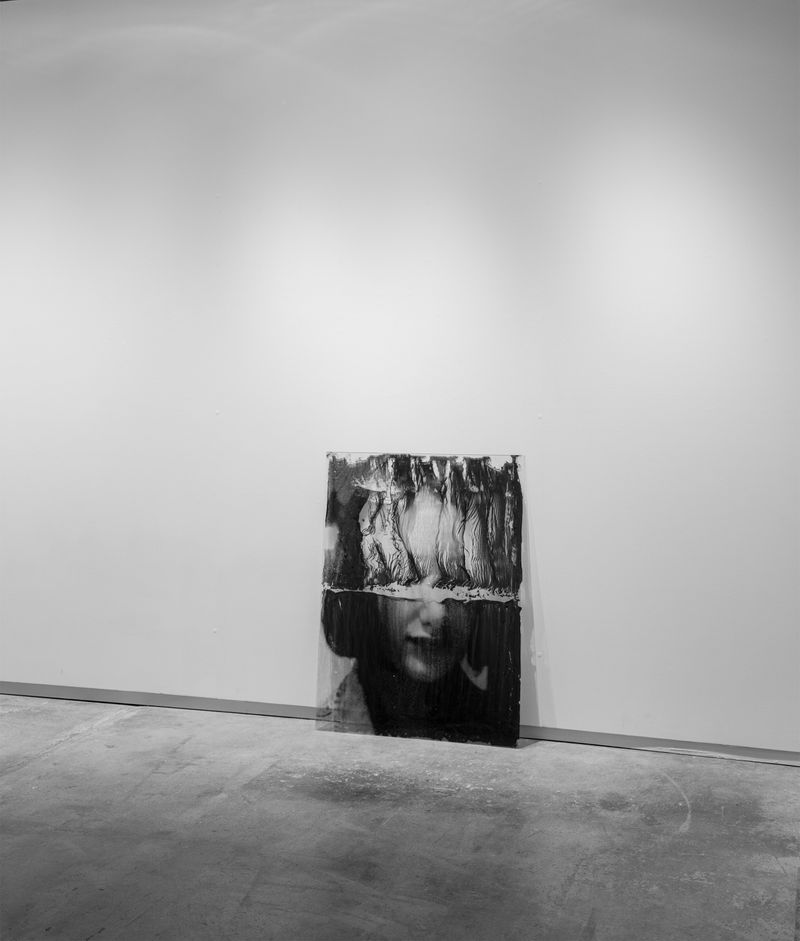
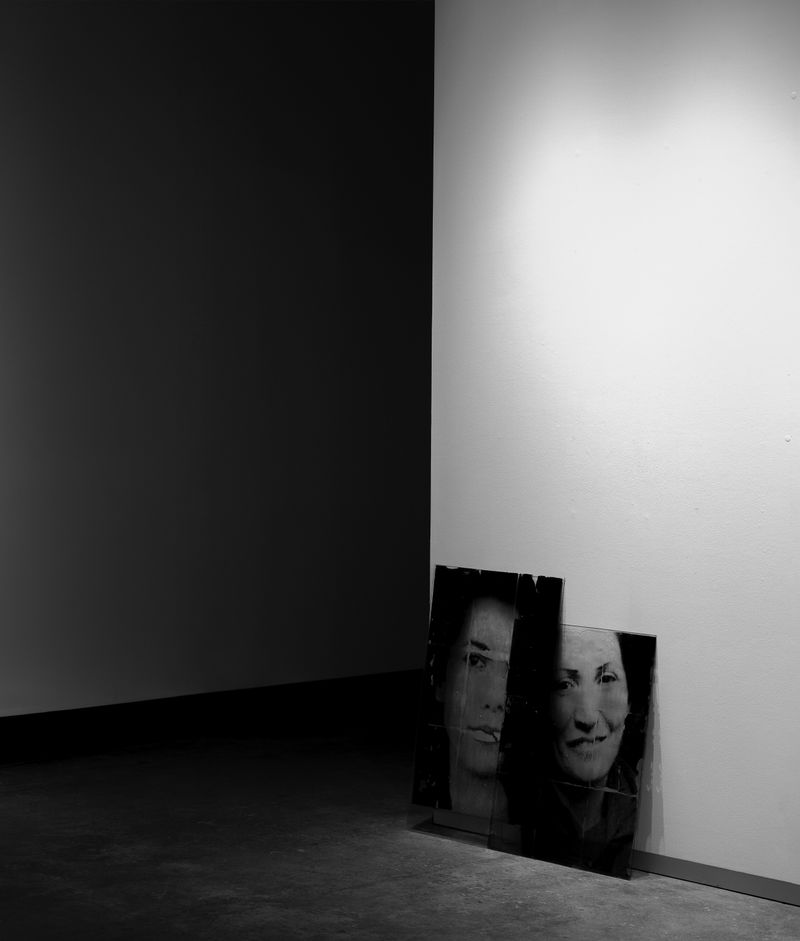
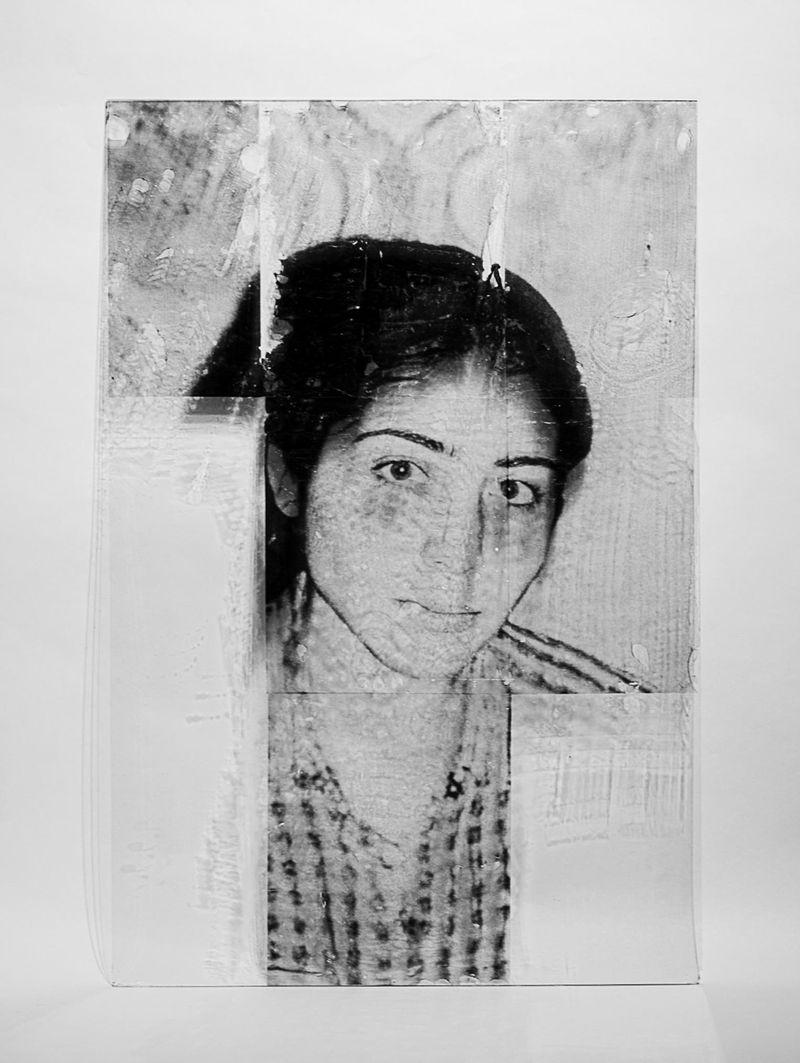
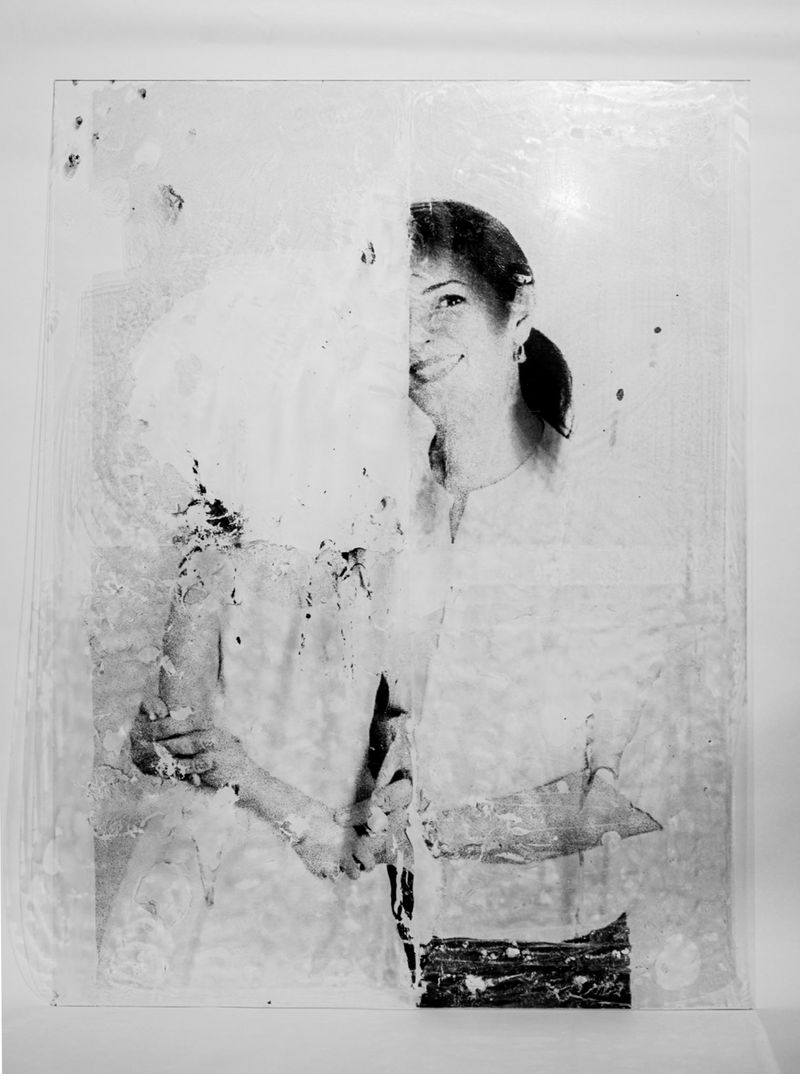
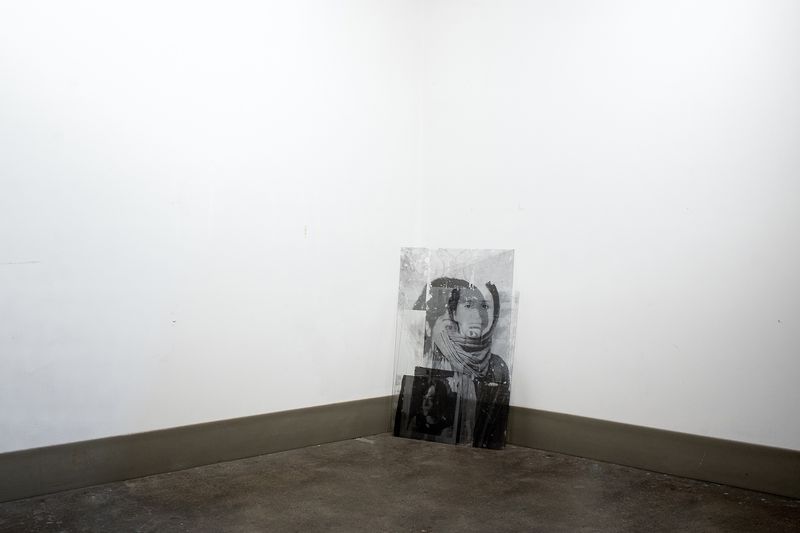
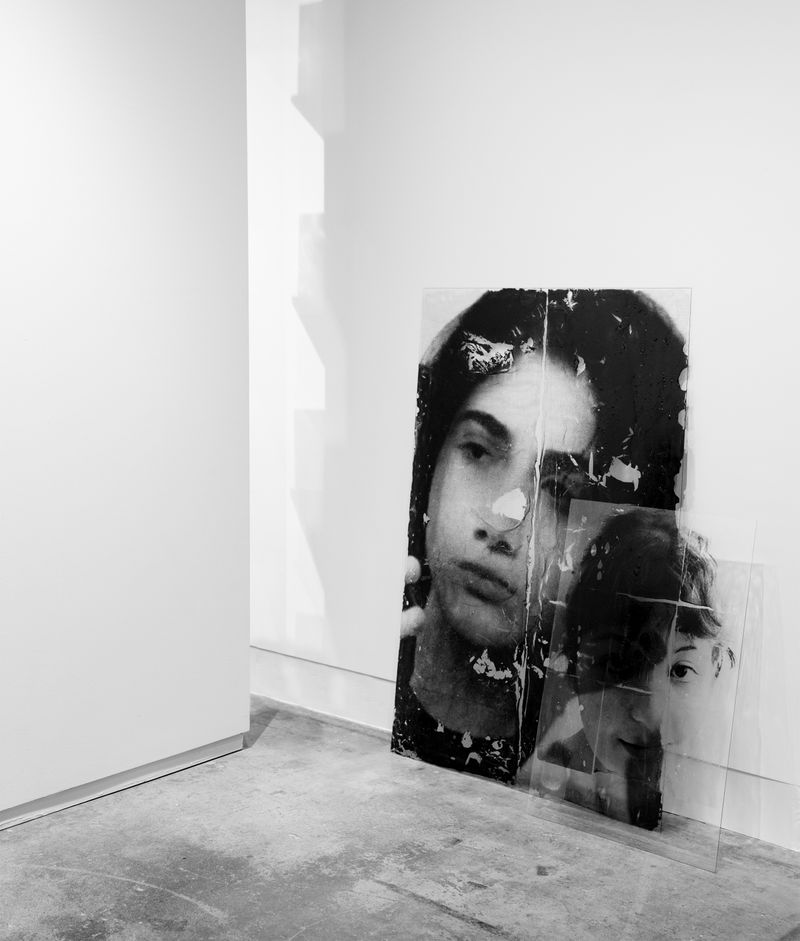
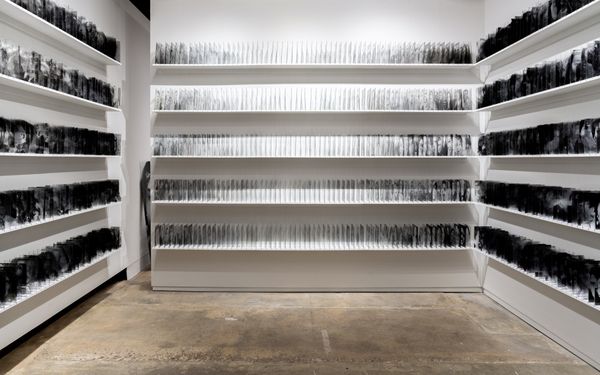
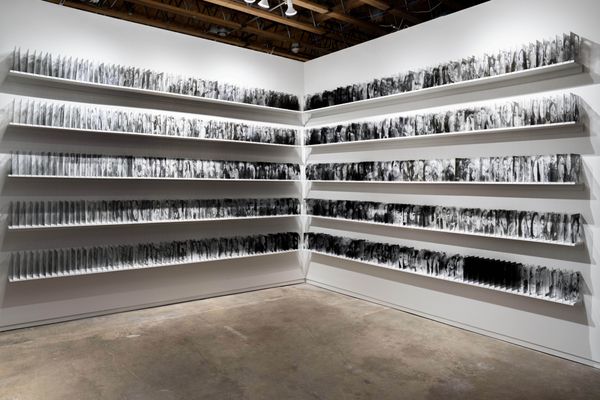
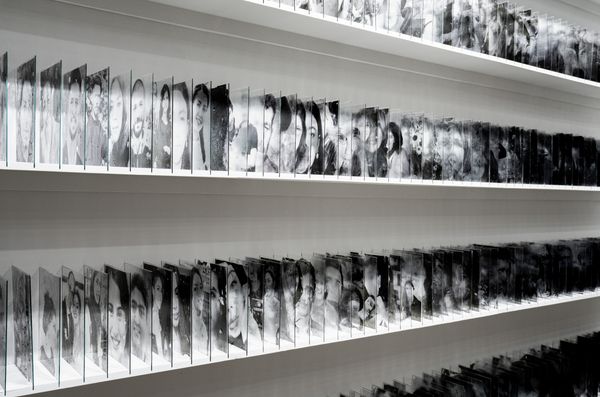
“Garden” is an archive/anti-archive composed of thousands of anonymous, digitally sourced photographs transferred onto glass that gesture toward collective memory, loss, and political erasure after Islamic Republic Revolution 1979.
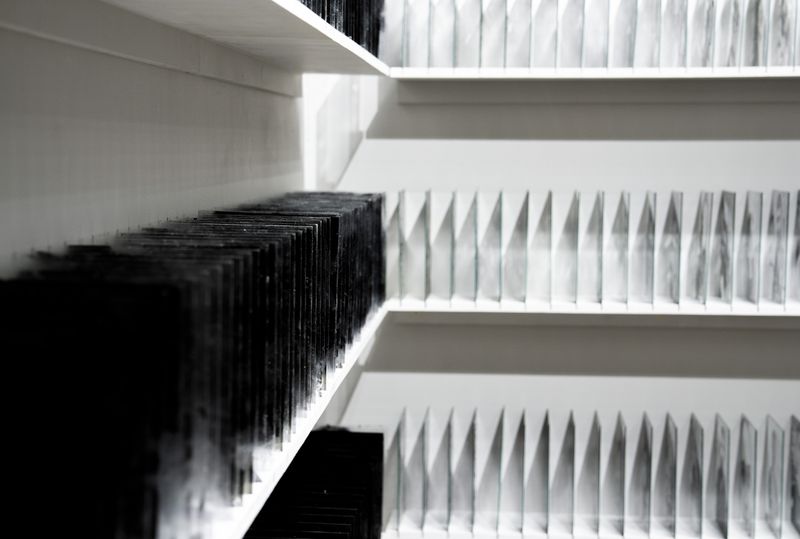
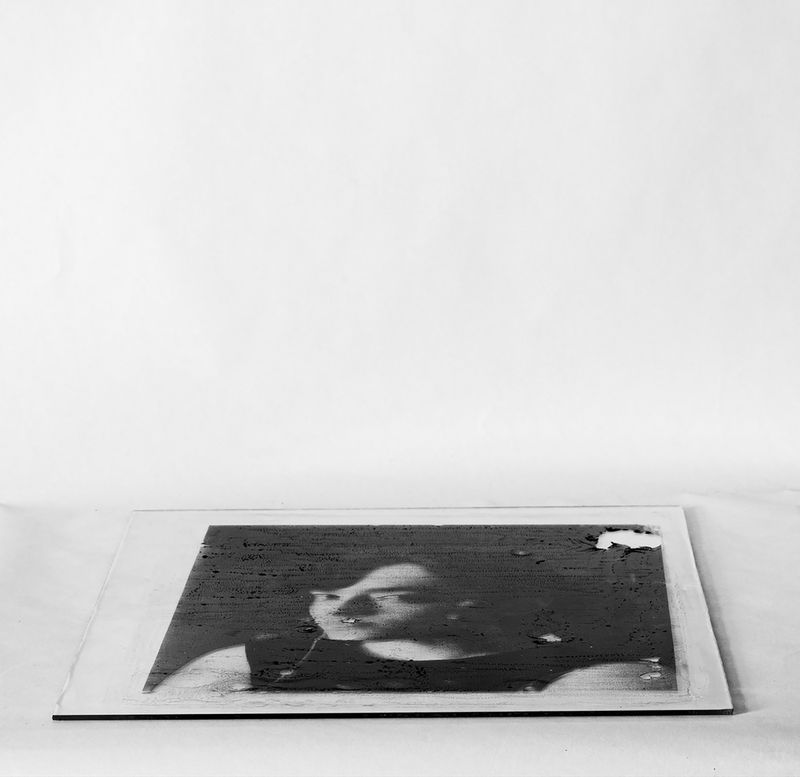
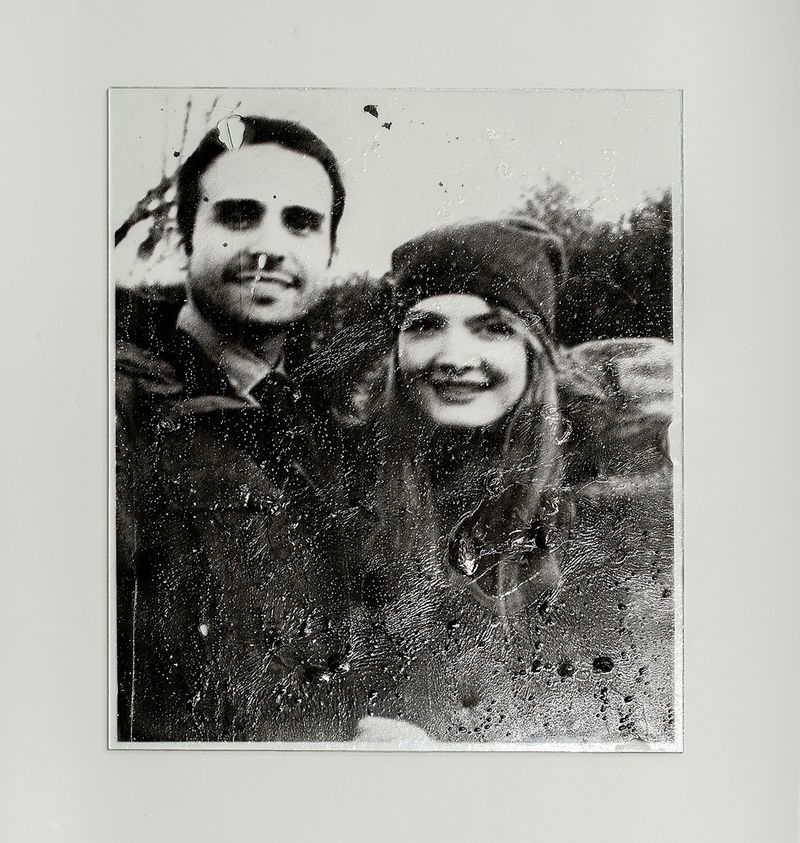
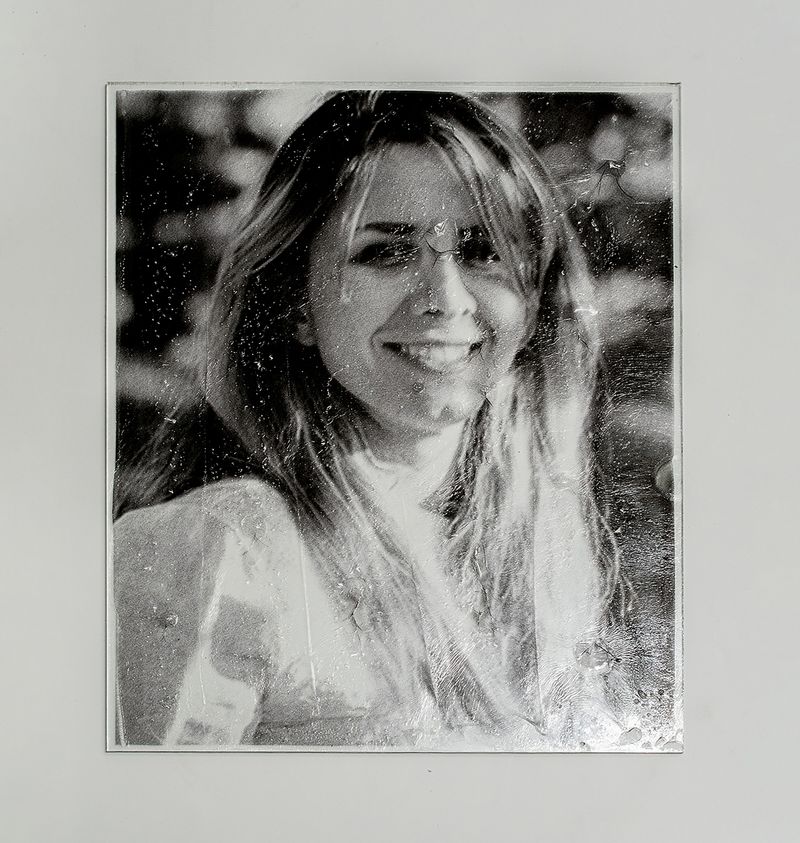
"Garden" comprises thousands of amateur photographs sourced from digital archives and social media accounts, transferred onto glass. Many of these images are manipulated, stripped of names or any contextual information. They depict individuals who lost their lives, were forcibly disappeared, or arrested due to the socio-political conditions in Iran from the Islamic Revolution of February 1979 to the present. This archive/anti-archive—an archive being a collection of photographs from digital sources that attempt to document and preserve information about these individuals—includes personal photographs from family albums or moments of everyday life, with the photographers remaining unknown. It is an anti-archive because it lacks the conventional qualities of a functional archive—it cannot serve as a reliable source of information, as it is marked by missing data, gaps, and erasures.
Within Iranian culture, the idea of a Garden is deeply tied to the concept of a cemetery—a resting place where life and death coexist, and where memory is simultaneously preserved and erased. It becomes a metaphor for both life (through its vibrant, cultivated nature) and death (through the resting bodies beneath the soil), reflecting the tension between presence and absence, remembrance and forgetting.
“Garden” is not merely a place; it is a condition—a state of being where time erodes remembrance and the past dissolves. It is a dwelling, both metaphorical and literal, where memories, histories, and identities fade into obscurity—whether through deliberate political erasure or the natural passage of time. constructing a space where forgetting occurs systematically—through violent suppression, loss, or transformation. It could represent historical amnesia, censorship, personal trauma, or even a place where forgotten things gather. It is both an archive and an anti-archive. Garden reflects upon the architecture of an oppressive political system, where forgetting is not passive but actively imposed.
Garden is not a memorial; it is a gesture of remembrance. In a context where repetition of remembering anything is inherently political, the Garden resists the silencing power of the Islamic republic regime by remembrance. It challenges the notion of memory as fixed or permanent, instead positioning remembrance as a fragile yet radical act. To remember in such a context becomes a form of resistance—a quiet but deliberate defiance against the mechanisms of forgetting and erasure. The garden’s ephemeral nature underscores this fragility, suggesting that even the act of recalling the past is precarious, vulnerable to decay, suppression, and reinterpretation.
"Garden" began in 2014 with a search for news and images related to the Green Movement: the uprising against the Islamic Republic in Iran following the 2009 election. A significant portion of the images, documents, and news reports had already been erased or had disappeared from the internet and social media due to various factors: account deletions, censorship, hacking, and personal decisions by account holders. Over time, much of this data had originally been shared on personal social media accounts across platforms such as Facebook, Twitter, and Instagram.
This project is about collective memory—one that is gradually fading or being systematically erased. I have shaped this project through the accumulation of various digital archives, and it is intended to remain personal. This archive/anti-archive reflects an obsession with collecting images—a collage of fragments.
Garden is an ongoing project. This archive/anti-archive continues to evolve as long as the socio-political conditions that produce disappearance, erasure, and censorship persist in Iran. The archive/anti-archive grows daily, shaped by new events, new losses, and new acts of suppression. It remains unfinished by necessity. As long as remembering is contested and forgetting is imposed, Garden will continue—expanding, accumulating, and resisting closure.
Room No.2: Archive Room
Room No.2: Archive Room is a room for carrying out the rituals of the unknown—a space where the act of remembering is continuously preserved. It is a storm of dialectical images unfolding in every moment of the present, where the past exposes itself within the now and reflects forward into the future. This abstract space refuses forgetting; it resists closure. The room has no end—it is an open space for the convergence of collective memory, ideas, and bodies.
Everything within Garden is sourced from Room No.2. Every image, fragment, and material gesture originates from this archive/anti-archive. The original collected materials are preserved within this space, which now holds thousands of images accumulated over time. Room No.2 functions as the living core of the project—an ever-growing repository from which the installation emerges and to which it continually returns.