You Don’t Look Native to Me
-
Dates2011 - 2023
-
Author
- Location Pembroke, United States
The paradox of otherness is at the core of You Don’t Look Native to Me. It opens up questions about visibility, identity, and stereotype in the U.S., where Native Americans are romanticized yet often dismissed.
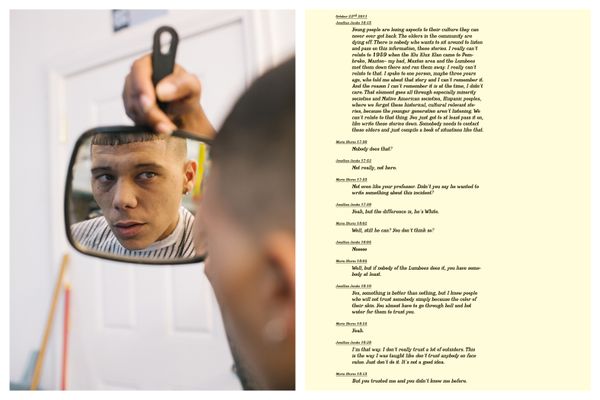
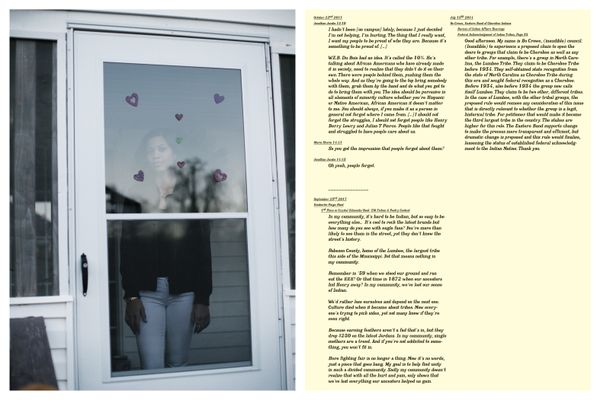
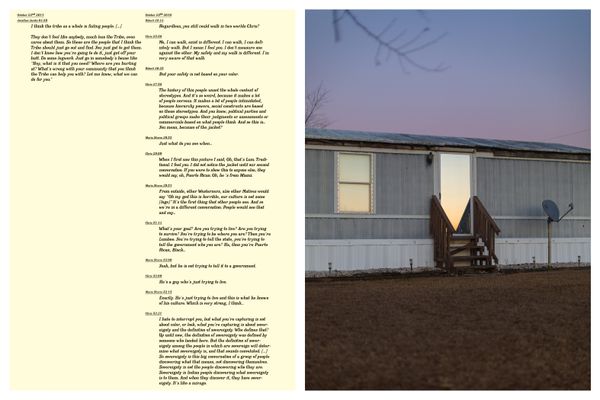
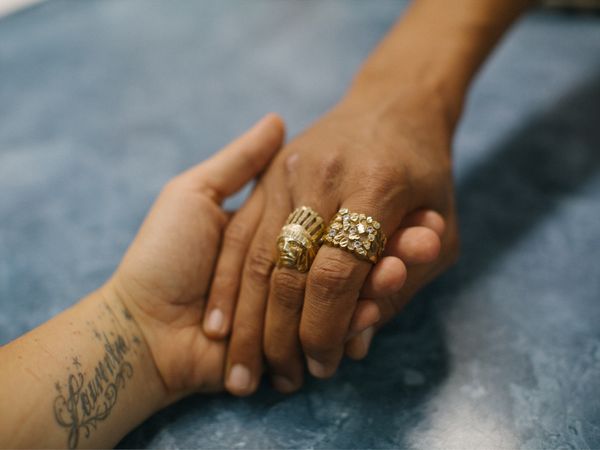
You don’t look Native to me is a long-term photographic project that I have been developing since 2011, focusing on the Lumbee Tribe of North Carolina. Through photographs, videos, interviews, and texts, the work shows Indigenous identity not as fixed, but evolving and redefining itself with each generation beyond romantic projections and rigid, state-imposed categories.
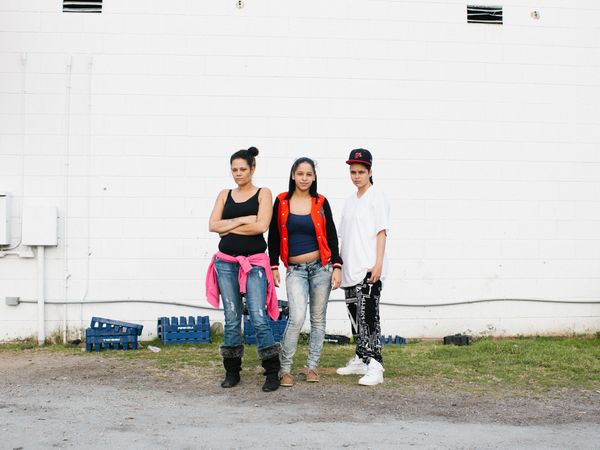
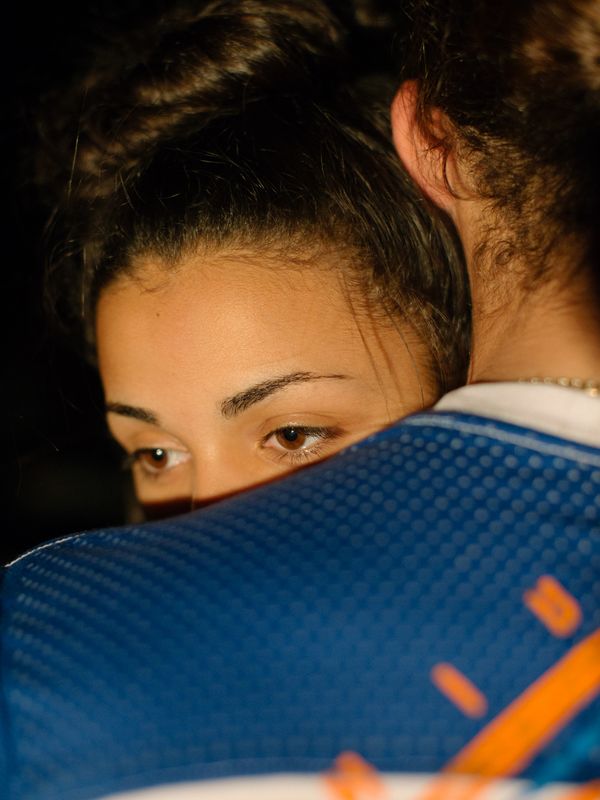
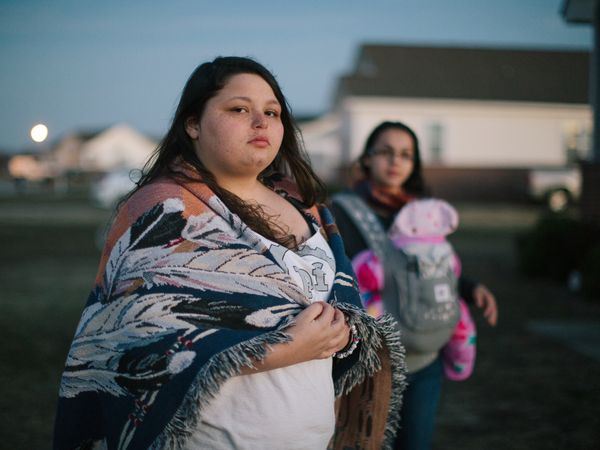
With more than 55,000 enrolled members, the Lumbee Tribe is among the largest Indigenous tribes in the United States. For decades, it remained without federal recognition—a state of political limbo that carried not only legal consequences but also profoundly shaped everyday lived experience. The phrase You don’t look Native to me is painfully familiar to the Lumbee people, encapsulating the chasm between how they see themselves and how others perceive them. My subjects present themselves as individuals with unique lives and shared cultural roots, refusing to conform to preconceptions of what it means to be Native American.
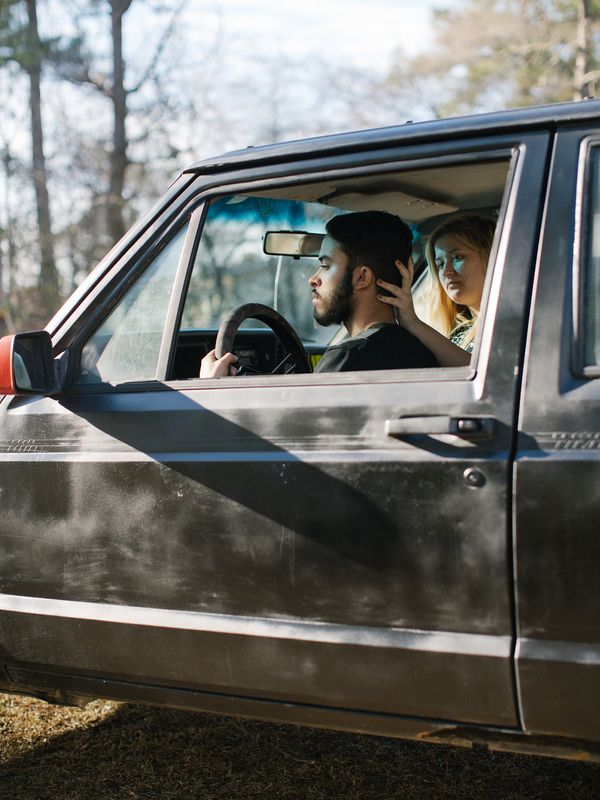
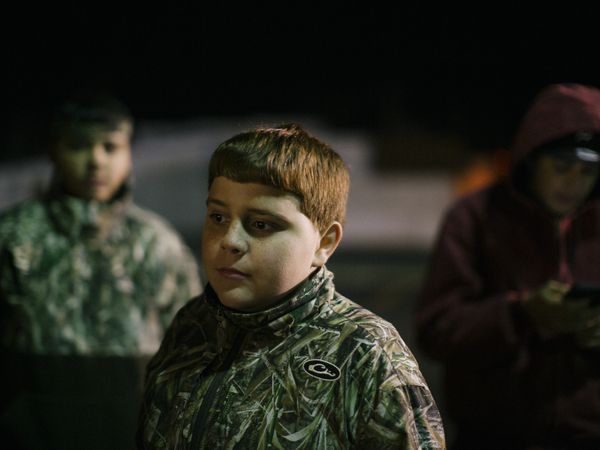
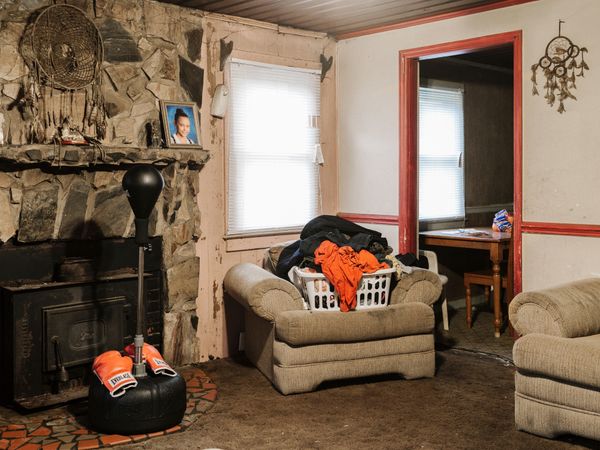
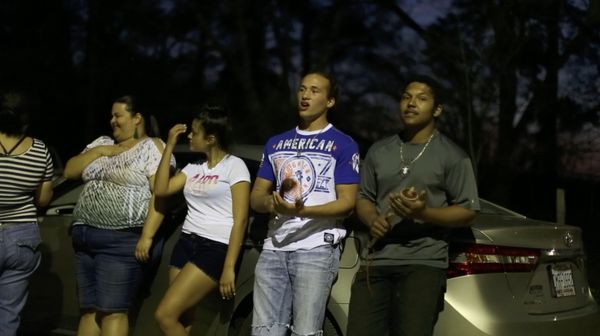
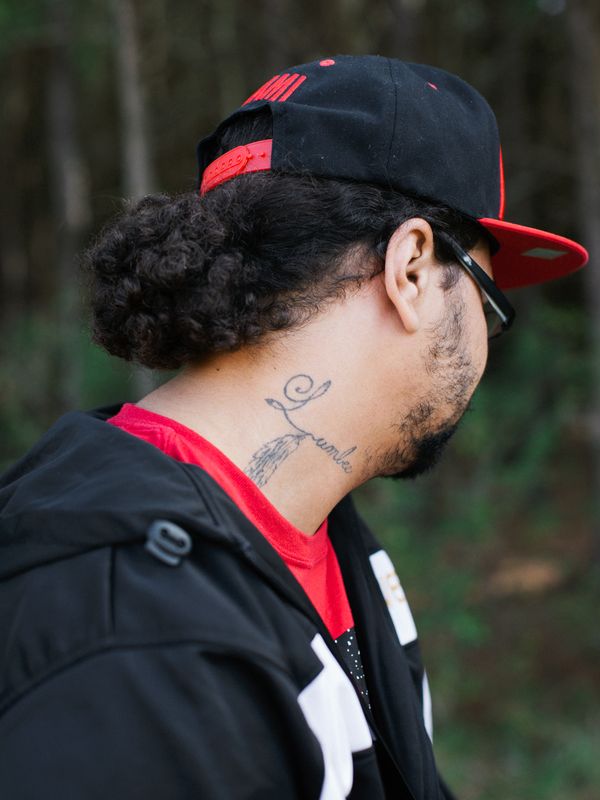
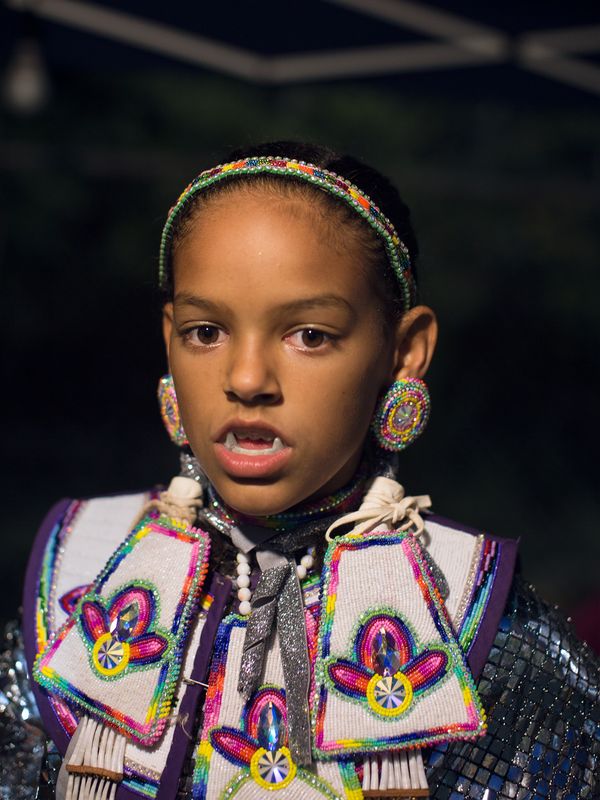
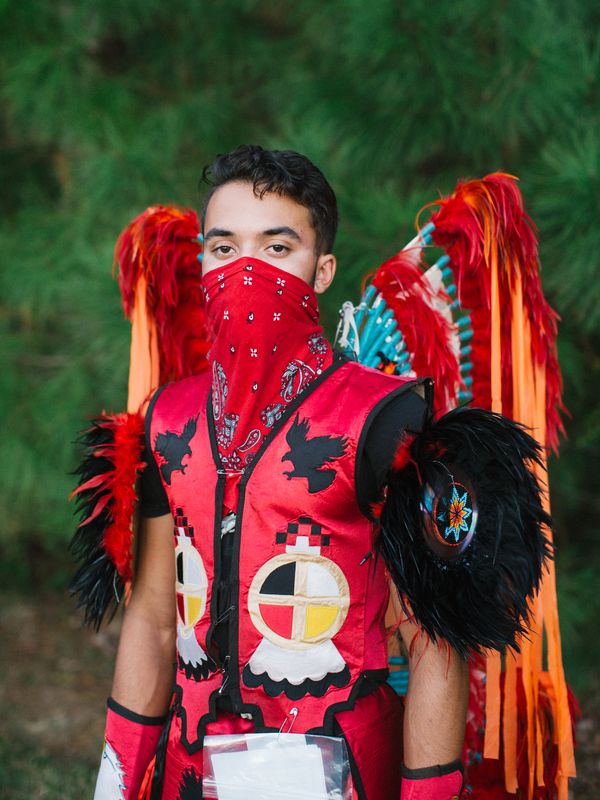
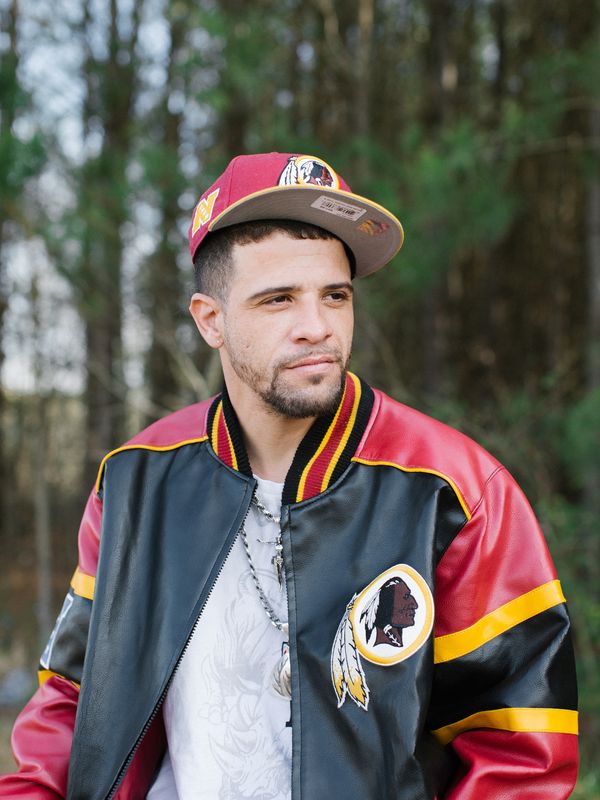
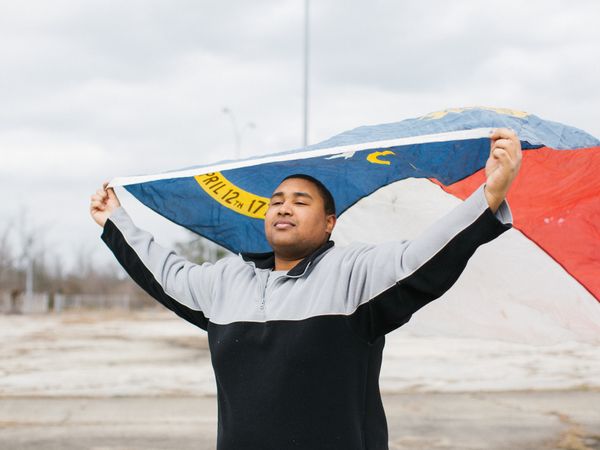
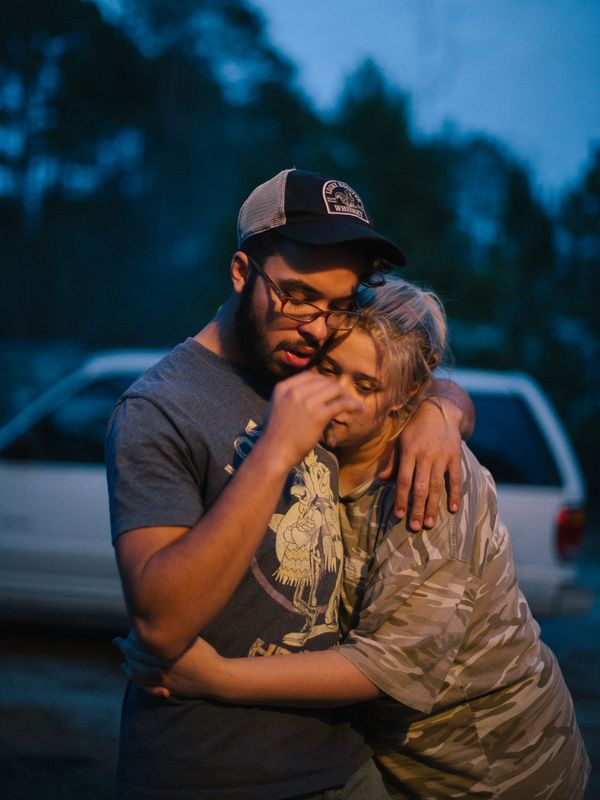
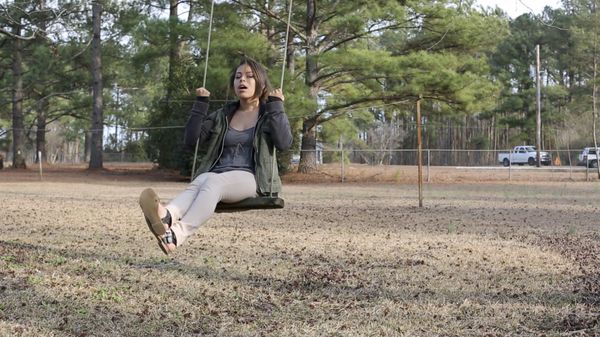
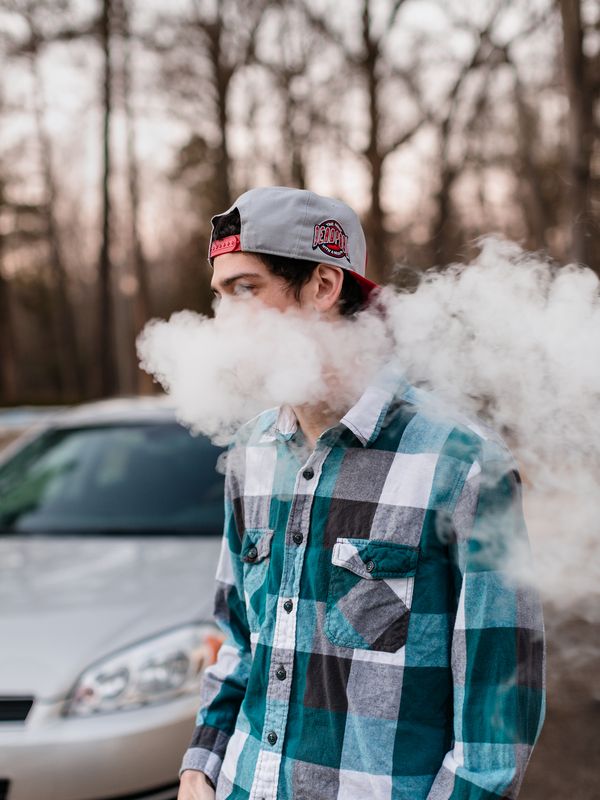
My photographs, on first glance, appear to depict the daily life of an archetypal American community. On closer inspection elements of hybridity between heritage and contemporary life are revealed—a street named ‘Dreamcatcher Drive’, a ‘Native Pride’ baseball cap with feather, Halloween fangs on a Tuscarora child in regalia—in the town where nearly 90% of the population identify as Native. These images were created over many years and constitute the first part of a project that deliberately resisted closure—working instead toward a historical moment whose arrival long remained uncertain.
On December 18, 2025, after more than a century of political struggle, the Lumbee Tribe was formally recognized as the 575th federally recognized tribe in the United States. At the time of submitting this application, this recognition just 9 weeks old. You Don’t Look Native to Me – Part II begins precisely at this historical rupture: at a moment when meanings, expectations, and political narratives have not yet solidified.
With the support of the PH Museum Grant, I intend to build directly on the existing body of work and continue it in a focused second phase. I plan to return to North Carolina to ask, together with the Lumbee: What does recognition mean in everyday life—beyond political symbolism? How does it reshape self-perception, social dynamics, and visions of the future? What hopes are attached to it, and where do disappointment or new forms of dependency emerge? And how is this recognition understood within the current political landscape—particularly in relation to Donald Trump, under whose presidency it was formally enacted, and in light of critical voices who suspect economic and infrastructural interests to have played a determining role?
A central component is collaborative work with Lumbee scholars, writers, and political actors, in order to structurally integrate perspectives from within the tribe itself and to critically question photographic authorship.
Beyond its specific context, the project addresses questions that are also highly relevant from a European perspective: Who defines belonging? What role do state recognition processes play for marginalized groups? And how do experiences of exclusion, invisibility, and ambivalent identification resonate beyond ethnic categories—for example in relation to gender, social background, or migration? It is within these shared experiences of denied recognition and self-assertion that the project finds its broader social relevance.
The Lumbee’s experience forces us to confront our assumptions about Native identity and to reconsider what it means to belong in a country where identity itself remains a deeply contested space.