You Don’t Look Native to Me

  • Dates
    2011 - 2023
  • Author
  • Location Pembroke, United States

The paradox of otherness is at the core of You Don’t Look Native to Me. It opens up questions about visibility, identity, and stereotype in the U.S., where Native Americans are romanticized yet often dismissed.

You don’t look Native to me is a long-term photographic project that I have been developing since 2011, focusing on the Lumbee Tribe of North Carolina. Through photographs, videos, interviews, and texts, the work shows Indigenous identity not as fixed, but evolving and redefining itself with each generation beyond romantic projections and rigid, state-imposed categories.

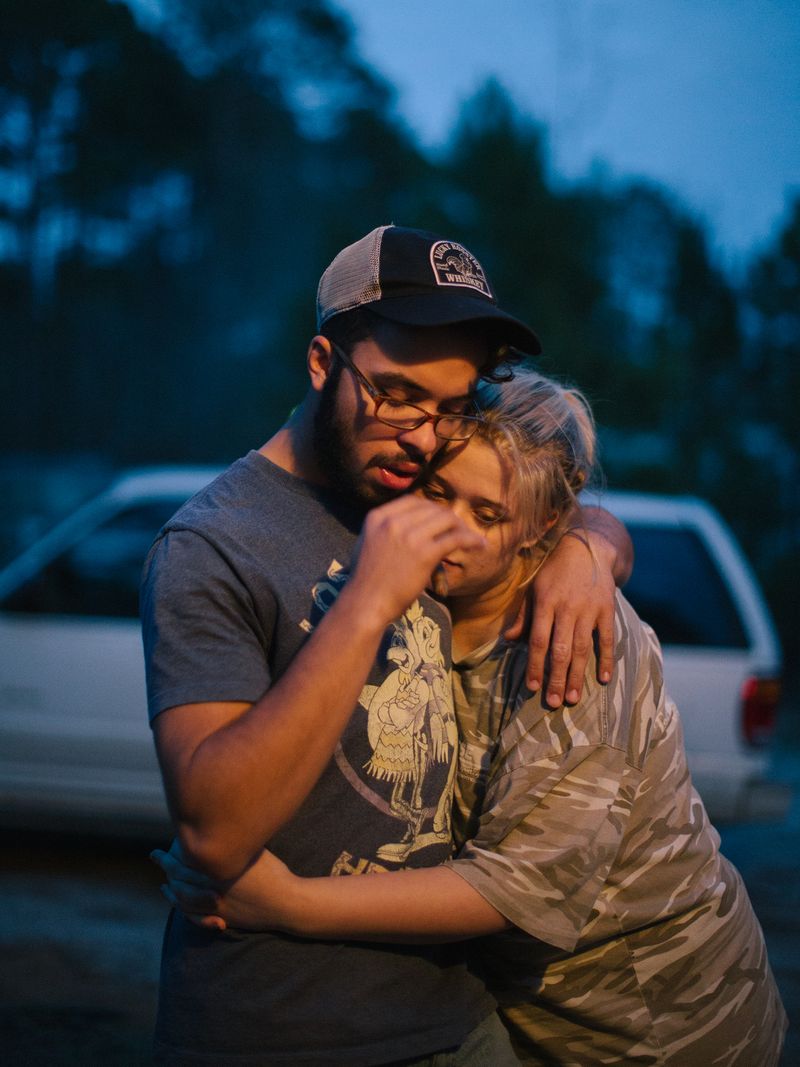
With more than 55,000 enrolled members, the Lumbee Tribe is among the largest Indigenous tribes in the United States. For decades, it remained without federal recognition—a state of political limbo that carried not only legal consequences but also profoundly shaped everyday lived experience. The phrase You don’t look Native to me is painfully familiar to the Lumbee people, encapsulating the chasm between how they see themselves and how others perceive them. My subjects present themselves as individuals with unique lives and shared cultural roots, refusing to conform to preconceptions of what it means to be Native American.

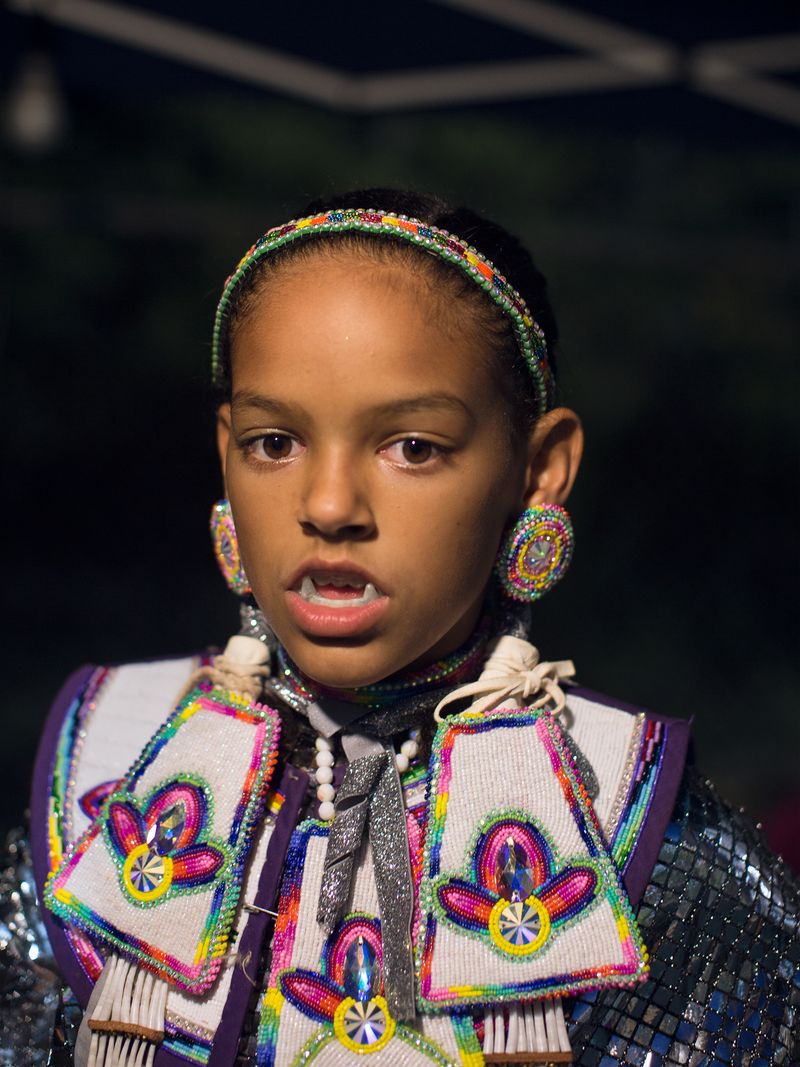
My photographs, on first glance, appear to depict the daily life of an archetypal American community. On closer inspection elements of hybridity between heritage and contemporary life are revealed—a street named ‘Dreamcatcher Drive’, a ‘Native Pride’ baseball cap with feather, Halloween fangs on a Tuscarora child in regalia—in the town where nearly 90% of the population identify as Native. These images were created over many years and constitute the first part of a project that deliberately resisted closure—working instead toward a historical moment whose arrival long remained uncertain.

On December 18, 2025, after more than a century of political struggle, the Lumbee Tribe was formally recognized as the 575th federally recognized tribe in the United States. At the time of submitting this application, this recognition just 9 weeks old. You Don’t Look Native to Me – Part II begins precisely at this historical rupture: at a moment when meanings, expectations, and political narratives have not yet solidified.
With the support of the PH Museum Grant, I intend to build directly on the existing body of work and continue it in a focused second phase. I plan to return to North Carolina to ask, together with the Lumbee: What does recognition mean in everyday life—beyond political symbolism? How does it reshape self-perception, social dynamics, and visions of the future? What hopes are attached to it, and where do disappointment or new forms of dependency emerge? And how is this recognition understood within the current political landscape—particularly in relation to Donald Trump, under whose presidency it was formally enacted, and in light of critical voices who suspect economic and infrastructural interests to have played a determining role?

A central component is collaborative work with Lumbee scholars, writers, and political actors, in order to structurally integrate perspectives from within the tribe itself and to critically question photographic authorship.

Beyond its specific context, the project addresses questions that are also highly relevant from a European perspective: Who defines belonging? What role do state recognition processes play for marginalized groups? And how do experiences of exclusion, invisibility, and ambivalent identification resonate beyond ethnic categories—for example in relation to gender, social background, or migration? It is within these shared experiences of denied recognition and self-assertion that the project finds its broader social relevance.

The Lumbee’s experience forces us to confront our assumptions about Native identity and to reconsider what it means to belong in a country where identity itself remains a deeply contested space.

© Maria Sturm - Image from the You Don’t Look Native to Me photography project
i

Daniel - Daniel in front of his parents house in St. Pauls. Daniel identifies as Lumbee. Pre-Colonization there were several tribes inhabiting the same area, the Cheraw, the Tuscarora, the Haliwa-Saponi, the Cherokees to name a few. You can find three native language families: Algonquian, Siouan and Iroquois, which suggests migration. All these tribes weren‘t recognized.

© Maria Sturm - Image from the You Don’t Look Native to Me photography project
i

Land - In an attempt to gain federal recognition the Lumbee name was voted for in 1952 (and passed legislation in 1953) to unite all tribes living in and around Robeson County. The idea was to form a conglomerate, so the BIA (Bureau of Indian Affairs) wouldn‘t ignore such a large group of people in their petition for recognition.

© Maria Sturm - Image from the You Don’t Look Native to Me photography project
i

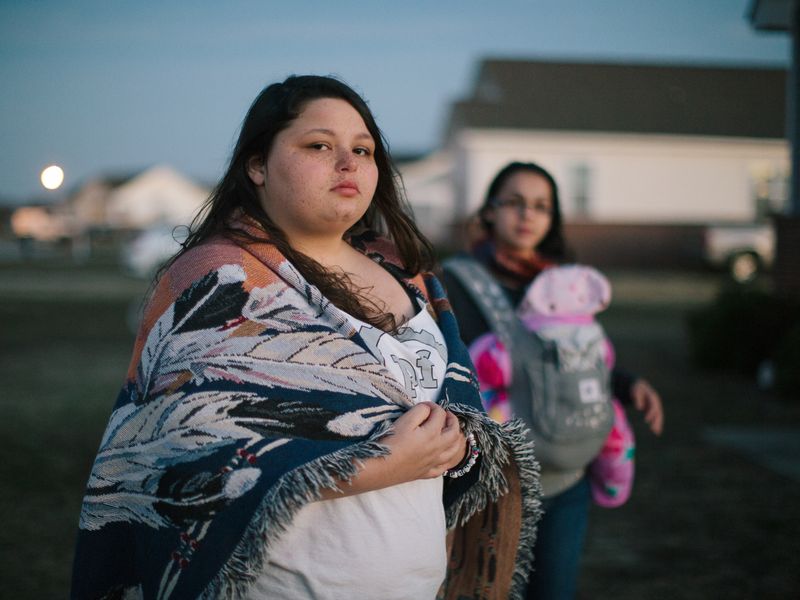
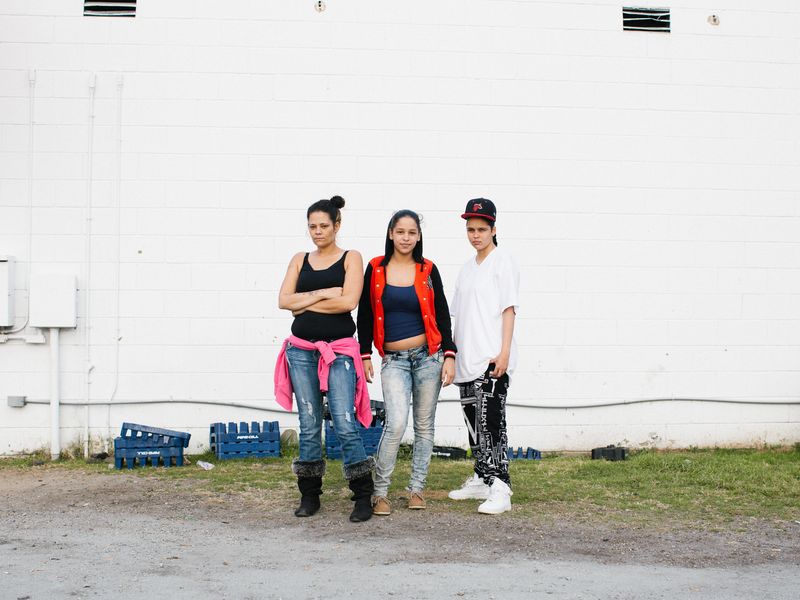
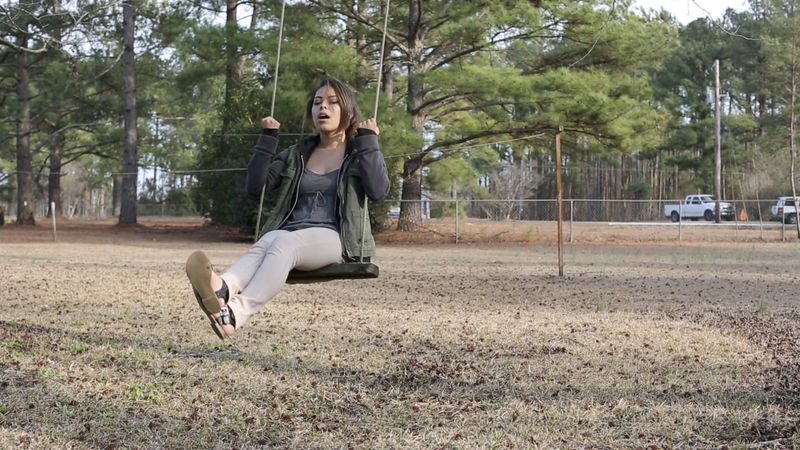
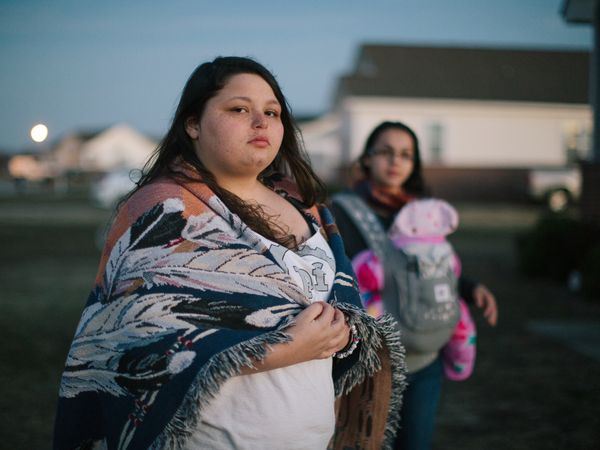
Patricia, Mescal and Frankie - Mescal is 19, she has two daughters Kassidy (4) and Frankie, who‘s just a few months old. Patricia (15) is Mescal's cousin. Mescal's father Reggie is leading the Culture Class in town. Their mission: to inspire youth through cultural enlightenment to realize their full potential regardless of their circumstances and to become caring, responsible tribal members.

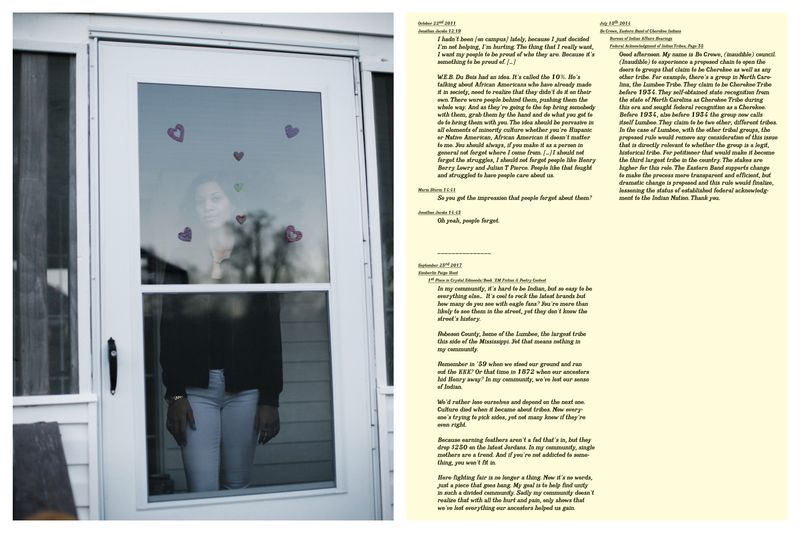
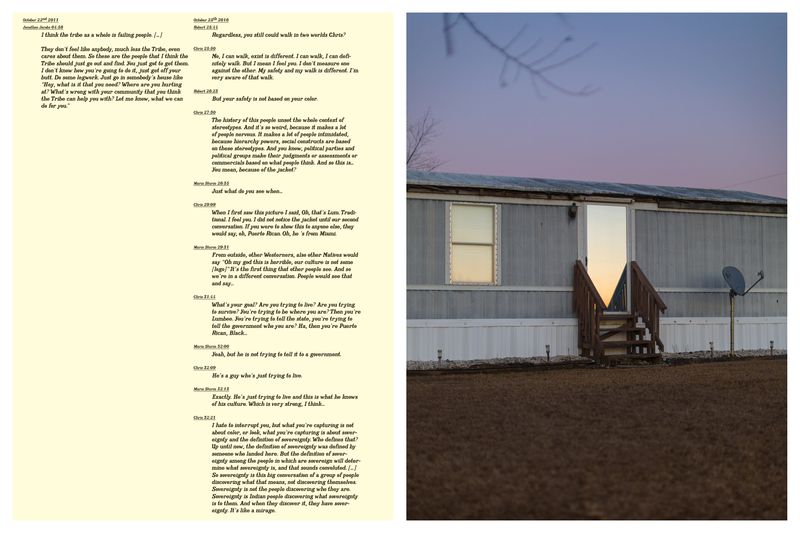
© Maria Sturm - Diptych: Robert, looking at himself (r) - Jonathan and I talking (l)
i

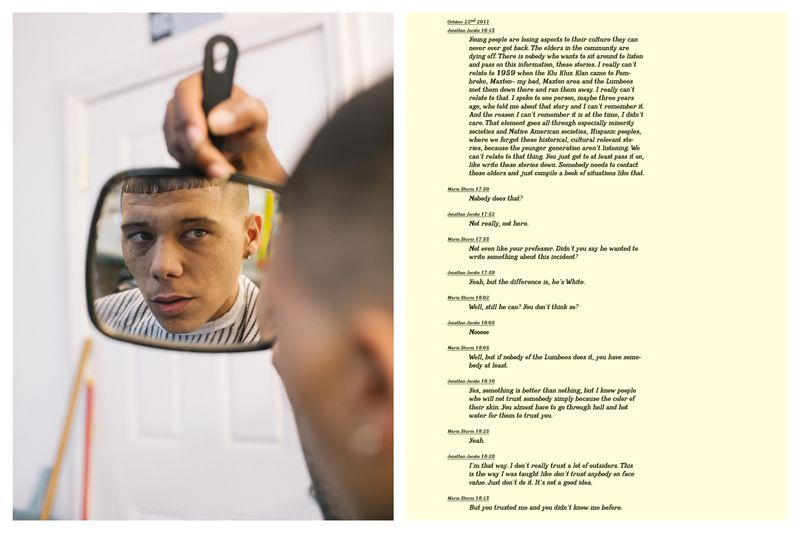
Diptych: Robert, looking at himself (r) - Jonathan and I talking (l)

© Maria Sturm - Image from the You Don’t Look Native to Me photography project
i

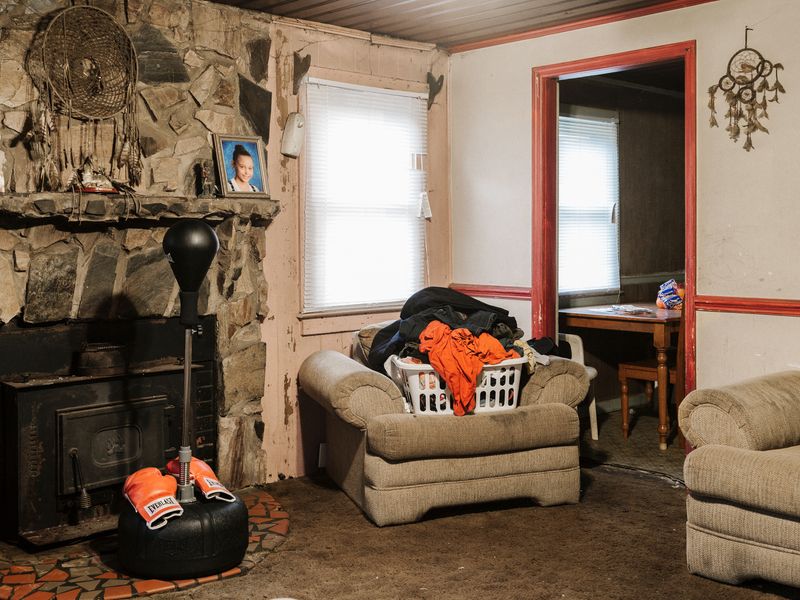
Adrian's house - Adrian got robbed after we took this photo. He doesn‘t have a gun for self defense, because he‘s already been sentenced for cocaine trafficking. Robeson County is one of Americas most violent counties, located along

© Maria Sturm - Image from the You Don’t Look Native to Me photography project
i

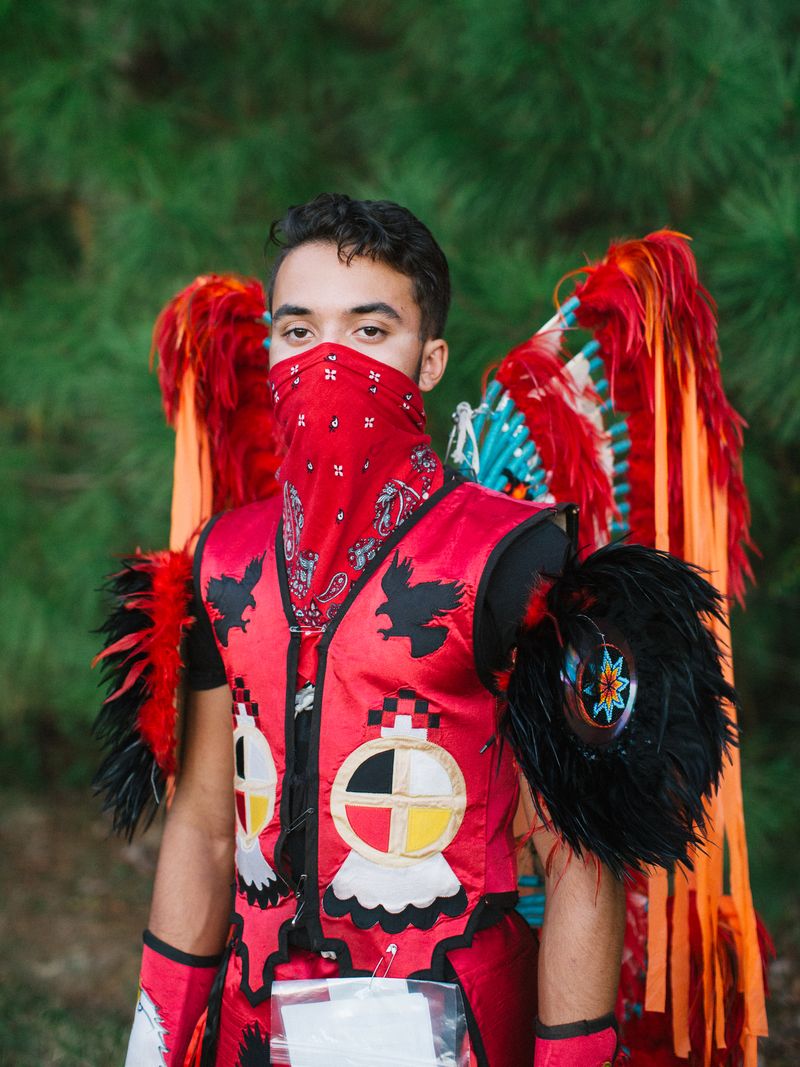
Manny - Manny attends a Culture Class in Cumberland County, initiated by his uncle Nakoma. He's a fancy dancer and dances with his bandana covering half his face at Powwows. The resurgence is especially significant for Southeastern tribes, who were among the first to encounter Europeans and whose history was lost through assimilation and the oppression of living in the Jim Crow South.

© Maria Sturm - Image from the You Don’t Look Native to Me photography project
i

Diptych: Dominique (r) - Jonathan and I talking, Bo Crowe, Paige's Poem (l) - Dominique is half Lumbee half Guamanian. She‘s regularly attending the Culture Class and participating in Powwows as a Jingle dancer.

© Maria Sturm - Image from the You Don’t Look Native to Me photography project
i

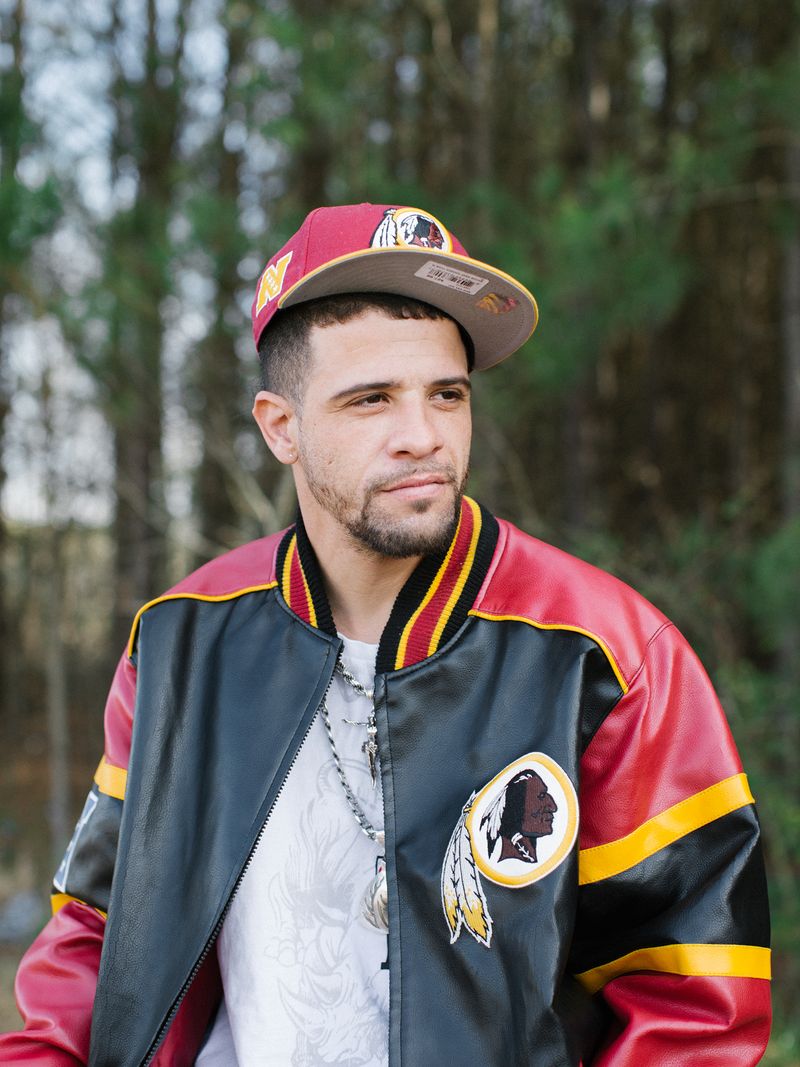
Scottie - Scottie wears his Redskins jacket and hat with pride, embodying his identity through a pop culture symbol. In Robeson County, where food insecurity is high, survival takes precedence over heritage research. The community doesn’t judge Scottie, they understand the struggles he faces. The shared understanding creates a unique bond, where pride is expressed in ways that reflect resilience.

© Maria Sturm - Image from the You Don’t Look Native to Me photography project
i

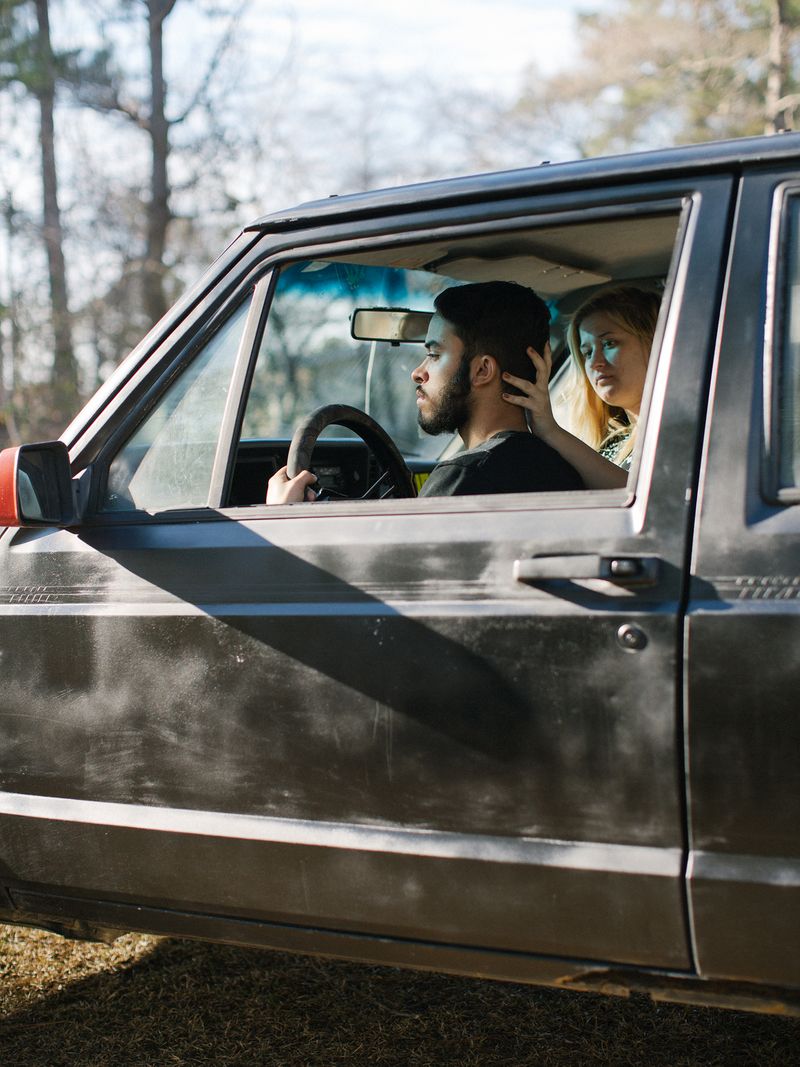
Manny and Courtney - Robeson County, with a population of 134,576, faces high poverty and violence. The area's industries, like Converse in Lumberton, left between the 90s and 2000s, leading to economic struggles that have deeply affected the Lumbee community’s livelihood and prospects.

© Maria Sturm - Image from the You Don’t Look Native to Me photography project
i

Sabra, Alisa, and Carla - Traditionally, people in Robeson County were farmers, growing tobacco. With globalization, it became cheaper to produce tobacco in China. The Converse plant, once the largest employer with 3,000 workers, mostly Lumbee, closed in 2001. Now, with most industries gone, people are forced to rely on their own resources, uncertain about their future.

© Maria Sturm - Image from the You Don’t Look Native to Me photography project
i

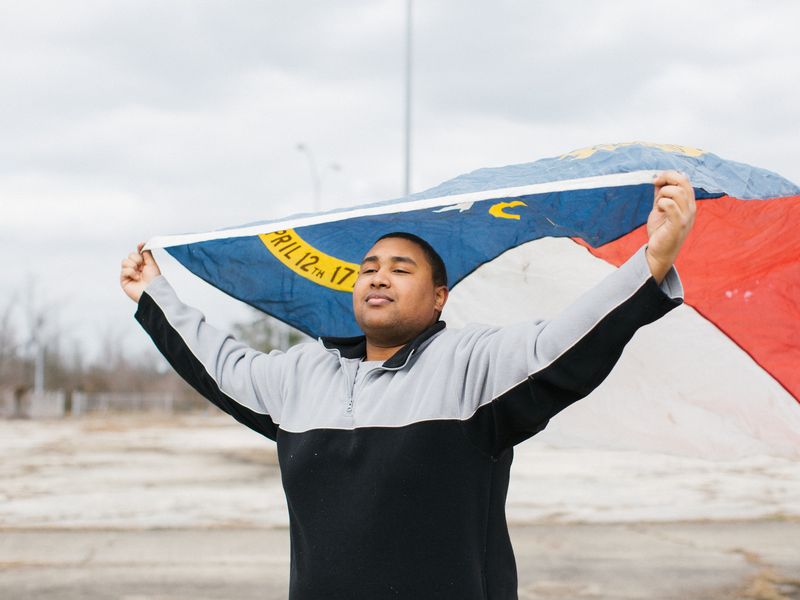
Makael - Makael is holding the NC flag at the old Converse plant, where his grandmother used to work among many Natives until they shut down the plant in 2001.

© Maria Sturm - Image from the You Don’t Look Native to Me photography project
i

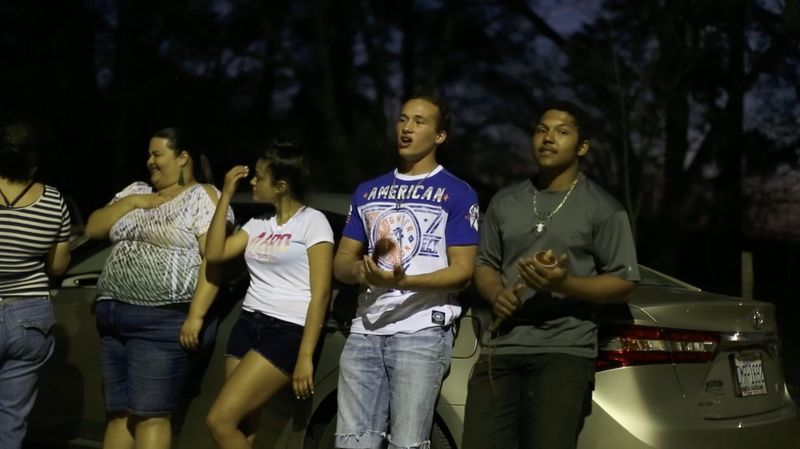
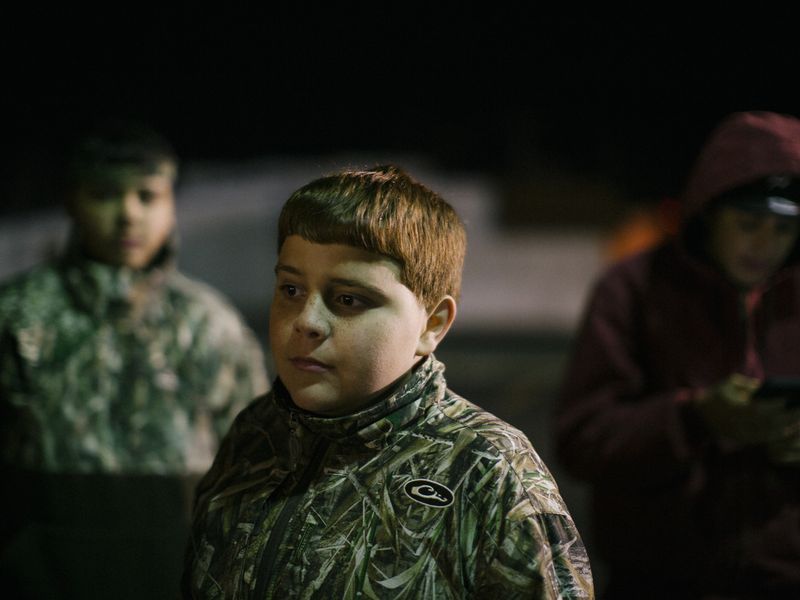
Landon, Austin and Jacobi - Social media plays a big role in Native identity today, with hashtags like #lumbeepride gaining popularity. Lumbee pride stems from figures like Henry Berry Lowery, a hero to the Lumbee and Tuscarora. Known as a Robin Hood figure, he led resistance in North Carolina during the Civil War, fighting for civil rights, freedom, and tribal self-determination.

© Maria Sturm - Image from the You Don’t Look Native to Me photography project
i

Christian and Seneka - In the Lumbee community, death is a frequent part of life. Due to poverty, violence, and health disparities, death occurs often, shaping the community's resilience. Grief is shared openly, deepening bonds and reinforcing the interconnectedness of the people.

© Maria Sturm - Image from the You Don’t Look Native to Me photography project
i

Manny and Courntey - Manny is a fancy dancer and dances at Powwows. Many Natives compete in dancing or drumming competitions also as a possibility to earn money.

© Maria Sturm - Diptych: Jonathan and I talking, Chris, Robert and I talking (r) - Reflection #1 (l)
i

Diptych: Jonathan and I talking, Chris, Robert and I talking (r) - Reflection #1 (l)

© Maria Sturm - Image from the You Don’t Look Native to Me photography project
i

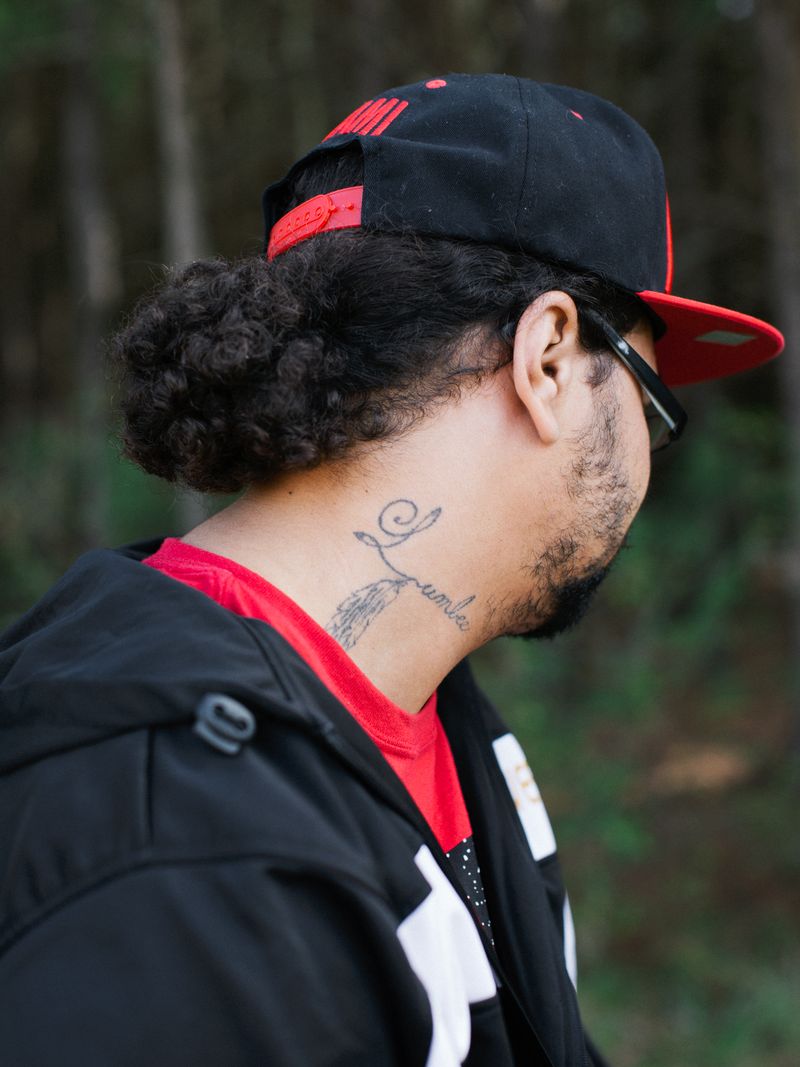
Larry - Larry has Lumbee tattooed on his neck.Even though the Lumbee name is fairly new, it was vo- ted for in 1952 and passed legislation in 1953, most of the people today only know the Lumbee name.

© Maria Sturm - Image from the You Don’t Look Native to Me photography project
i

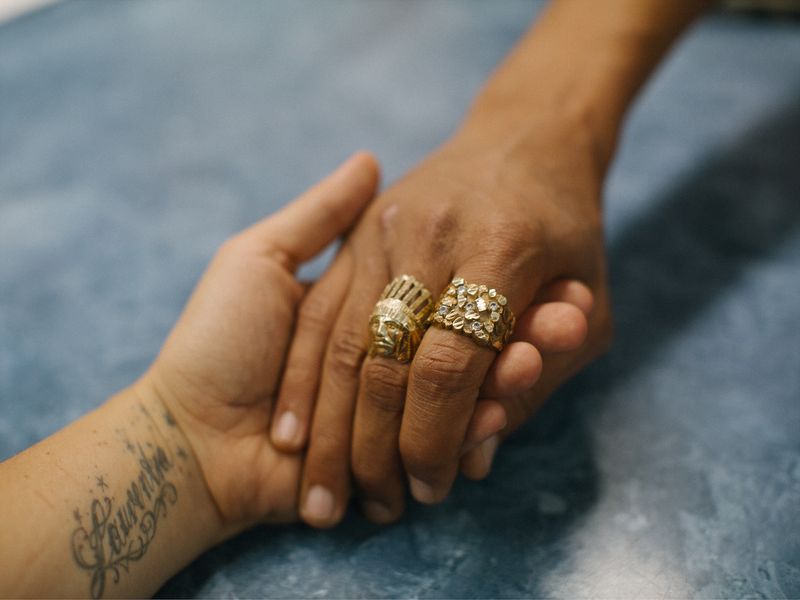
Adrian holding my hand - For some of the people all they know of their native identity goes back to popcultural symbols, because that all the people have learned, if they hadn‘t the strength to teach themselves. Adrian was wearing his indian chief ring with pride. His identity actually manifests in sym- bols like this.

© Maria Sturm - Image from the You Don’t Look Native to Me photography project
i

Kearsey as a vampire (Tuscarora Tribe of NC) - The Tuscarora officially fall under the Lumbee umbrella, though many Tuscarora don’t identify with the Lumbee name. While both tribes are recognized, the Tuscarora also harbor prejudices against the Lumbee. Despite this, Kearsey and Tamra danced among the Lumbee, offering a hopeful example in these inner-tribal conflicts.