The Sun Sets Midafternoon
  • Dates
    2020 - Ongoing
  • Author
  • Locations Oregon, Idaho, United States, Wyoming, Colorado, Oklahoma, California, Texas, Washington, Montana, New Mexico, Utah, Nevada, Arizona

Integrating photographs, moving images, and text, The Sun Sets Midafternoon examines the immediate aftermath of megafires on surrounding communities, interweaving narratives of ecological devastation, collective trauma, and climate grief.
Wildfires are raging across the western United States, burning up increasingly large swaths of land every year. While fire is a natural part of many ecosystems, the increasing presence of larger, faster, and hotter fires is a reminder of the rapidly changing environment. Begun after experiencing the devastation of a wildfire in my hometown, this work explores solastalgia, which describes emotional and existential distress caused by negative environmental change, generally experienced by people with lived experience closely related to the land. Lands integral to our identity, our livelihoods, and our wellbeing are shifting and changing without notice or control. The experience of a wildfire is all consuming. Our communities are facing collective traumas as we wait for news about the spread and containment, constantly refreshing web pages and data bases. Although these are localized examples of wildland fire and the trauma that follows, collectively the scale of these events is unfathomable. The day to day struggles of normal life continues on as fires rage outside our windows, setting our lives in a scene of gray oppression.

Integrating photographs, moving images, and textual works, The Sun Sets Midafternoon examines the immediate aftermath of megafires on surrounding communities and the experience of local fires, interweaving narratives of ecological devastation, collective trauma, and climate grief.

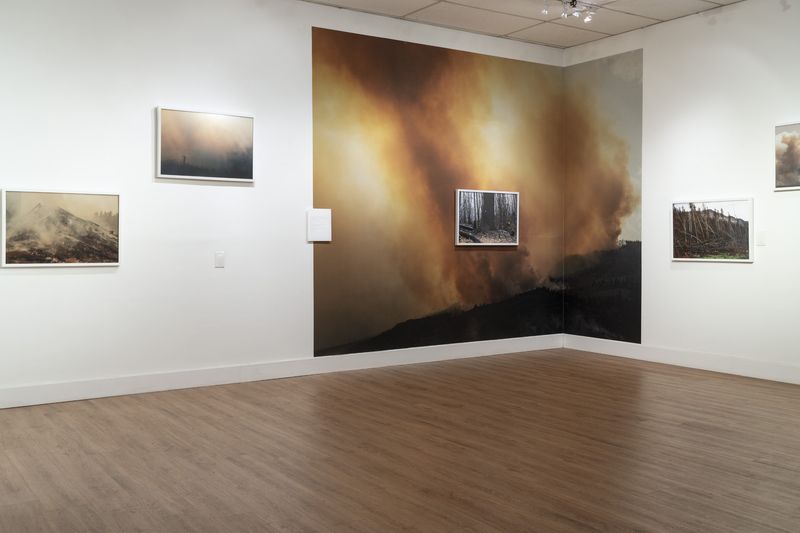
An installation approach to this work layers together photographs and text in a sometimes overwhelming and other times quiet experience. Using monumentally scaled mural prints, the photographs become as large as life, asking viewers to see themselves in the role of those experience these climate change driven fires first hand—with their feet in the dirt and their eyes on the horizon. Combined with framed works, the photographs cycle endlessly from active fires to aftermath, examining the ever-worsening pattern of climate change driven fires.

Text is presented alongside the photographs in exhibition and book formats, which serves to compliment the photographs and expand the narrative. The text tells the story of living through a wildfire, watching it from one’s bedroom window, while standing in a driveway, and walking outside. Then, the narration advances to following year, as more fires rage in neighboring communities and the narrator reflects on watching climate change irrevocably change the place one loves and calls home.

People who feel a connection to any part of the earth or nature are well equipped to strongly empathize with the idea that the planet as a whole is their home, and can find endemic destruction in any area disturbing. As more parts of the earth become damaged and polluted, experiences of positive emotions in relationship to the earth become more difficult. And so we are left with more and more solastalgia, more and more climate grief. Even as we seek out solace in nature, it is less able to provide such relief. If grief is the price we pay for love, then to love the land in these times is to always be grieving.
© Jessica Hays - Image from the The Sun Sets Midafternoon photography project
i

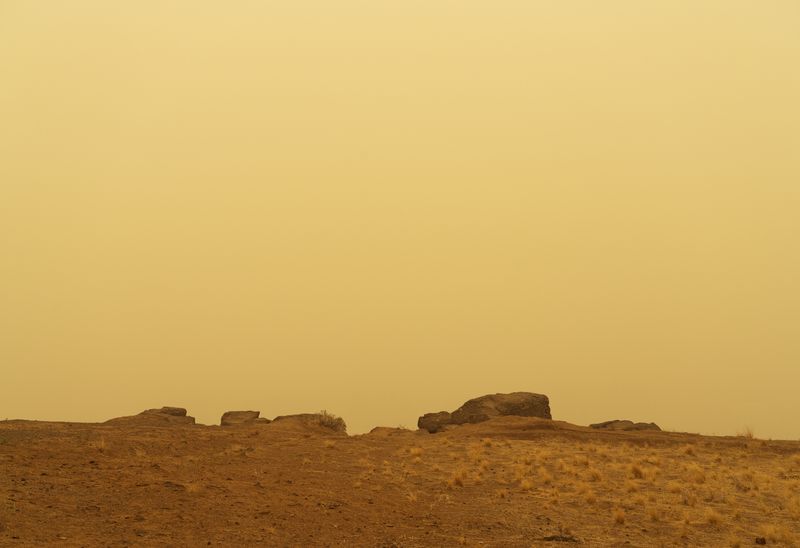
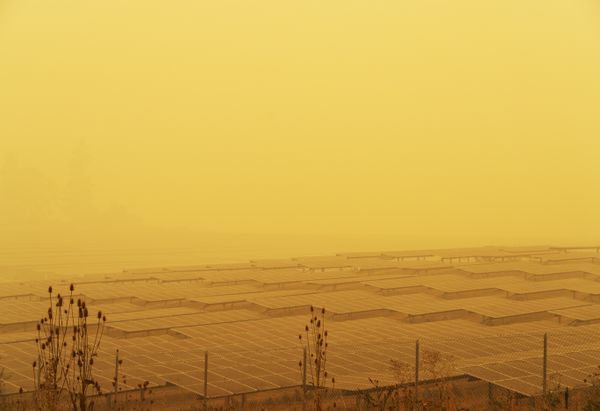
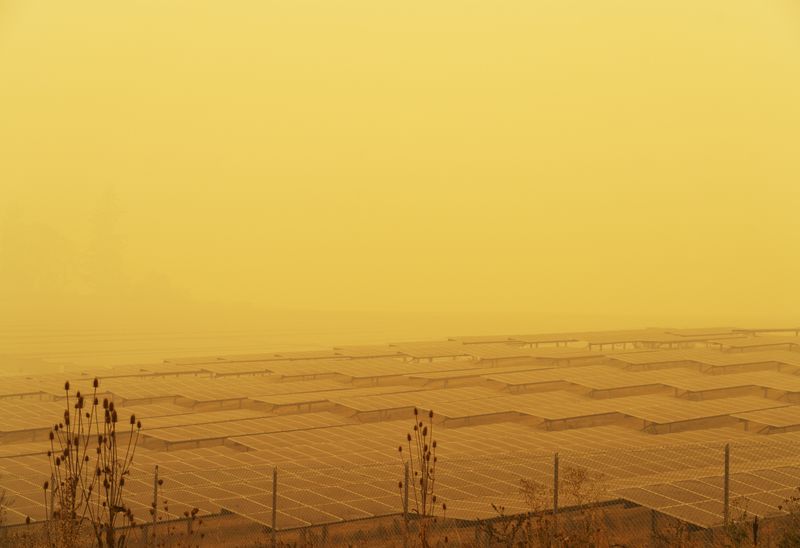
Solar, 2020 - A solar field in Oregon in the fall of 2020, when the western half of the state was blanketed in smoke for nearly a month as a result of numerous large fires in Oregon, California, and Washington.

© Jessica Hays - Image from the The Sun Sets Midafternoon photography project
i

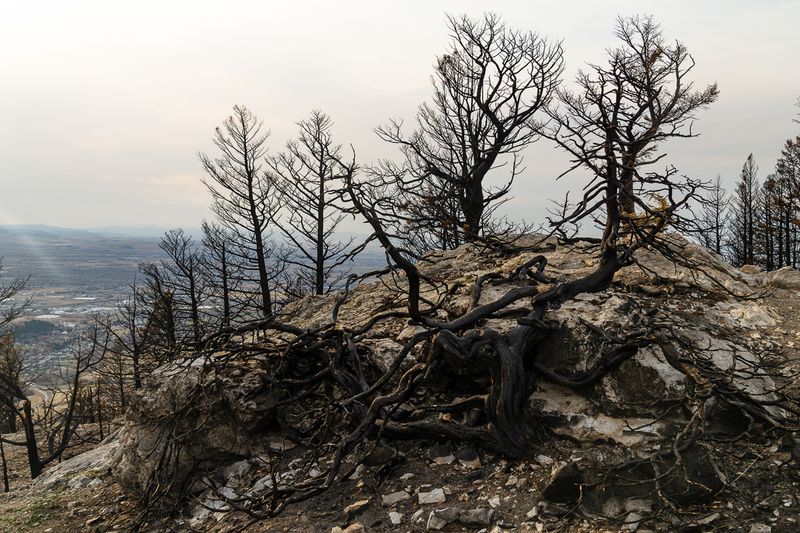
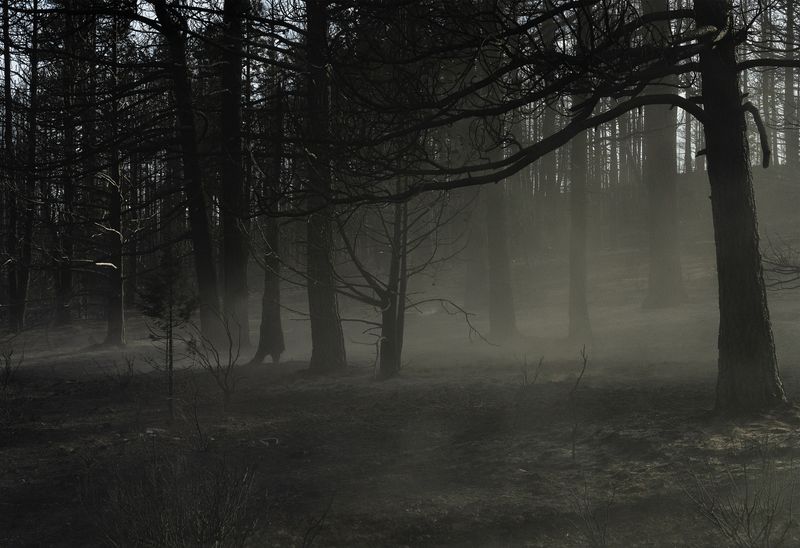
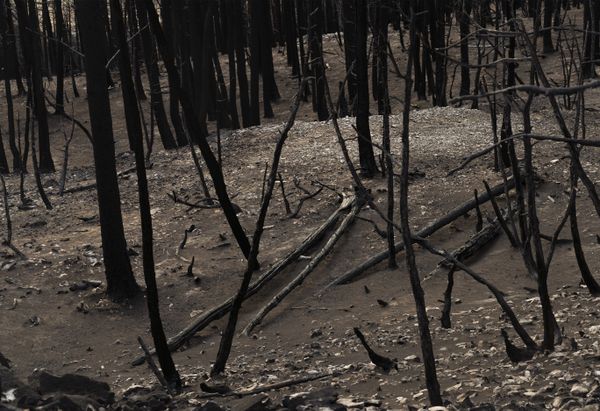
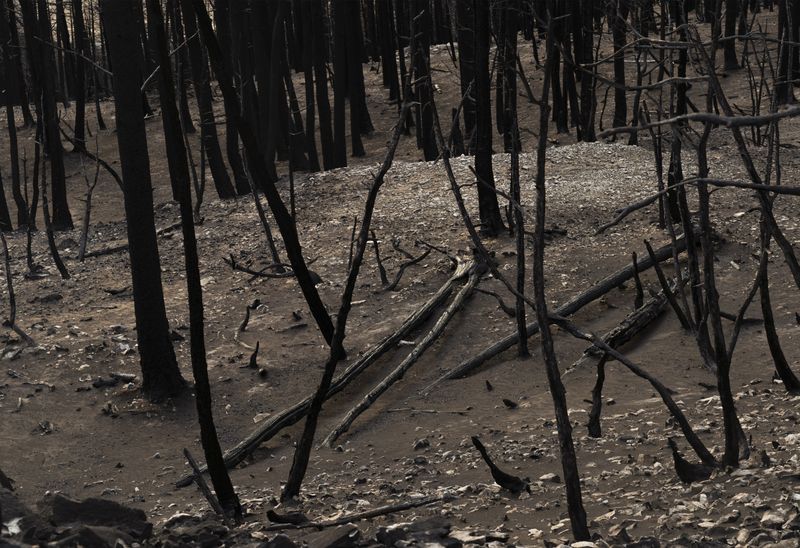
Ghosts, 2020. Photograph made in the aftermath of a fire in my hometown of Bozeman, MT, that served as the starting point for this long term body of work.

© Jessica Hays - Image from the The Sun Sets Midafternoon photography project
i

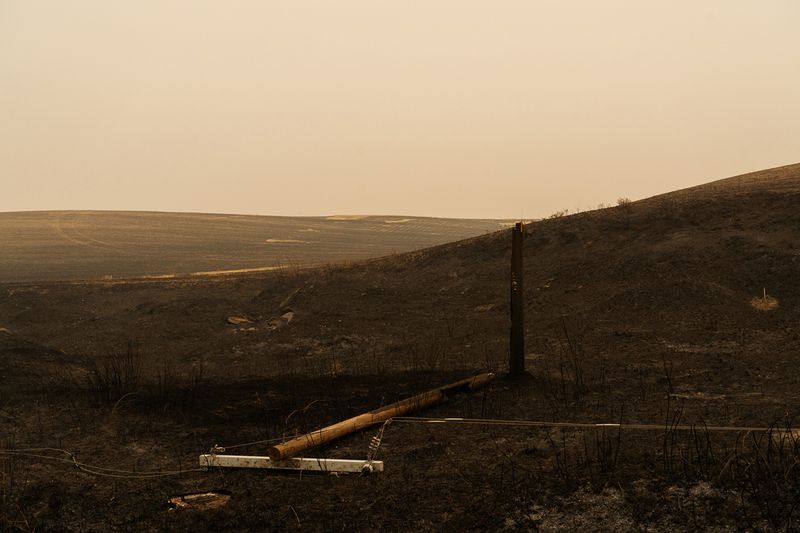
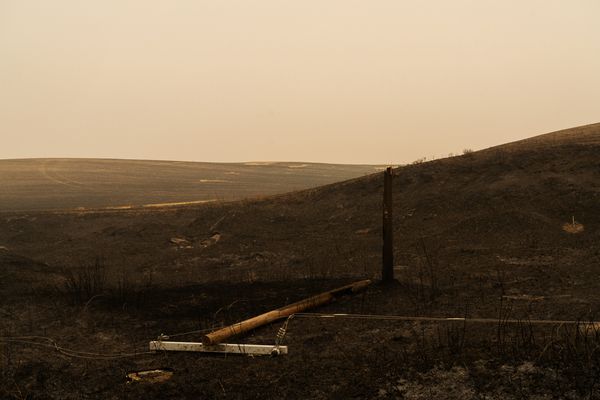
Downed Line, 2022; Fires often leave communities with vital infrastructure for both fighting fires and returning home after the blaze has passed.

© Jessica Hays - Image from the The Sun Sets Midafternoon photography project
i

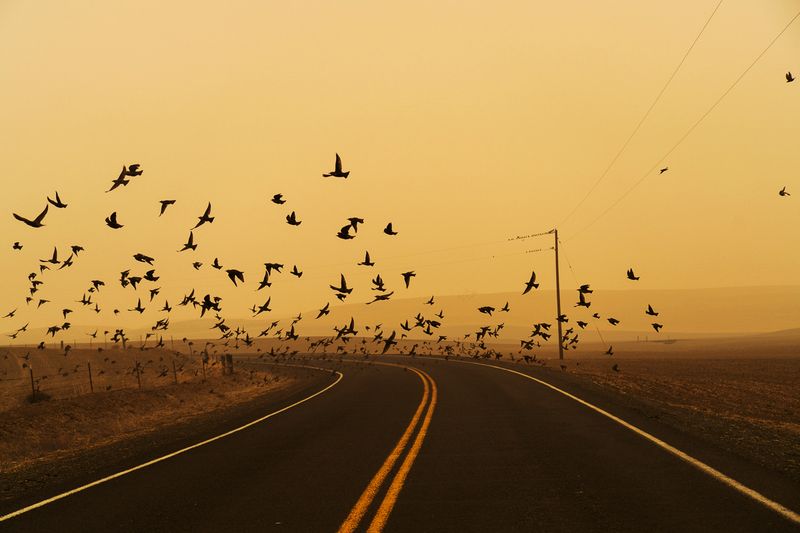
Murmuration, 2020 – Animals often leave areas affected by fires, making these smoke filled hills eerily empty except for this murmuration of crows.

© Jessica Hays - Image from the The Sun Sets Midafternoon photography project
i

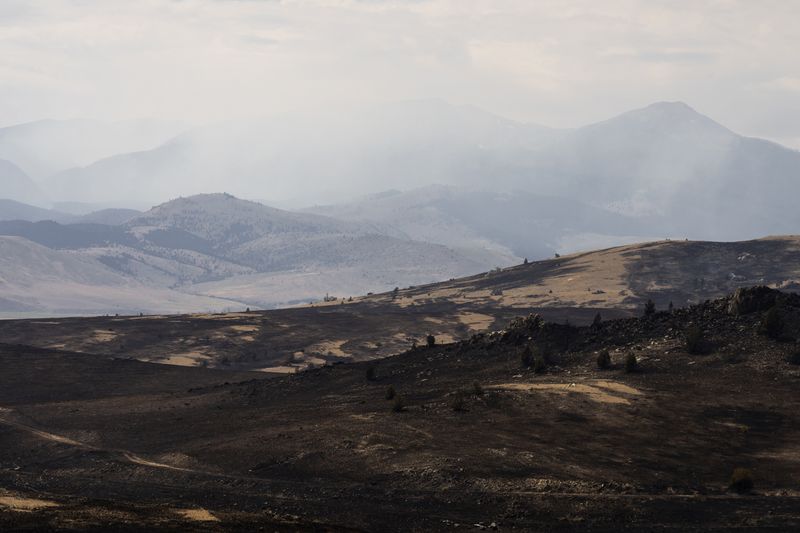
McCalister, 2025; Aftermath from one fire stretches out to the mountains, where two separate additional fires continue to burn.

© Jessica Hays - Red Rain, 2022 – A helicopter drops fire retardant on the eastern front of a late October fire in southern Wyoming.
i

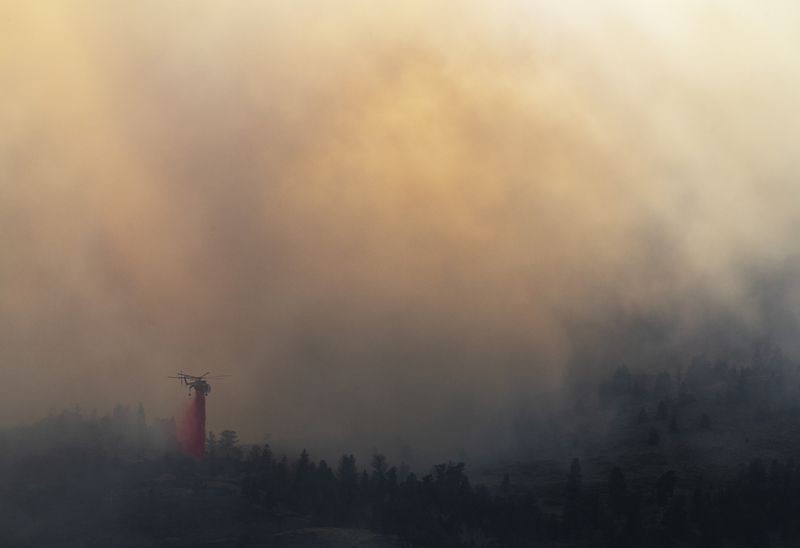
Red Rain, 2022 – A helicopter drops fire retardant on the eastern front of a late October fire in southern Wyoming.

© Jessica Hays - Skeletons, 2021
i

Skeletons, 2021

© Jessica Hays - Image from the The Sun Sets Midafternoon photography project
i

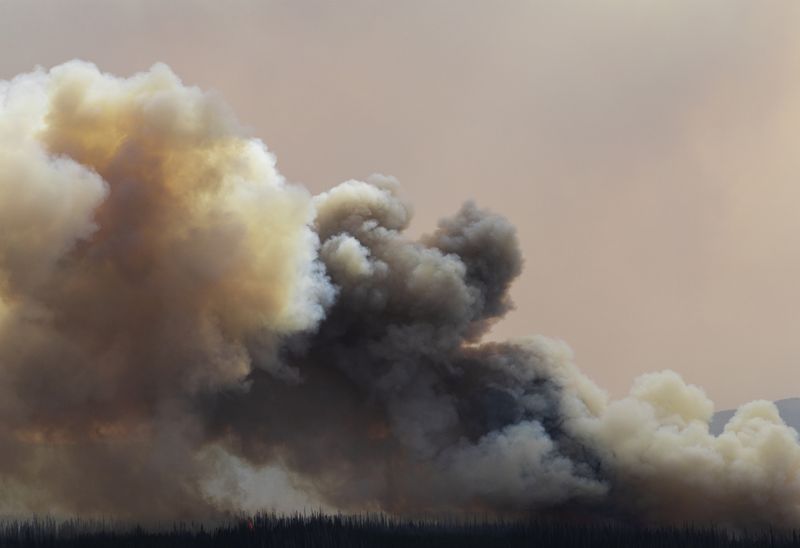
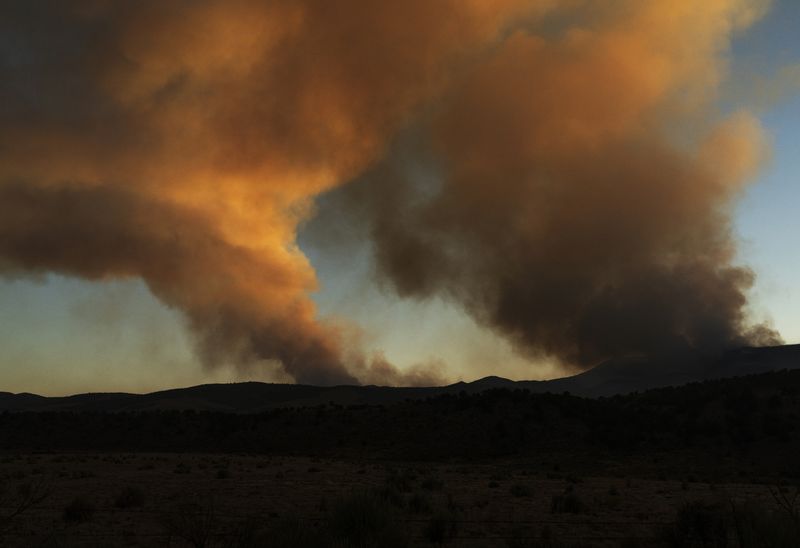
Mullen, 2020 – A plume from the Mullen Fire, burning on the Colorado/Wyoming border. The fire appeared the be slowing down, and attention turned to the Cameron Peak Fire, burning out of control nearby. A week later, the Mullen fire kicked back up and many units had to be rerouted again to contain the blaze.

© Jessica Hays - Image from the The Sun Sets Midafternoon photography project
i

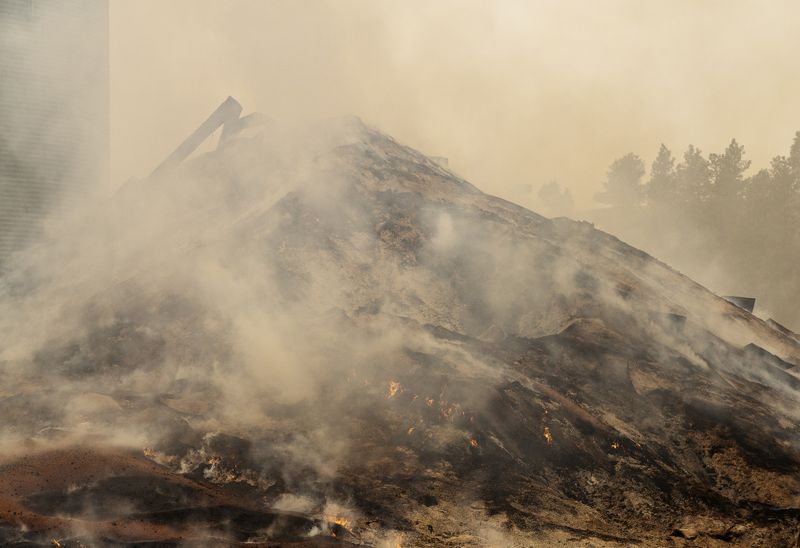
Memorial Day, 2021 - An entire town in central Washington burned to the ground over Memorial Day, 2021; Due to the holiday, most residents were not home. Luckily, no one was harmed, but very few people were able to retrieve meaningful personal items before their homes were consumed.

© Jessica Hays - Image from the The Sun Sets Midafternoon photography project
i

River Gorge, 2020 – Usually an overlook of a the Columbia River Gorge on the border between Oregon and Washington, smoke was too thick to see more than 30 feet.

© Jessica Hays - Linger, 2023.
i

Linger, 2023.

© Jessica Hays - Image from the The Sun Sets Midafternoon photography project
i

Field Fire, 2023 - After the ignition point, wind pushed the flames rapidly west, burning thousands of acres in a twenty-four hour period.

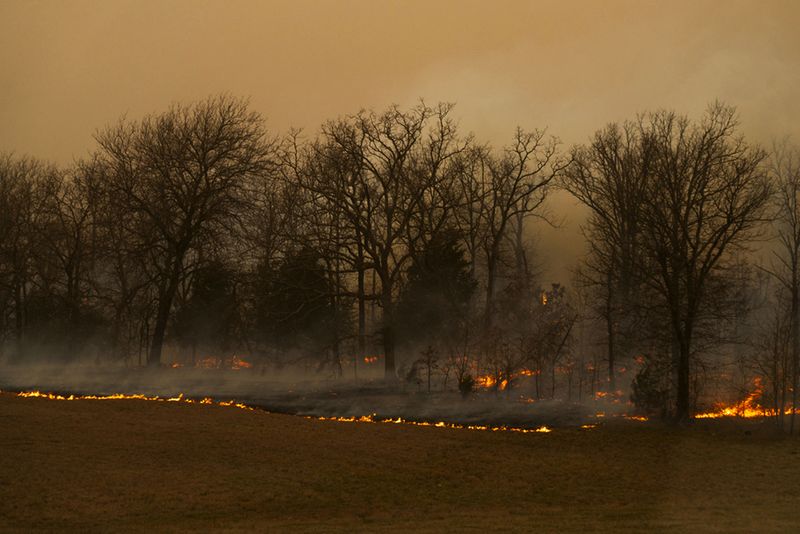
© Jessica Hays - Eagle Creek, 2025; more than 25 fires burn concurrently through central Oklahoma.
i

Eagle Creek, 2025; more than 25 fires burn concurrently through central Oklahoma.

© Jessica Hays - Image from the The Sun Sets Midafternoon photography project
i

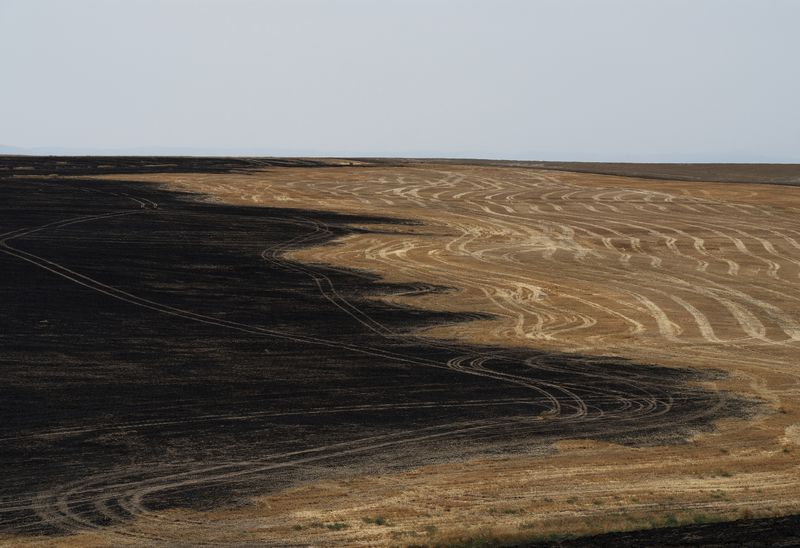
Fireline, 2023 – Fire retardant dropped from a helicopter leaves a visible mark on the landscape months after the fire is gone. Here, the retardant strip and road acted as fire blocks, hemming in the rapidly moving flames.

© Jessica Hays - Columns, 2025; Fires often burn on multiple fronts simultaneously.
i

Columns, 2025; Fires often burn on multiple fronts simultaneously.

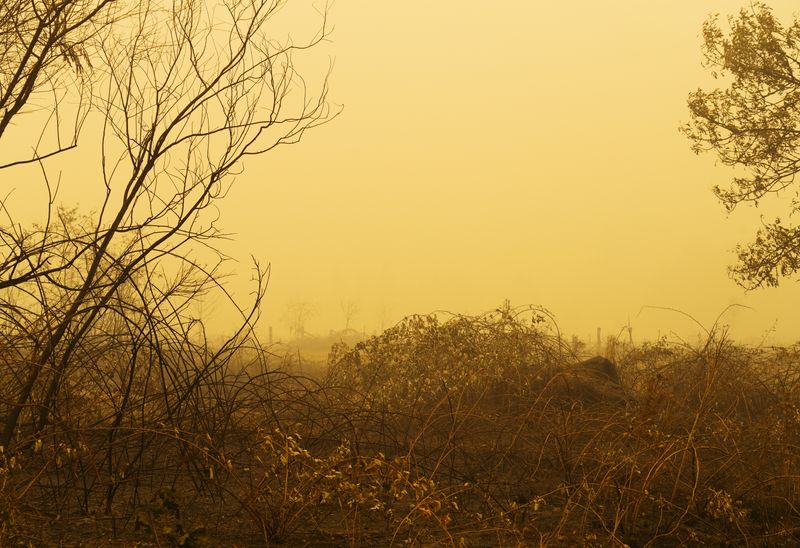
© Jessica Hays - In the Weeds, 2020 – Smoke obscures the neighborhood beyond this small, natural grass park in central Oregon.
i

In the Weeds, 2020 – Smoke obscures the neighborhood beyond this small, natural grass park in central Oregon.

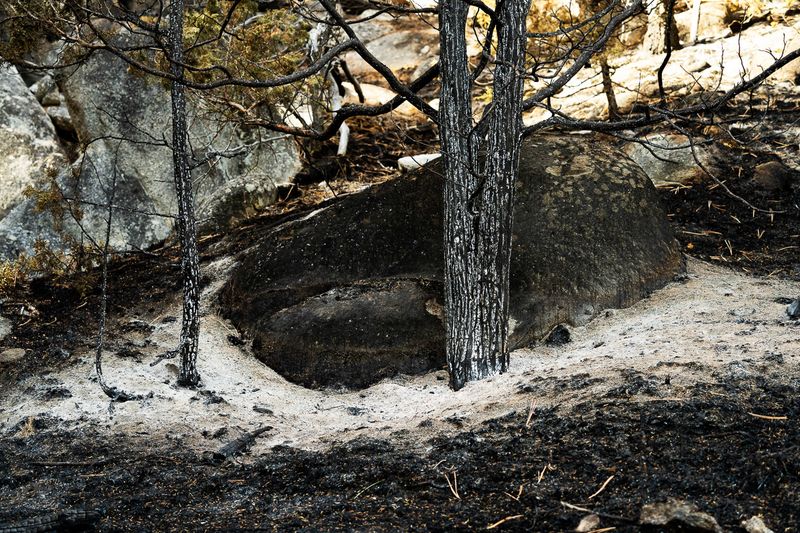
© Jessica Hays - Alder, 2024 – White ash surrounds a burned tree trunk.
i

Alder, 2024 – White ash surrounds a burned tree trunk.

© Jessica Hays - Image from the The Sun Sets Midafternoon photography project
i

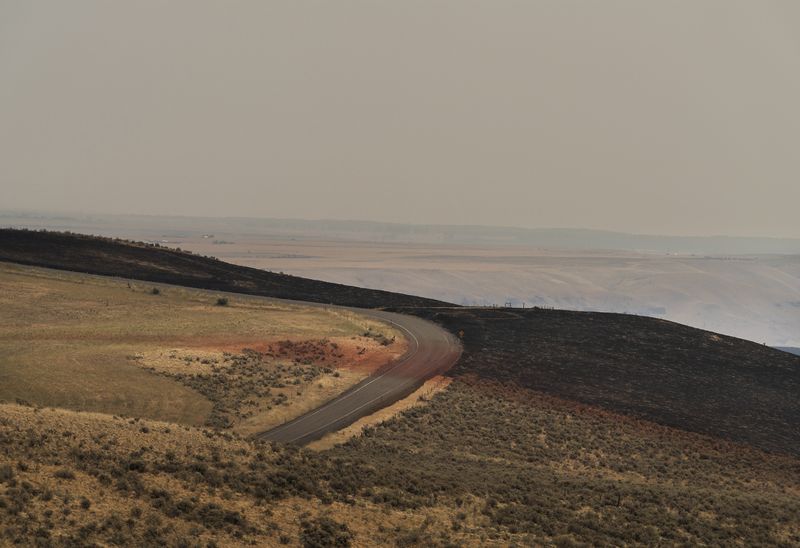
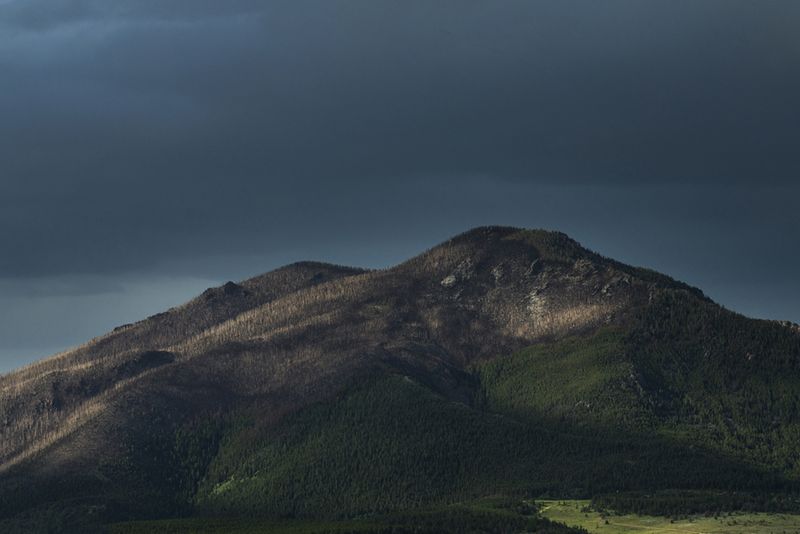
Burn Scar, 2024; An entire mountainside is entirely burn scared in the aftermath of the 2nd largest wildfire in Wyoming history. Visual reminders of the damage remain long after a fire has passed.

© Jessica Hays - Image from the The Sun Sets Midafternoon photography project
i

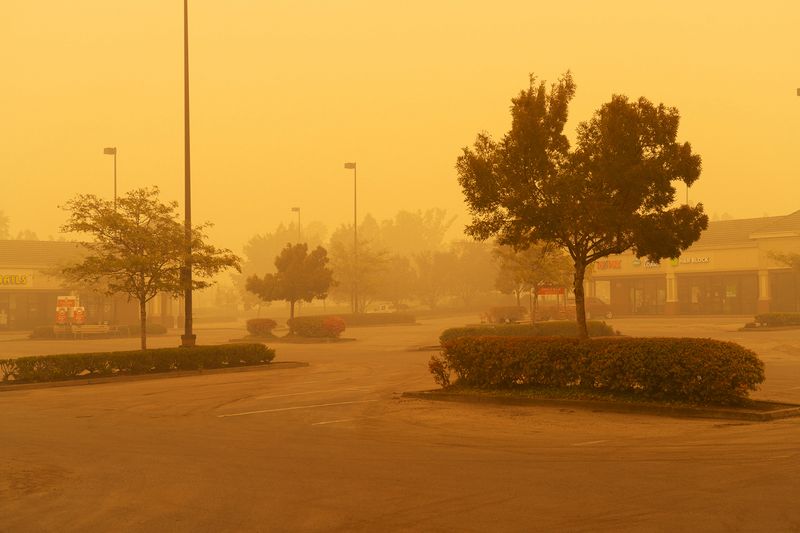
Safeway, 2021 – This parking lot for an evacuated shopping center was a turnaround point. All roads east, west, and south beyond this spot were closed due to extreme fire conditions.

© Jessica Hays - Image from the The Sun Sets Midafternoon photography project
i

Albany Installation, Aurora PhotoCenter, Indianapolis, IN. 2024. Example of installation approach to work for gallery and museum exhibitions.