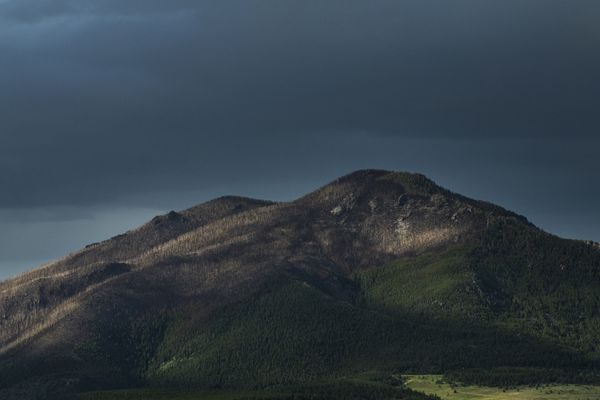
The Sun Sets Midafternoon
-
Dates2020 - Ongoing
-
Author
- Locations Oregon, Idaho, United States, Wyoming, Colorado, Oklahoma, California, Texas, Washington, Montana, New Mexico, Utah, Nevada, Arizona
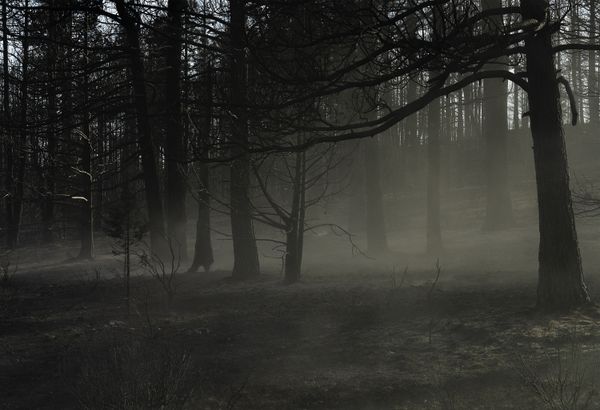
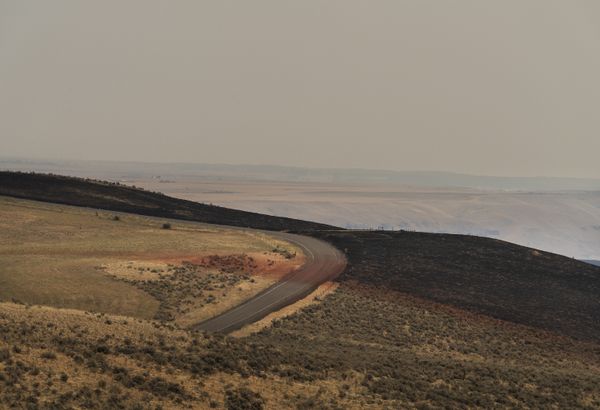
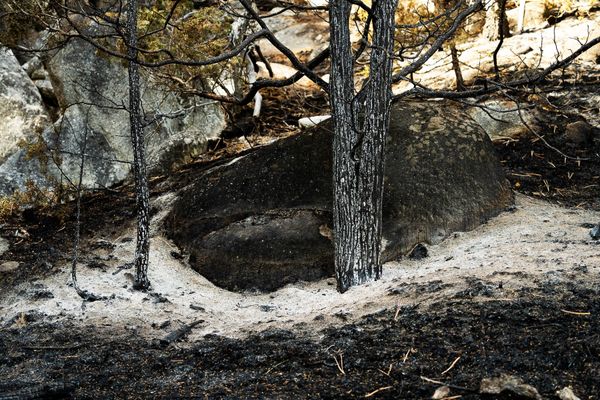
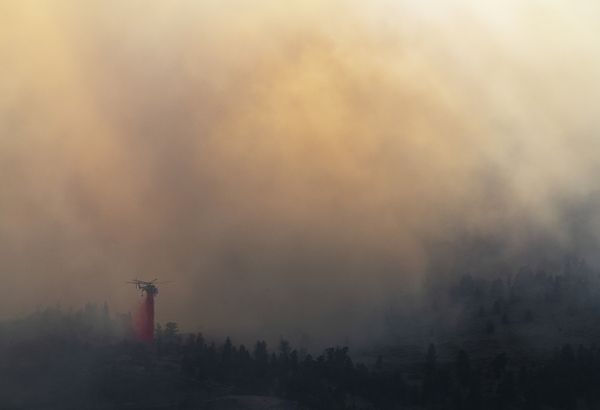
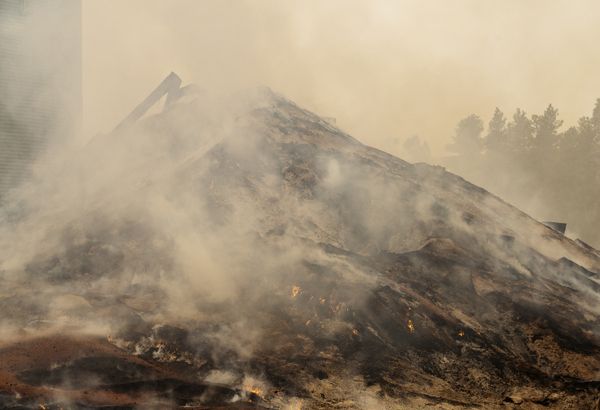
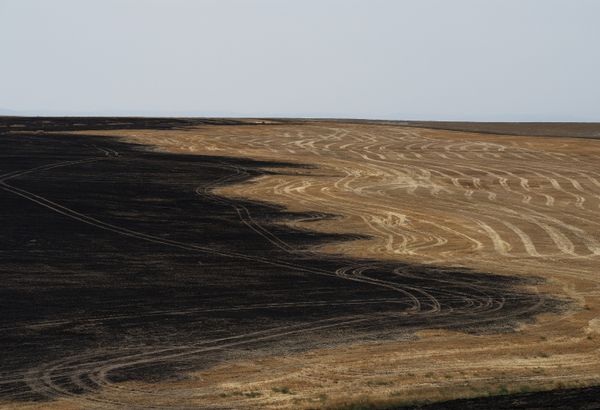
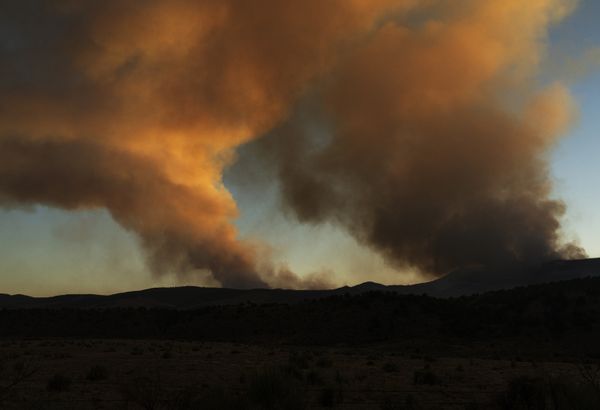
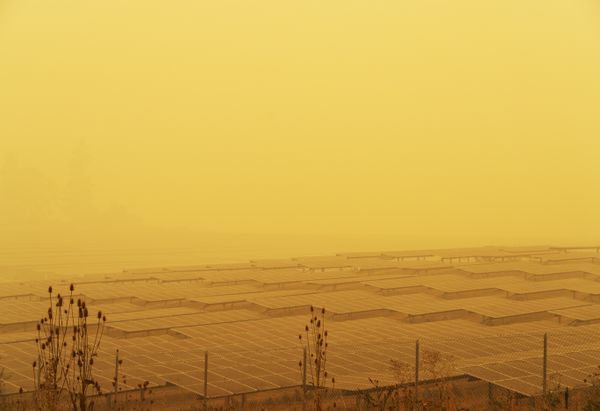
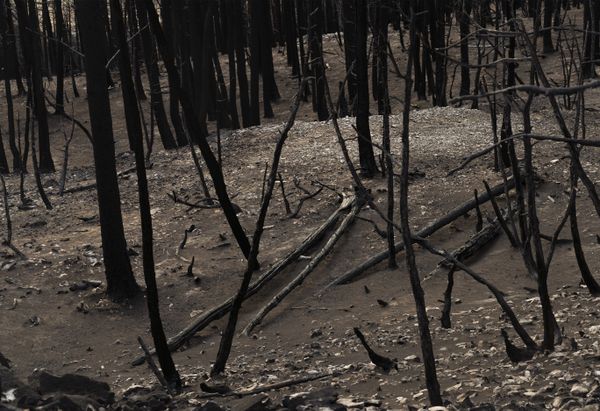
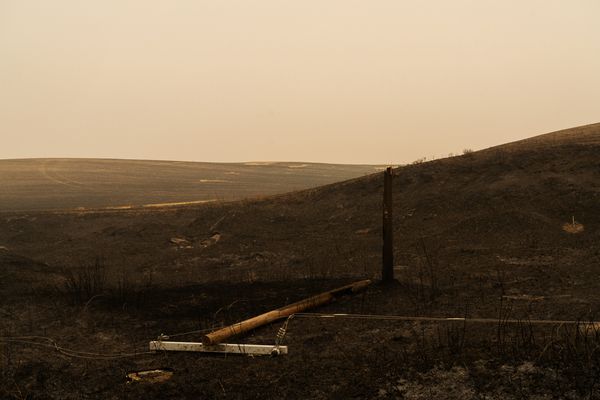
Integrating photographs and text, The Sun Sets Midafternoon examines the immediate aftermath of megafires on surrounding communities, interweaving narratives of ecological devastation, collective trauma, and climate grief.
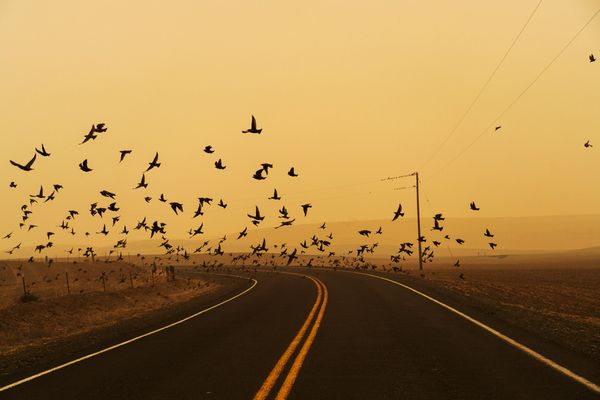
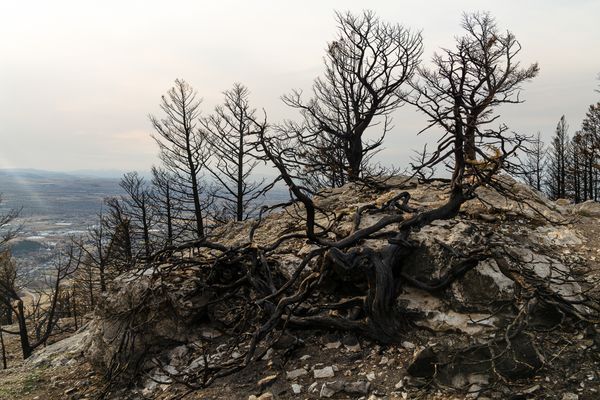
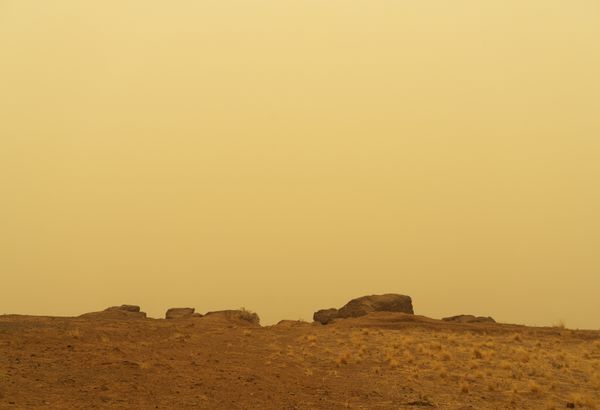
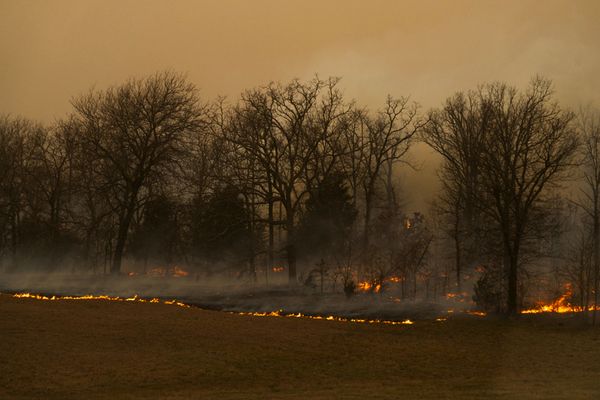
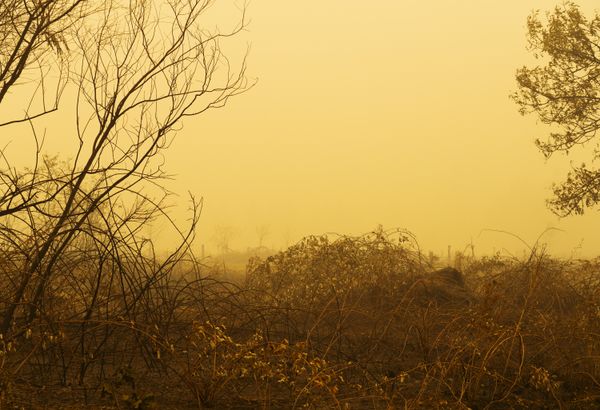
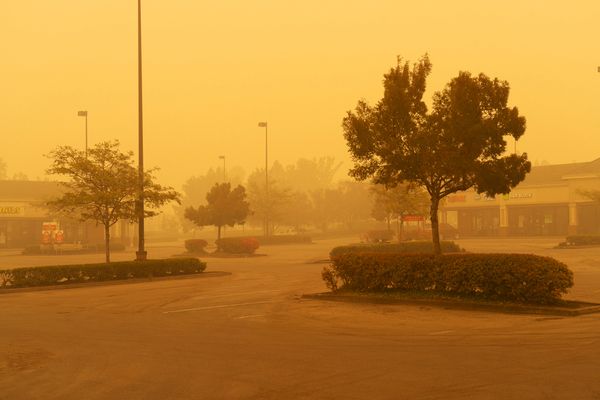
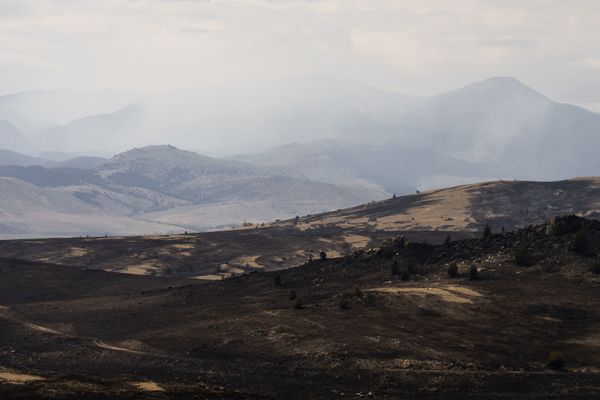
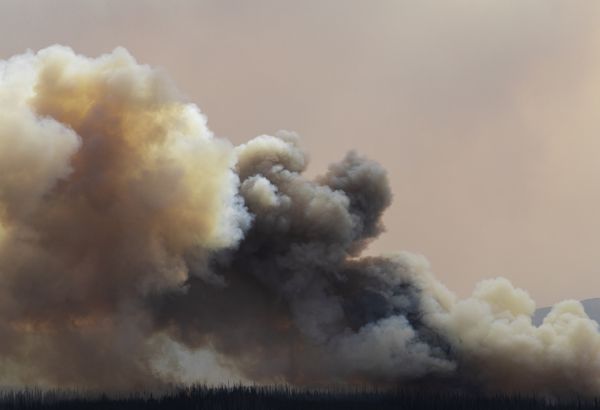
Wildfires are raging across the western United States, burning up increasingly large swaths of land every year. While fire is a natural part of many ecosystems, the increasing presence of larger, faster, and hotter fires is a reminder of the rapidly changing environment. Begun after experiencing the devastation of a wildfire in my hometown, this work explores solastalgia, which describes emotional and existential distress caused by negative environmental change, generally experienced by people with lived experience closely related to the land. Lands integral to our identity, our livelihoods, and our wellbeing are shifting and changing without notice or control. The experience of a wildfire is all consuming. Our communities are facing collective traumas as we wait for news about the spread and containment, constantly refreshing web pages and data bases. Although these are localized examples of wildland fire and the trauma that follows, collectively the scale of these events is unfathomable. The day to day struggles of normal life continues on as fires rage outside our windows, setting our lives in a scene of gray oppression.
Integrating photographs, moving images, and textual works, The Sun Sets Midafternoon examines the immediate aftermath of megafires on surrounding communities and the experience of local fires, interweaving narratives of ecological devastation, collective trauma, and climate grief.
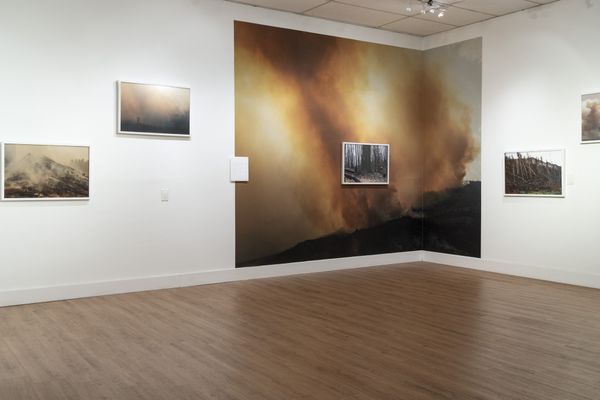
An installation approach to this work layers together photographs and text in a sometimes overwhelming and other times quiet experience. Using monumentally scaled mural prints, the photographs become as large as life, asking viewers to see themselves in the role of those experience these climate change driven fires first hand—with their feet in the dirt and their eyes on the horizon. Combined with framed works, the photographs cycle endlessly from active fires to aftermath, examining the ever-worsening pattern of climate change driven fires.
Text is presented alongside the photographs in exhibition and book formats, which serves to compliment the photographs and expand the narrative. The text tells the story of living through a wildfire, watching it from one’s bedroom window, while standing in a driveway, and walking outside. Then, the narration advances to following year, as more fires rage in neighboring communities and the narrator reflects on watching climate change irrevocably change the place one loves and calls home.
People who feel a connection to any part of the earth or nature are well equipped to strongly empathize with the idea that the planet as a whole is their home, and can find endemic destruction in any area disturbing. As more parts of the earth become damaged and polluted, experiences of positive emotions in relationship to the earth become more difficult. And so we are left with more and more solastalgia, more and more climate grief. Even as we seek out solace in nature, it is less able to provide such relief. If grief is the price we pay for love, then to love the land in these times is to always be grieving.