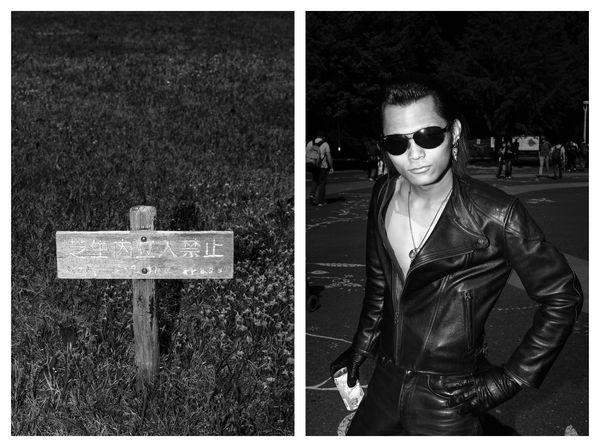
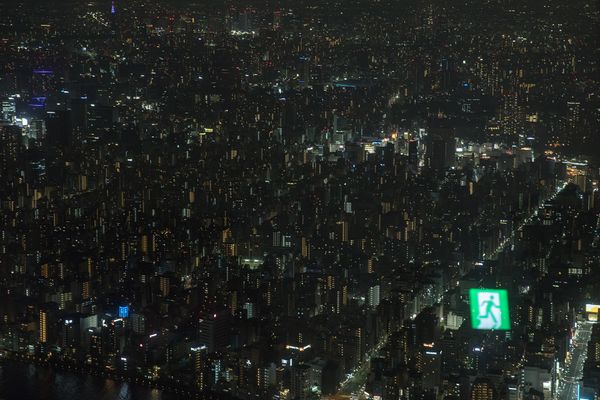
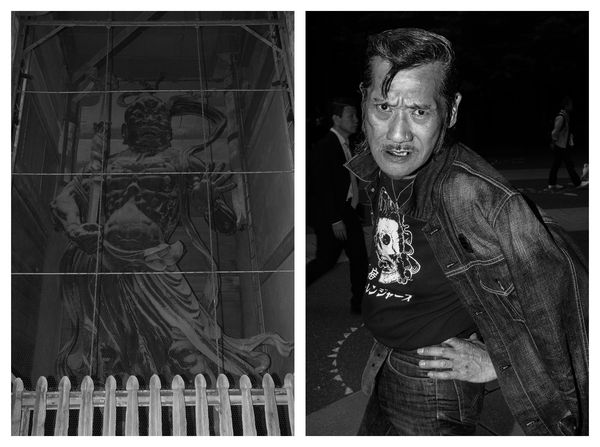
The nail that sticks out gets hammered down
-
Dates2025 - Ongoing
-
Author
- Location Japan
Japan blends ancient tradition and modern technology, valuing harmony and conformity. Beneath its refined aesthetics lie trauma, social pressure and isolation. From atomic bombings to overwork, suicide and disappearances, tensions still shape society.
Japan is a country that combines ancient tradition and technological innovation, with a culture deeply rooted in respect, harmony and discipline. Society is organised according to strict hierarchies and collectivist values, where conformity is privileged over individualism. It is known for its extraordinary aesthetics, from Zen minimalism to attention to detail in every aspect of daily life. However, beneath this harmonious surface, deep contradictions coexist: between progress and isolation, affluence and social pressure. These tensions are reflected in the country's art, demography and social phenomena.
Among the deepest wounds of its recent history are those left by the two atomic bombs that devastated Hiroshima and Nagasaki in 1945. Two traumatic events that indelibly marked the population of the time and seared into Japan's collective memory.
In the decades that followed, Japan rebounded with dizzying economic and technological growth, establishing itself as a world power. An extraordinary achievement, made possible also thanks to an extreme work culture. More than 25 per cent of workers work over 50 hours of overtime a week and almost half of these go over 60. But this model of efficiency has a high human cost.
Since the post-war period, the country has recorded some of the highest suicide rates among industrialised nations. In the 1990s and 2000s, the number of deaths exceeded 30,000 per year.
Suicide is still the leading cause of death among men between the ages of 20 and 44, and among women between 15 and 29. Added to this is a disturbing phenomenon: every year, some 80,000 people disappear voluntarily, in a phenomenon known as johatsu (evaporation). An escape from personal failure, debt, or the unbearable burden of social expectations..
These figures highlight the rigidity of a system well summarised by the proverb: “The nail that sticks out must be hammered in”. An oppressive social pressure that can drive the individual to extreme gestures: suicide, disappearance or, tragically, death by overwork (karoshi).
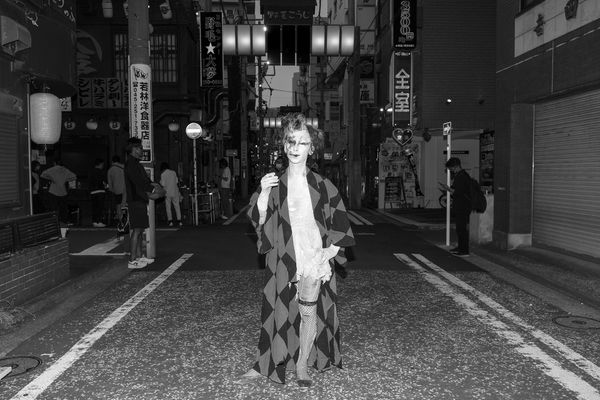
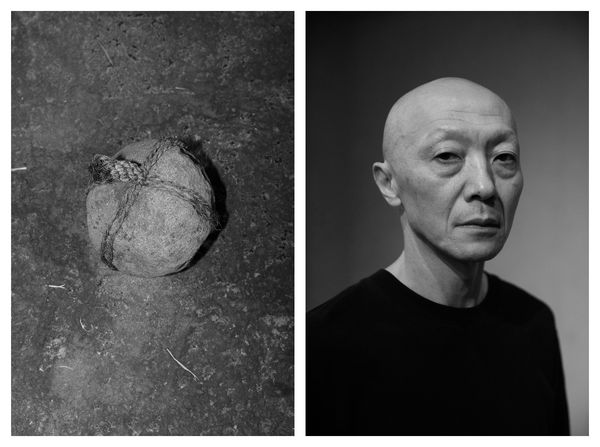
In the face of this often silent suffering, powerful forms of aesthetic and spiritual rebellion have emerged. Prominent among these is Butoh dance, which originated in the late 1950s thanks to choreographer Tatsumi Hijikata and dancer Kazuo Ohno. It was a radical break with Western dance traditions and with post-war Japanese culture itself. Also called the “dance of darkness”, Butoh mixes grotesque movements, stillness and distorted gestures to explore the depths of human emotions and physical existence.
Its aesthetic is deliberately bare: shaved heads, bodies painted white, slow or convulsive movements and expressions that oscillate between agony, ecstasy and decadence. Butoh often deals with taboo subjects - suffering, sexuality, death, metamorphosis and deformation - pushing the boundaries of what can be expressed through the body. It is a profound, physical response to atomic trauma, social repression and the alienation of the modern individual.