The Bats of Kharkiv

-
Dates2026 - Ongoing
-
Author
In Kharkiv, Soviet-era high-rises, once a refuge for bats, are now under siege by Russian missiles. The Ukrainian Bat Rehabilitation Center continues its fight to save these creatures, working in a time when both human and animal lives are at risk.
On the first day of Russia’s full-scale invasion of Ukraine, Maryna Yevrodeyeva woke up in her college dorm to the sound of explosions. Her first thought was of the bats. Around 1,500 bats were hibernating in refrigerators at the Kharkiv Bat Rehabilitation Center, where she worked. If the missiles knocked out the city’s power, the bats would wake from hibernation and slowly starve.
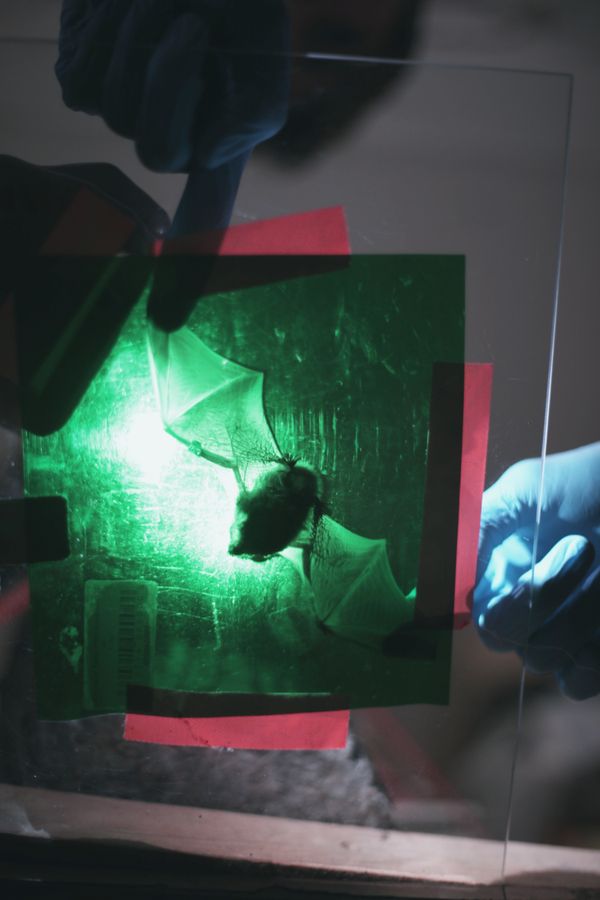
Throughout the day and into the night, Maryna and co-founder Anton Vlashchenko worked at the center, rousing each bat. The space echoed with the sound of bats chirping in annoyance, interrupted by the blasts of bombs. Their office, located on the sixth floor of a high-rise between a subway station and a power plant, both prime Russian targets, was no safer. As Maryna released the healthiest bats into the wild from the window, she saw smoke rising from below. By 3 am, she and Anton had fallen asleep in a tent pitched in the office, barricading the windows with textbooks to shield themselves from glass shrapnel.
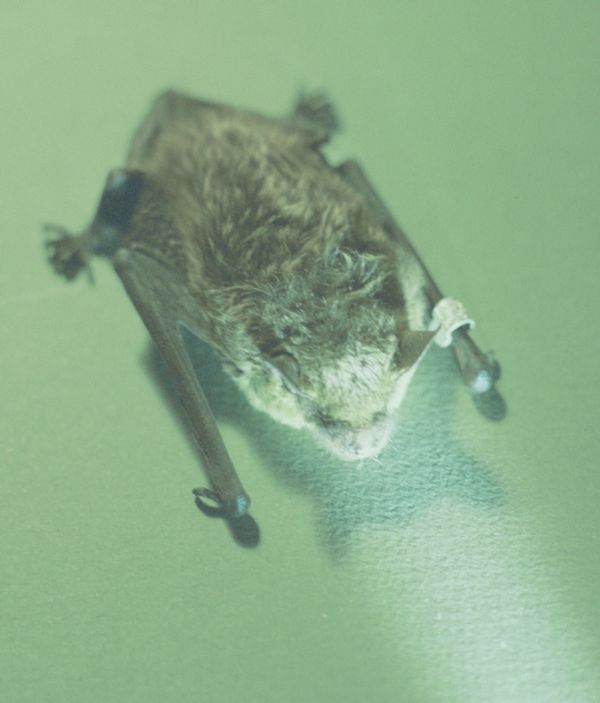
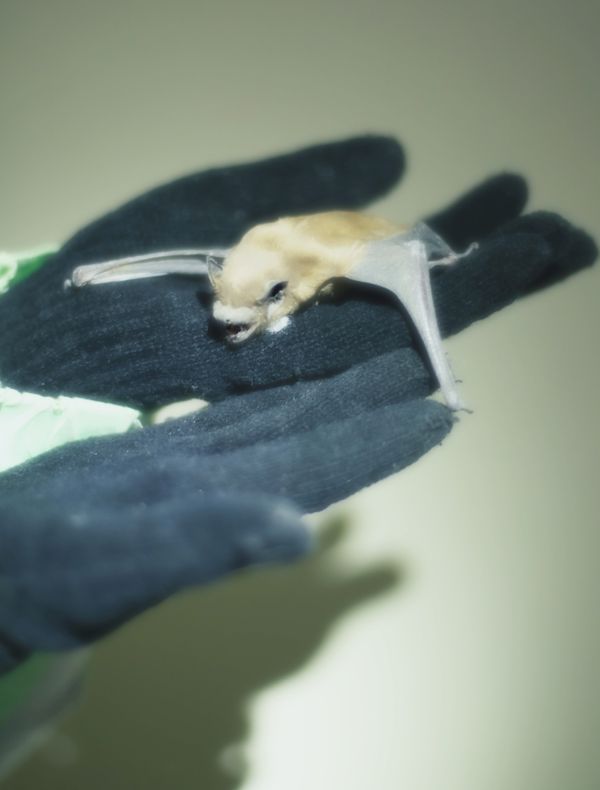
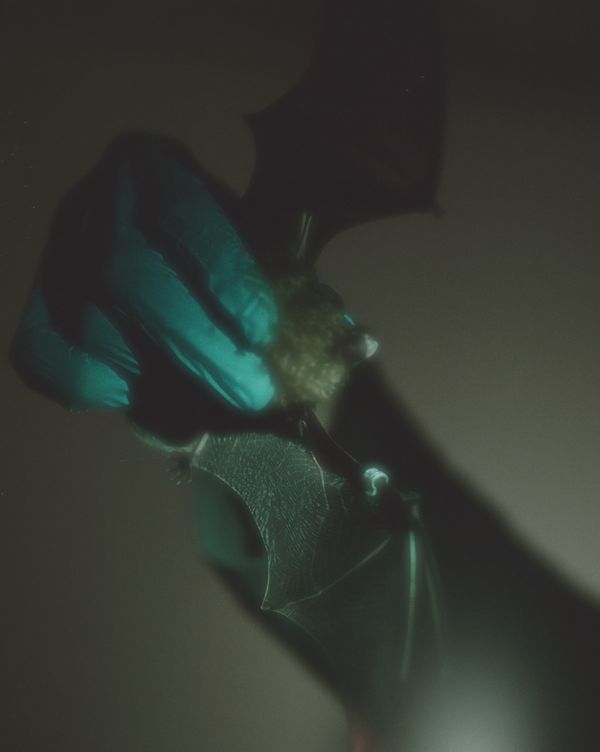
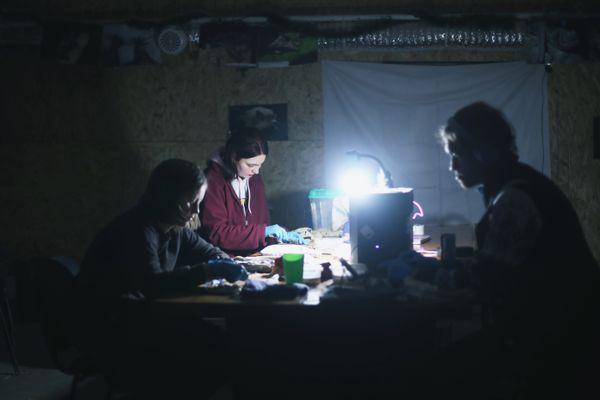
Nearly four years into the war, the bat center continues its operations in a basement in central Kharkiv, powered by a generator that intermittently flickers on and off. They regularly receive calls to rescue bats from across the country—sometimes a single bat trapped behind a bathroom vent, sometimes hundreds nesting together on a balcony. Once, the Ukrainian military contacted them to relocate a thousand bats found in an abandoned building in the forest, which they wanted to turn into a bunker.
No one has observed the impact of the war on these creatures more intimately than the center’s team of specialists. Co-founder Alona Prylutska, like the bats she works with, has developed super-sensitive hearing. “I am so used to working with bats,” she says, “that I can now hear where colonies are when I walk through the city.”
Alona and Anton’s research has documented significant declines in bat populations in areas heavily affected by Russian shelling. Bats find themselves trapped in buildings that have collapsed from Russian strikes, and the distress of one bat can attract many more, compounding the damage. Despite the dangers, Alona believes that war conditions, with frequent blackouts, may have encouraged bats to settle in these damaged structures. The darkness offers the perfect conditions for nocturnal creatures.
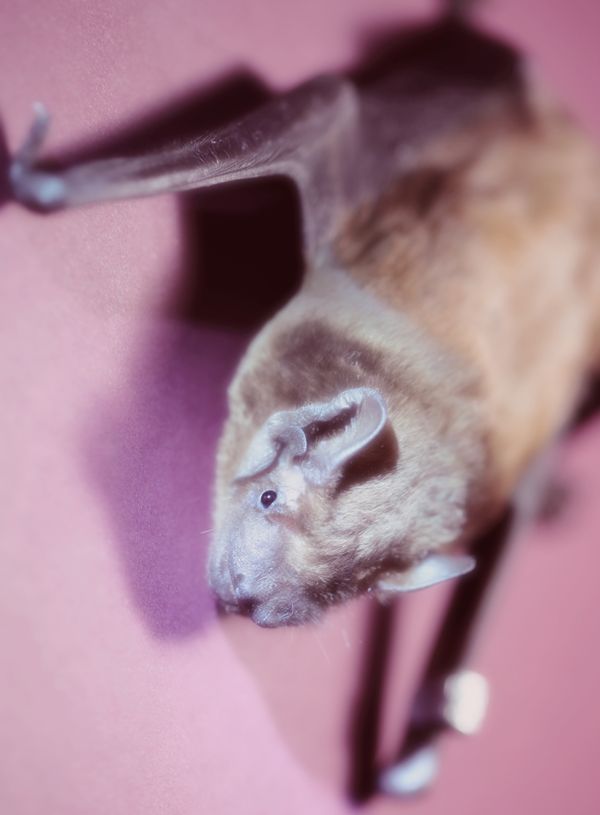
Bat populations have sharply declined over the last century, with many species in Europe classified as endangered or vulnerable. In Ukraine’s Kharkiv region, the 13 native bat species play an essential role in maintaining ecological balance and supporting agriculture. The decline of these bat populations poses not just an ecological risk, but an economic one. As Ukraine’s fertile farming land is lost to occupation and mines, the role of bats in pest control has become ever more critical. With bats giving birth to only one or two pups each season, it can take decades for a wiped-out colony to recover.
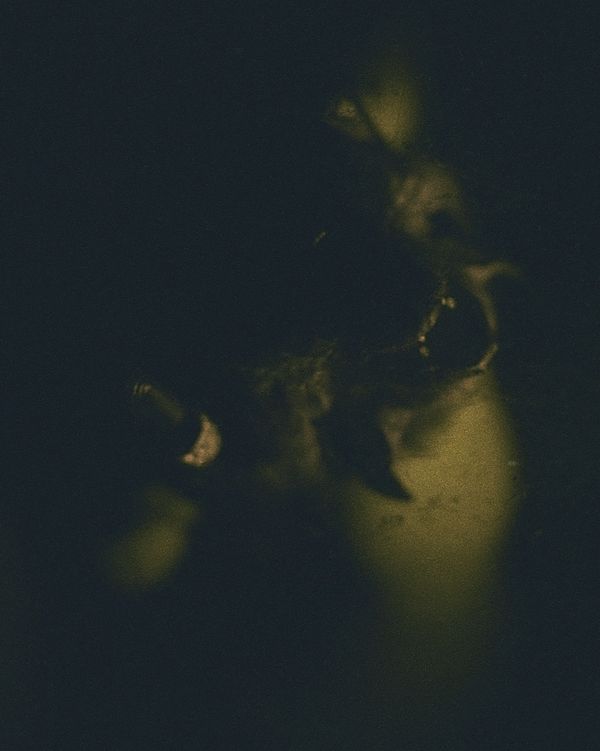
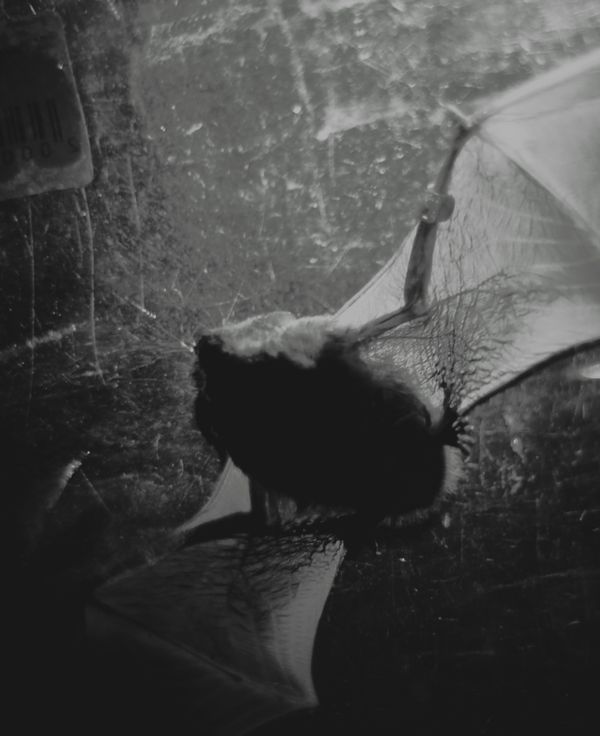
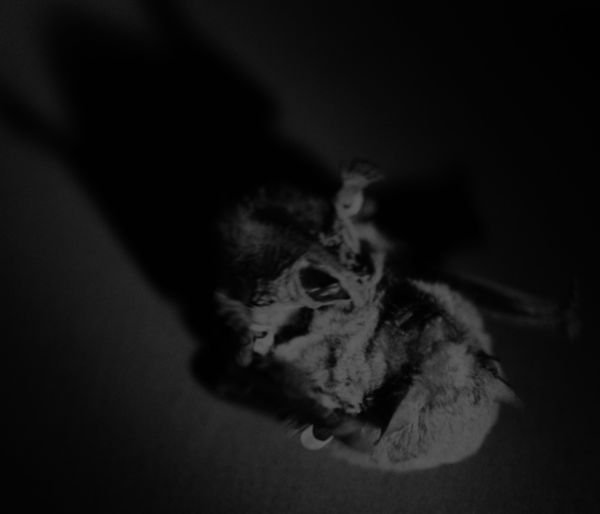
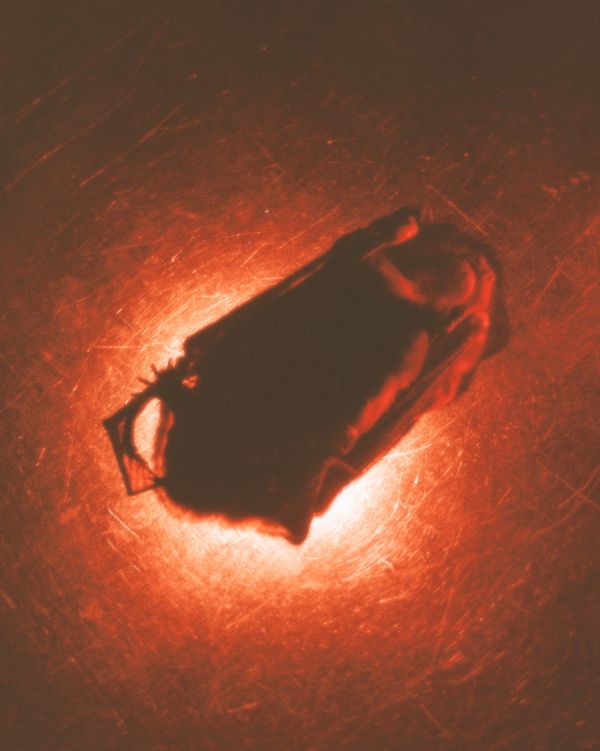
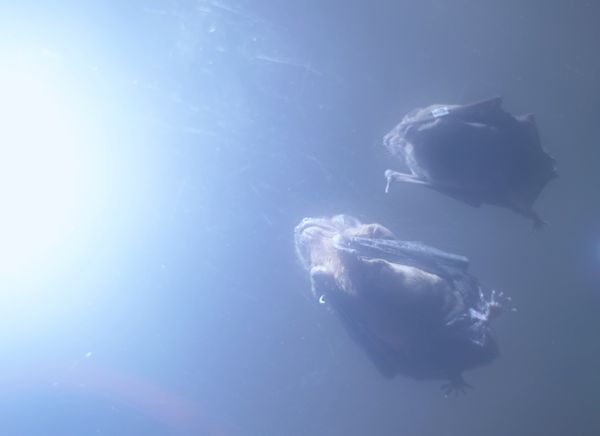
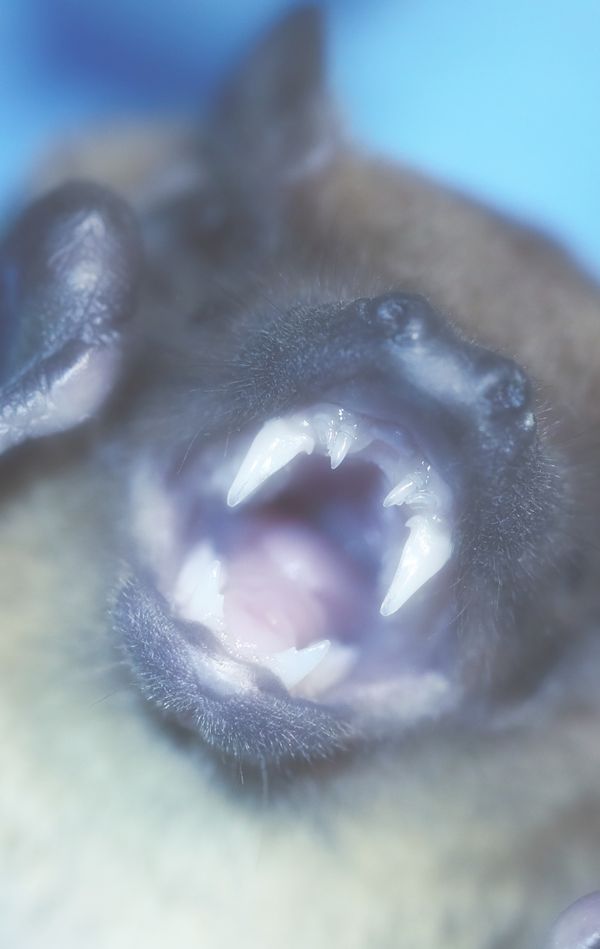
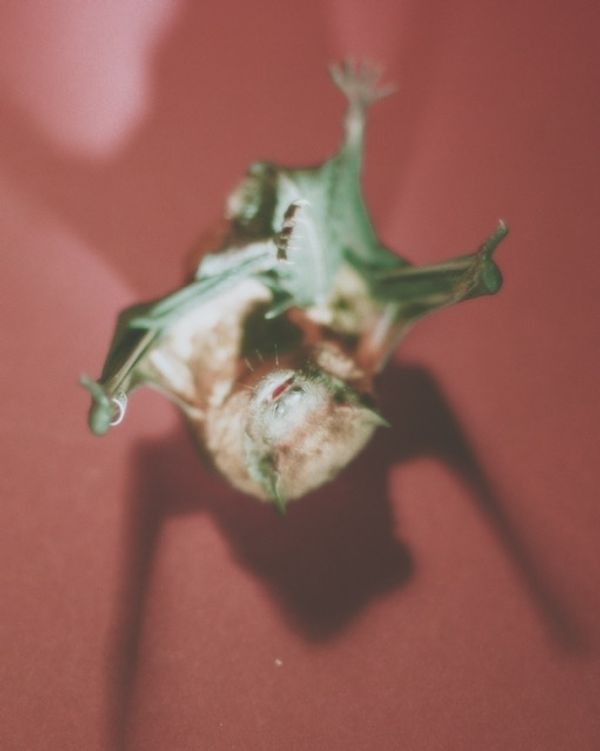
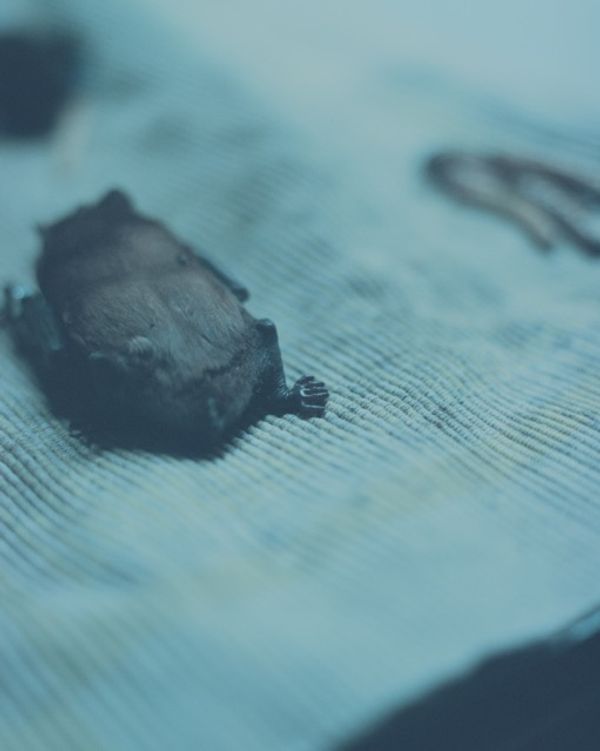
Through the lens of these scientists and rescuers, this series captures the struggle of both human and animal in the face of war, unraveling the complexities of bat behavior and the broader environmental impacts of the ongoing conflict.