The Bats of Kharkiv

In Kharkiv, Soviet-era high-rises, once a refuge for bats, are now under siege by Russian missiles. The Ukrainian Bat Rehabilitation Center continues its fight to save these creatures, working in a time when both human and animal lives are at risk.

On the first day of Russia’s full-scale invasion of Ukraine, Maryna Yevrodeyeva woke up in her college dorm to the sound of explosions. Her first thought was of the bats. Around 1,500 bats were hibernating in refrigerators at the Kharkiv Bat Rehabilitation Center, where she worked. If the missiles knocked out the city’s power, the bats would wake from hibernation and slowly starve.

Throughout the day and into the night, Maryna and co-founder Anton Vlashchenko worked at the center, rousing each bat. The space echoed with the sound of bats chirping in annoyance, interrupted by the blasts of bombs. Their office, located on the sixth floor of a high-rise between a subway station and a power plant, both prime Russian targets, was no safer. As Maryna released the healthiest bats into the wild from the window, she saw smoke rising from below. By 3 am, she and Anton had fallen asleep in a tent pitched in the office, barricading the windows with textbooks to shield themselves from glass shrapnel.

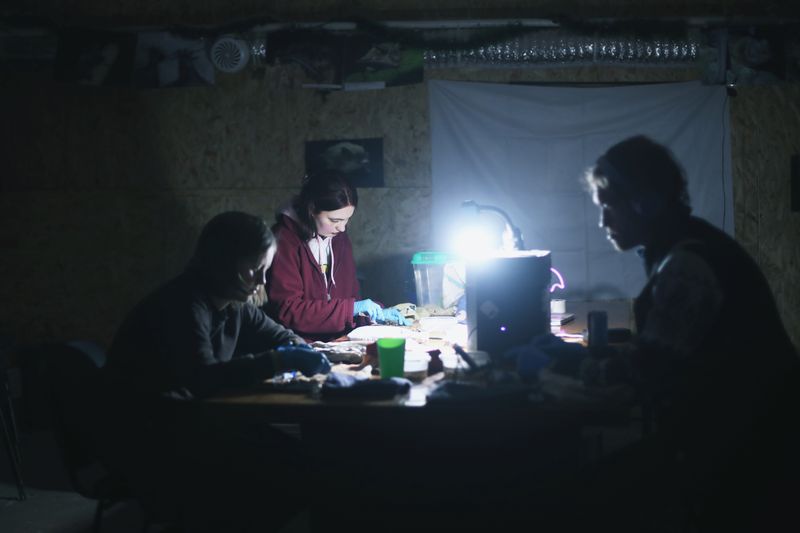
Nearly four years into the war, the bat center continues its operations in a basement in central Kharkiv, powered by a generator that intermittently flickers on and off. They regularly receive calls to rescue bats from across the country—sometimes a single bat trapped behind a bathroom vent, sometimes hundreds nesting together on a balcony. Once, the Ukrainian military contacted them to relocate a thousand bats found in an abandoned building in the forest, which they wanted to turn into a bunker.

No one has observed the impact of the war on these creatures more intimately than the center’s team of specialists. Co-founder Alona Prylutska, like the bats she works with, has developed super-sensitive hearing. “I am so used to working with bats,” she says, “that I can now hear where colonies are when I walk through the city.”

Alona and Anton’s research has documented significant declines in bat populations in areas heavily affected by Russian shelling. Bats find themselves trapped in buildings that have collapsed from Russian strikes, and the distress of one bat can attract many more, compounding the damage. Despite the dangers, Alona believes that war conditions, with frequent blackouts, may have encouraged bats to settle in these damaged structures. The darkness offers the perfect conditions for nocturnal creatures.

Bat populations have sharply declined over the last century, with many species in Europe classified as endangered or vulnerable. In Ukraine’s Kharkiv region, the 13 native bat species play an essential role in maintaining ecological balance and supporting agriculture. The decline of these bat populations poses not just an ecological risk, but an economic one. As Ukraine’s fertile farming land is lost to occupation and mines, the role of bats in pest control has become ever more critical. With bats giving birth to only one or two pups each season, it can take decades for a wiped-out colony to recover.

Through the lens of these scientists and rescuers, this series captures the struggle of both human and animal in the face of war, unraveling the complexities of bat behavior and the broader environmental impacts of the ongoing conflict.
This project is a candidate for PhMuseum Days 2026 Photography Festival Open Call

Learn more Present your project
© lucile brizard - Image from the The Bats of Kharkiv photography project
i

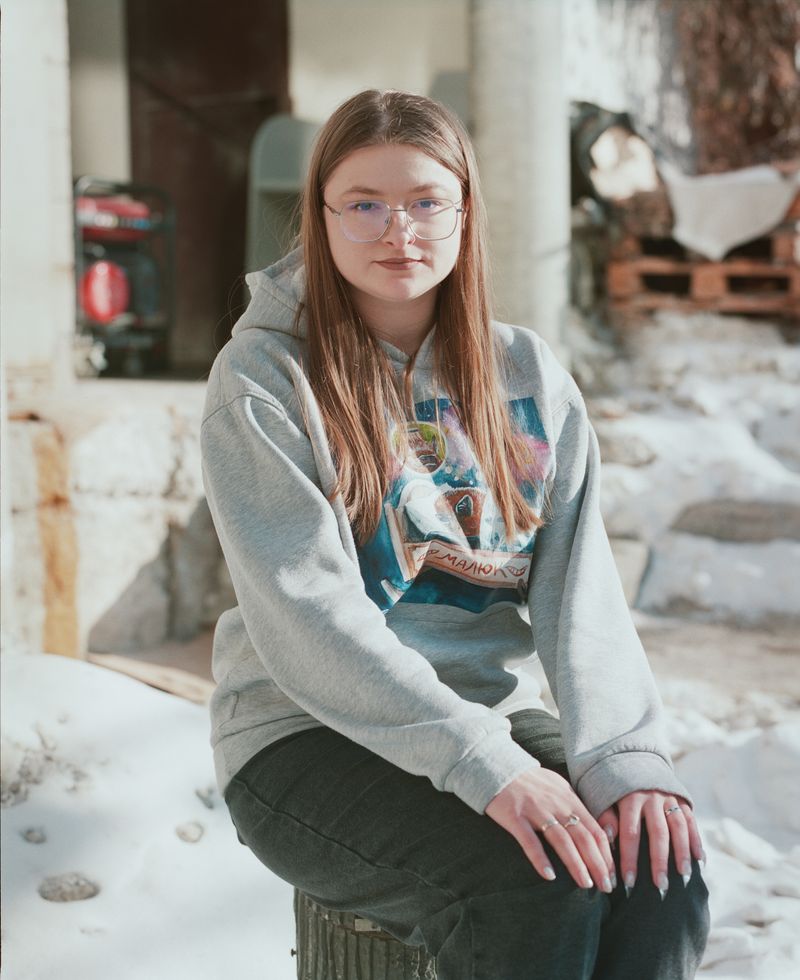
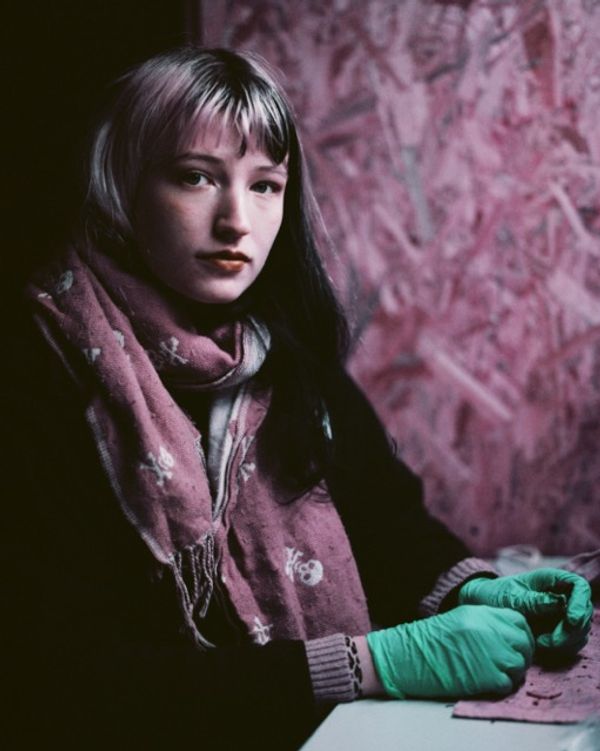
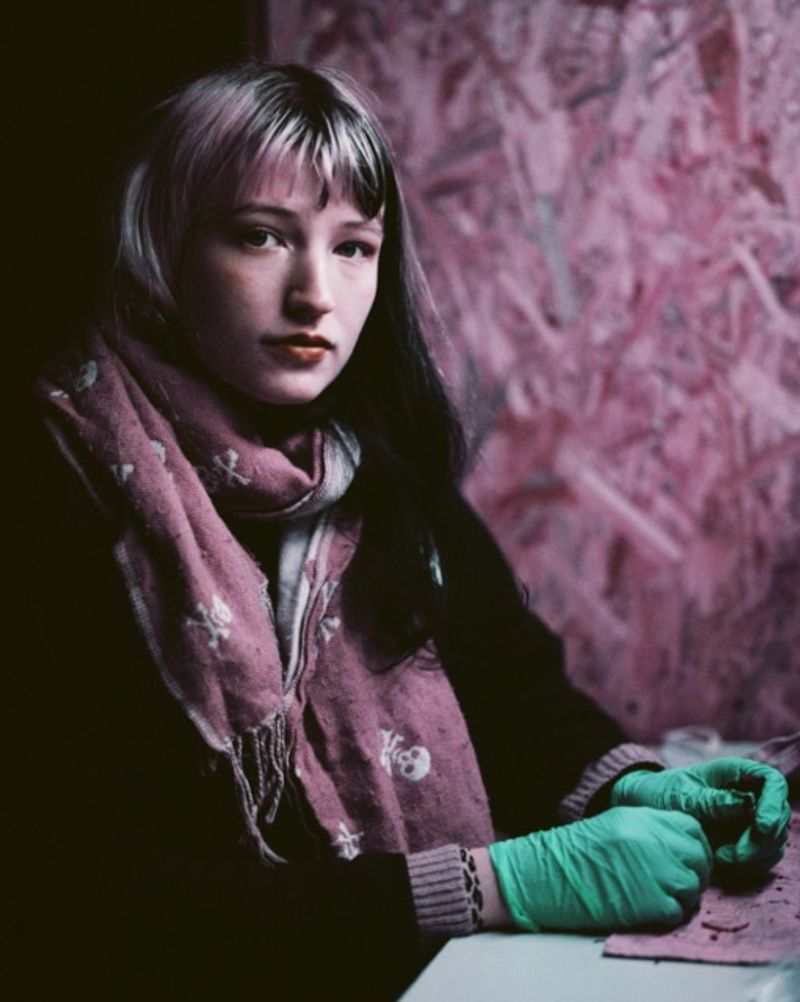
Volunteer Victoria Ovetchkina, who has been working at the center for 10 months, is originally from Kupiansk in the Kharkiv region of Ukraine. A student and artist, she brings a unique perspective to her work at the center.

© lucile brizard - Image from the The Bats of Kharkiv photography project
i

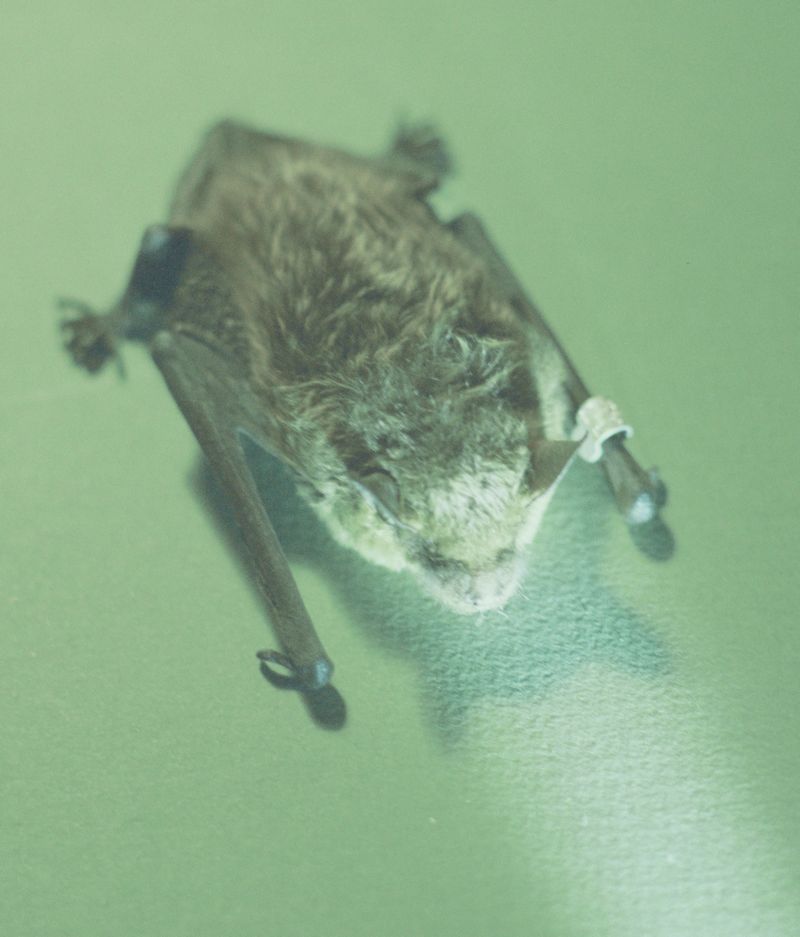
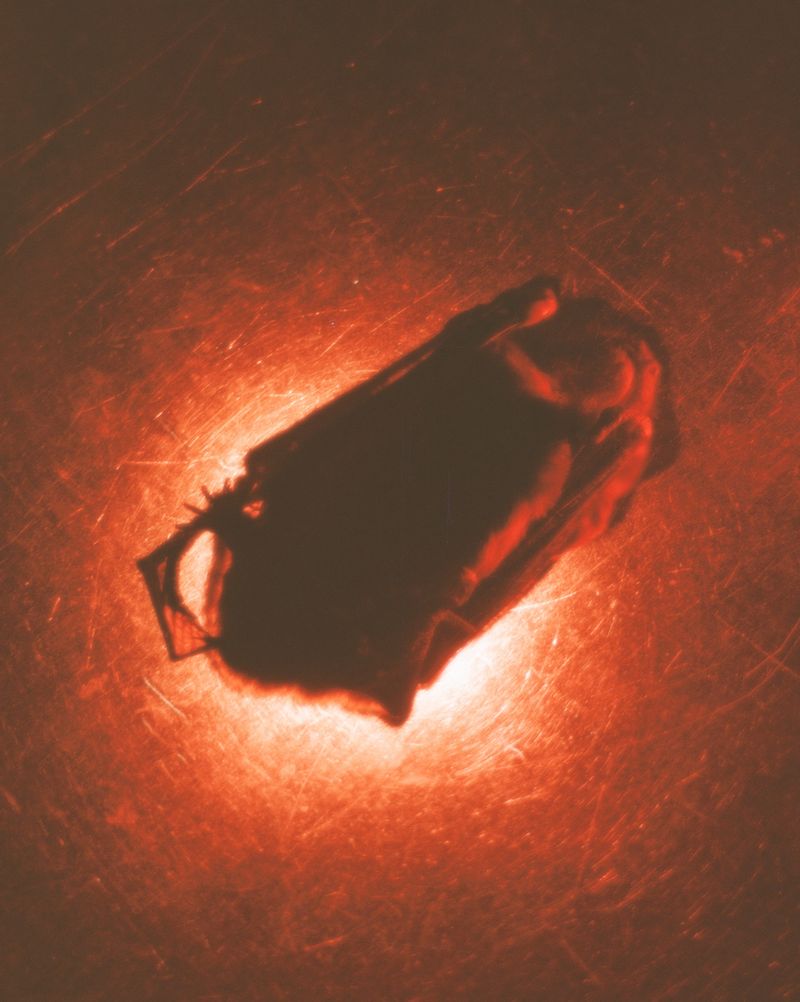
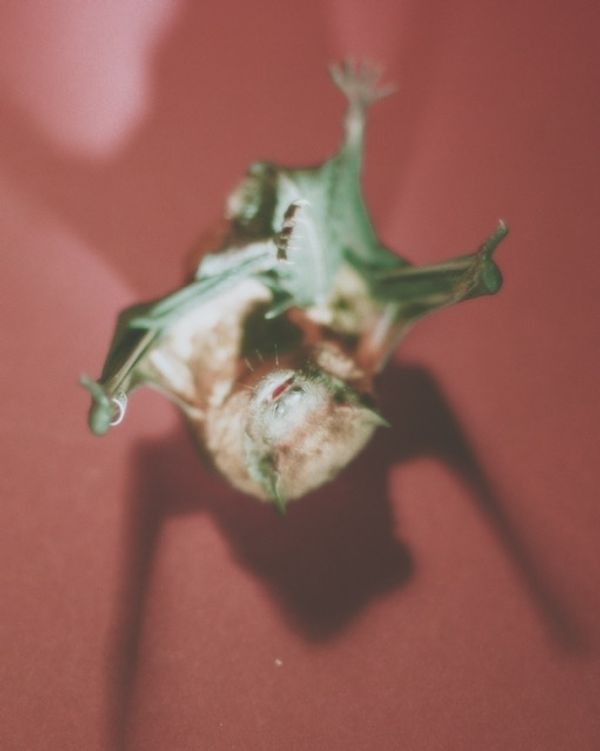
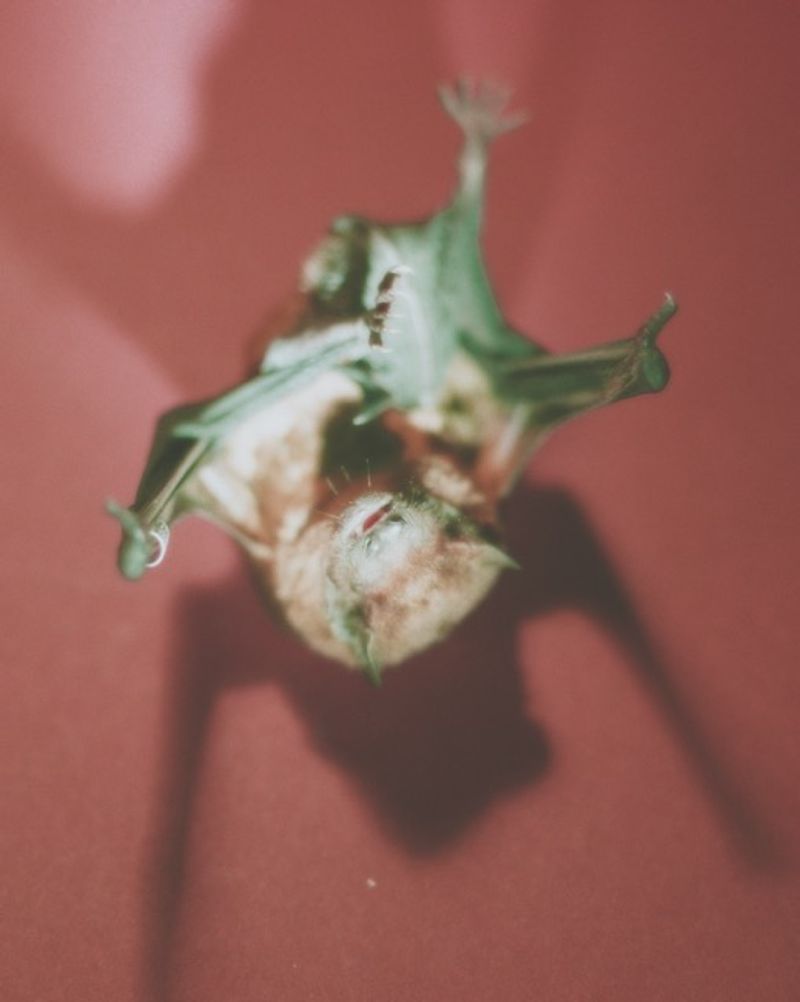
I employed a Mamiya RZ medium format camera to achieve a softer, less high-definition effect, emphasizing the bat's form and texture.

© lucile brizard - Image from the The Bats of Kharkiv photography project
i

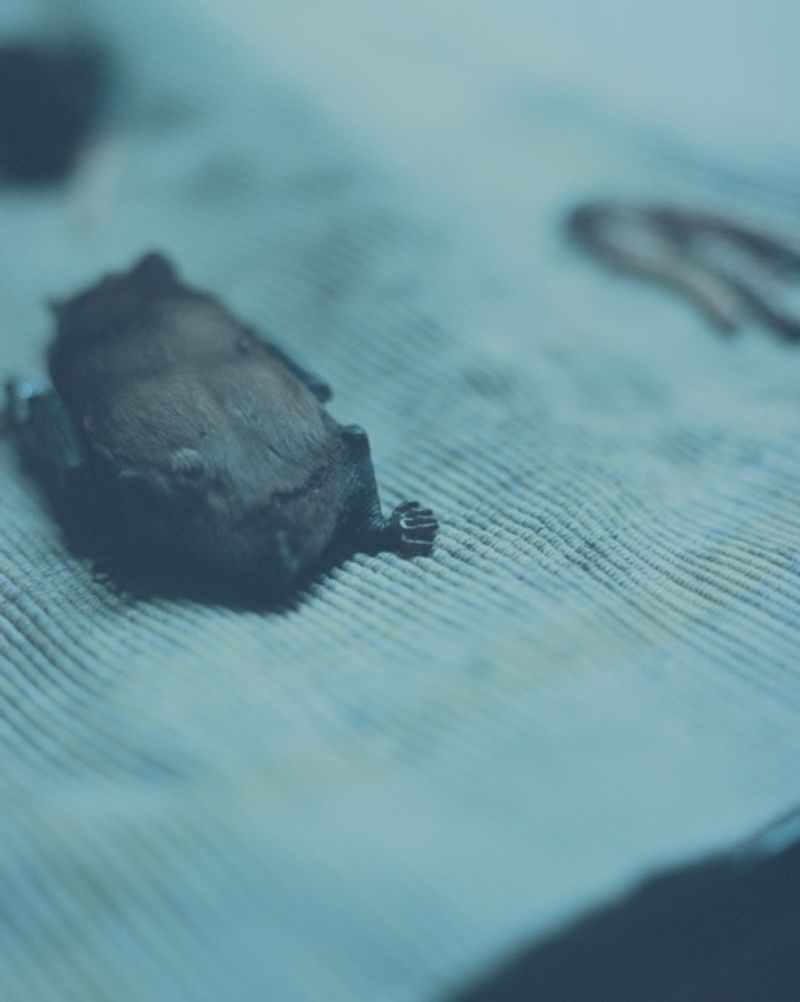
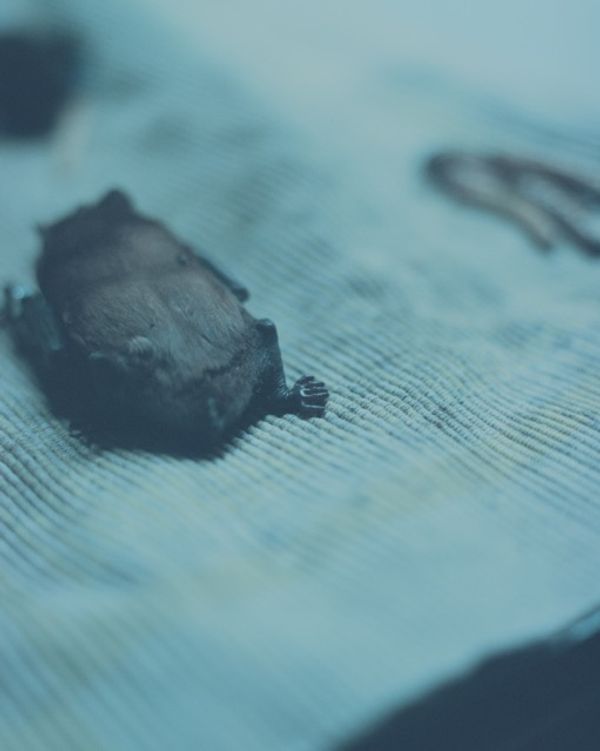
A Nyctalus noctula bat. Here it is shown in in a vulnerable state, sick and wounded after being rescued. It will never leave the center, though it will regain the ability to fly once summer arrives in the "Bat Collider" is a specialized circular aviary designed for the research and rehabilitation of rescued bats.

© lucile brizard - Image from the The Bats of Kharkiv photography project
i

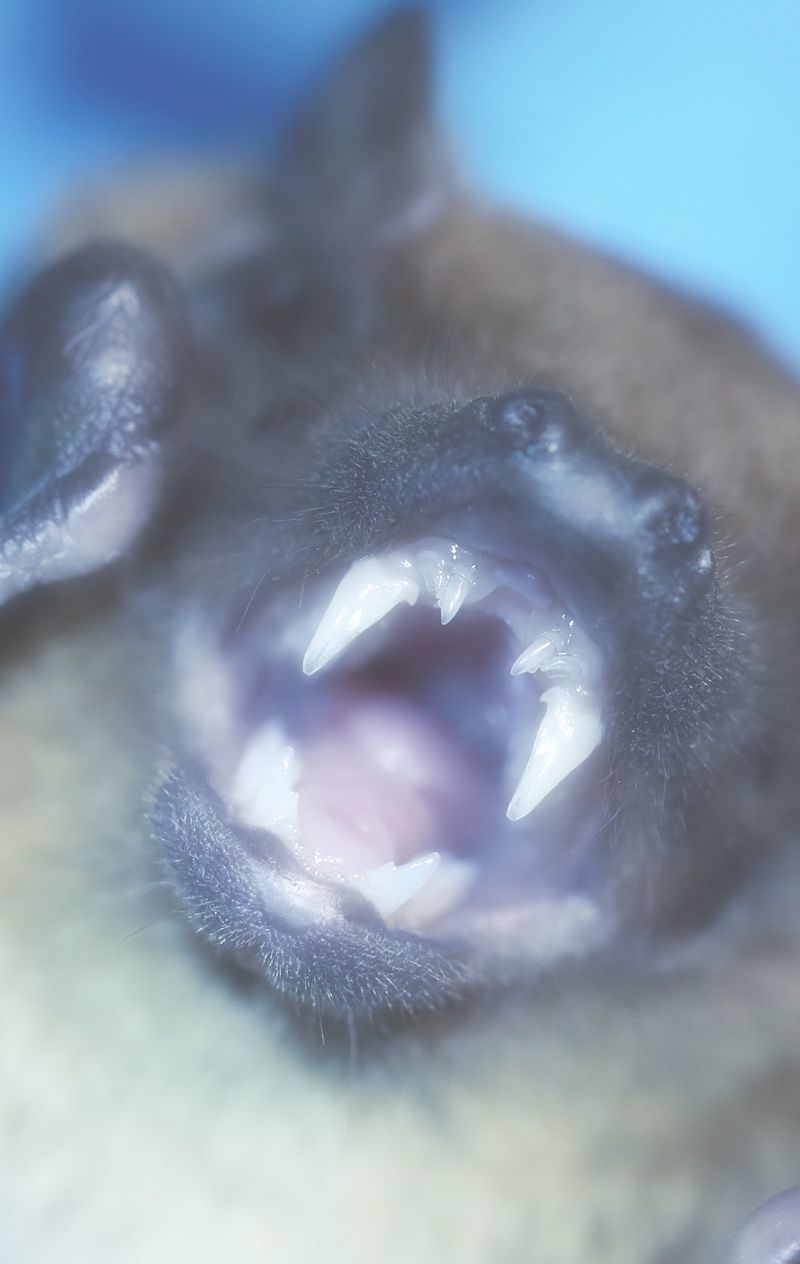
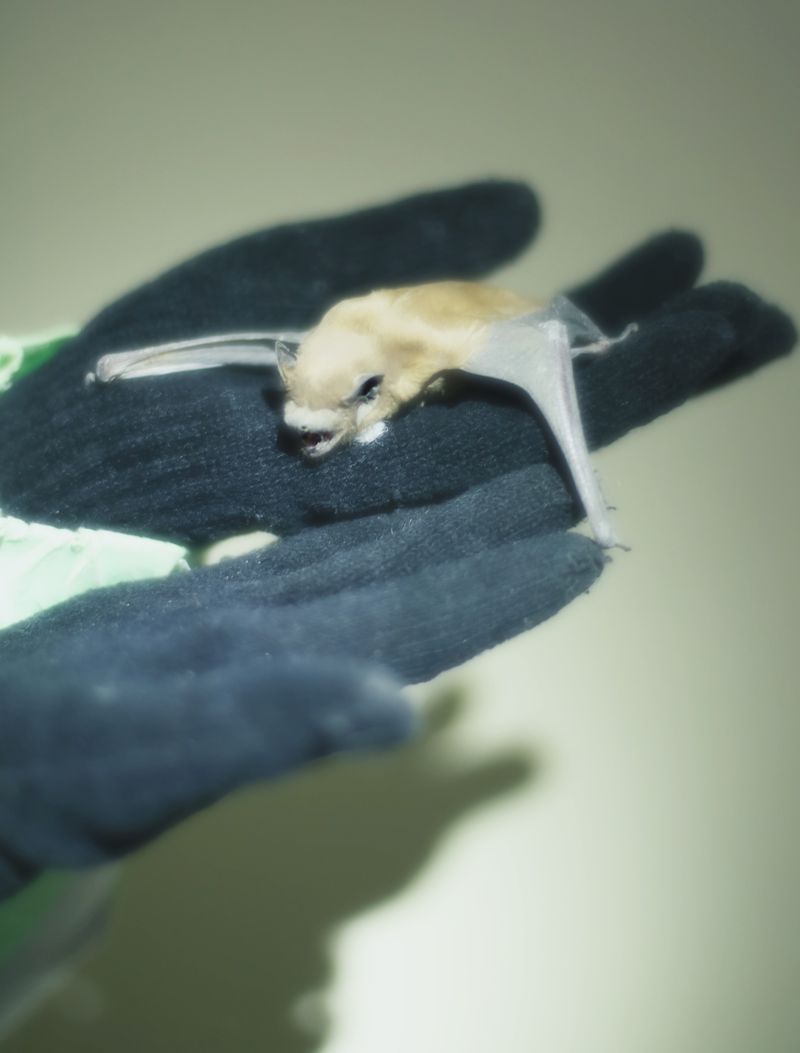
Bats do not particularly enjoy being handled. All bat species in Ukraine are insectivorous, playing a crucial role in controlling insect populations. In contrast, only three species of vampire bats, found in Central and South America, feed solely on blood.

© lucile brizard - Image from the The Bats of Kharkiv photography project
i

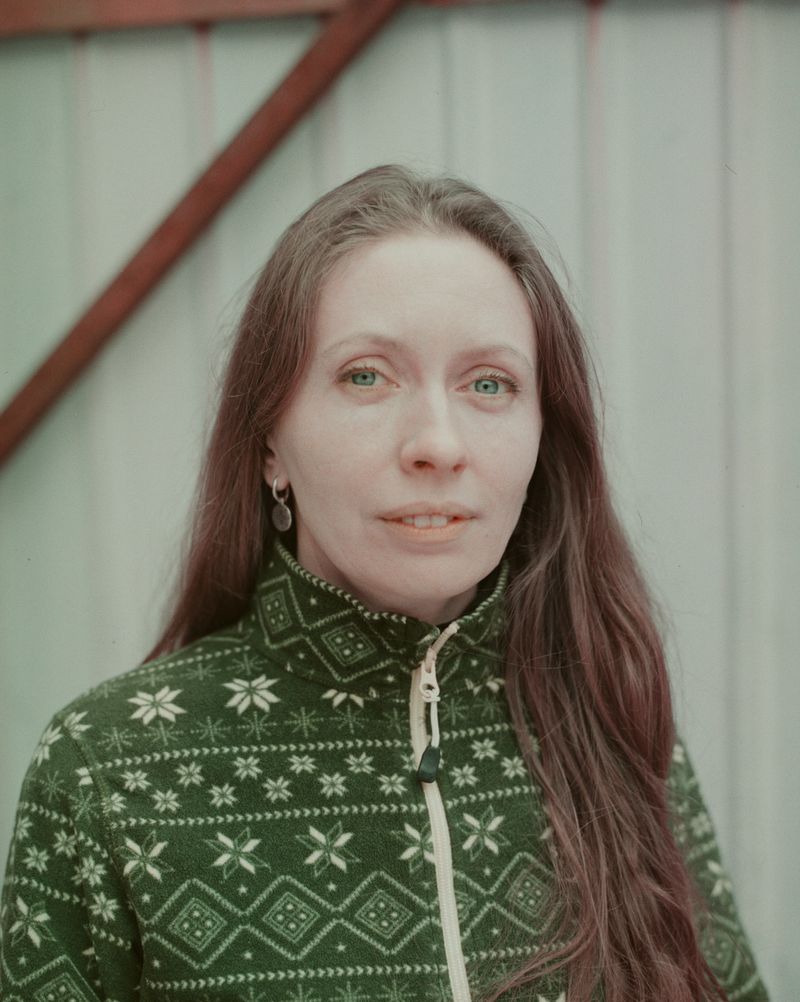
Alona Prylutska, Director of Conservation & Outreach Programs and Co-founder of the Ukrainian Bat Rehabilitation Center, holds a Ph.D. in Zoology. She specializes in bat ecology, monitoring, and rehabilitation. She works to promote a bat-friendly environment. "I am so used to working with bats," she says, "that I can now hear where colonies are when through the city."

© lucile brizard - Image from the The Bats of Kharkiv photography project
i

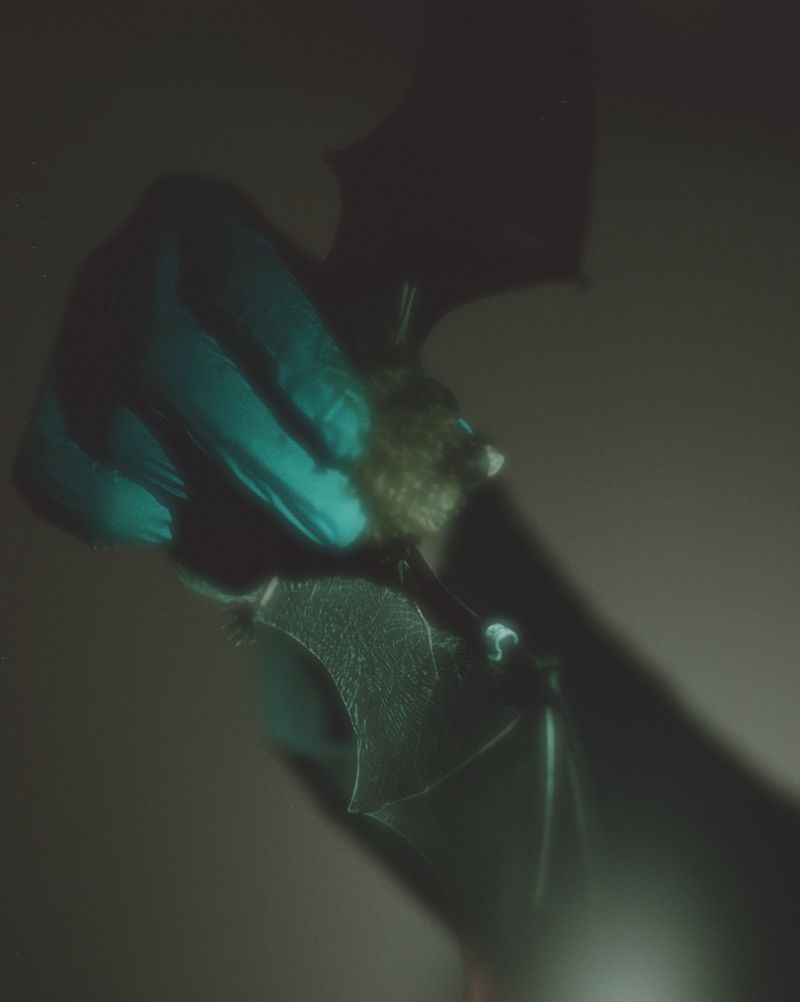
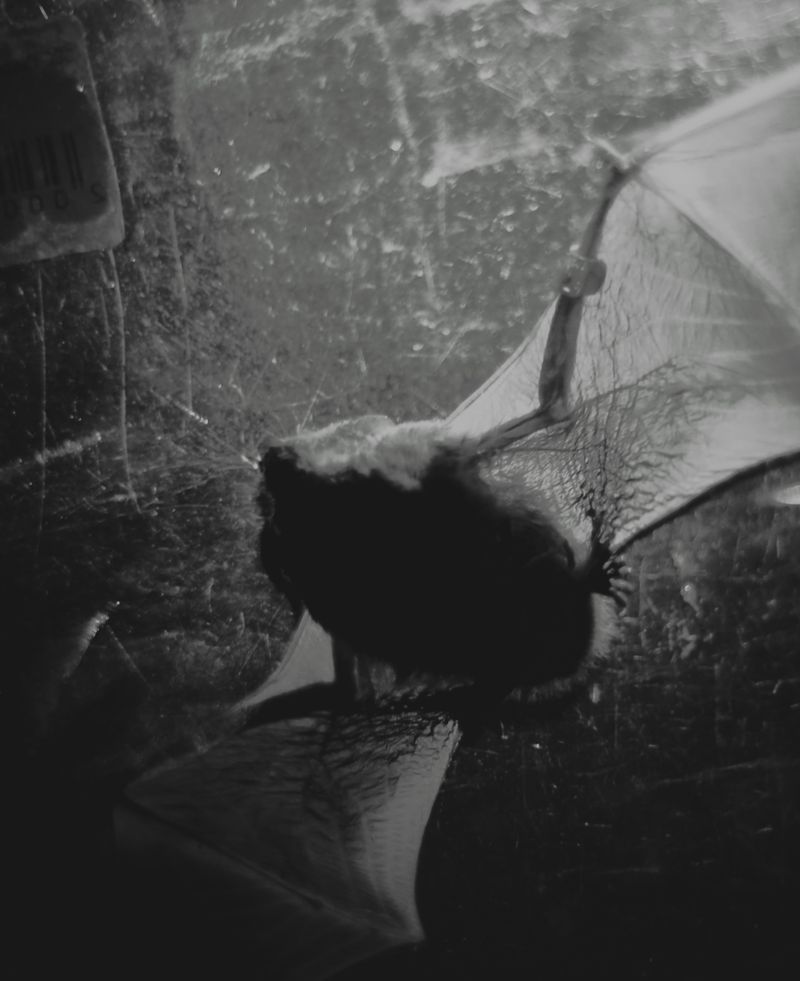
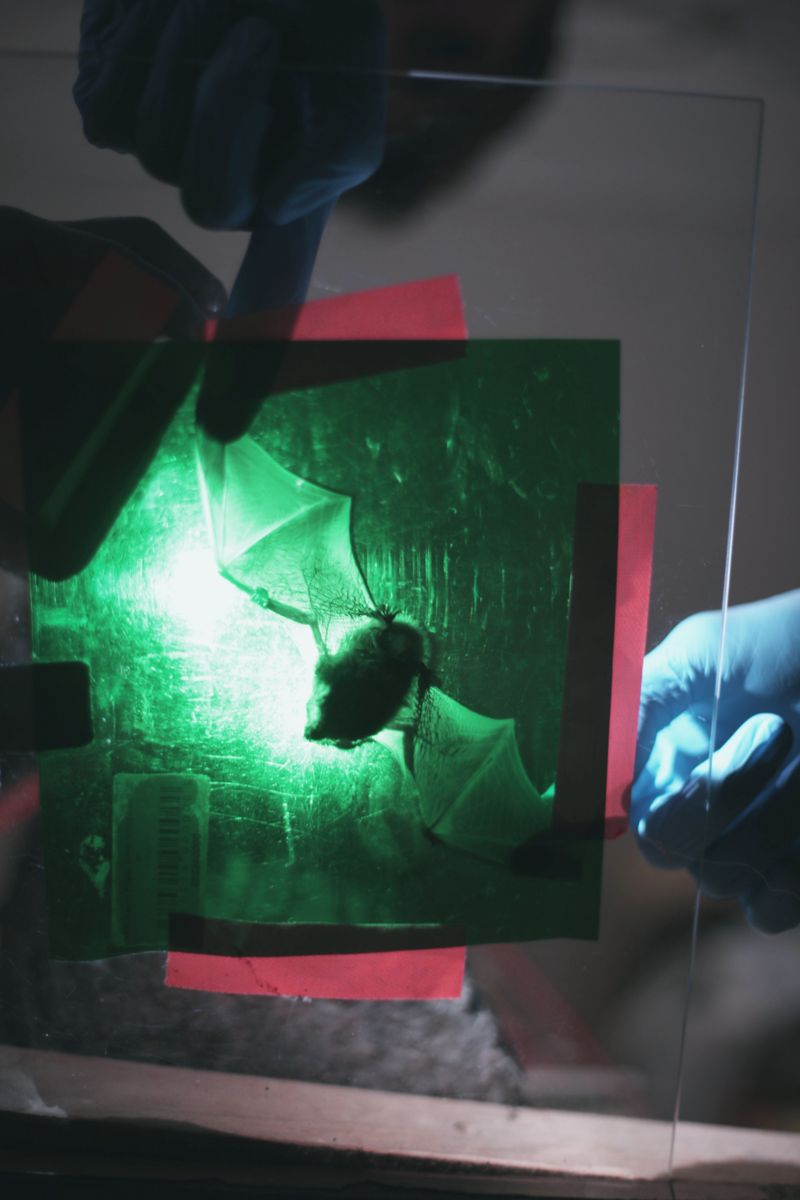
A volunteer at the Bat Rehabilitation Center in Kharkiv holds out a bat’s wing to be photographed. Some of the volunteers come from recently occupied territories in the Luhansk and Donetsk regions of Ukraine and have not been able to see their families, now considered to be in Russia.

© lucile brizard - A Nyctalus noctula bat, in rehabilitation since 2022. It will likely remain at the center permanently.
i

A Nyctalus noctula bat, in rehabilitation since 2022. It will likely remain at the center permanently.

© lucile brizard - Image from the The Bats of Kharkiv photography project
i

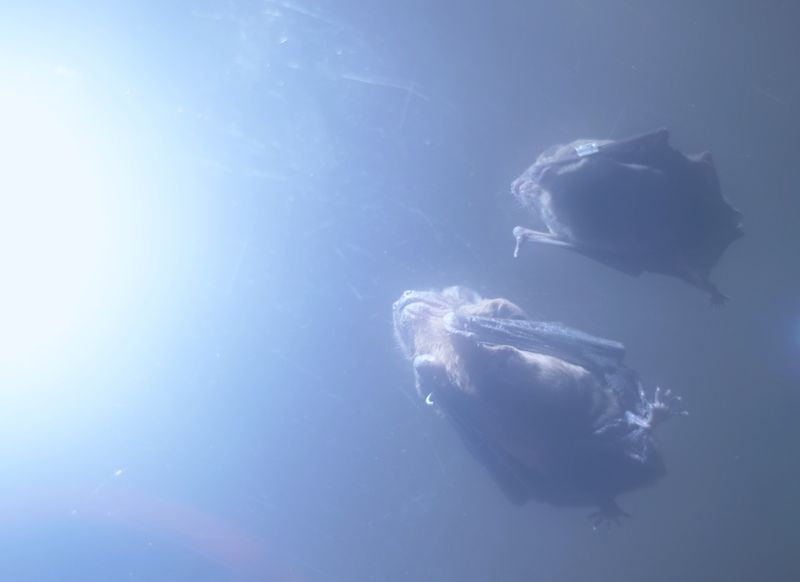
Two bats side by side. The science behind bat behavior and the ongoing mysteries the team seeks to unravel are complicated by the backdrop of war, making it harder to care for both the animals and those dedicated to saving them. During our visit, temperatures dropped to -10°C (14°F), and the team relied on generators to power their underground space, which frequently shut off.

© lucile brizard - Image from the The Bats of Kharkiv photography project
i

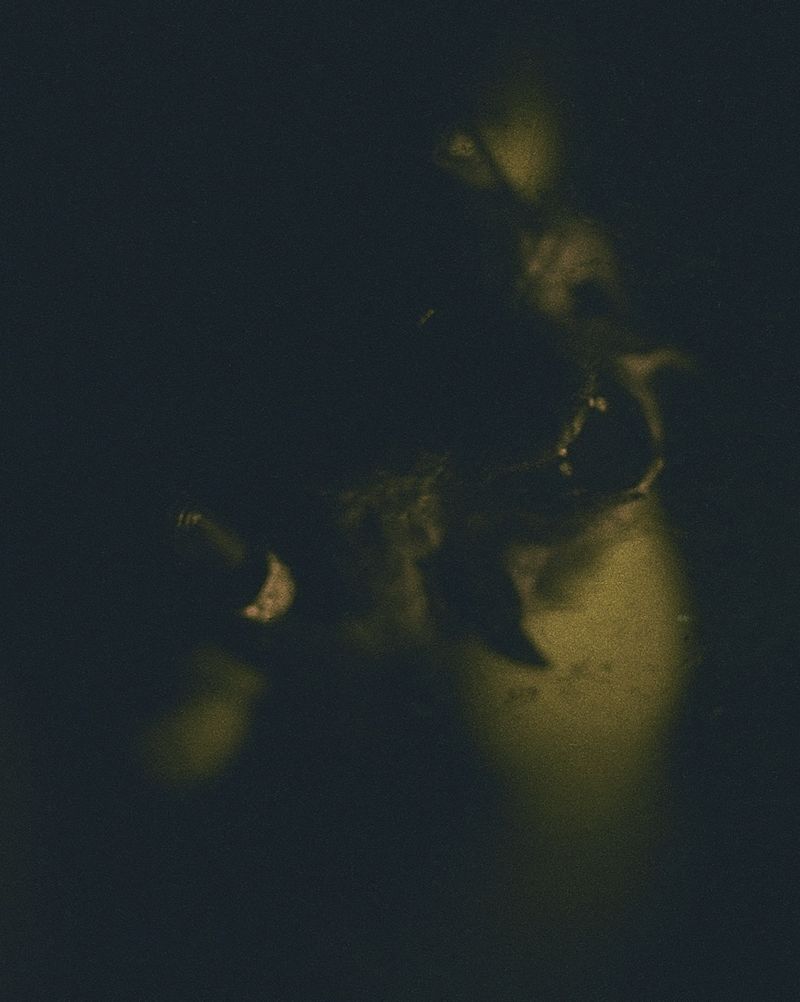
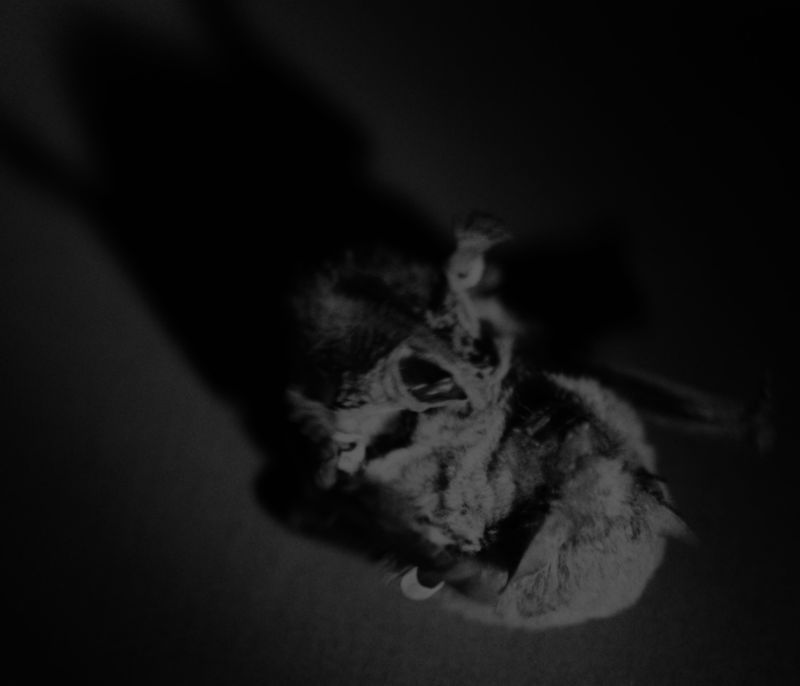
Here, the volunteers sit in the dark, feeding the bats worms. They are in darkness as the generator has cut off, and Kharkiv has shut down its energy grid to conserve power after much of its infrastructure was decimated by Russian strikes.

© lucile brizard - Image from the The Bats of Kharkiv photography project
i

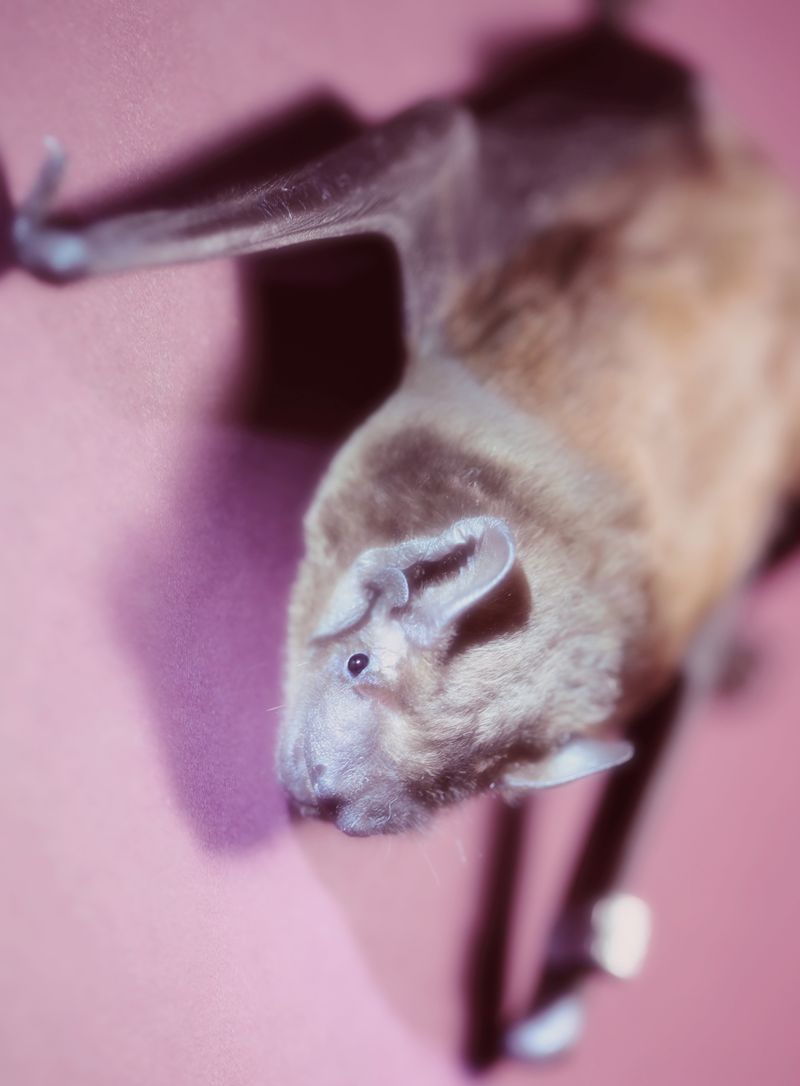
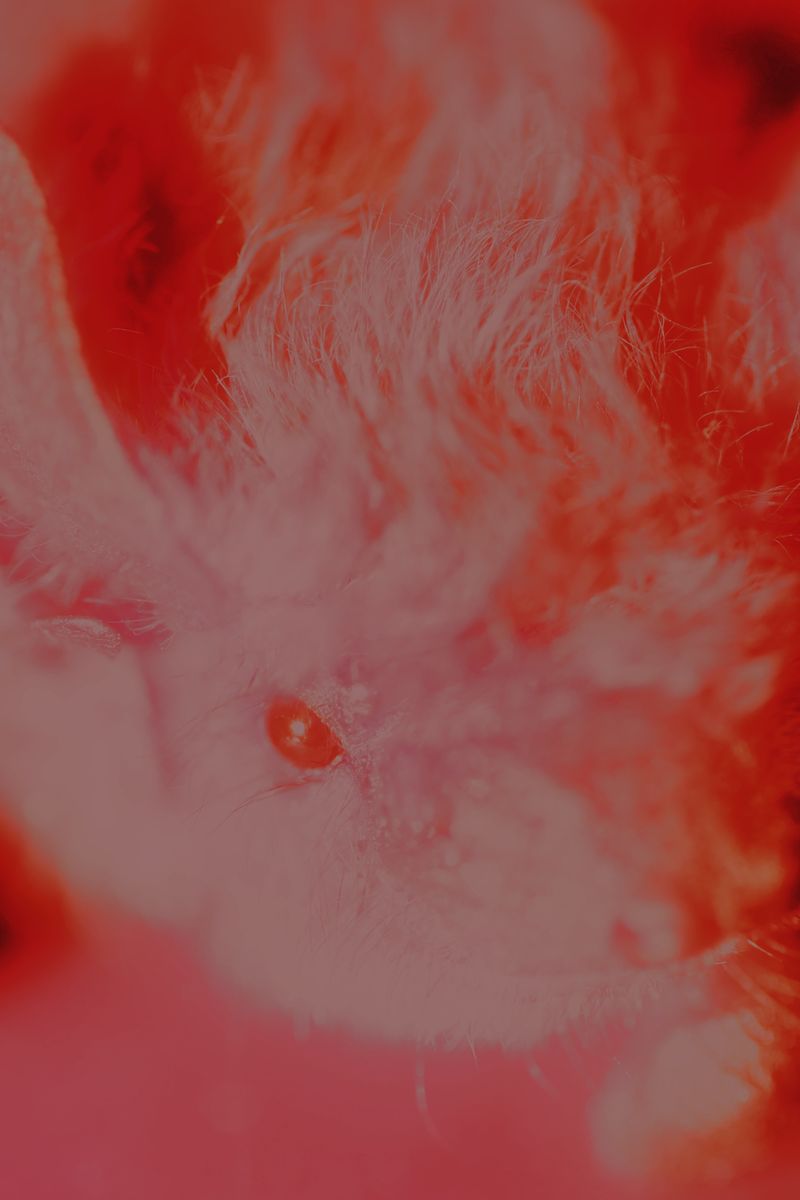
A Nyctalus noctula bat. In this attempt at an aesthetic approach, I sought to portray the bat almost like a fashion model, aiming to enhance and complexify the perception of this often-misunderstood species.

© lucile brizard - Image from the The Bats of Kharkiv photography project
i

Alona Prylutska says: “For many people, when bats are mentioned their first reaction is “can it bite me?” or “they are hosts of rabbies”. I am determined to change this view, since they play huge role in ecosystem services (both forest and agriculture). There is very much more to them than just the nocturnal creatures. “

© lucile brizard - Image from the The Bats of Kharkiv photography project
i

The structure of a bat's wing shares more similarities with a human hand than with a bird’s wing. Bats have a free limb divided into three parts: shoulder, forearm, and fingertips. Like humans, they possess a shoulder, elbow, wrist, hand, and phalanges in all five fingers. Through evolution, the phalanges lengthened, forming a membrane between them, while the first finger became a "hook."

© lucile brizard - Image from the The Bats of Kharkiv photography project
i

Bat populations have declined significantly over the last century, with around a fifth of European species classified as endangered. In Ukraine’s Kharkiv region, 13 native bat species are crucial to the ecosystem and agriculture. Their decline threatens both ecological and economic stability, as Ukraine’s agricultural output is increasingly compromised by occupation and landmines.

© lucile brizard - Image from the The Bats of Kharkiv photography project
i

Alonita Shulenko, one of the bat rehabilitators at the Kharkiv Bat Rehabilitation Center, has been working there for 5 years, attending to the bats every day. She is from the Kharkiv region.

© lucile brizard - Image from the The Bats of Kharkiv photography project
i

Another Nyctalus noctula bat. In the summer, colonies settle in tree caves, particularly favoring oaks. In Kharkiv, noctules are a mass species. These migratory bats can travel up to 1500 km. They appear in the forests in late April to early May and migrate south by September. In Kharkiv, they begin to appear in early August, with mass migration continuing until mid-September.

© lucile brizard - Image from the The Bats of Kharkiv photography project
i

The rehabilitation process for bats is closely tied to the discovery of injured or ill specimens. Alona Prylutska says it is crucial to study treatment methods and understand the primary issues behind their diseases. This knowledge can be applied to the conservation of rare and vulnerable species within urban environments.

© lucile brizard - Image from the The Bats of Kharkiv photography project
i

This Nyctalus noctula bat was rescued from the campus of Kharkiv University, where bats often get trapped between window frames or in enclosed spaces. Once fearful of these creatures, the university staff now collaborates with the Ukrainian Bat Rehabilitation Center. The staff temporarily house the bats in small boxes until they are picked up by Alona Prylutska.

© lucile brizard - Volunteers assist in placing the Particoloured bat on my makeshift nature studio, carefully positioning them for the shot.
i

Volunteers assist in placing the Particoloured bat on my makeshift nature studio, carefully positioning them for the shot.

The Bats of Kharkiv by lucile brizard

Prev Next Close