Petroleum Waterscapes
-
Dates2024 - Ongoing
-
Author
- Topics Landscape, Social Issues, Contemporary Issues, Nature & Environment, Documentary, Awards
- Locations Tabasco, Ciudad del Carmen, Paraíso
"Petroleum Waterscapes" maps the relationships between oil extraction and the humans and other species who share a precarious deltaic environment in the Mexican Gulf states of Tabasco and Campeche at a time of intensifying rains and coastal erosion.
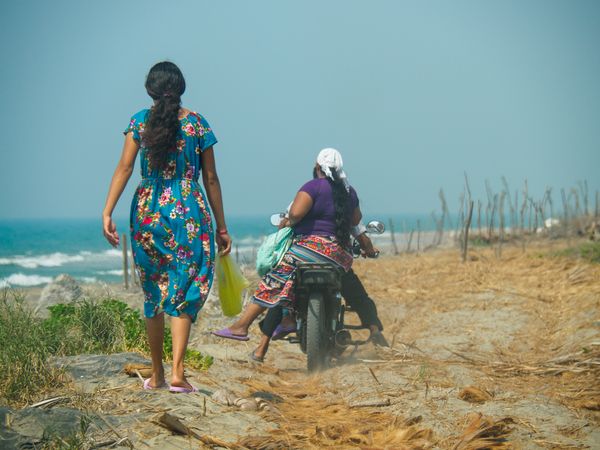
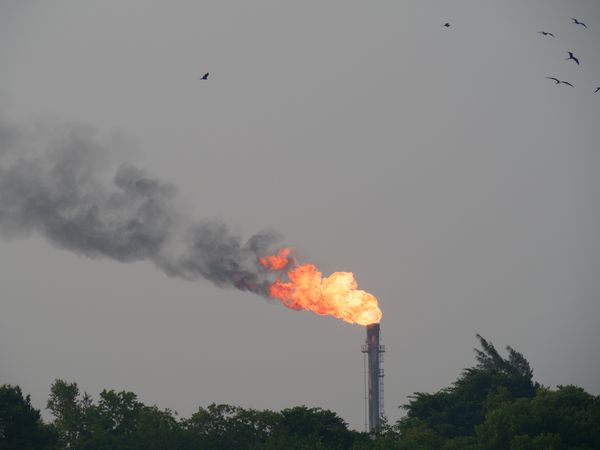
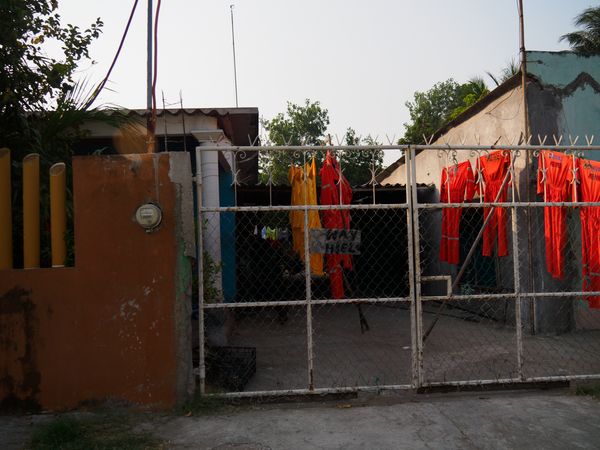
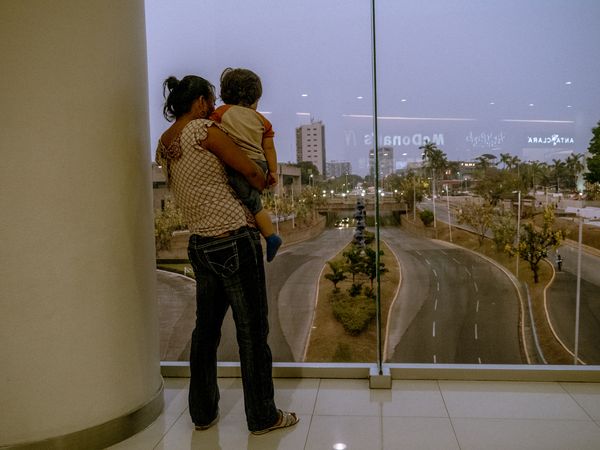
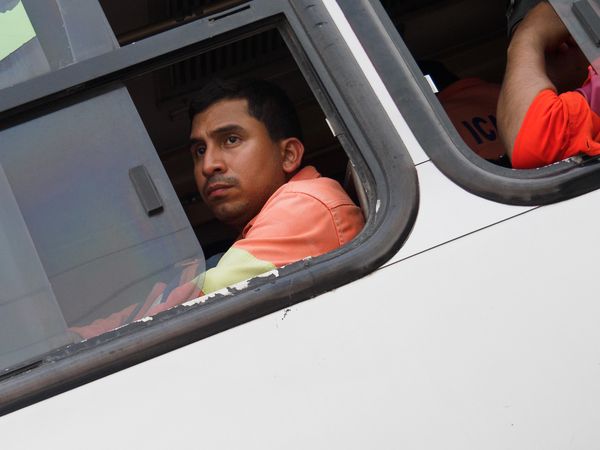
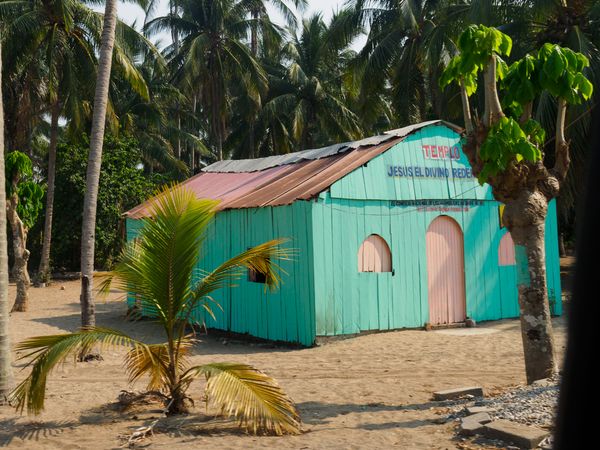
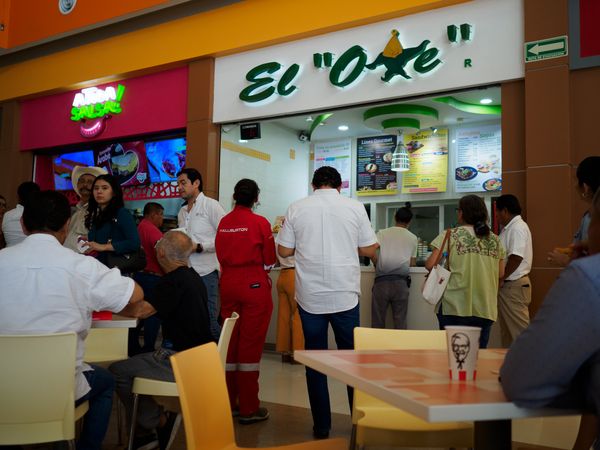
Petroleum Waterscapes offers a meditation on the extraction and transport of fossil fuels in coastal Tabasco, where Mexico’s largest oil deposits are found. Popular songs and regional toponyms point to Tabasco as an Eden, the proverbial garden where vegetation is lush, rivers overflow every season, and tropical species abound. Yet since the 1960s, a different kind of abundance has come to dominate and shape the region’s landscapes and occupations, which now gravitate around its underground petroleum reserves. This photography series offers us a visual path through forms of life that take place side-by-side with the extraction and commercialization of millions of barrels of oil every single day.
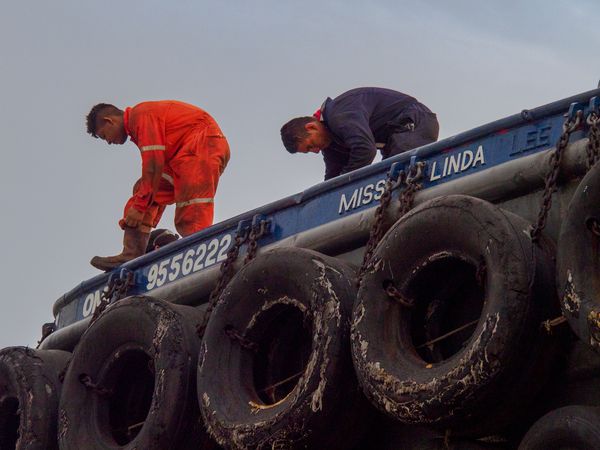
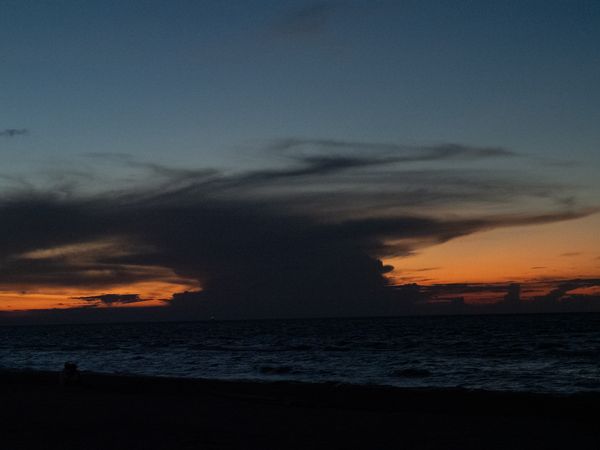
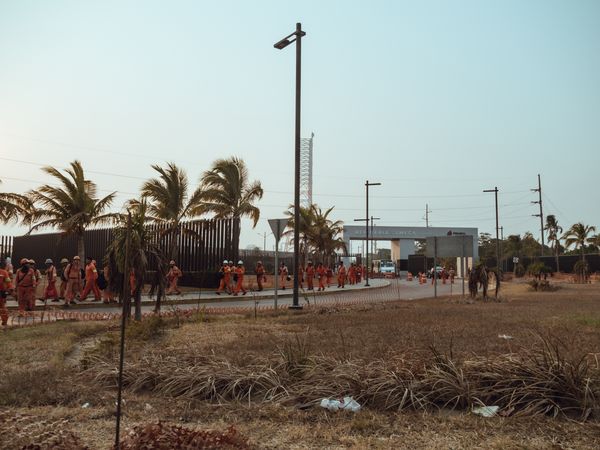
The following photographs dwell on the minute and large metamorphoses that a landscape and those who inhabit it undergo in order to produce fossil fuels. The camera shutter allows me to slow down the enormous kinetic flows of a region dedicated to and powered by burning oil, as well as to observe the slower gestures, contradictions, and still life that give character to this industrialized tropical lowland. Here, a receding coastline coexists with a brand-new oil refinery and endangered Yucatán black howlers receive care in chairs donated by the national petroleum company, Pemex.
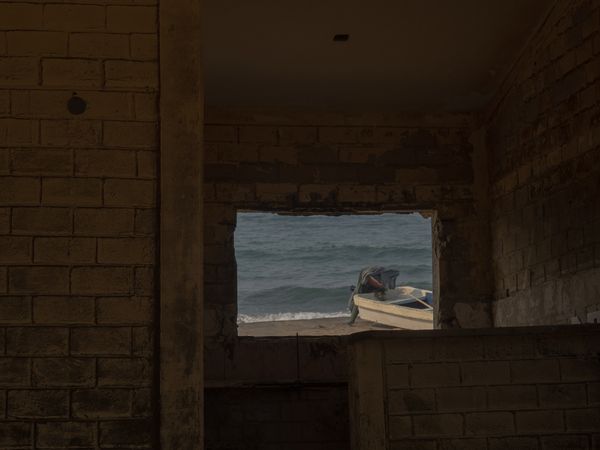
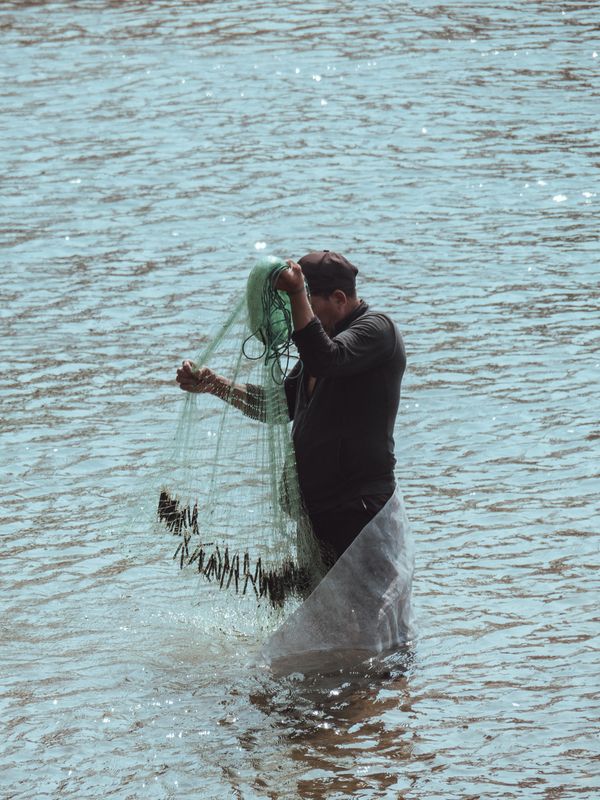
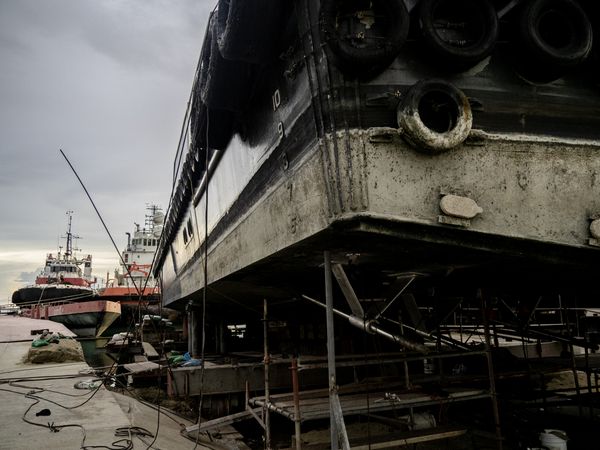
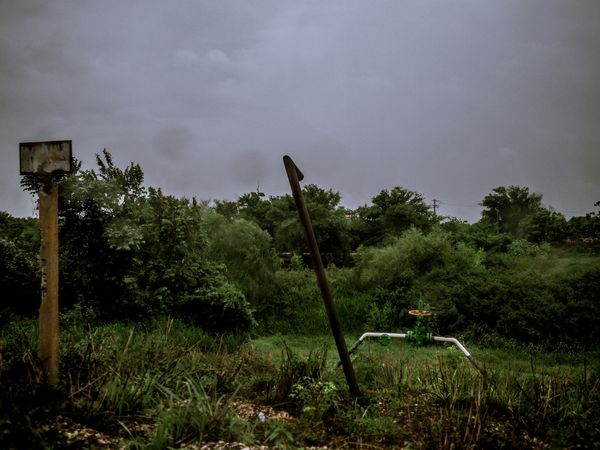
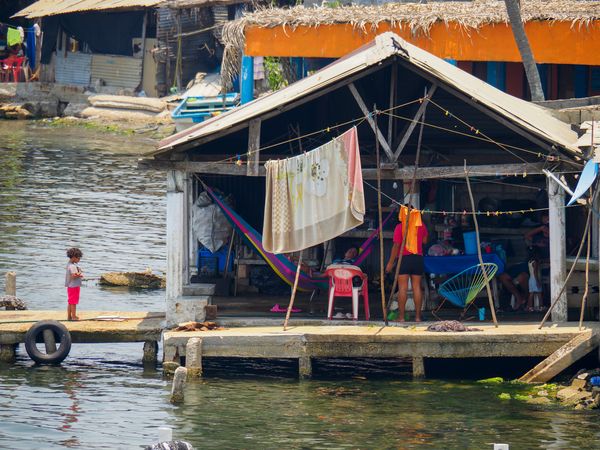
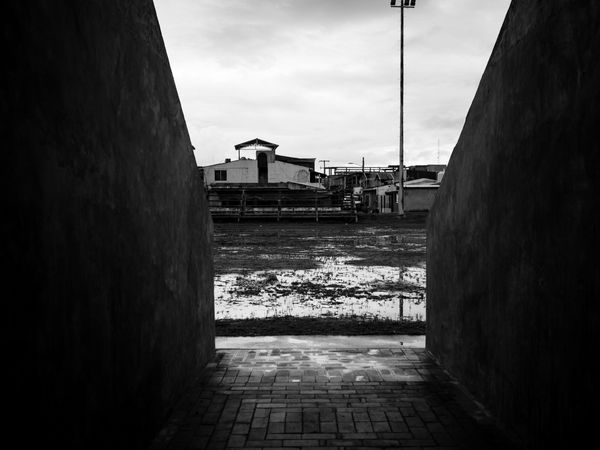
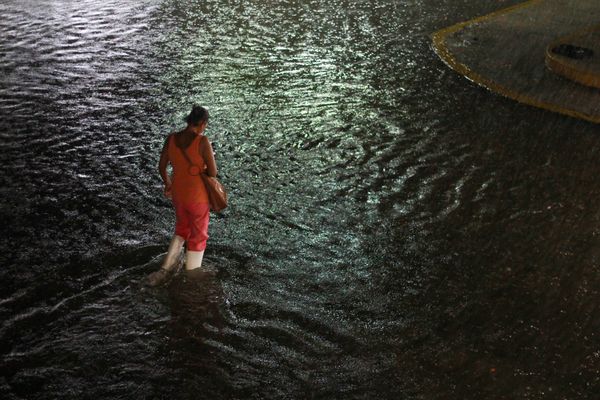
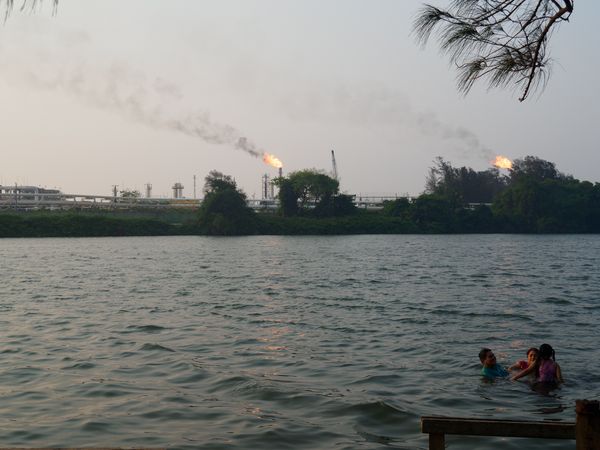
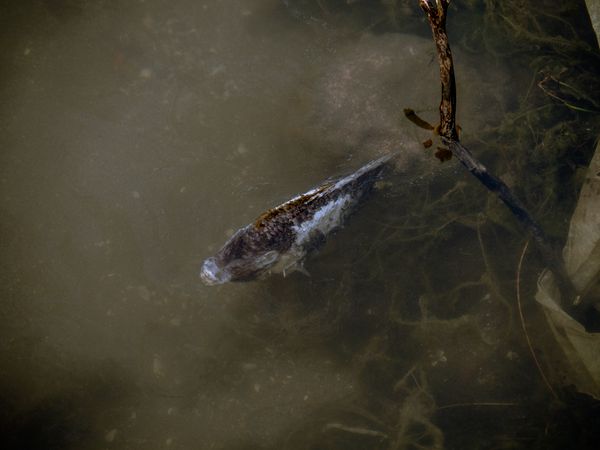
I invite the viewers to follow me to industrial spaces such as fields crossed by pipelines, oil wells, shipyards, and refineries. Yet I also invite our gaze to those places left behind, and nonetheless thoroughly transformed, by industrialization and climate change: roads and houses eroded by rising sea levels, flooded streets where rainwater and gasoline mix, and contaminated delta lagoons where locals continue to swim or fish. This series asks us to bear witness to what comes before energy transition, and to spaces in the Gulf of Mexico where the current contradictions between our fossil fuel use and the earth system gain a physical and aesthetic form.