Paradise
-
Dates2020 - 2021
-
Author
- Location Paradise, United States
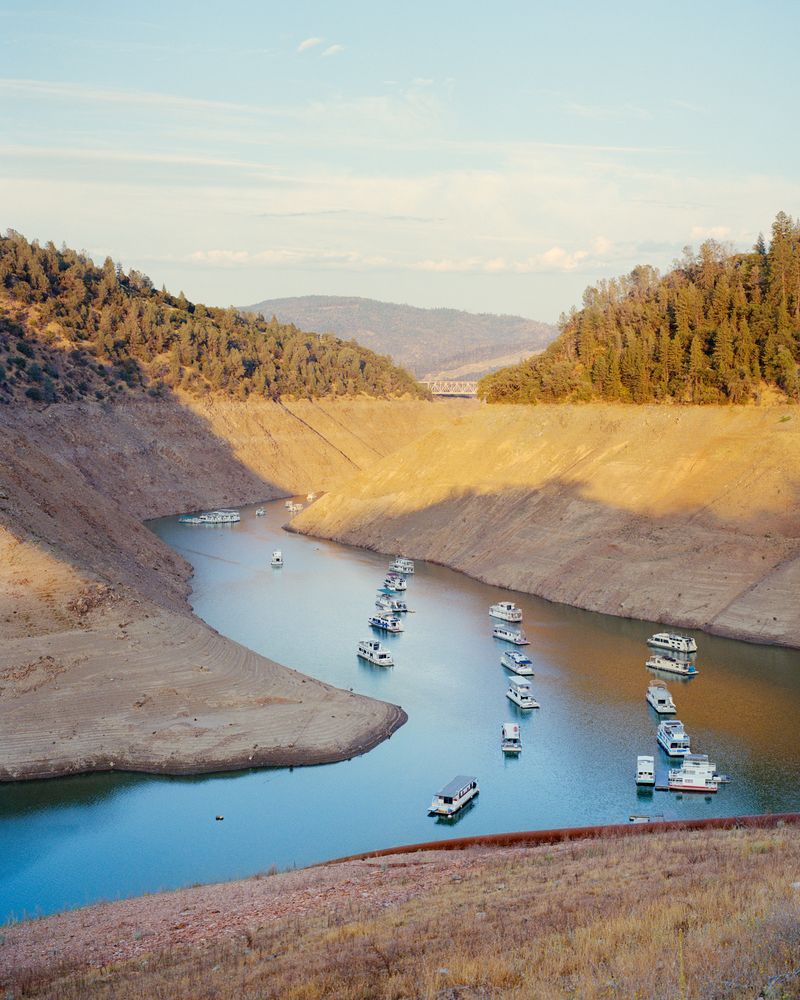
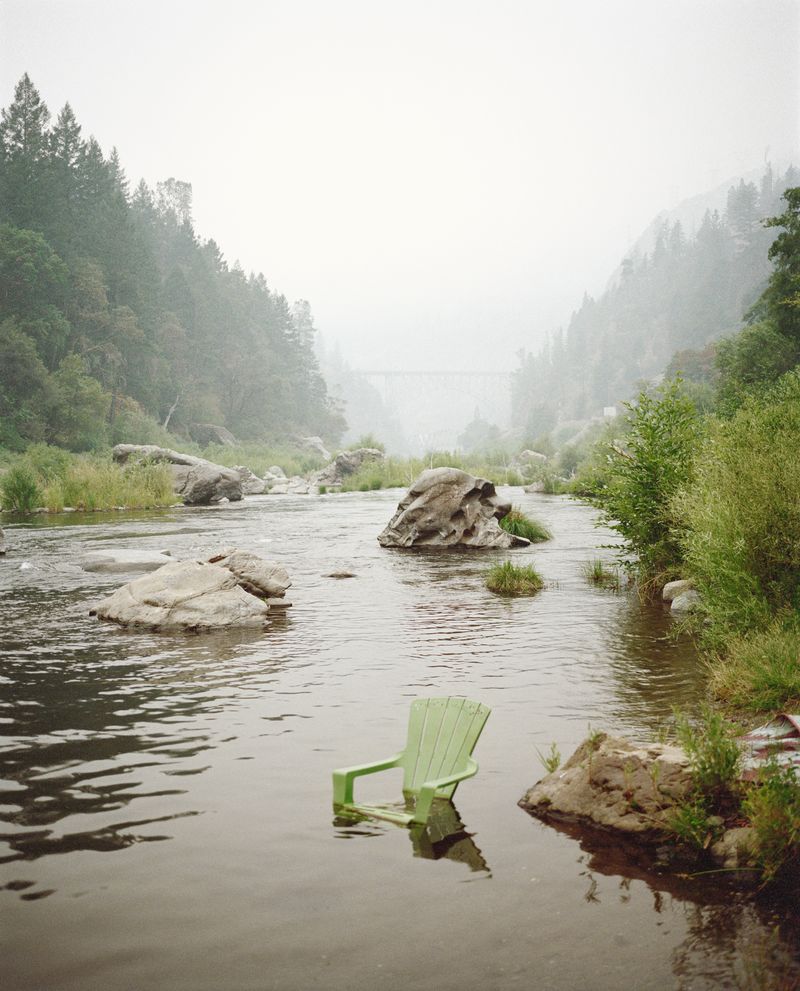
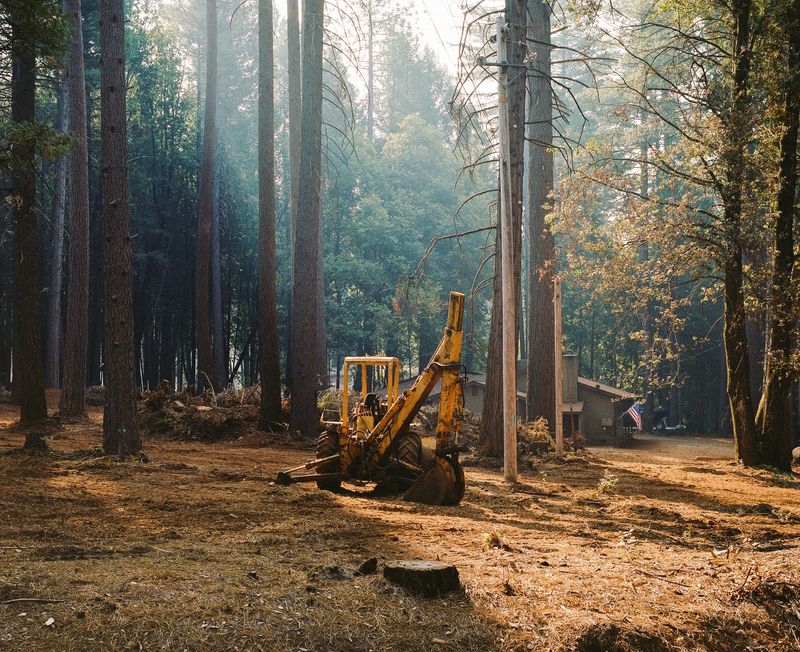
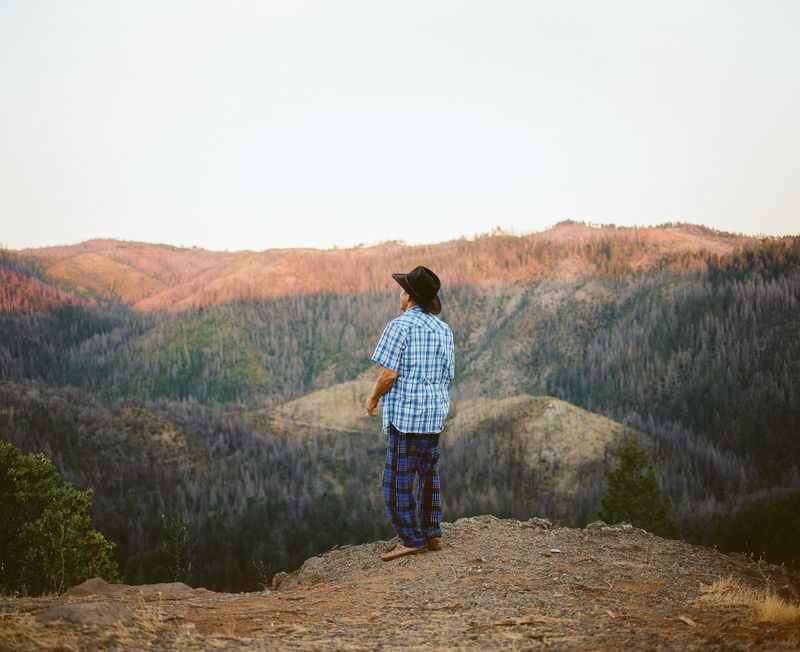
On November 8, 2018, the megafire Camp Fire devastated the town of Paradise, California, in four hours. It destroyed 18,800 structures and killed 89 people, throwing many others into precariousness. In all symbolisms since the Promethean myth, the mastery of fire gives man his power over the rest of the living world. But megafires no longer spare any region of the globe: increasingly frequent and uncontrollable, they keep confronting us with our own fragility. Fires now surround Paradise almost every year. The North Complex Fire burned a few miles away in summer 2020. The Dixie Fire, active July to October 2021, ranked as largest in the State's history and consumed 963,000 acres. It started on the same hills crisscrossed by power lines that service nearby towns.
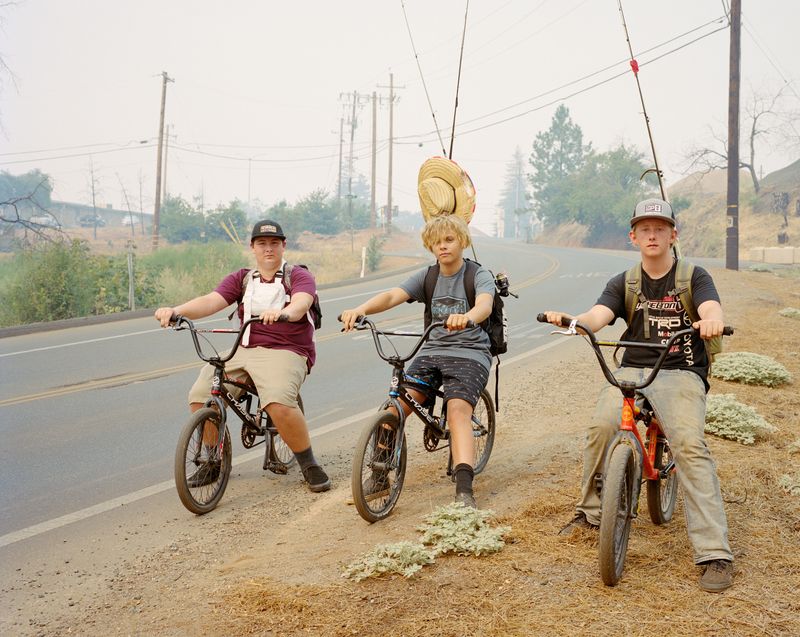
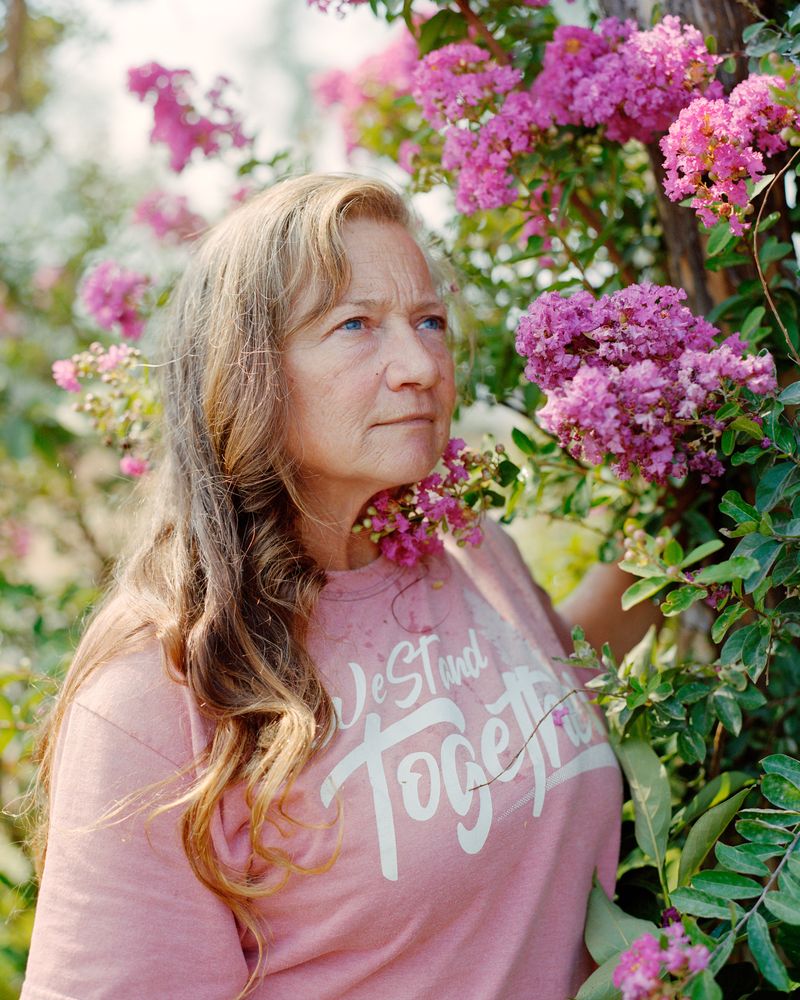
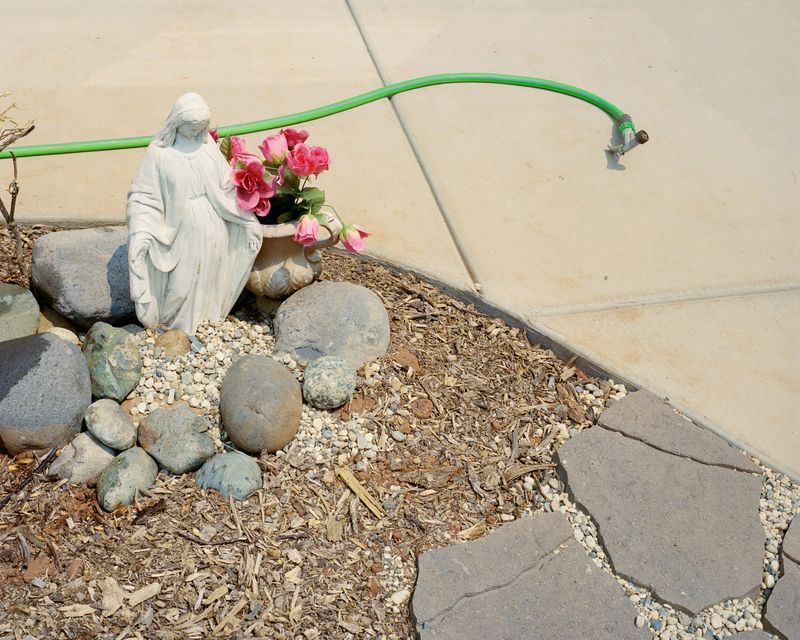
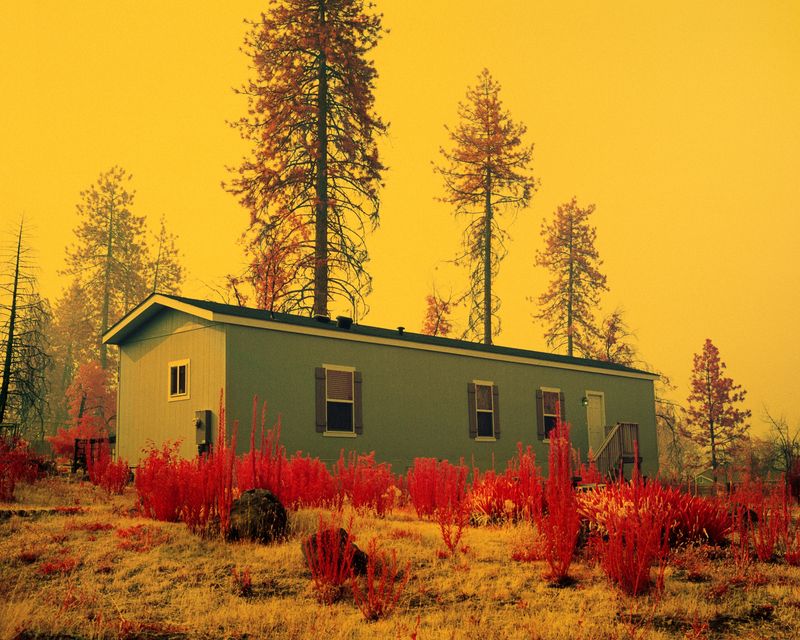
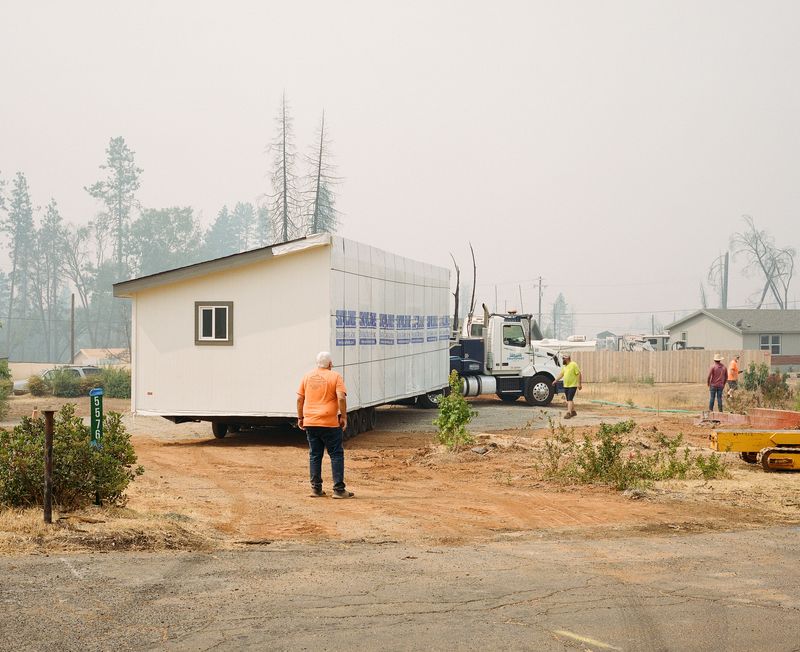
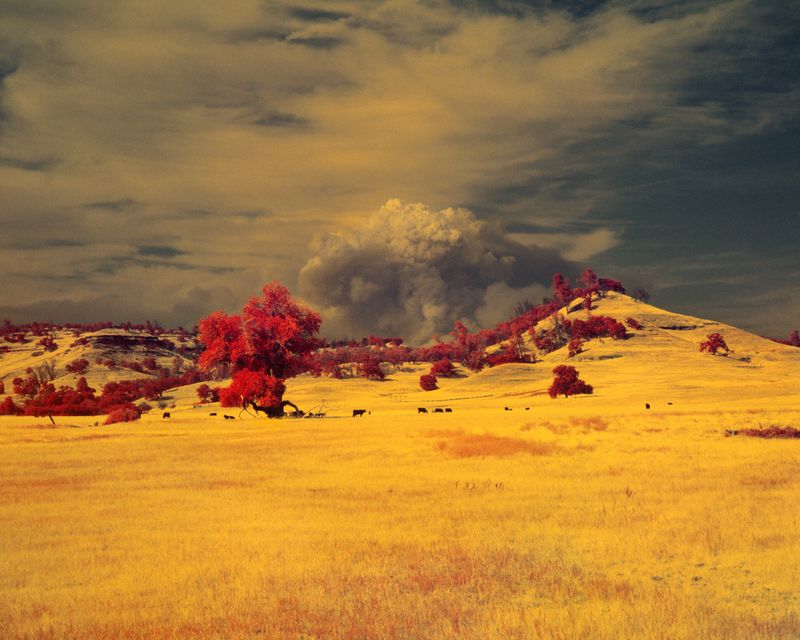
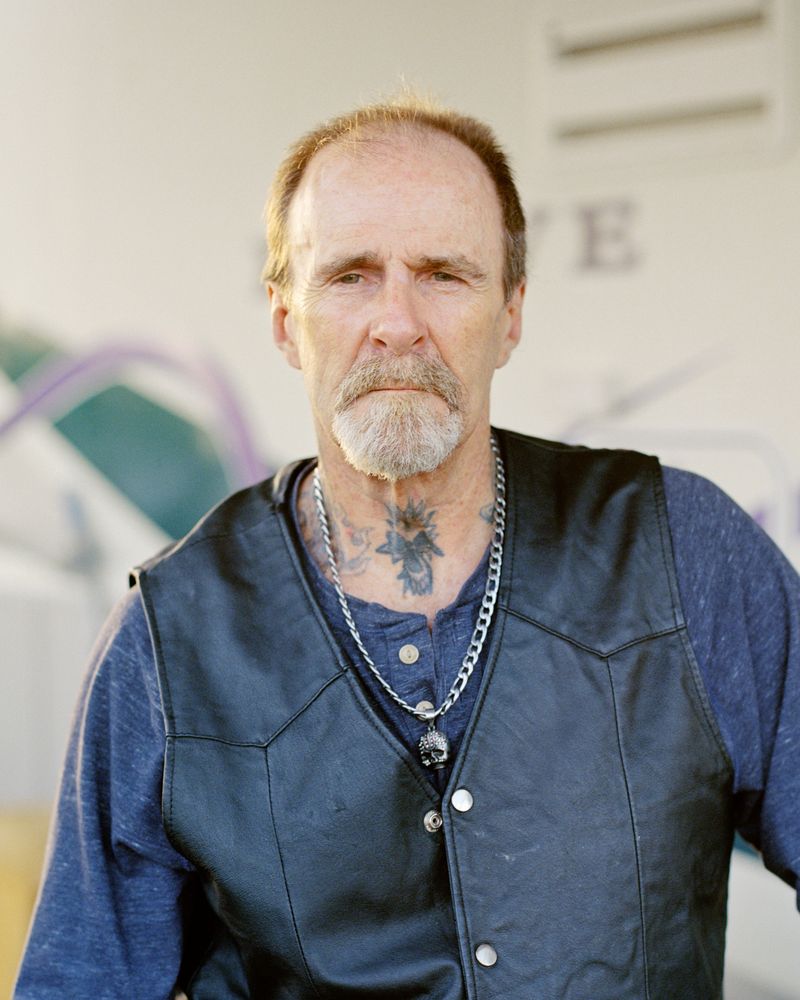
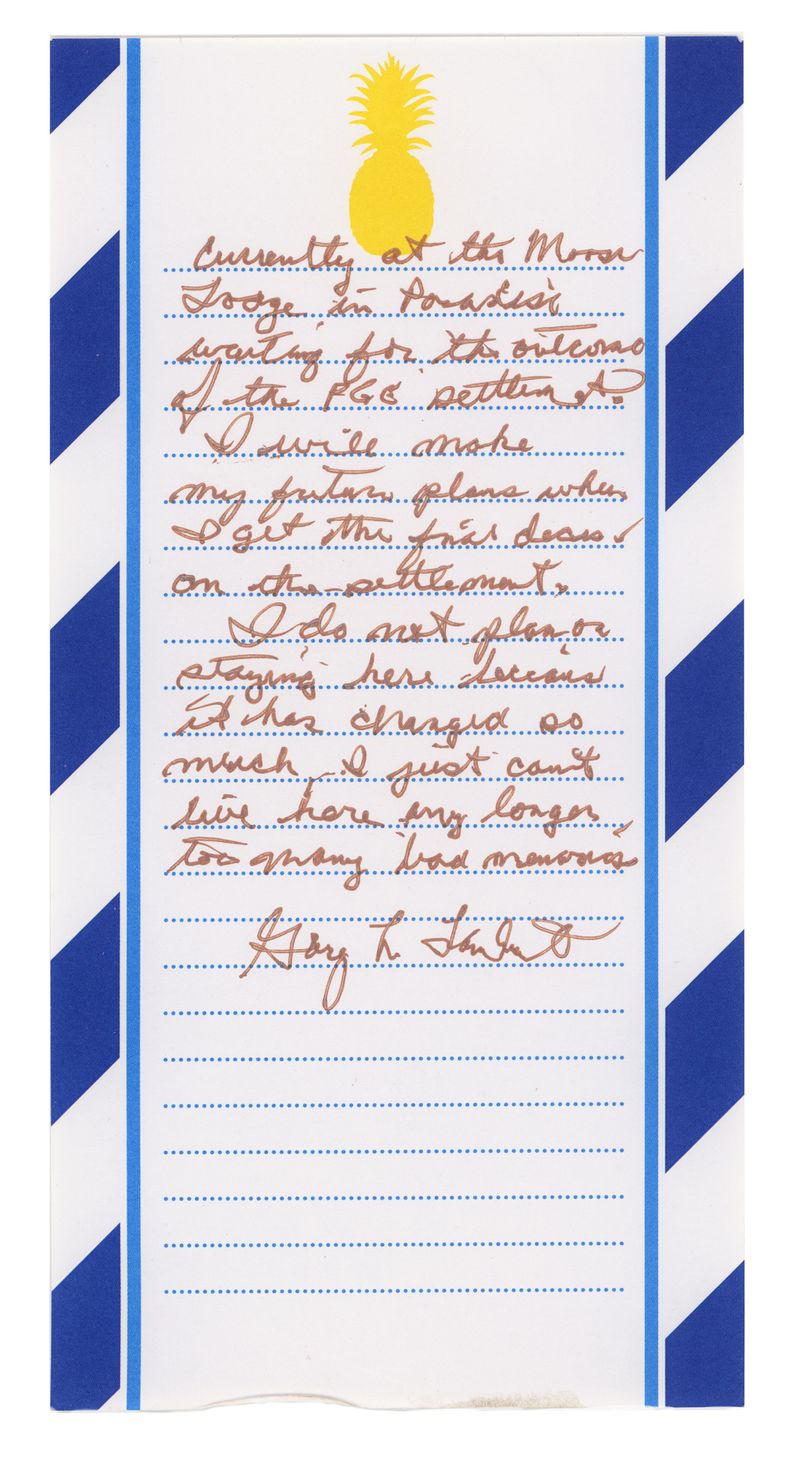
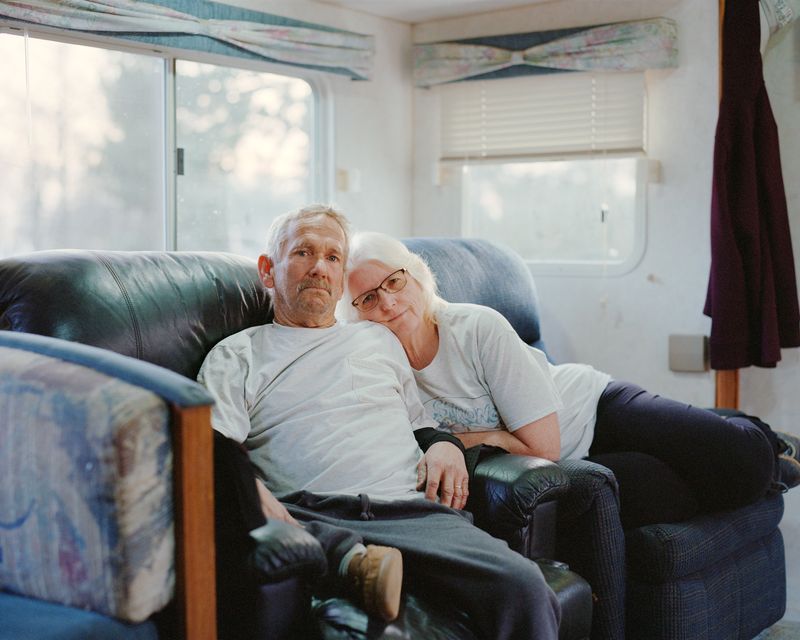
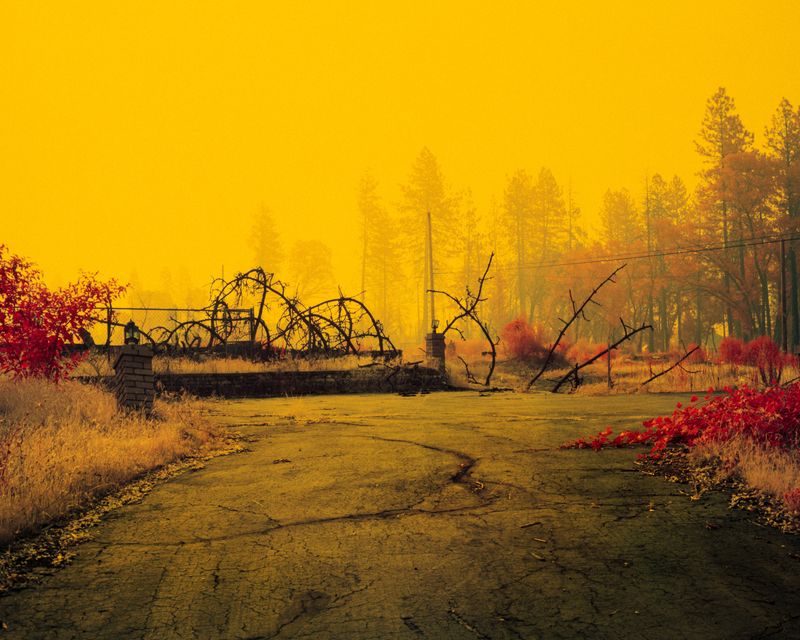
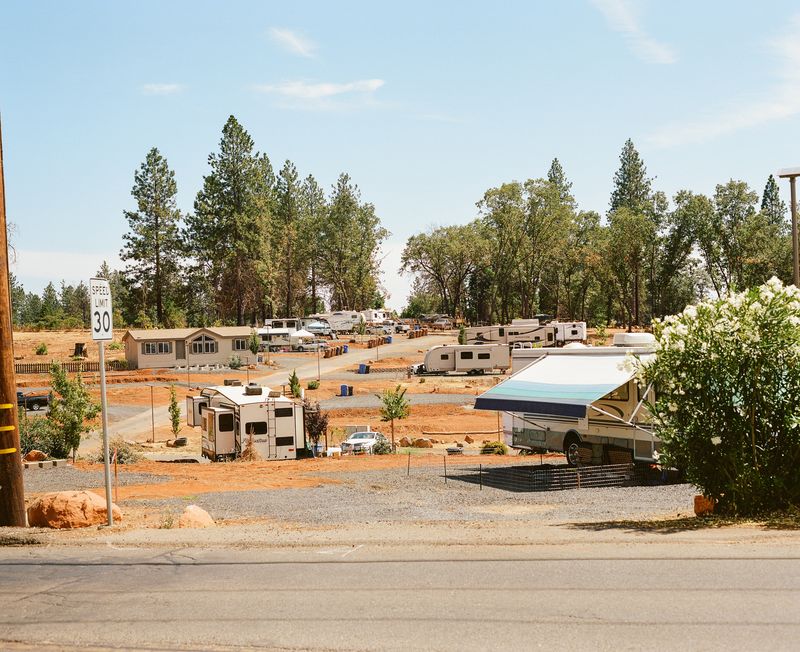
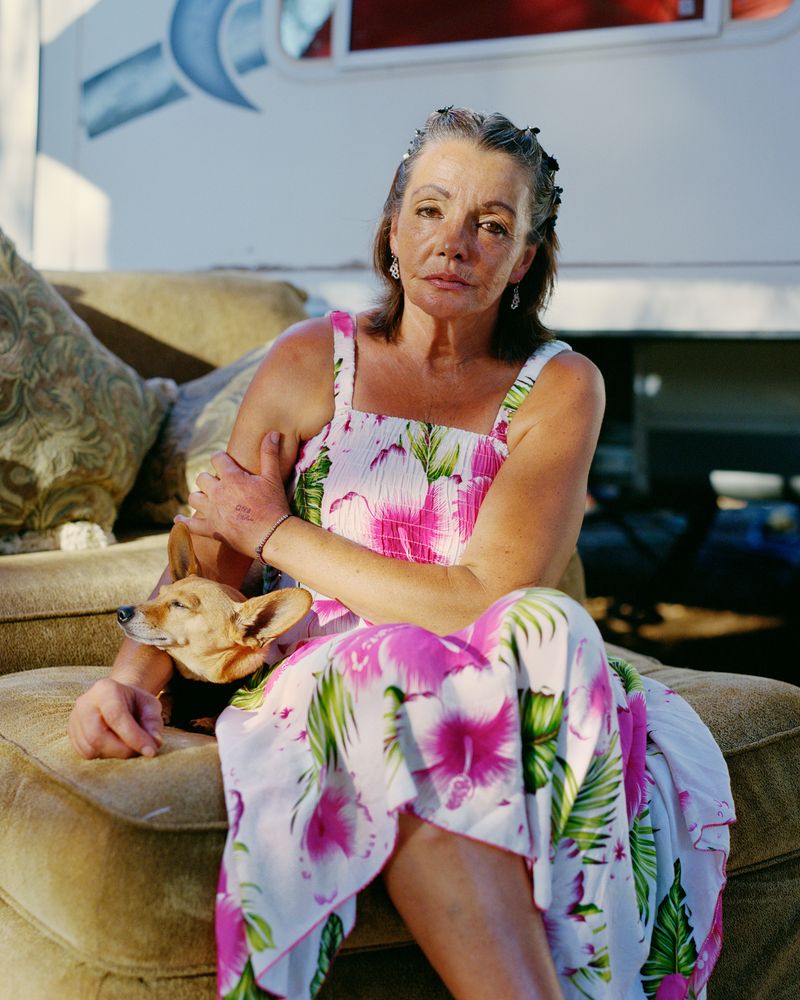
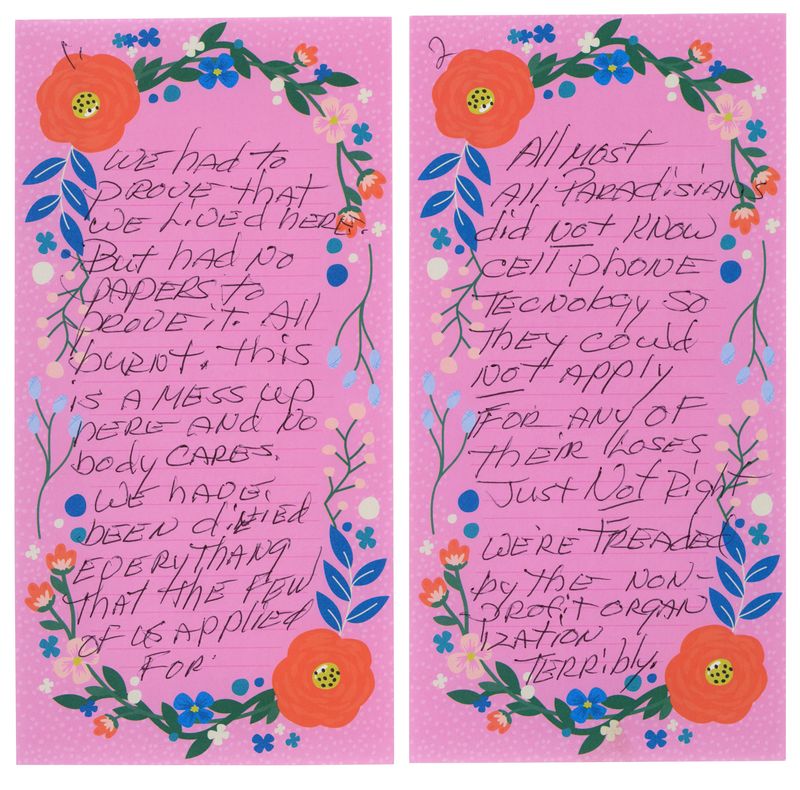
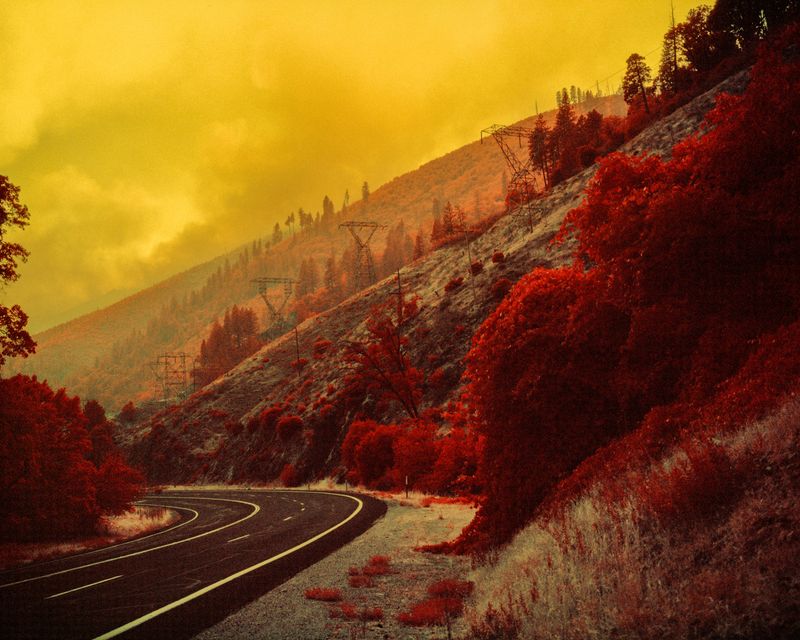
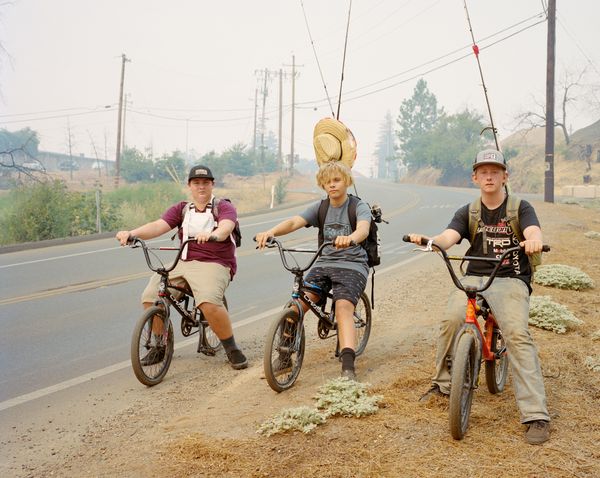
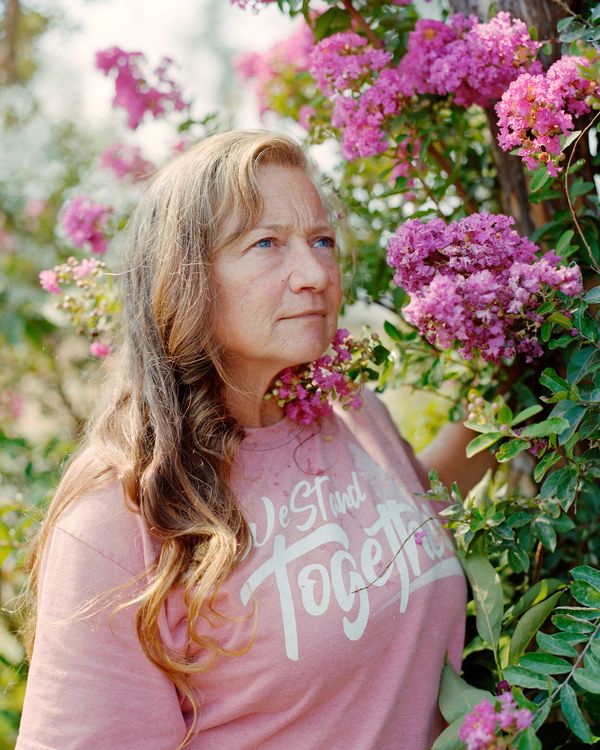
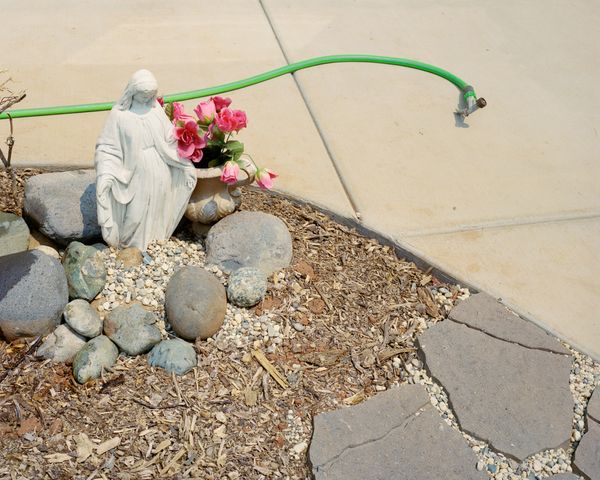
I traveled to Paradise to meet those who have decided to rebuild their "paradise" in a place that now seems brutally inhospitable. Some keep clinging to a personal mythology specific to pioneer cultures of the American West, while others are still paralyzed by the trauma they experienced, unable to escape it. All slowly take note of a new reality, between the conservation of the place they cherished and a new relationship to a landscape wounded at heart. To account for the intensity of emotion that I heard in my conversations with the survivors of Camp Fire I use an infrared slide color film, whose blazing colors punctuate the tenuous normality of a life they are trying to rebuild. Those photographs act as suggestive "flashbacks" of the inferno the inhabitants of this fallen Eden went through, they serve to recall the memory of the flames seared on the retinae of the survivors as they rebuild in the shadow of the next disaster.
Navigating the boundaries of documentary and fiction, the tale of Paradise gives us a glimpse at the next place and community that will have to go through this healing after a disaster whose causes are, increasingly, human. It suggests our ever greater disconnect from nature, our hubris, our overconfidence, of wanting to go against her at all costs. But it also shows our strength: faced with challenges, we keep adapting relentlessly. These landscapes could be ours. Decked with the colours of the fire, carmine reds, yellows and blacks, they appeal to our universal and physical experience of the fire. They tell the story of our journey: that of our resilience, of our human condition.