Fragments Beneath the Earth
-
Dates2024 - Ongoing
-
Author
This project traces memory, loss, and survival in Kashmir through family photographs that were hidden, damaged, or destroyed during the 1990s, revealing how ordinary lives endure through absence and erasure.
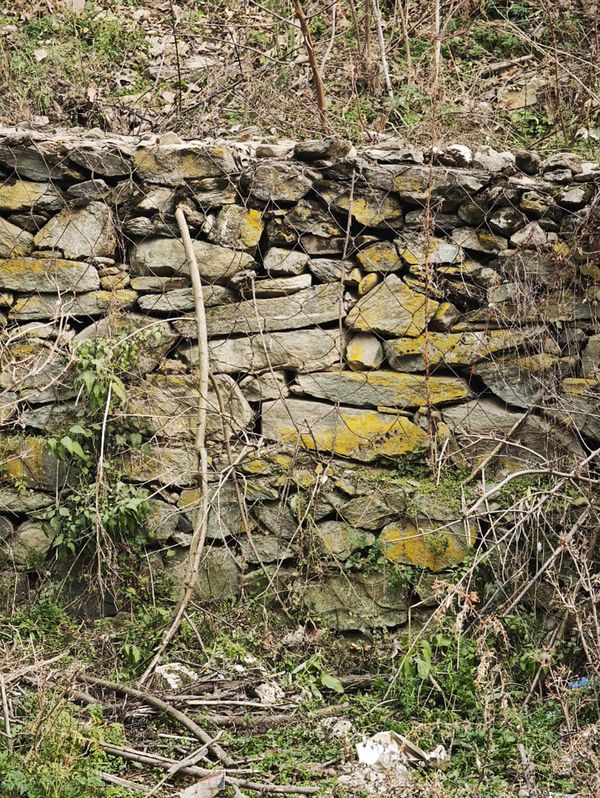
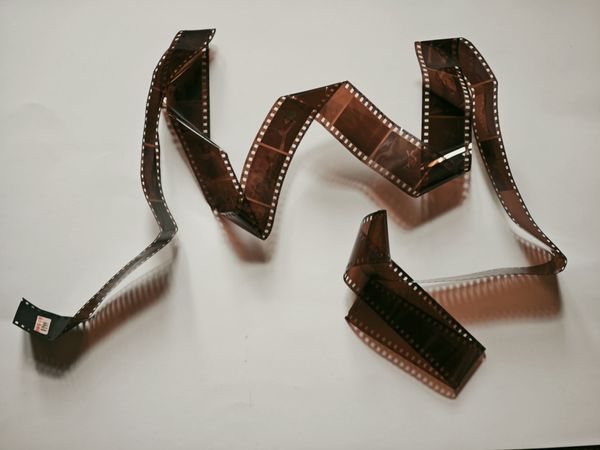
A week after my brother left home and never returned in the early 1990s, my father took me to a rocky stream. I was seven. In his hands was a bundle of my brother’s photographs. To keep them felt dangerous. So he hid them inside a wall, pressing them into a narrow gap between the stones. It was an act of fear, but also of care.
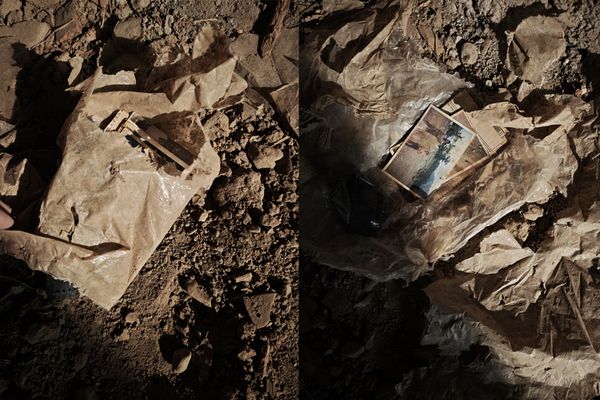
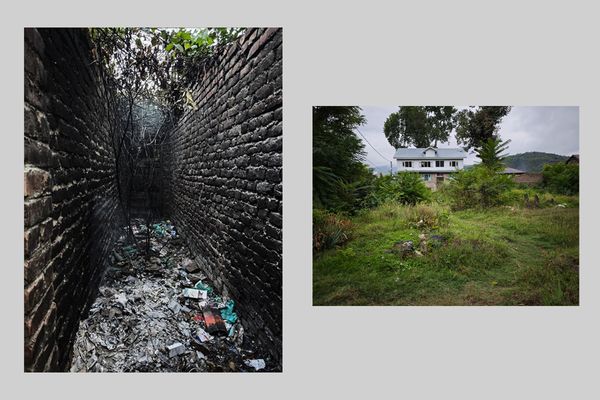
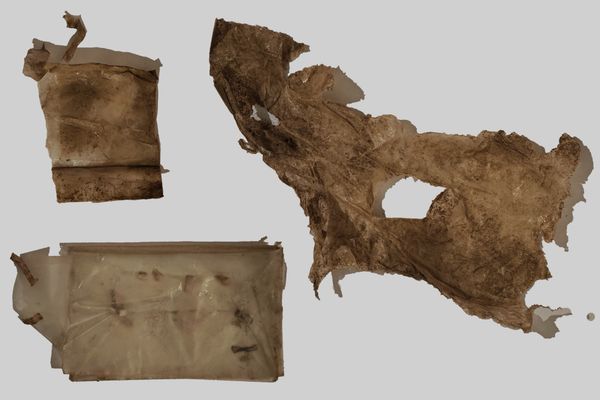
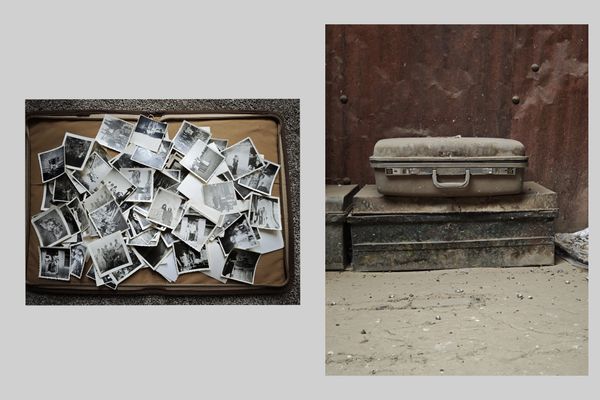
What happened in our family was not isolated. During the 1990s in Kashmir, many families faced similar choices. Homes were frequently searched, and photographs of young men became sensitive objects. Family albums that once held weddings, childhoods, and everyday life could suddenly attract unwanted attention. To reduce risk, families buried albums in orchards, hid them in shrines, sealed them in plastic, or destroyed them altogether. In the process, many lost the only images they had of loved ones who would never return.
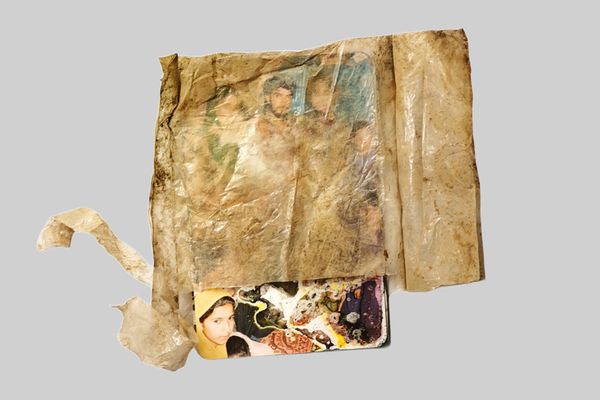
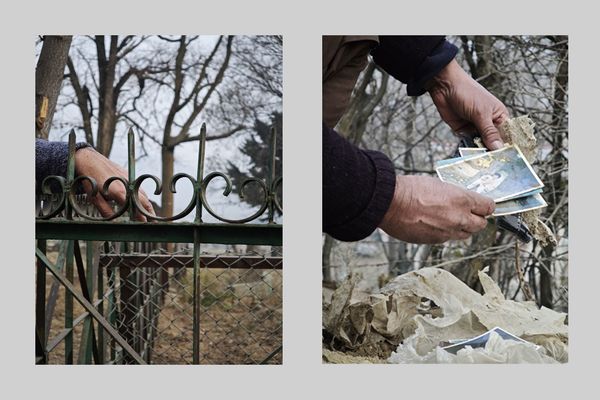
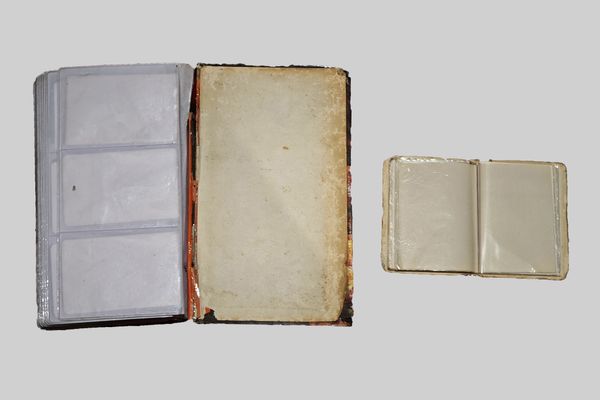
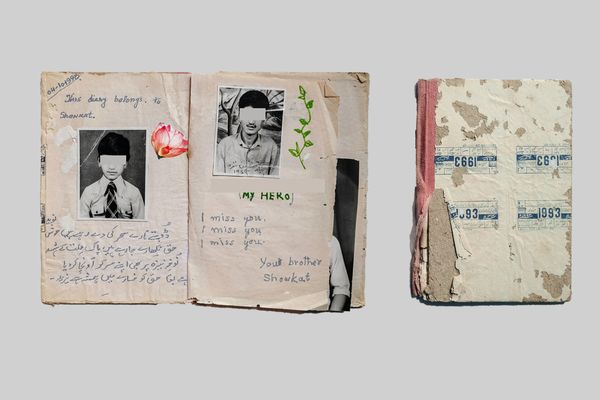
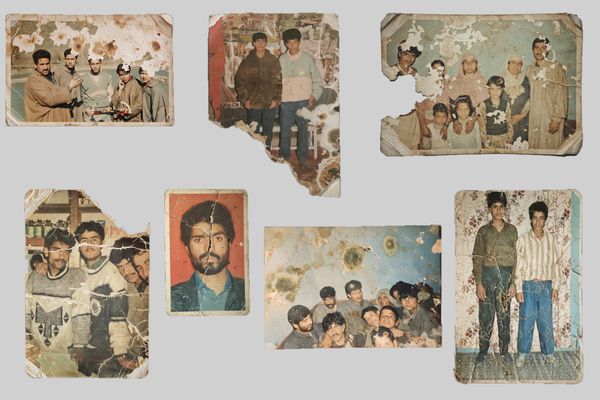
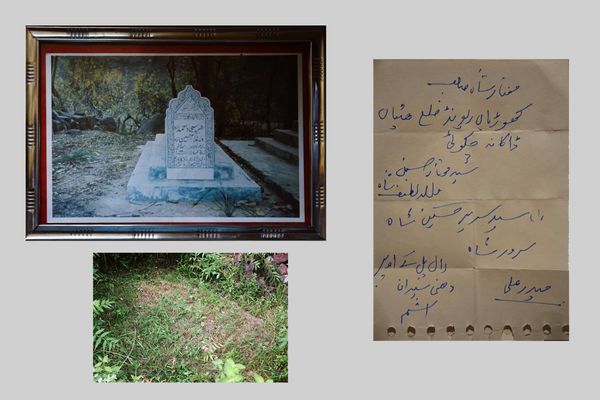
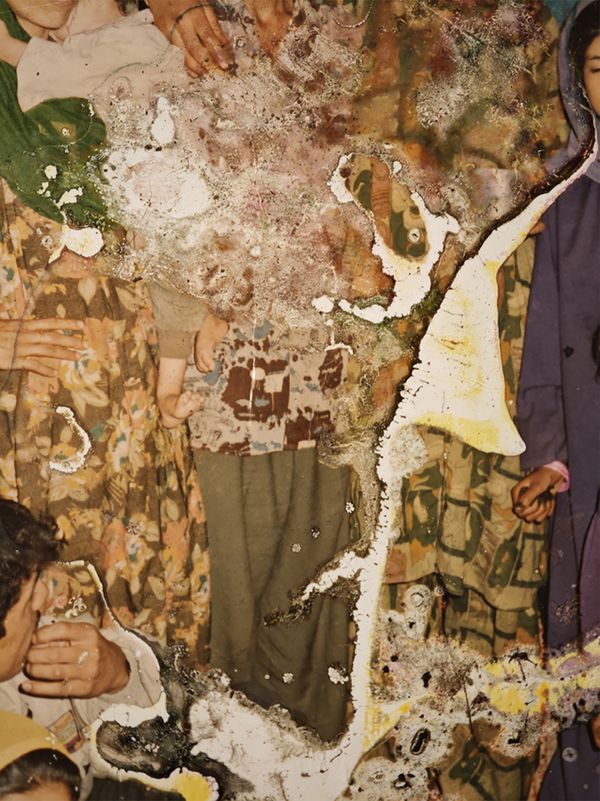
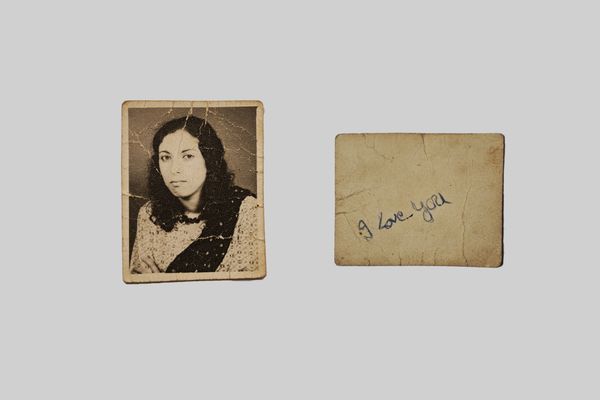
"Fragments Beneath the Earth" is a long-term project that looks at what remains of these displaced family archives. Years later, some families have attempted to retrieve what they once concealed. The recovered photographs are often damaged by water, soil, and time. Surfaces peel. Faces fade. Album pages are empty. These images no longer function as intact records. Instead, they exist as fragments shaped by concealment and exposure.
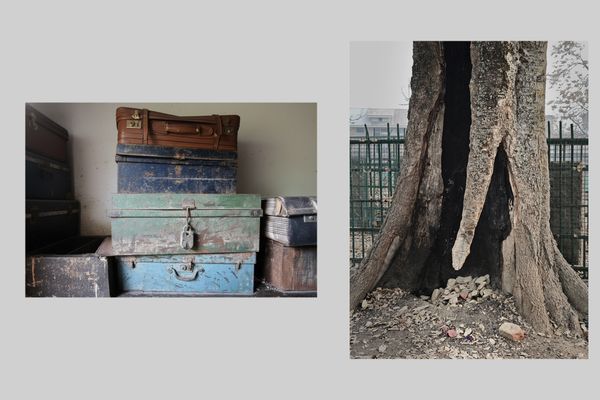
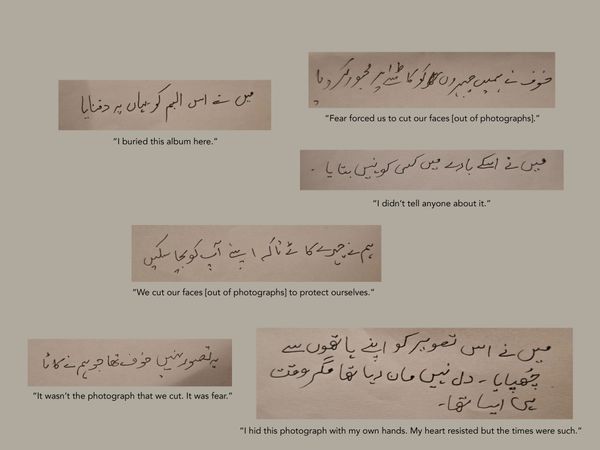
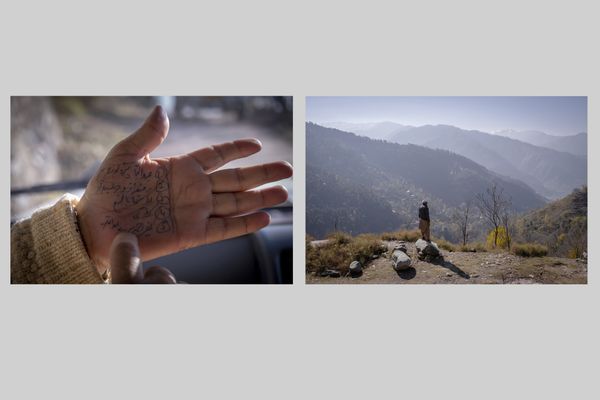
The project documents these photographs in their current state, paying close attention to their material condition. The marks they carry are not only environmental; they reflect the circumstances under which they were hidden. Alongside the damaged images, I photograph the landscapes where albums were concealed and gather personal accounts from families about the people and moments once preserved in these pictures.
Rather than reconstructing a complete history, the work focuses on absence and survival. It asks what it means for a photograph to become a liability, and how memory persists when its visual anchors are altered or lost. The project also reflects on the photograph as an object. When images are forced into hiding, they change status. They move from keepsake to something that must be protected from view.
Rooted in personal experience and sustained engagement with families, Fragments Beneath the Earth seeks to preserve what can still be held. It is not only about loss, but about gestures of care taken under pressure. Each fragment is treated as both image and evidence of endurance. Together, these damaged photographs form an archive shaped by concealment, erosion, and the quiet determination to remember.