Fragments Beneath the Earth
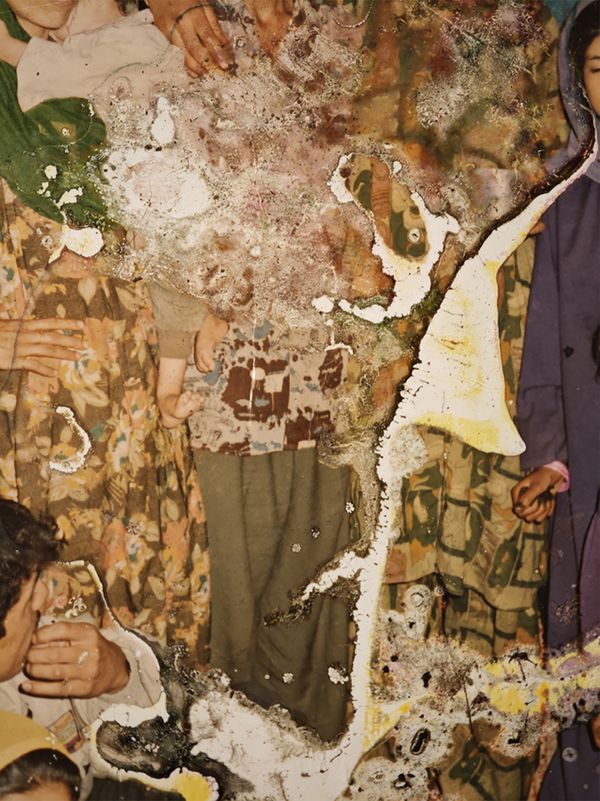
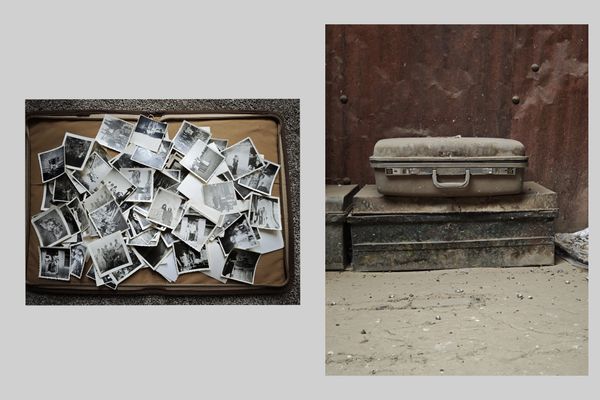
This project traces memory, loss, and survival in Kashmir through family photographs that were hidden, damaged, or destroyed during the 1990s, revealing how ordinary lives endure through absence and erasure.

A week after my brother left home and never returned in the early 1990s, my father took me to a rocky stream. I was seven. In his hands was a bundle of my brother’s photographs. To keep them felt dangerous. So he hid them inside a wall, pressing them into a narrow gap between the stones. It was an act of fear, but also of care.

What happened in our family was not isolated. During the 1990s in Kashmir, many families faced similar choices. Homes were frequently searched, and photographs of young men became sensitive objects. Family albums that once held weddings, childhoods, and everyday life could suddenly attract unwanted attention. To reduce risk, families buried albums in orchards, hid them in shrines, sealed them in plastic, or destroyed them altogether. In the process, many lost the only images they had of loved ones who would never return.

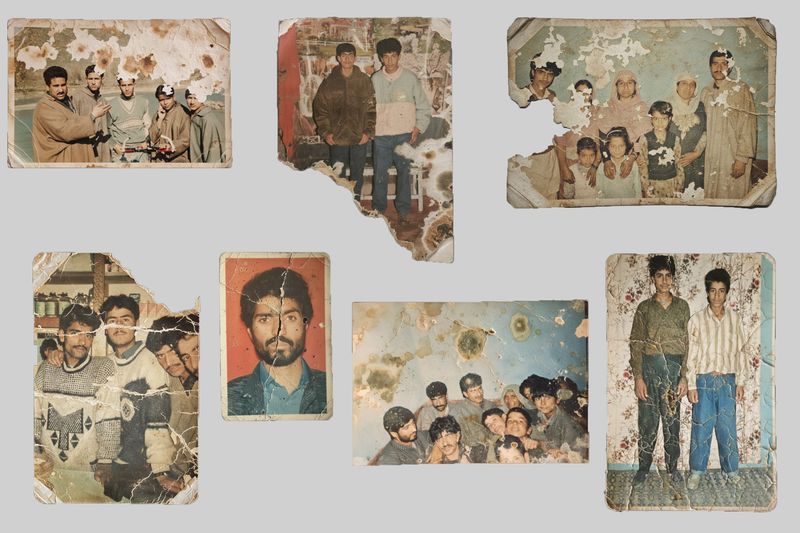
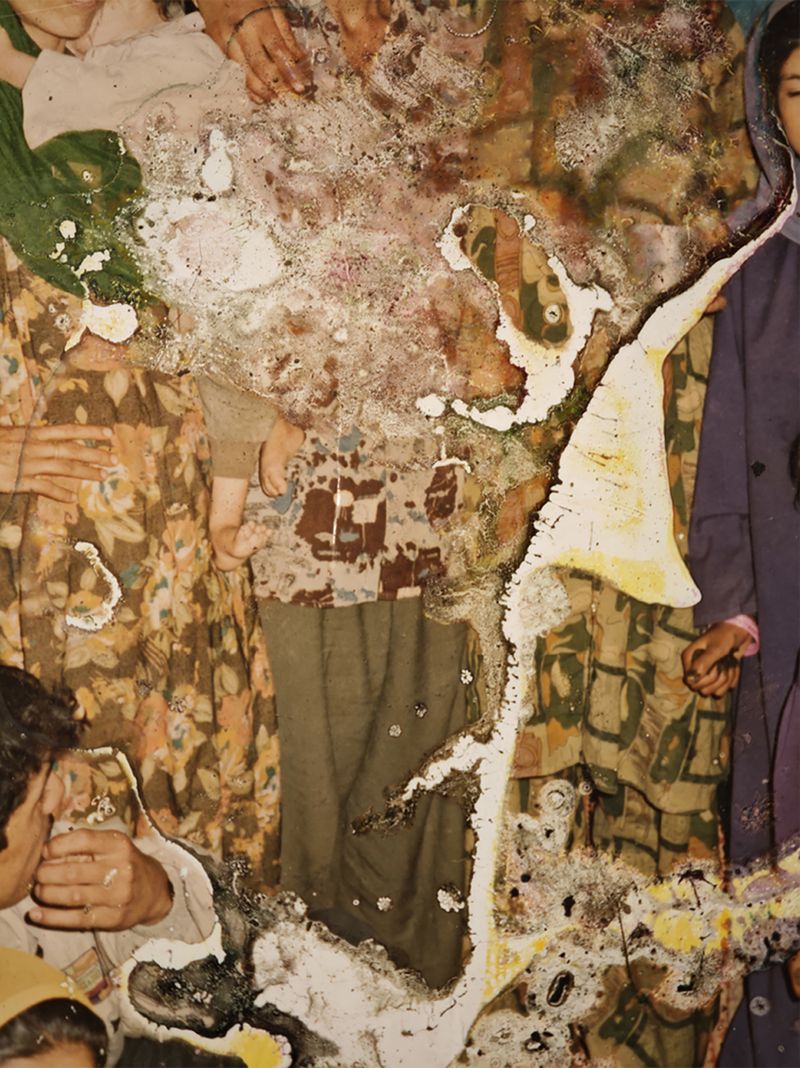
"Fragments Beneath the Earth" is a long-term project that looks at what remains of these displaced family archives. Years later, some families have attempted to retrieve what they once concealed. The recovered photographs are often damaged by water, soil, and time. Surfaces peel. Faces fade. Album pages are empty. These images no longer function as intact records. Instead, they exist as fragments shaped by concealment and exposure.

The project documents these photographs in their current state, paying close attention to their material condition. The marks they carry are not only environmental; they reflect the circumstances under which they were hidden. Alongside the damaged images, I photograph the landscapes where albums were concealed and gather personal accounts from families about the people and moments once preserved in these pictures.

Rather than reconstructing a complete history, the work focuses on absence and survival. It asks what it means for a photograph to become a liability, and how memory persists when its visual anchors are altered or lost. The project also reflects on the photograph as an object. When images are forced into hiding, they change status. They move from keepsake to something that must be protected from view.

Rooted in personal experience and sustained engagement with families, Fragments Beneath the Earth seeks to preserve what can still be held. It is not only about loss, but about gestures of care taken under pressure. Each fragment is treated as both image and evidence of endurance. Together, these damaged photographs form an archive shaped by concealment, erosion, and the quiet determination to remember.
© Showkat Nanda - Image from the Fragments Beneath the Earth photography project
i

Faces are falling away. Entire scenes are dissolving. The archive is no longer a clear window into the past but a collection of fragments—broken, beautiful, and incomplete.

© Showkat Nanda - Image from the Fragments Beneath the Earth photography project
i

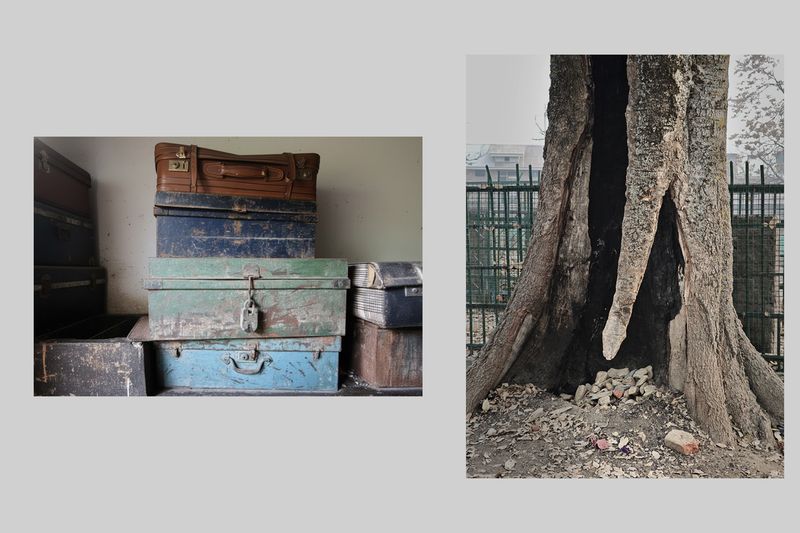
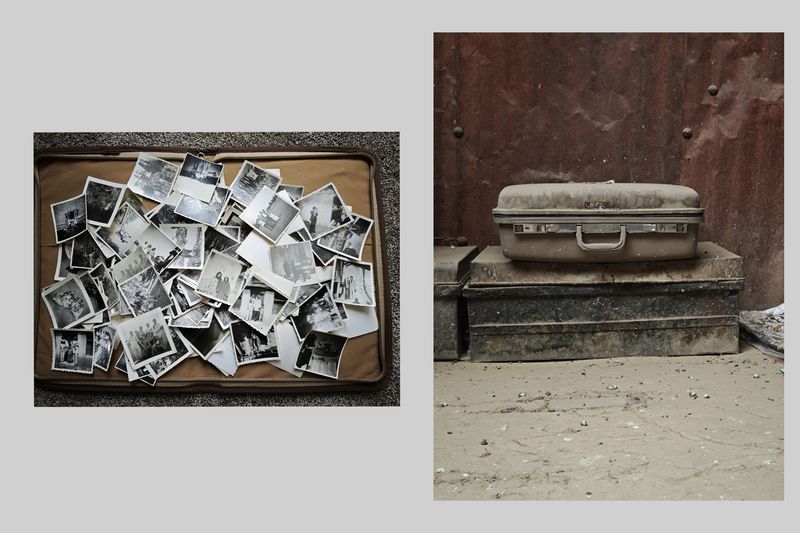
Suitcases and metal trunks traditionally safeguarded family histories, holding records of marriages, births, and lineage. As the situation worsened, these trunks were emptied, forcing the domestic archive into displacement.

© Showkat Nanda - Image from the Fragments Beneath the Earth photography project
i

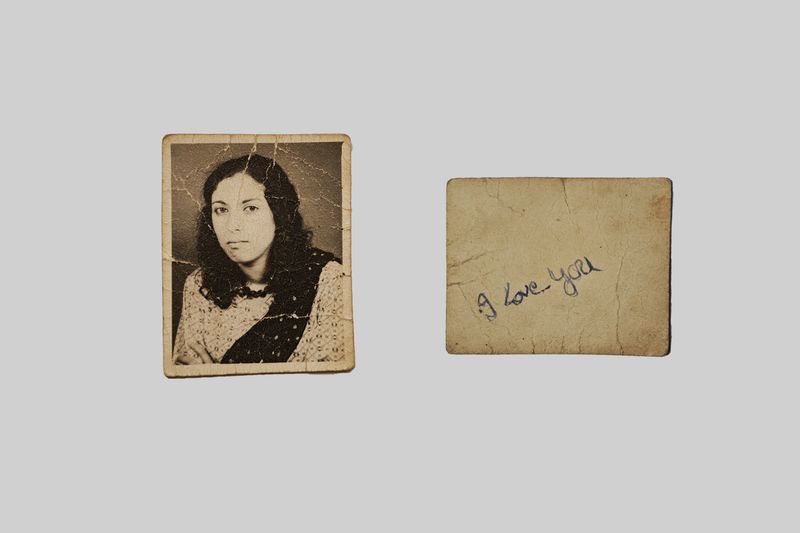
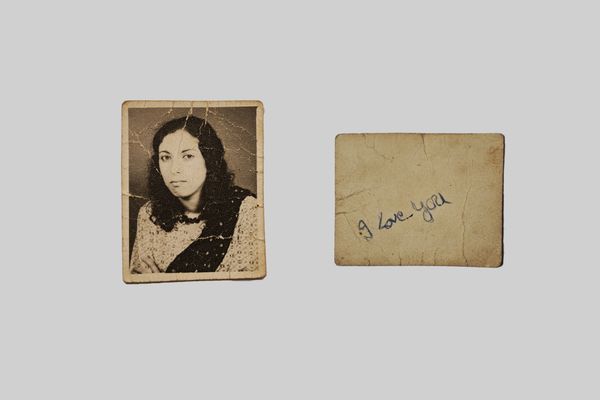
An intimate photograph marked with the words “I love you” reflects what was truly at stake. Beyond politics, families were forced to bury affection, tenderness, and proof of connection in order to survive.

© Showkat Nanda - Image from the Fragments Beneath the Earth photography project
i

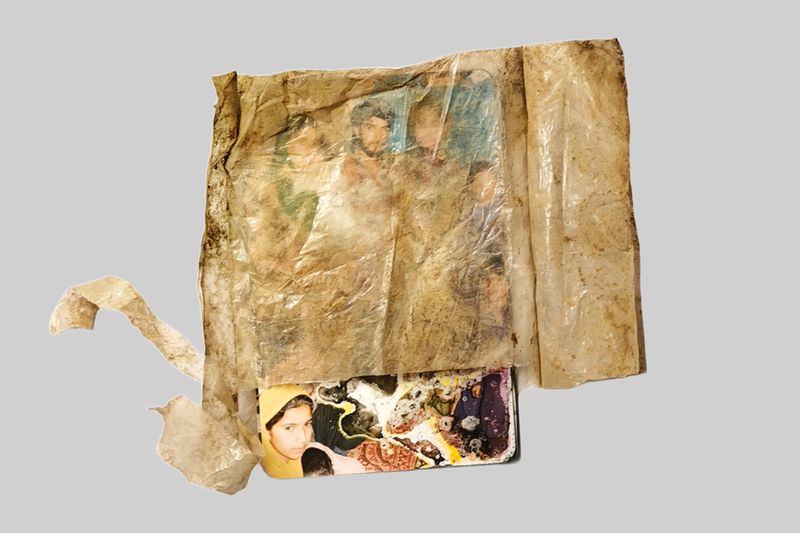
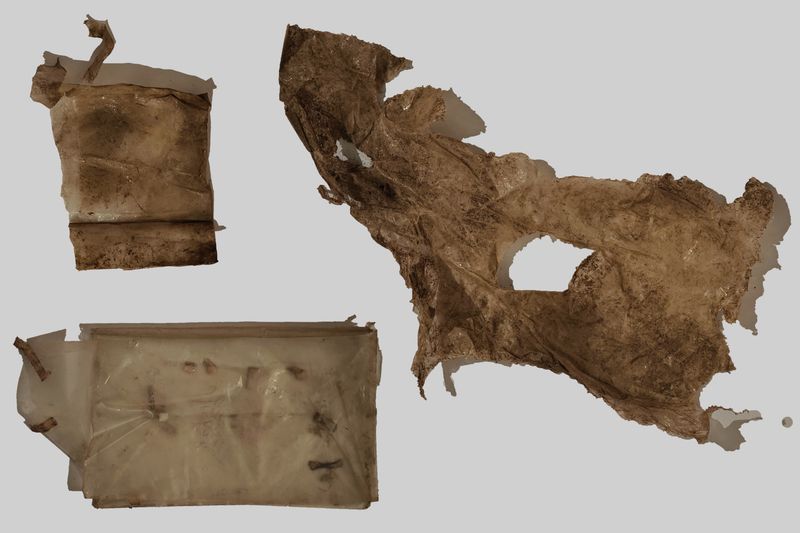
Photographs were wrapped in layers of plastic to protect them from moisture before being buried. These fragile bundles represent an effort to preserve identity when keeping images inside the home was no longer possible.

© Showkat Nanda - Image from the Fragments Beneath the Earth photography project
i

This is the physical journey these photos took. On one side, you have the metal trunks from the bedroom; on the other, you have a hollow tree trunk. People moved their history from a piece of furniture into a hole in a tree. The family archive basically became, well, a refugee in the landscape. It moved from the man-made security of the house into the unpredictable safety of the woods, literally o

© Showkat Nanda - Image from the Fragments Beneath the Earth photography project
i

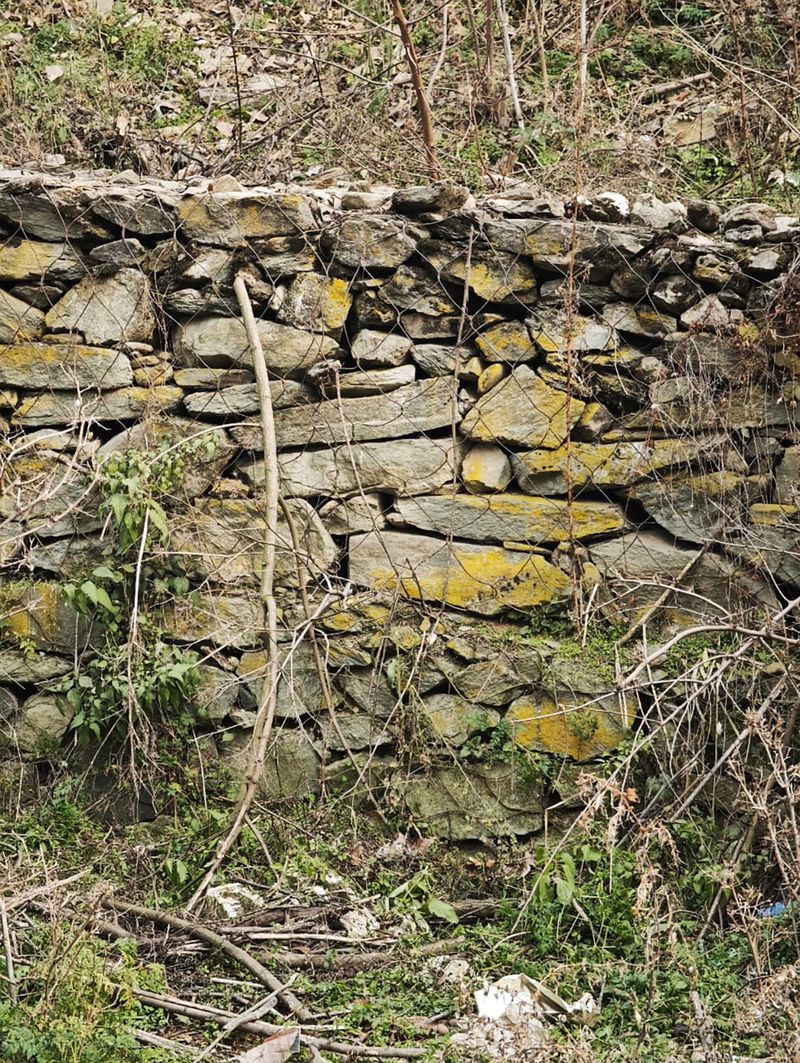
"We committed our memories to the soil. We hid them under stones and inside stream walls, trusting the land to hold what we could no longer carry in our own homes."

© Showkat Nanda - Image from the Fragments Beneath the Earth photography project
i

This is the rocky stream wall. This is the place where my father took me when I was only ten years old. He hid a bunch of my brother's photos in a hollow space in this wall. I remember him telling me, 'If anything happens to me, you come here and you get these.' That was my first real experience with the idea of a hidden archive.

© Showkat Nanda - Image from the Fragments Beneath the Earth photography project
i

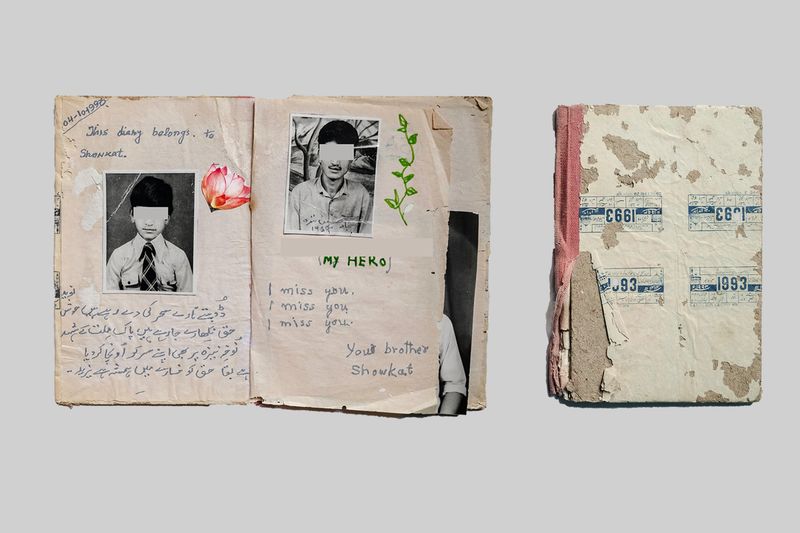
Eventually, my dad found two photos of my brother behind a mirror frame at home, but the ones we hid in the stream wall... they were lost forever in a flash flood. In 1993, which was really the height of the crisis, I made this journal. I was only ten years old. This was my personal beginning—my first instinctive act of archiving. I was just a kid trying to make sure my brother, who I called 'My H

© Showkat Nanda - Image from the Fragments Beneath the Earth photography project
i

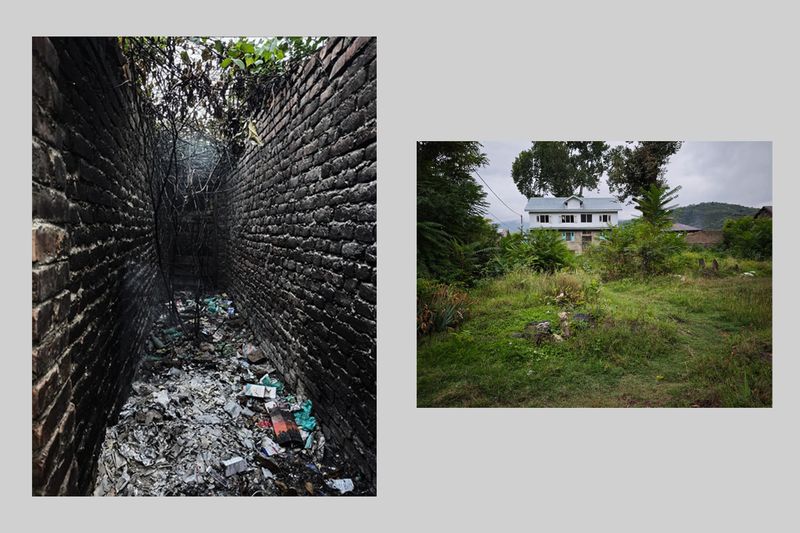
Graveyards, orchards, isolated corers, shrines, and riverbanks became places where personal histories were quietly held. The landscape absorbed these traces without record or acknowledgment.

© Showkat Nanda - Image from the Fragments Beneath the Earth photography project
i

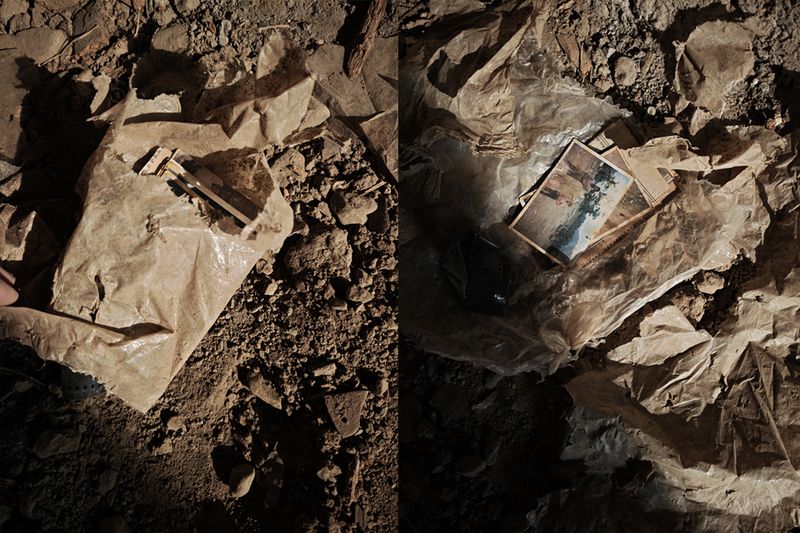
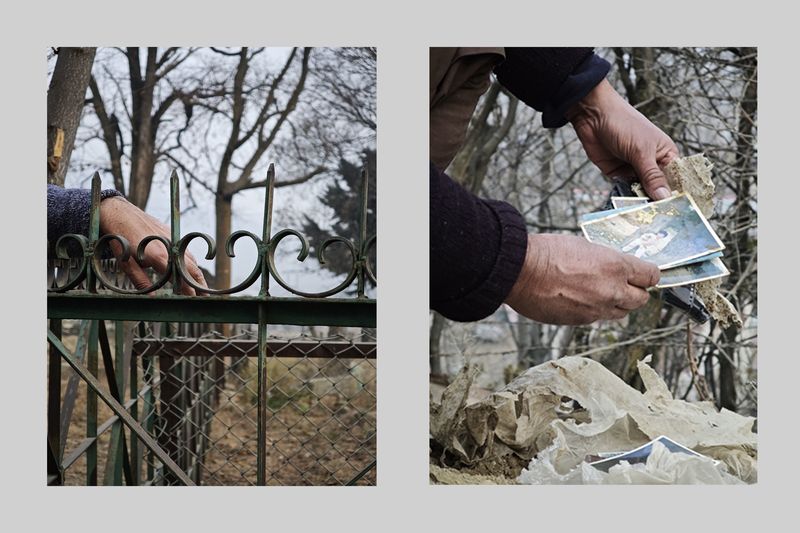
Decades later, the search is still ongoing. Families return to the earth, carefully sifting through old hiding places to recover whatever remains. Each fragment carries weight. The process is slow, physical, and deeply emotional. This is where the project almost takes an archeological turn.

© Showkat Nanda - Image from the Fragments Beneath the Earth photography project
i

These recovered fragments carry the physical marks of decades spent in the soil. This damage is not a total erasure, it is a new layer of the archive. These scars are treated not as flaws to be fixed, but as historical data, documenting the moment personal memory became a part of the landscape.

© Showkat Nanda - Image from the Fragments Beneath the Earth photography project
i

Decayed plastic retrieved from an orchard. This material was the only shield for the family record, acting as a thin, desperate boundary between a loved one’s image and the silence of the earth.

© Showkat Nanda - Image from the Fragments Beneath the Earth photography project
i

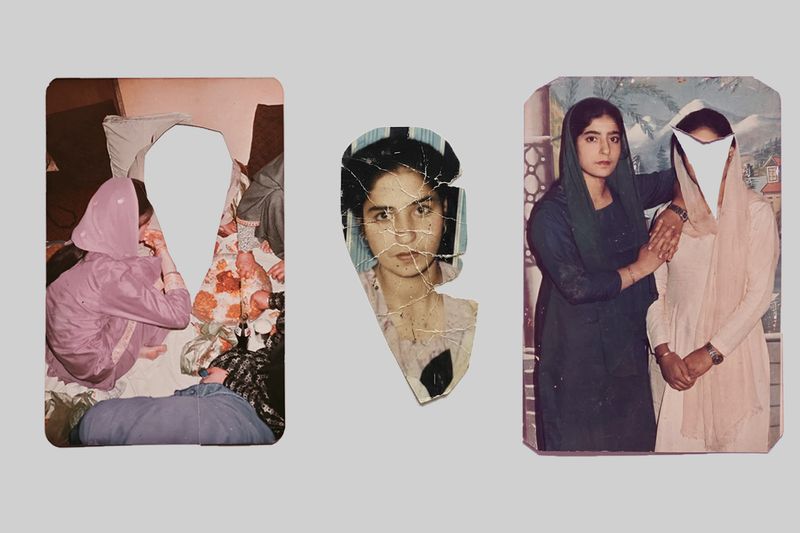
Not all the damage was accidental. People did this themselves. This was an intentional, sort of, surgical act of removal. During searches, soldiers weren't just looking for men; they were also looking for young women. To protect them from being identified, families would cut the girls' faces out of the photos. People chose to erase their own history just to stay safe. In these photos, I think the

© Showkat Nanda - Image from the Fragments Beneath the Earth photography project
i

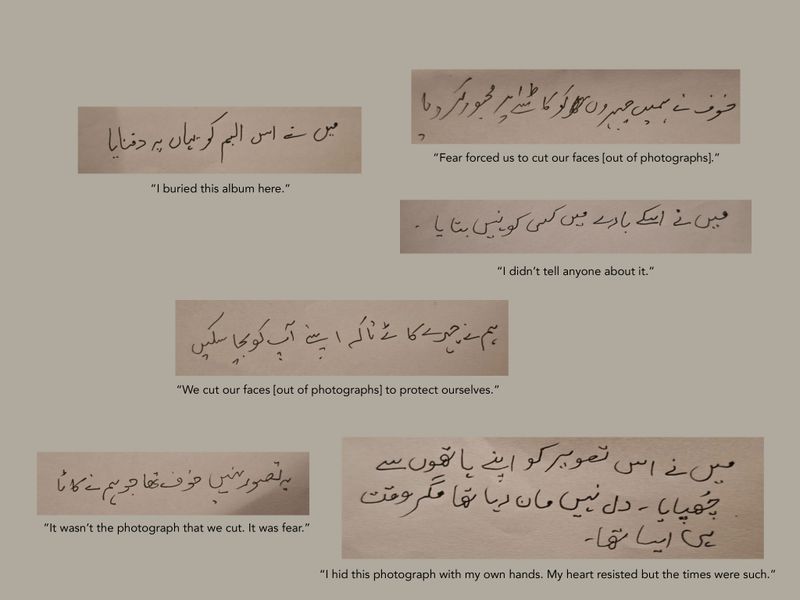
When the photos are gone, we have to find another way to remember. I started collecting these handwritten notes because they tell the stories that the pictures can’t. Even if we can't see someone's face anymore, we can still hear their words. It’s like these notes fill in the blanks. If the image is lost, the voice is what keeps the memory alive.

© Showkat Nanda - Image from the Fragments Beneath the Earth photography project
i

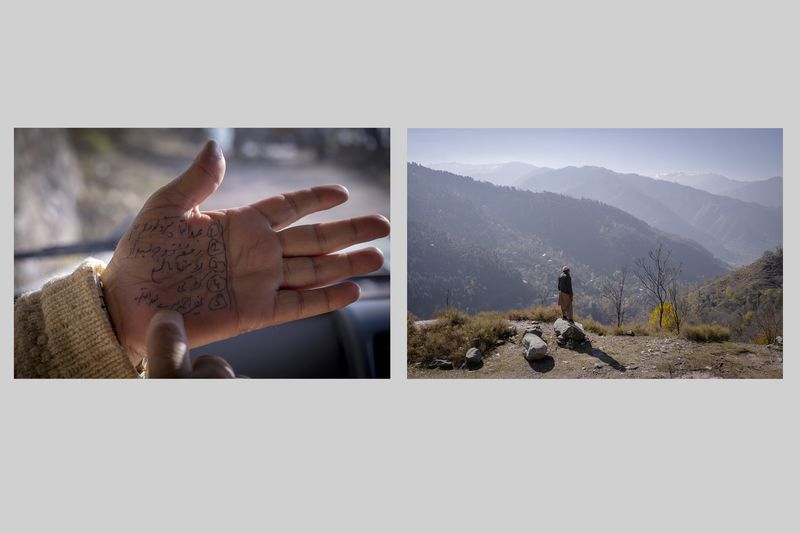
A man displays names of young men who were killed during the 1990s. As I was approaching the families for any remains of albums they might have preserved. In the image in the right, a man looks at the mountains that literally swallowed hundreds of young men in Kashmir. In an attempt to cross the Line of Control, the de facto border between India and Pakistan, hundreds of young boys were killed.

© Showkat Nanda - Image from the Fragments Beneath the Earth photography project
i

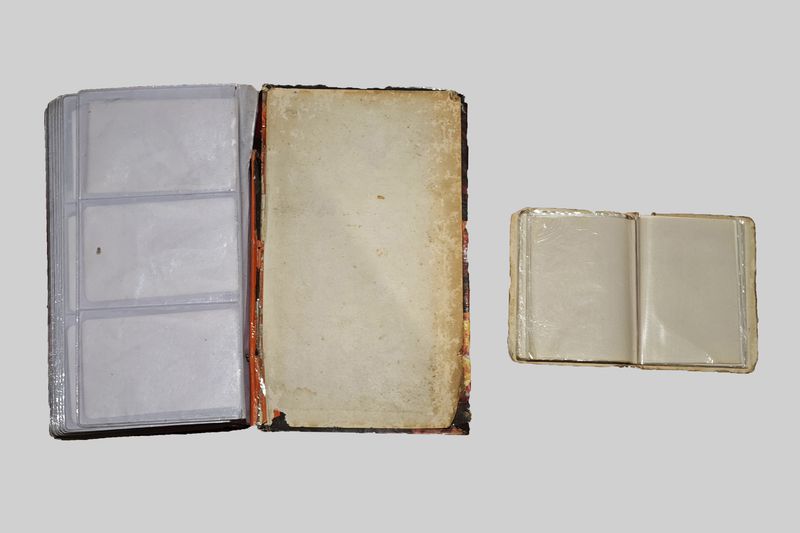
In some families, people actually destroyed photos of their loved ones, hoping they would just make new photos when their children came back home. But for many... that never happened. So now, most of these albums are just empty. It’s a literal hole in a family’s history. And this emptiness, it connects directly to my own father’s story.

© Showkat Nanda - Image from the Fragments Beneath the Earth photography project
i

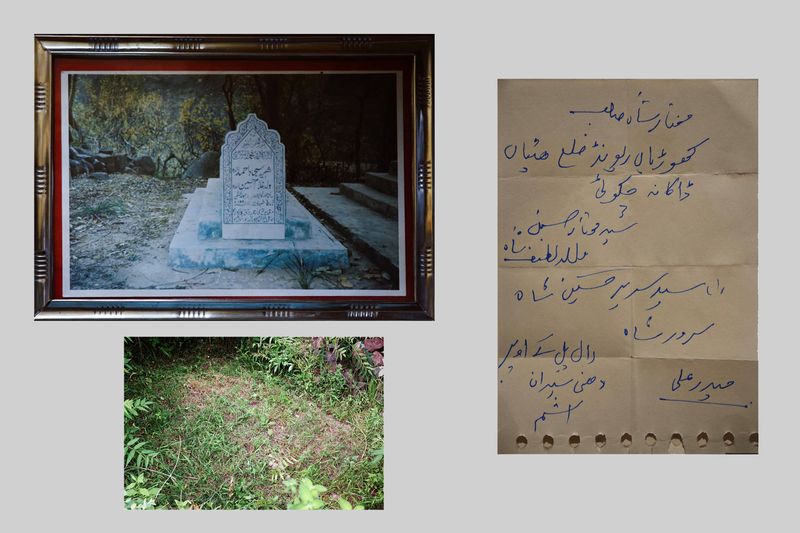
Because there were no photos of my brother left, anything related to him became a relic to my father. That’s what happened when he was given this photo of a grave. My father held onto this photo of a fake grave for years because he desperately needed something to look at. I eventually went to the actual spot and found the real grave—it looked nothing like the photo. But the heartbreaking part is,

© Showkat Nanda - Image from the Fragments Beneath the Earth photography project
i

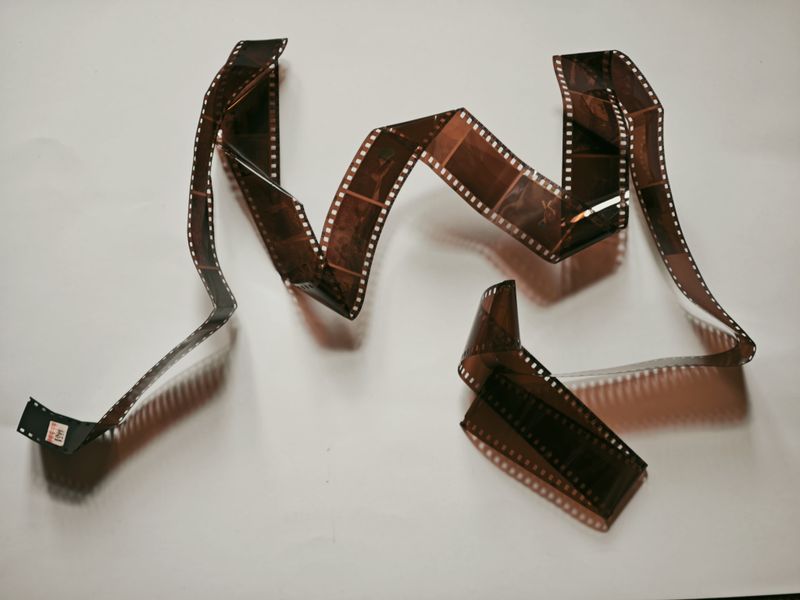
A recovered film strip as the "DNA of memory," emphasising potential rather than closure. These materials point toward a future archive shaped by recovery, reflection, and continued engagement.They suggest that the archive remains open, shaped by what survives and what may still emerge.

Fragments Beneath the Earth by Showkat Nanda

Prev Next Close