Default Masking Scheme
-
Dates2026 - Ongoing
-
Author
- Topics Landscape, Contemporary Issues, Nature & Environment, Fine Art
- Location Shanghai, China
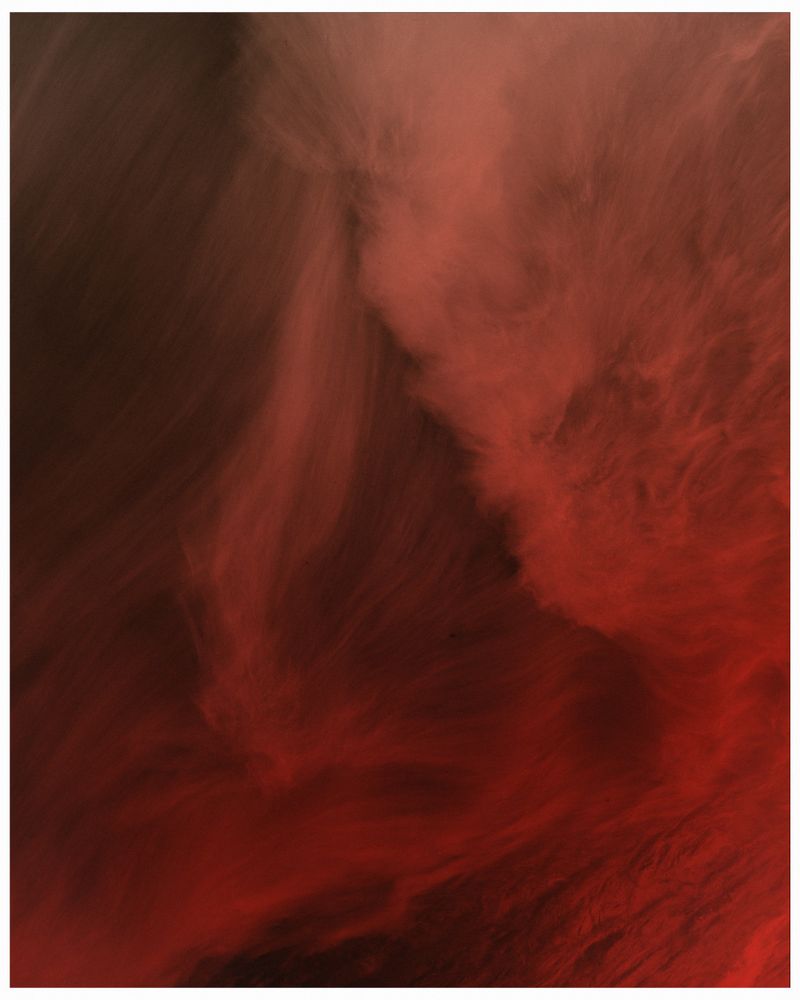
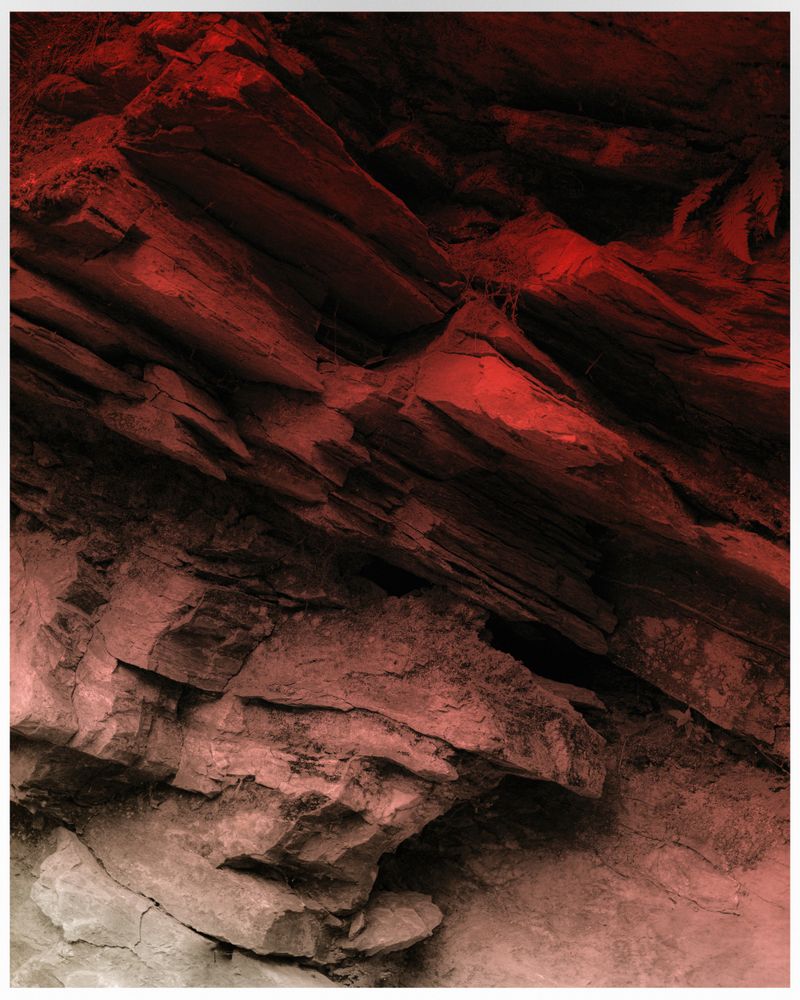
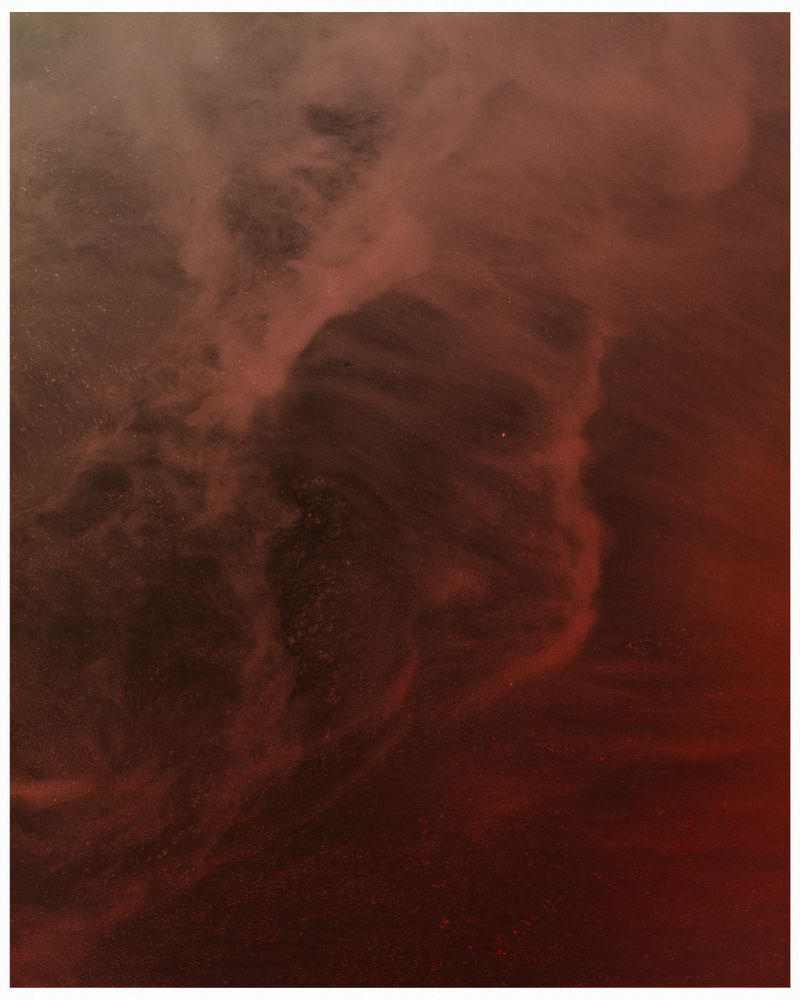
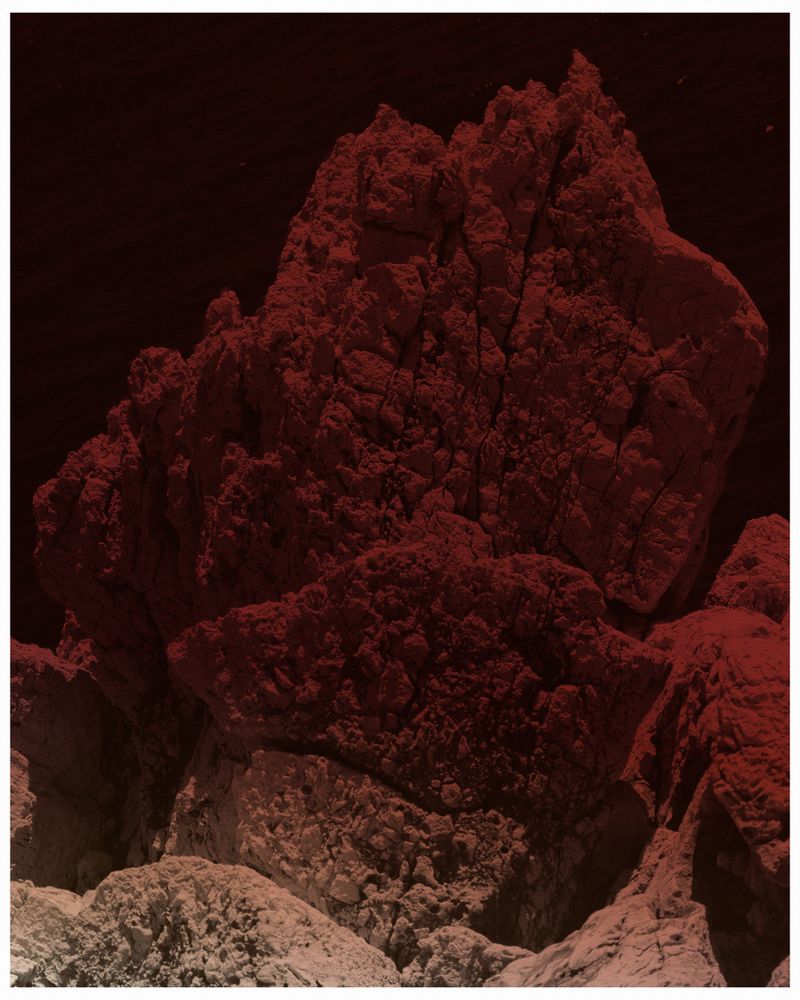
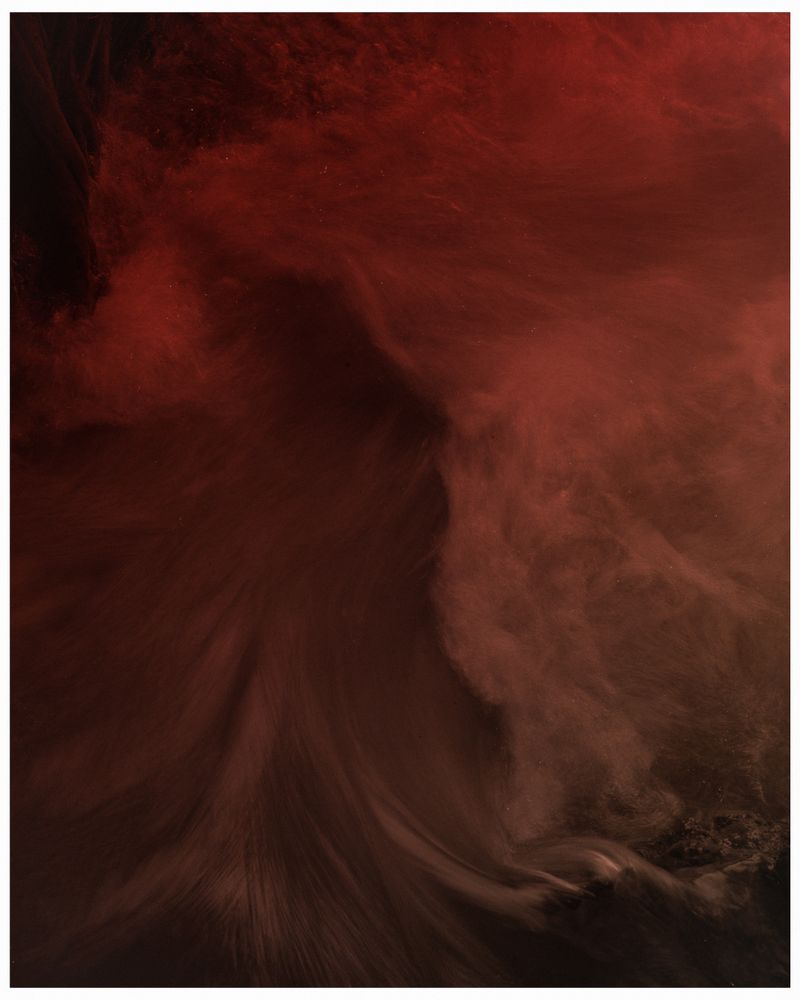
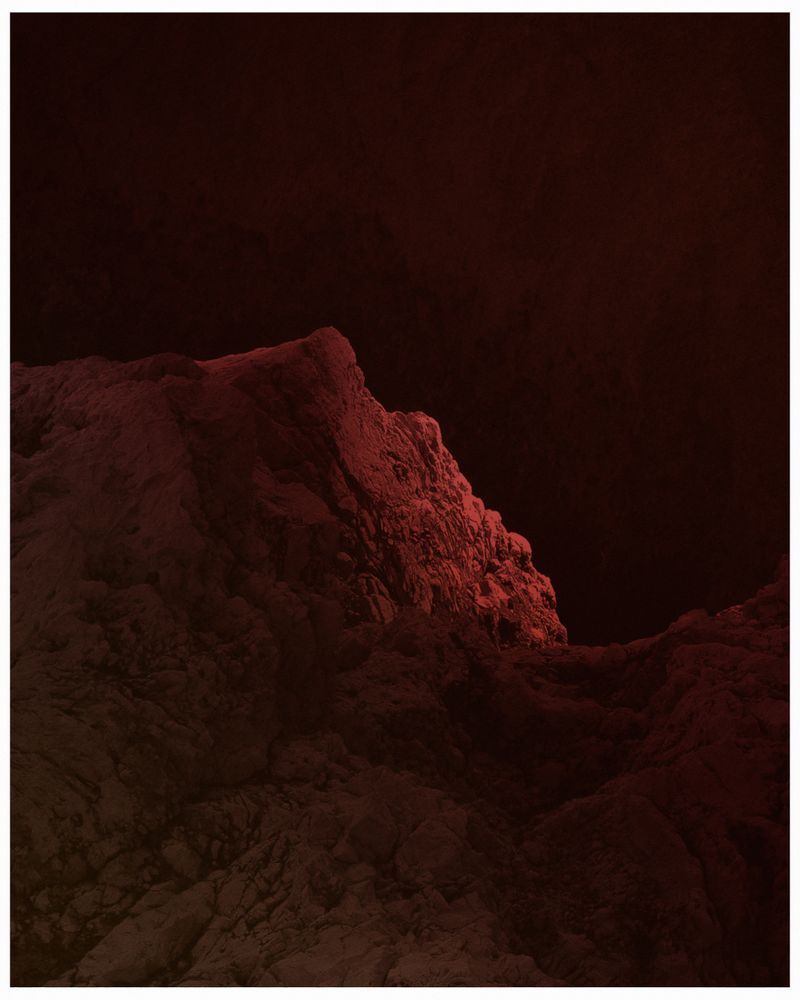
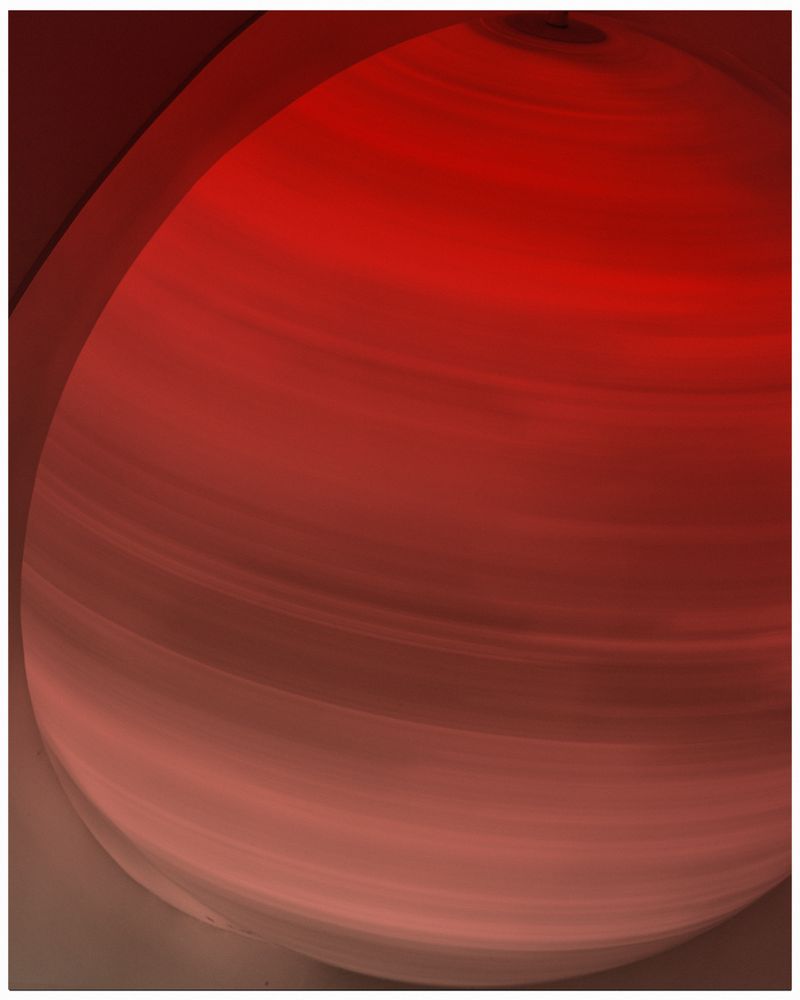
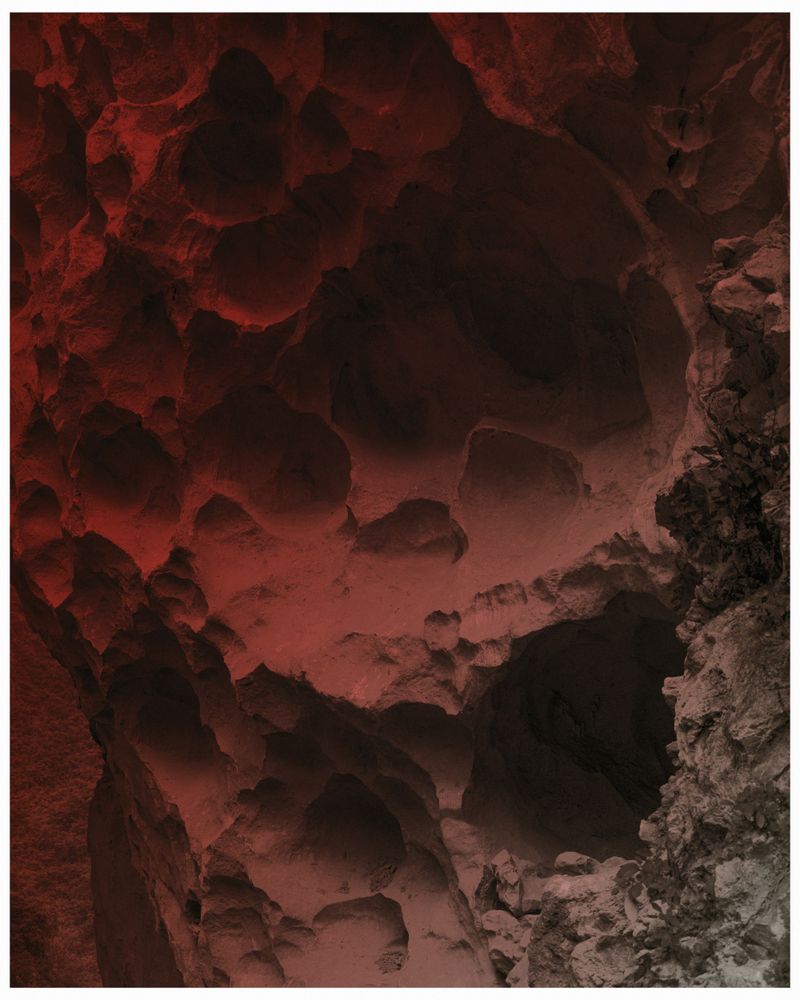
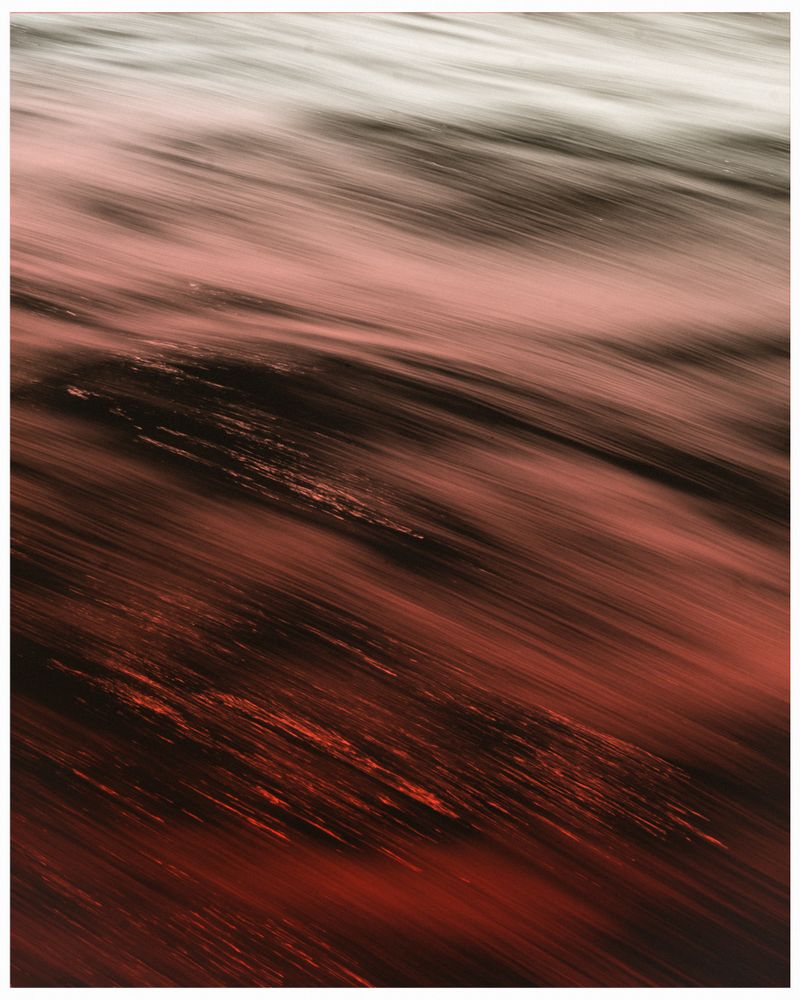
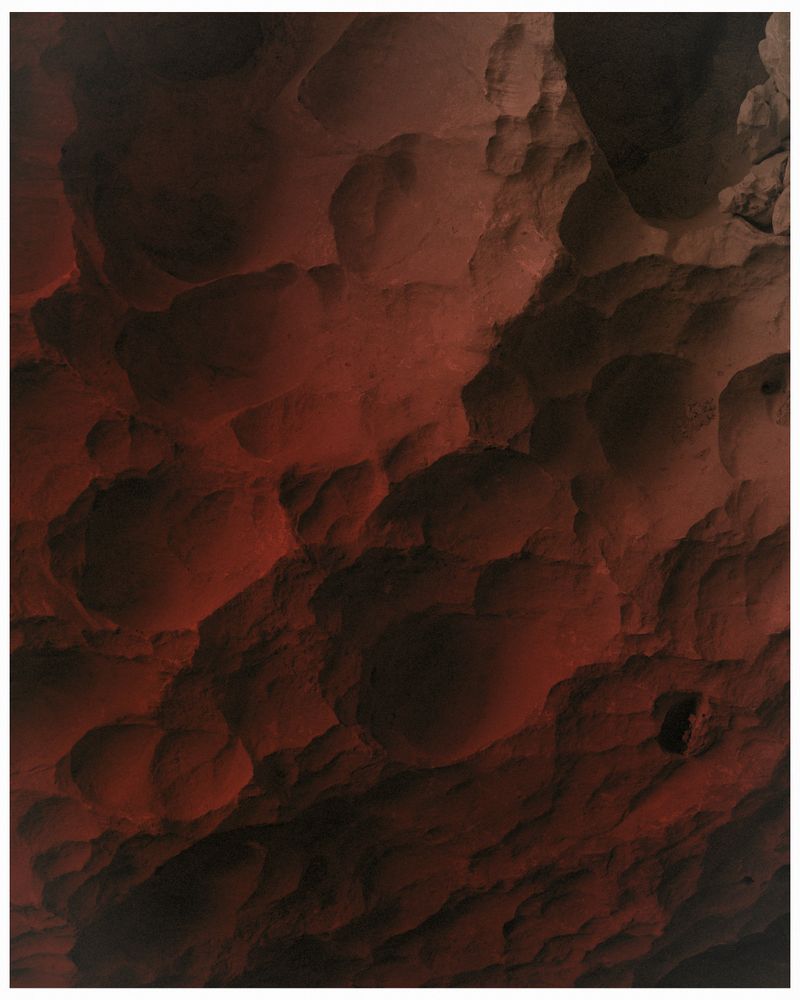
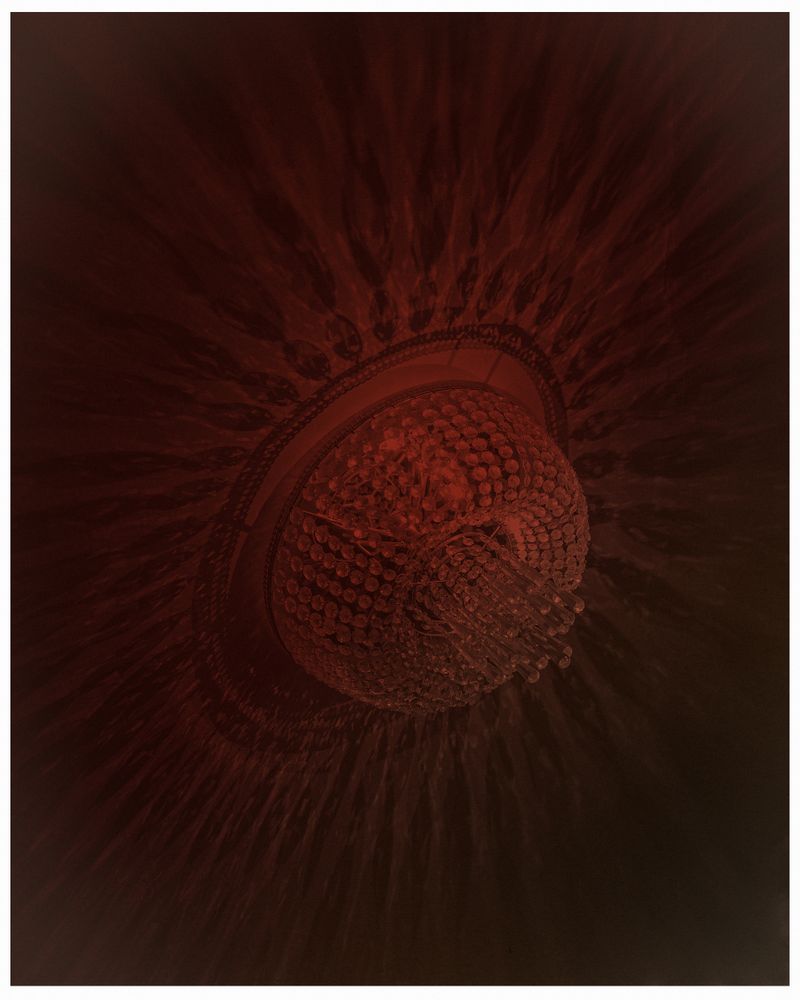
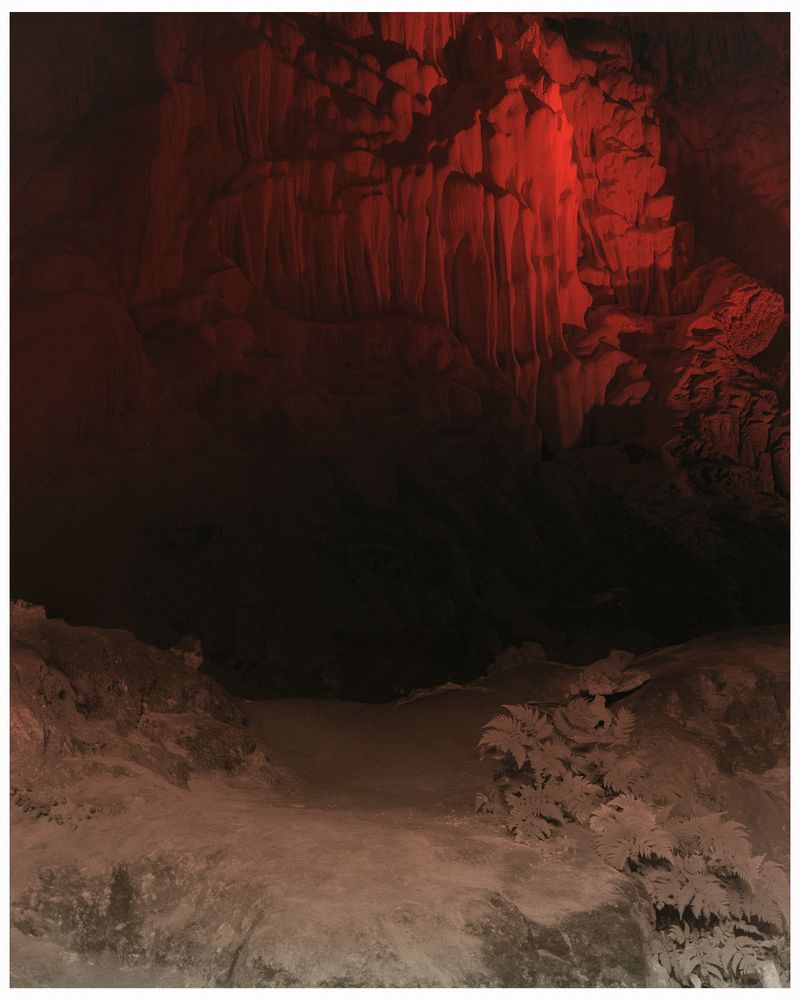
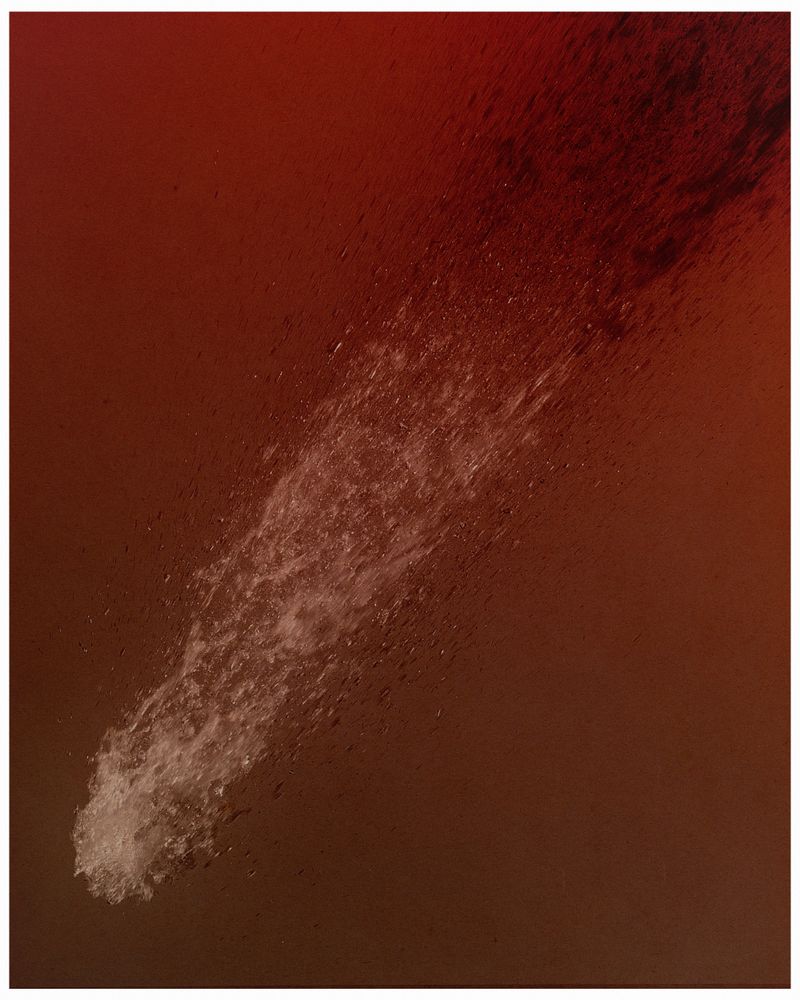
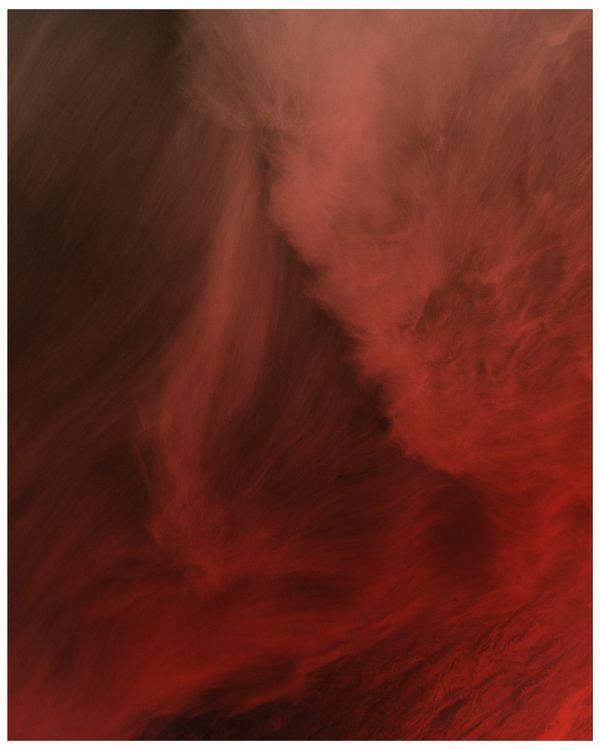
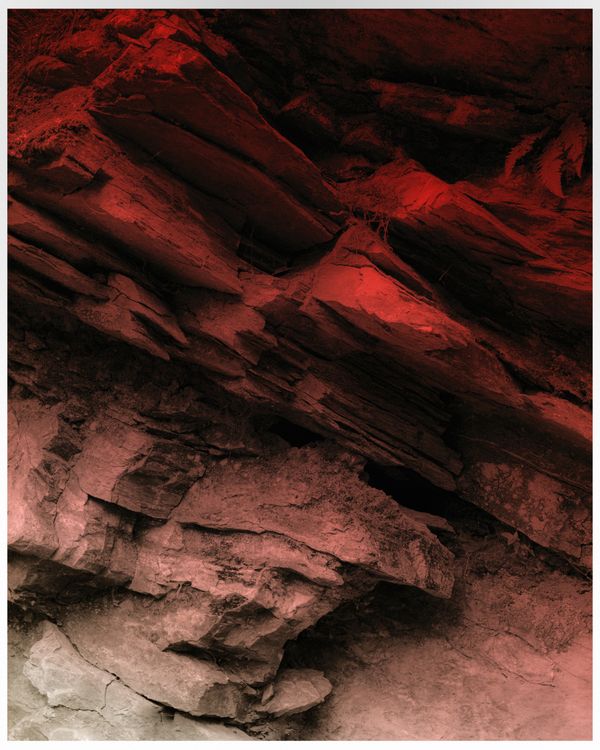
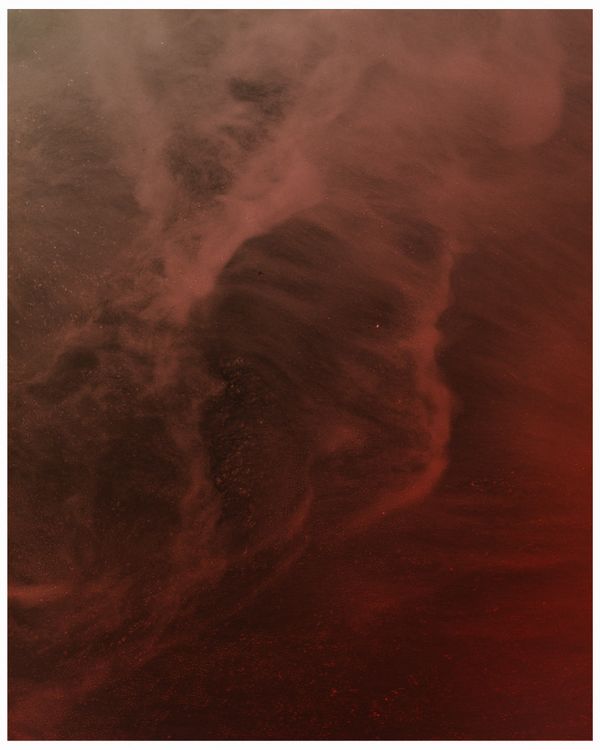
This series begins with my own photographs of landscapes and examines how automated recognition transforms them into new images. By reworking the masks generated during the recognition process through layering, softening, and recomposition, I create lands
I have always wanted to preserve the initial attraction of looking at an image. Before viewing turns into analysis, these works appear simply as seductive, ambiguous, and flattened landscapes. Yet when traced back to their making, that attraction emerges from a working process built upon automated image recognition.
In this series, I explore how automated recognition systems interpret landscapes, and how that interpretation reshapes photographic images. Every work begins with my own photographs as source material, alongside masks generated through Camera Raw's automatic landscape recognition during the editing process.
My process starts with these automatically generated masks. Rather than preserving the clear boundaries produced by the algorithm, I repeatedly overlay, soften, and reorganise them, transforming the traces of recognition into new image structures. Instead of presenting the software's workflow as an end in itself, I try to retain the images' visual appeal while searching for a balance between intuitive viewing and an awareness of their constructed nature.
The red overlay is derived from the default colour used for masking, which itself originates from the Rubylith masking film historically used in printing and plate-making. Once a temporary and largely invisible stage within image production, this colour is reintroduced as part of the final image. It preserves traces of selection while making an otherwise hidden working process visible again, connecting contemporary digital recognition with earlier methods of image production.
I hope these works are encountered first as images rather than understood immediately as technical experiments. As questions about their making gradually emerge, another layer of meaning becomes visible: a process of automated recognition that does not originate in nature but constructs its own version of it. The works record not only the landscape itself, but also the ways machines define landscape and translate those definitions into visually compelling forms. Rather than accepting the algorithm's output as a final result, I treat it as new visual material from which the work continues to develop.