Borrowing Light Through a Chiseled Wall
-
Dates2024 - 2025
-
Author
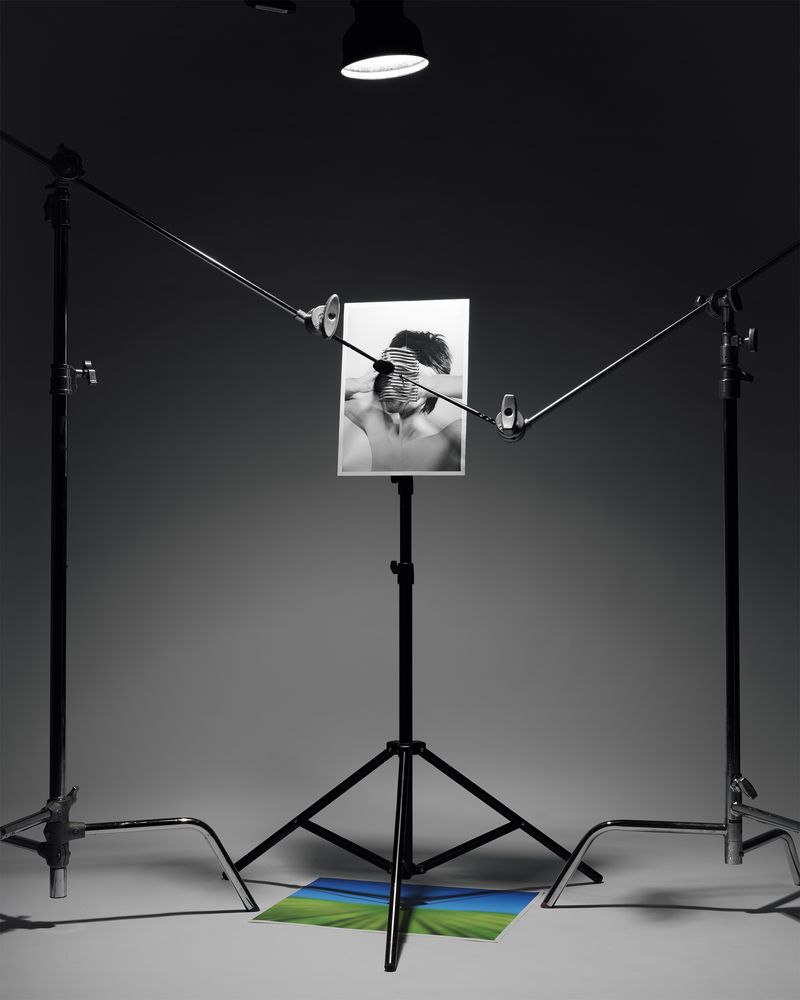
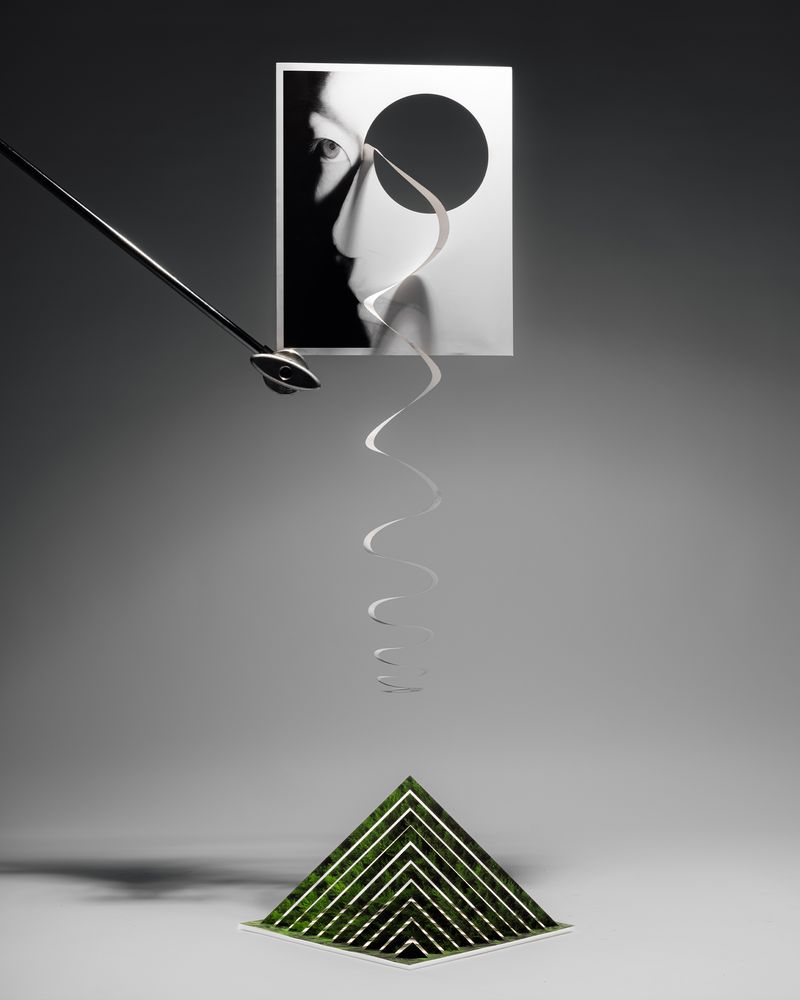
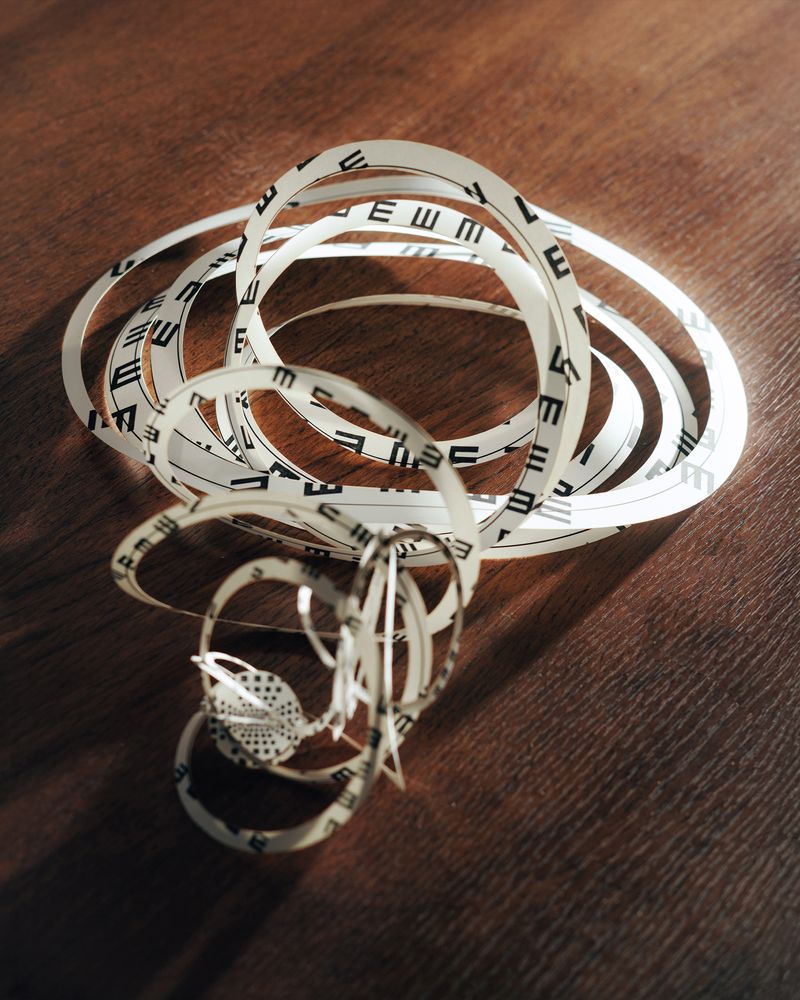
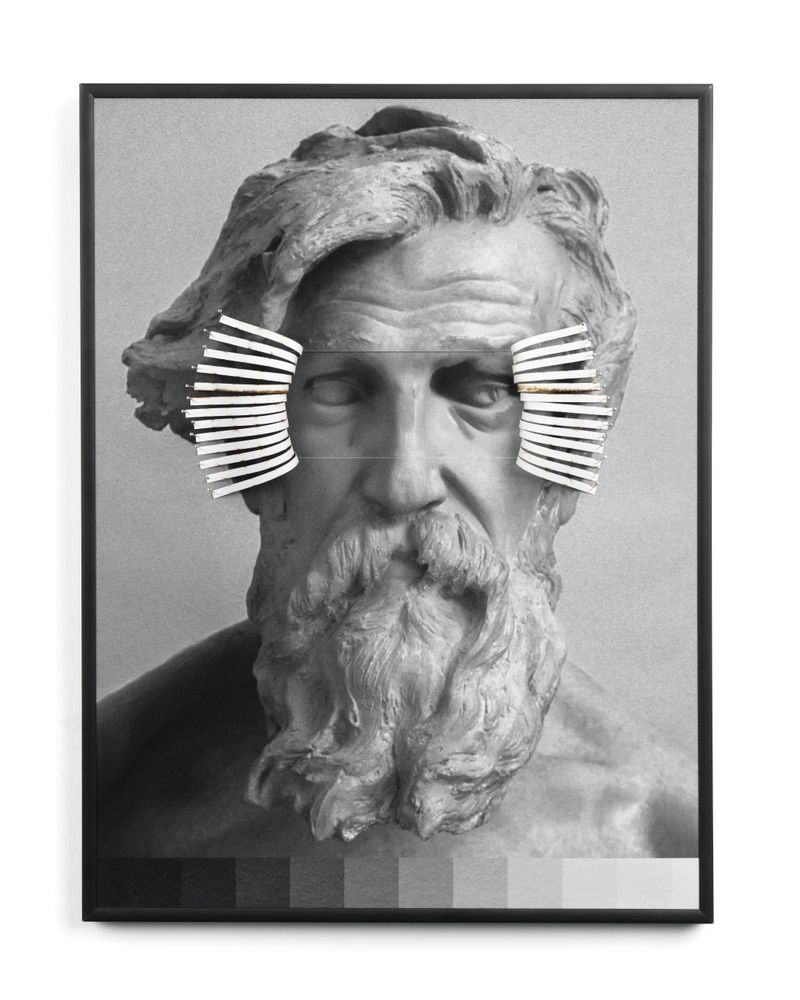
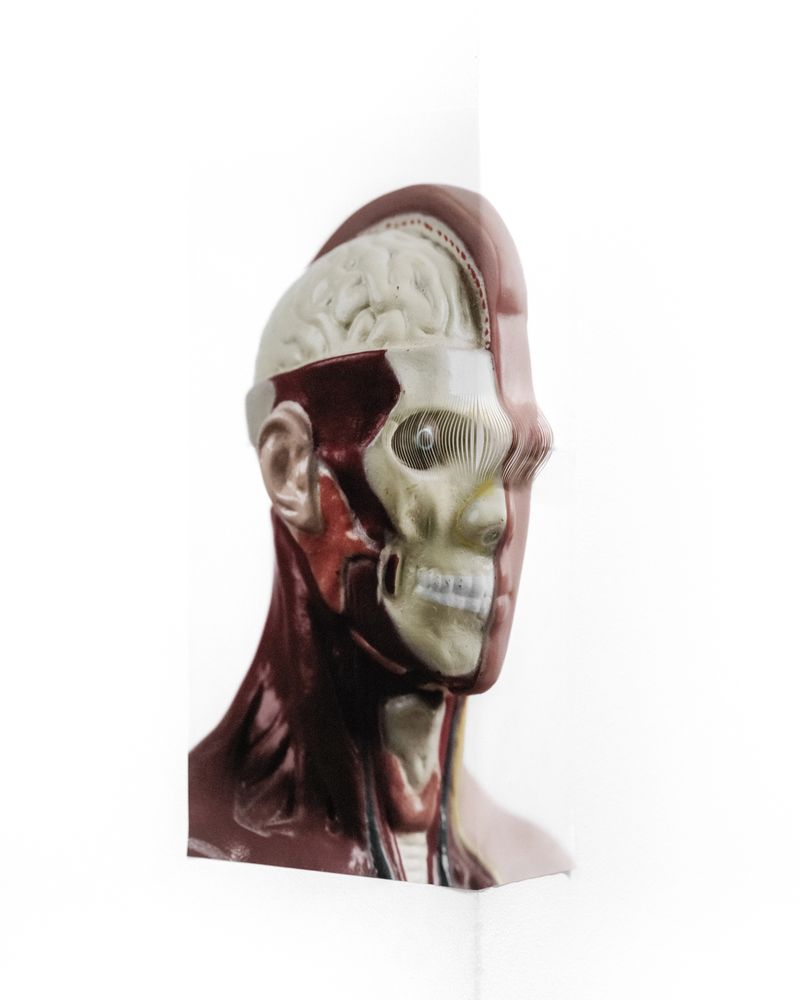
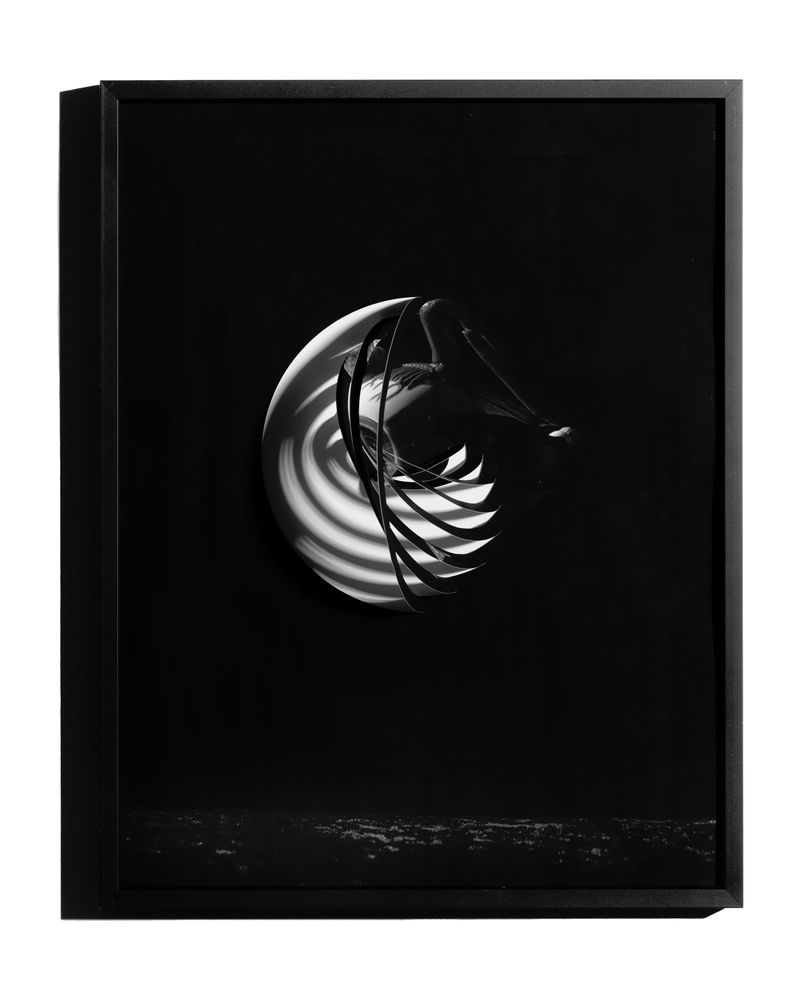
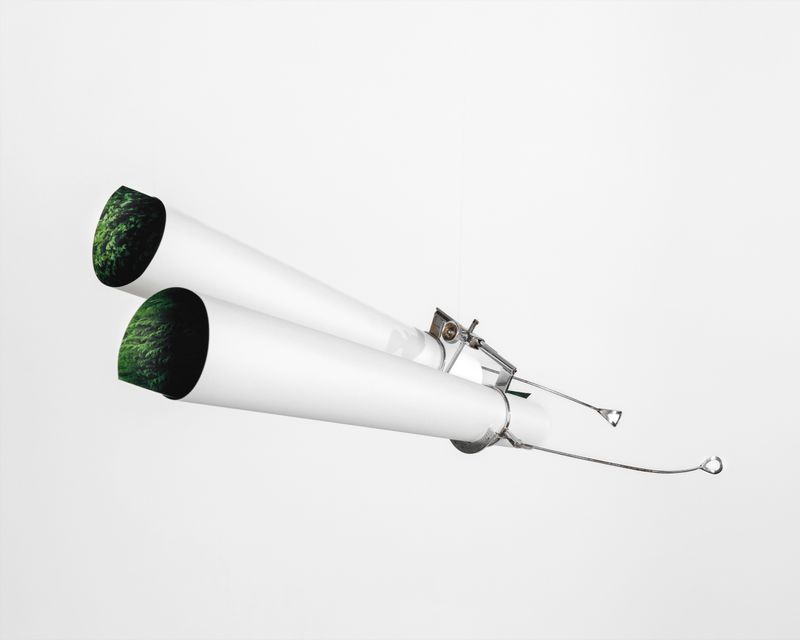
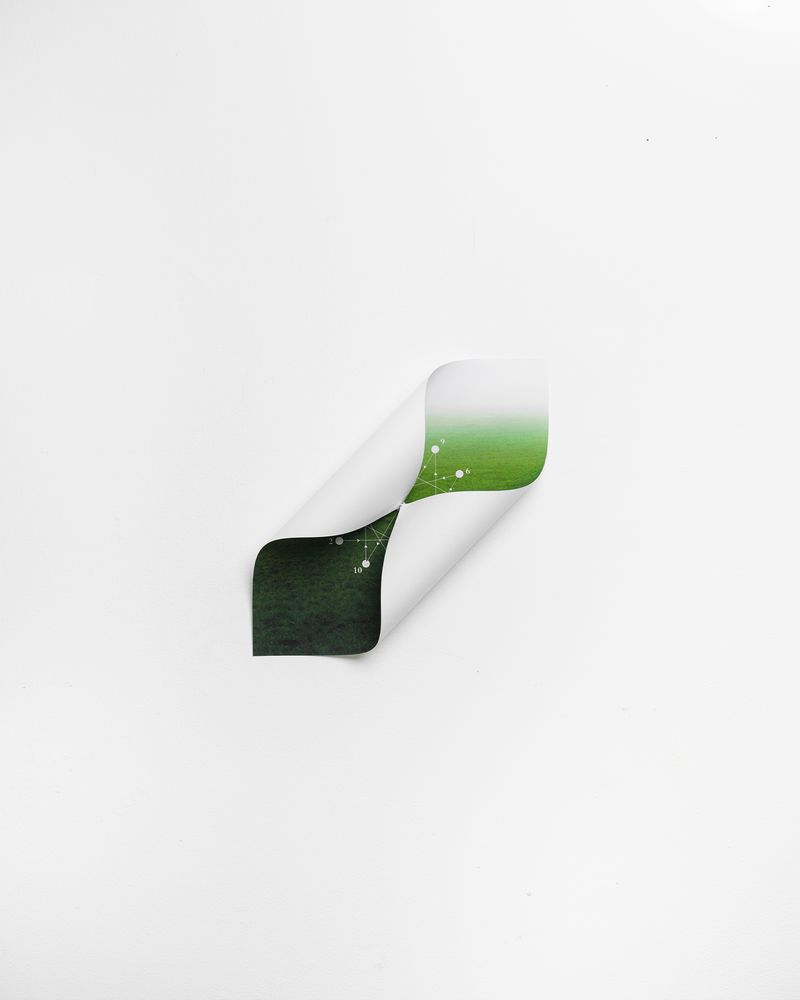
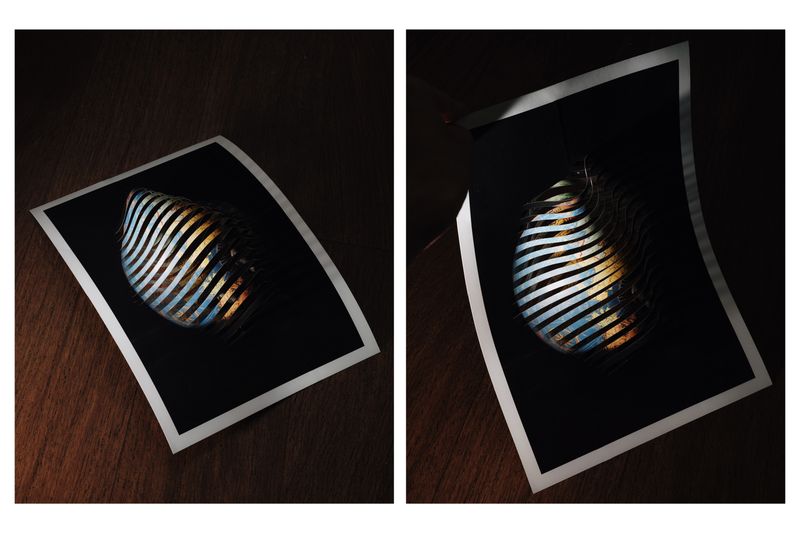
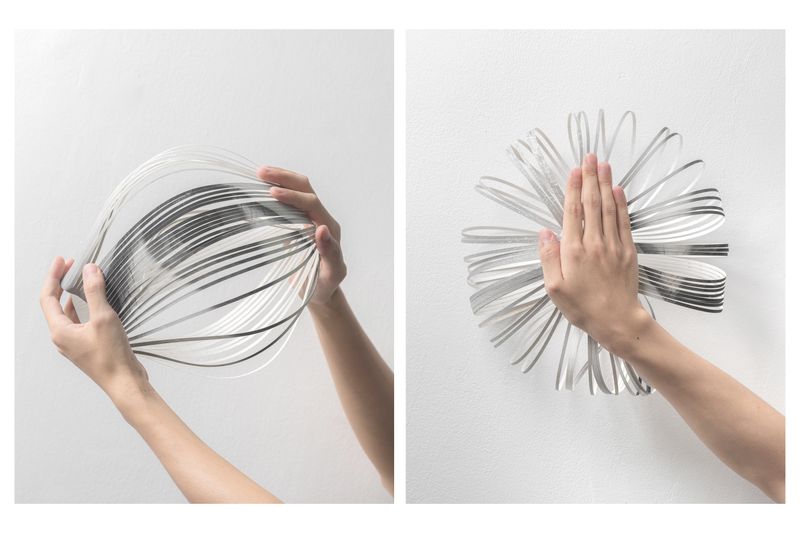
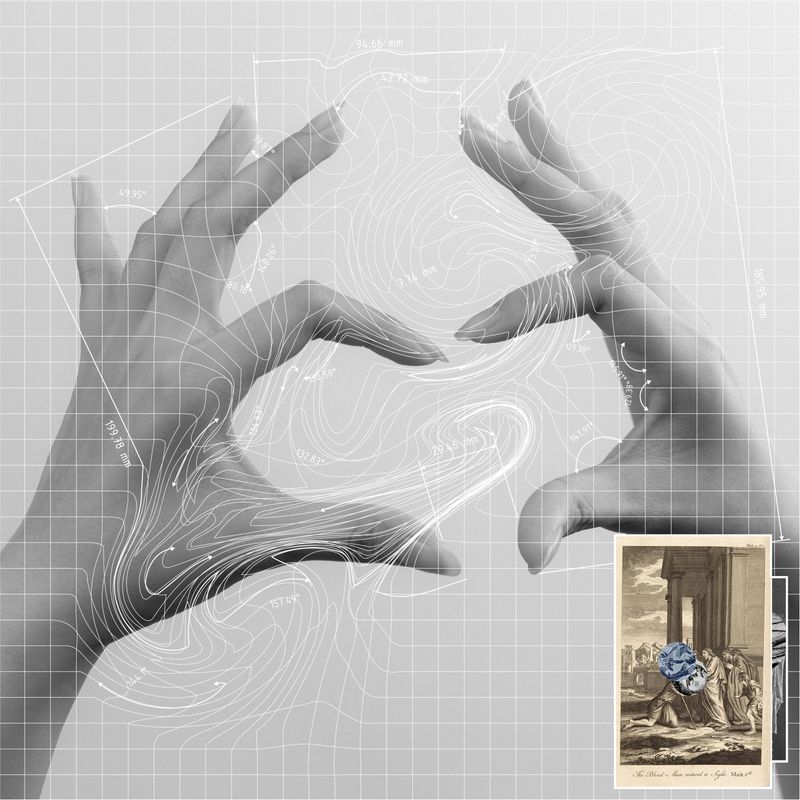
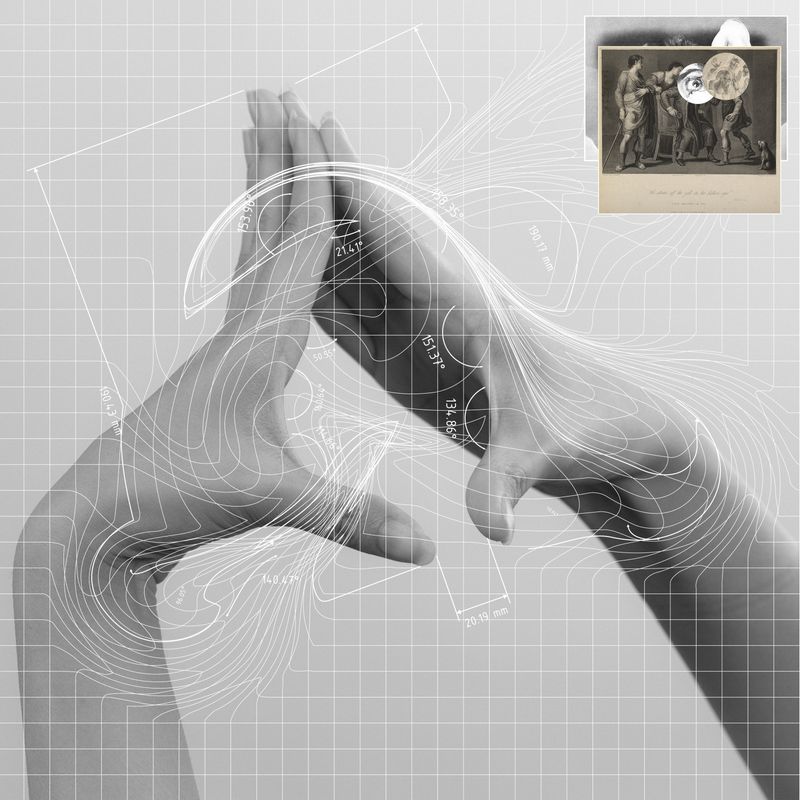
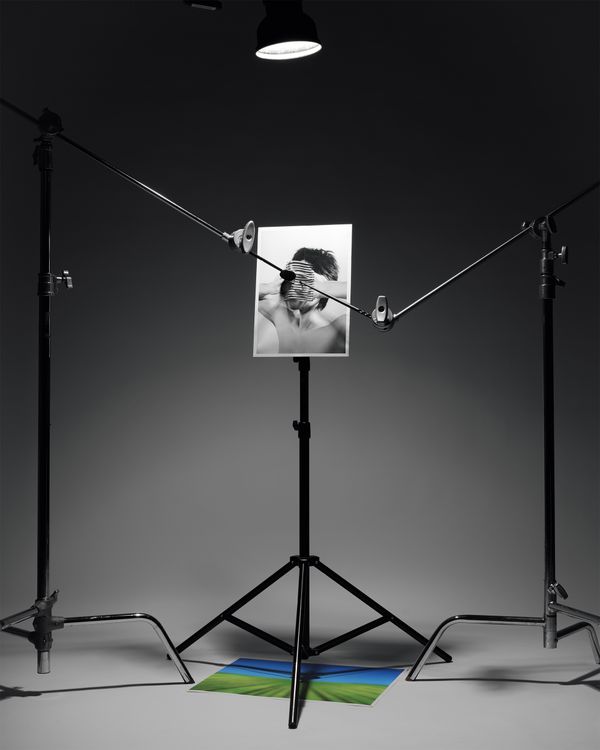
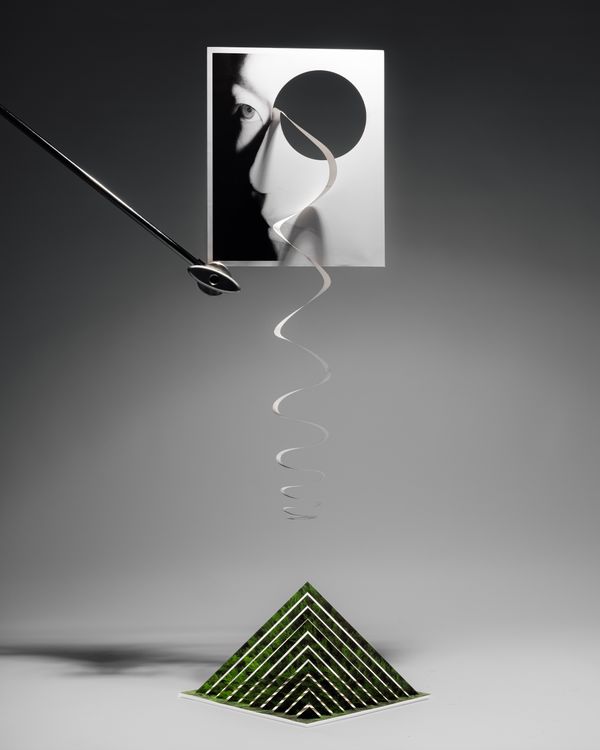
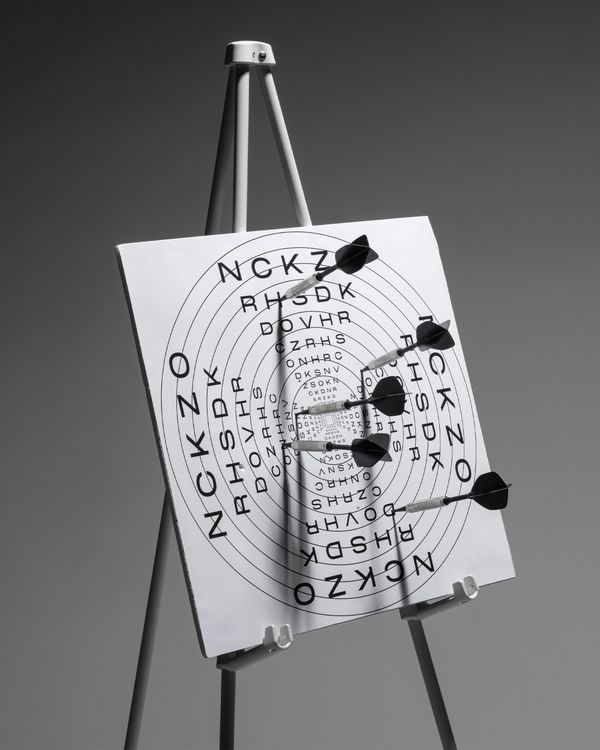
Borrowing Light Through a Chiseled Wall looks at how myopia prevention turns the eye into something to be measured, corrected and managed, tracing these ideas across Chinese eye exercises and contemporary visual training.
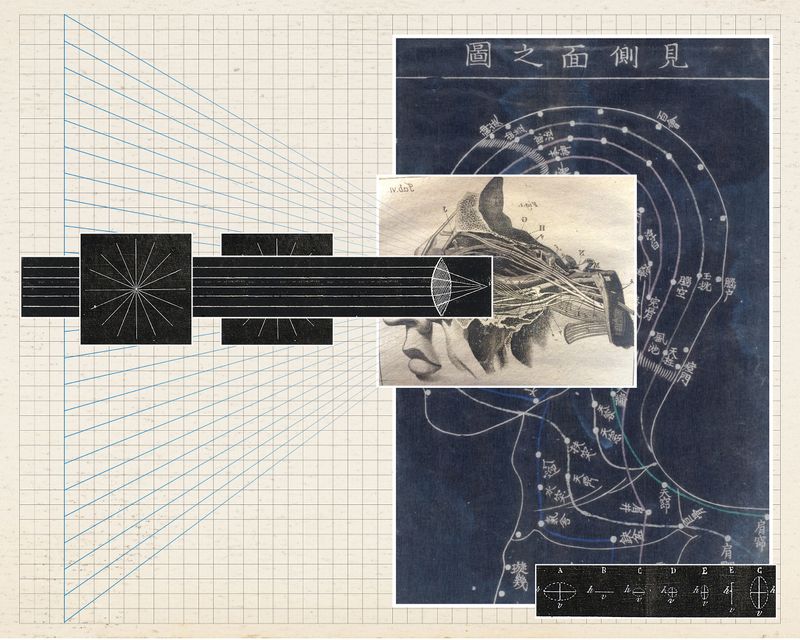
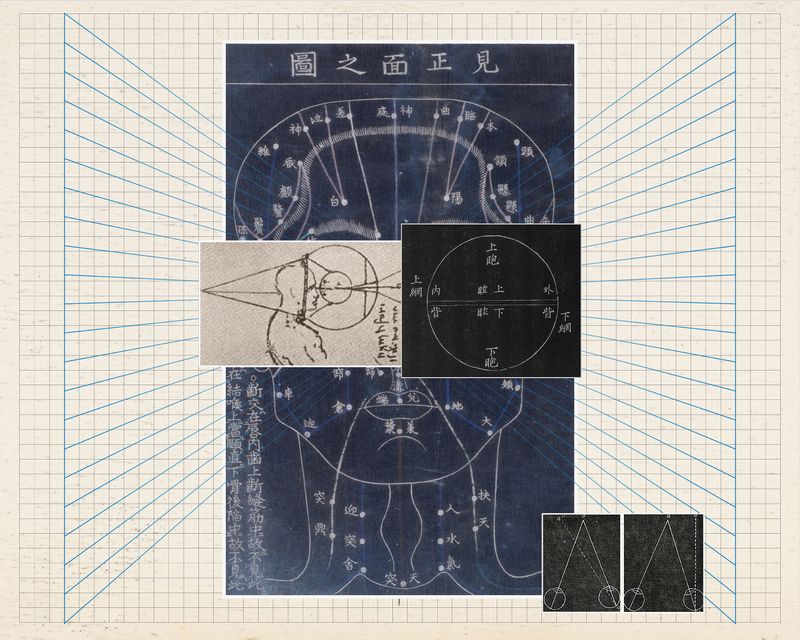
Myopia was once racialized as an “Oriental disease”. Borrowing Light Through a Chiseled Wall begins from this history and looks at how different systems of knowledge have sought to prevent, correct and manage myopia.
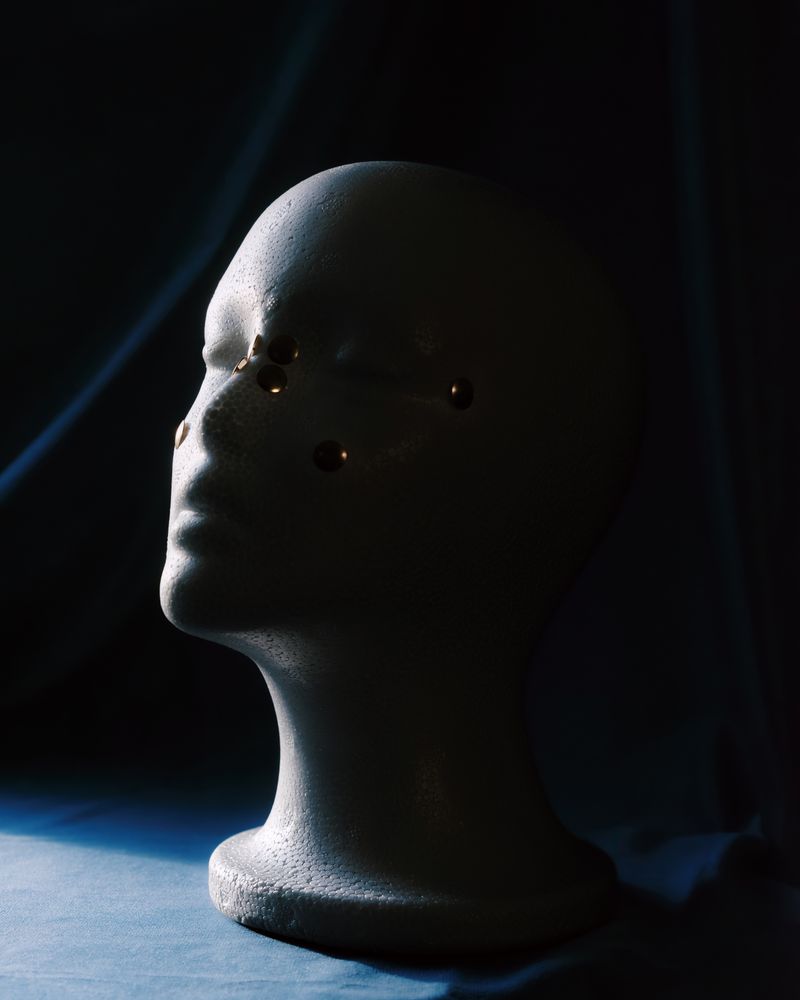
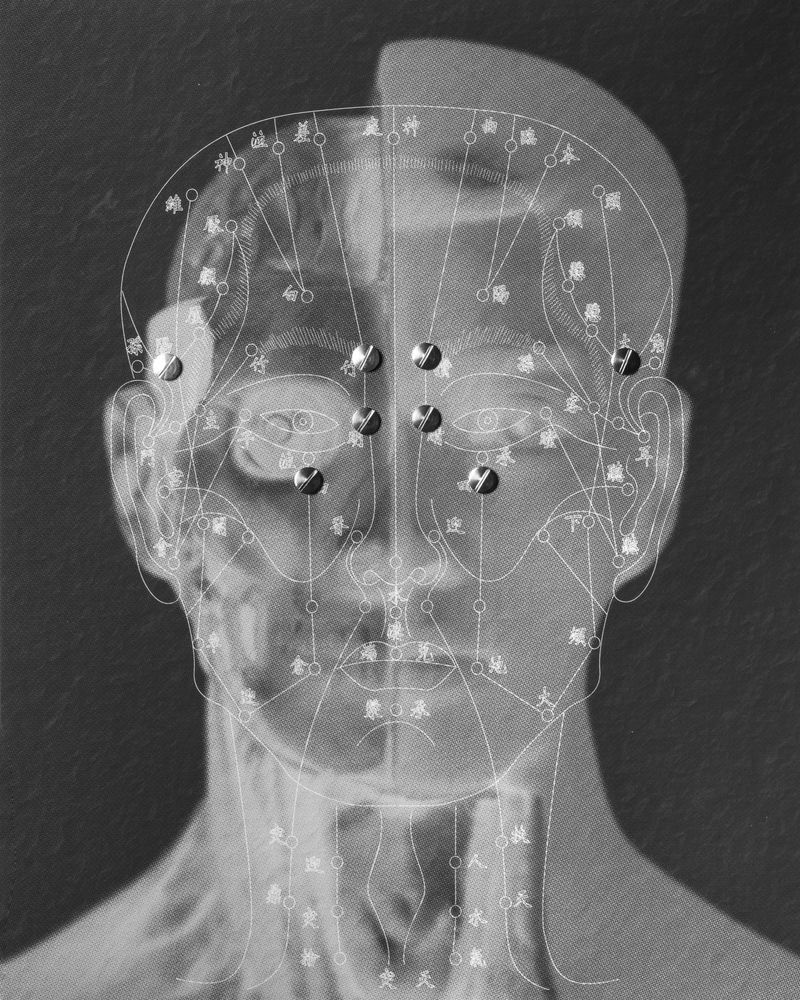
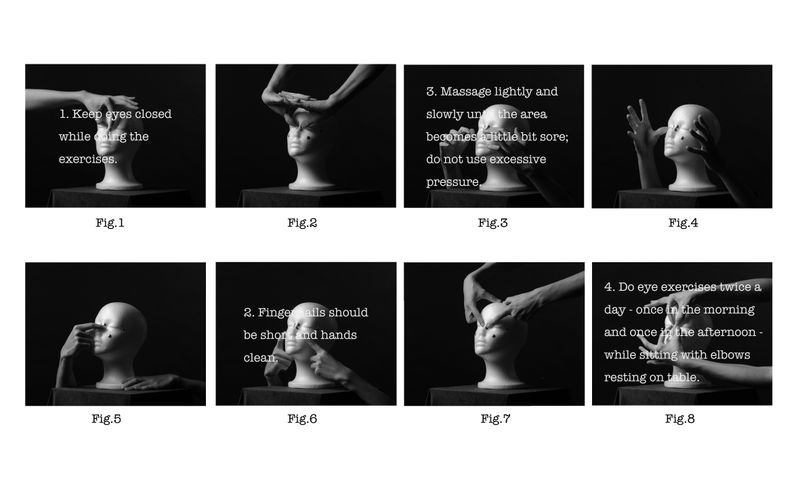
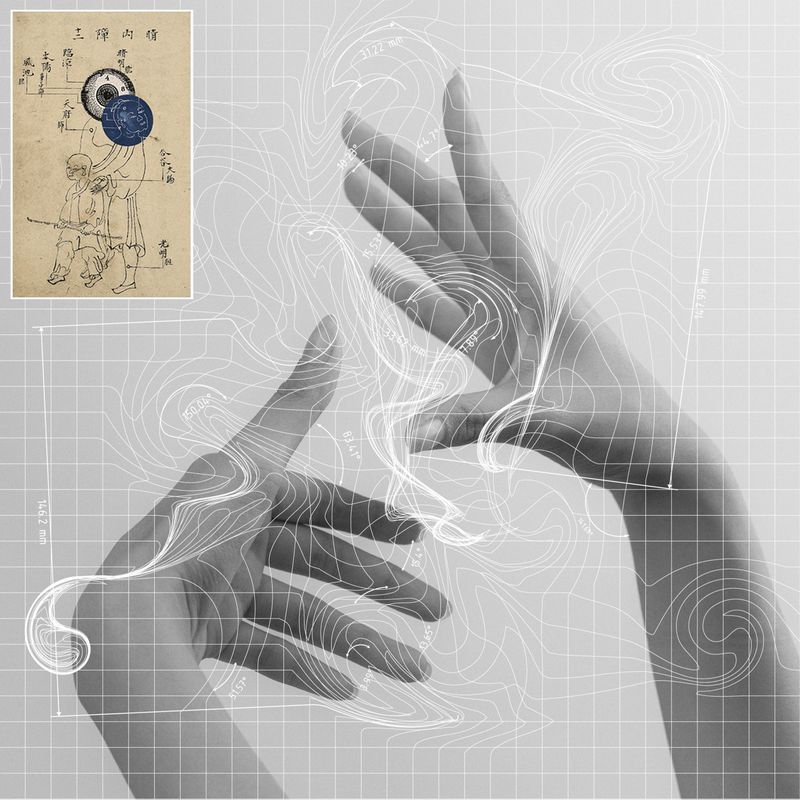
In China, standardized eye exercises combine ideas from traditional Chinese medicine with a highly coordinated routine: students follow the same sequence of acupoint massage, accompanied by recorded instructions and rhythmic music. What appears to be a simple health exercise also organizes the body through repetition, timing and collective participation.
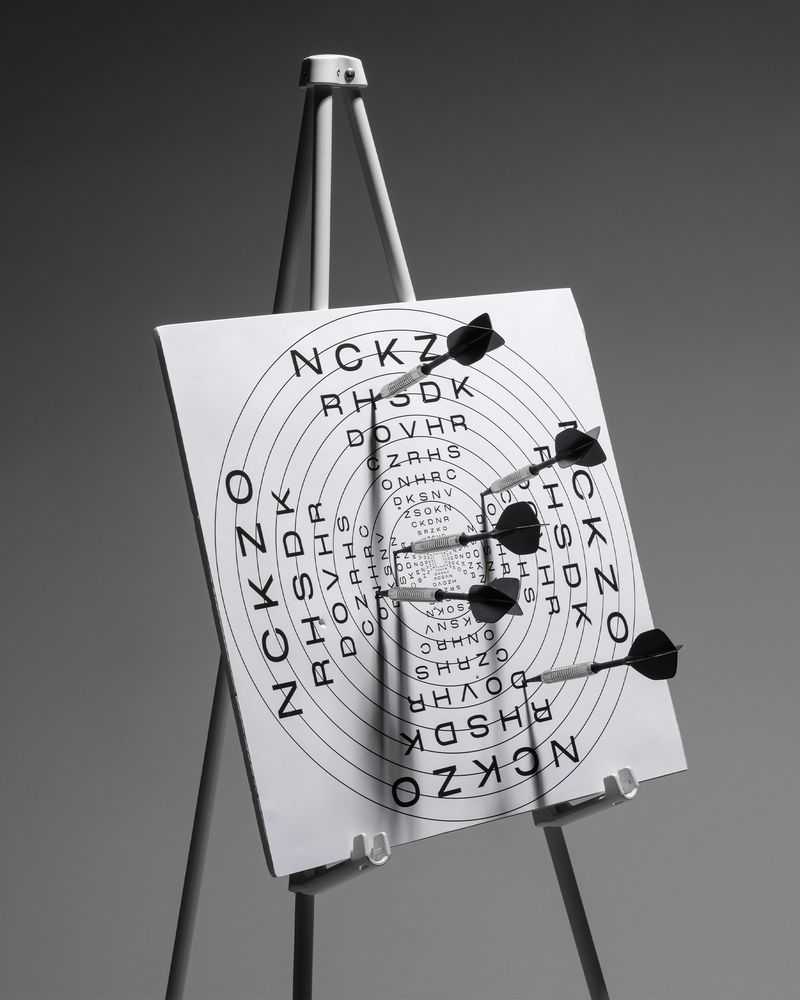
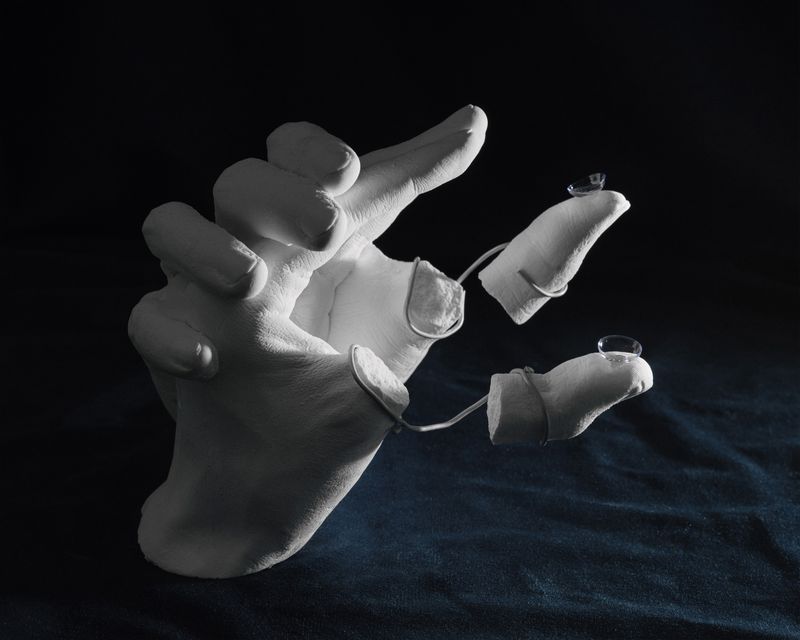
Other contemporary approaches to myopia prevention rely on different forms of intervention, from orthokeratology lenses to visual training and regular monitoring. Here, responsibility is more often placed on the individual, who is asked to follow prescribed procedures, track changes and adjust everyday habits.
These practices emerge from different medical and cultural histories, yet both turn vision into something that can be measured, trained and corrected through repeated behaviour. Rather than treating “tradition” and “science” as opposites, the project places them alongside one another to examine how ideas about healthy vision are produced and maintained.
Through photography, archival material and constructed images, I am interested in the point at which care becomes instruction: who defines the correct way to see, and how these definitions enter the routines of everyday life.