Hashem Shakeri Receives The 1st Prize Of The PhMuseum 2025 Photography Grant
-
Published29 Apr 2025
-
Author
- Topics Awards
Shakeri uses an absurd and poetic lens to document the uncertain daily life in Afghanistan following the Taliban's return. Zekun Wang claims the New Generation Prize. Read all the judges' motivations and see the selected projects of this 13th edition.
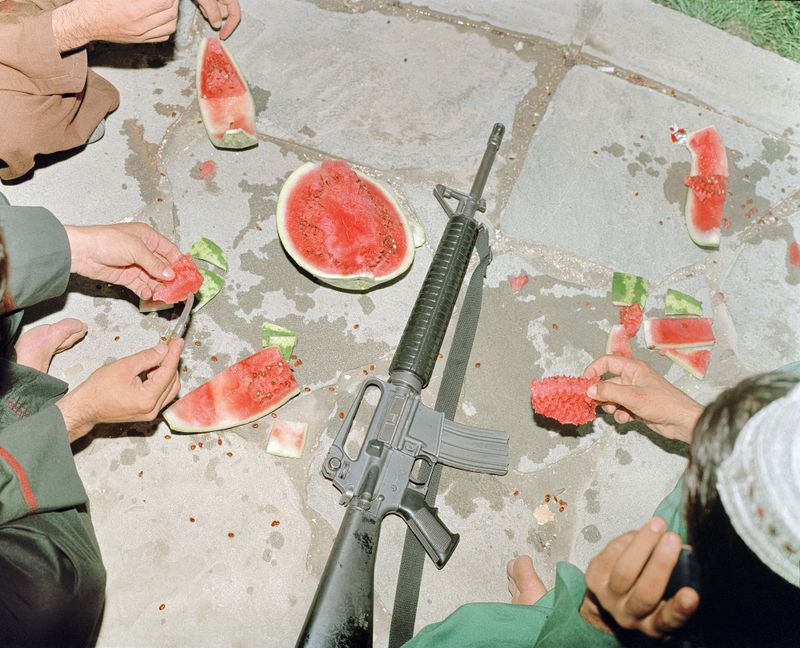
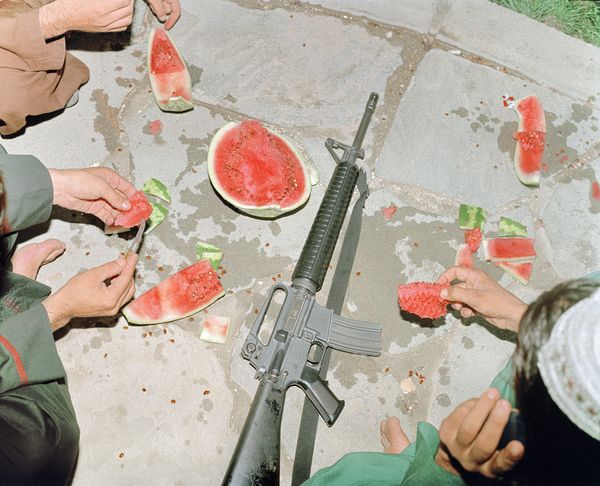
A independent jury comprised of Aaron Schuman (Photographer, Writer and Professor), Sheida Soleimani (Artist and Educator), Kim Jeong Eun (Publisher and Curator) and Bruno Ceschel (Founder of Self Publish, Be Happy) has assigned the €5,000 PhMuseum 2025 Photography Grant Main Prize to Iranian photographer Hashem Shakeri for his project Staring Into The Abyss. Judge Bruno Ceschel motivates the choice on behalf of the jury:
“With remarkable commitment and personal risk, Hashem Shakeri spent months travelling independently across Afghanistan to create a body of work that refuses the clichés of documentary and photojournalism. Instead, he offers an intimate, poetic, and visually arresting portrait of the communities most affected by the Taliban’s return—women, ethnic and religious minorities, and LGBTQIA individuals. By drawing on a rich range of photographic languages and emotional registers, his images move fluidly between the surreal and the symbolic, the tender and the haunting. What emerges is not just a record of oppression, but a revealing, deeply human testament to resilience, resistance, and the enduring pulse of life beneath the weight of a silenced nation.”
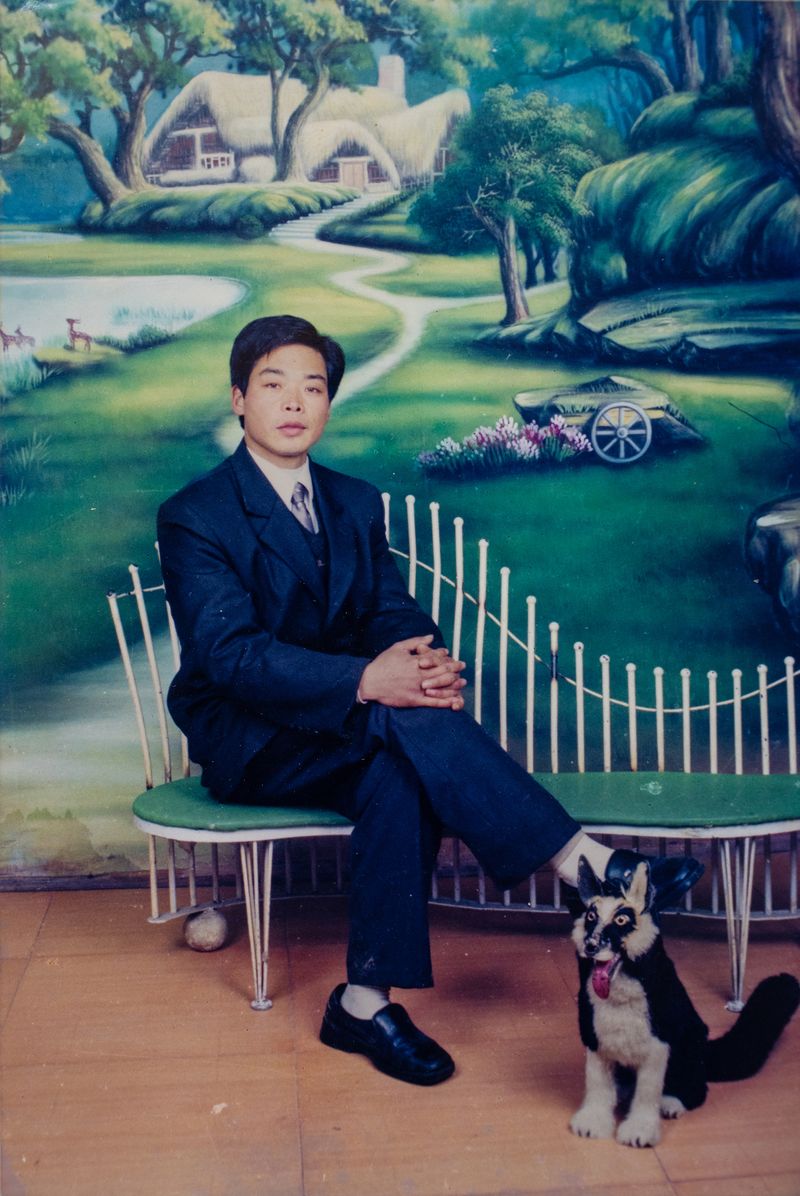
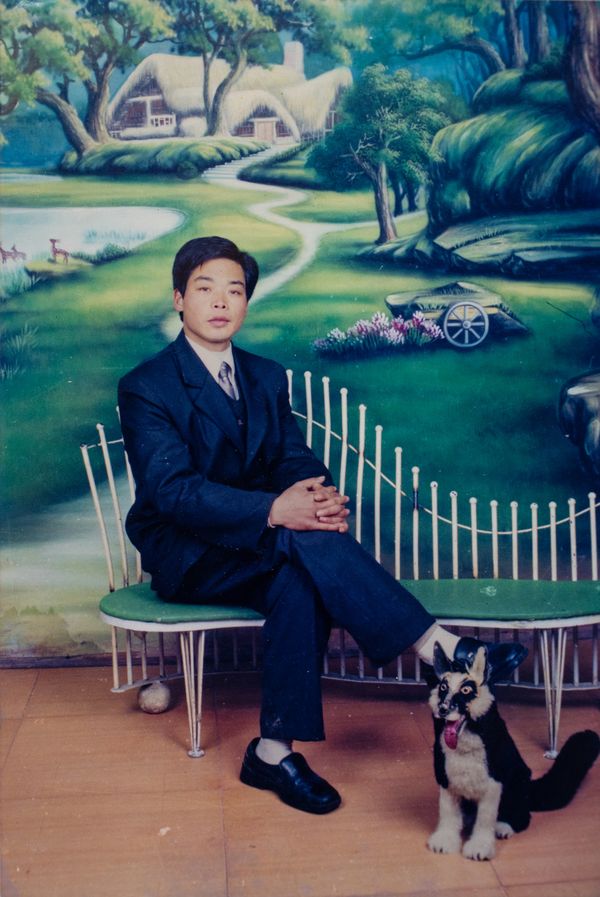
The €2,000 second prize was claimed by Chinese photographer Billy H.C. Kwok, who presented the project For So Many Years When I Close My Eyes. Judge Kim Jeoung Eun elaborates on the jury's choice:
“Yu Lai Wai-ling’s search for her missing son extends beyond personal remembrance—it quietly resists the structural silence and helplessness embedded in Chinese society. The maps, polaroids, handwritten notes, and found documents she has gathered form an unofficial archive, built not through institutional systems but through emotion, persistence, and maternal care.
Thanks to her dialogue with photographer Billy H.C. Kwok, who brought to life this story and installed a dialogue with Yu Lai Wai-ling’s family, the work reflects a distinctly East Asian understanding of self—one shaped by familial and communal relationships, rather than defined by individual autonomy. In this context, the disappearance of a child becomes more than a private tragedy; it reverberates across the family, and outward into the collective social body. The photograph here is not merely a tool of documentation, but a vessel of emotional memory—a testimony of absence, and a proof of those who remain.
While Western documentary photography often emphasizes conceptual detachment or formal clarity, Billy H.C. Kwok’s project is rooted in emotional proximity and existential interconnection. This is not simply a matter of artistic style, but one that emerges from a broader East Asian worldview.
This thematic and methodological approach has become widely used among many contemporary Asian photographers. While such archive-driven practices have recently faced skepticism for their repetition or emotional weight, they also point to the emergence of a distinct and vital methodology within Asian documentary photography—one grounded in intimacy, memory, and the emotional labor of witnessing.”
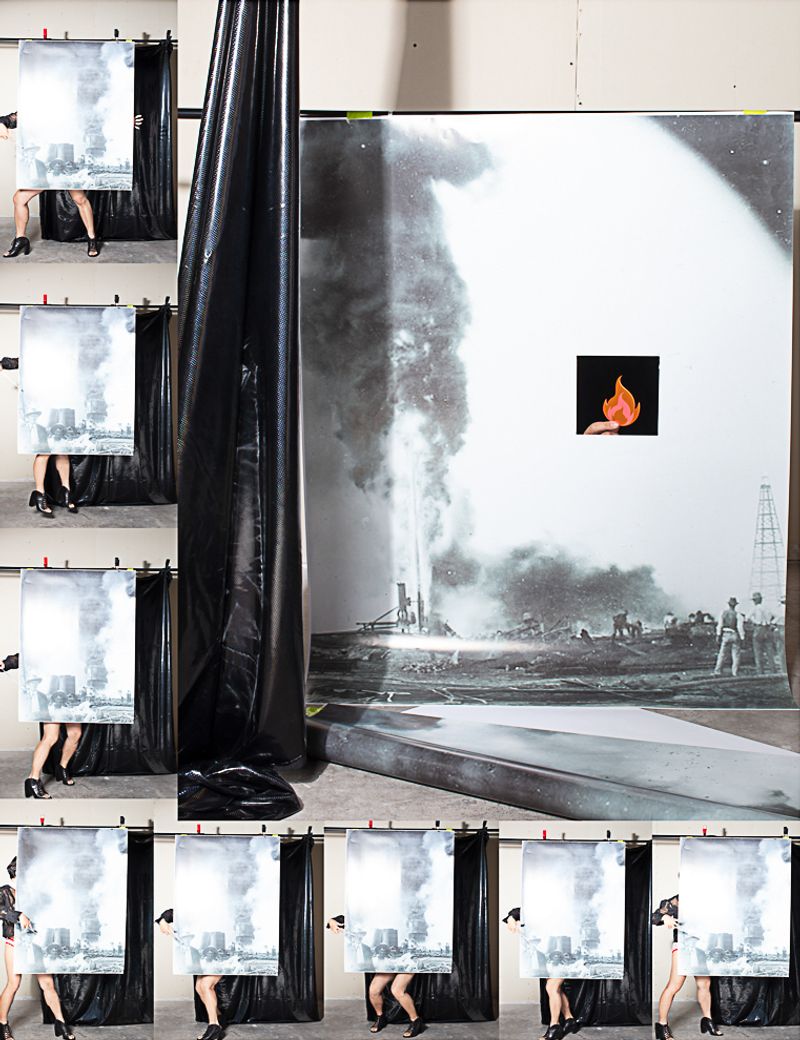
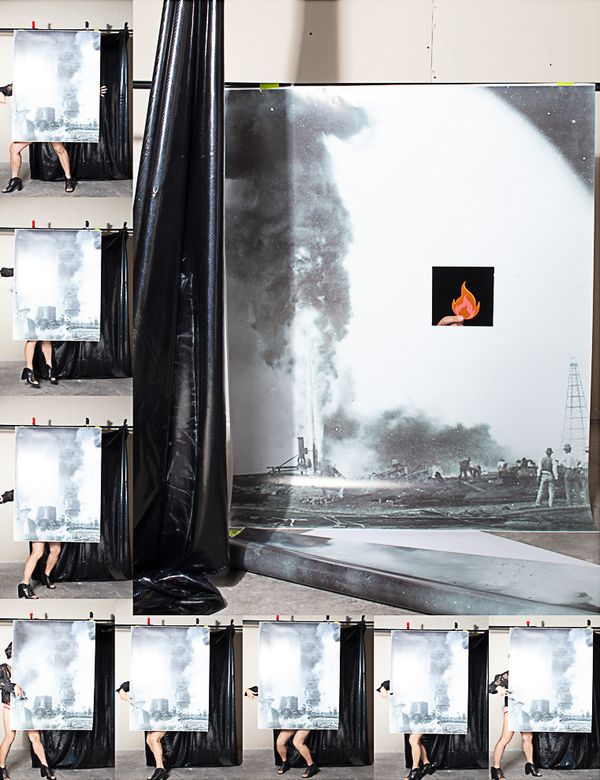
With her work Wolfcamp Catalogue, American photographer Amy Kim was granted the third prize of €1,000. Sheida Soleimani comments on her work:
“Rooted in rigorous research and structuralist strategies, Amy Kim's Wolfcamp Catalogue offers a sharp meditation on the histories and afterlives of extraction across the Permian Basin. Through a methodical act of photographing at fixed intervals, the artist reshapes the vast, often invisible infrastructures of oil into a series of charged visual signifiers. The photographs draw a subtle yet powerful connection between colonial histories, nationalism, and the contemporary mythologies that continue to animate extractive economies. As someone deeply engaged with the histories of extraction, I am particularly struck by the unease that permeates these images — a tension between surface//depth//ambition//collapse.”
The Main Prize Honourable Mentions were assigned to Bellissima by Carla Rossi, Freeway To America by Noel Quintela, Angle Of Draw by Shawn Bush, and L'Anabase by Sofia Lambrou.
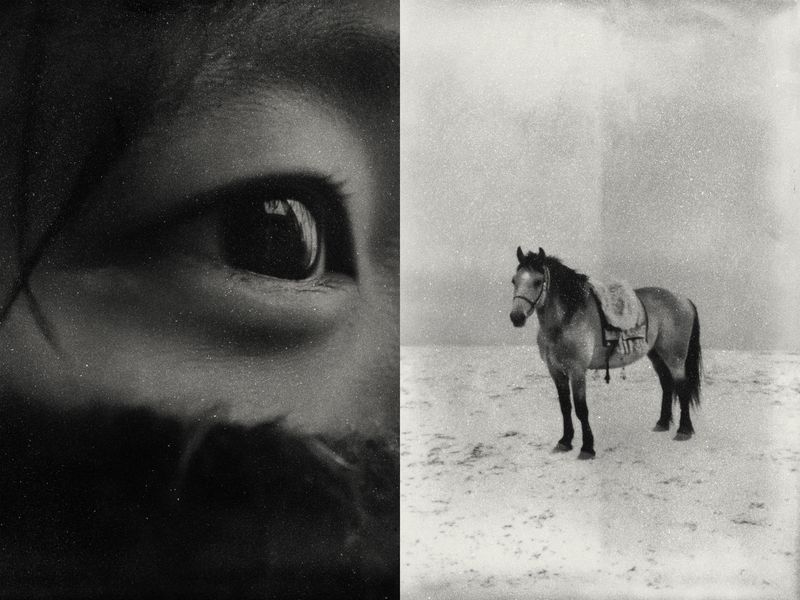
The €2,000 New Generation Prize was assigned to Chinese photographer Zekun Wang who presented the project Before Falling Into The Deep Valley. Judge Aaron Schuman explains the panel's decision for the under 30 prize recipient:
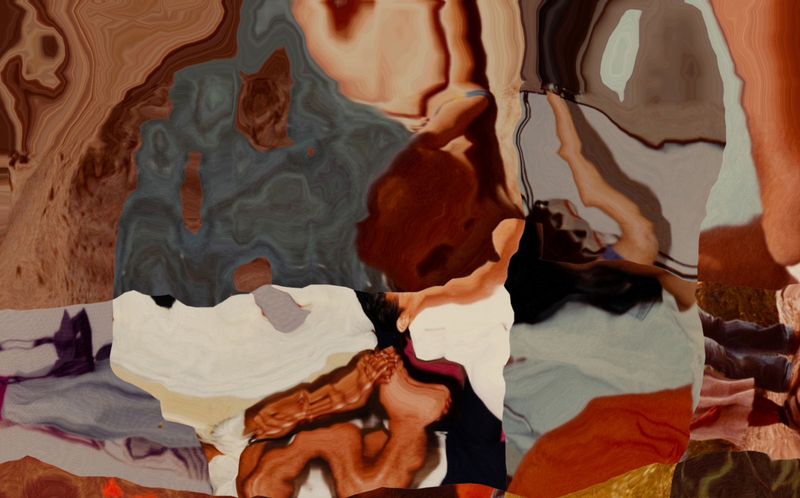
“This work is remarkably rich, intriguing, dreamlike, curious and captivating, merging an eclectic range of artistic and photographic strategies - including evocative image-making, darkroom 'mistakes' and manipulations, layering and collage, archival investigation and appropriation, etc. - in carefully considered ways that feel genuinely intuitive, inventive and innovative. It explores the underlying themes of history, mythology, spirituality, cultural exchange, consciousness, and personal experience in a subtle yet powerful manner, and makes a striking impression on the viewer that is both immediately impactful and rewardingly long-lasting.”
Namaste Or Whatever by Aaryan Sinha, Down By The Hudson by Caleb Stein, and Something Was Missing Within by Elliott Kreyenberg received the New Generation Prize Honourable Mentions.
PhEST's team granted a solo show at the coming edition of the Italian festival to The Anthropocene Illusion by Zed Nelson. PhEST Artistic Director Giovanni Troilo and PhEST Photography Curator Arianna Rinaldo explain how they selected the work that will be exhibited in Monopoli, Italy this summer:
“The Anthropocene Illusion by Zed Nelson puts its finger on the matter. The word “Anthropocene” has become an important keyword in debates on climate, future and the relationship between humans and nature. It is vastly important to understand what it actually refers to. Zed has the ability to spell it out for us with a long term series that goes directly to the point: perfectly composed images with a rigorous intention speak to us through familiar sceneries; we are drawn into the known soon to realise that there is a trick, there is an illusion. Things become clear, even to the less attentive: we have and we are substituting nature with artificiality, we are creating illusions of paradise since we have lost it, or better said, destroyed it. This work, with its beautiful and elegant images, is a wake up call on how deeply and negatively we have impacted the planet in just a handful of decades. Still, we feel the need to be surrounded by nature, and thus purposely recreate it. We cannot escape the illusion but we better be aware of it. Zed’s round-the-world tour of staged natural spectacles opens our eyes and shakes our conscience.”
The exhibition at Getxophoto Festival, which will take place in the Basque town at the end of May, was awarded to 'Jane Says' by New Zealand photographer Ann Shelton. Curator Maria Ptqk motivates her choice:
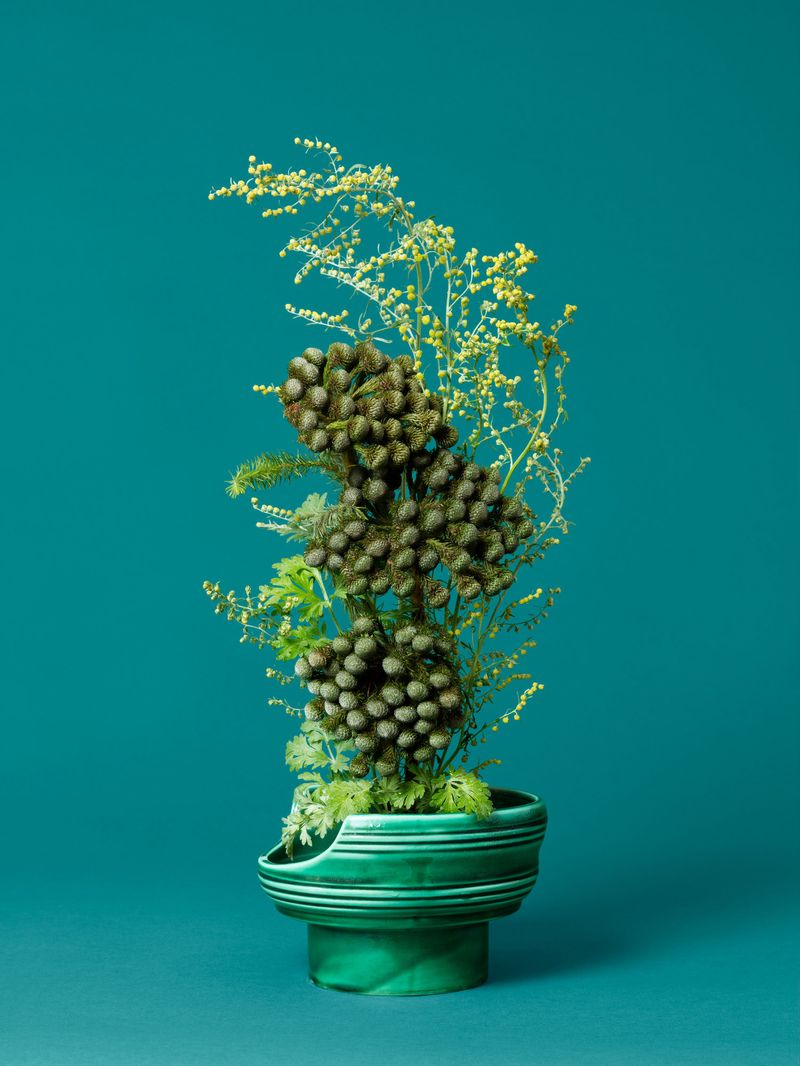
“Under the title REC, the 2025's edition of the Getxophoto addresses the topics of recording, registration, memory or legacy. Among the many projects presented to the open call, Ann Shelton's 'Jane Says' immediately drew our attention because it offered a different and peculiar angle, that was not addressed by other projects in the festival: the memory of plants, and precisely of the many plants that have been historically used by women to assure their sexual and reproductive health. Shelton portrays these plants as natural jewels or small living monuments, with a subtlety and a sense of care inspired by the Japanese flower art of Ikebana. These non-human companions tell stories of popular science, cultural transmission and political resistance across generations and are also, in some cases, the last witness of the loss of biodiversity and the breakdown of ecosystems. Both the aesthetic approach and the statement of the project enrich the question of recording and memory and thus we believe represent a great input for the overall program of the festival.”
Lodz Fotofestiwal will welcome Aria Shahrokhshahi in the coming edition of Photo-Match, along with a dedicated screening of his work Wet Ground during the opening weekend in Lodz, Poland, this June. Lodz Fotofestiwal Artistic Director Krzysztof Candrowicz explains how they selected the work:
“Aria Shahrokhshahi’s work is a manifestation of human vulnerability and resilience, often shining a light on overlooked social issues through deeply personal narratives. His ability to combine raw emotion with cinematic precision creates stories that resonate universally, challenging audiences to confront uncomfortable truths while cultivating empathy and understanding.”
The solo show at PhMuseum Lab was awarded to Eulogy by Dutch artist Sander Coers. PhMuseum Founding and Artistic Director Giuseppe Oliverio commented:
“Sander Coers explores the theme of memory and intergenerational trauma from a delicate personal angle. His work combines in equal measure family archive, personal shots and AI generated images to question how we build the iconography of our past - and how that influences our behaviour and perception of the self. The result is a mixed-media, multi-layered project where fragments and details generate many potential narratives, while UV prints on ceramic and plywood give weight to the building blocks of the author’s family history. The project is as visually compelling as successful in questioning how history and identity can be (de)constructed, offering a fresh perspective from a gen Z author whose sensibility and in-depth research are more than welcome.”
Bombas No Detonadas by Alfredo J. Martiz J., Una Estrella En Una Ola De Mar (A Star In A Sea Wave) by Freisy González Portales, Il Futuro È Già Iniziato / The Future Has Already Begun by Giulia Arantxa Novelli, Fabric Of Home by Mayya Kelova, Glass Mountain by Yingying Gao, and The South Is Infinite Yet Finite by Zhu Gaocanyue will receive a free 60-minute online portfolio review with a mentor of their choice from the PhMuseum Education individual program.
All applications are still being considered for the new PhMuseum's printed annual magazine. Artists whose work is selected will be contacted directly within the next few weeks.
A big thank you to all participants, independent judges, and organisations who supported this 13th edition. The 33 shortlisted projects will be screened at Fotofestiwal 2025, Kranj Foto Fest 2025, and Verzasca Foto Festival 2025, and many of them will be featured in the coming months. Meanwhile, enjoy all the selected and shortlisted projects at phmuseum.com/g25!