Photography Features and Stories
- Guides
- Book Reviews
- Interviews
-
Features
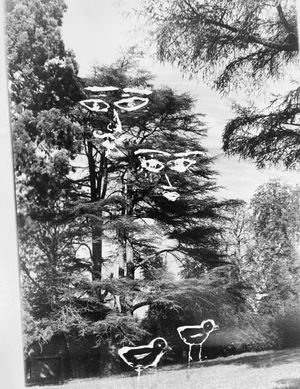
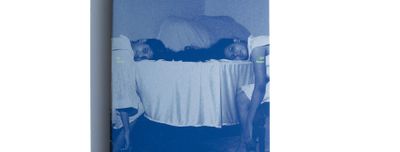
The Camera As A Listening Device: Tahereh Fallahzadeh’s Darkroom Practice Of Memory And Freedom
Tahereh Fallahzadeh’s Light In My Pocket transforms the experience of exile into a poetic and dreamlike exploration of light, landscape, and memory, revealing the darkroom as a place where unexpected images can emerge.
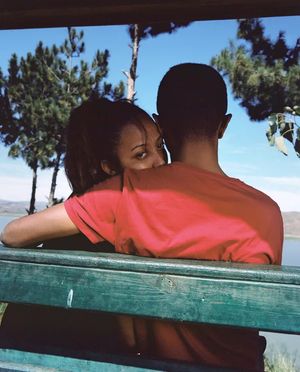
Charlotte Yonga Reimagining Youth And Belonging In Madagascar
In her series (Tsy) Possible, photographer Charlotte Yonga looks beyond stereotypes to capture the tenderness, connection, and quiet hopes of Madagascar's young generation imagining its future.
Never Miss an Open Call Deadline
Photo Awards Guide by PhMuseum

A Passport To Belonging: Keisha Scarville's Counter-Narratives On Migration
For over a decade, artist Keisha Scarville has returned to a single passport photo of her father to ask what such an image can hold, and what remains just beyond its edges.

Books That Feel Effortless: Vasantha Yogananthan And Chose Commune’s Publishing Practice
Since the founding of the independent publishing house Chose Commune, photographer Vasantha Yogananthan and creative director Cécile Poimbœuf-Koizumi have worked with photobooks as objects meant to live with, and to shape collective memory.

Fiction, Realism, Speculation: Salvatore Vitale's Transmedia Narratives
The Italian artist's practice dissects the layers of our contemporary world, while posing a question: what are the renewed possibilities of photography today?

Niharika Chauhan's River That Remembers
Chauhan returns to her ancestral village in Uttar Pradesh to document a crumbling house – and finds time itself as her subject.

The Living Ancestral Echoes Of Irene Antonia Diana Reece’s Family And Memory
Through family archives, lineage, and layered imagery, Reece turns grief, love, and remembrance into a quiet form of activism, exploring what it means to see and be seen.

Verdiana Albano: Between Two Cultures, Beyond Completion
Verdiana Albano's I Ain't From No East Coast reconstructs Afro-German history through fragmentation, family archives, and the absences official narratives leave behind.
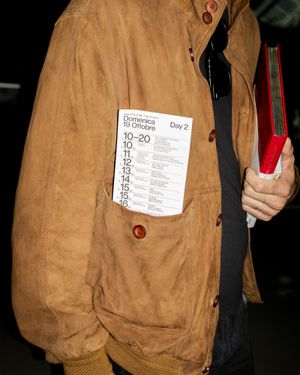
Long Live Photobook Mania
The 1st edition of PhMuseum's event dedicated to photography publishing brought together more than 2,000 people celebrating printed matter at Serra Madre in Bologna, Italy.
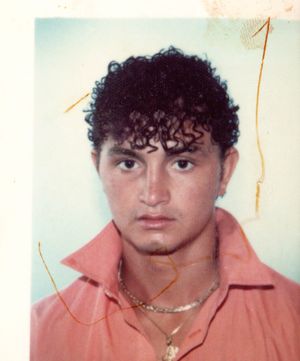
You Never Came Back: Serena Radicioli's Inquiry Into Loss And Memory
A candidate for PhEST Pop-Up Open Call 2025, Non sei più tornato (You Never Came Back) blends intimacy and investigation to reconstruct a fragmented, transformative narrative.

Zekun Wang Transforming Memory And Imagination
Through field photography, rephotographed archives, and AI generated images, Wang’s vision creates a hybrid space that mirrors Shimenkan’s history of cultural collisions — a metaphorical landscape where magical realism and lived history converge.

Billy H.C. Kwok Documents A Mother's Search For Her Missing Son
Kwok’s photographs reveal the emotional moments behind and after a disappearance that the media never fully told—highlighting hope, loss, and resilience.
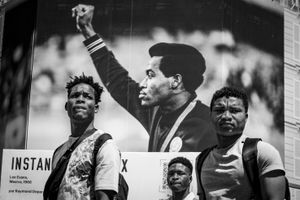
The Legacy Of The Raised Fist
Three men walk past an image of Lee Evans’ raised fist. Past and present meet in silence. Their presence speaks of strength, identity, and the quiet legacy of resistance that continues through time.

Amy Kim’s West Texas: Landscapes Of Labor, Symbols, And Change
Documenting a region transformed by oil, money, and technology, Amy Kim reveals the layered visual and social complexities of life in West Texas.

Witness In The Shadows: Hashem Shakeri Documents Resilience In Taliban-Era Afghanistan
Hashem Shakeri’s images trace the fragility of Afghan life after the Taliban’s return to power, revealing lives suspended between uncertainty and survival—not as a story of defeat, but of humanity staring back from the void.