Cintia Tortosa Santisteban On Her Exhibition Screenshots From A Series Of Videos About A Rice Field At PhMuseum Lab
-
Published22 Sep 2026
-
Author
Showcased at PhMuseum Lab through the 2025 Women Photographers Grant, Cintia’s Screenshots From A Series Of Videos About A Rice Field reflects on looking, fleeting moments, seasonal changes, and the rhythms of an everyday landscape.
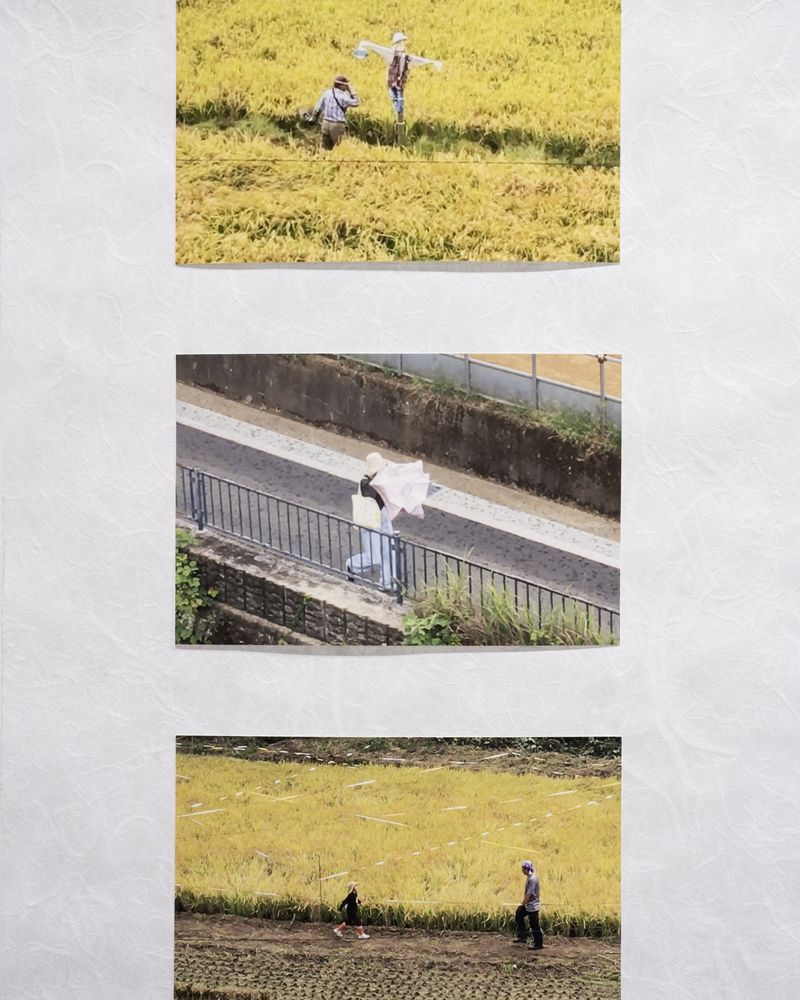
Spanish artist Cintia Tortosa Santisteban began filming from the balcony of her fifth-floor apartment in Japan, where a rice field became a point of continuity. What started as an intuitive habit gradually developed into a long-term project, following the movements of farmers, children, and passers-by as they appeared and disappeared across the landscape.
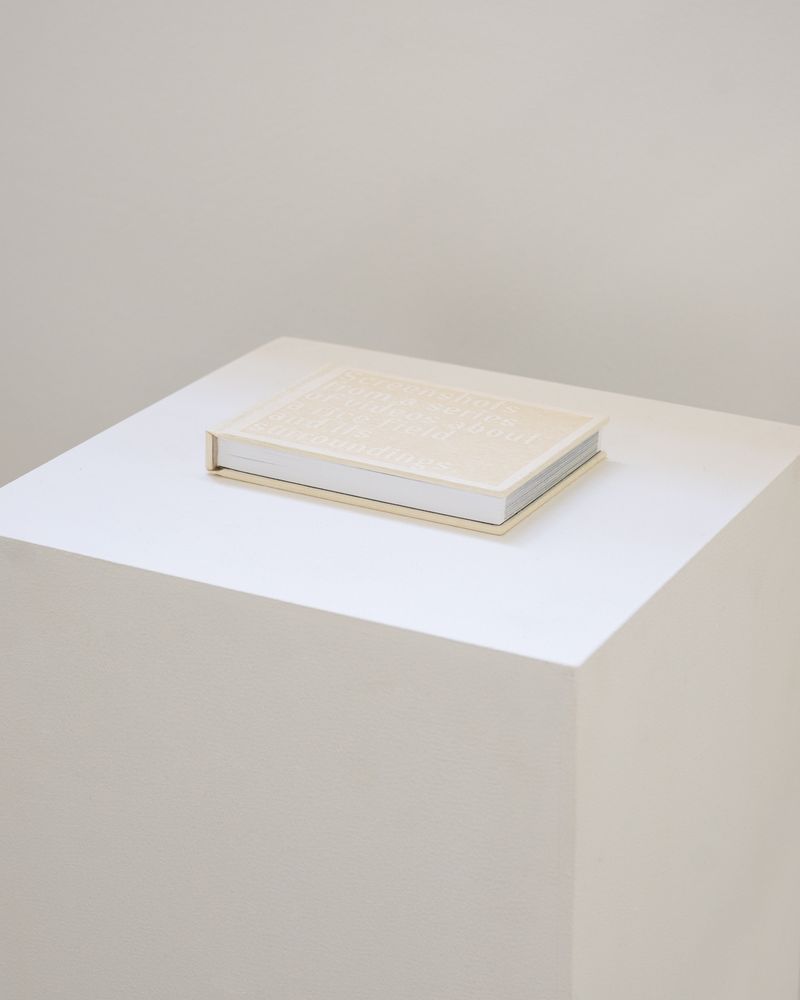
Since 2021, she has built an archive of thousands of videos documenting the scenery around her home. The selected frames capture moments of transition, shifting seasons, changing colors, and encounters that might otherwise remain unnoticed. Her first book, published by Chose Commune, gathers around one hundred images from this archive, transforming a personal record into a reflection on movement, stillness, and our relationship with familiar places.
With the 2026 Women Photographers Grant, now in its 10th edition, opened for submissions on 8 September and offering again the opportunity to solo exhibit at PhMuseum Lab in 2027, we spoke with Cintia about her way of looking, the process and the questions behind her work.
Her work will be on view from 1–4 October on the occasion of PhMuseum Days 2026, with a special guided tour led by the artist on Thursday 1 October 1 at 3:30 pm.
Ciao Cintia, let's start with the place where it all began, the balcony. For years, it became the starting point of your daily observations. What made this “ordinary” view worth returning to again and again?
Before I moved to the apartment, my partner had already been living there for a while. I remember him telling me that he used to feed bread to the ducks from the balcony. I couldn’t help but wonder: what kind of house allows you to feed ducks from your balcony? I had never imagined there was a field and a river just below. I moved there in May 2021, around the time when the field usually starts getting ready for planting. I wasn’t even sure it was a rice field until I saw a couple of farmers working there. That same day, one of them waved at me while I was filming, a moment that later became the last image in my book. From then on, I began returning to the balcony more often, filming whatever caught my attention. The field became a constant source of inspiration, revealing new stories through changing seasons, daily rhythms, and small encounters.
Over time, what began as a daily habit gradually grew into something much larger. Was there a particular moment when your project became a body of work?
When I started making the videos I was going through a lot of changes in my life: I was still a newbie in a new country, adjusting to life after COVID, getting used to a new house and a new city. Everything around me was relatively unfamiliar, I may have been unconsciously looking for some kind of constant in the middle of all of that. Making the videos was so freeing because I hadn’t attached any kind of seriousness or pressure to it. Around May 2024, I started taking the screenshots on my daily commute because I realised I had so much material, and a few months later, I posted some screenshots on my feed for the first time. I named them Screenshots from a series of videos about a rice field and its surroundings. Cécile Poimboeuf-Koizumi from Chose Commune seemed to like it, and it became the title of the book.
A screenshot is, by definition, a fragment taken from a continuous flow of images. What interested you in isolating these single moments from something that was originally meant to keep moving?
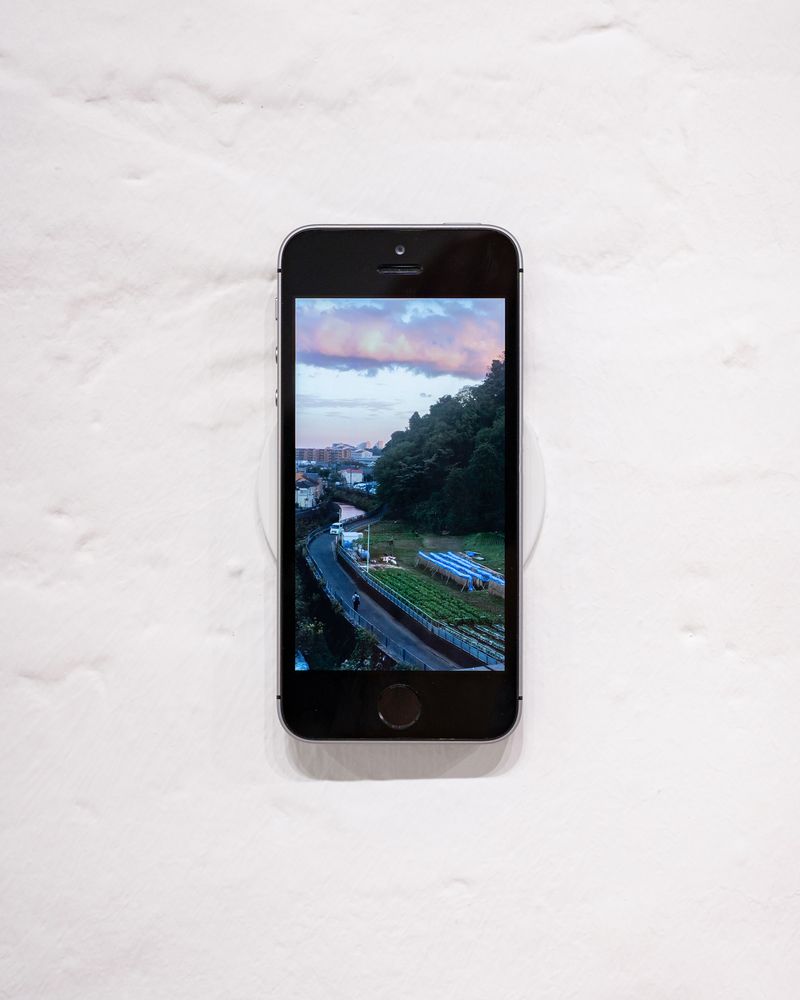
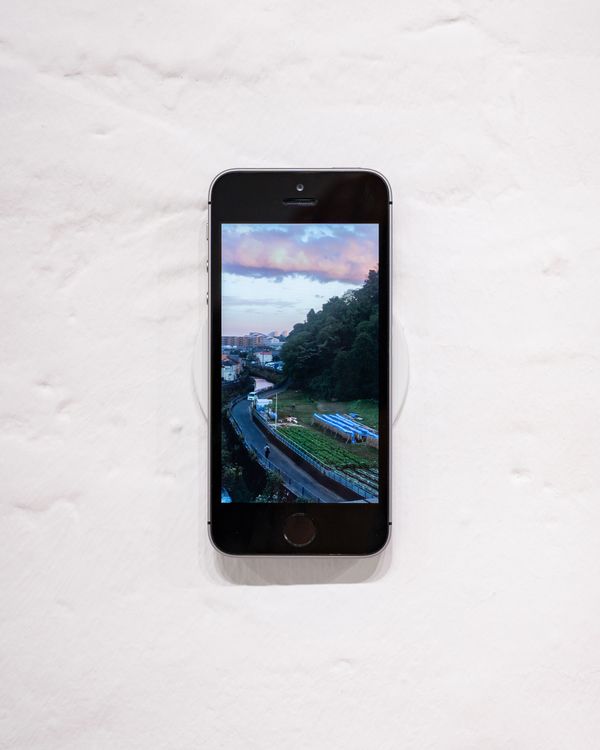
I have always loved movies and often take screenshots from scenes that stay with me. I approached this project in a similar way: as a way of transforming fleeting digital moments into something more tangible. You cannot print a moving image, but you can isolate individual frames and turn them into physical objects. In the end, cinema itself is made of sequences of still images. My initial idea was simply to create an album as a personal archive, but the project eventually evolved into a book, which is beyond anything I could have ever imagined.
One of the most intriguing aspects of the book is that it can be read from either direction, echoing both Western and Japanese reading conventions. How did this structure come about, and what did it add to the experience of the work?
The book is the result of my collaboration with Chose Commune. I received several proposals from them, and together we chose what worked best. It can indeed be read in both directions in many aspects, both physically and metaphorically; that’s actually an interesting observation. I would also love to know their views on how they arrived at some of these choices. Another important detail was the size. Originally, the book was going to be just a bit larger, but my partner, who is Japanese, suggested making it exactly the size of a shōsetsu (小説), the standard pocket-sized Japanese novel. I loved the idea because it's such a familiar object in Japan and it can fit in your pocket. After discussing with Cécile Poimboeuf-Koizumi, we finally chose that size. From the beginning, I felt an immediate connection with her and trusted her vision and taste completely. She and Perrine Serre knew exactly what the work needed and elevated it enormously through their design, the sequencing, and the choice of materials. Screenshots… would not be what it is today without them. They made it come to life.
For years, you were the one observing the landscape. Through the exhibition, you now become a spectator of your own work, as it is experienced and interpreted by others. How does it feel to see such an intimate, long-term project enter a public exhibition space?
Once the work is out in the world, it does not only belong to me, it’s more like a shared experience. And, to be honest, I sometimes feel like a bit of a spectator myself, as if someone else had made the work. It’s a strange feeling, but also a reminder that the work has a life of its own. Screenshots… is an intimate part of my life because it was a part of my daily life for several years, but I don't feel protective of it. Everyone will experience the project differently because of their diverse ways of looking and experiencing the world. And that, I would say, is one of my favourite things about photography and art in general.
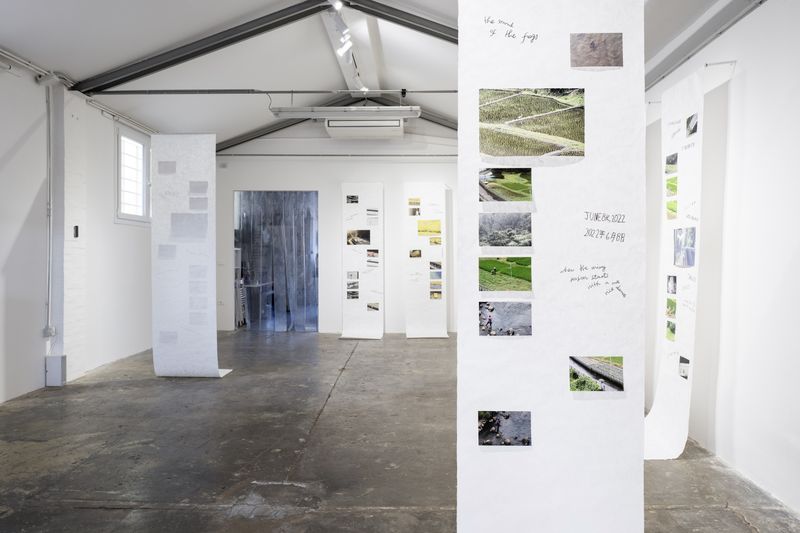
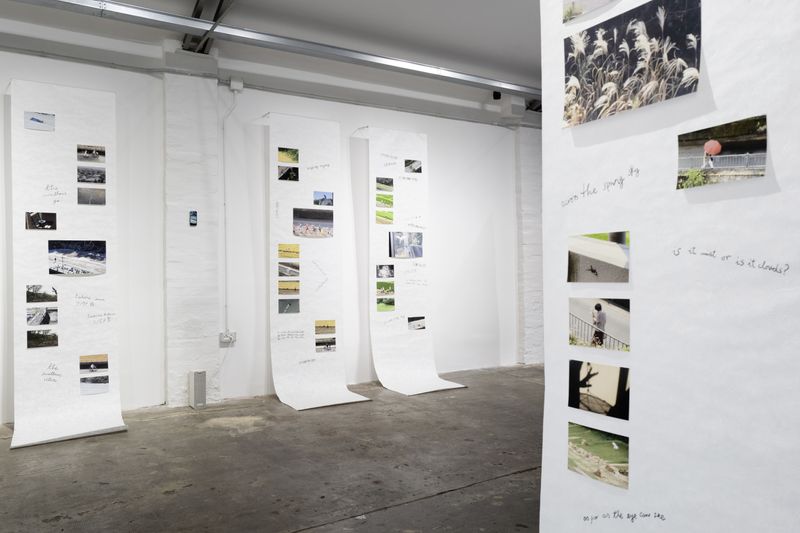
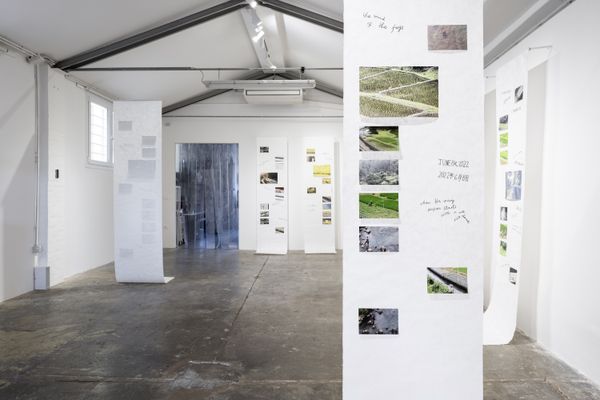
At PhMuseum Lab, the project takes on a new material and spatial form. How does this new presentation of notes, screenshots, and videos shape the experience of the work?
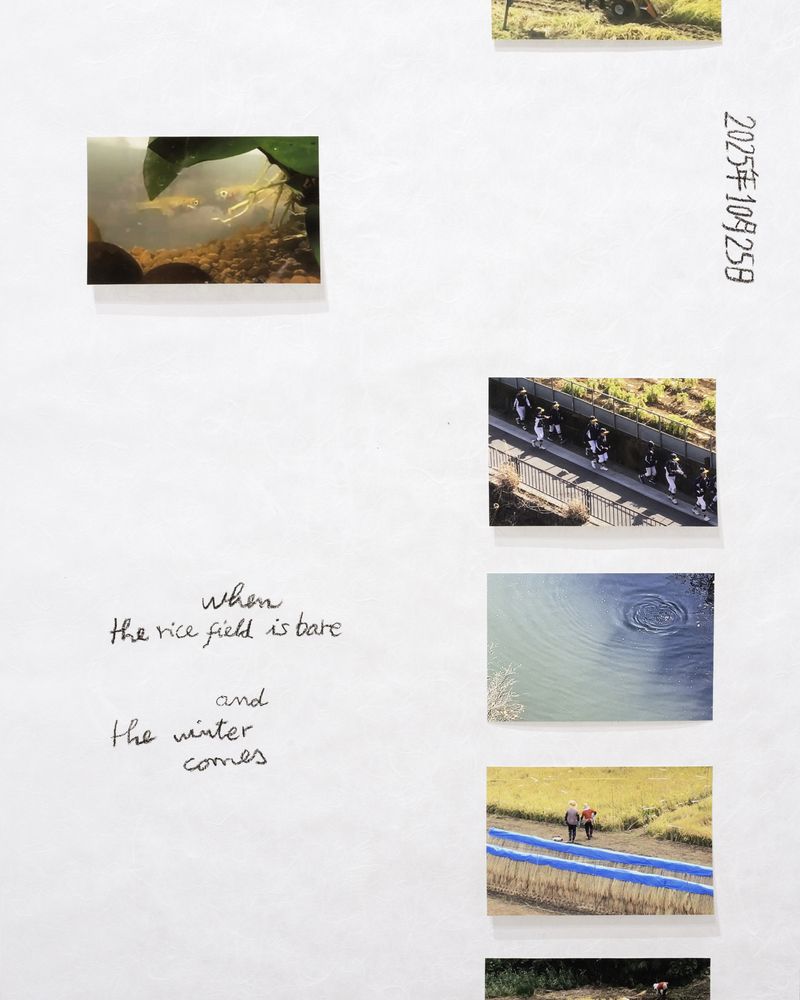
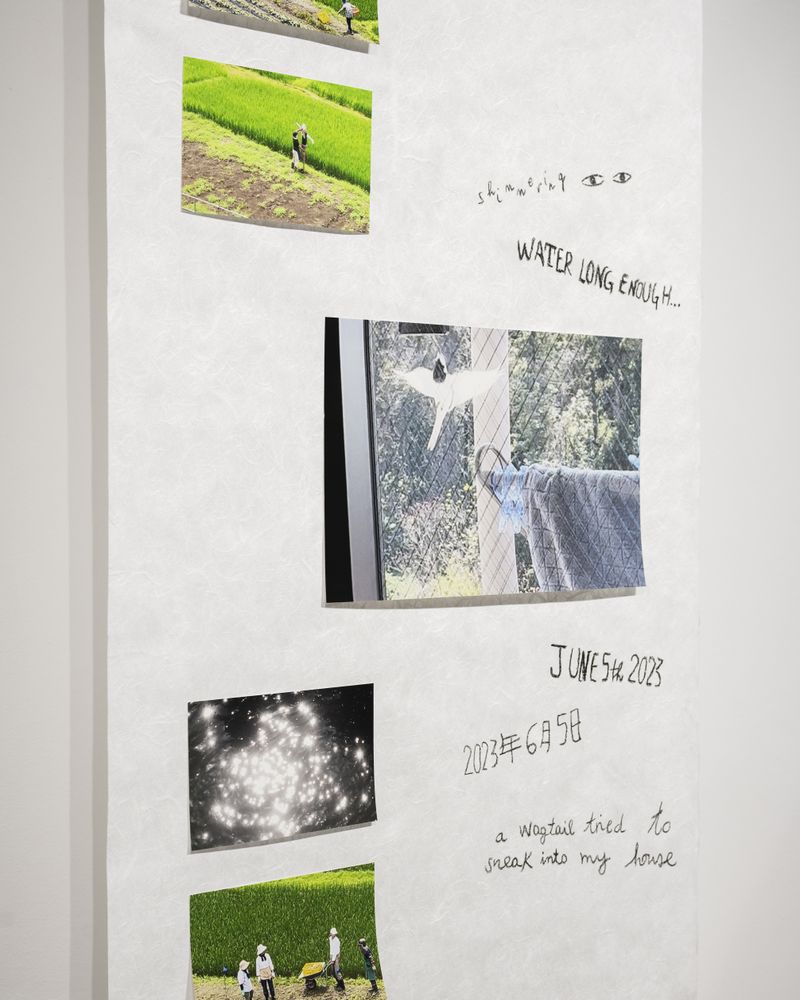
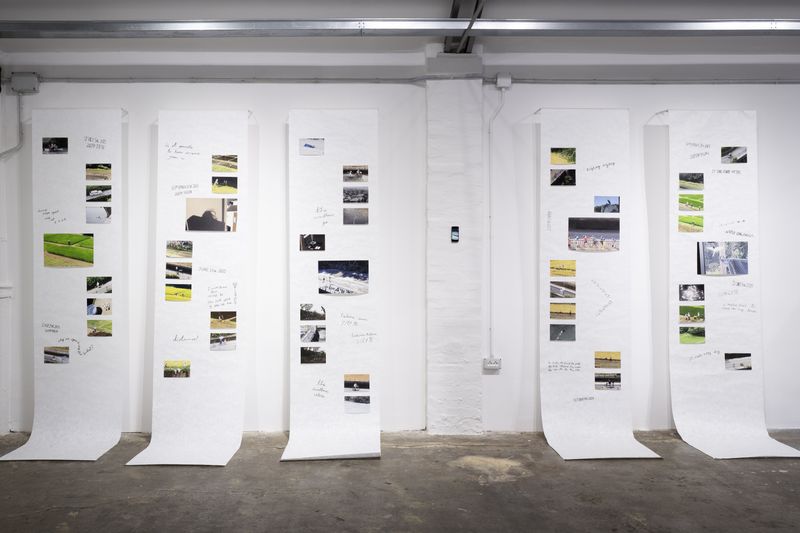
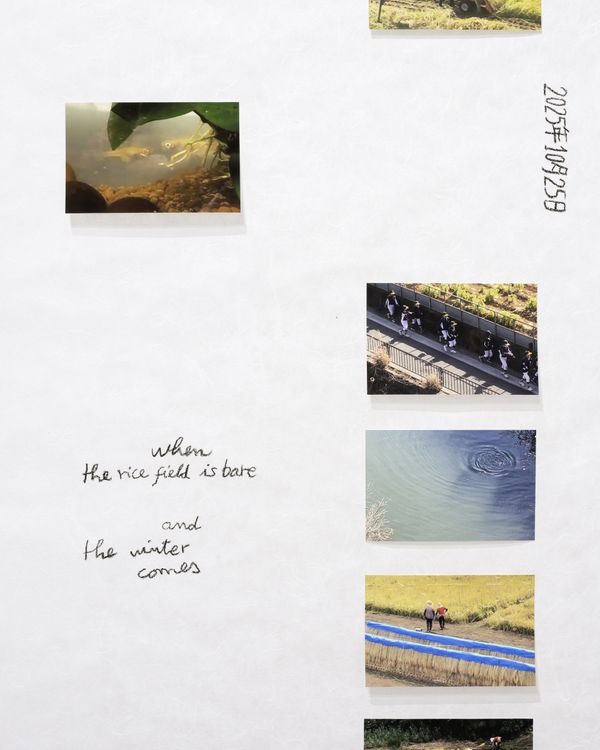
The exhibition combines the different worlds where the work exists, the digital and the material. And I love that they thought of a poetic element through my writings and the long strips of washi paper, creating an endless cycle. I think the intention behind the exhibition was to showcase the repetition as a cycle, just like in nature, but also as a nod to the obsessive aspect of the project: the changing seasons, daily routines, and coming back to the same place over and over again.
Since you are currently based in Japan, the exhibition was developed almost entirely through online conversations with the PhMuseum team. What was it like to build an exhibition together without being physically present?
It was a wonderful experience. Of course, I wish I could have been present throughout the whole process, because human interaction can never be fully replaced by a screen. However, the PhMuseum team made the collaboration feel very personal. Giuseppe, Rosa, Camilla, Stella, and the whole team cared about every detail and adapted to the time difference to make the process work.
Sometimes we had video calls after I finished my teaching job, with my classroom and its children’s posters behind me, which always seemed to amuse Giuseppe. They constantly valued my input and made me feel seen. Through their perspective, I felt that the project was special and that they wanted to present it in the best possible way. I believe the work became richer through their contribution. Experiencing a project through someone else’s eyes is always fascinating, as they can notice things you might never have considered yourself.
The exhibition at PhMuseum Lab places your work in conversation with the Japanese concepts of nichijō (日常), the appreciation of everyday life and routine, and mono no aware (物の哀れ), the empathy toward things and the awareness of their impermanence. How did you respond to this curatorial perspective?
These concepts were not consciously part of my process when I started making the videos. I was not trying to illustrate a particular philosophy or narrative. However, when the PhMuseum team introduced these ideas, I recognized a strong connection with the way I had been approaching the work. In a way, the curatorial process allowed me to discover new aspects of my own project and understand it from a different perspective.
In October, you'll finally experience the exhibition in person and take part in PhMuseum Days and Photobook Mania. What conversations or experiences are you most looking forward to?
Exhibition spaces and festivals create a space of community, a place for gathering ideas and finding new artists and inspiration. I like that this work is now part of the material world, and so this experience is too. Since I work as a language teacher, I don't get many chances to talk about photography or books in my everyday life. I'm looking forward to finding new ways of seeing and the conversations that will be had. And actually, one of the conversations that will always stay with me was with a woman at Paris Photo last November. She was half Japanese, but had never really been in touch with that side of her identity. She didn't know anything about my project beforehand, but we had a very moving conversation. In the end, she got a copy of the book as a memory of that encounter; it is not even about the book or the project, sharing is what makes us human.
As a recipient of the PhMuseum 2025 Women Photographers Grant, what advice would you give to future applicants?
I would say the most important thing is to enjoy what you do, believe in your work, follow your gut, and trust your own taste. For a long time, I thought that my work was too simple. I worried that I hadn’t used a good camera, that the images were too grainy, that I wasn’t technically skilled enough, or that my pictures were too imperfect. In the end, I realized that none of those things mattered as much as I thought they did.
Even if you are not selected, I would still encourage people to apply. The application process itself teaches you a lot and makes you reflect on your own work, taking it out of your own head and the digital space where it exists and allowing it to become part of the material world. It might take you somewhere you never expected.
----------
Cintia Tortosa Santisteban (b. 1989) is a Spanish photographer living and working in Kanagawa, Japan. She studied English Literature, Linguistics, and Education at the University of Granada and the University of Galway. Currently an English teacher at a Japanese school, she has developed her photographic practice independently through self-study, extensive reading, and dialogue with peers. Although she has been interested in the visual arts since childhood, it was not until late 2019 that she began dedicating herself to photography. In 2025, her long-term project, Screenshots From A Series Of Videos About A Rice Field And Its Surroundings, was published by Chose Commune.
The PhMuseum Women Photographers Grant, now in its 10th edition, aims to empower the work and careers of female and non-binary professionals of all ages and from all countries working in diverse areas of photography. Its mission is to support the growth of new generations and promote stories narrated from a female perspective while responding to the need to work for gender equality in the industry. This year, PhMuseum Lab will offer a new solo show to one artist selected from our open call. You are welcome to present your work before 15 October 2026, and take advantage of the reduced entry fee until 24 September, 11.59 pm (GMT). Learn more and apply at phmuseum.com/w26.