How To Carry A Home by Robin Alysha Clemens
-
Open1 Oct - 4 Oct 2026
-
Festival
-
Location

What does “home” mean for those whose physical, cultural, or emotional homes no longer exist, or no longer provide safety and stability?
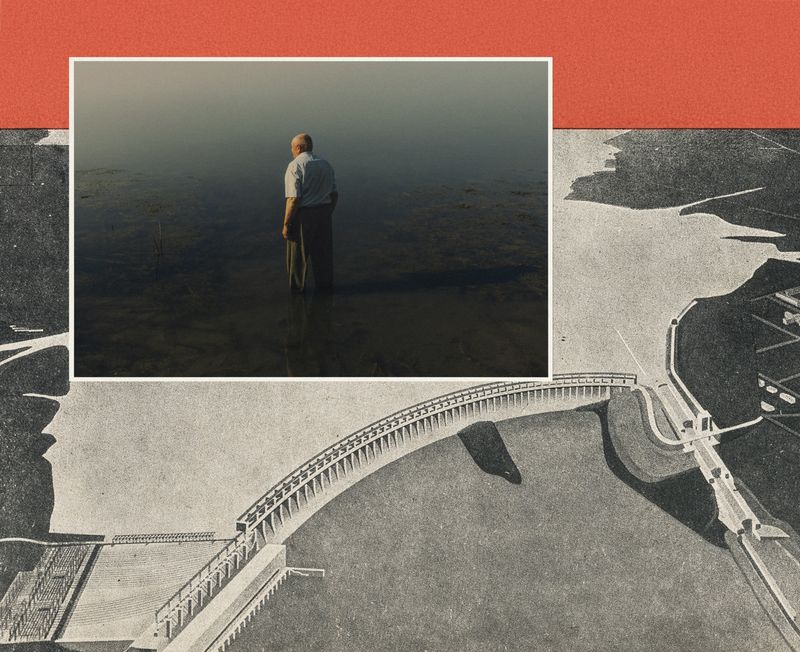
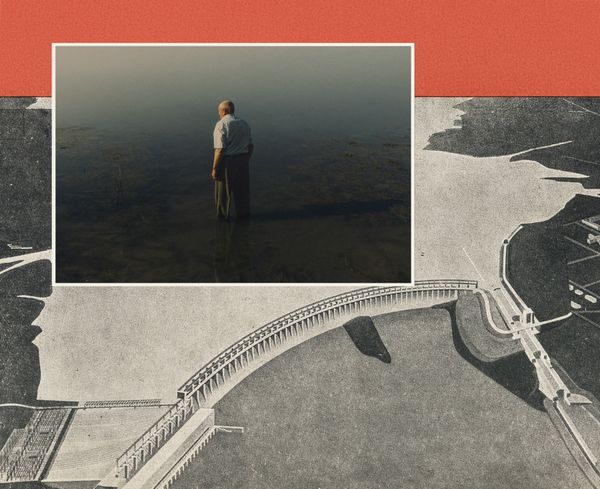
In the 1980s, 28 villages in Ukraine's Bakota region were flooded by Soviet authorities to make way for a dam and hydroelectric station. A total of 3,729 households were displaced, forced to watch their homes disappear beneath the rising water.
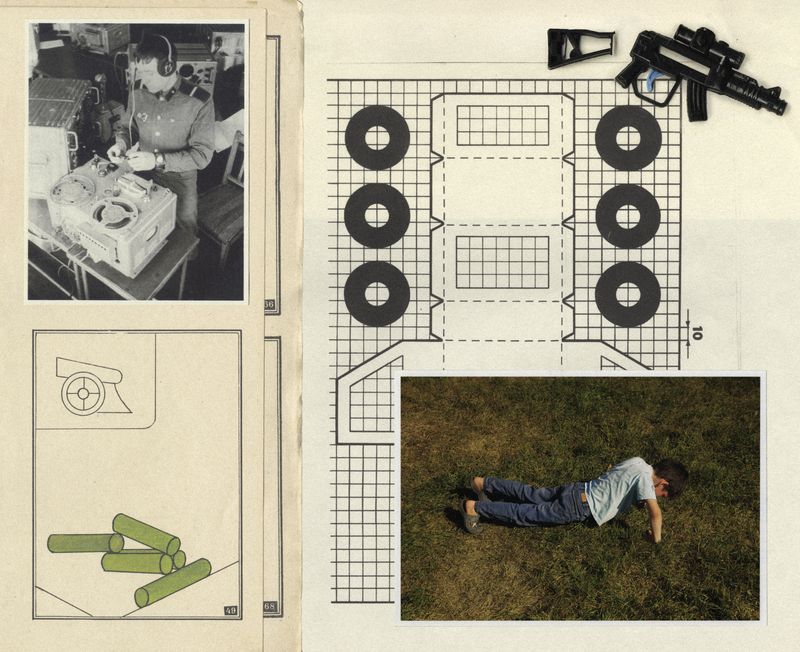
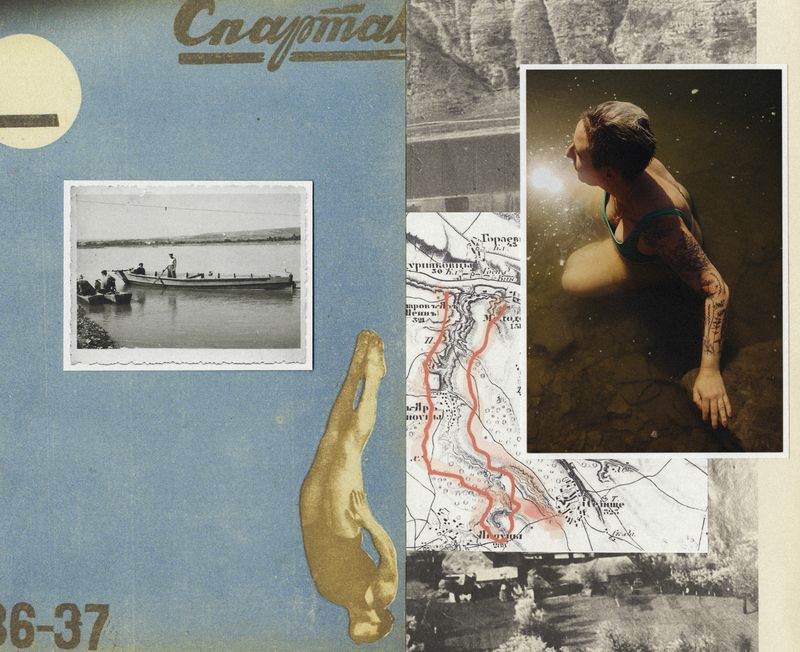
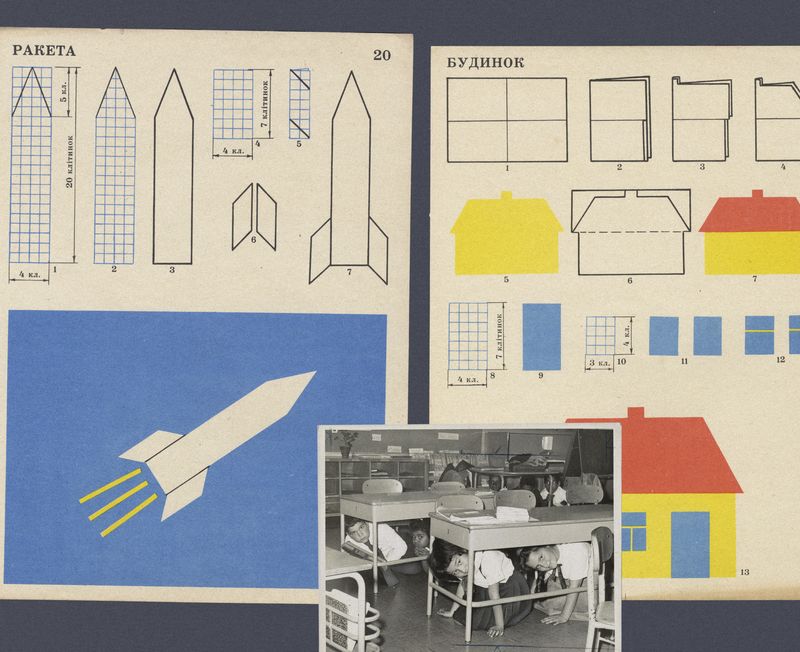
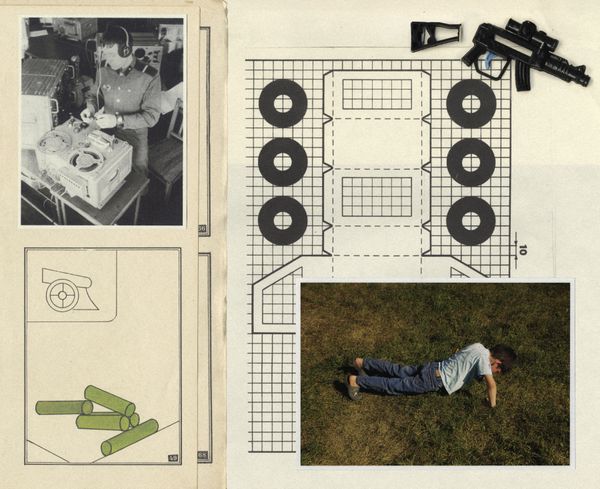
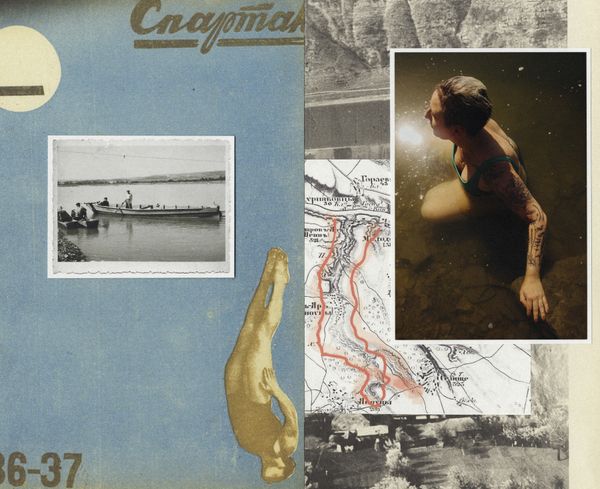
How To Carry A Home combines photographs made in the Bakota region with found archival material, including children's papercraft and Soviet-era propaganda – much of it discovered in an abandoned kindergarten or preserved in the personal collections of former residents. Robyn Alysha Clemens explores how ideas of home can be redefined and reconstructed in times of crisis, and how play can become a form of defiance and healing. Serving as a guide to (re)building, this works reflects on home as something that can be carried with you, wherever you are.
How To Carry a Home was created as part of A Discovery Guide for Recovery, led by Sineglossa (Italy) in collaboration with Terytoriia / NGO Territory (Ukraine) and Fundacja Ziemniakii (Poland), and co-funded by the European Union's Creative Europe programme.
About the Artist
Robin Alysha Clemens (b. 1992) is a lens-based artist from Amsterdam. Working at the intersection of documentary and art, their work is about home, belonging, and community. Interested in everything people, Clemens pays close attention to daily life (the interesting and the mundane) and dives head-first into worlds on the fringes, telling stories of non-conformists, the displaced, the messy and the overlooked.
Clemens holds a Bachelor of Arts from the Royal Academy of Art, The Hague. Their work has been exhibited at Amsterdam Museum (NL), Dutch Design Week (NL), Helsinki Photo Festival (FI), Lviv City Hall (UA), NARS Foundation (USA), and elsewhere. Awards and recognitions include the PhMuseum New Generation Prize, the DuPho Members Choice Award, and various grants.