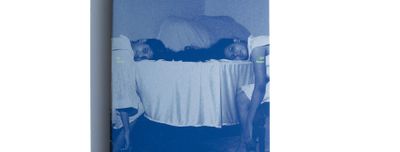

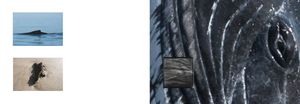
Monocular
Video of photobook of two bodies: https://www.youtube.com/watch?v=yski0of2jWs&t=66s
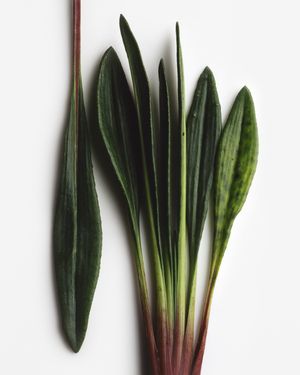
Sana
Sana (Spanish for Heal) is a photographic series reflecting the «non-memory» of Peruvian society after the internal armed conflict that Peru experienced between 1980 and 2000.
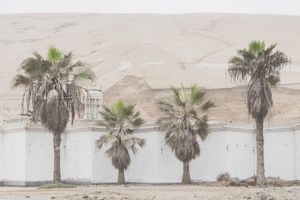
Perímetro Sur
The photographic project Perímetro Sur (Spanish for South Perimeter)explores the visuality of the landscape as a testimony of the social and economic improvement experienced in Peru between 2000 and 2015. Perímetro Sur documents the bordering areas to the
En Silencio
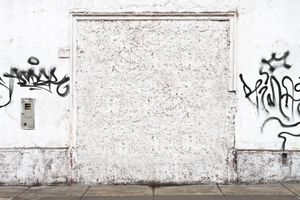
The series En Silencio (Spanish for In Silence) uses the visual construction of typologies to highlight the reproduction of a pattern in buildings in a state of abandonment in the city of Metropolitan Lima.
La Conversión De La Huella
Video: https://www.youtube.com/watch?v=rZ5iXyE2G0I
Swamp City
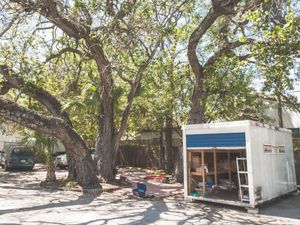
Swamp City clearly shows that every landscape carries an inseparable cultural load. The landscape represents a territory, and a territory is, in turn, a representation of those who inhabit it. The landmarks suggested by the artist are perhaps a mirage of
Medicina
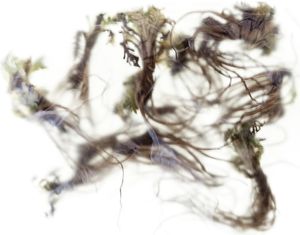
The branches, once part of an organism planted on the land within a space of vast nature, are approached photographically, in Medicina, dismembered from their original context, where it becomes evident how they are losing their original essence.
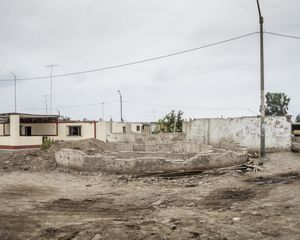
El Guayabo
Guayabo is a town located at the south of Lima, in the department of Ica.
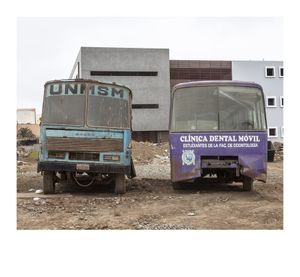
Cuidad Universitaria
Since its founding in the mid-60s, the University City of the Universidad Nacional Mayor de San Marcos in Lima has been a protagonist, witness, and even reflection of Peru’s economic, political, and social situation.
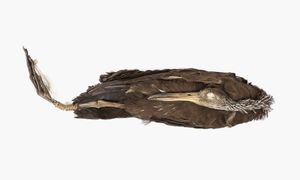
Ornis II: "La Muerte Es Bella Y La Eternidad También""
From the formal elements that have been used typically in the zoological classifications, the series Ornis I and Ornis II: la muerte es bella y la eternidad también (Spanish for Ornis I and Ornis II: the death is beautiful as well as eternity) they pose a
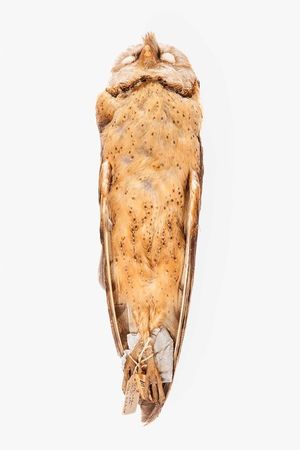
Ornis I
From the formal elements that have been used typically in the zoological classifications, the series Ornis I and Ornis II: la muerte es bella y la eternidad también (Spanish for Ornis I and Ornis II: the death is beautiful as well as eternity) they pose a
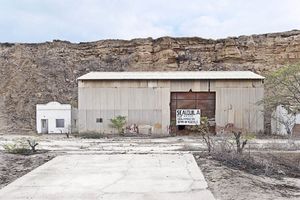
Al Lado Del Petróleo
The photographic proposal seeks to confront our destructive behavior on the ground, which leaves a mark on the landscape.
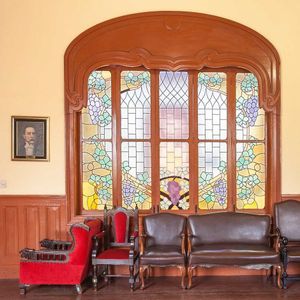
Casa De La Cultura
The author uses the headquarters of the Casa de la Cultura (Spanish for House of Culture), a name adopted by the photographic series, in the district of Chorillos, in Lima, as an obvious analogy of how public and accessible spaces related to culture and
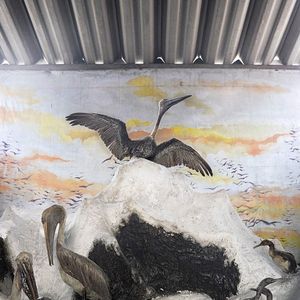
Historia Natural
Natural History documents the austere conditions of the public cultural apparatus of Peru but also mirrors the apathy of spectators. This indifference, reflected in our cultural history, becomes an analogy of our innate semblance. Historyscovery of object
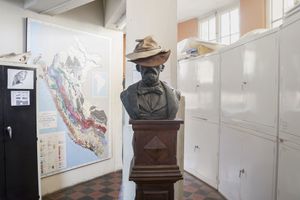
Colección Natural
The scientific research process is carried out based on constant and objective observation. Through the static look that reflects the atmospheres of the spaces in the Colección Natural photography project, an analogy between the images and the feeling of