Laurence Cornet
Bio
I have worked for the past ten years as a photo editor and a writer.
Nationality
French
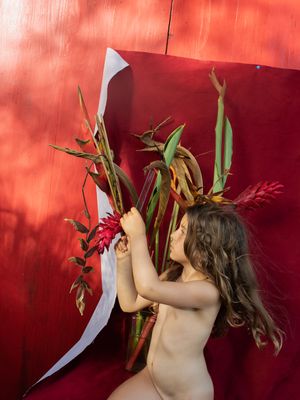
Ahndraya Parlato's Depiction Of Motherhood
Using as a guide two life-changing events Ahndraya Parlato develops a deep narrative which mixes photos, texts, and sculptures to explore the contradictory and complex conditions of being a mother.
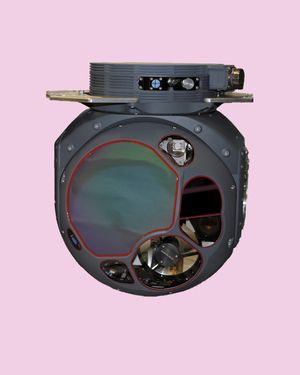
Belgian Artist Jan Rosseel Dissecting The War Of Images
Prosthetics of Fear is an expose of the people and organisations that manipulate our perceptions through the dissemination of pictures and profit from our fears.
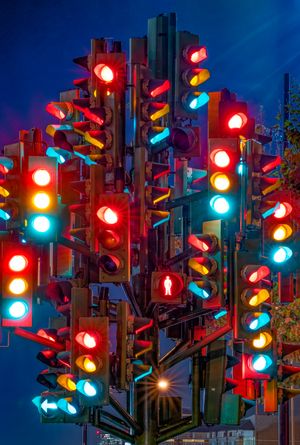
Cristiano Volk Presents A Dystopian Vision Of Our Future
Travelling the world looking for uncanny details of our contemporary reality, the Italian photographer translates in pictures "the continuous changes of our present".
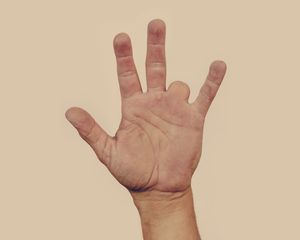
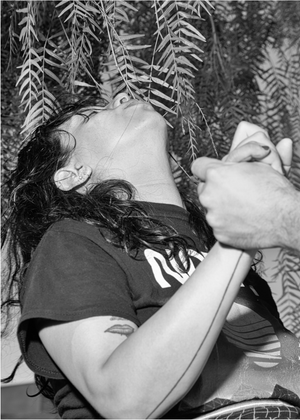
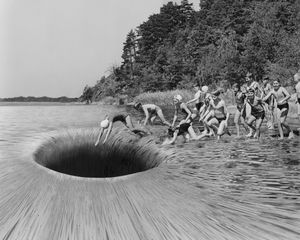


A Glimpse Into The Italian Debate On Vaccinations
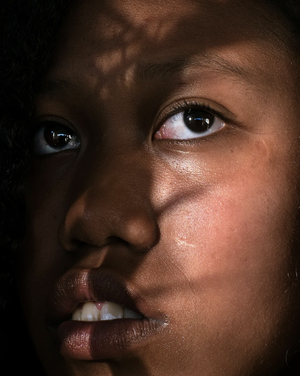
For two years, Italian photographer Francesco Andreoli has been investigating the reasons why vaccines are at the center of a very virulent debate in his native Italy. His survey points to a diversity of experiences.
Visualizing What Individual Madness Looks Like
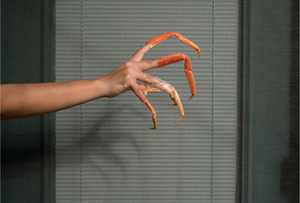
In a deeply personal series that flirts with the two genres of science fiction and horror, Mexican photographer Liza Ambrossio gives life to her personal demons through a wide variety of abstract forms and references.
A Study Of Incarceration Outside Of Prison Walls
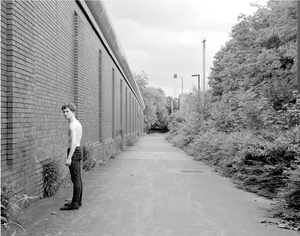
In his series What Photography has in Common with an Empty Vase, Edgar Martins deploys a visual definition of incarceration and isolation while never shooting inside a prison. And by avoiding the frontal depiction of his subject, he questions the limits of photography.
The Youth Fighting To Defend Their Ancestral Beliefs
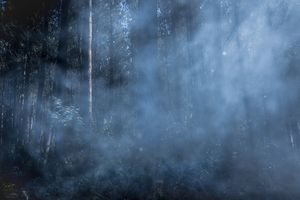
In a series mixing portraits with atmospheric landscape shots, Cristobal Olivares adopts a poetic approach to capture the century-long fight of the Mapuche to recover their ancestral land. Stepping away from the emergency of news, he focused on the stories, hopes, and future of their youth.
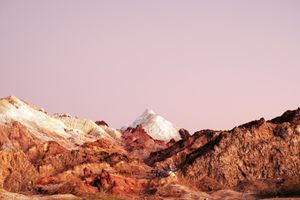
A Nuanced Portrait Of Iran
In his series Paradise City, Sebastien Cuvelier draws on the metaphor of Iranian enclosed gardens, named “pardis” – paradise – to explore the dreams of a youth torn by the desire to see their country change.
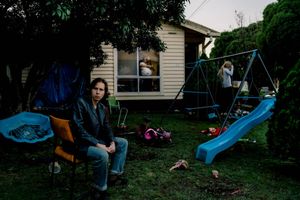
Unveiling The Humdrum Façade Of Small Town Australian Suburbia
Using constructed realities and a cinematic aesthetic with rich colours and strong contrasts, Tajette O'Halloran’s series In Australia offers a deeply moving portrait of a generation shaped by life in a hippie utopia.
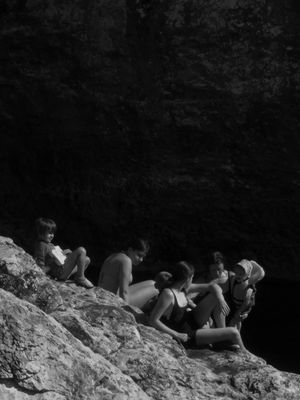
Visualising The Invisible And Answering The Unprovable
For one year Eleonora Strano wandered through her native south-eastern France, over which the Chernobyl nuclear cloud passed, to document the duality that resides in the morbidity of the fallout and the liveliness of the place where it happened.
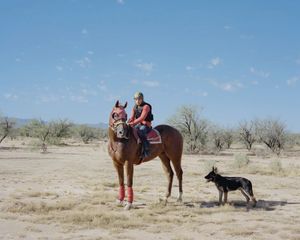
Life On The Periphery Of Rapid Urban Expansion
Jordan Putt positions historical land survey documents alongside modern landscape shots and portraits of childhood friends to create a comprehensive visual study of the city he says raised him: Tucson, Arizona in southwestern United States.
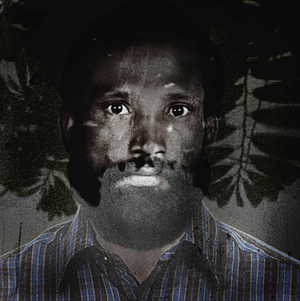
The Intertwined Fate Of Farmers And Their Land
The vulnerability of living as a farmer today and the intrinsic link between man and nature are the themes Laura El-Tantawy meditates on in her series I’ll Die for You, the winner of the PHmuseum 2020 Women Photographers Grant.
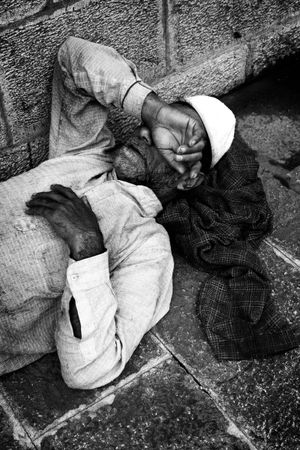
Finding Fragments Of Poetry In A Never-ending Conflict
In a book published by Witty Books, Camillo Pasquarelli draws a poetic portrait of Kashmir as a place stuck in an endless succession of protest, healing, and martyrdom that feed the resistance.
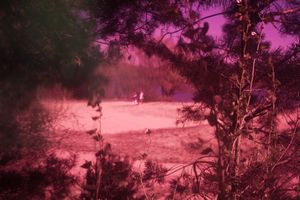
The Retelling Of A True Story Stranger Than Fiction
In her series Sirius, Anna Szkoda narrates the tale of a real criminal case that occurred in Germany in the 1970s-80s and could have been born in Philip K. Dick’s tormented psyche.
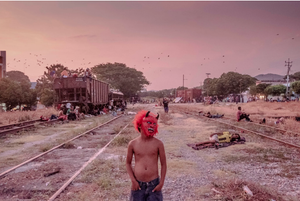
The Factors Driving Migration From Central America
Bringing together photographs from the various crises he has shot around El Salvador, Guatemala, and Honduras, Fred Ramos draws a collective history of the northern triangle that accounts for some of the most consequential migration streams in the Western Hemisphere.