Forensic Excavations Inventory or The Total Deconstruction of an Armenian Family
-
Dates2017 - Ongoing
-
Author
- Locations Plovdiv, Berlin, Sofia, Varna, Türkiye, Bulgaria, Armenia
-
Shortlisted
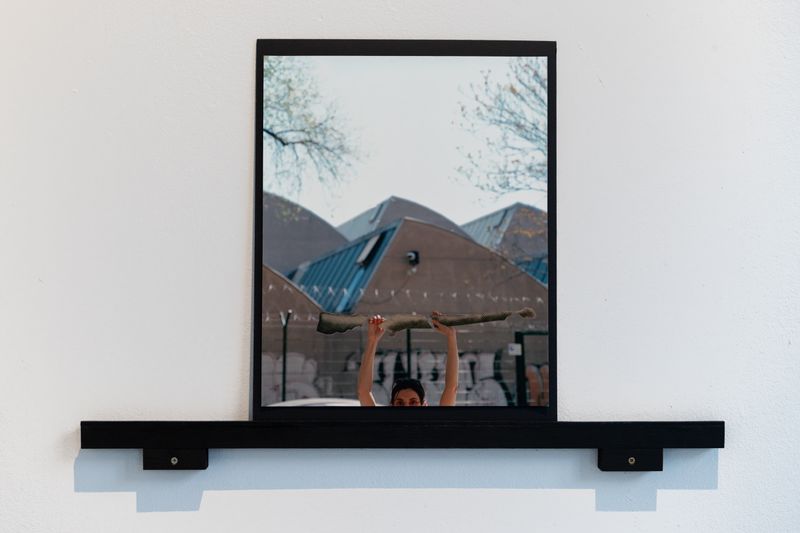
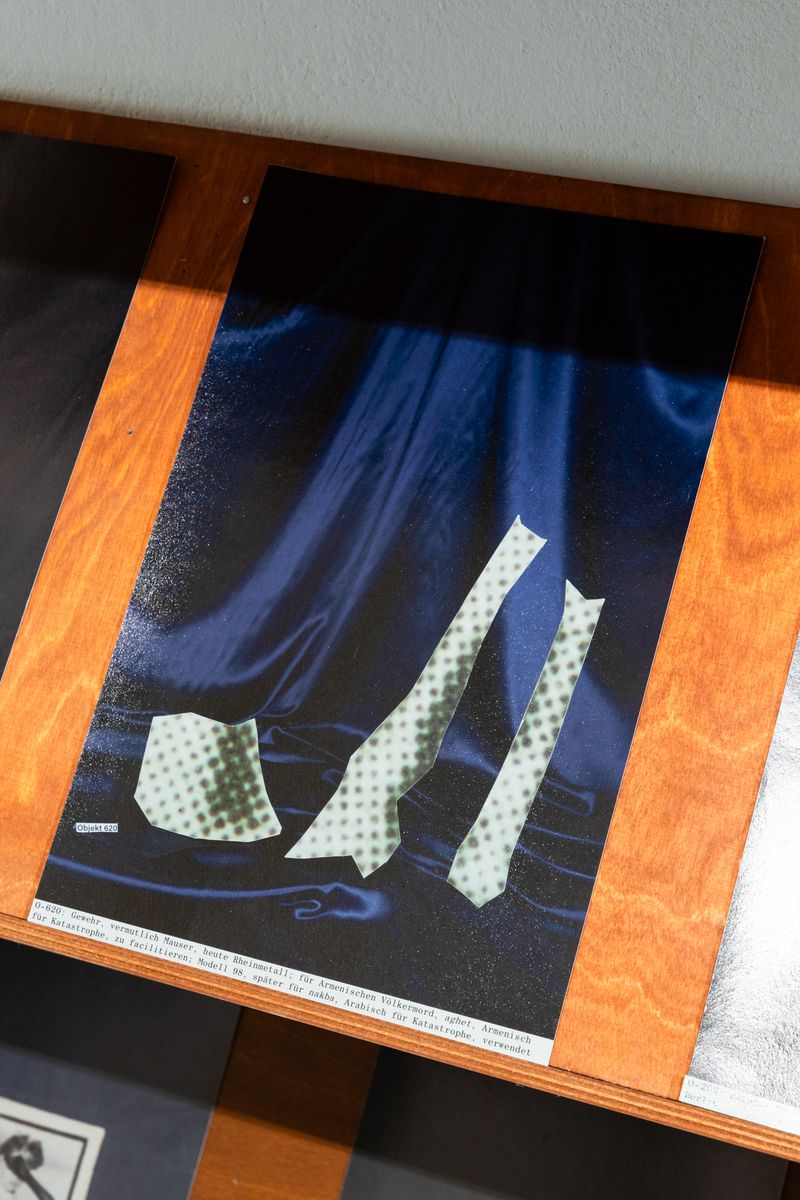
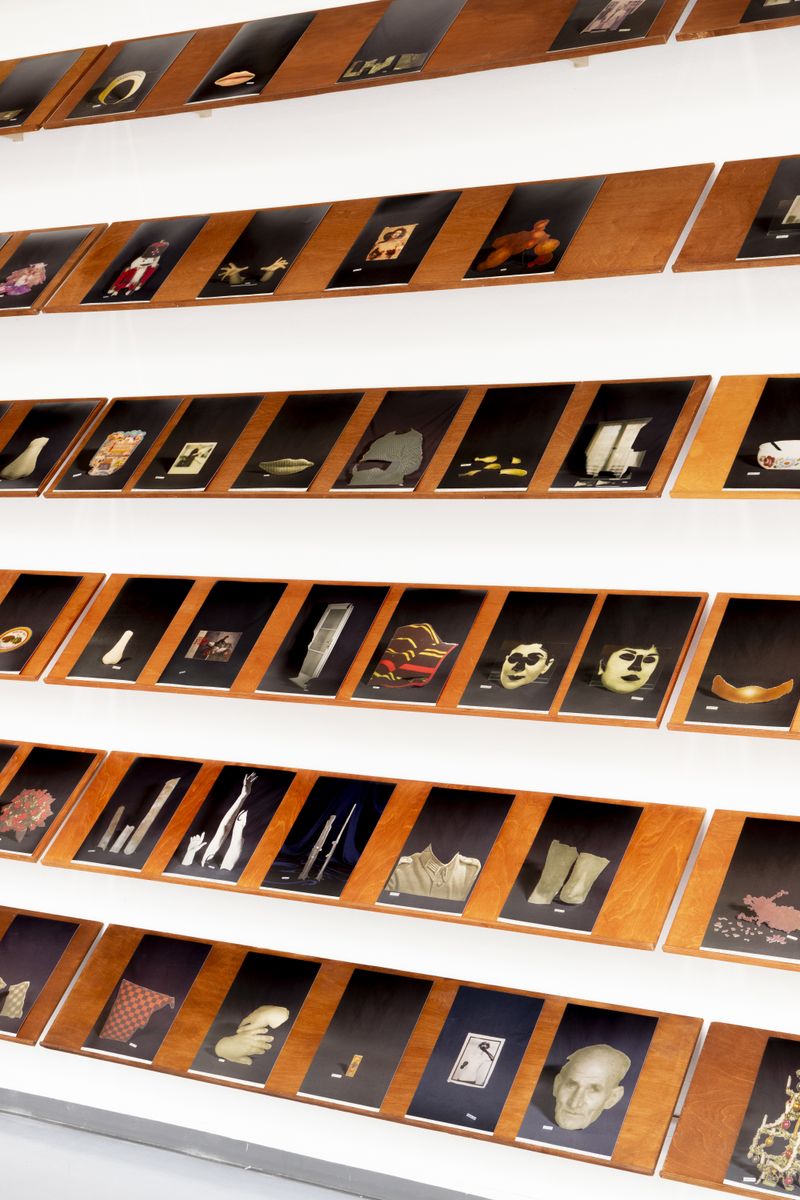
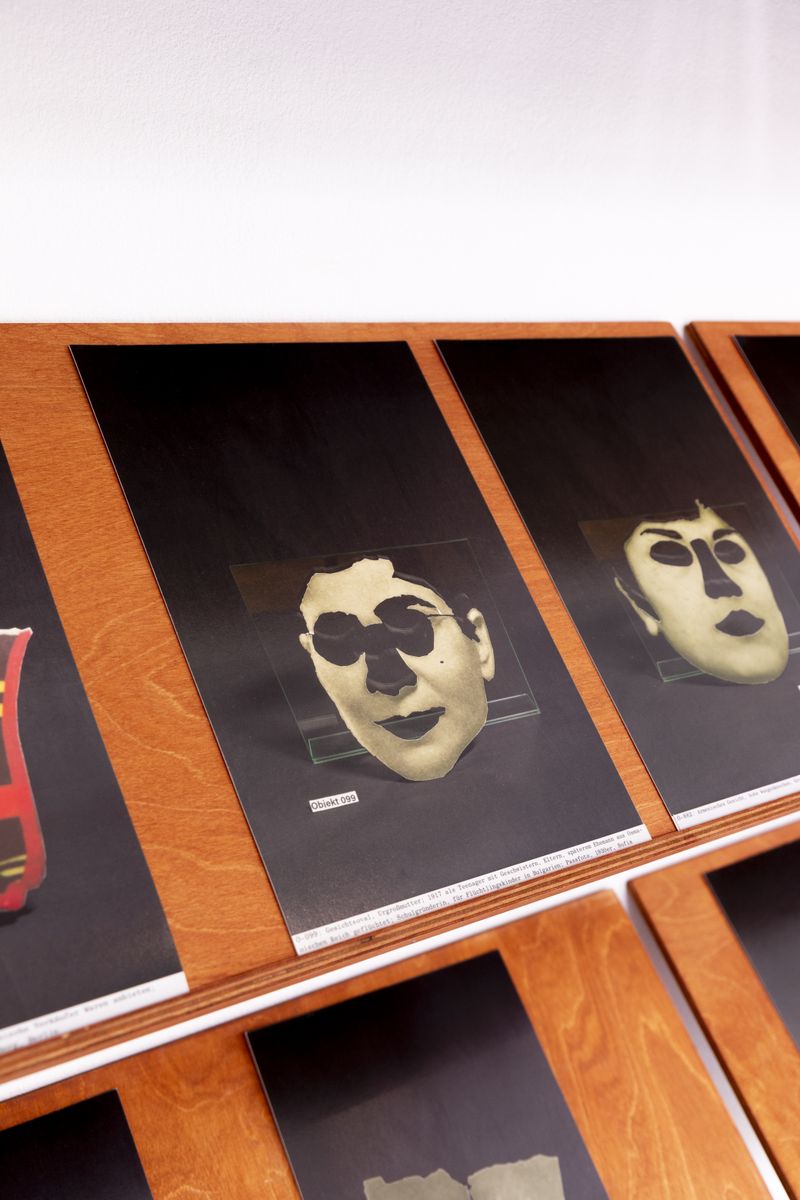
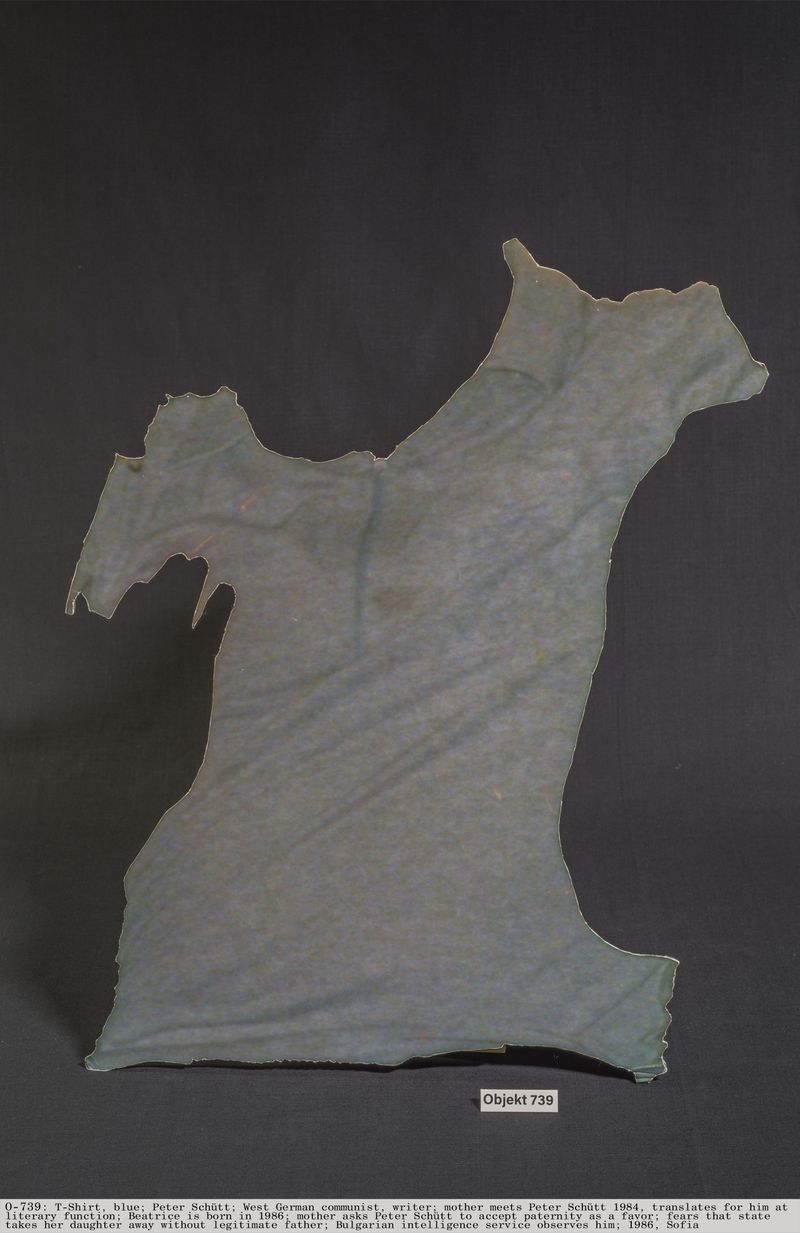
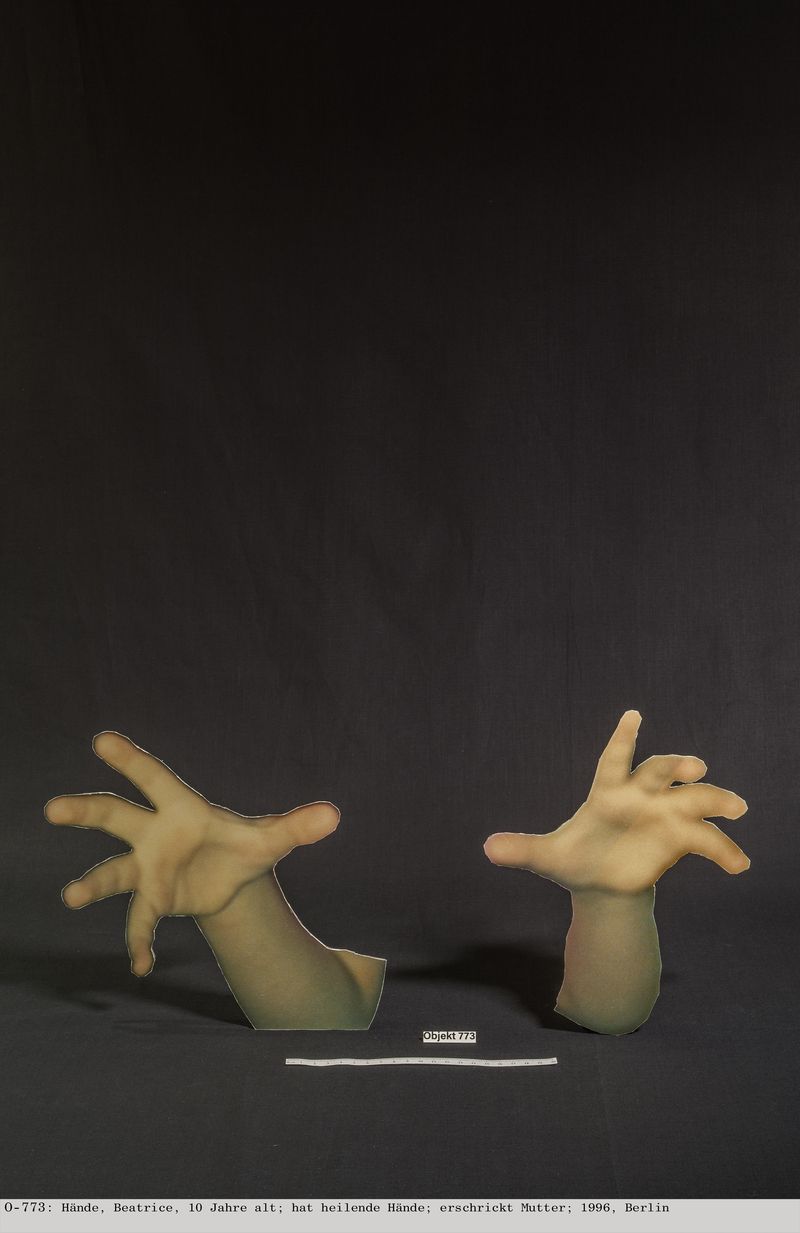
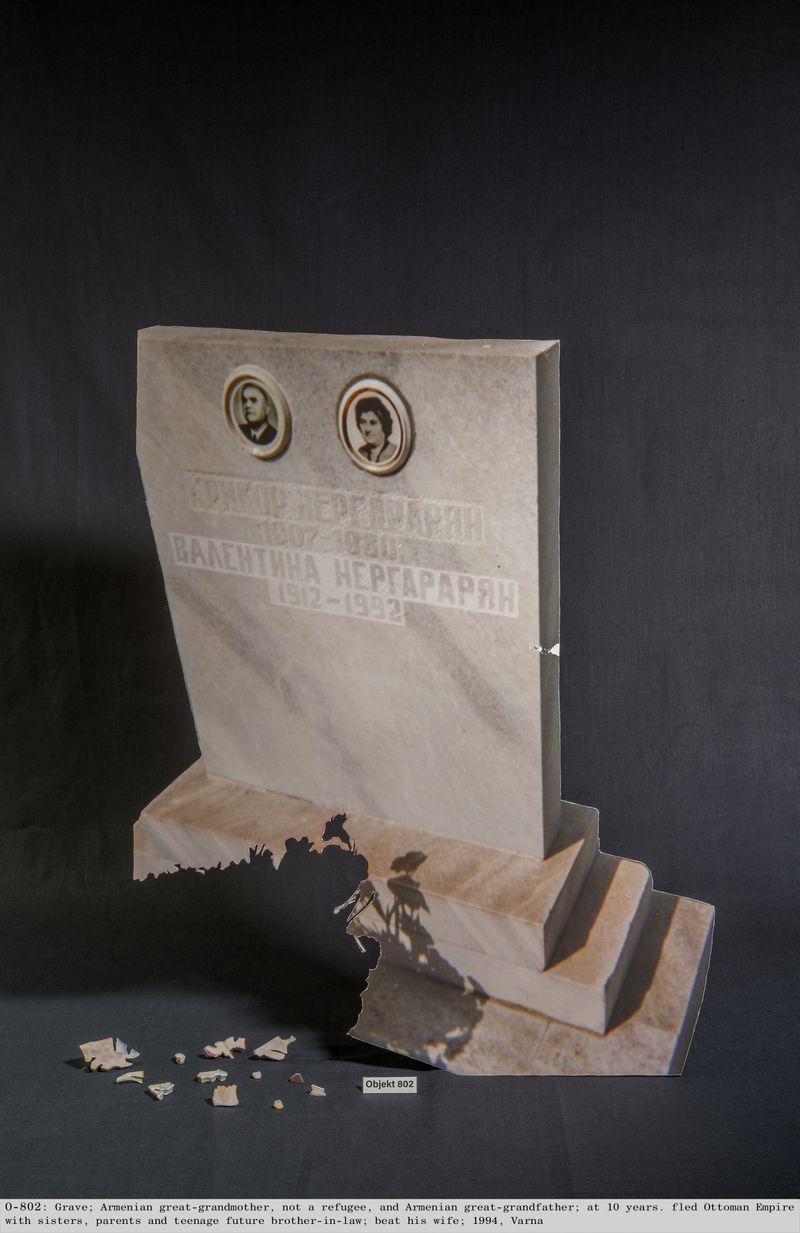
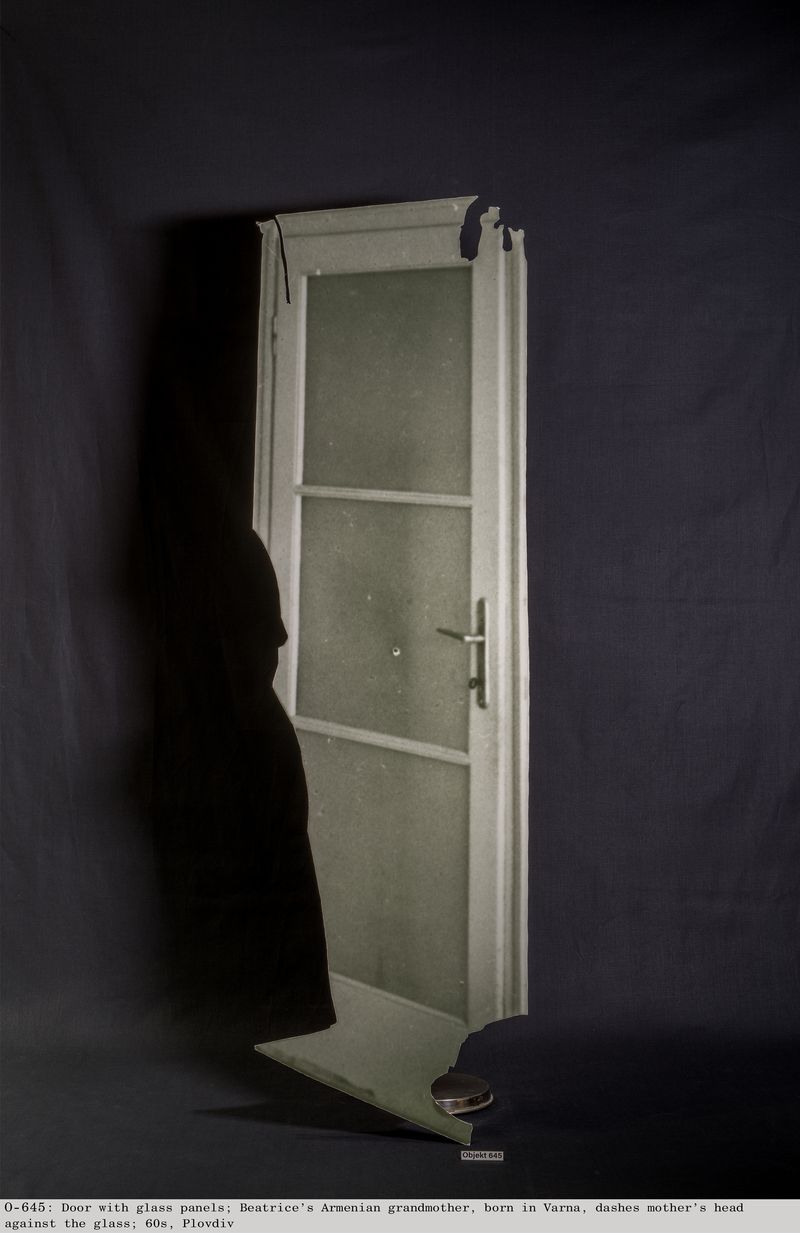
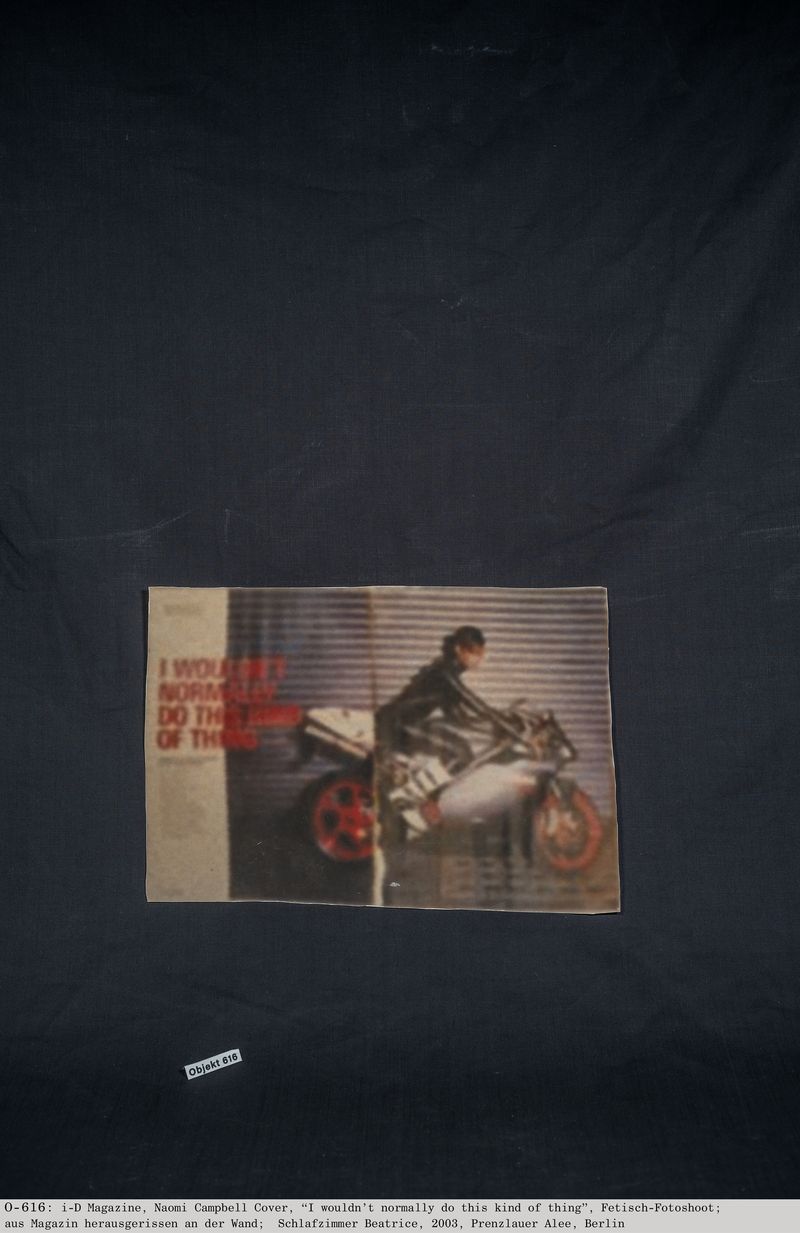
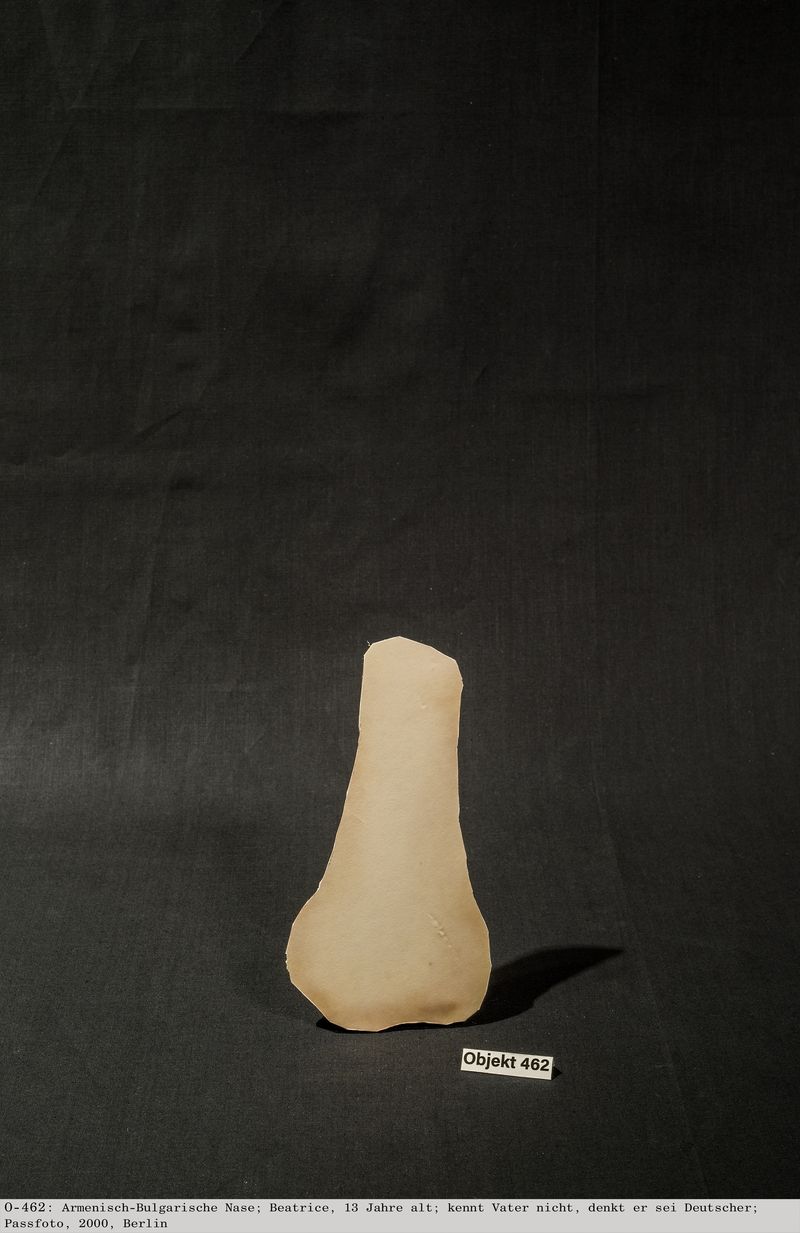
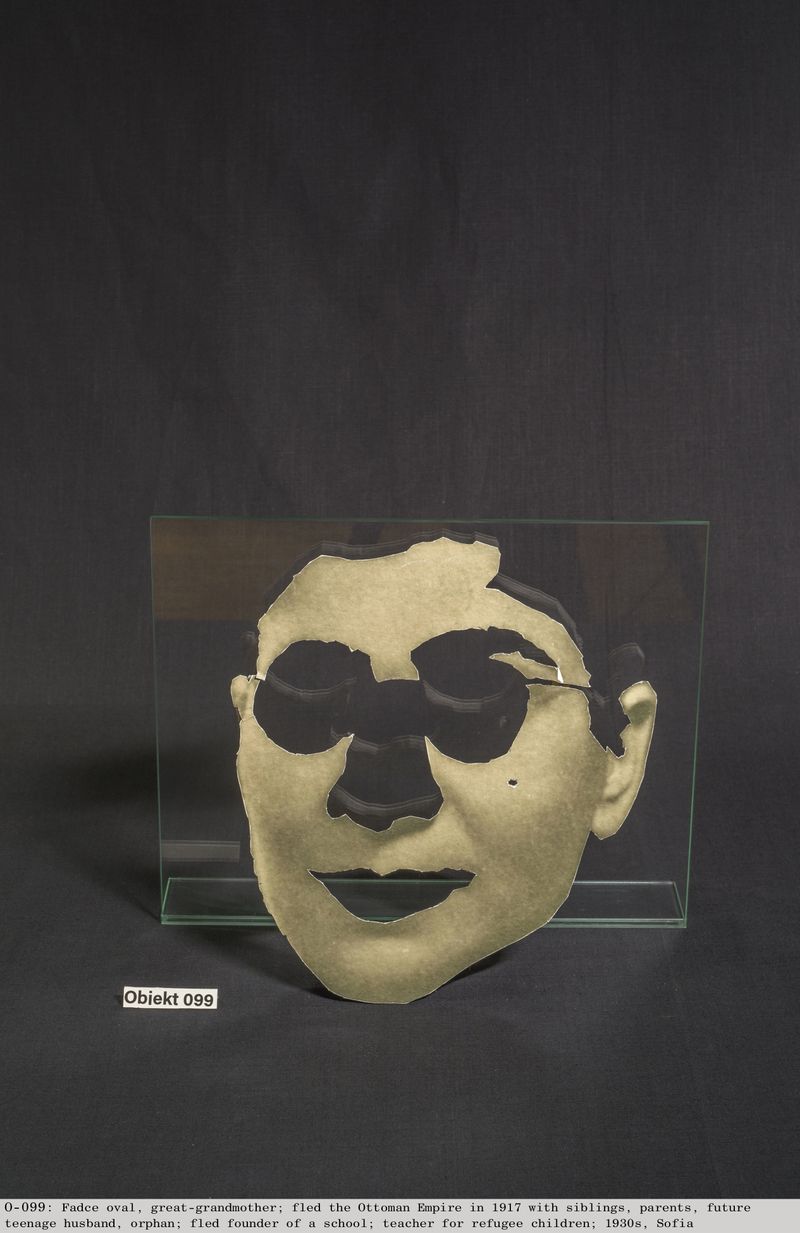
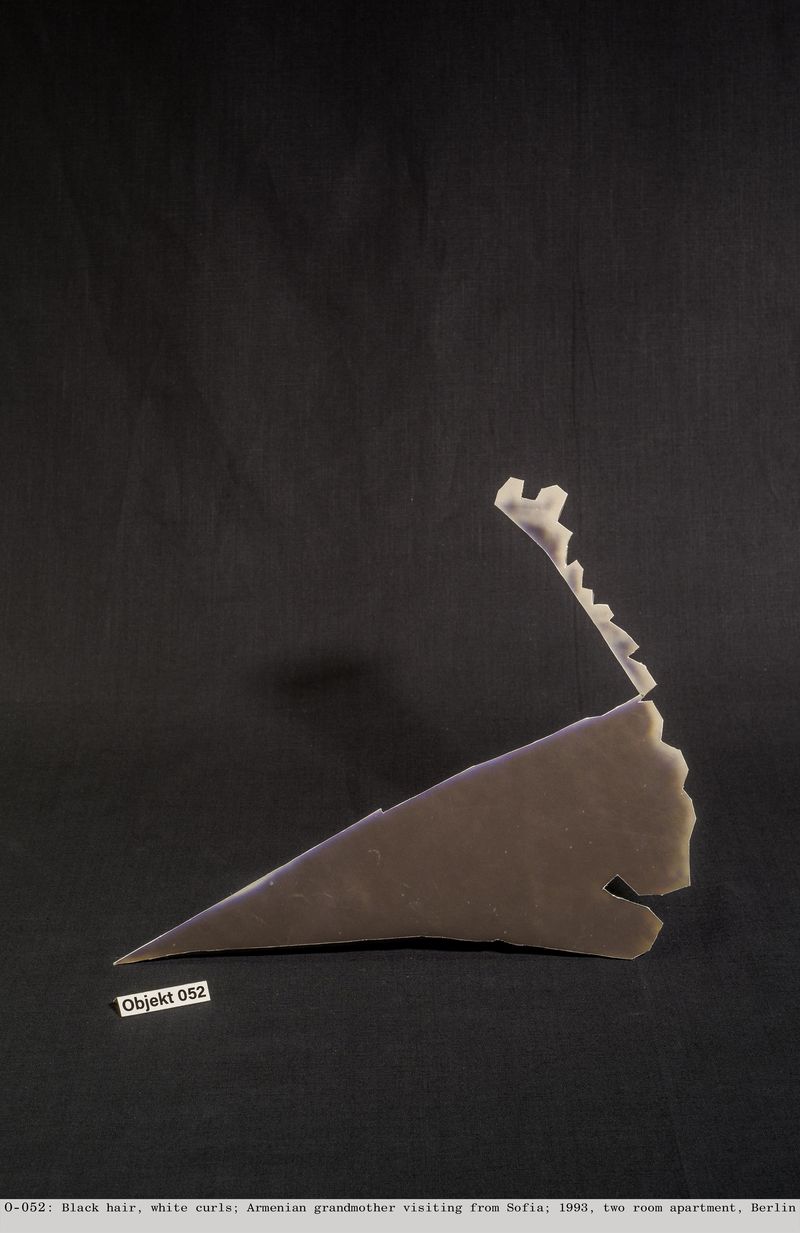
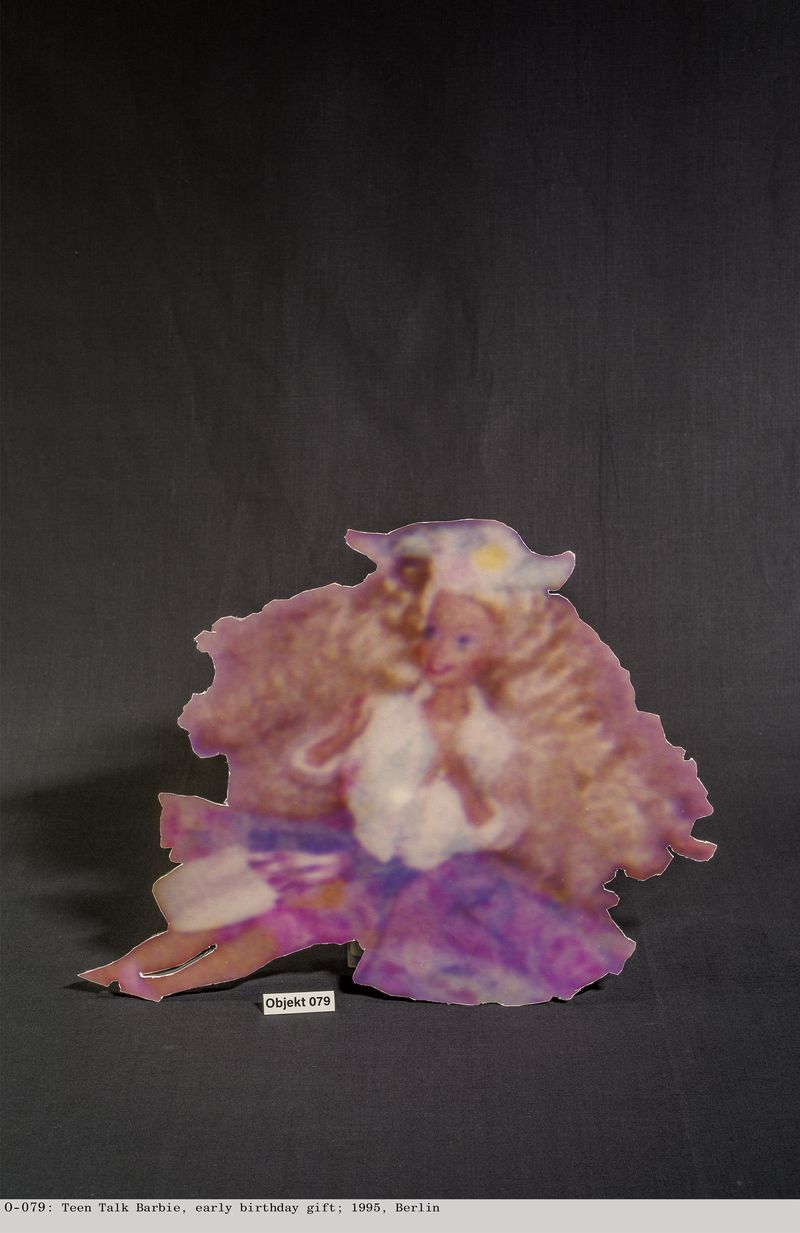
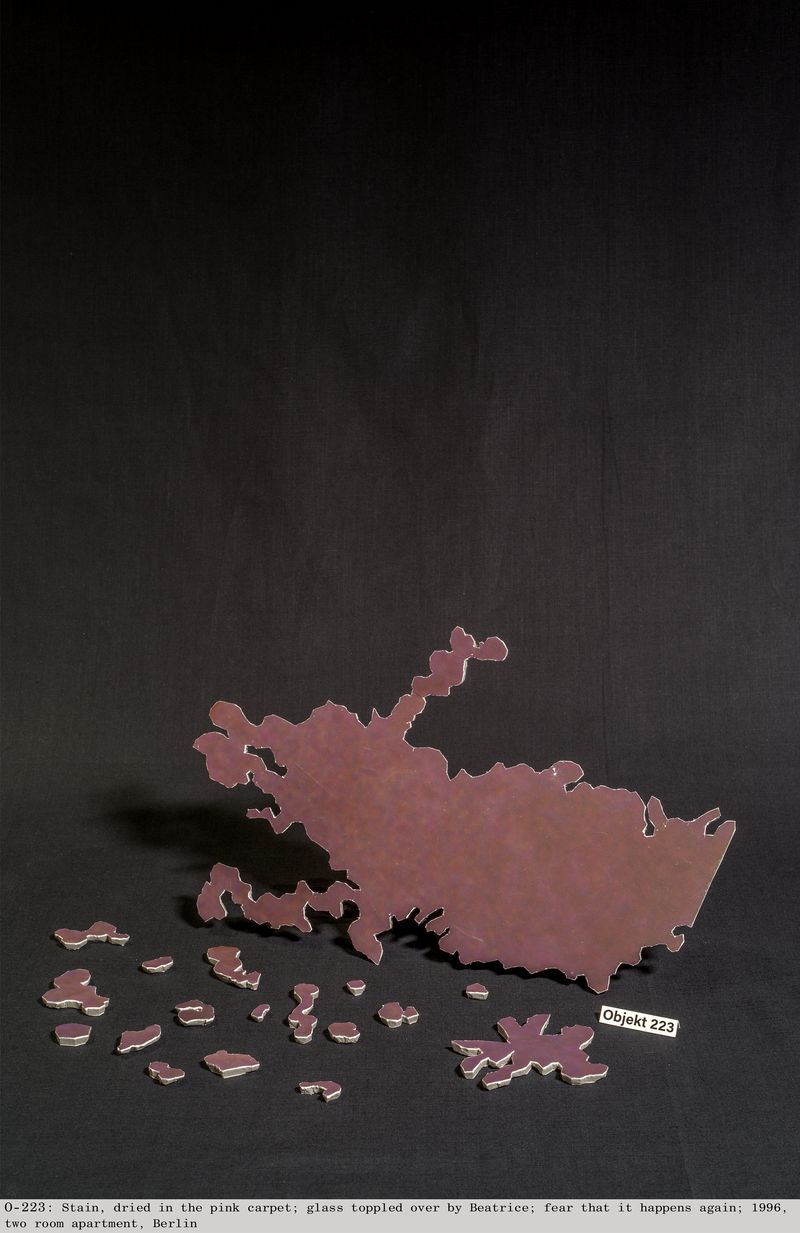
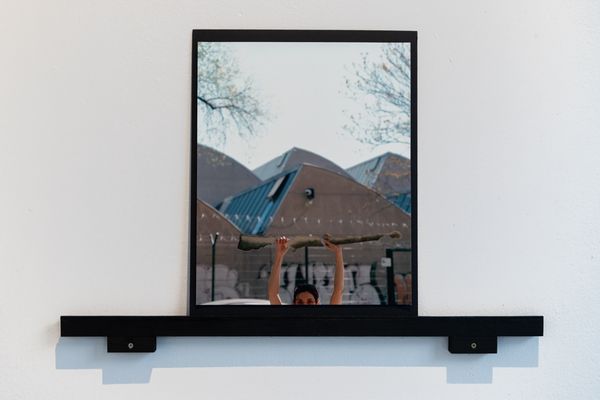
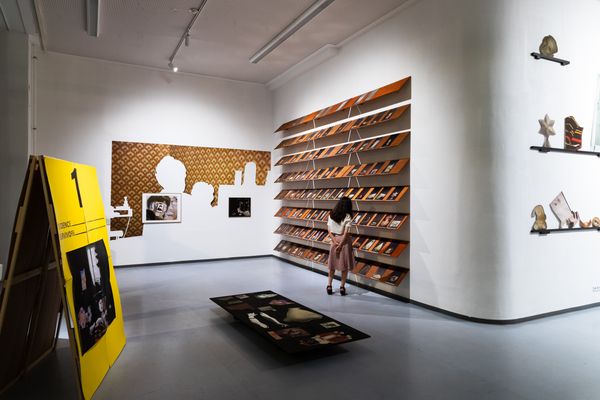
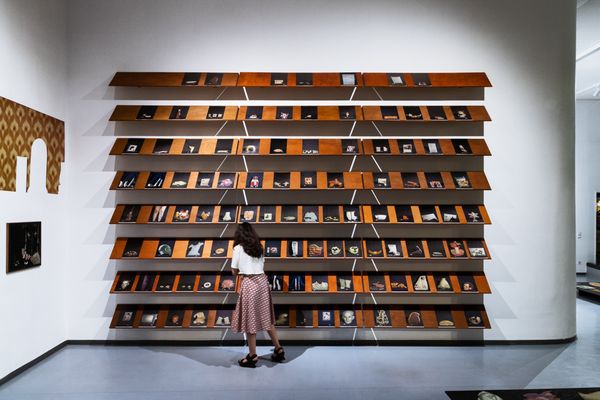
The photographic objects in this installation are transformed from contemporary witnesses of everyday family life into symbolic pieces of evidence for various historical events and processes, such as the Armenian genocide, socialism and arms trade.
Beatrice Moumdjian’s artistic practice unfolds within a dynamic realm of memory, mediality and historical context. The starting point of the exhibition “Die gesiezte Tochter. My Total Deconstruction of an Armenian Family” is both a biographical archive of images and a blank space.
For many years, the artist’s mother kept central aspects of Moumdjian’s identity secret. However, this silence does not seem to be merely a personal choice, but rather an expression of trauma and shame which has been passed down through the generations. The artistic work takes its cue from exactly this fracture. It becomes a means to come to terms with a fragmented, partially transmitted history and checks on all these gaps in knowledge which have been created through silence.
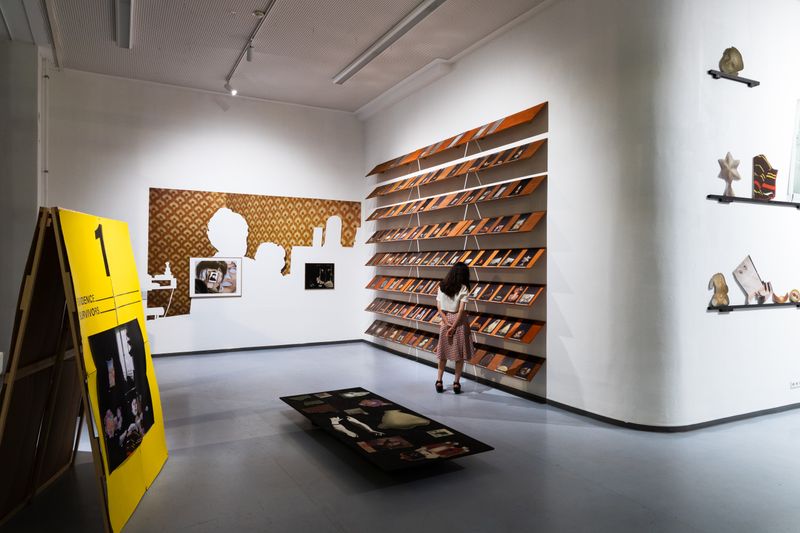
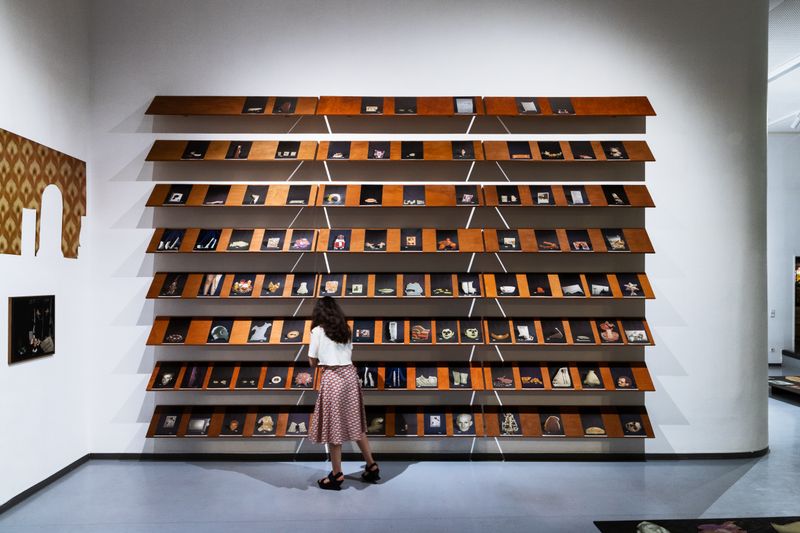
Among the thousands of family photographs which have been gifted to her by her mother, the artist selected roughly 150. The rest was radically disposed of. This process of densification is key to her artistic approach, in that it is less focused on conserving than on continued transformation, an act of self empowerment. By re-arranging the material Moumdjian decides on how this story is being read, written and re-contextualised.
Since about 2017 Moumdjian has been working systematically with this remaining collection. She does not view the photographs as finished documents, but rather as a dynamic reservoir which can be dissected, amplified and re-arranged in order to give rise to multi-layered narratives.
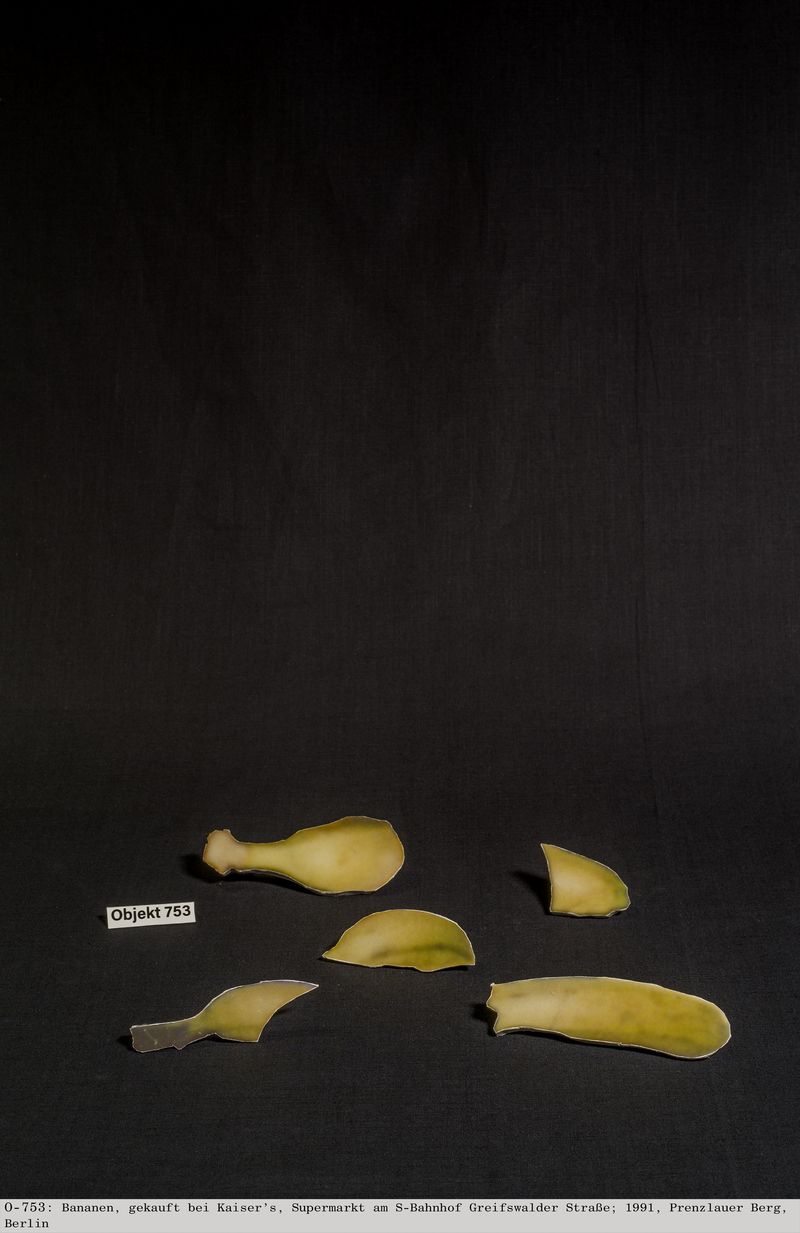
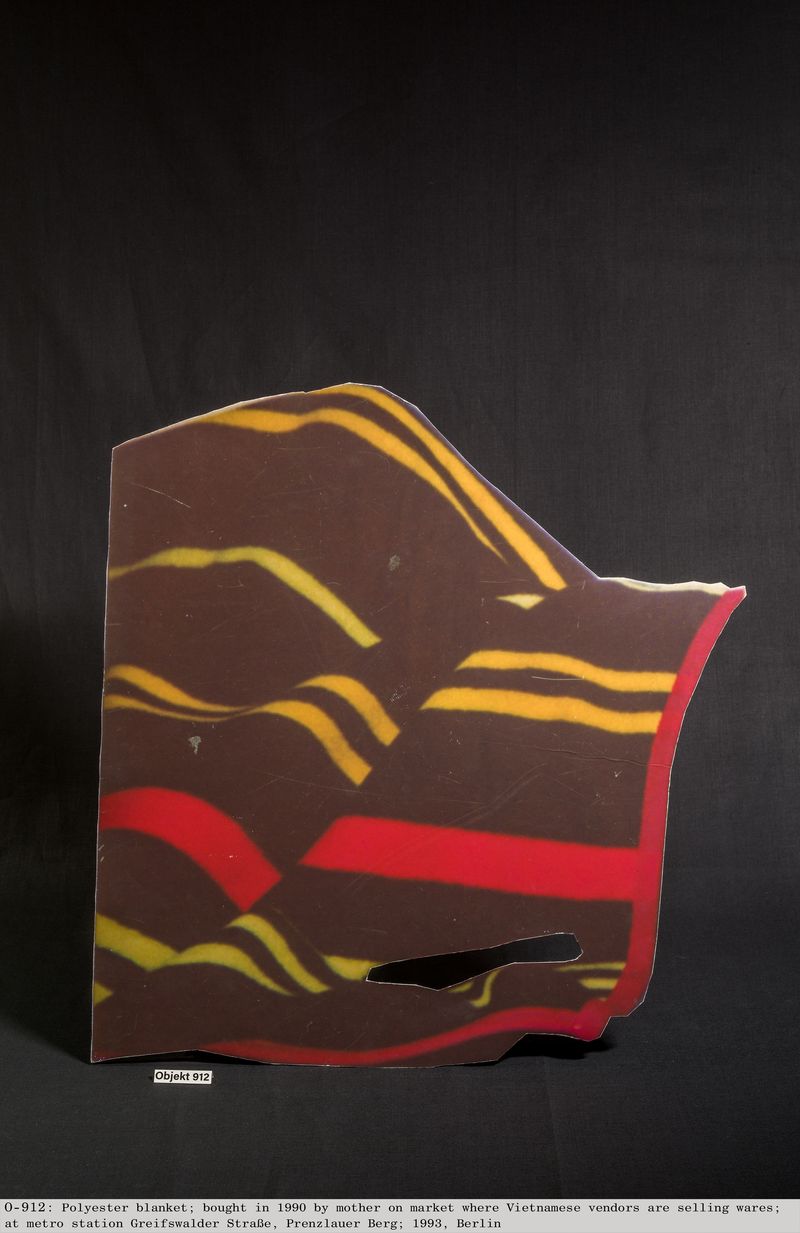
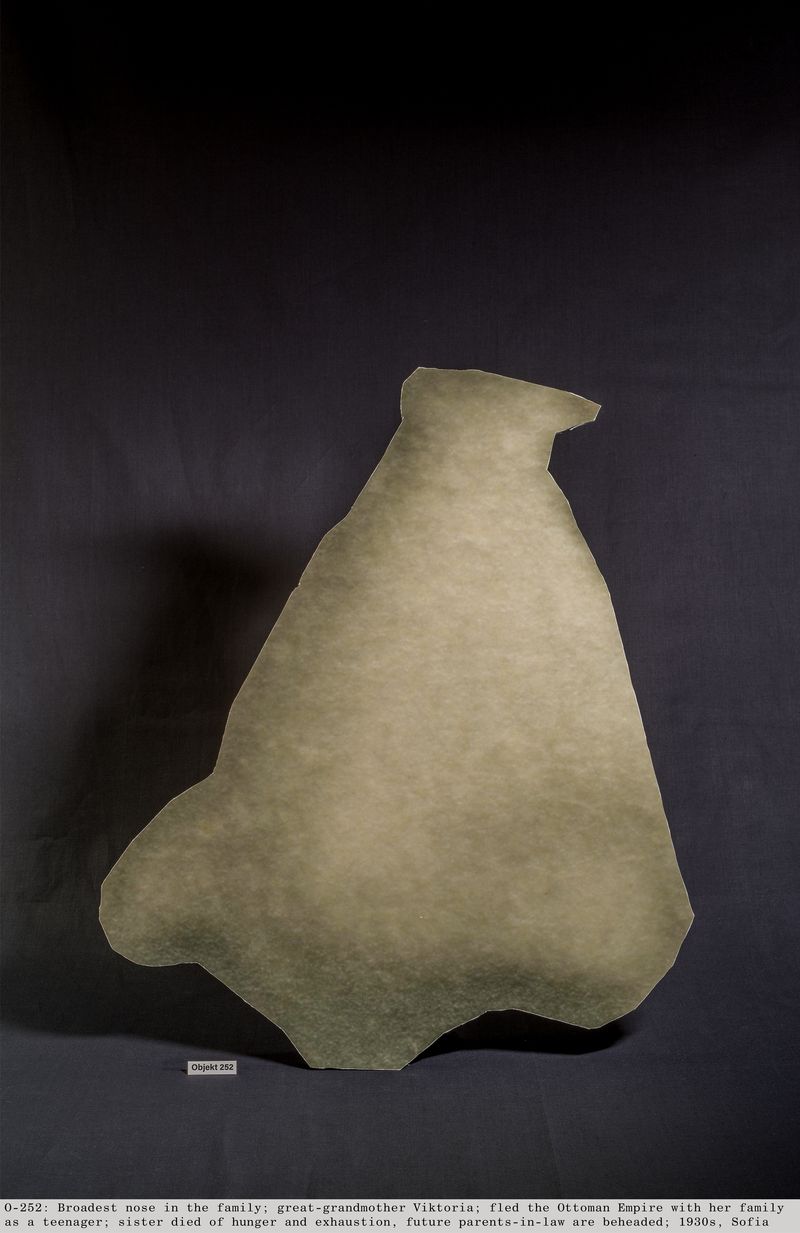
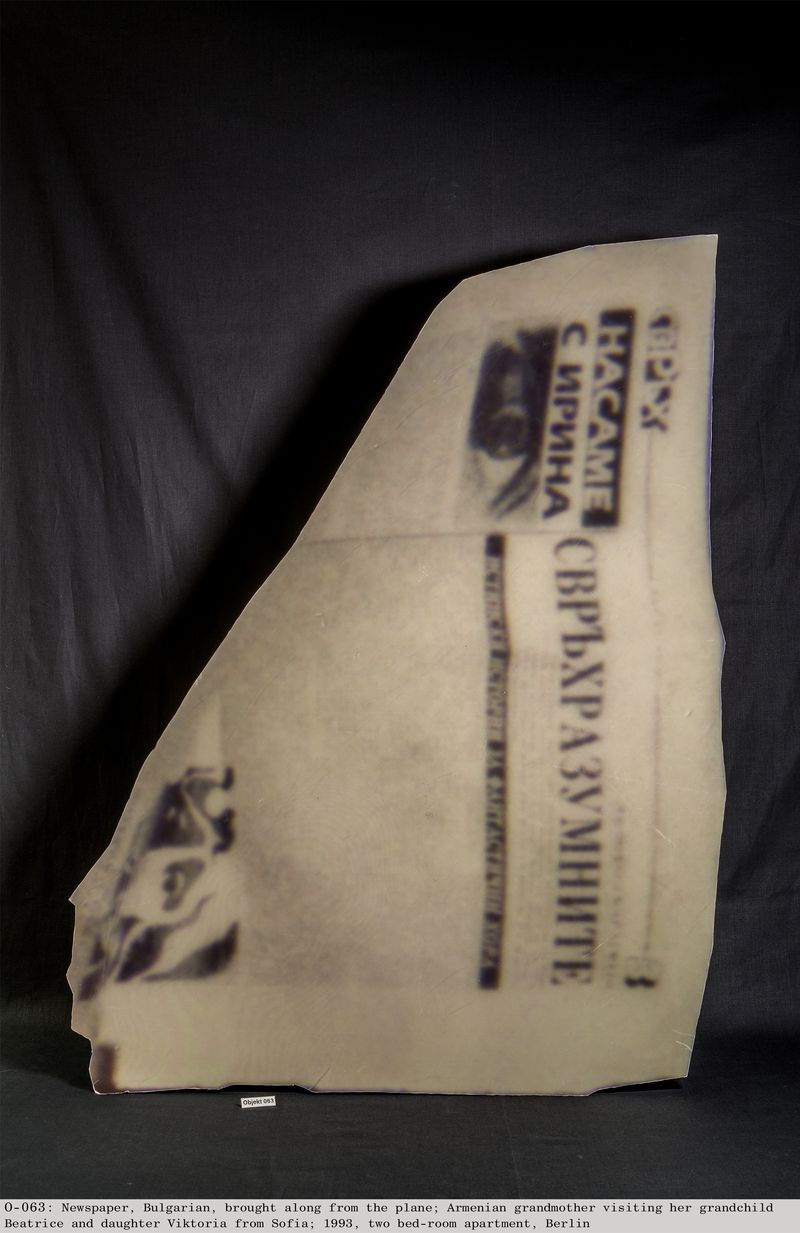
Single details of the pictures are isolated, studied and put together in new textual and visual contexts. Alongside the creation of an inventory, the main artistic method is the conversion of pictorial details into three-dimensional objects. Images of hair, table lamps, glasses, wallpaper, body parts, toys or pieces of furniture are transposed into a physical form - sometimes to true scale, sometimes intentionally under- or oversized. Moumdjian prints these motifs and mounts them to Kapa boards, cuts them out and thus develops a mobile “inventory”. Those visual particles, arranged within the exhibition space, bring forth new constellations, oscillating between personal memory and historical reconstruction attempting to reveal a history that is accessible only in fragments.
In doing so, Moumdjian recounts the history of her family, from the early 20th century until the early 2000s: starting with the Armenian genocide to the escape from the Ottoman empire to tsarist Bulgaria, up to the migration into the GDR and the move to East Berlin in the post-reunification aera. Her artistic work bridges not only time and space, but also biographical gaps, different social structures as well as geopolitical transition phases - along with the stories of violence inscribed in them.
The artist intervenes in both private and public realms of remembrance as well as in historical contexts, such as the German Second Reich’s involvement in the Armenian genocide in the Ottoman empire through military cooperation and weapons supplies. Moumdjian carries her photo objects to historical and contemporary sites of arms production, such as the factory in the neighbourhood of Wedding where Rheinmetal Waffe Munition GmbH has been producing artillery ammunition since the beginning of this year.
These spatial and temporal layers bring continuities and contemporary political developments into sharp view. This phenomenon is also evident in the contested culture of remembrance within Germany's diverse society. The discordance between the recognition of the genocide in Germany through a Bundestag resolution in 2016 and the ongoing denial of the event by Turkey is indicative of the clash between historical experiences and national narratives that are also reproduced in Germany. Against the backdrop, this practice offers a counter-reading: it juxtaposes official and private images and inspects its implicit veracity. Moumdjian’s approach follows a logic reminiscent of forensic or archaeological practices: fragments are gathered, classified, examined and interpreted anew. Here, memory is not a stable concept, but a process marked by gaps, shifts and subsequent corrections. Memory becomes tangible as a mode of approximation, fully aware of its own constructed nature.
With this in mind, Moumdjian understands her artistic practice as a “total deconstruction” not only of her own family history, but of family and history in general. They don’t appear as self-contained units, but are broken down into their constituent parts: objects, stories, projections and ruptures. By uncovering the seeming coherence of history, the conditions that shape identity are being revealed, including external attributions, traumas and political entanglements which mark social and family structures. Simultaneously, deconstruction becomes an act of appropriation, of a type of repair - not to smooth over and reconcile, but to consciously engage with ruptures in an attempt to reclaim and widen the scope of action.