To Swallow Hot Coals
-
Dates2025 - Ongoing
-
Author
-
Shortlisted
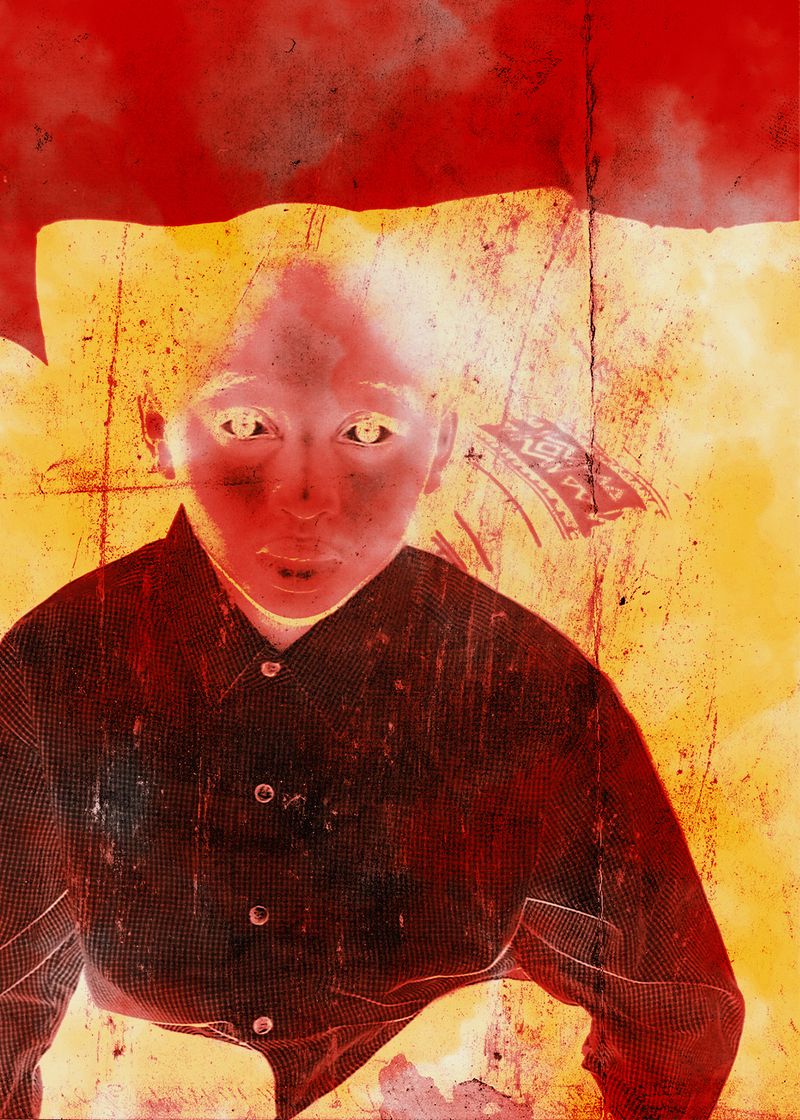
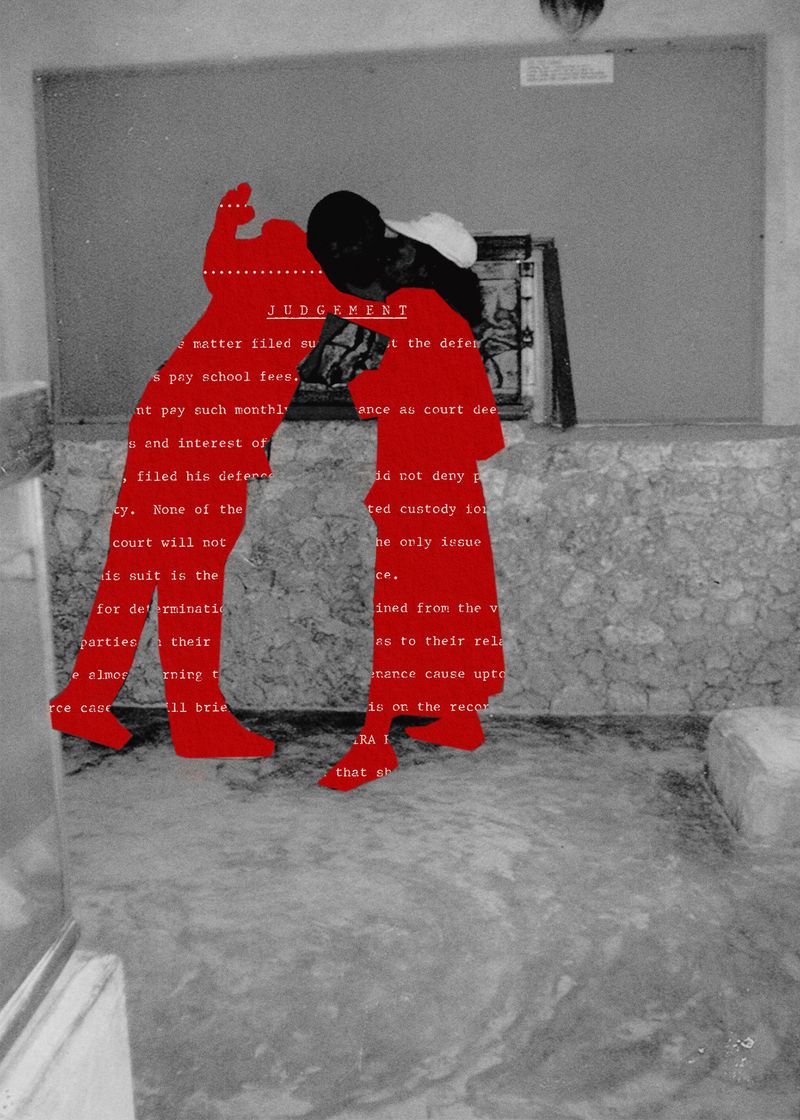
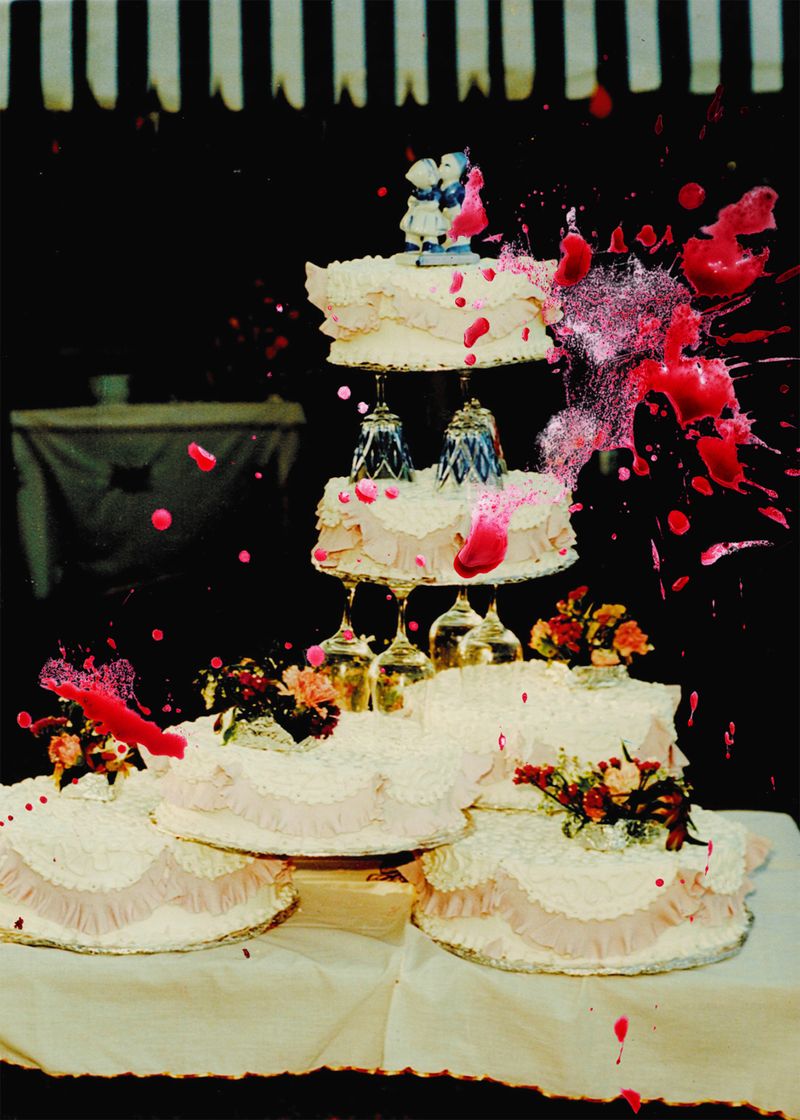
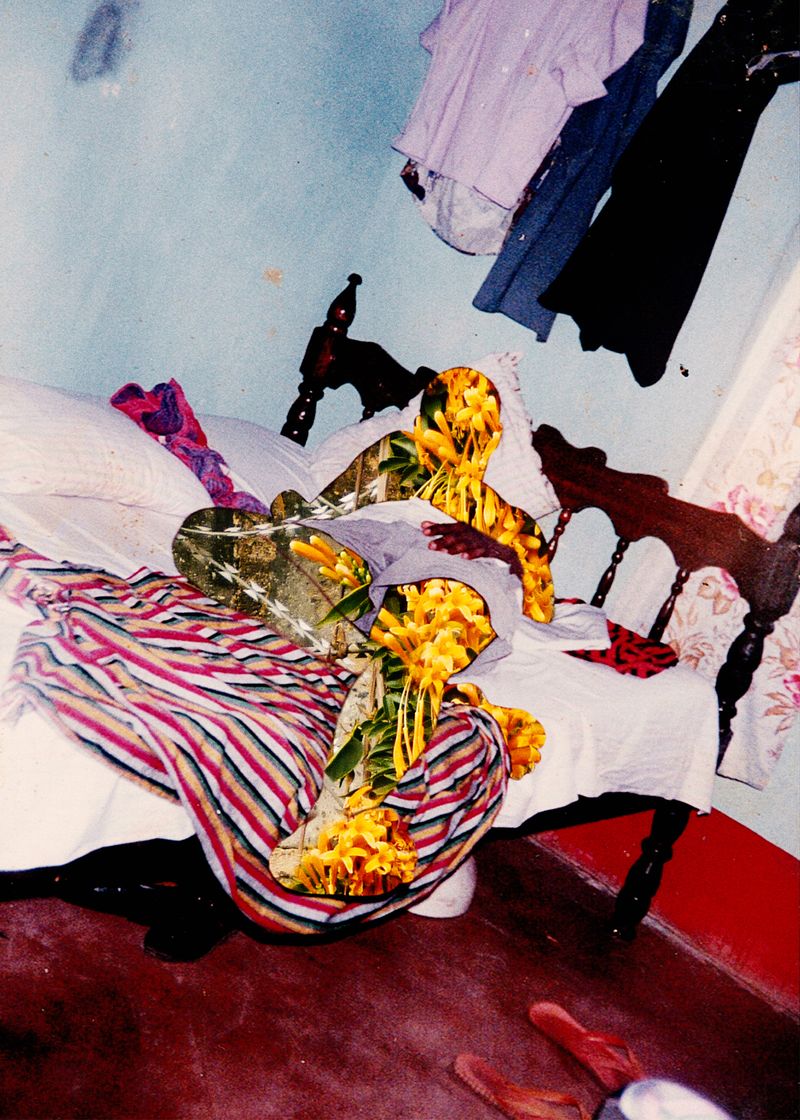
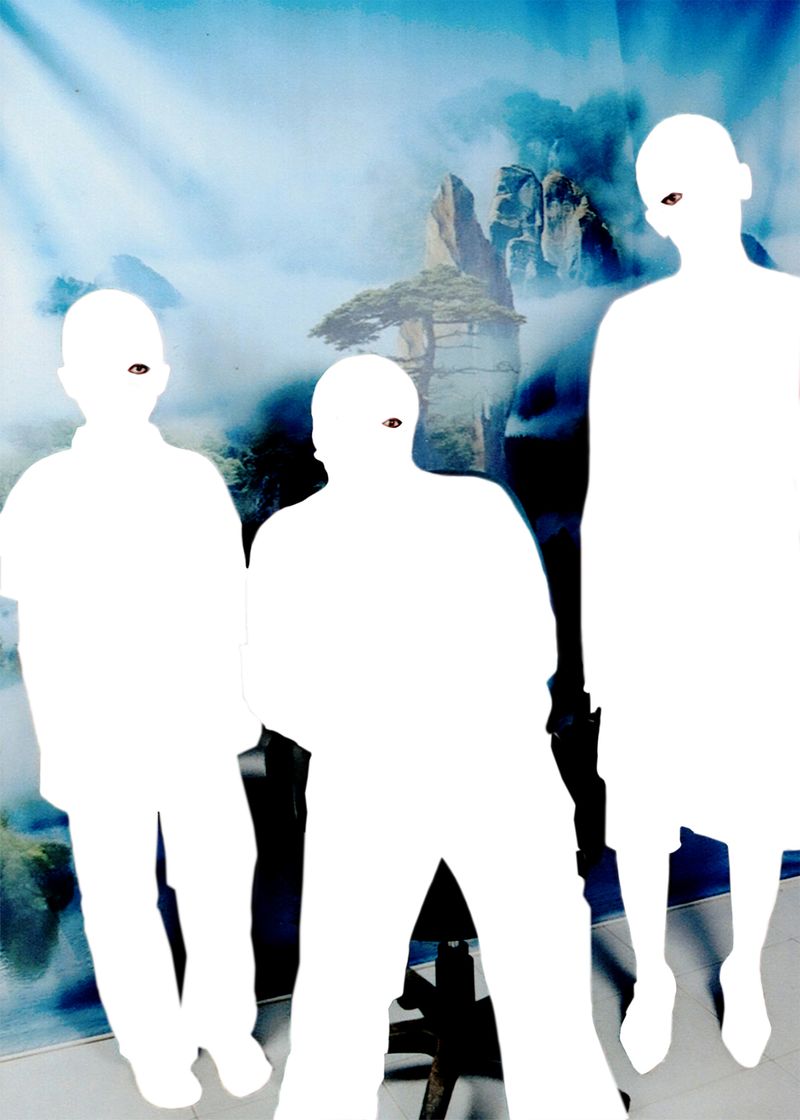
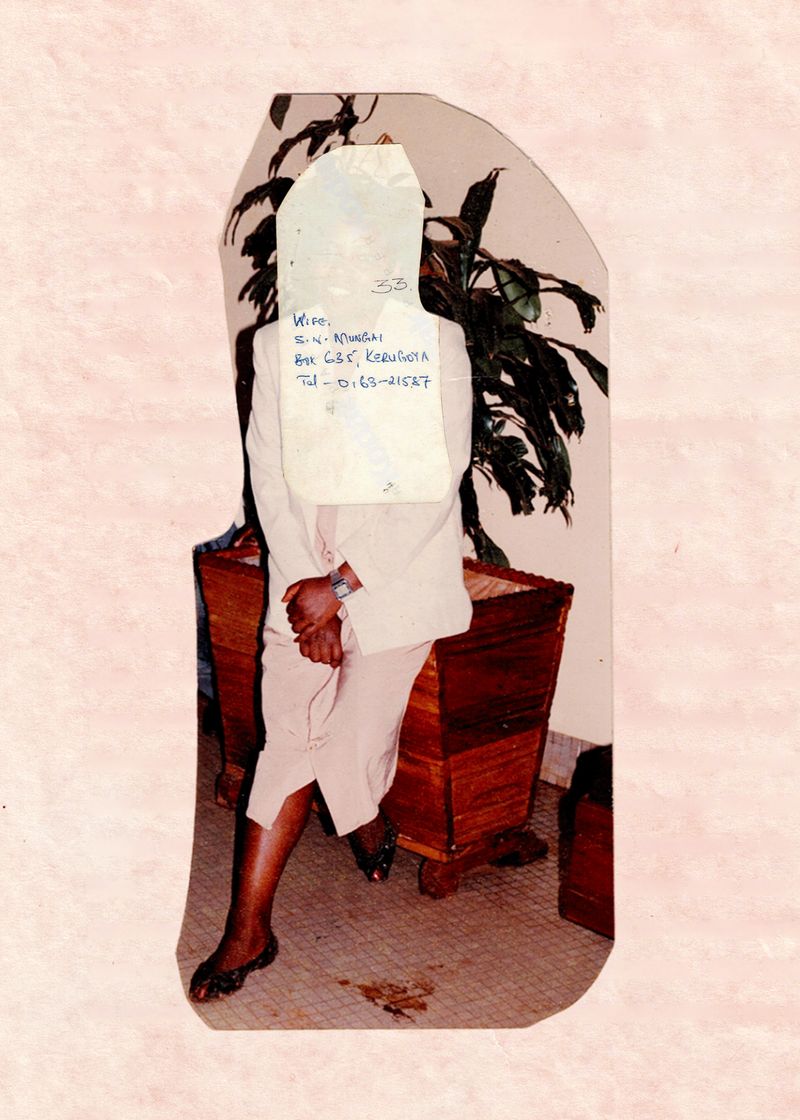
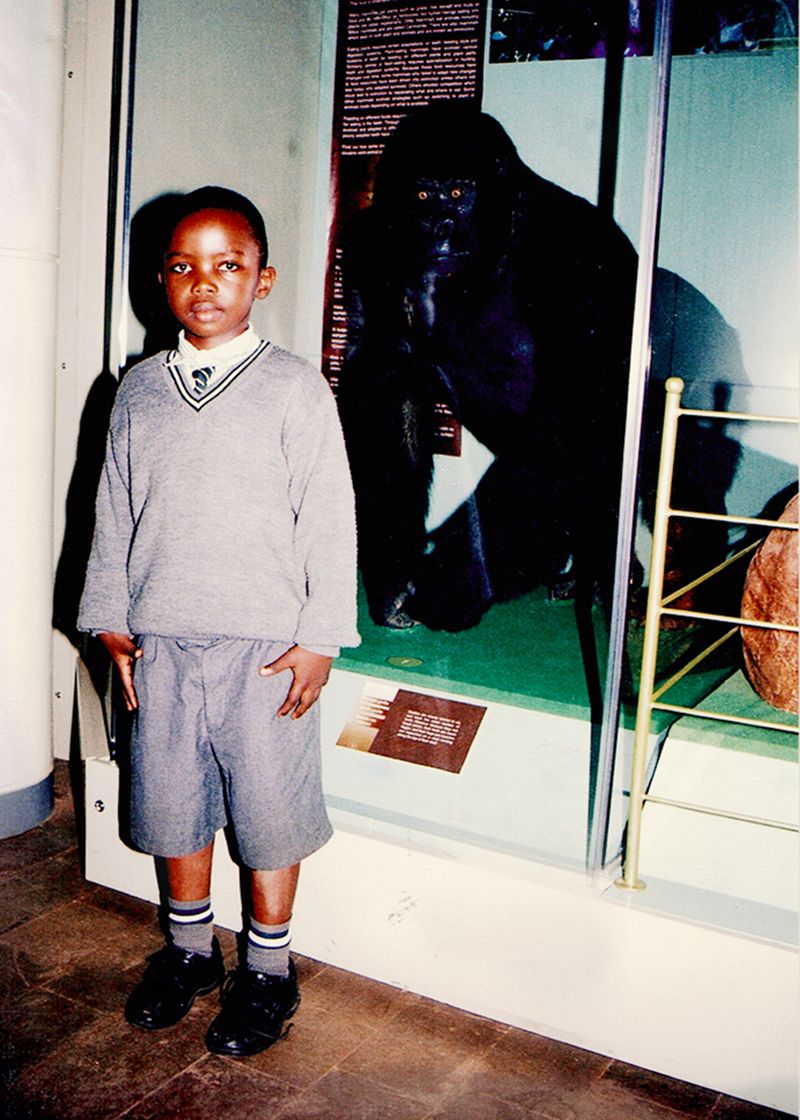
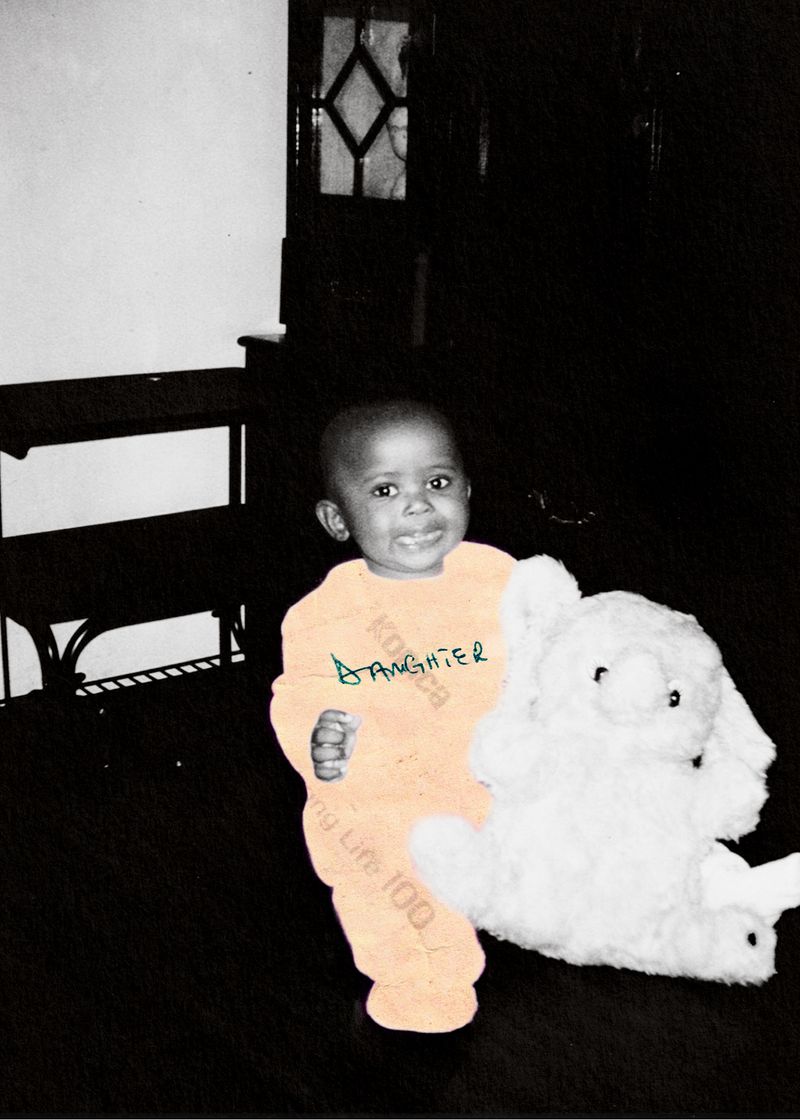
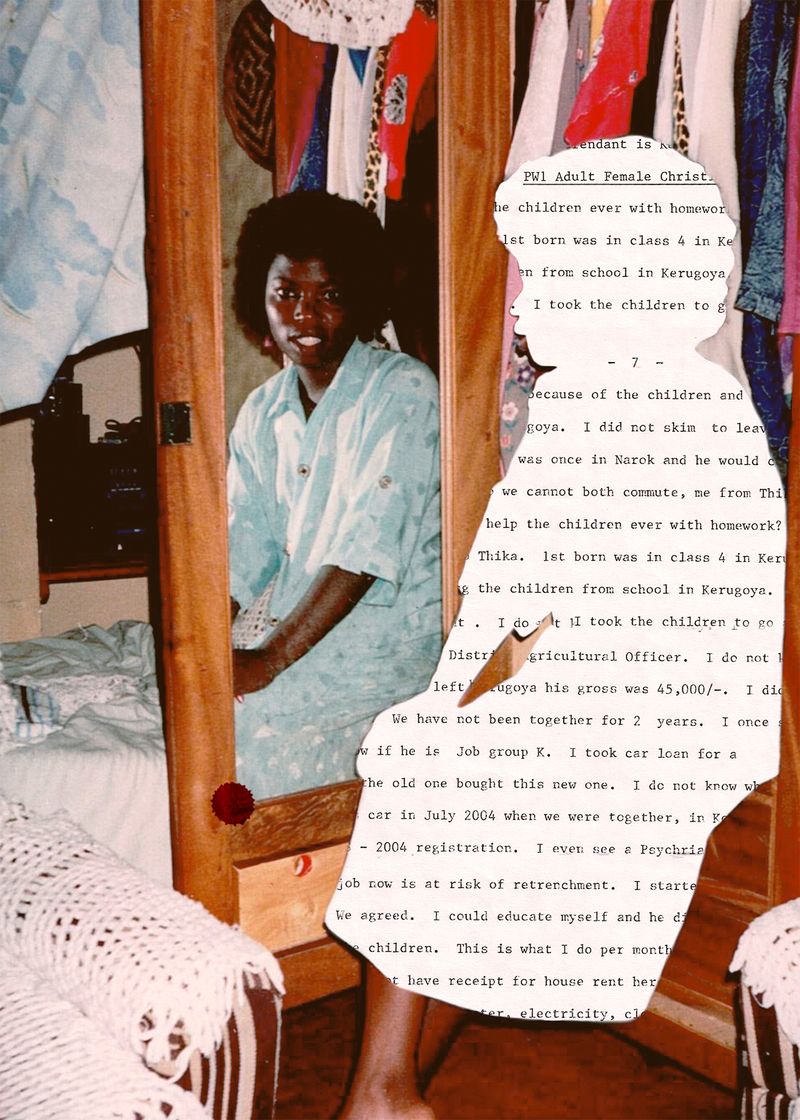
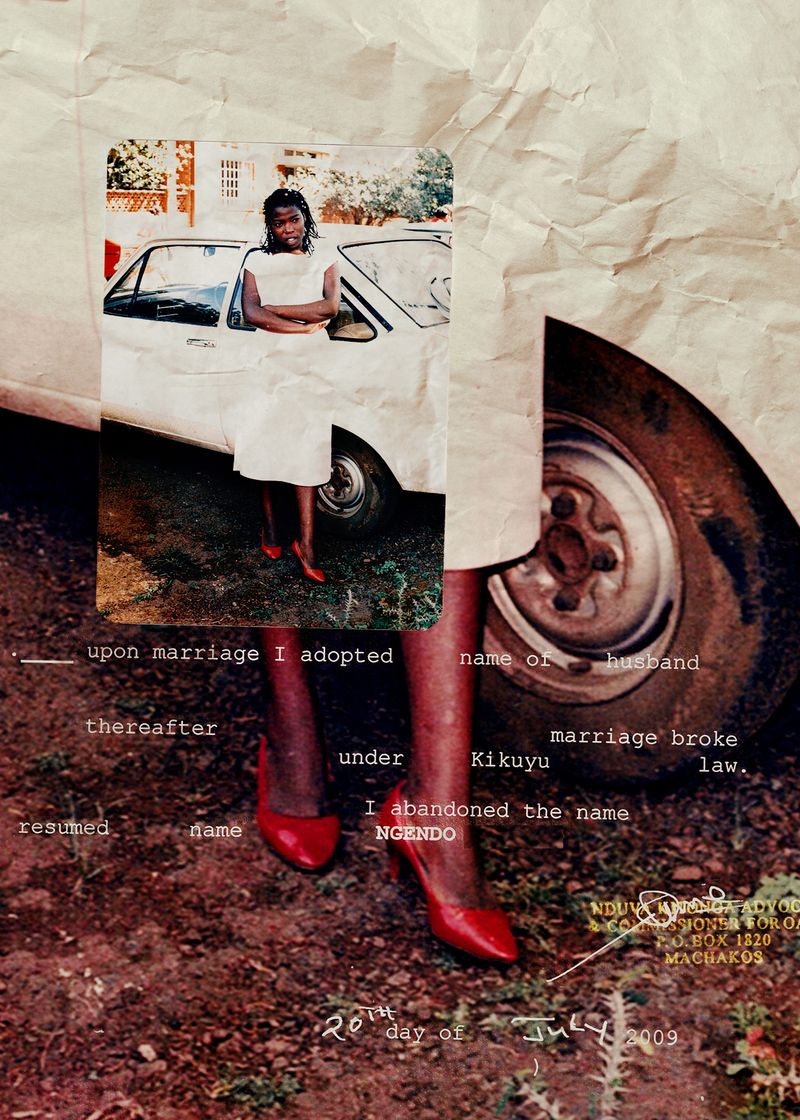
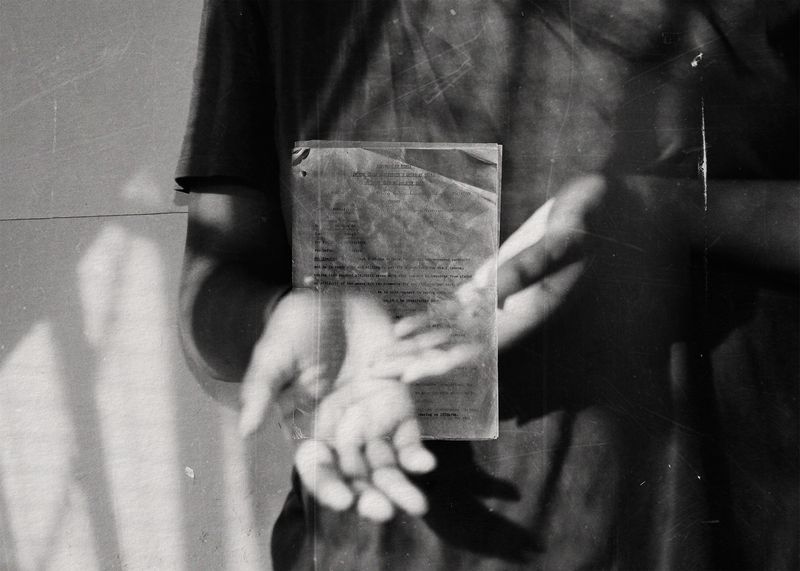
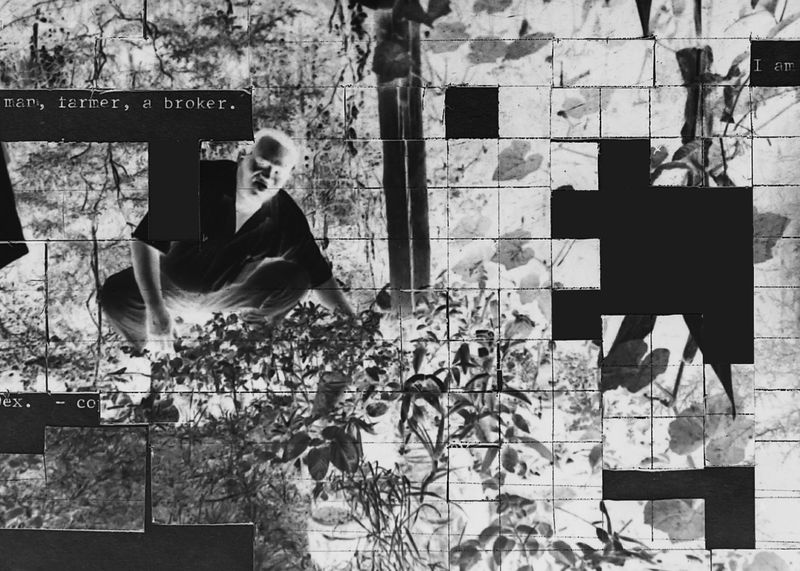
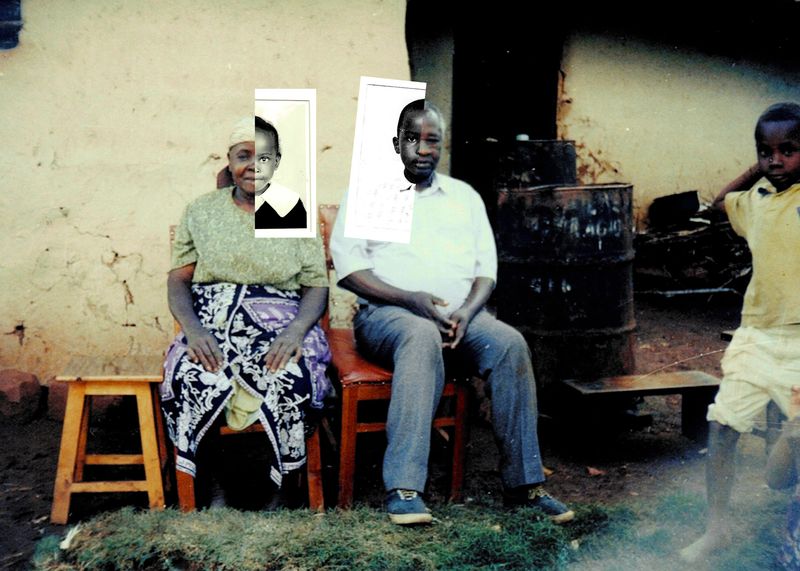
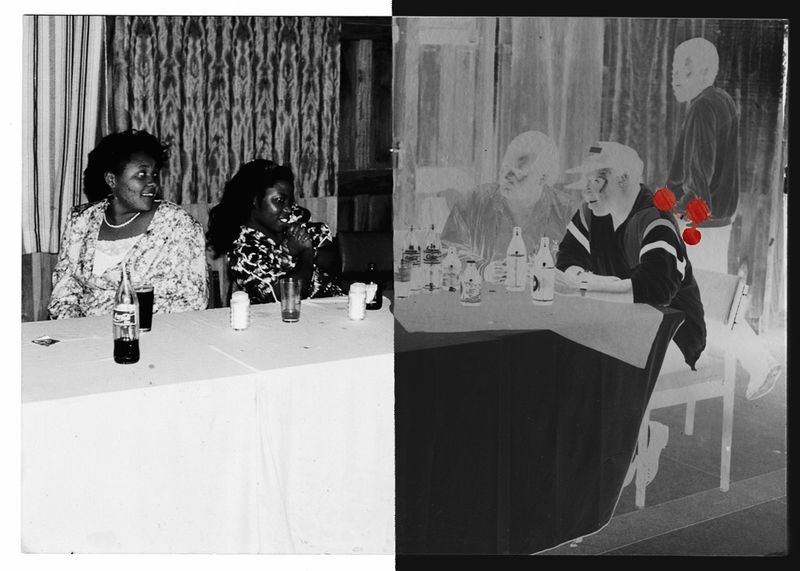
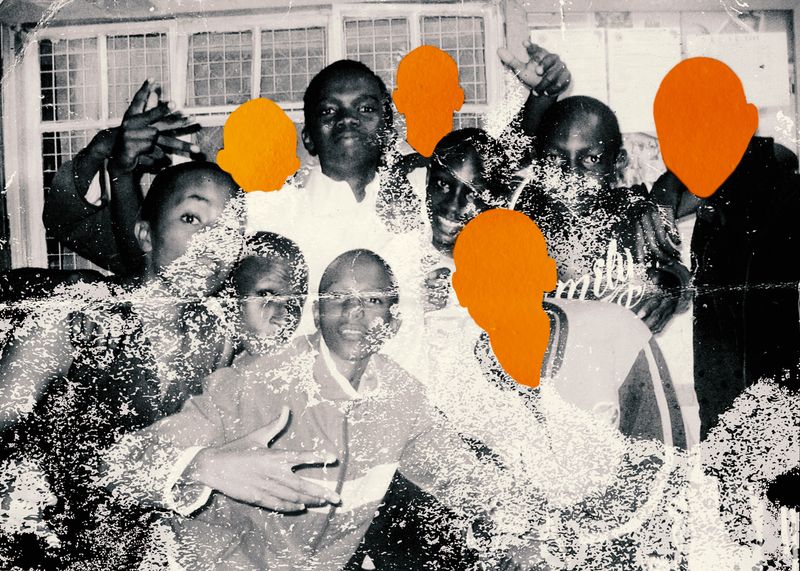
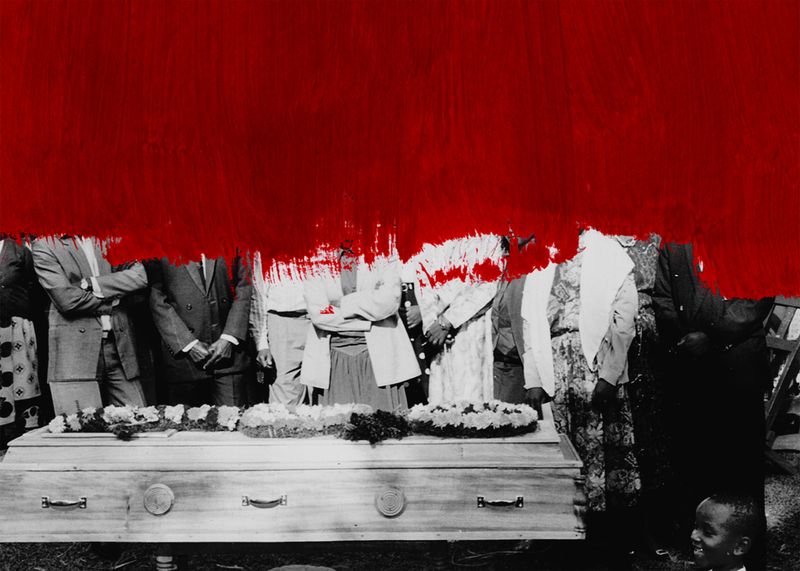
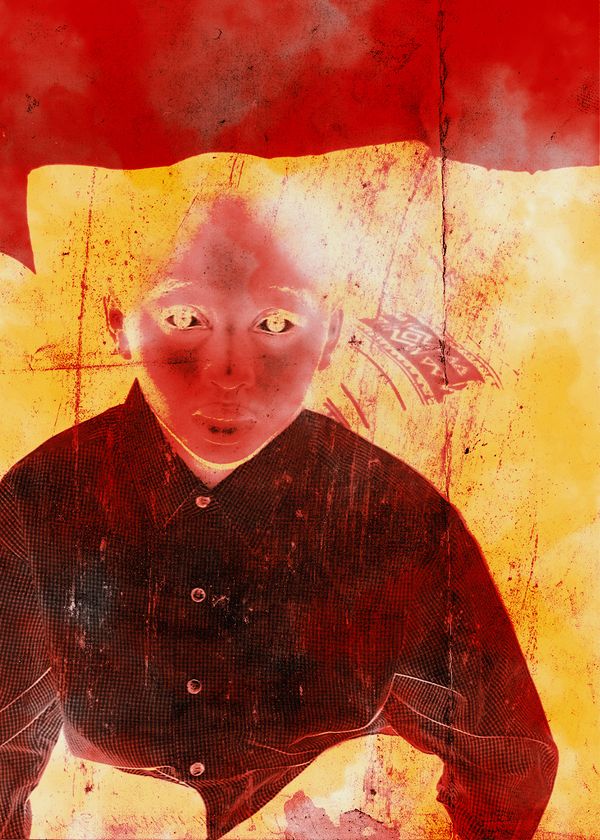
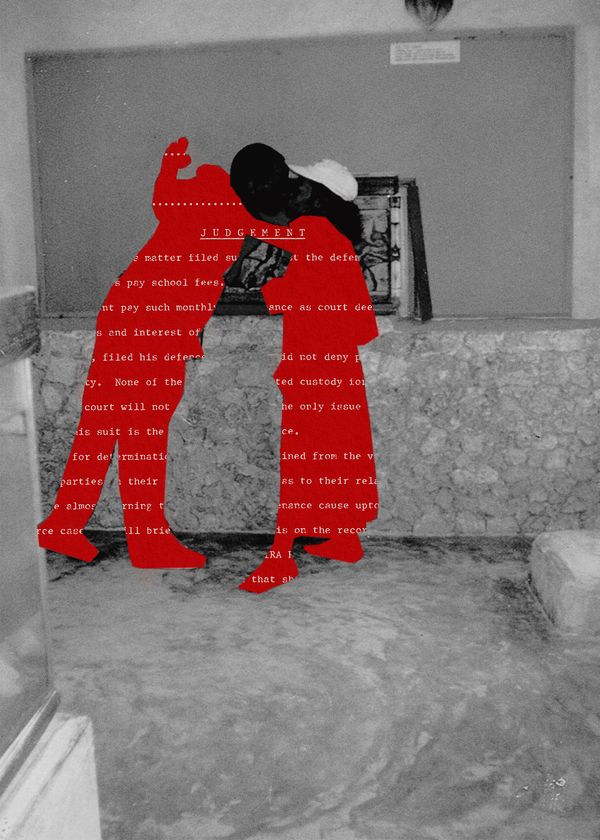
When my parents divorced, my mother hid our family album. Finding this archive revealed a split reality: the photographs versus our actual life. By altering these images, I bridge the gap between the recorded and withheld.
At nine years old, while herding my grandfather's goats, I made a vow with the heavens to never again mourn a father who did not want our family. At thirteen, I experienced unexplained nosebleeds.
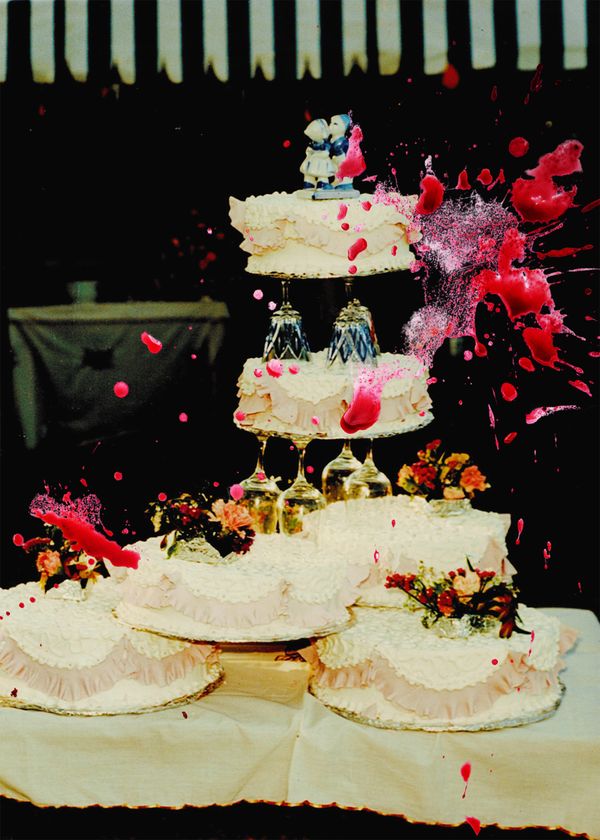
My mother stowed away our family album in a suitcase in her bedroom. We rarely spoke of him, yet my father remained a titular ghost, a name on legal documents looming over us, uninvited. When I finally encountered the archive, I expected it to mirror what I carried: rage, hurt, an absence made visible. Instead I found birthdays, weddings, portraits of family and friends since forgotten.The photographs refused my feelings. In their place came a different confusion, why had my mother kept these at all, these images of a man who had chosen not to stay? The archive offered no coherent story, only a split reality: the family preserved in photographs, and the family we actually were. For a younger me, that gap was its own unfathomable grief.
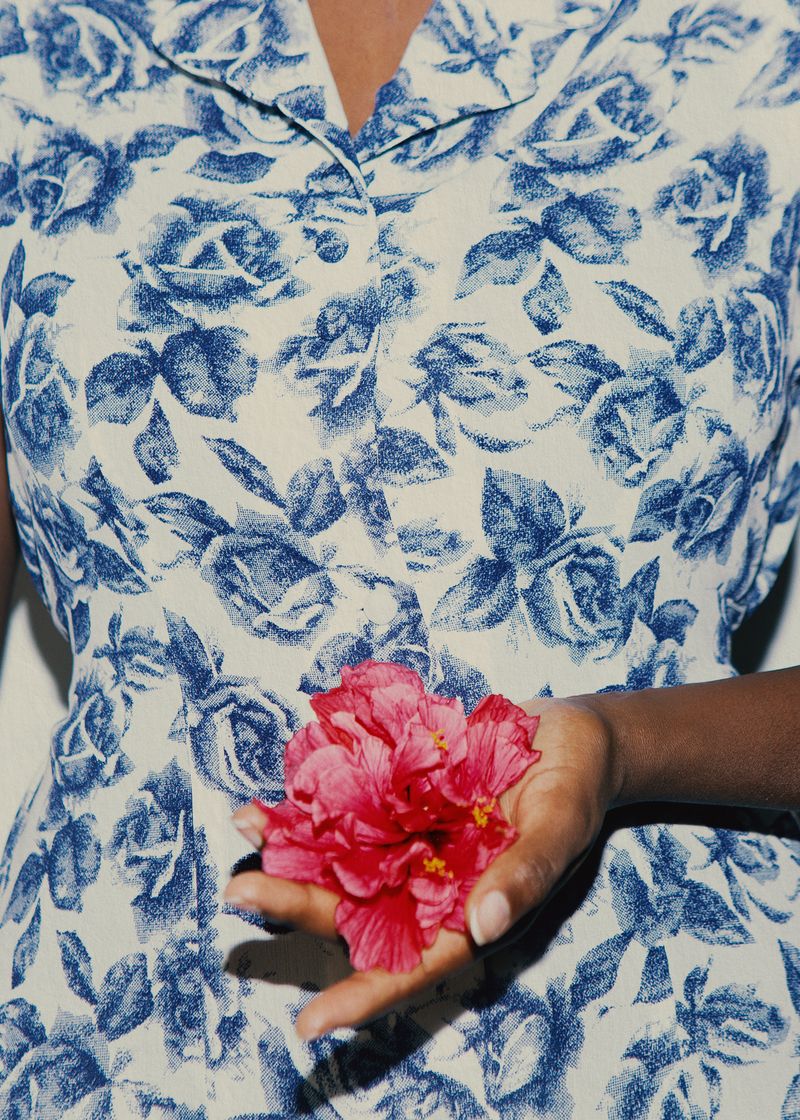
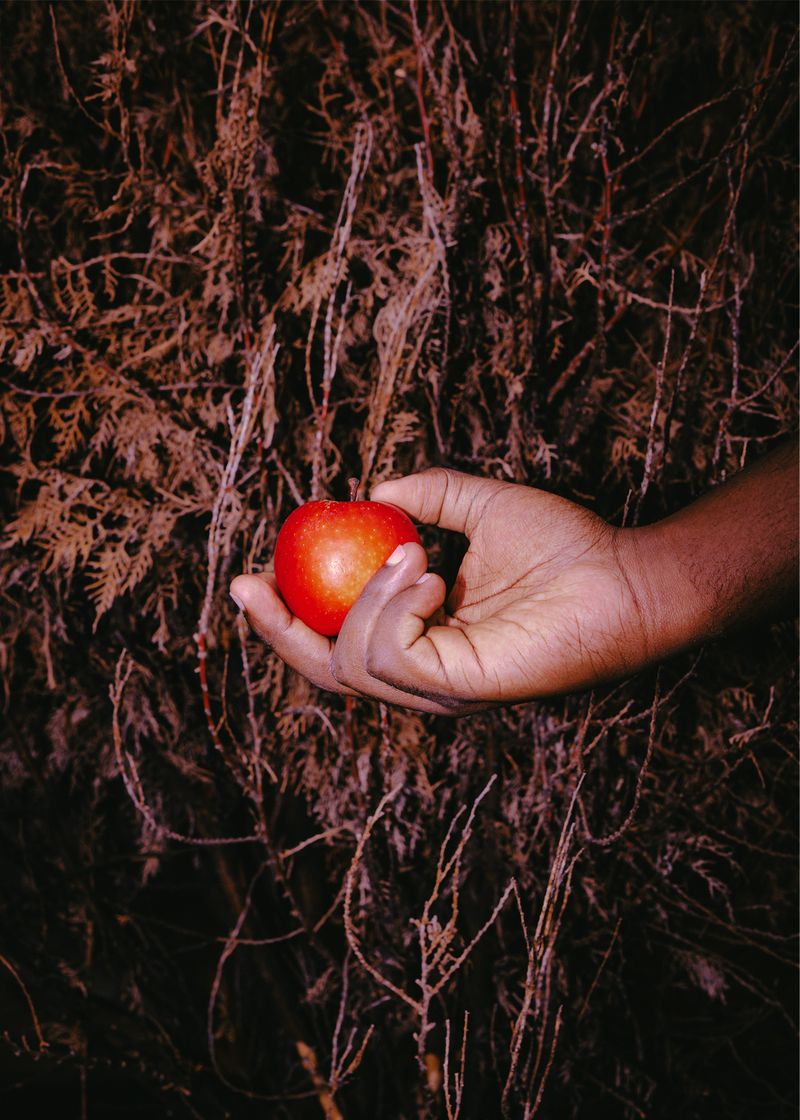
I turned these documents over, looking for the seams in the family so carefully composed. The authorship shifted, from her hopeful preservation to my active witness. I began making my own photographs to inhabit the pages my mother left behind, using the camera to claim the years the album left blank. I cut up, painted over and painted in these photographs, because a photograph insists it is the whole of what happened, and these were not. These new compositions do not offer a resolution. Instead, they offer an account of a life lived in the gap between the recorded and the withheld. My mother once told me she has learned to look at my photographs more deeply, because they refuse to remain on the surface. Each composition serves as a site where her mythography and my lived experience are held together: unresolved but reconciled. We continue to construct fictions. It is the necessary architecture of how to live.