The Mountain That Cried


-
Dates2017 - 2026
-
Author
- Location Andaraí, Brazil
-
Recognition
A visual investigation of the traces left by diamond mining in the Sincorá mountains, treating the territory as a living archive of historical tensions that shaped local culture.
STORY
“The diamond carries a spell, and in the darkness we can see its reflection, enough to blind an owl, when it moves from one place to another, like a spirit leaving a mountain, crossing the sky, and descending on a hill or a river, in the form of a light that caught the eye even from afar. Men went mad like this, waiting for dawn and opening cracks in the ground where they thought they had seen the light enter, only to find nothing.” Itamar Vieira Junior, Torto Arado, act 3, chapter 1.
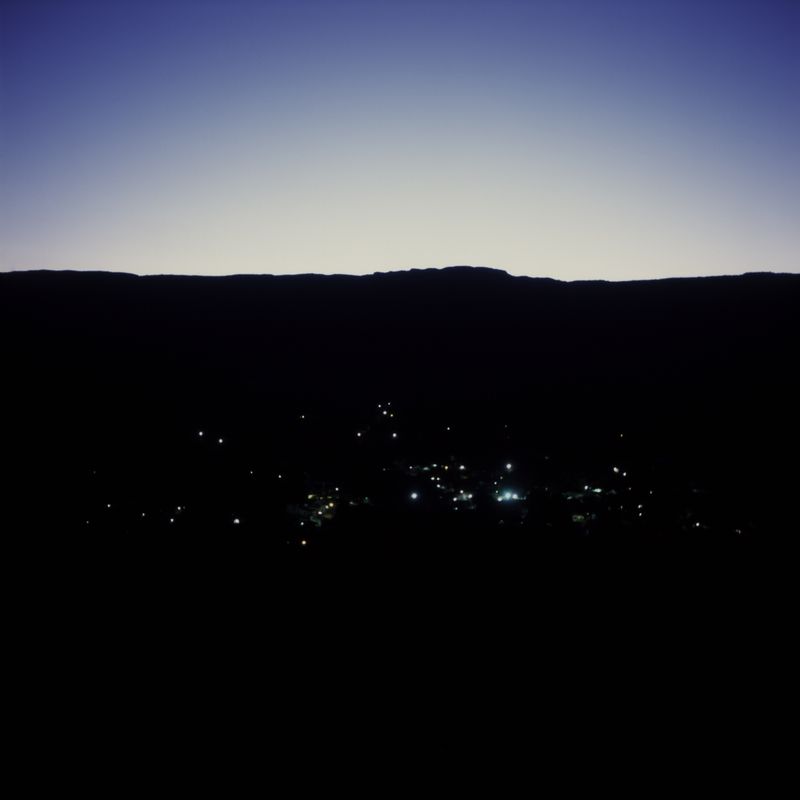
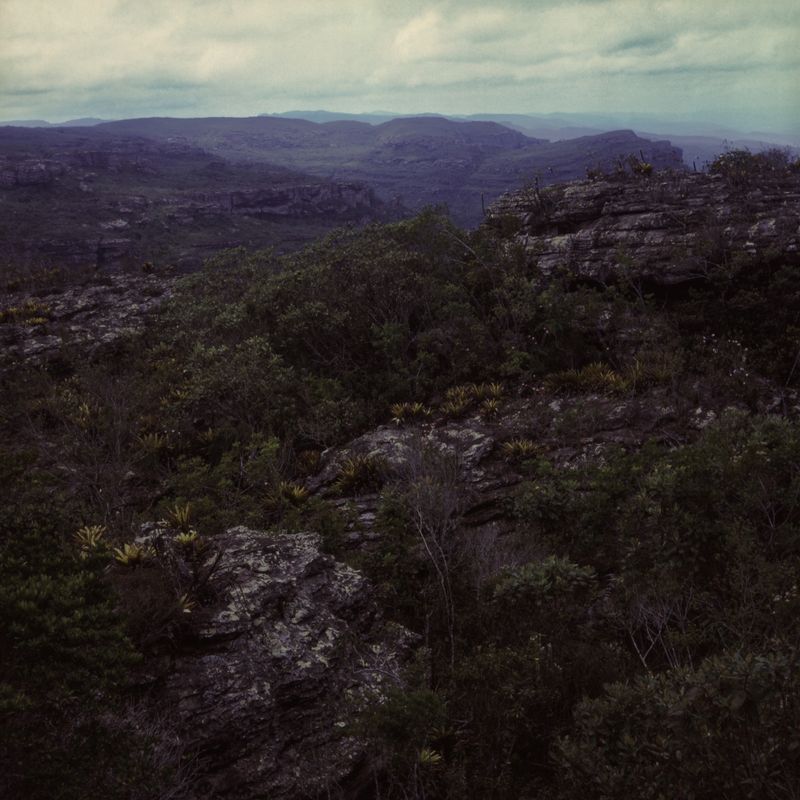
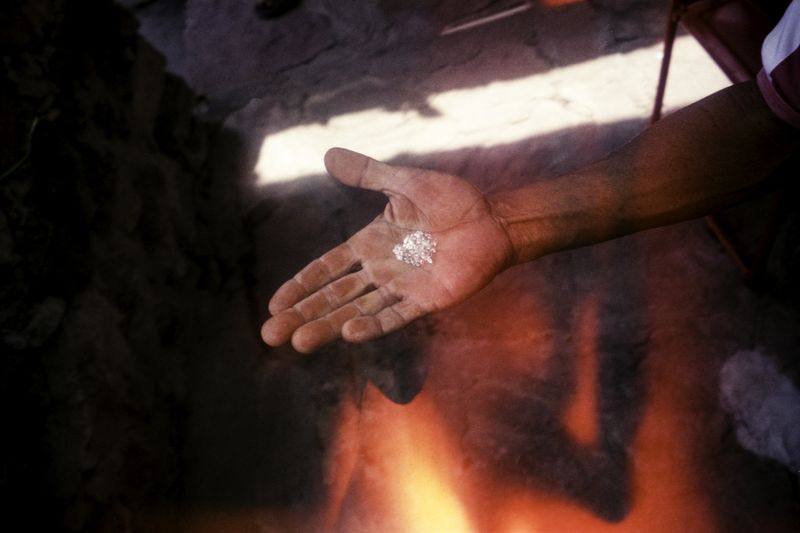
Chapada Diamantina, in the Sincorá Highlands, is named after the ore once abundant there, which made it a key mining centre in Brazil. Diamonds became intertwined with the local culture, imposing a destiny on its people and tying the region's identity to colonial demand.
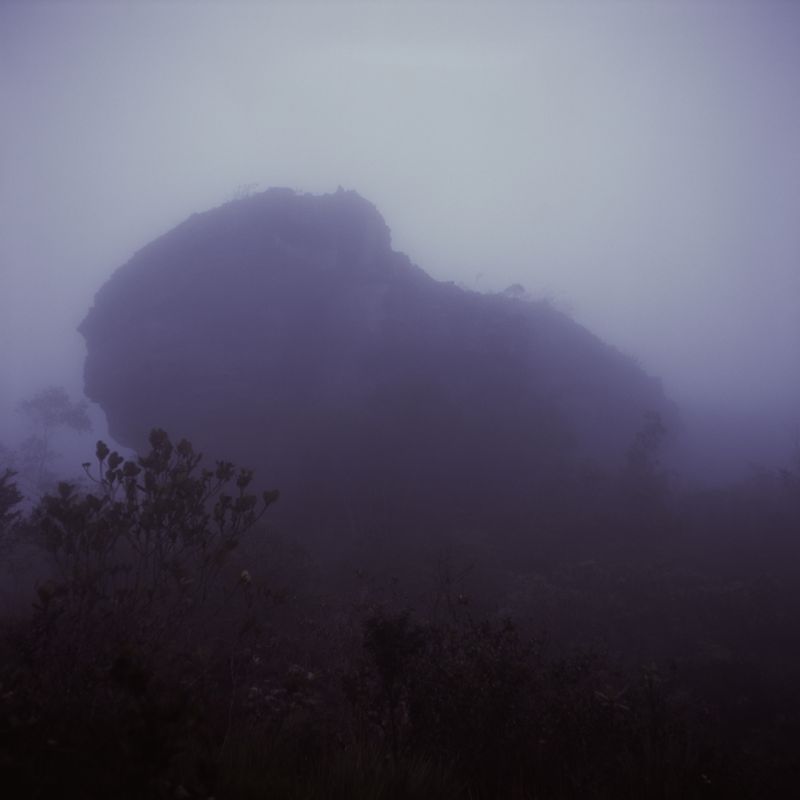
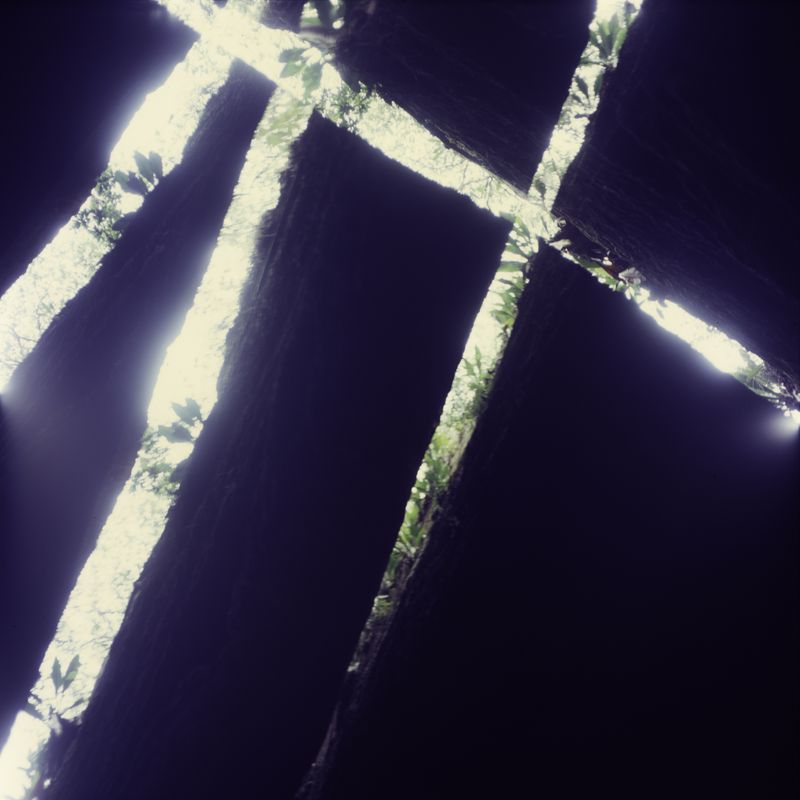
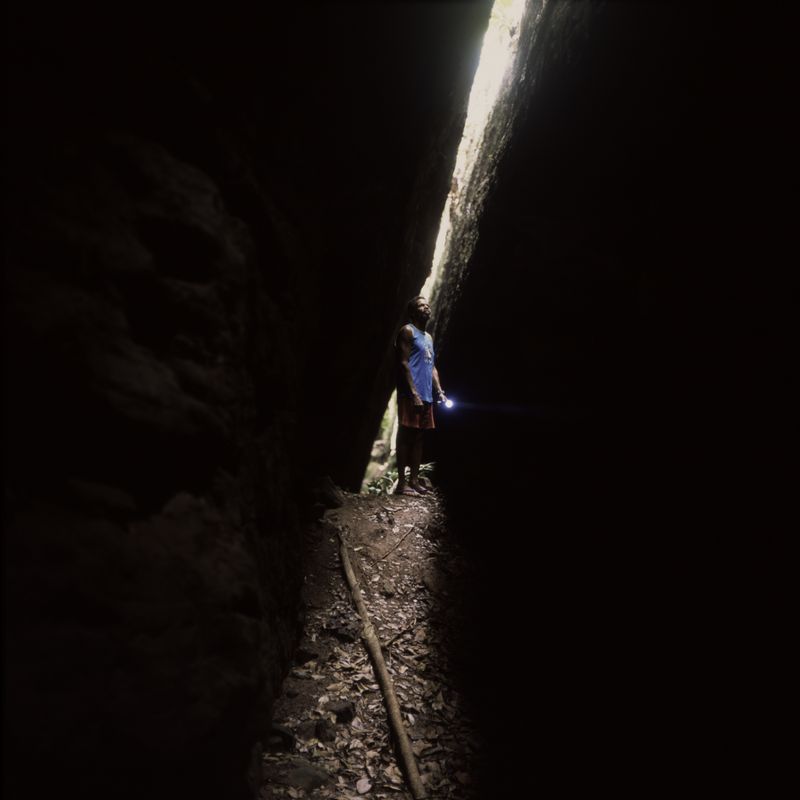
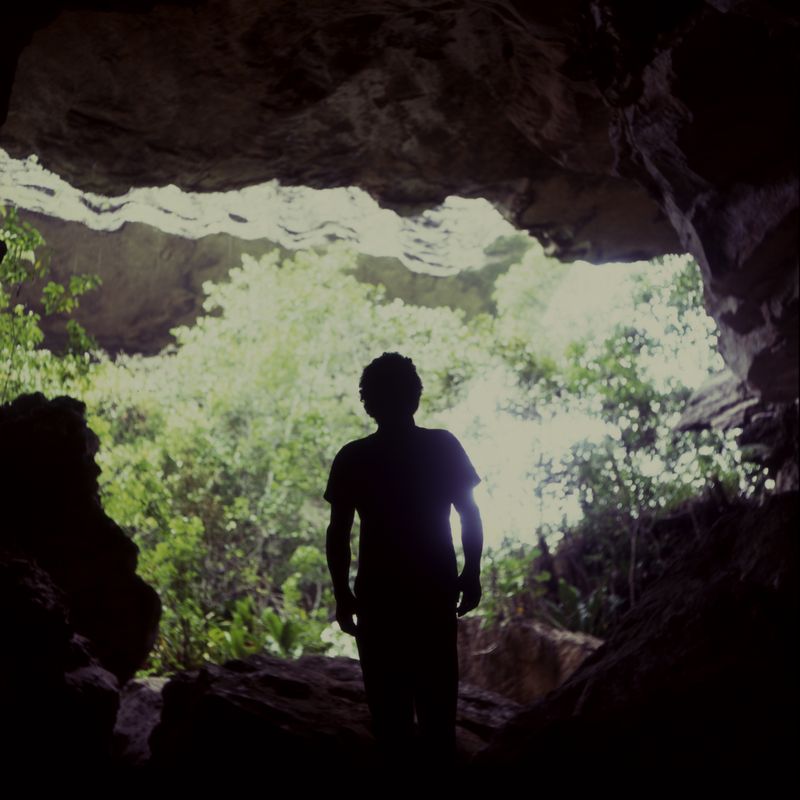
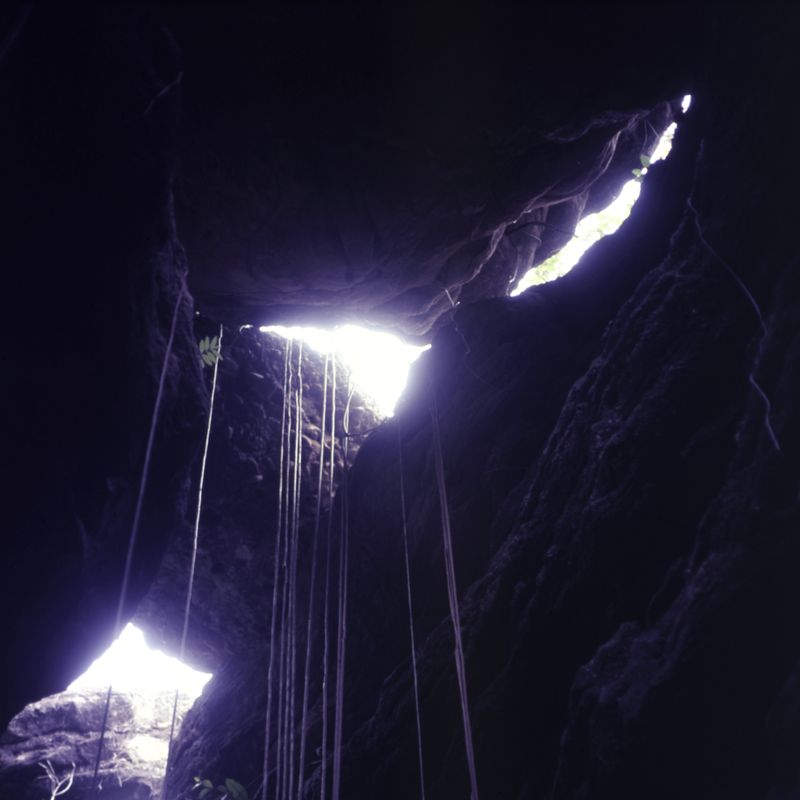
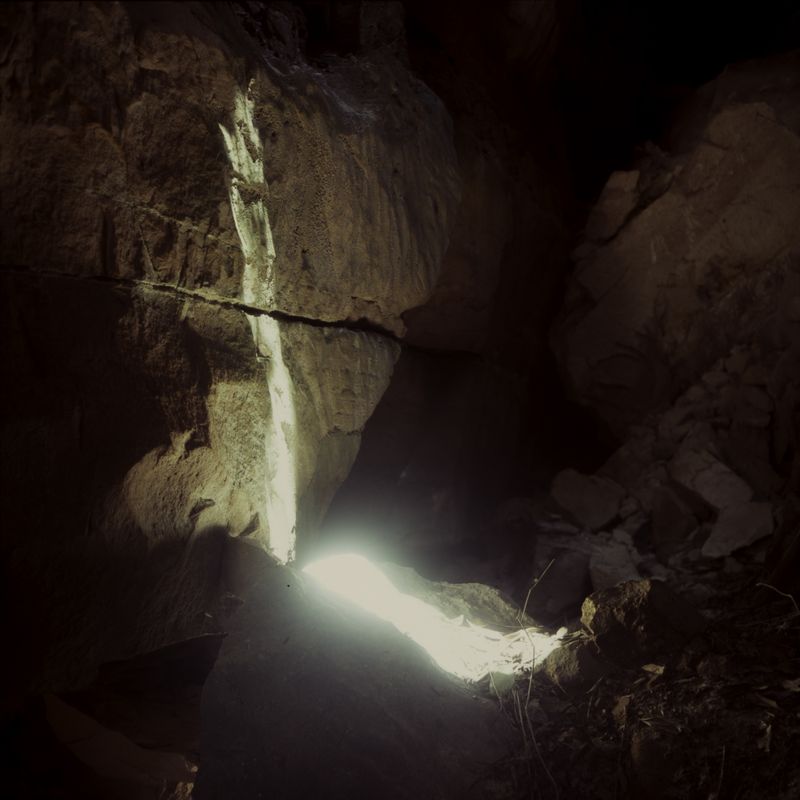
This transformed the area in a way that the landscape holds the organic, living, subterranean history of the land, visible in its forms and textures. The memories of bodies and forces that crossed the highlands appear in the hundreds of entrances to old mines that tore through the ground, where generations of miners, driven by the illusion of wealth, worked in the dark, as if confined, lit by a sliver of light.
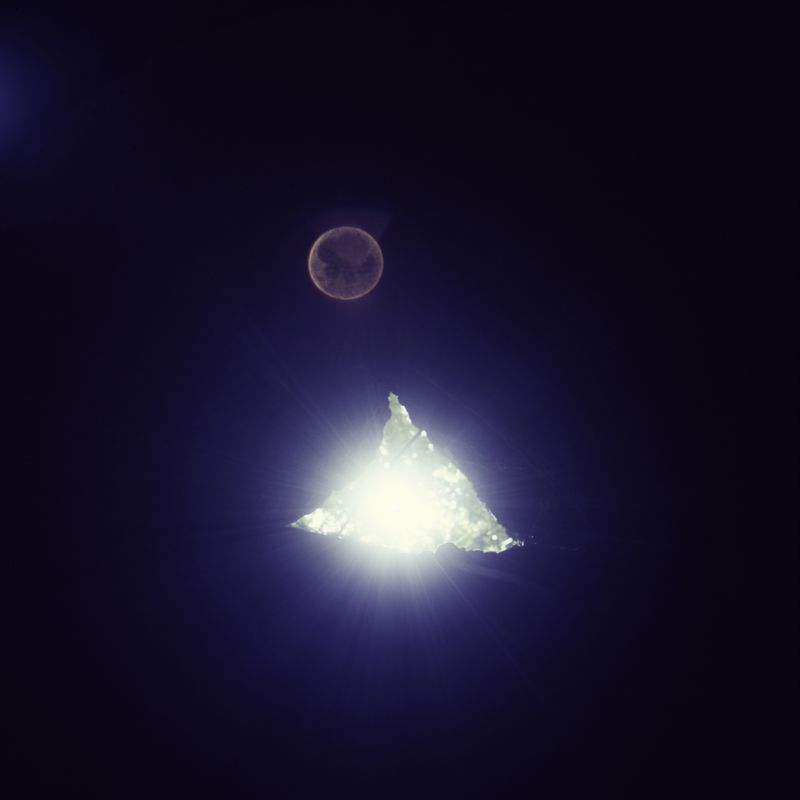
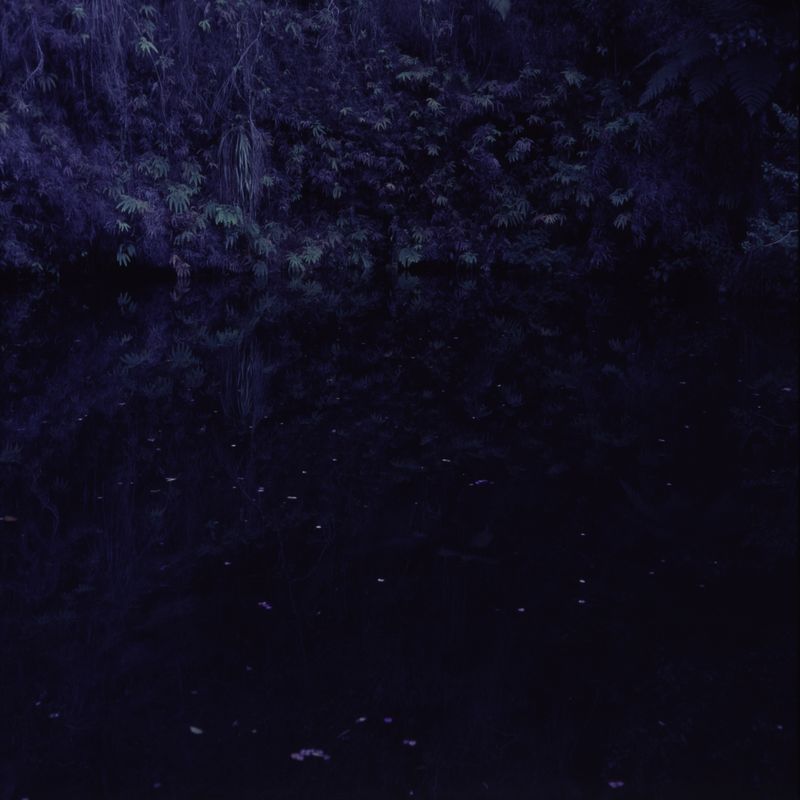
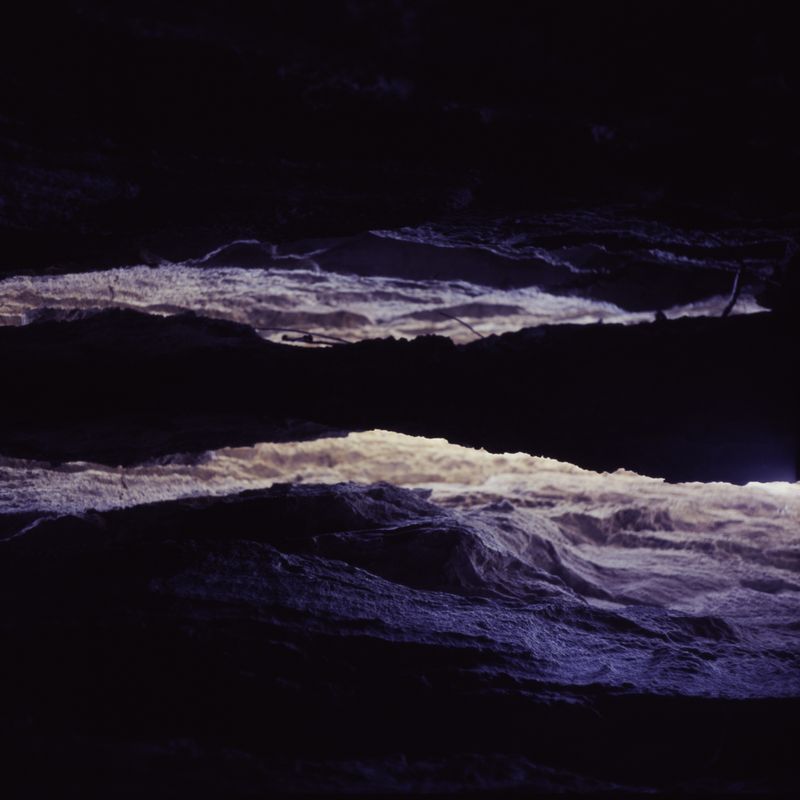
Diamond mining transformed the economy, geography, and imagination of the highlands. Rivers were diverted, hills exploded, communities emerged and vanished. These scars are photographed from the inside out, echoing the miner’s viewpoint. The outside world is overexposed, so the glow of the mine entrances resembles diamonds, blurring what lies beyond, as if the stone could still be seen where it no longer exists.
In Open Veins of Latin America, Galeano recounts a hill in Bolivia named Huakajchi, “the hill that cries,” for expelling the most minerals. In the same Latin America, this essay reflects on the history carved in these mountains by those who passed through them—tales of the stone’s spell and the fever of its shine, where most found only chimeras.
The stories I heard from locals over the years are translated into images, mixed with my imagination. In these microcosmic experiences, singular yet connected to other episodes across Brazil, I search for clues to the layers that structured my country’s identity.
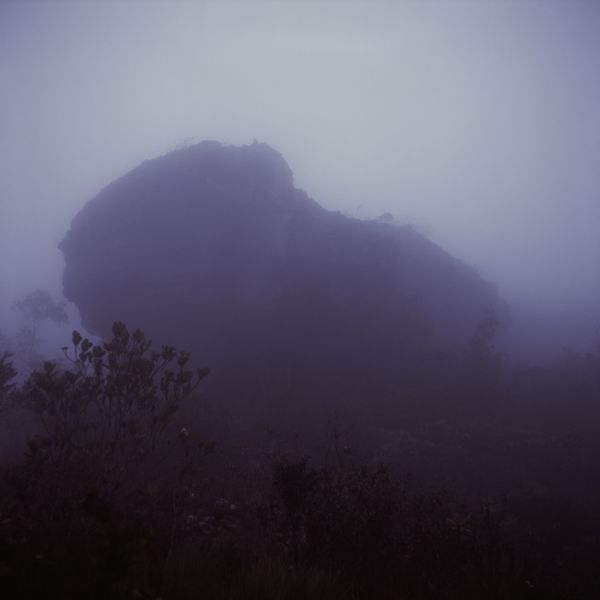
This project is a visual investigation into the marks left by mining in the Sincorá Highlands, interpreting the territory as a living archive of historical tensions that shaped local culture. An invitation to look at the mountain and its fissures as a field of memory, identity, and enchantment.
PROCESS
I began this project in 2017, during my first visit to the Sincorá Highlands, when I first encountered the region’s mining history and its impacts on the people who live there. Since then, I’ve returned regularly, continuing the project, and revisiting the friends I made along the way.
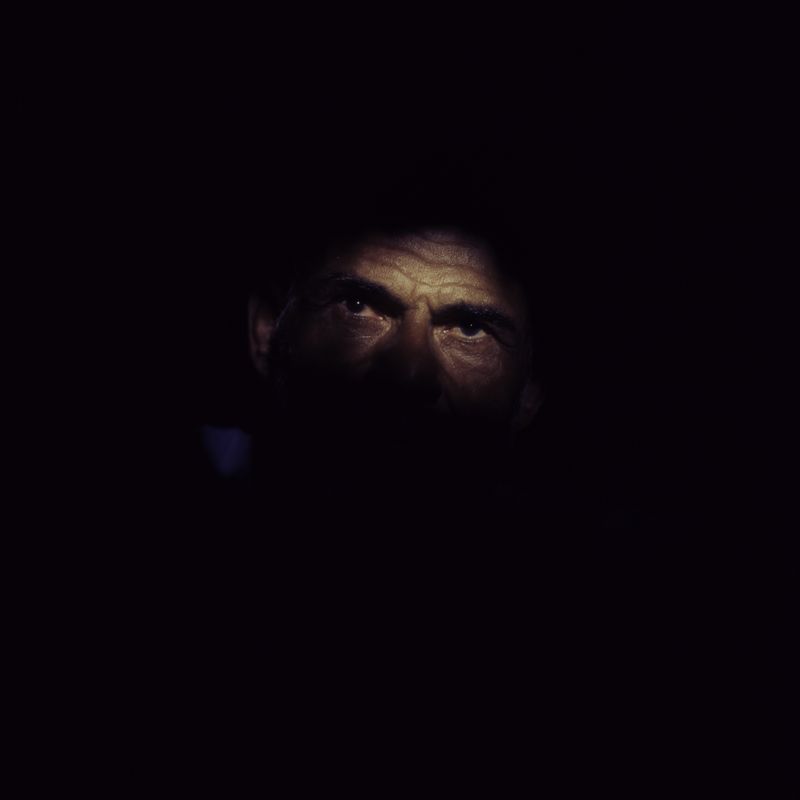
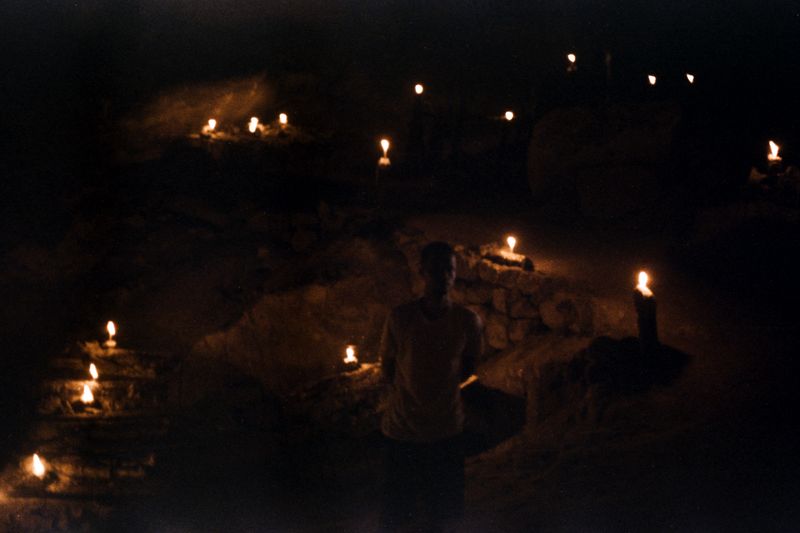
I began photographing everyday life with a 35mm camera, while the abandoned mines and portraits were shot on 120mm, 6x6 film.
I chose to work with expired film and imperfect cameras as an extension of the project’s themes. The medium format photographs were made with a Mamiya C220, a twin-lens camera that separates seeing from capturing, introducing a subtle distance between perception and image. The 35mm images were shot on an old Zorki 2C a light leak in the shutter curtain, where loss and unpredictability became part of the process.
Along with the colour shifts and degradation of expired film, these technical limitations echo impermanence and the fragile boundary between illusion and reality that runs through the project.
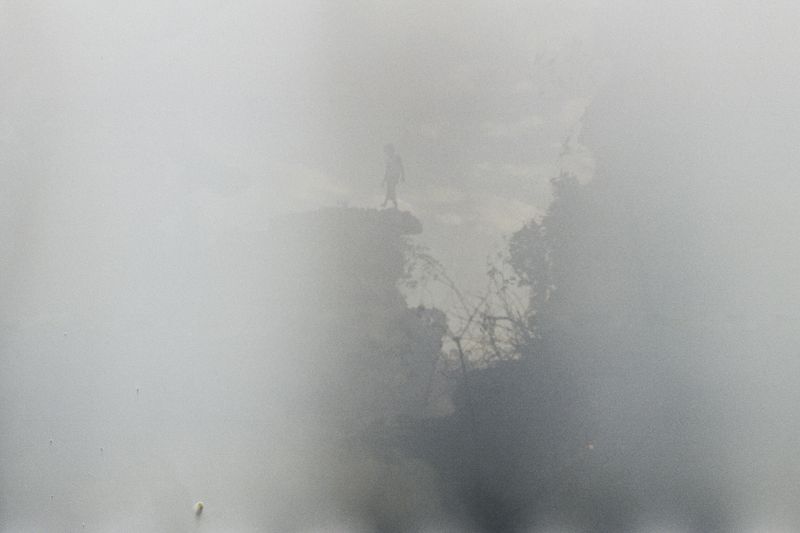
Beyond the choice of equipment, the project also embraces technical approaches that reinforce its mood and themes. Some images were created using double exposure, with the medium format camera mounted on a tripod and rotated between exposures to produce illusion-like photographs.
The use of expired film, optical imperfections, twin lenses, and layered exposures mirrors a territory shaped by illusion, where the diamond remains only as a trace.