

I Love You, Yet Not

This project is a visual exploration of shame, identity, and belonging, reflecting a personal journey shaped by family silence, emotional neglect, and the struggle to be seen and accepted.

"I love you, my son, the one who likes women," is what his father told Carlos when, at 14, he finally found the courage to tell him he was gay.

Carlos first realized he liked boys when he was five. From that moment, shame became a constant presence: like a second skin shaping the way he inhabited the world.

Trying to be the perfect child became a survival strategy. He understood that, to protect himself, he must not disappoint and had to follow a script, because love is offered only as long as it doesn’t cause discomfort.

He grew up observing bonds that operated in silence, where mockery, pressure, and indifference were normalized. This created a conflict between his inner world and the outside world: a fragmented identity between what others expected of him and what he could truly give.

Family should be the first place where care is unconditional, and vulnerability is not punished. When that primary bond teaches that no matter what you do it will never be enough, an early wound forms. Carlos then learns to give himself what he was never taught to receive.

This project, I Love You, Yet Not, is a visual exploration of shame, identity, and the struggle to belong. It shares a personal journey while opening a space to reflect on how emotional neglect and unspoken rules shape who we become.

And though staying silent sometimes hurts less than speaking, living in a quiet voice can also be suffocating.

© María Fernanda Pérez - Image from the I Love You, Yet Not photography project
i

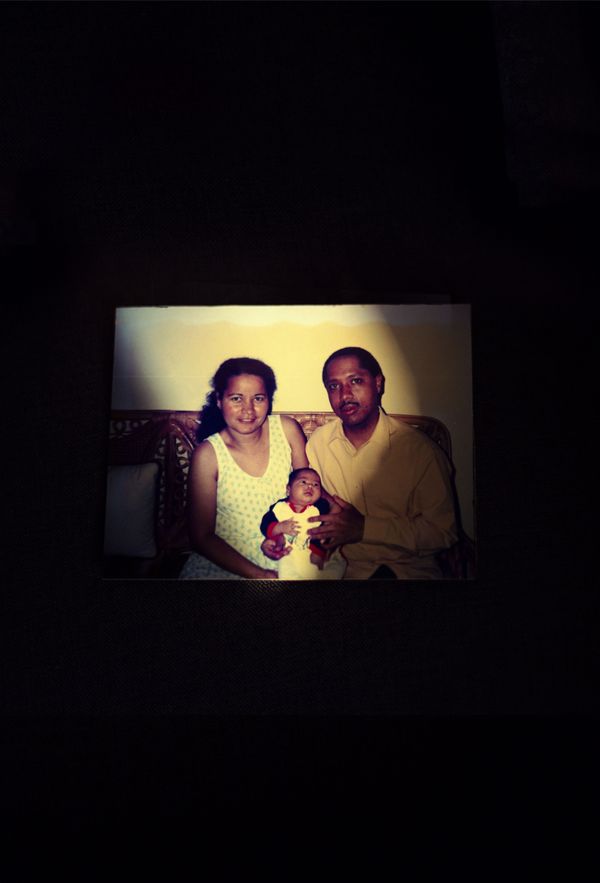
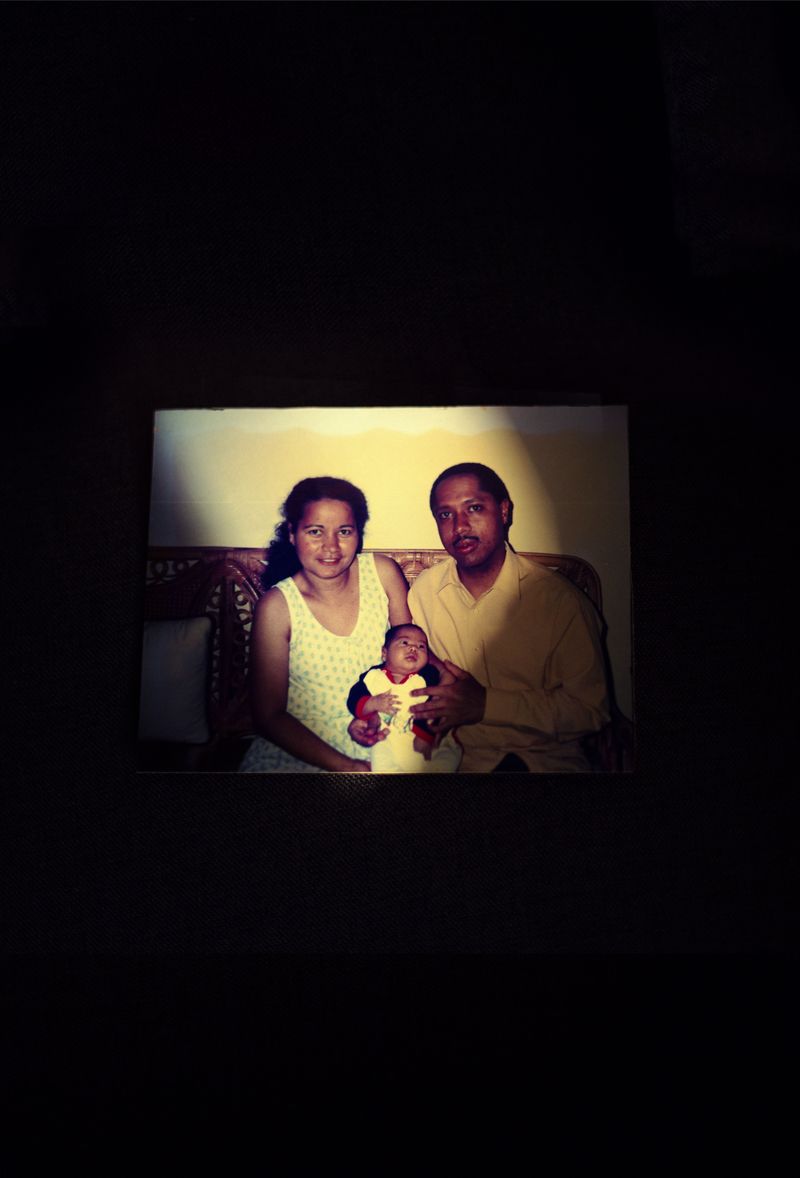
Archival photograph of Carlos as a newborn, held by his parents, still free from the pressures and expectations that would later shape him.

© María Fernanda Pérez - Image from the I Love You, Yet Not photography project
i

Shame has always been present in his life: shame for feeling, for desiring, and for being. From an early age, he understood that revealing himself could be dangerous, so he learned to hide.

© María Fernanda Pérez - Image from the I Love You, Yet Not photography project
i

In many Latin American countries, the word 'pato' (duck) is used to ridicule homosexual men. Carlos grew up hearing phrases in his family like 'men shouldn’t be patos' or 'there will be no patos in the family.' Over the years, he has learned to transform the word, reclaiming it so that it no longer hurts.

© María Fernanda Pérez - Image from the I Love You, Yet Not photography project
i

Carlos lies in his bed, defeated after a difficult week. He wears a shirt he doesn’t like, a gift from his mother. His body seeks refuge, while one hand stretches out, vulnerable, reaching for support.

© María Fernanda Pérez - Image from the I Love You, Yet Not photography project
i

Carlos lives among walls that won’t let him be himself; every space he inhabits seems to remind him to hide, never allowing him to relax. His house has never felt like home.

© María Fernanda Pérez - Image from the I Love You, Yet Not photography project
i

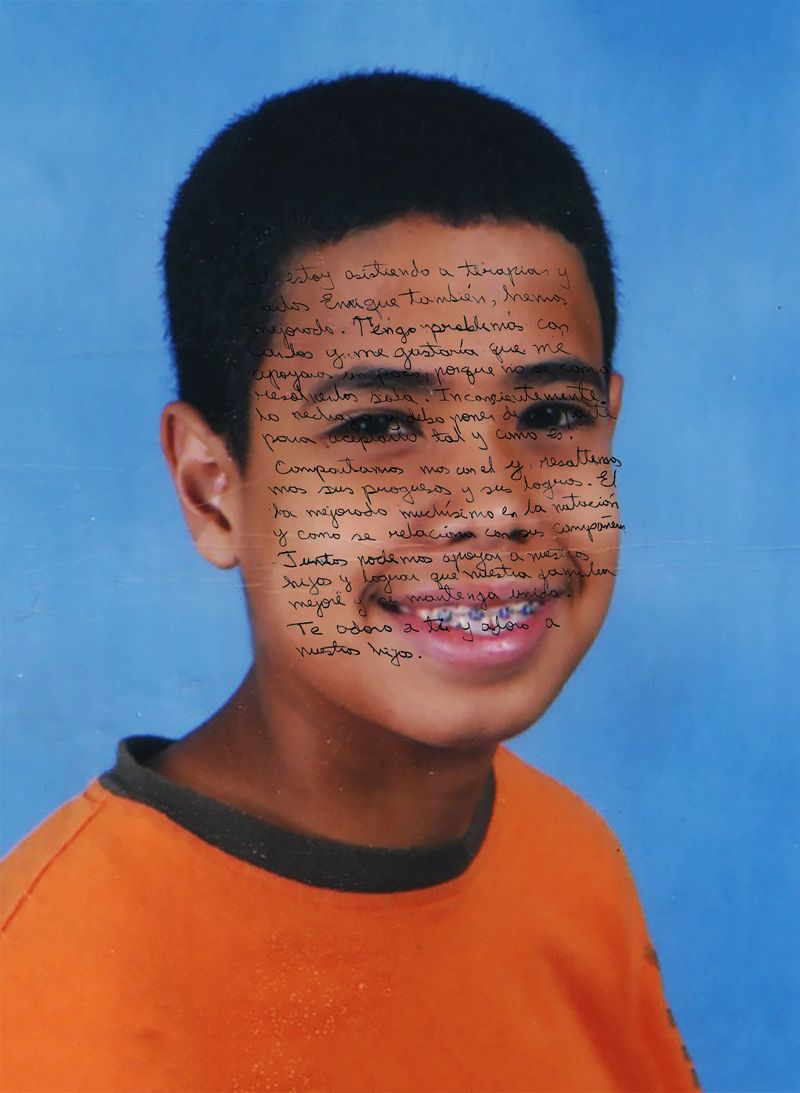
Archival photograph of Carlos with a letter his mother wrote to his father when he was the same age as he appears in the image. It read: 'I have problems with Carlos and I would like your support, because I don’t know how to handle them on my own. I unconsciously reject him and must do my part to accept him as he is.' This rejection has stayed with him over the years, never changing.

© María Fernanda Pérez - Image from the I Love You, Yet Not photography project
i

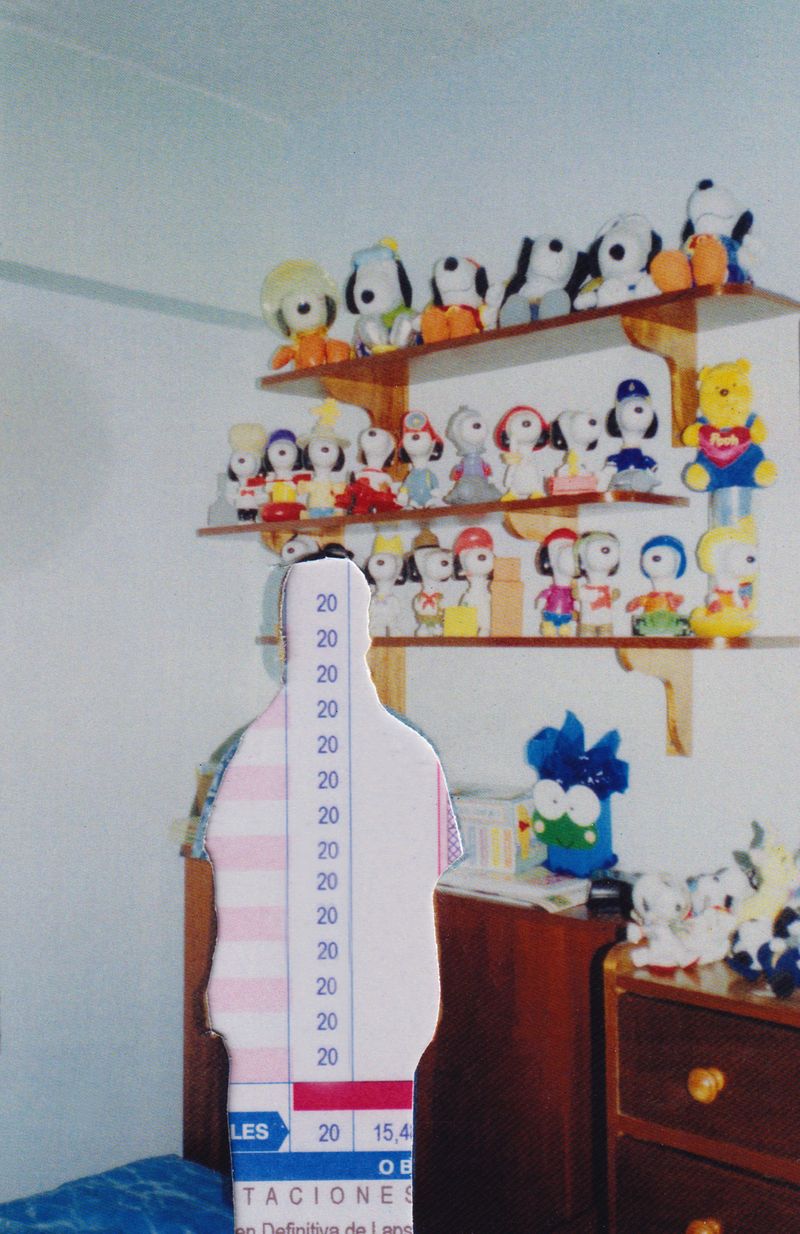
Intervened image of Carlos with his school report card, where 20 points is the highest score. It reflects his pursuit of perfection, a survival strategy learned in childhood. To protect himself, he understood he could not disappoint and had to follow a script he did not write.

© María Fernanda Pérez - Image from the I Love You, Yet Not photography project
i

Abandoned, Carlos learns from an early age that he must take care of himself, that no one will come to save him. He moves through a world that pushes him aside, constantly reminding him of his vulnerability and the resilience he has had to build.

© María Fernanda Pérez - Image from the I Love You, Yet Not photography project
i

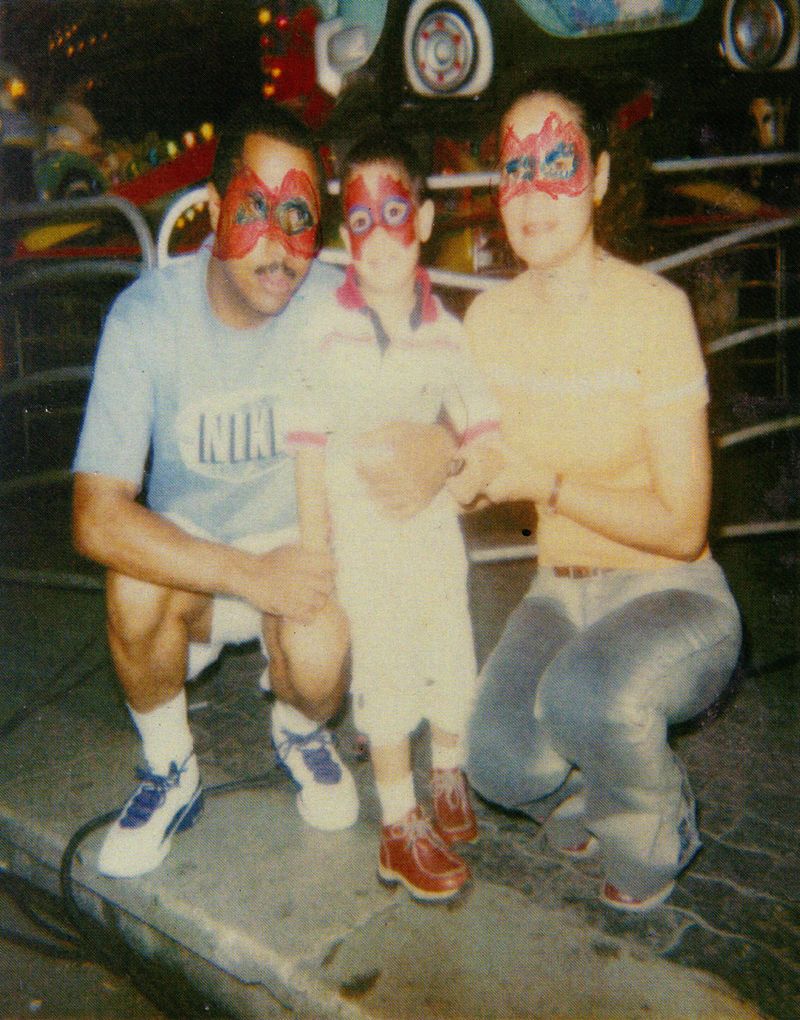
Archival family photograph intervened by Carlos, in which he paints the same mask he wears onto his parents, suggesting that he is not the only one hiding who he is, and that they, too, keep parts of themselves hidden.

© María Fernanda Pérez - Image from the I Love You, Yet Not photography project
i

Dive deep to hide the imperfect. Sink until you forget where you are. Wait for the right moment to break the surface and breathe. Carlos feels trapped beneath the water, unable to escape, searching for air, calm… freedom.

I Love You, Yet Not by María Fernanda Pérez

Prev Next Close