Sang titre (Huntitled)
-
Dates2023 - Ongoing
-
Author
-
Shortlisted
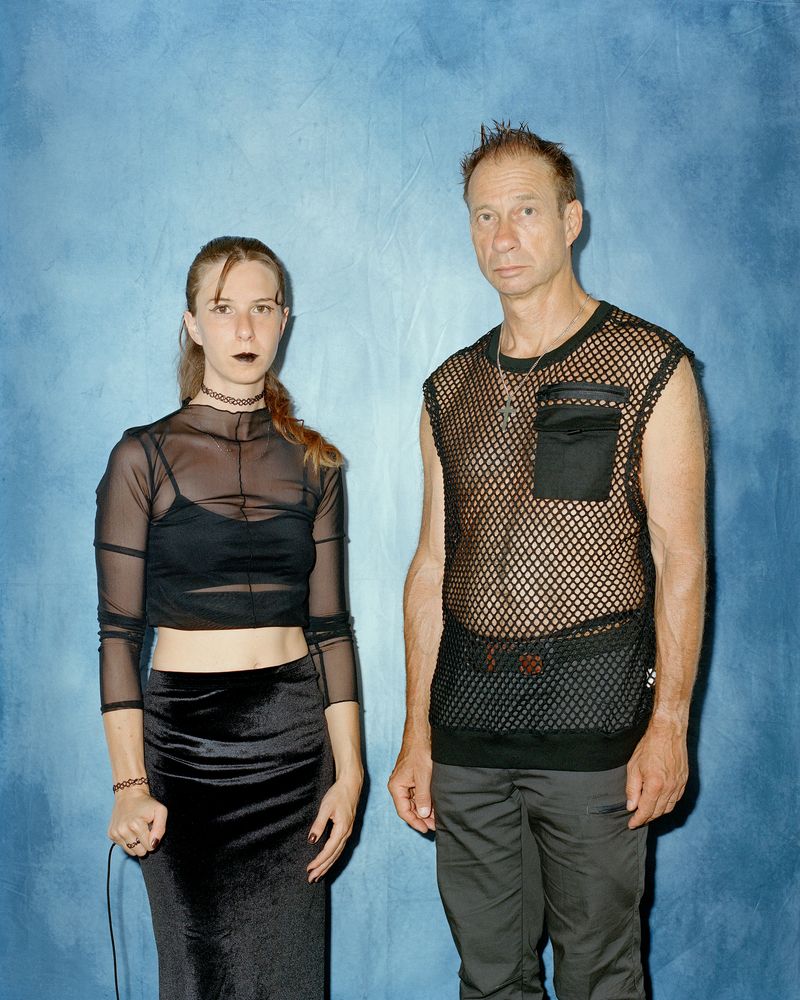
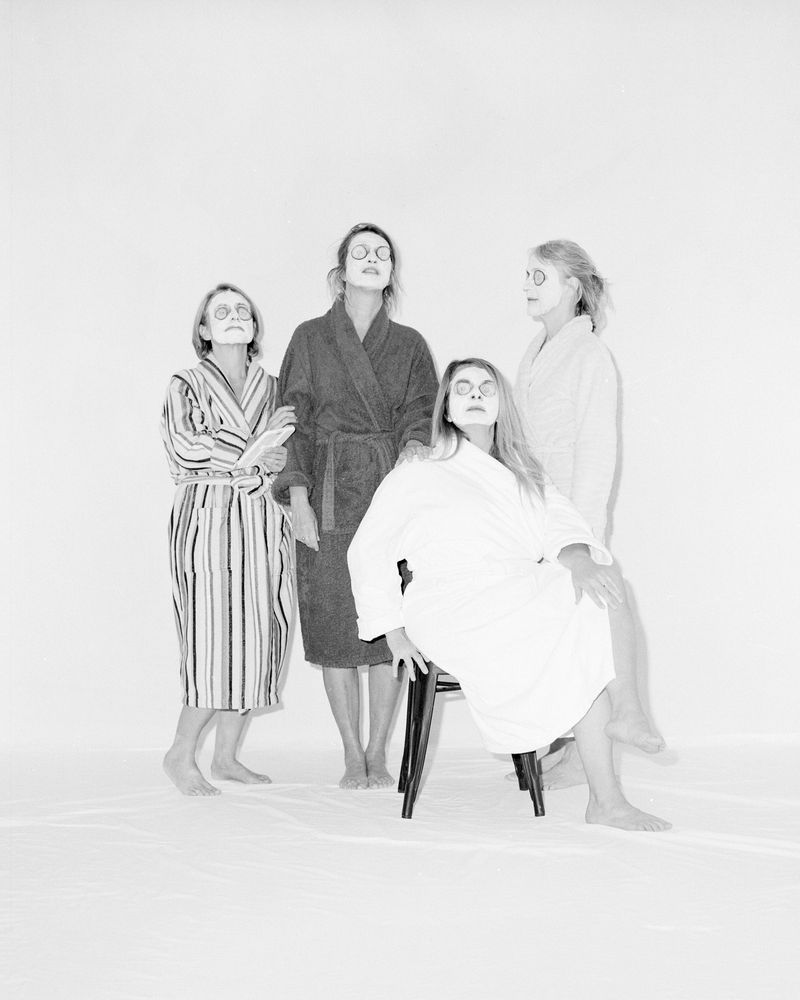
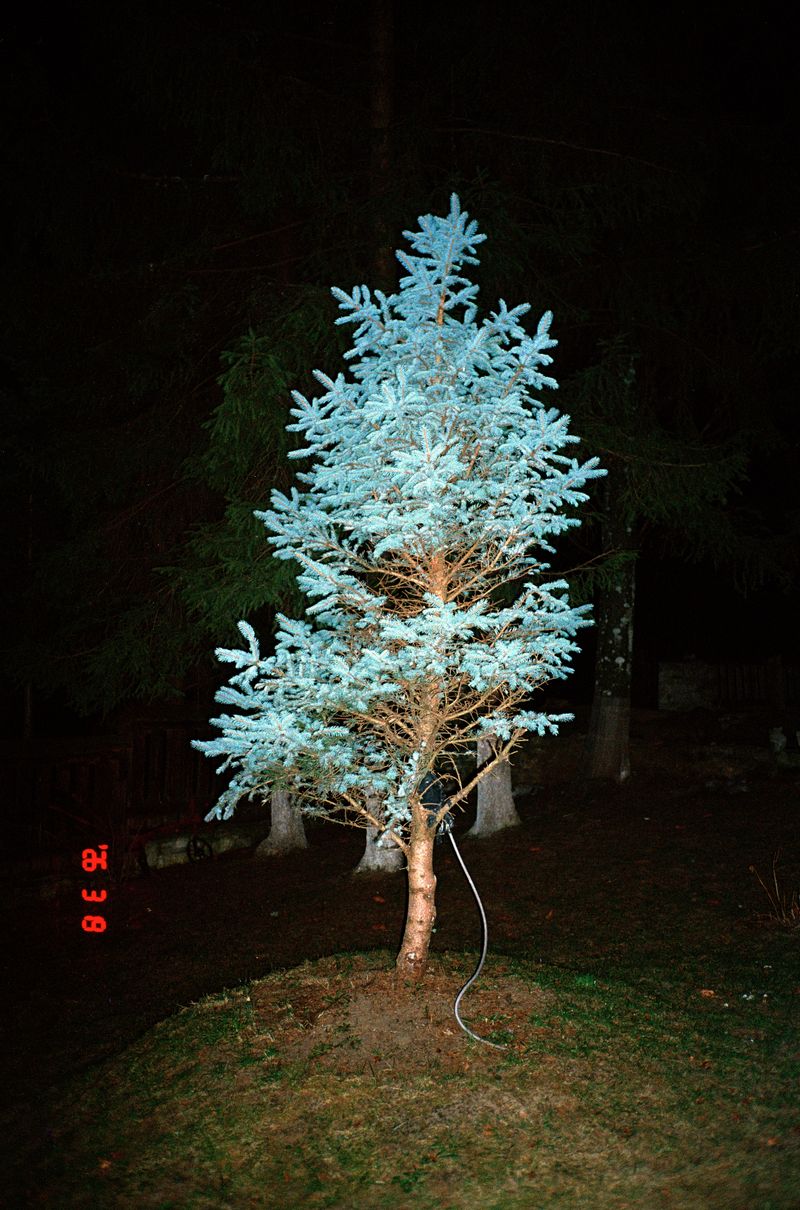
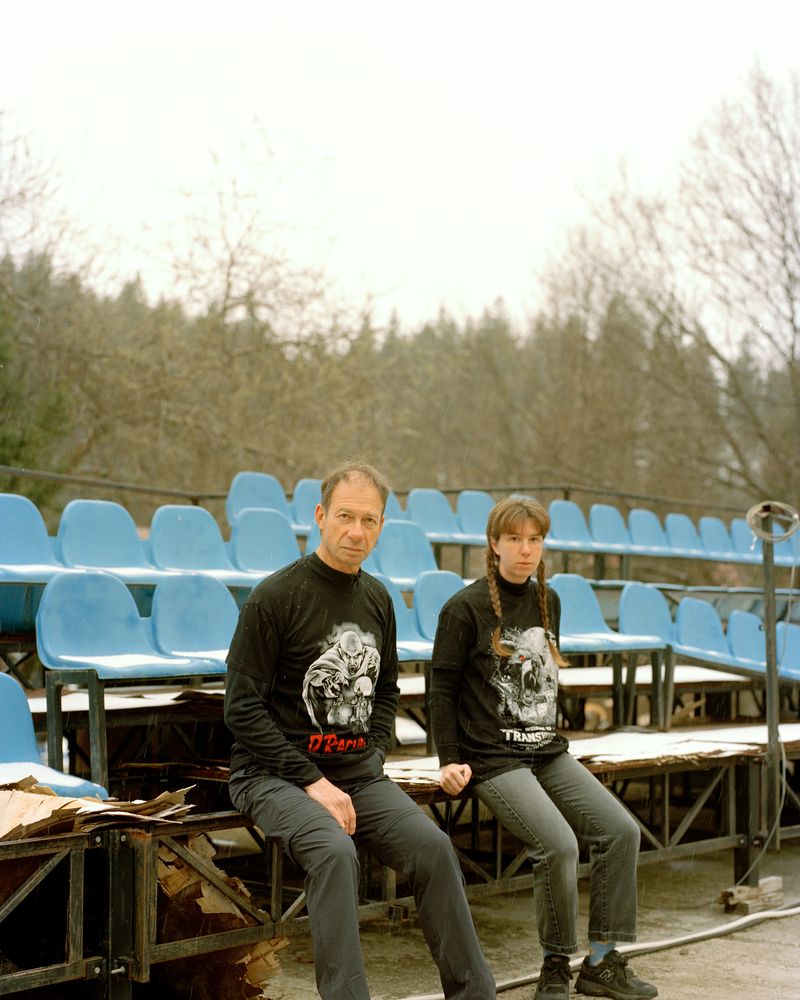
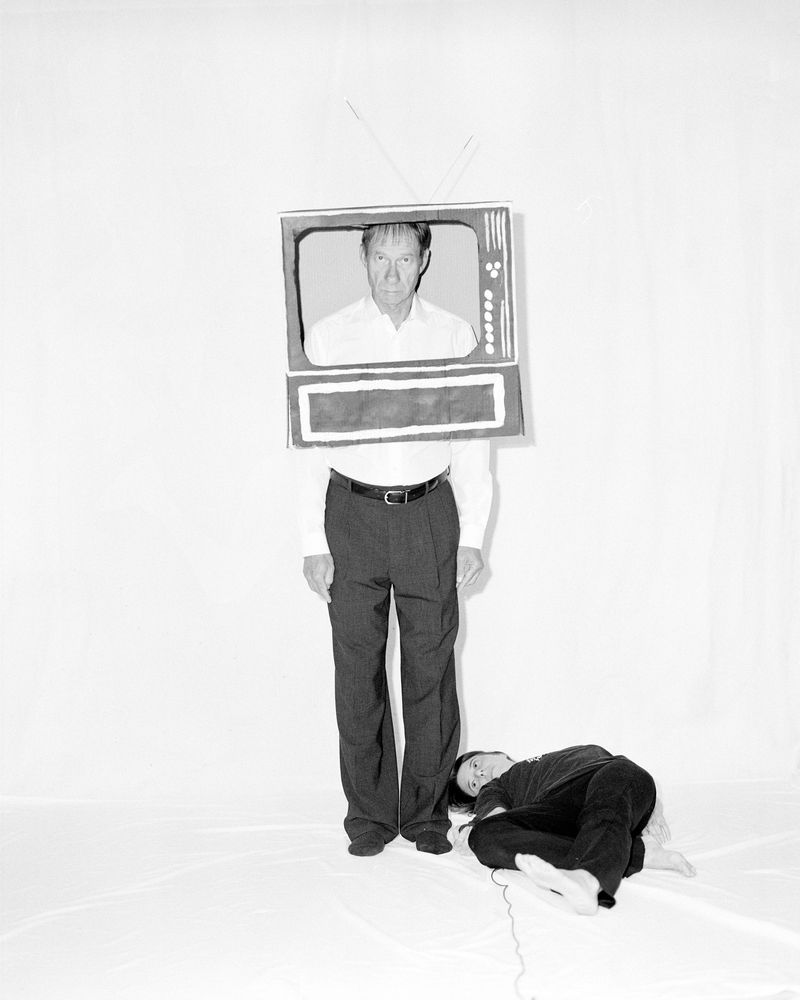
This docufictional project is connecting two realms: a personal exploration of the artist’s relationship with her father and his Romanian origins, and a broader reflection on the political, sociological, and aesthetic heritage of the vampire figure.
The vampire myth has haunted Romania ever since the Irish author Bram Stoker wrote his novel Dracula, that inspired afterwards the many films on the subject. Stoker never visited Romania. Instead, he selected, from British tourist guidebooks of the period, snippets of descriptions that matched the gloomy atmosphere he wished to give to his novel. Ironically, the novel was long censored in Romania—most notably under the communist regime—and the first official translation was published in 1990, following the fall of Ceaușescu.
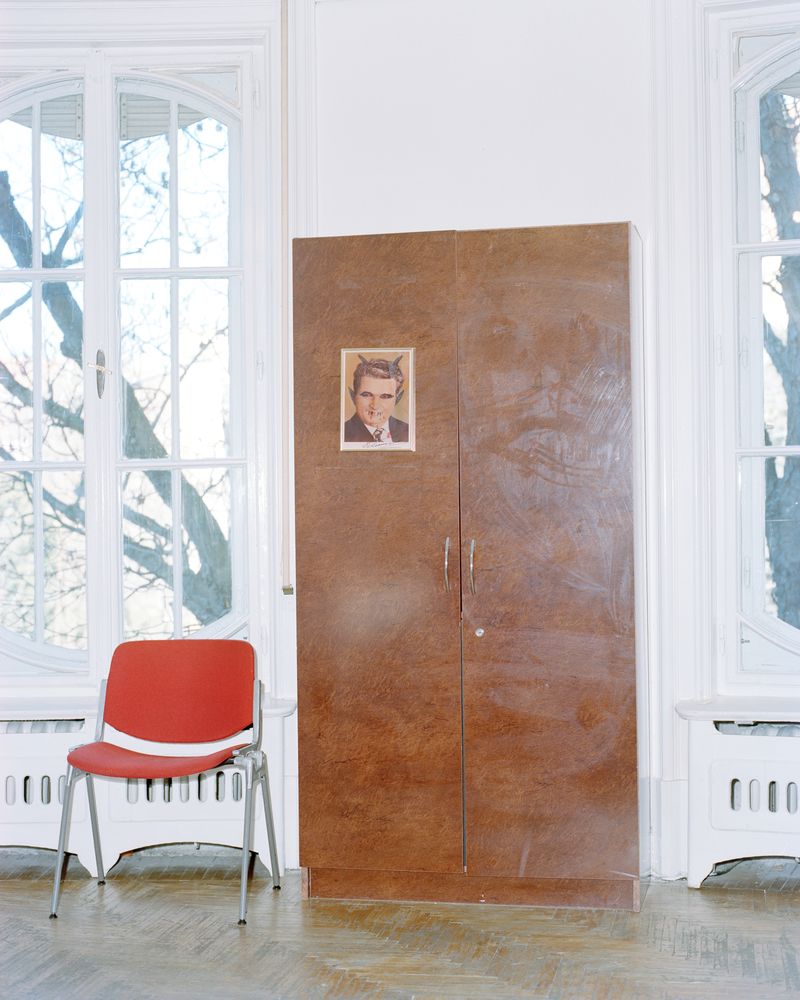
During his time in power, Ceaușescu maintained an ambiguous stance toward the myth. On one hand, he sought to avoid any association with Vlad Țepeș (Vlad the Impaler), a figure whom the communist regime celebrated as a national hero, when the West considered him as a bloodthirsty monster. On the other hand, Ceaușescu felt that the mystical folklore surrounding the « Strigoi » (a local form of vampire) made the country appear backward and incompatible with the scientific materialism and Marxism advocated by the state.
Despite this ideological disdain, economic opportunism—driven by an influx of foreign tourists in the 1970s who came in search of Dracula —forced the Ceaușescu Ministry of Tourism to adopt a more pragmatic approach: the creation of official tourist circuits titled "Dracula: Truth and Legend." The purpose of these tours was to deliberately steer the narrative in a different direction. They would lead the tourist, who had come to Transylvania in search of an imaginary vampire, toward the historical and architectural "truths" of Romania.
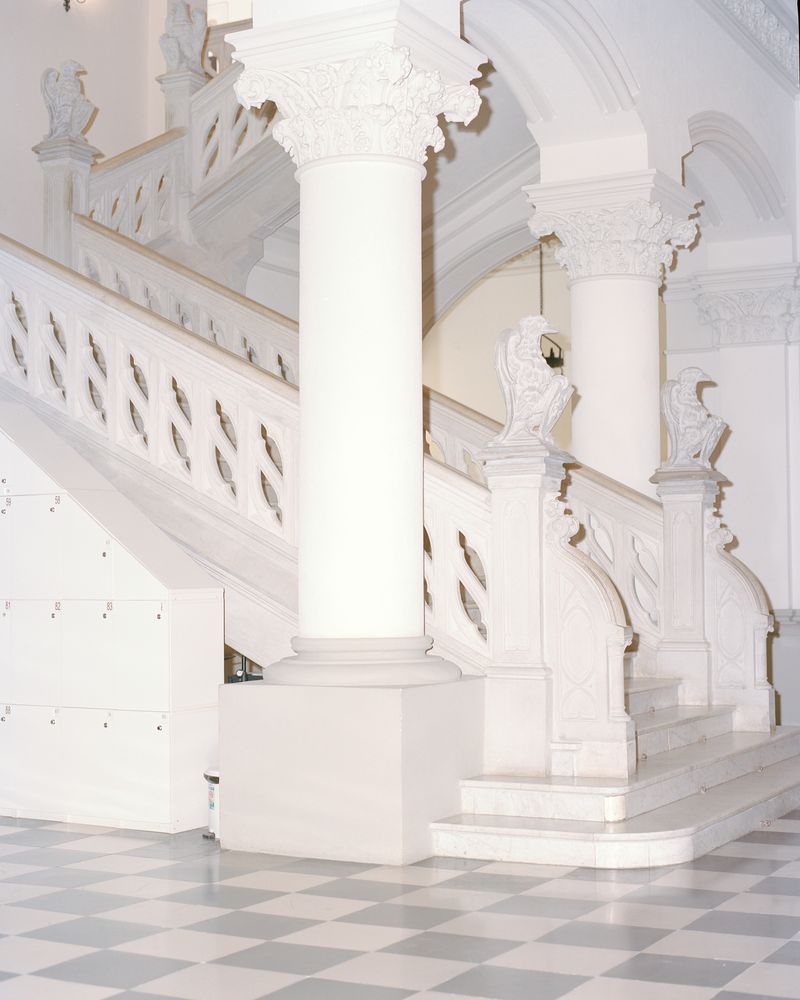
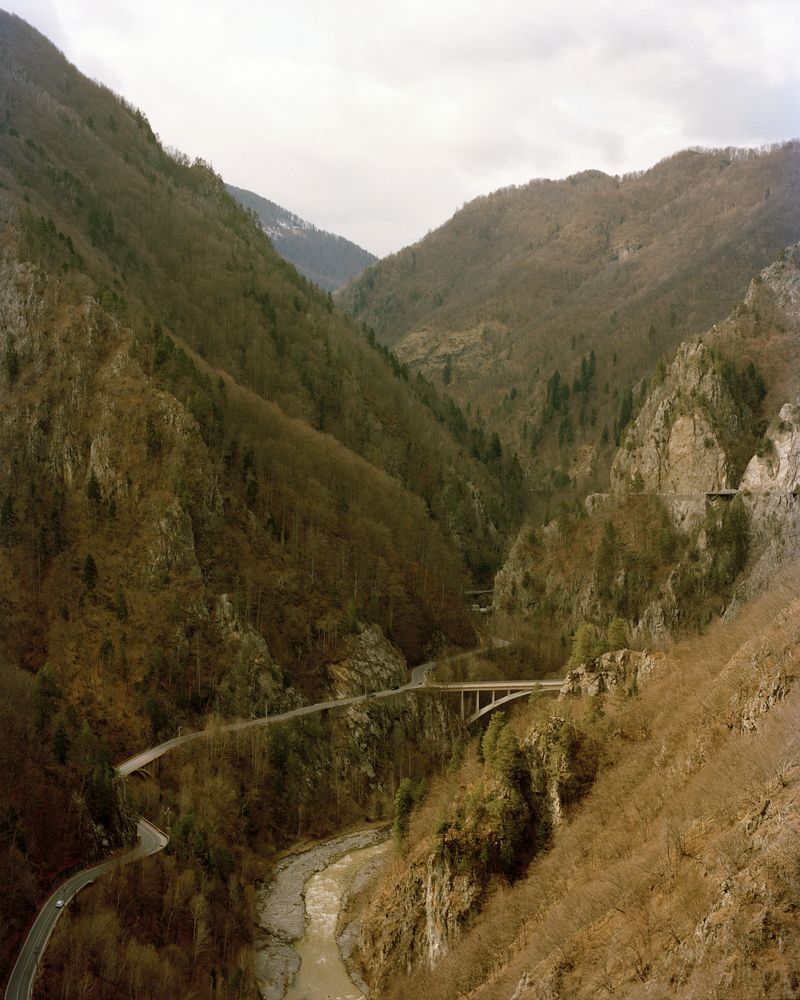
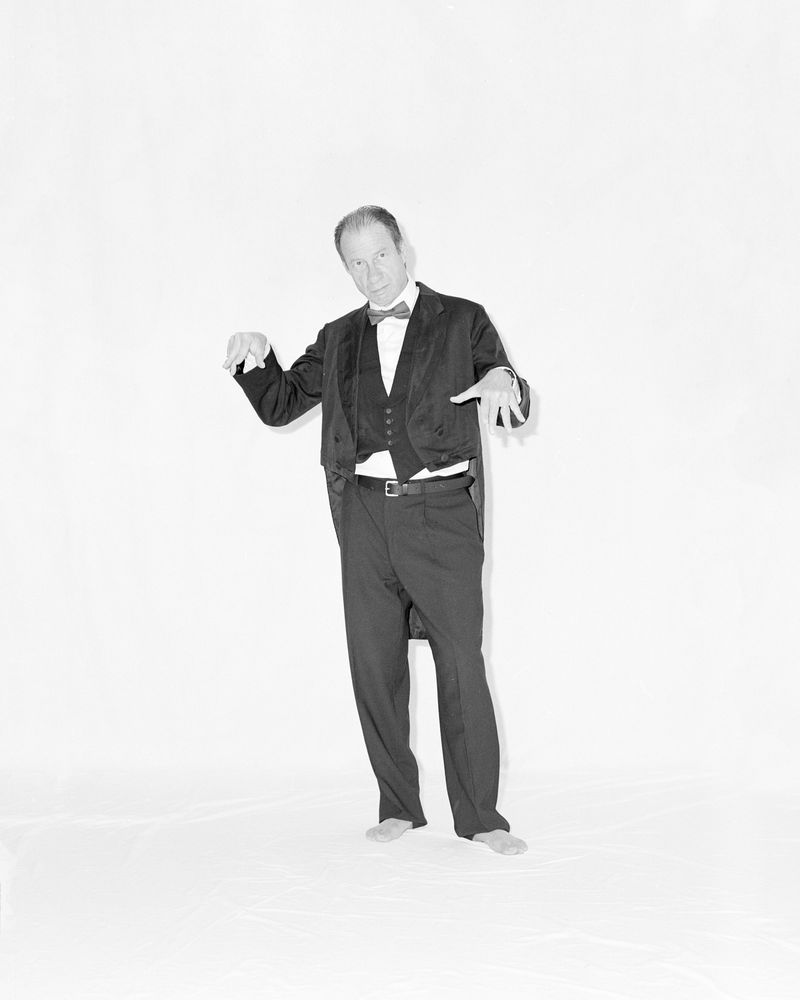
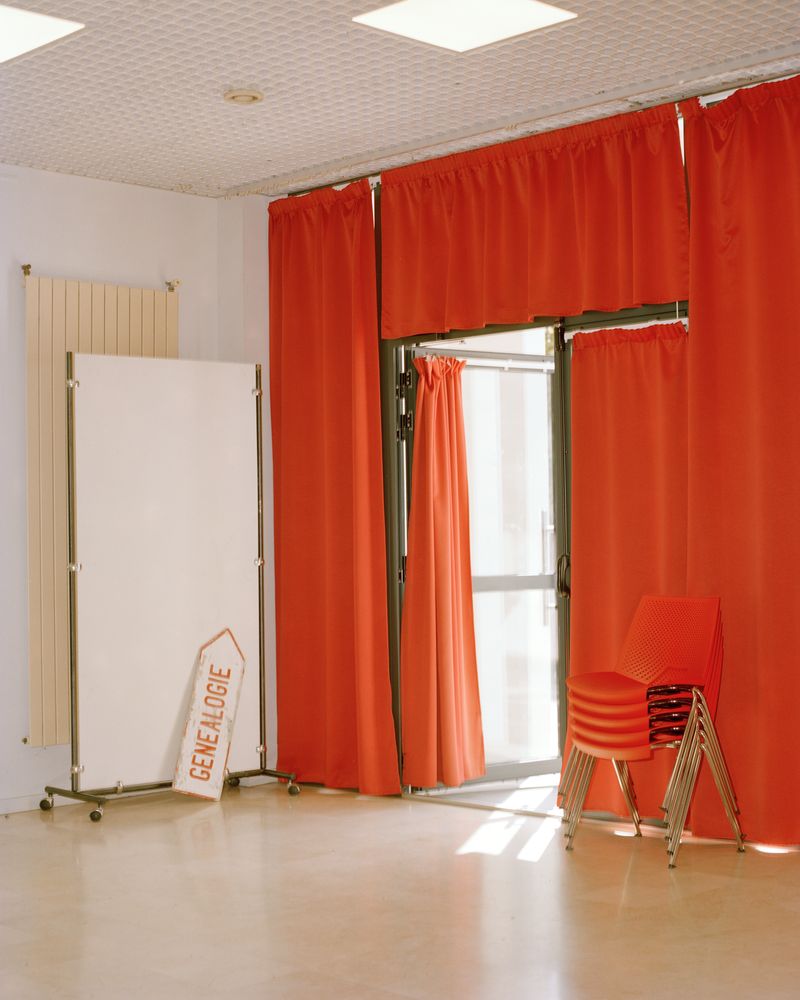
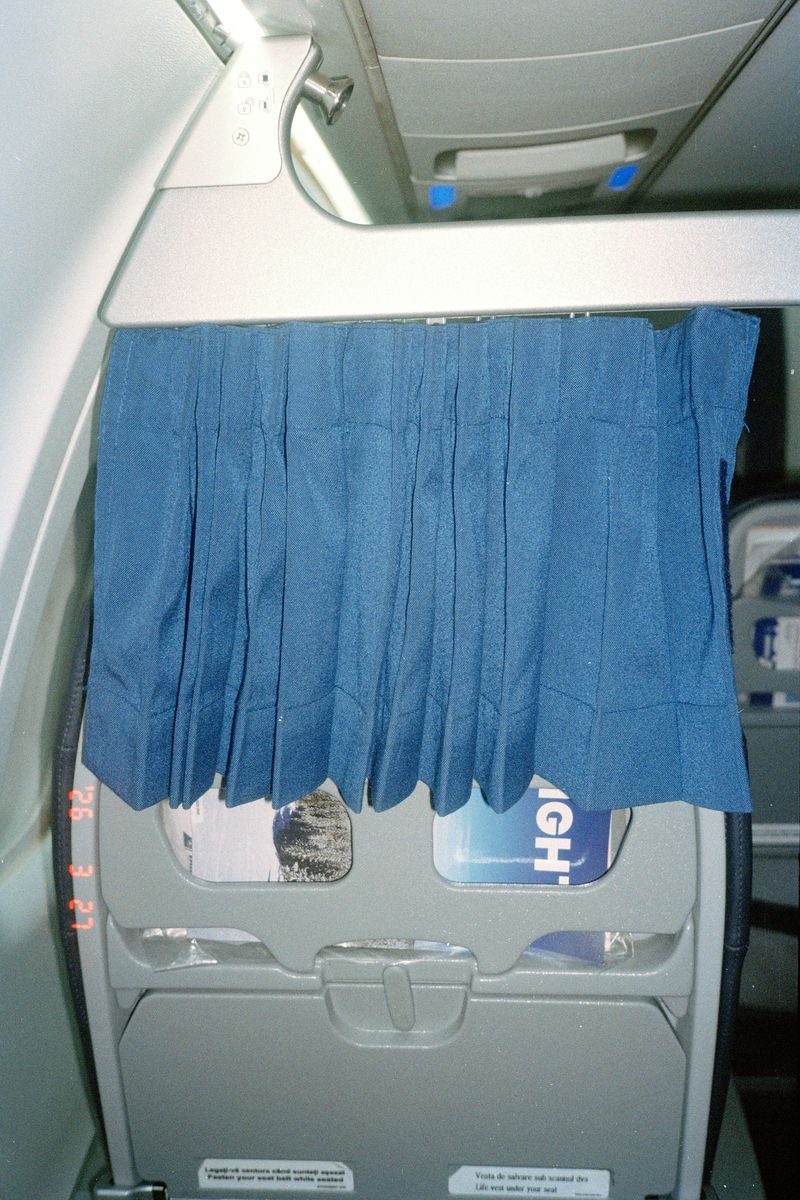
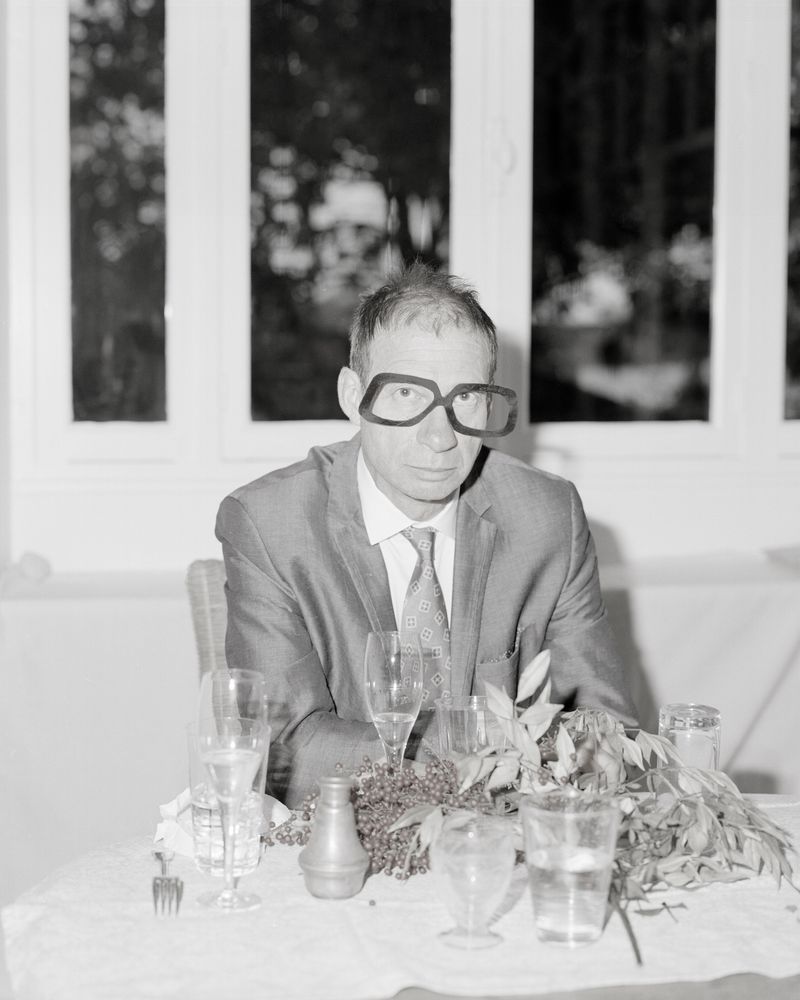
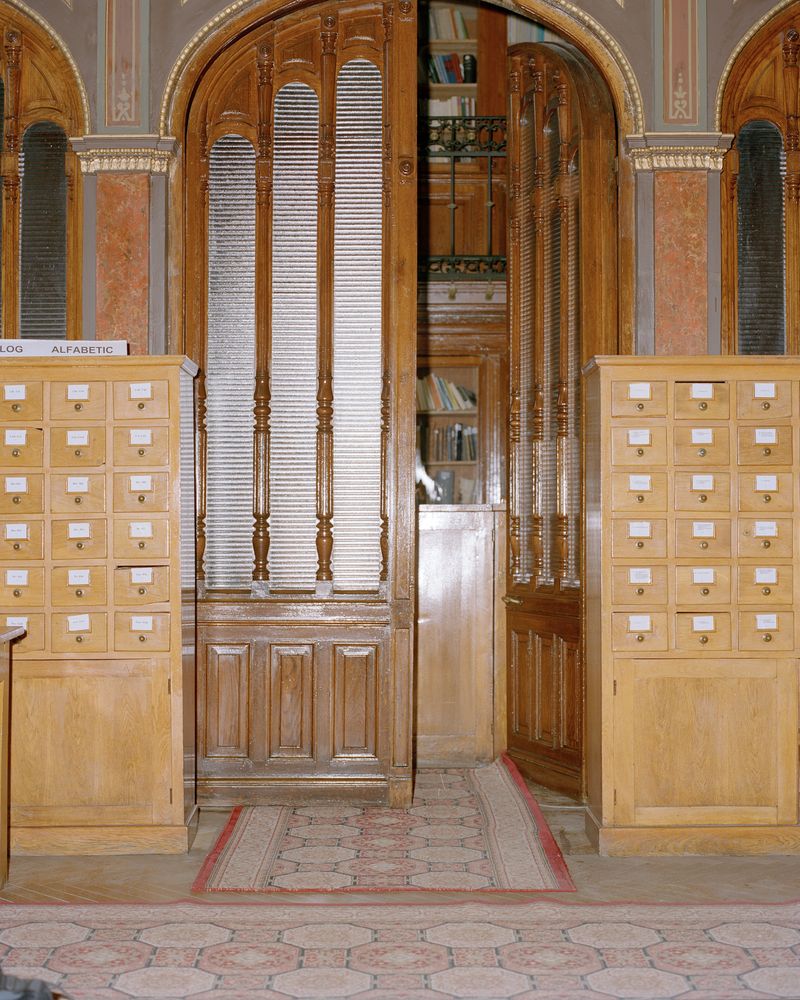
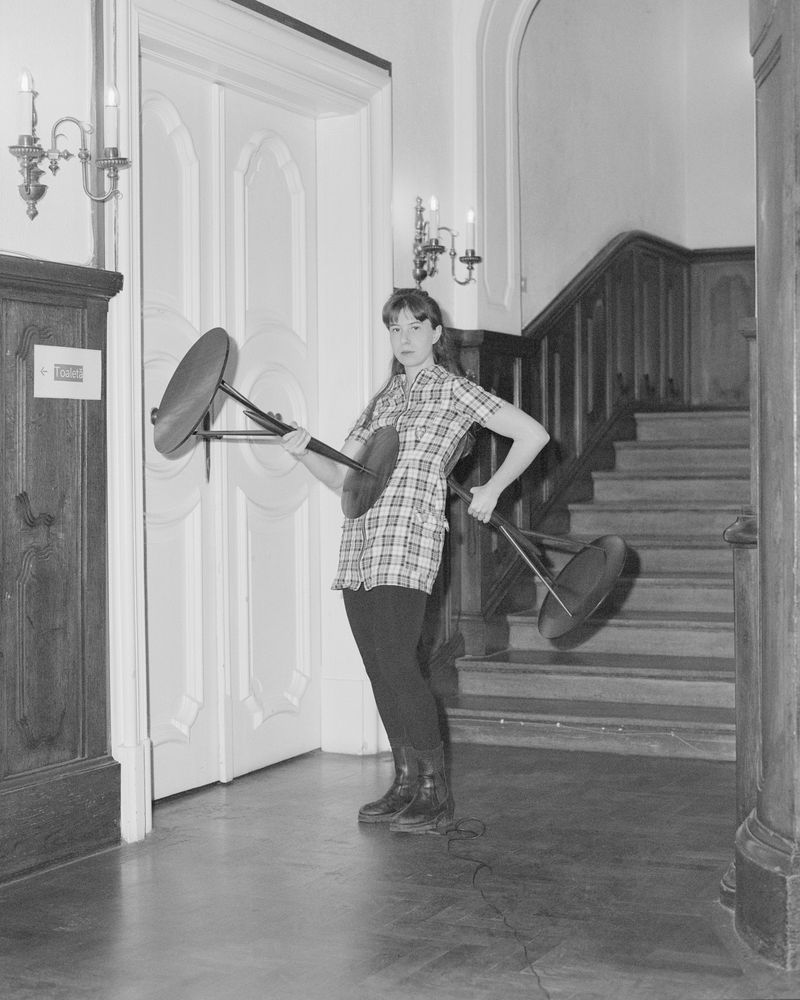
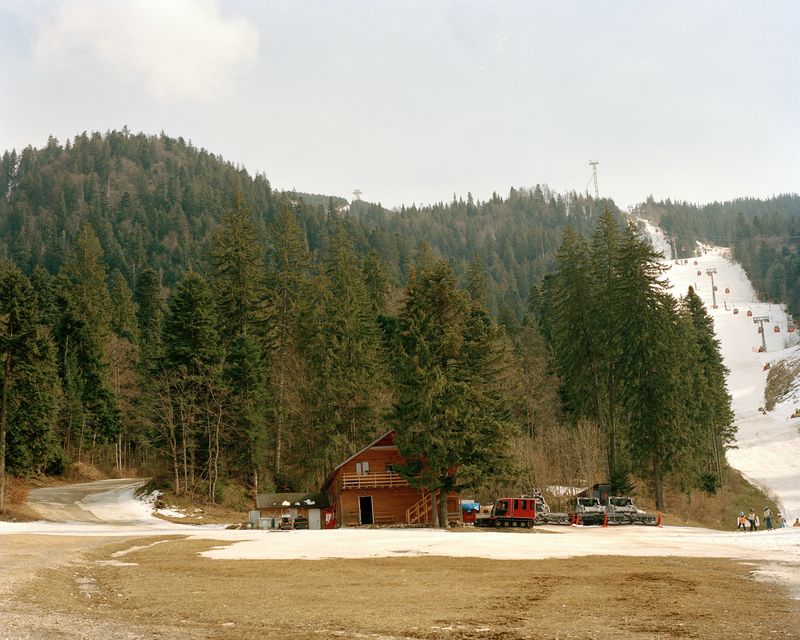
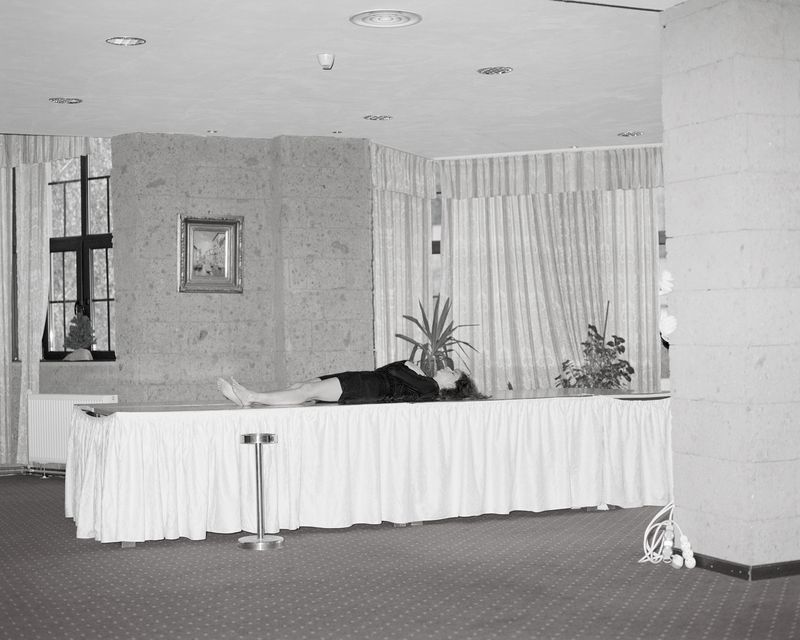
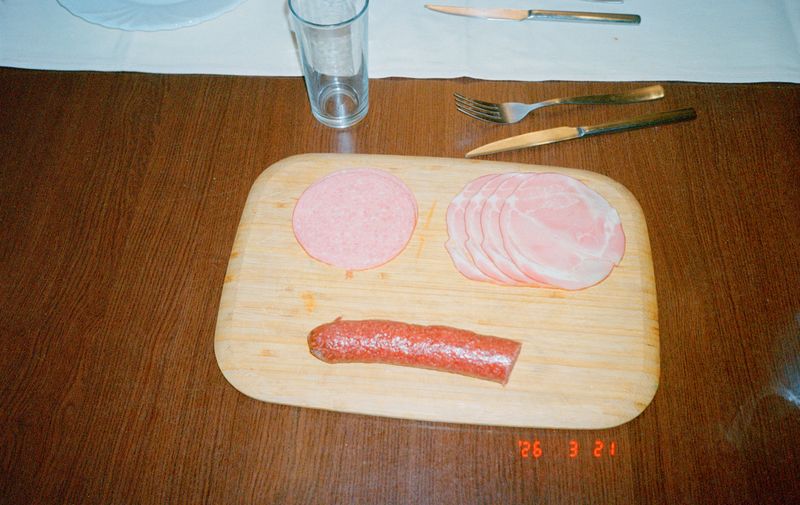
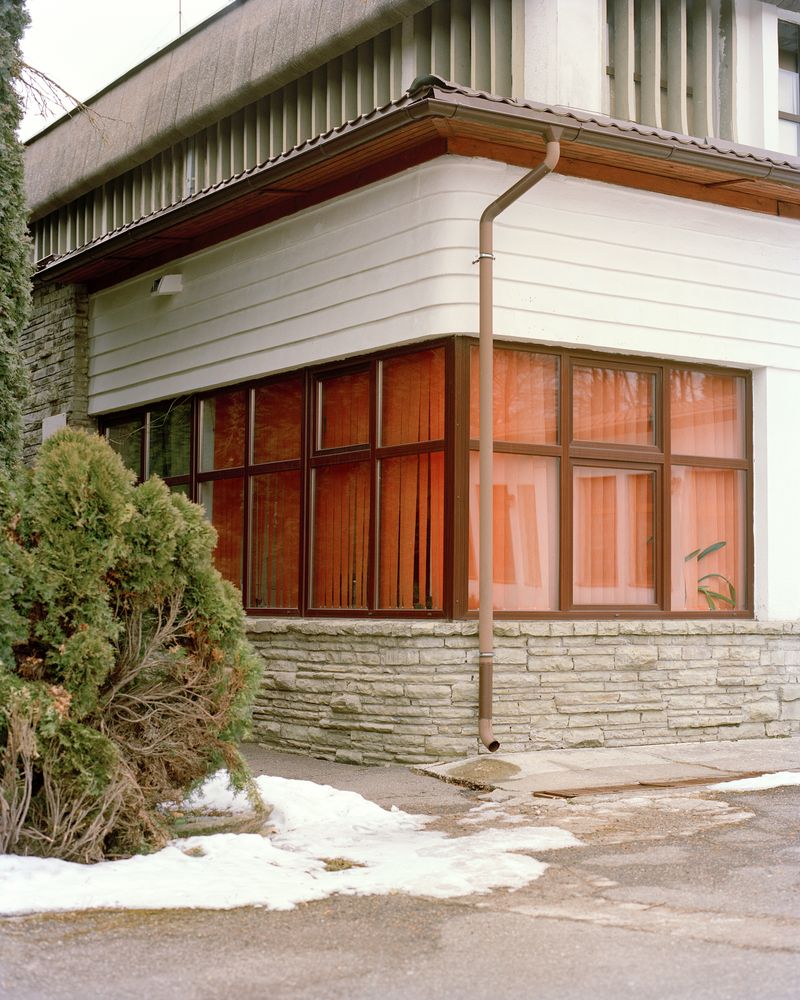
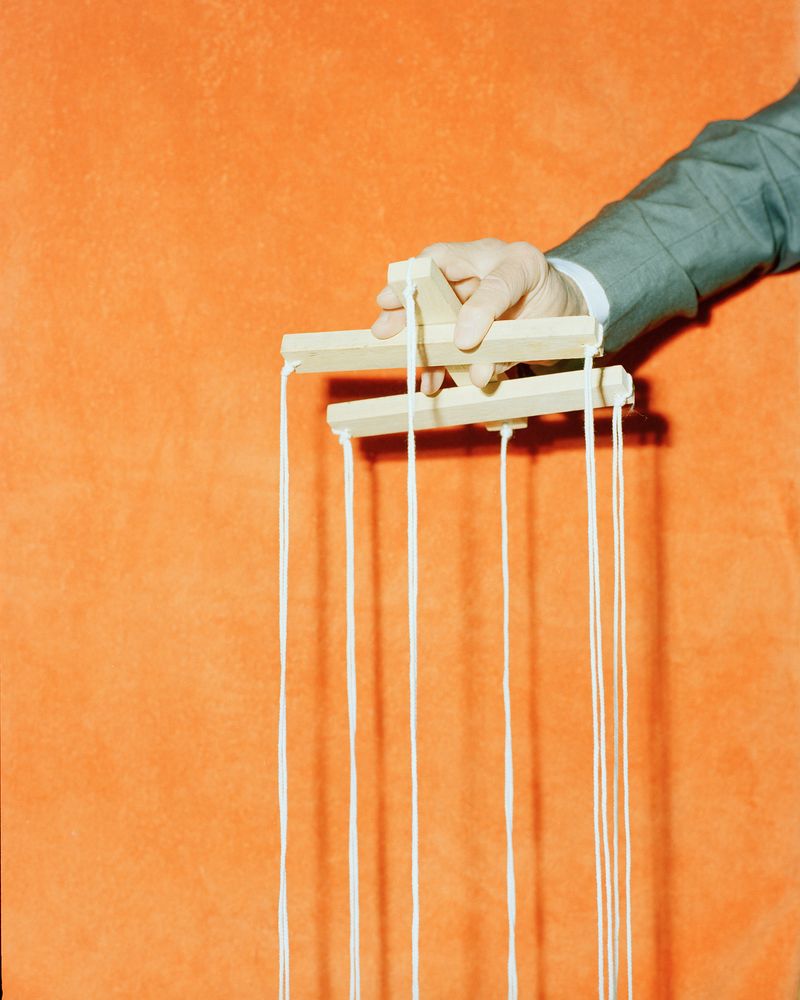
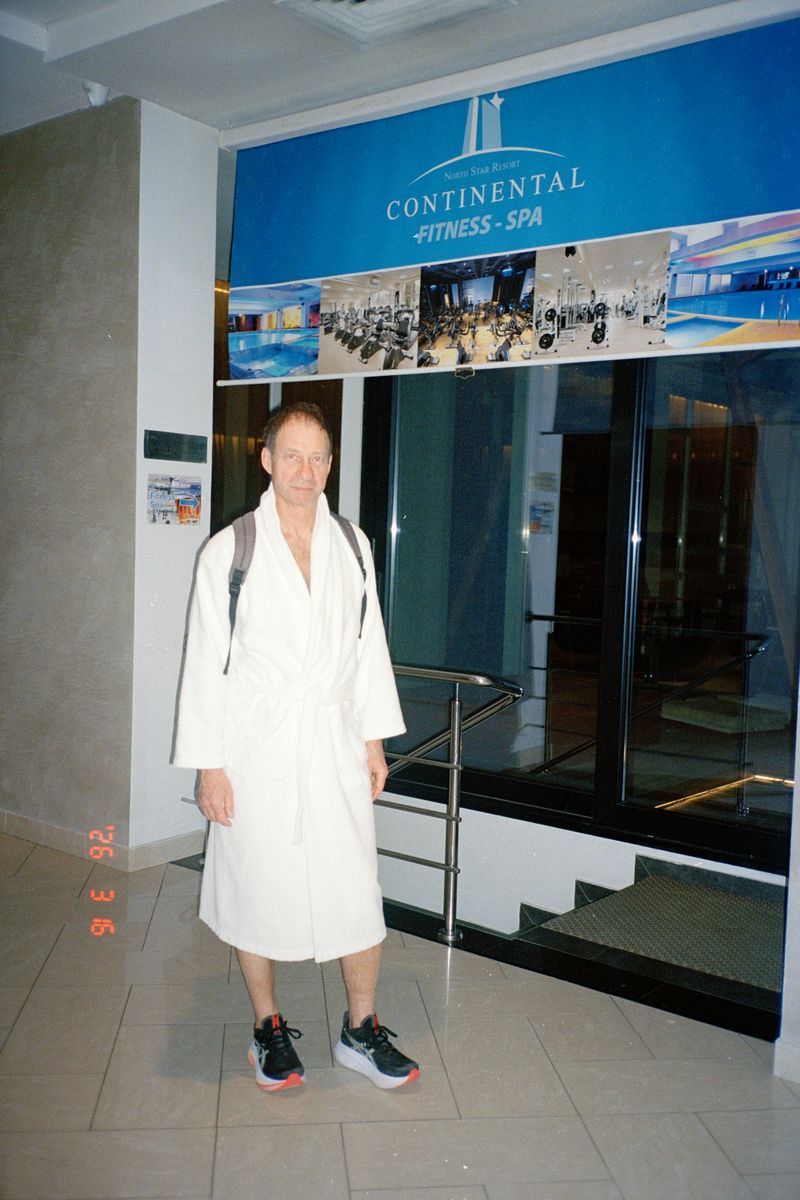
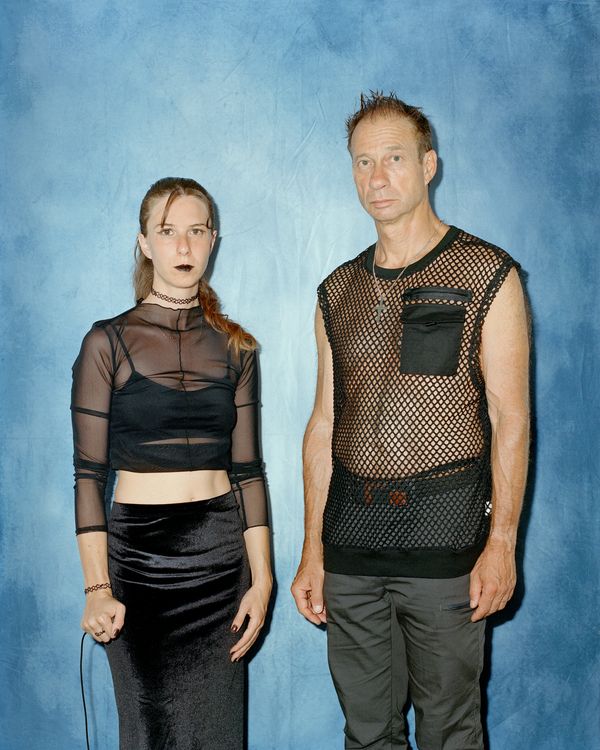
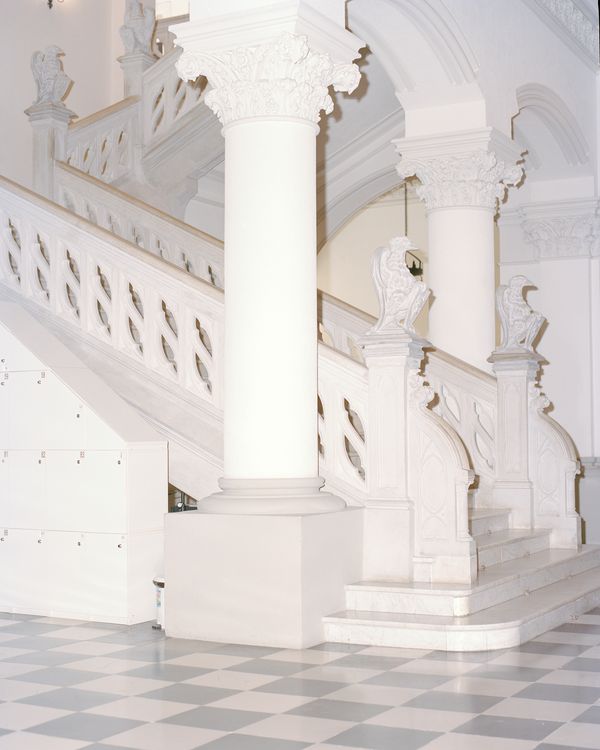
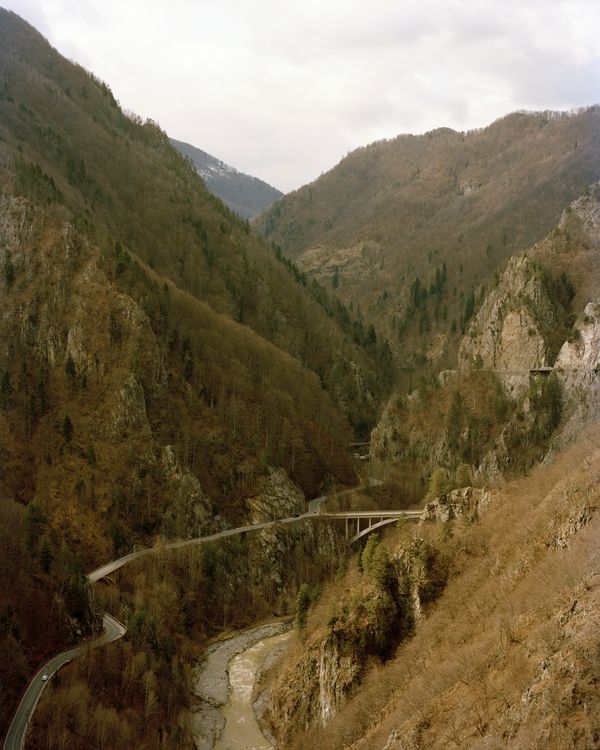
My father and I followed this path together: he, tracing his own Romanian roots, and I, in pursuit of a chimera. Mixing documentary and fiction, the project weaves together multiple narrative layers: travel photographs that serve as a travel journal, documenting my relationship with my father; conceptual studio photographs—featuring my father and those close to us—that evoke the aesthetic of the golden age of Hammer Horror films; images capturing the peripheries of various tourist sites, imbued with a Twin Peaks-like atmosphere; and staged scenes that illustrate the complex history behind the commodification and transformation of the Dracula myth. Beyond the vampire legend, the project also explores, with a sense of humor and an offbeat perspective, the construction of a family mythology and the fantasies that surround it.