Noble Women
-
Dates2021 - Ongoing
-
Author
- Location Luxor, Egypt
-
Shortlisted
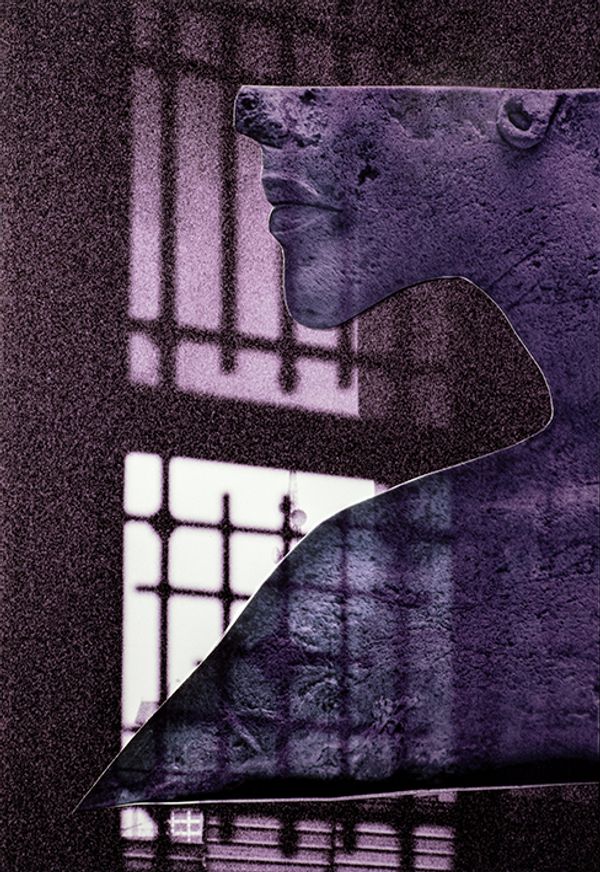
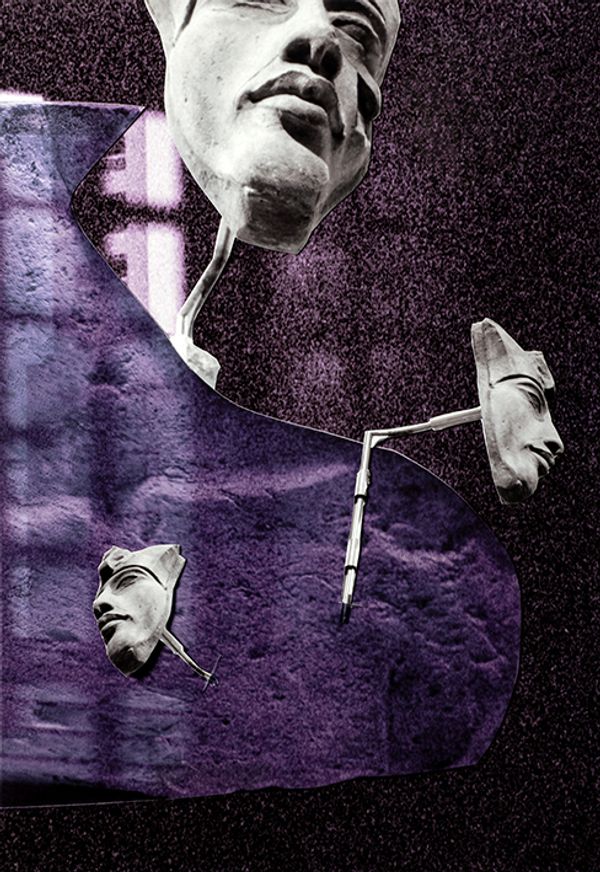
The project revisits Hatshepsut &Akhenaten whose gendered representations challenged fixed identities. Their images were later destroyed and fragmented.She reassembles these traces into hybrid bodies, exploring gender diversity, erasure, power, resilience
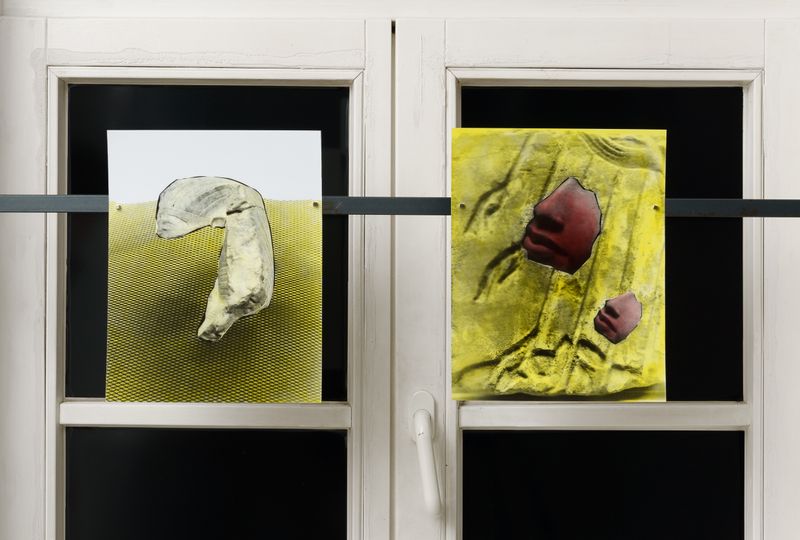
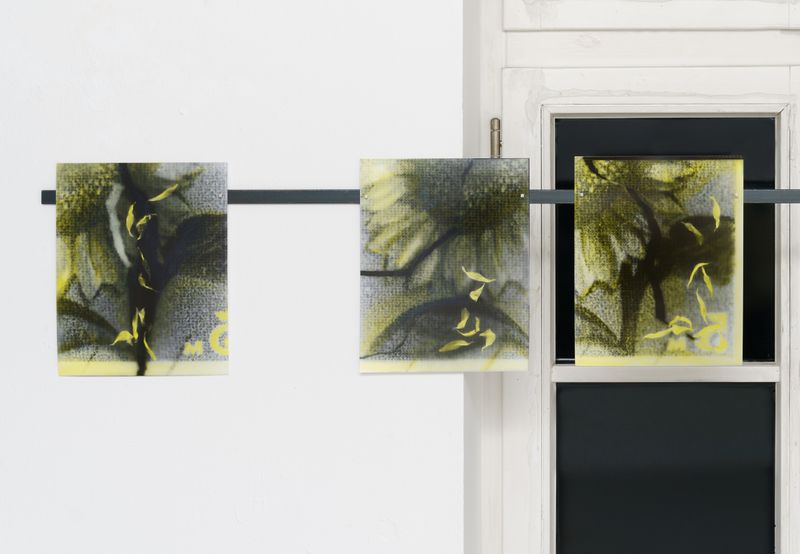
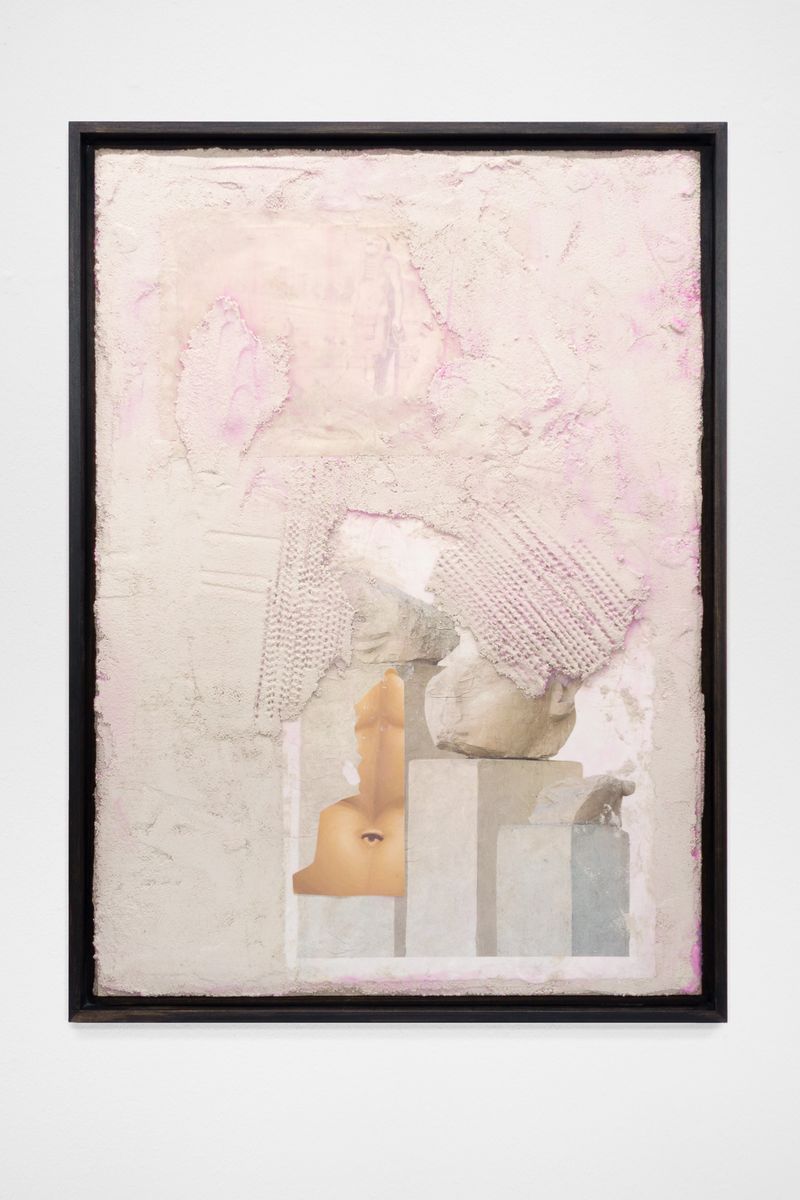
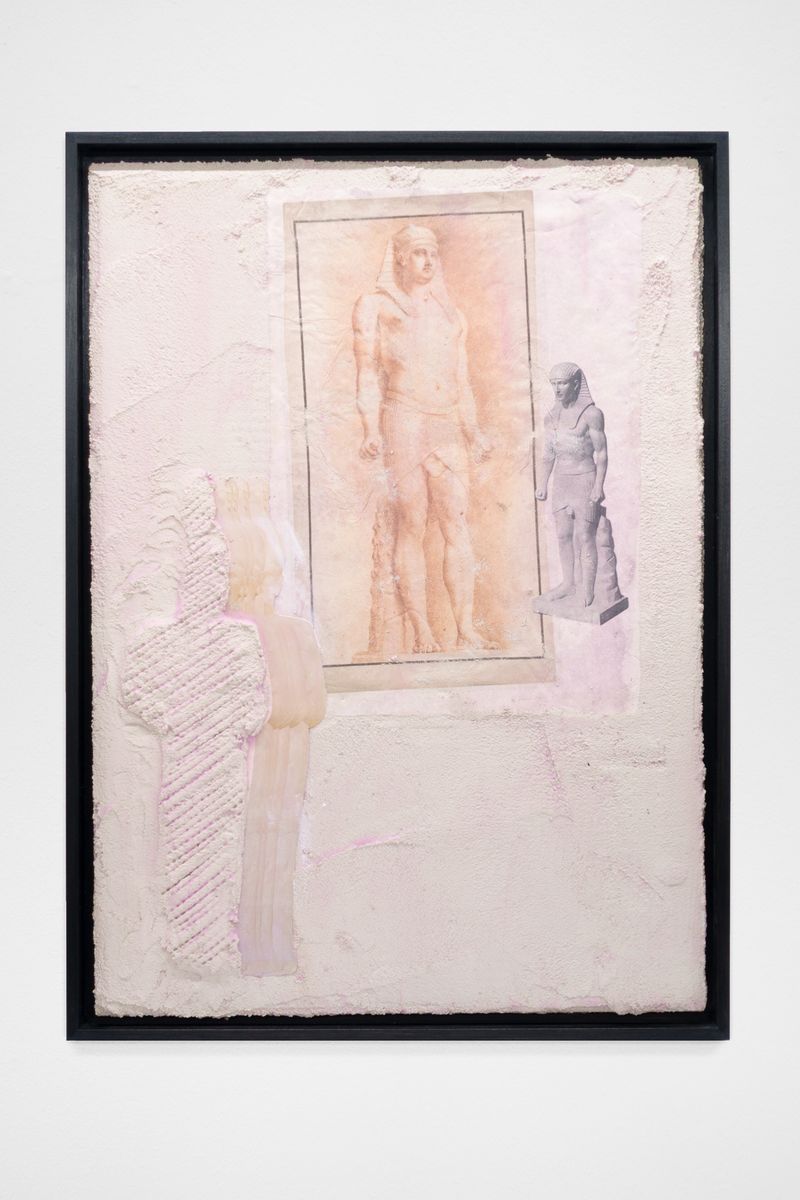
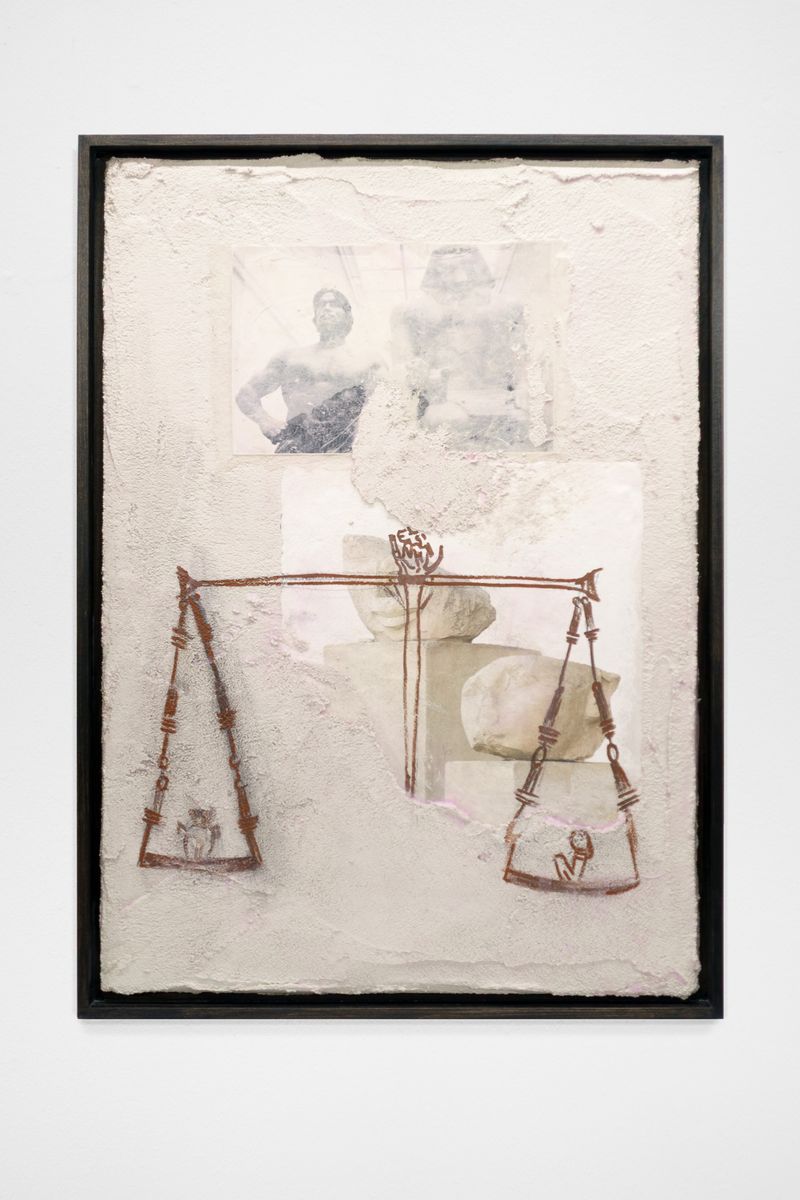
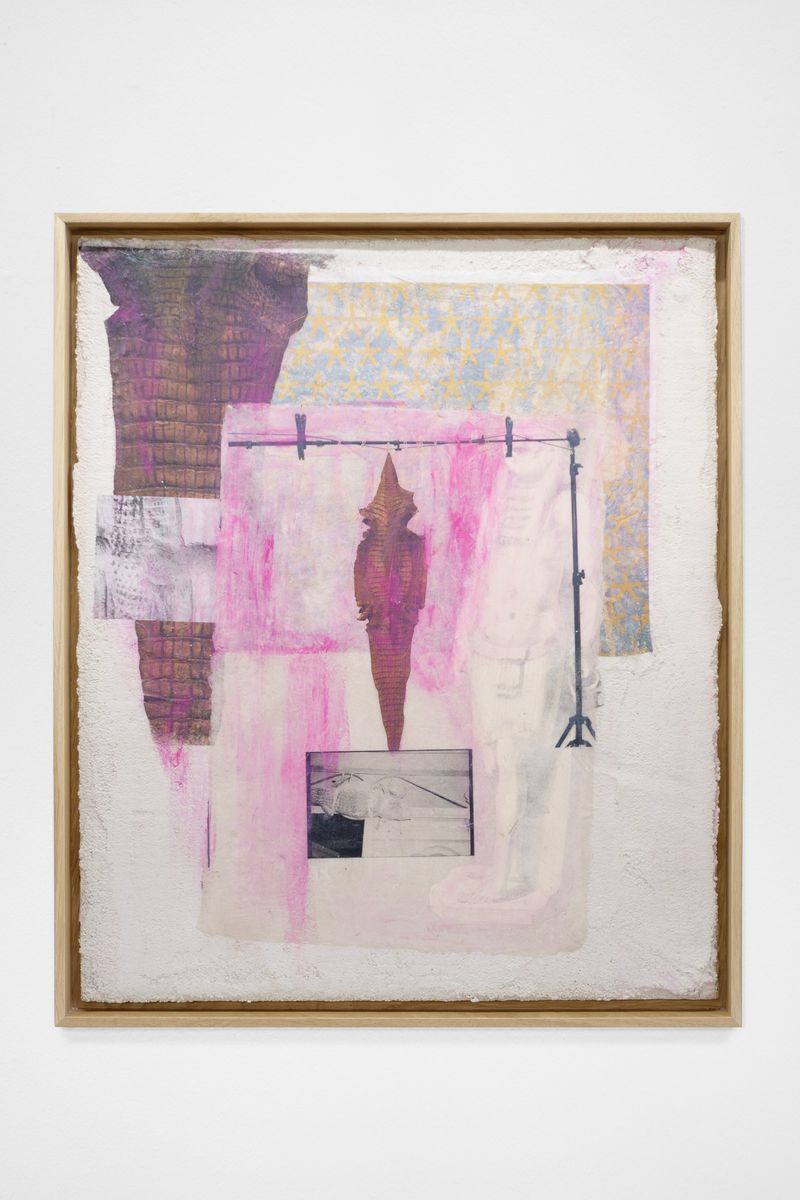
Donja Nasseri’s work investigates queer-feminist strategies of gender diversity through analogue and digital collage, photography, and sculpture. Drawing on ancient Egyptian history and mythology.
Noble Women is revisiting historic figures whose identities challenged fixed notions of gender, power, and representation.
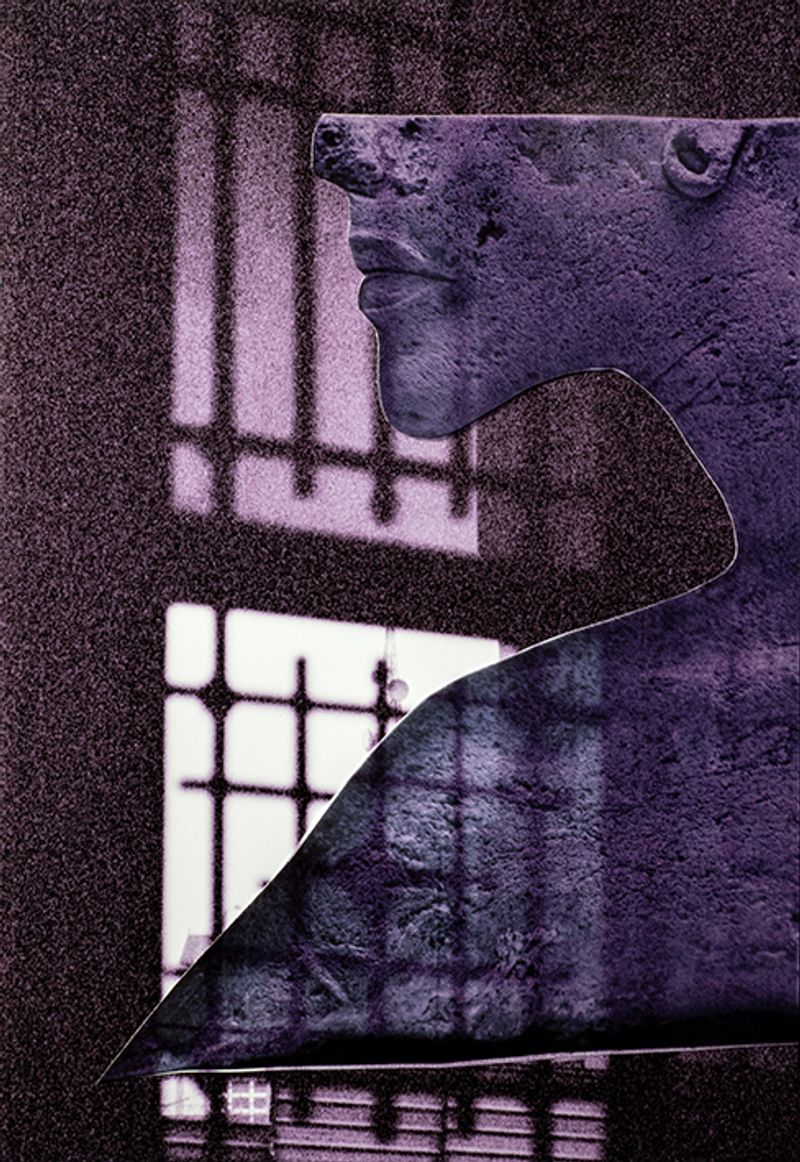
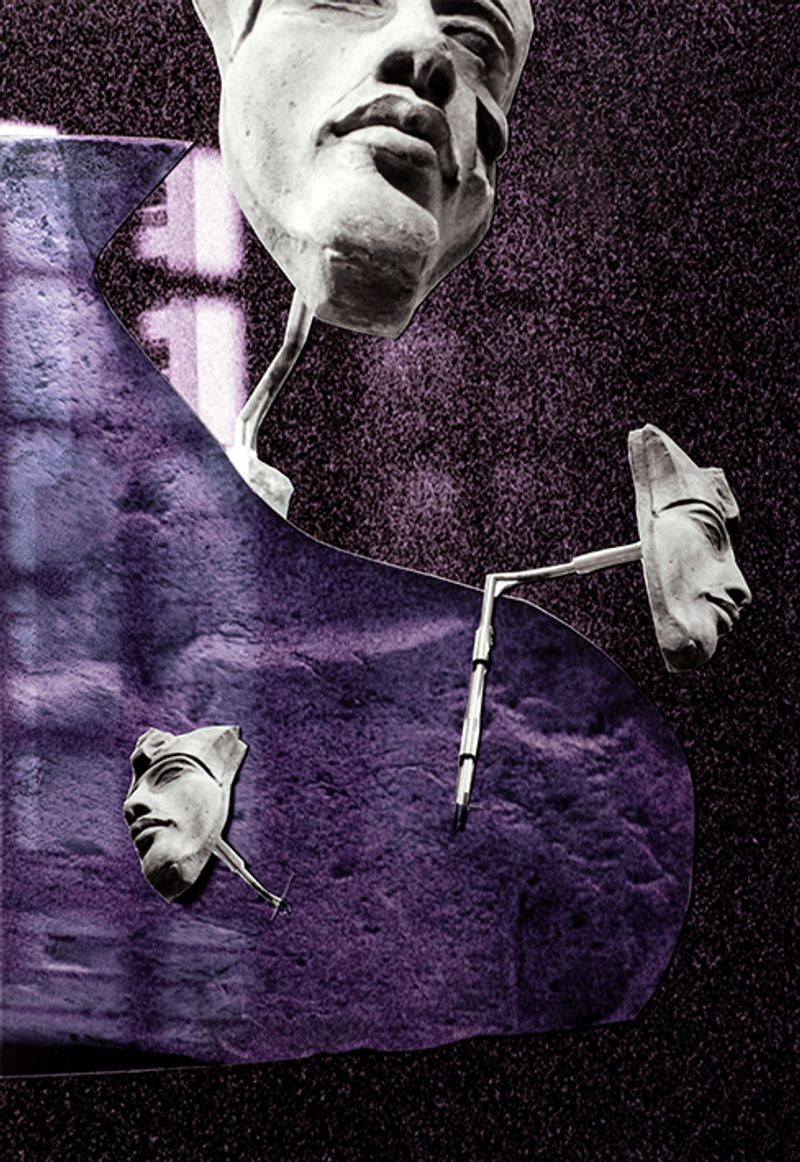
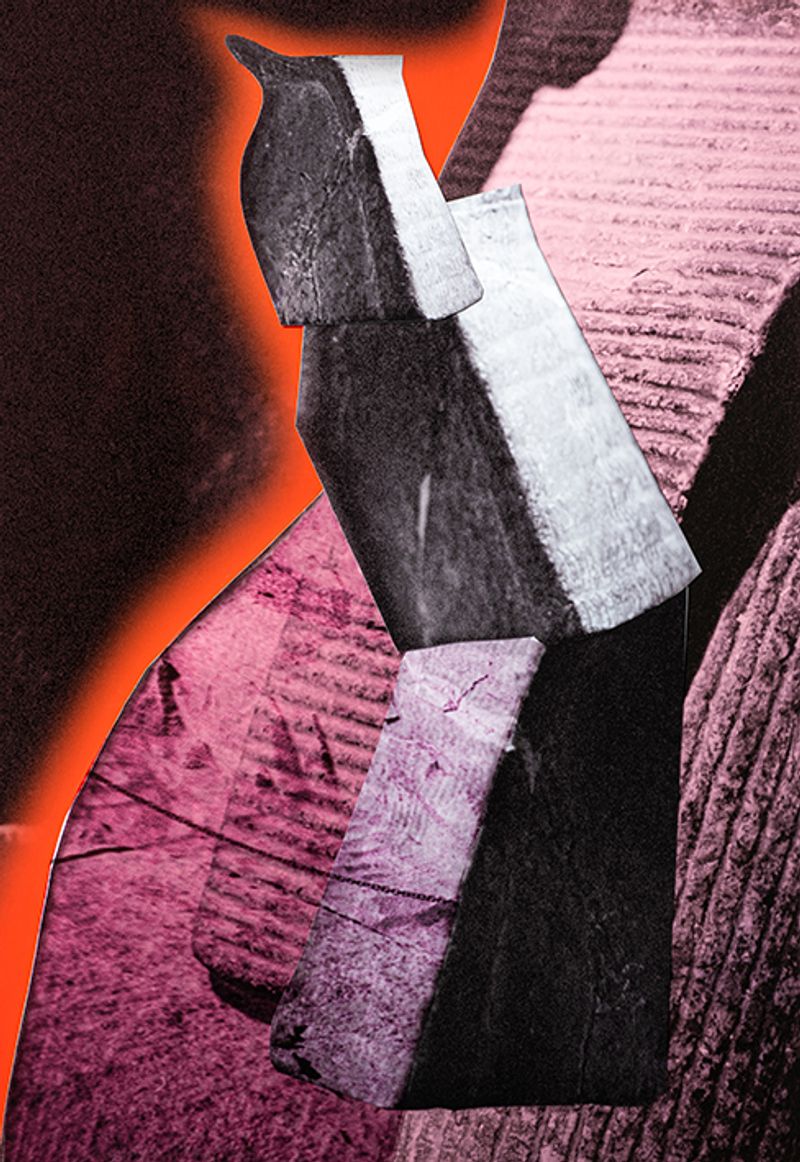
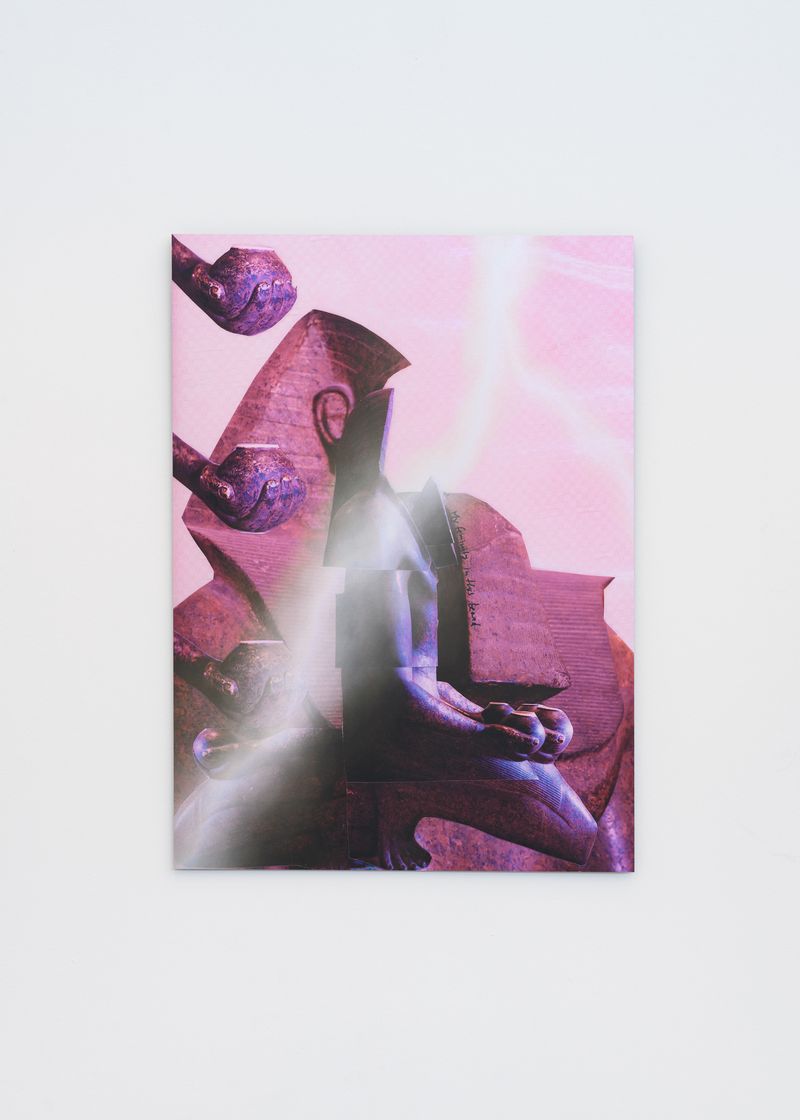
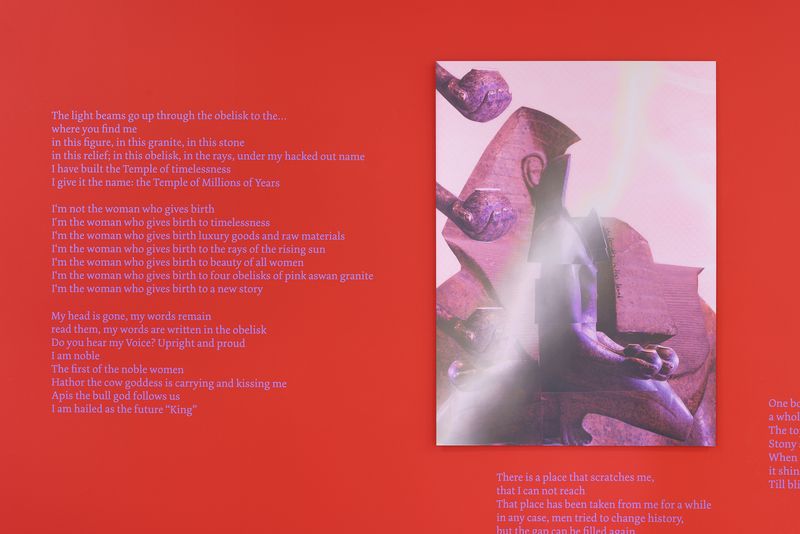
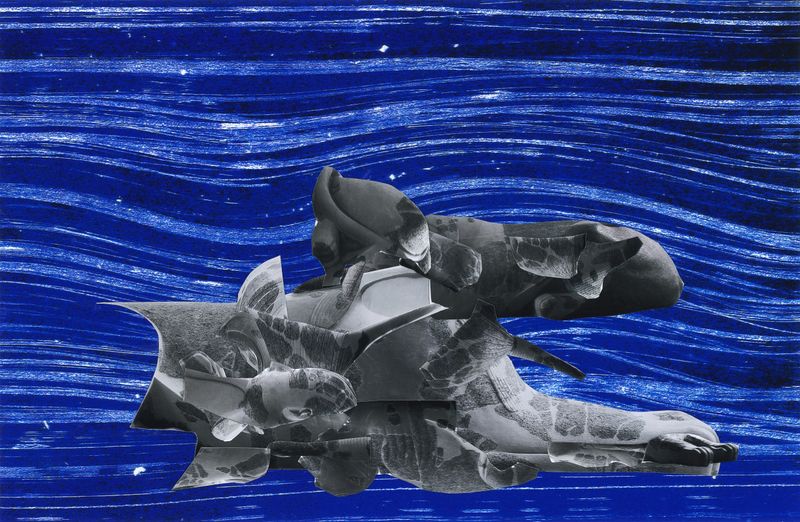
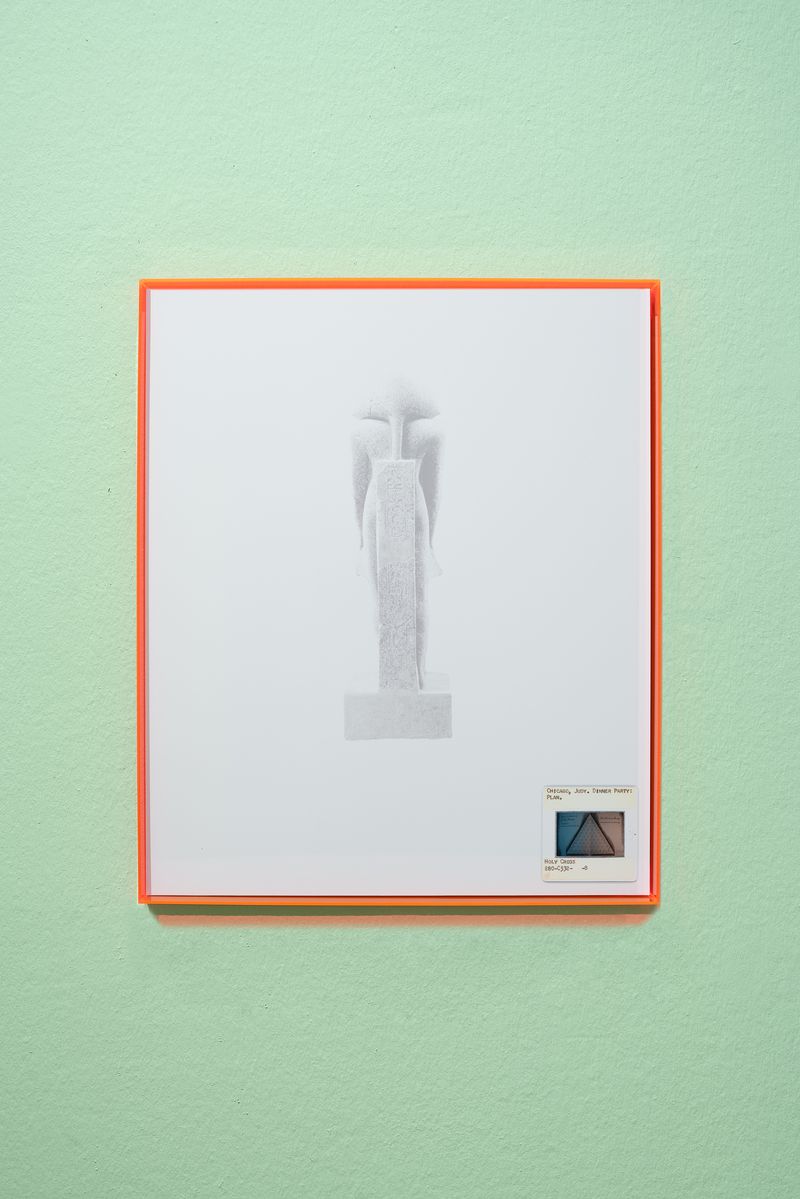
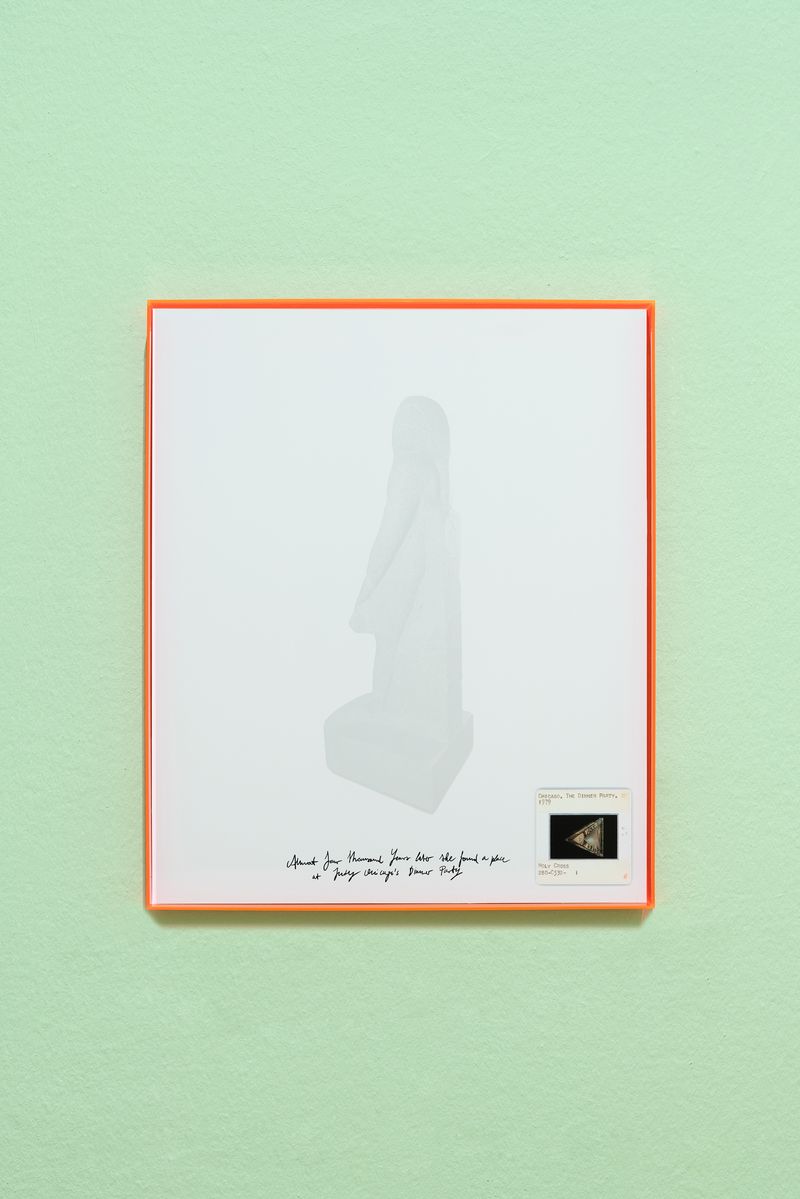
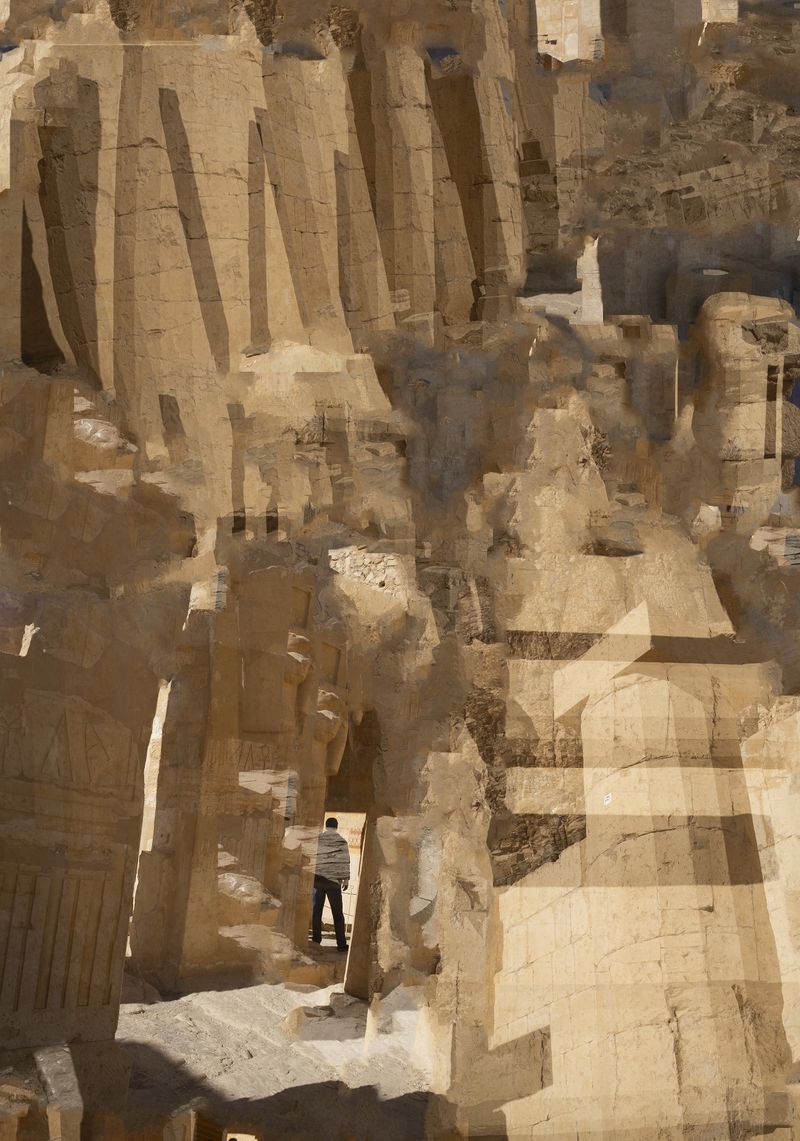
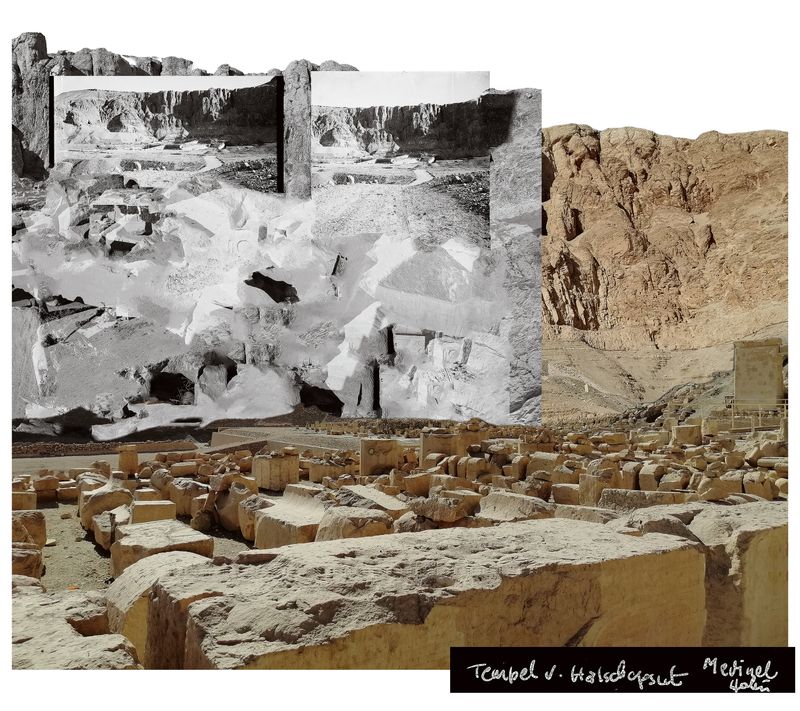
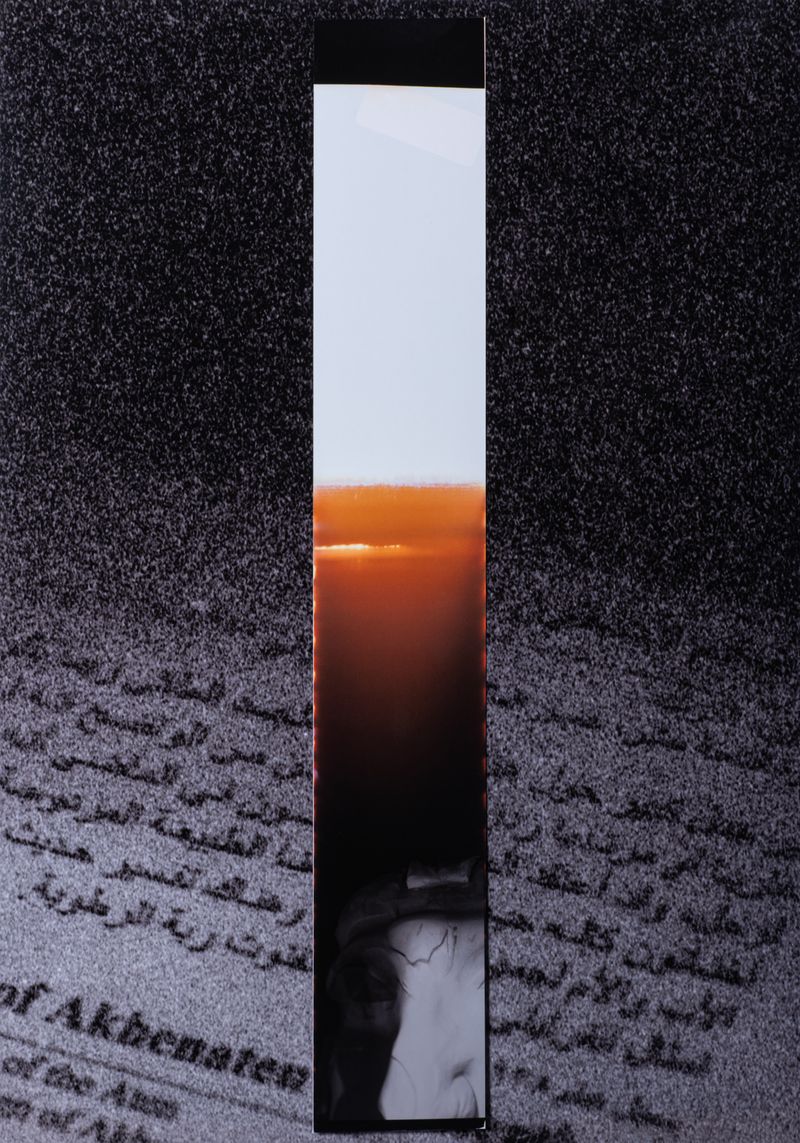
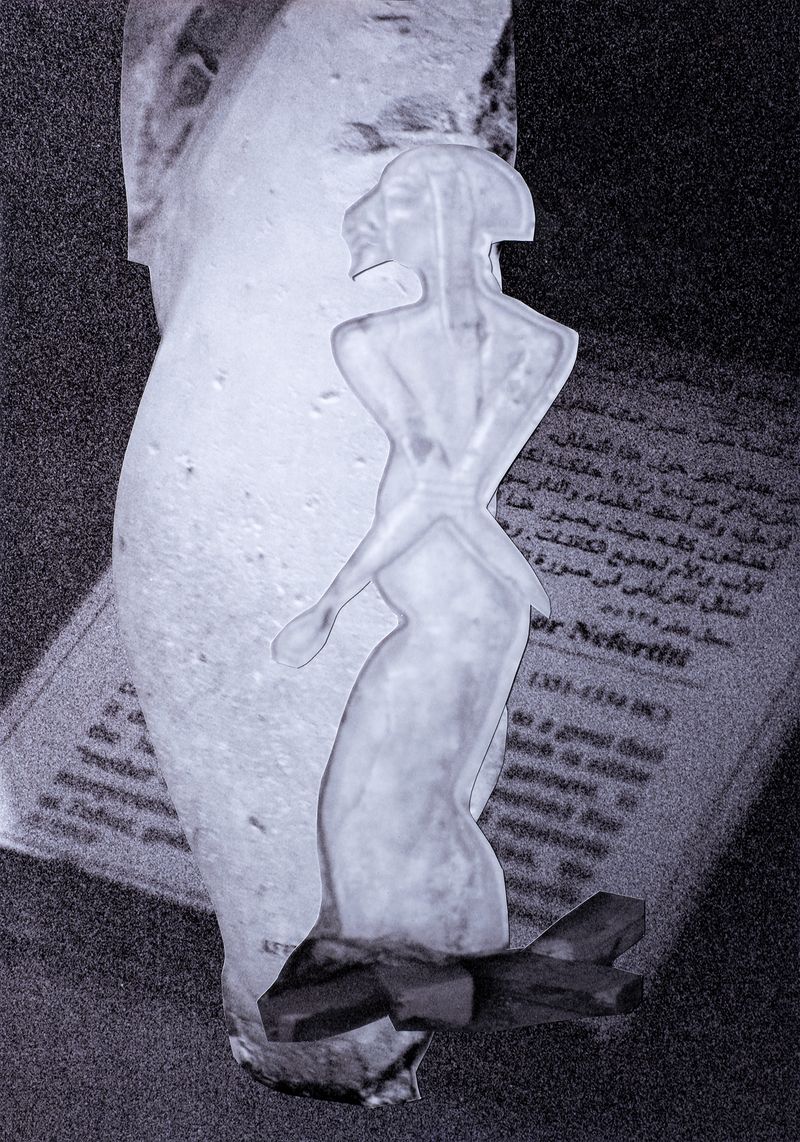
Noble Women centres on the pharaohs Akhenaten (c. 1352–1336 BCE) and Hatshepsut (c. 1479–1458 BCE). While Akhenaten is often depicted with androgynous features, Hatshepsut was known to have adopted the visual signifiers of kingship – including the ceremonial false beard – to legitimise her rule. After their deaths, representations of both rulers were systematically destroyed, leaving fragmented bodies and erased identities. Nasseri reassembles these remains into hybrid figures that resist binary understandings of gender, proposing new forms of identity.
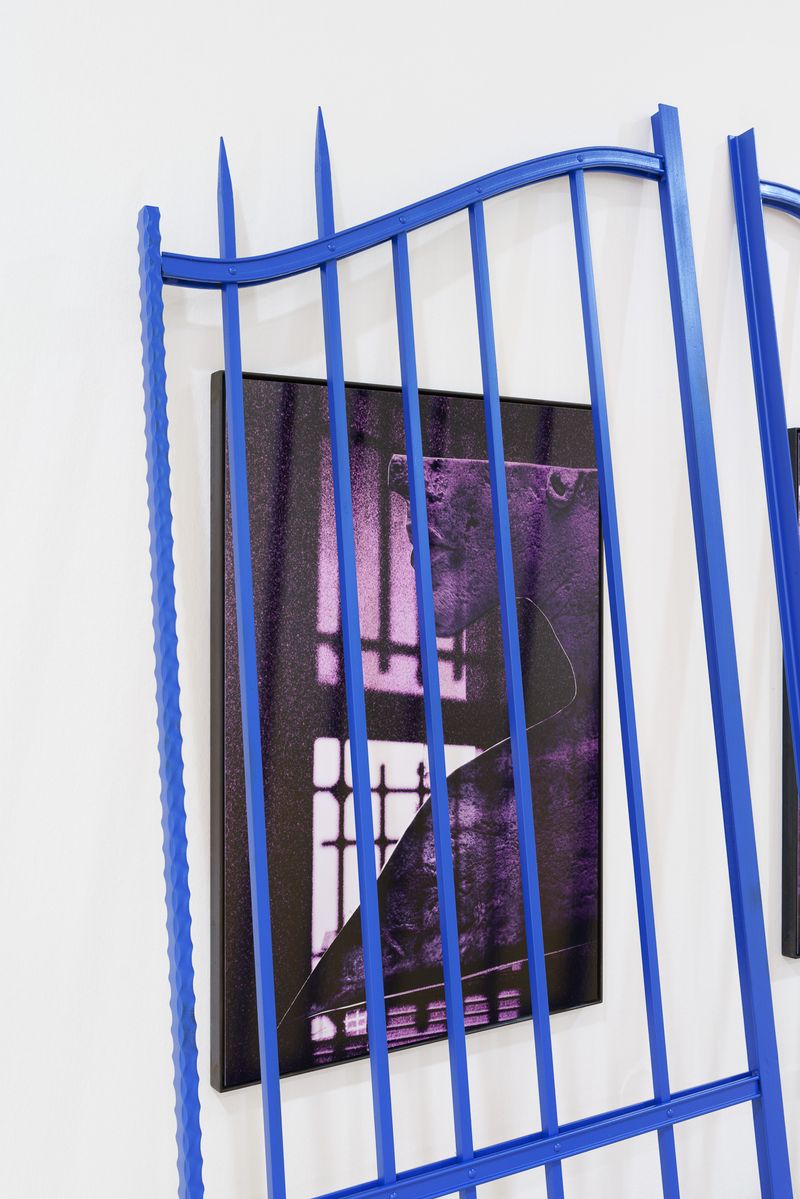
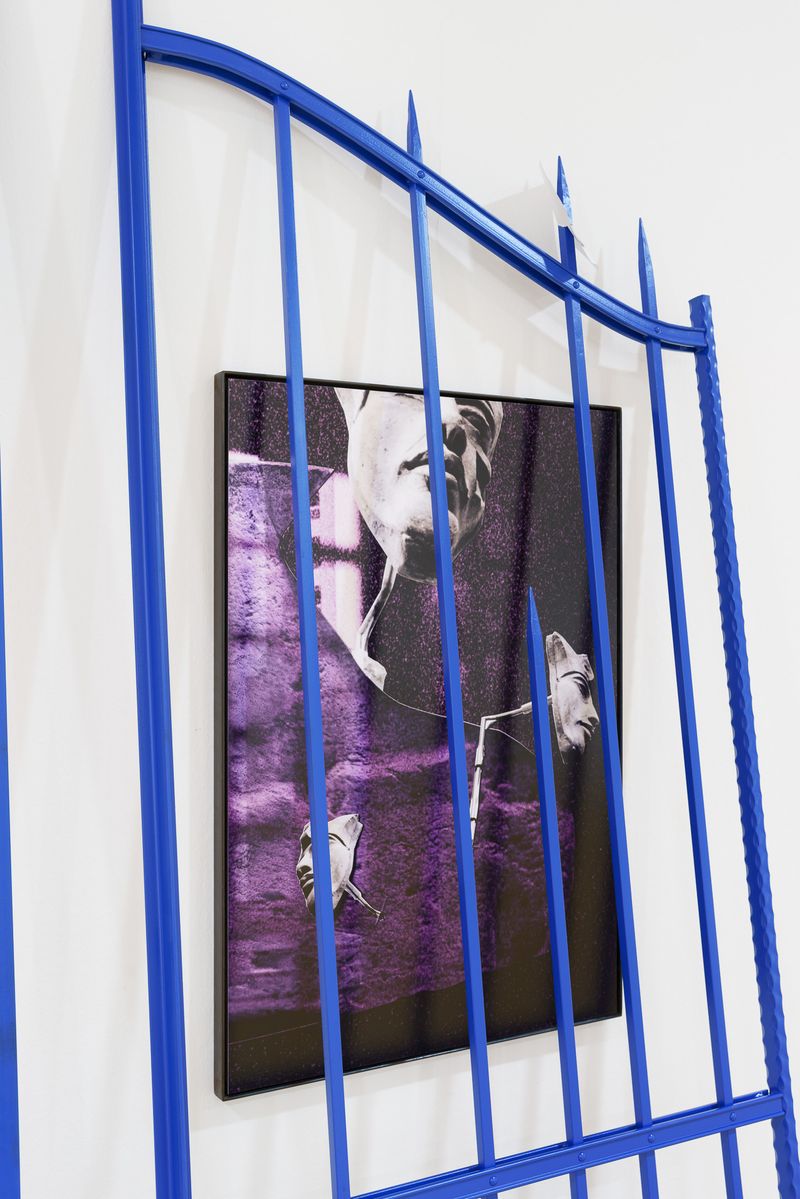
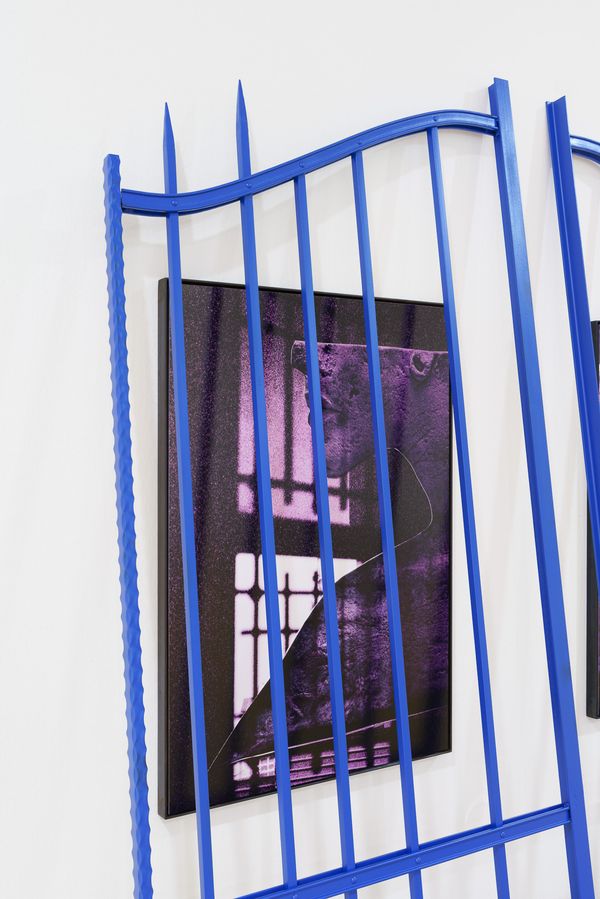
Since it is an ongoing inverstigation/ project the newest works comprises five photographic collages (limestone in grey) inspired by the Osiris statues of Hatshepsut at her mortuary temple in Deir el-Bahari, Luxor. Wearing the nemes headdress, a false beard, and a mummiform robe, Hatshepsut’s form merges political identity with divine authority, presenting herself as an eternal ruler whose legitimacy extends beyond death. Nasseri explores the deliberate erasure of these monuments, transforming fragments of limestone (the material from which Hatshepsut's temple and sculptures were built) into protective hybrid bodies that embody resilience, transformation, and renewal.