Men don't cry

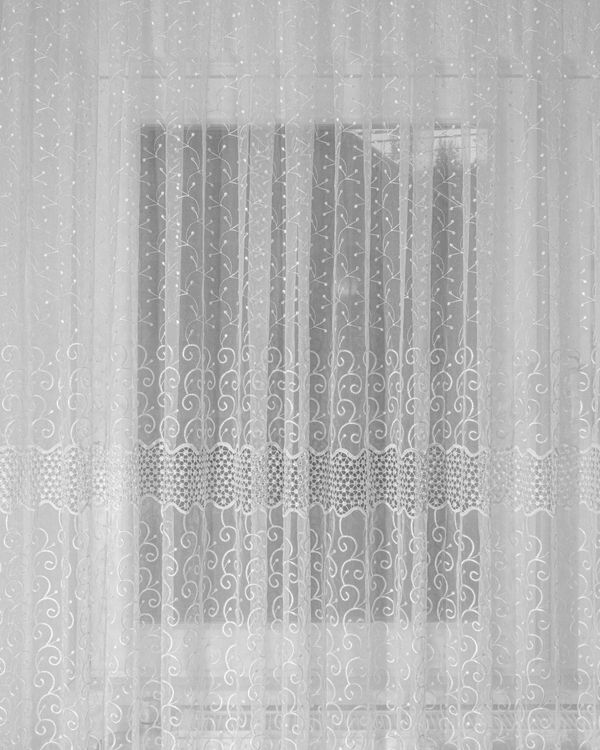
-
Dates2017 - 2024
-
Author
- Location Bosnia and Herzegovina
-
Recognition
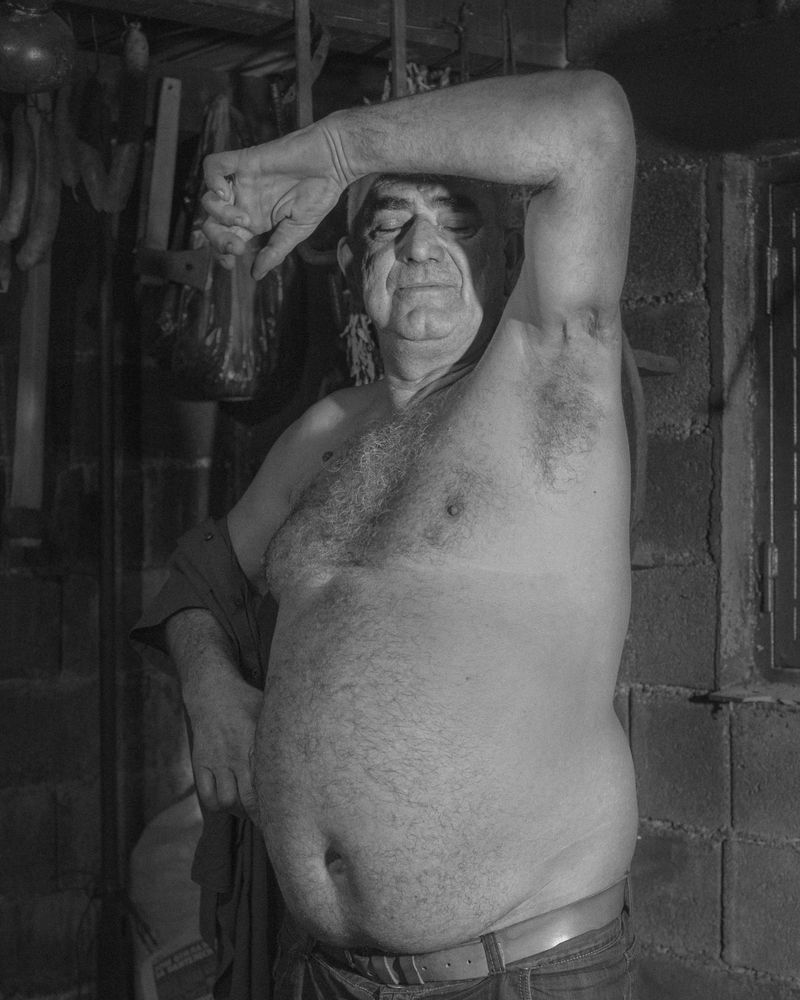
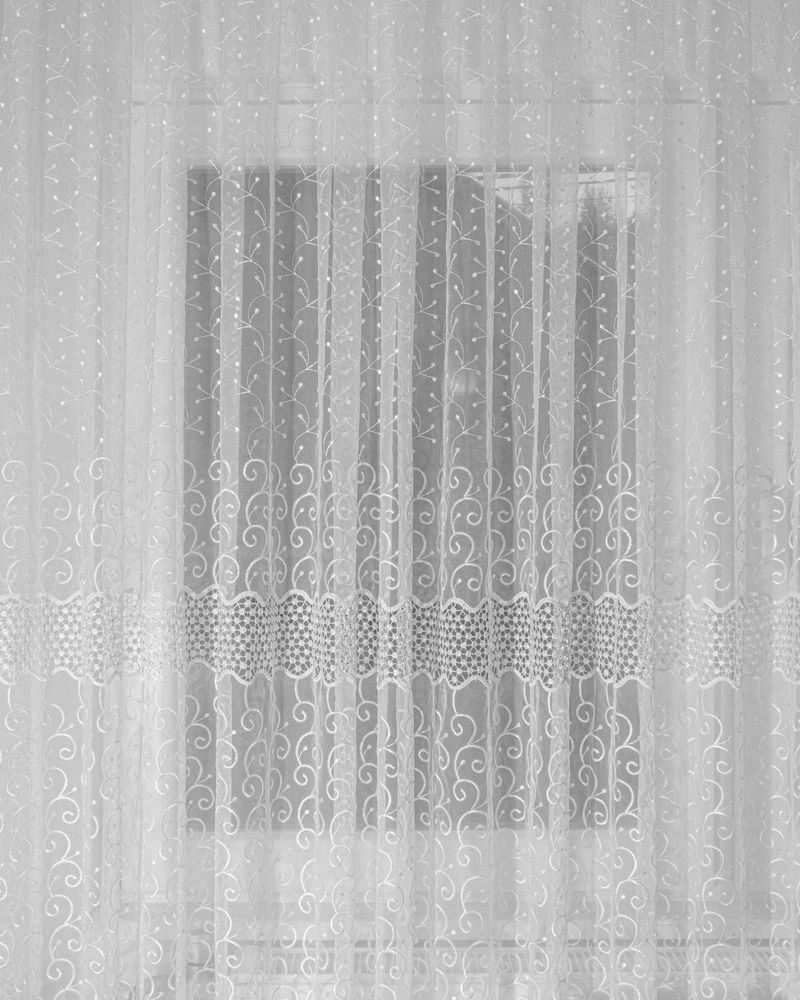
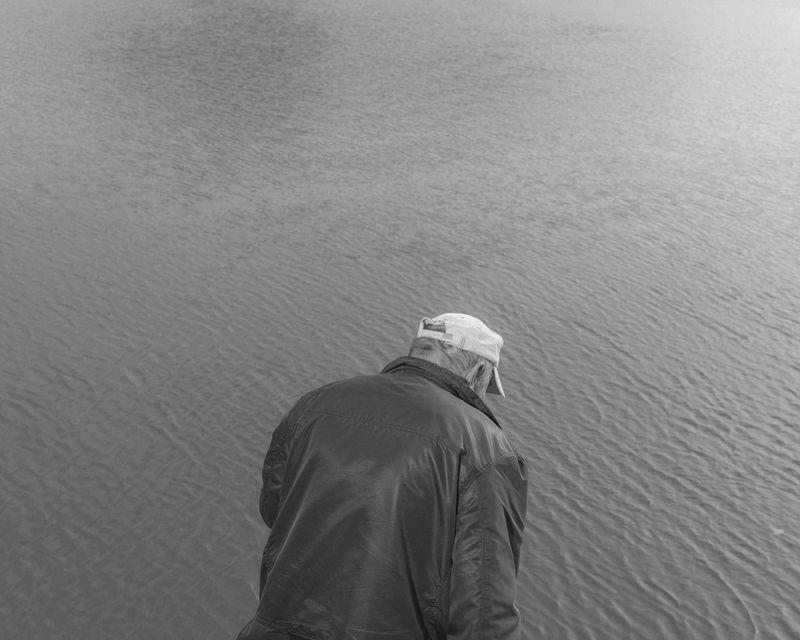
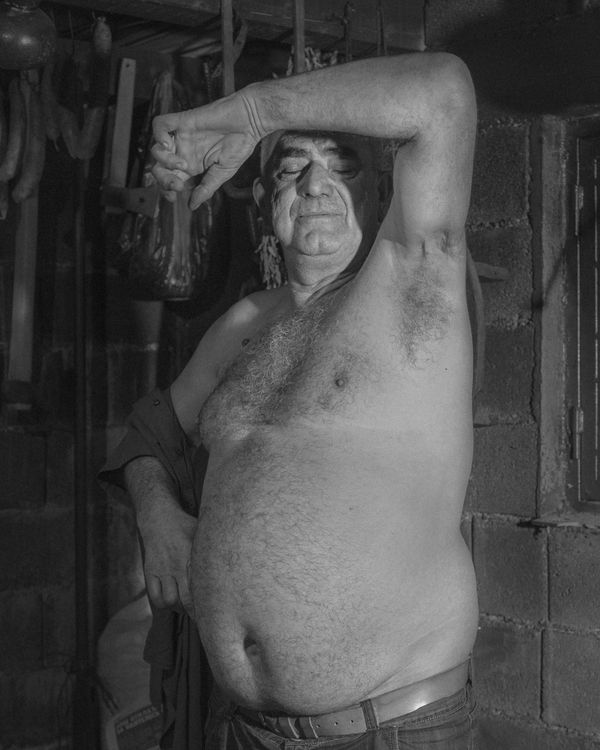
Men who survived sexual violence in the Bosnian War rarely speak out — shame and silence keep their stories hidden. My photographs approach what cannot be shown — tracing the presence of trauma in places, objects, and silence.
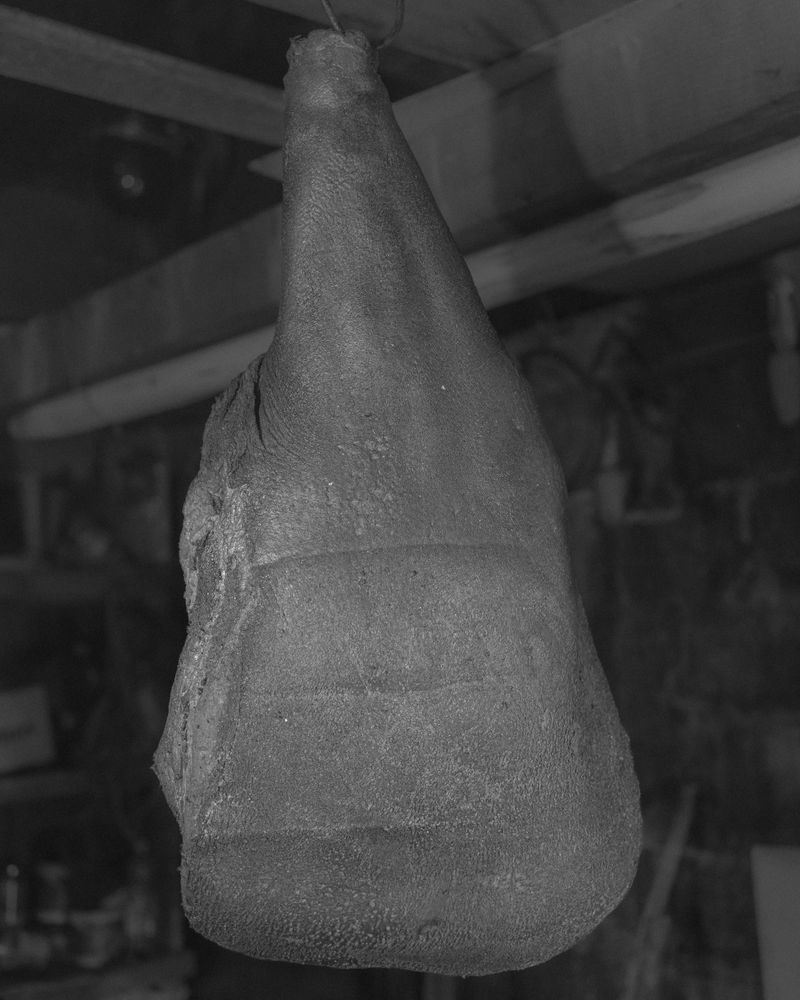
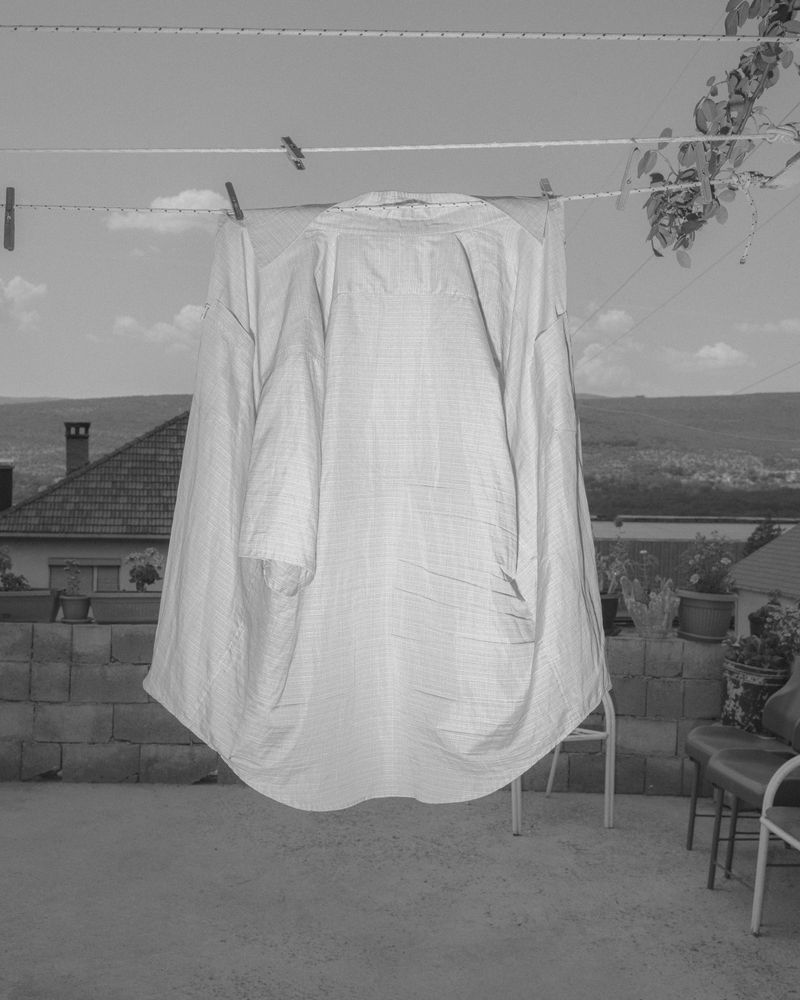
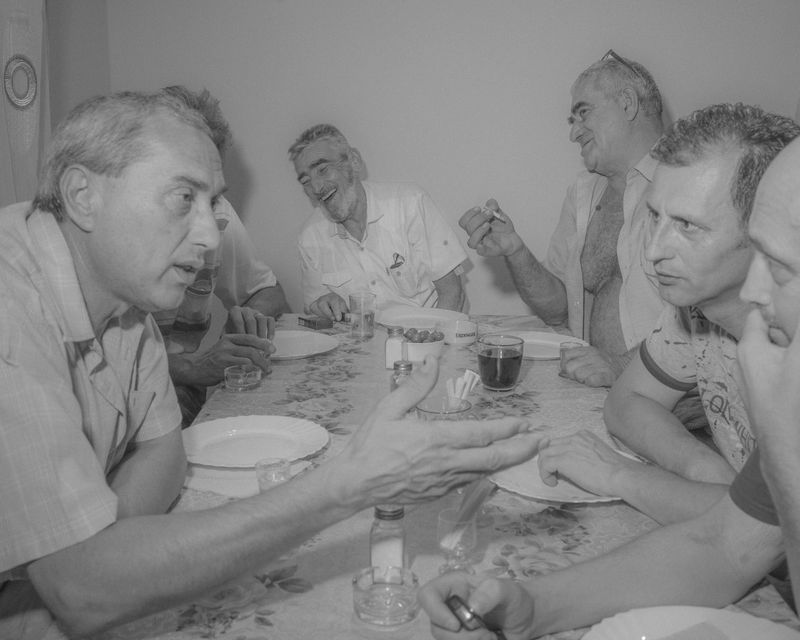
We cannot see what people have been through just by looking at them. Places, too, do not automatically reveal what happened there. Objects, smells, and tastes may seem ordinary to most – yet for some, they are deeply connected to trauma and disaster.
During the war in Bosnia and Herzegovina in the 1990s, men of different ethnic backgrounds were subjected to sexual violence. In camps and detention centers, they were tortured and abused by soldiers and guards, and at times forced to perform sexual acts on one another. This violence threatened not only their physical safety but also aimed to destroy their dignity, identity, and family bonds. Its full impact is difficult to comprehend.
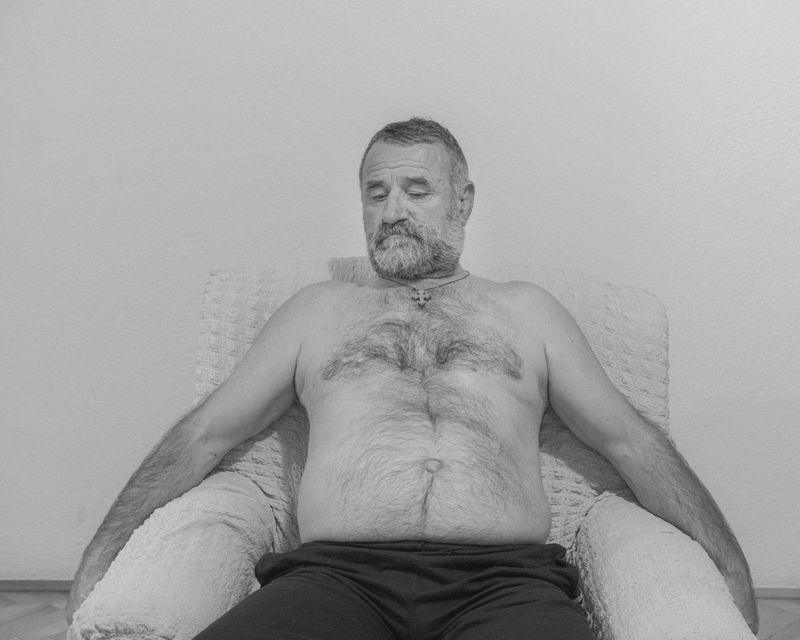
For a long time, the suffering of these men remained hidden. Their stories were ignored, denied, or left untold. Many survivors still struggle with the consequences – mentally, physically, socially, and financially. Shame and social taboos often prevent them from speaking out or seeking help.
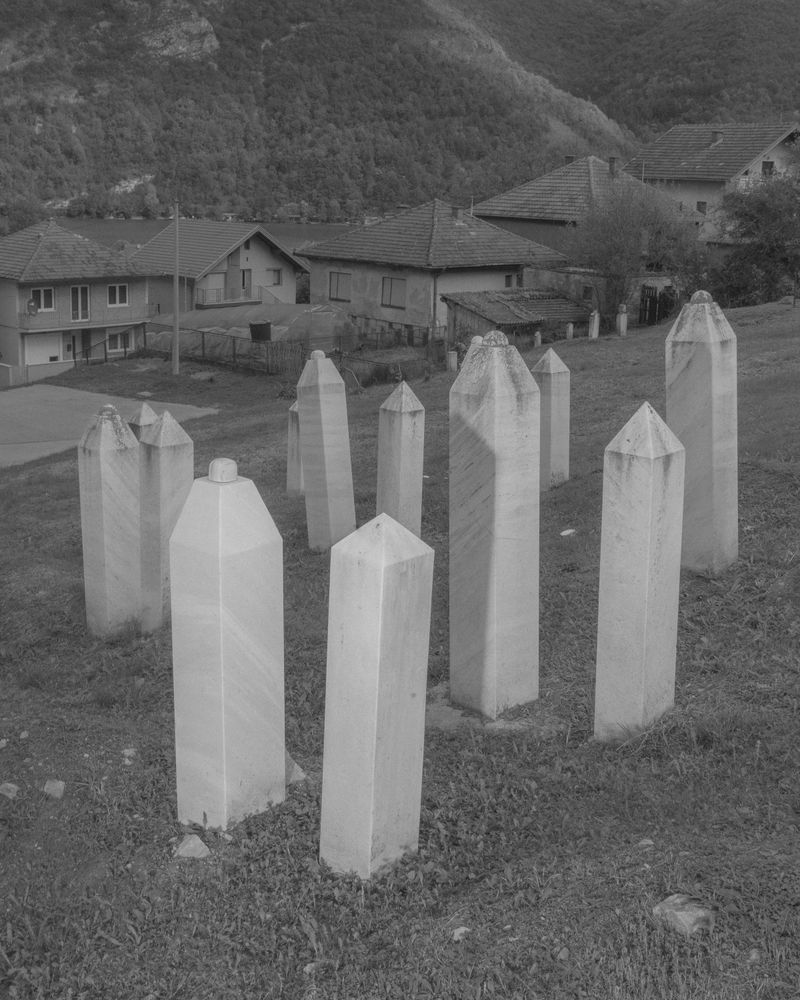
What happened to them cannot be fully shown in images. Yet photography can offer a way to approach their stories and create spaces of remembrance.
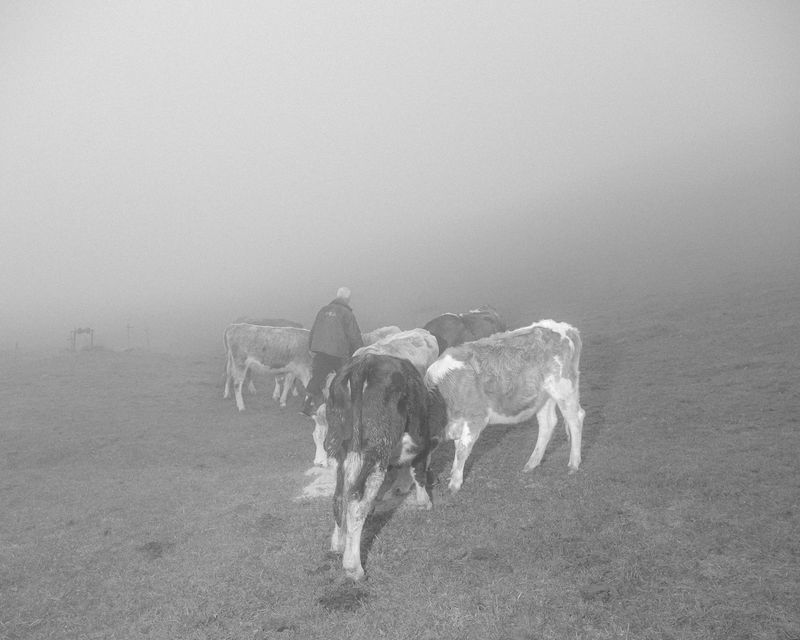
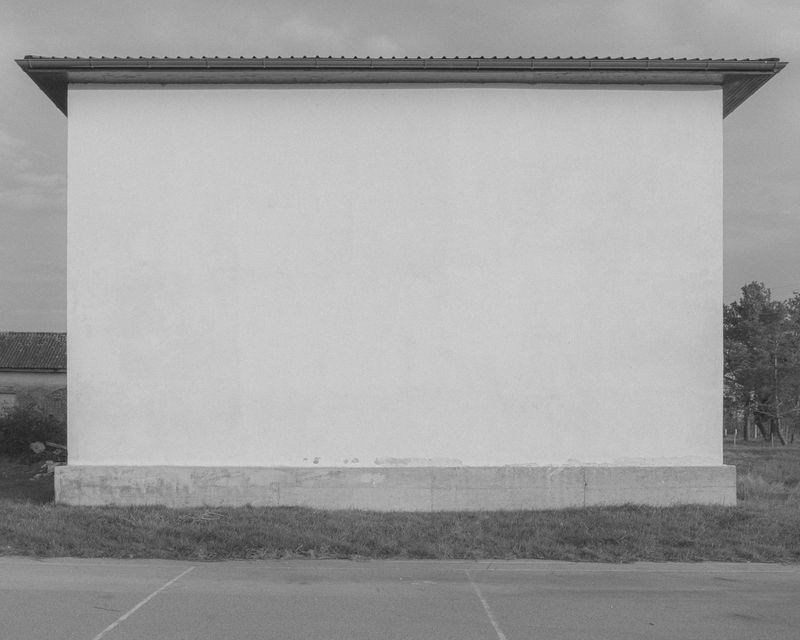
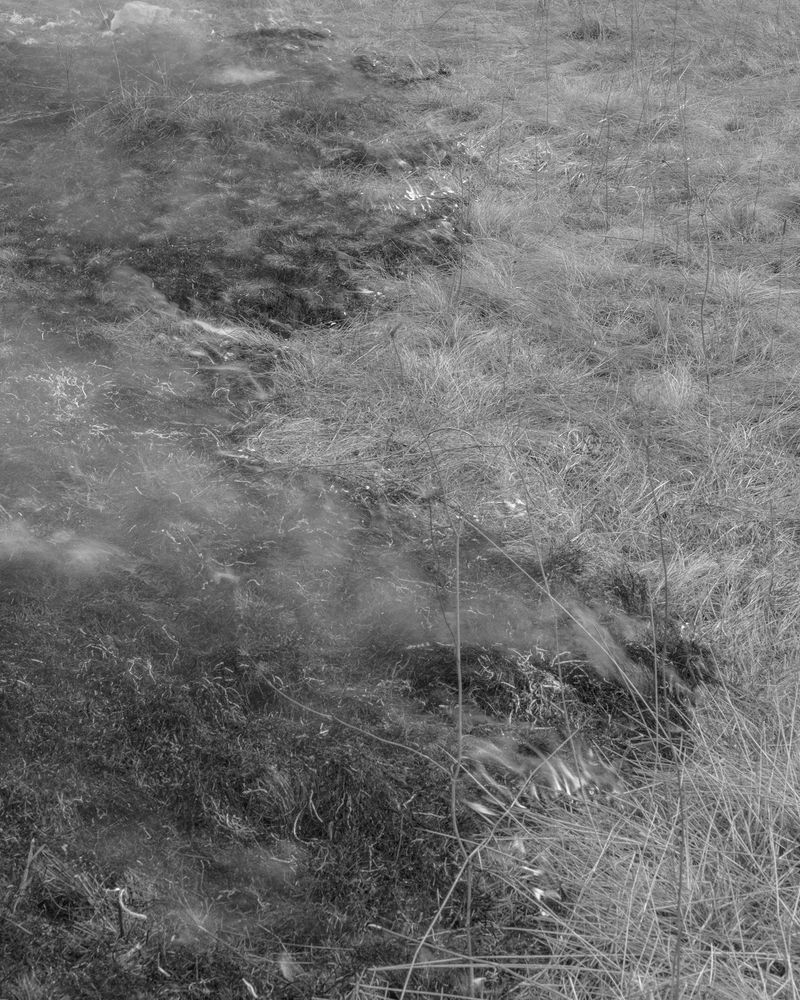
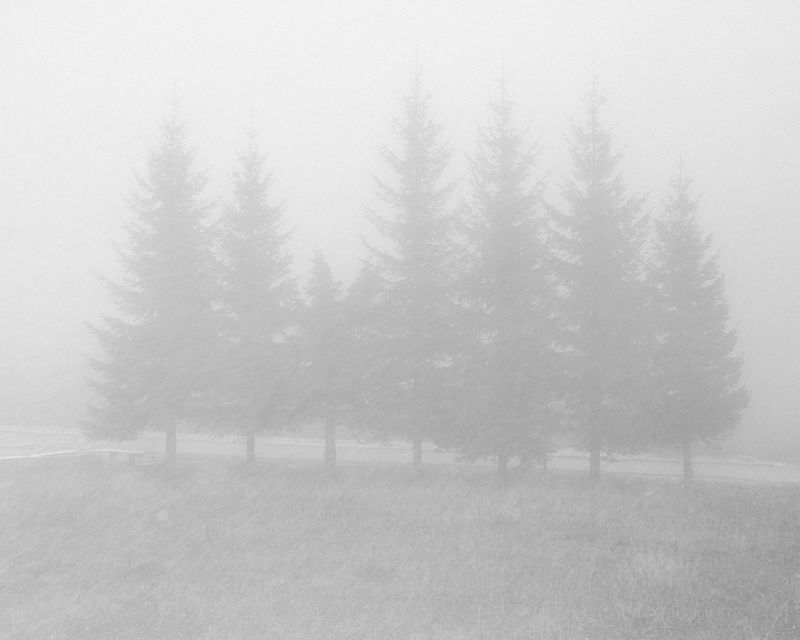
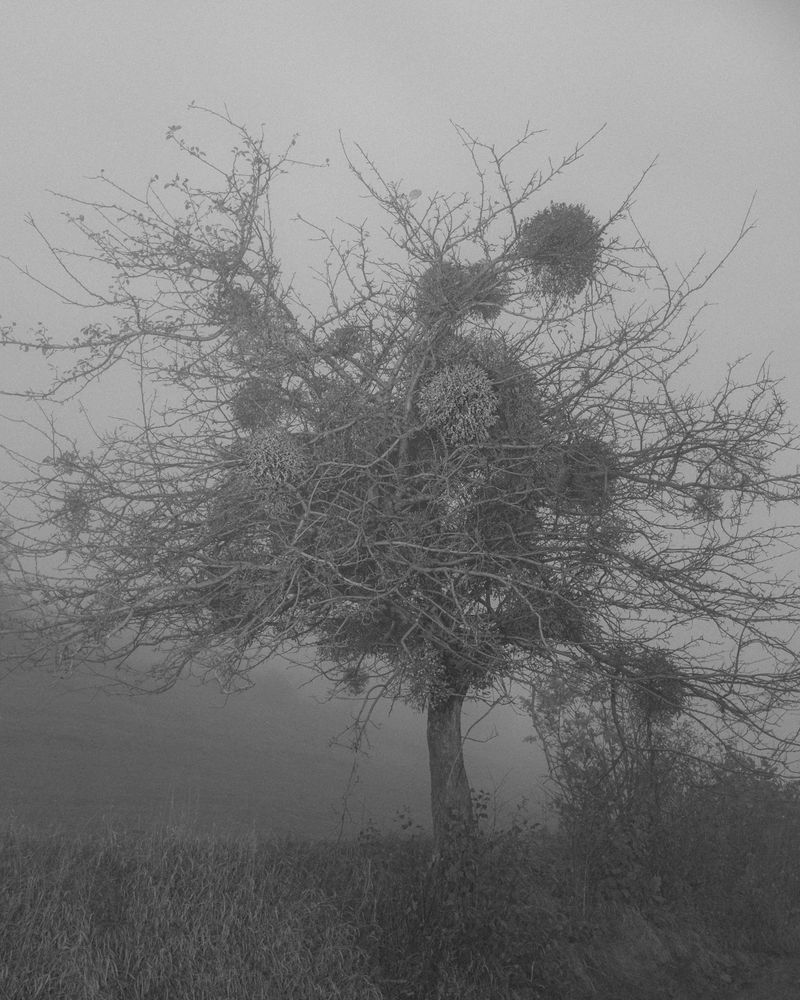
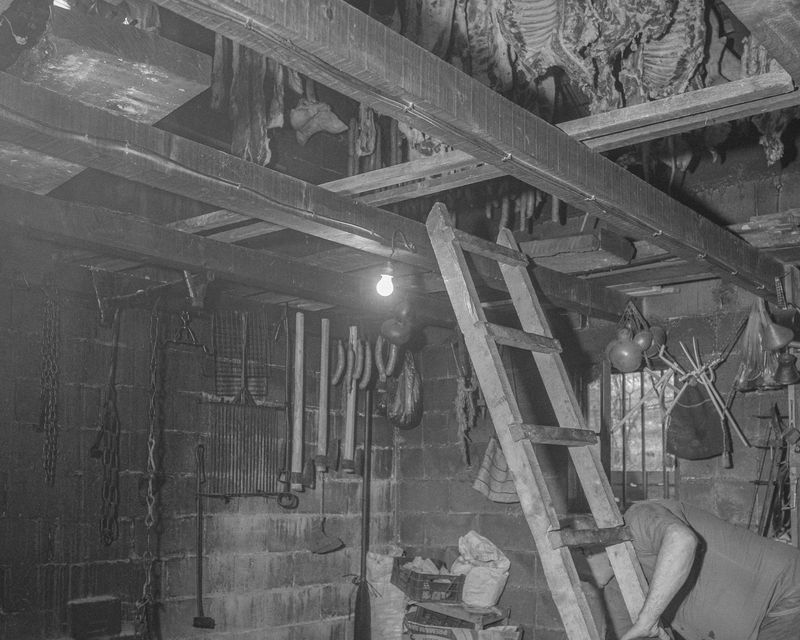
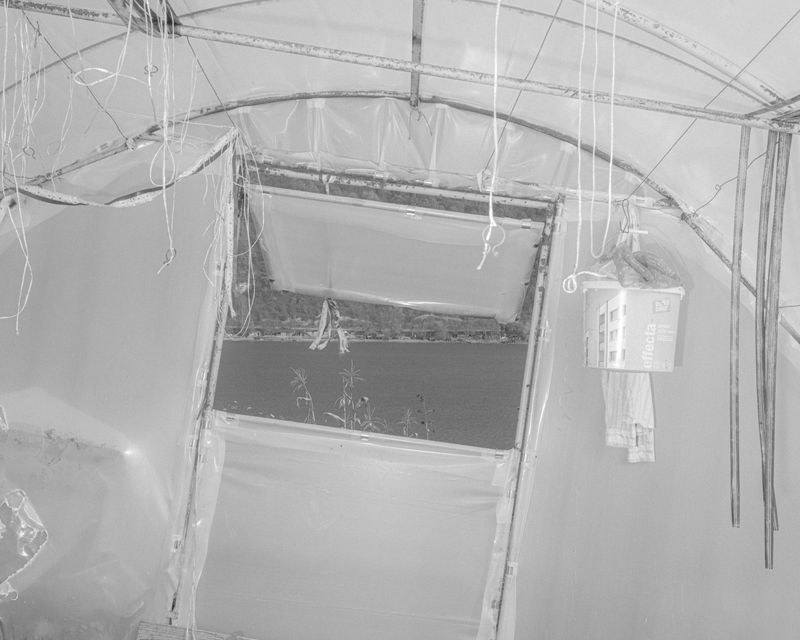
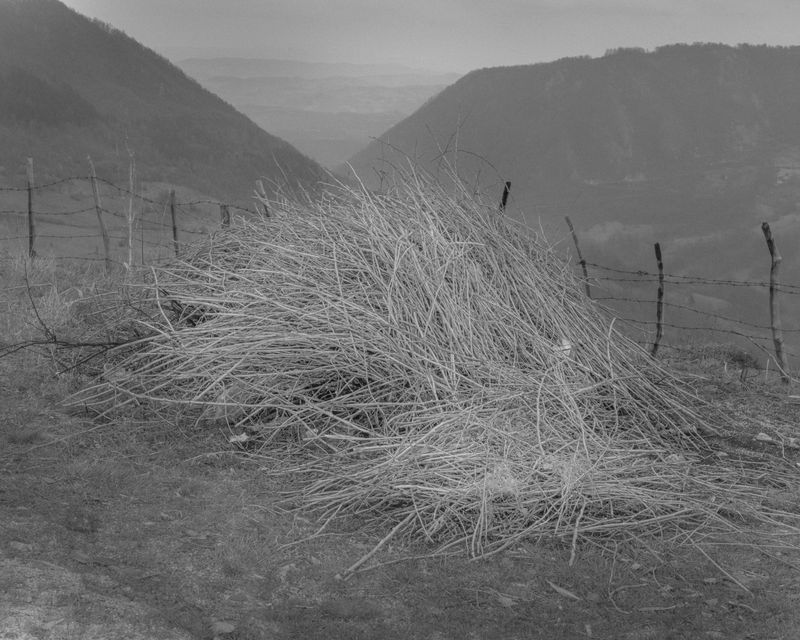
My work is an attempt to make these hidden traumas visible – by focusing on places that appear ordinary at first glance but hold painful memories for some. Abandoned buildings, quiet landscapes, traces in architecture or nature – they carry stories that are not spoken directly but can be sensed.
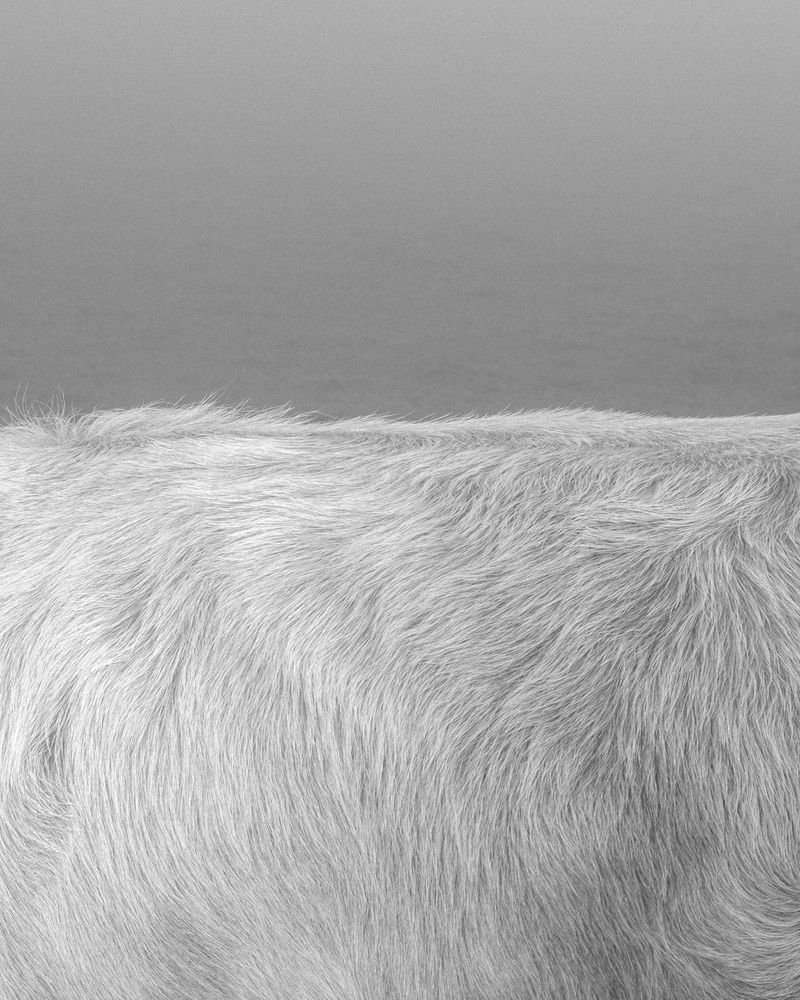
The landscape, like the human body, can bear witness to violence. But its visible traces often fade. Like wounds beneath the skin, the marks in the land remain concealed. My work fills this emptiness with abstraction – a way to speak about what cannot be seen.
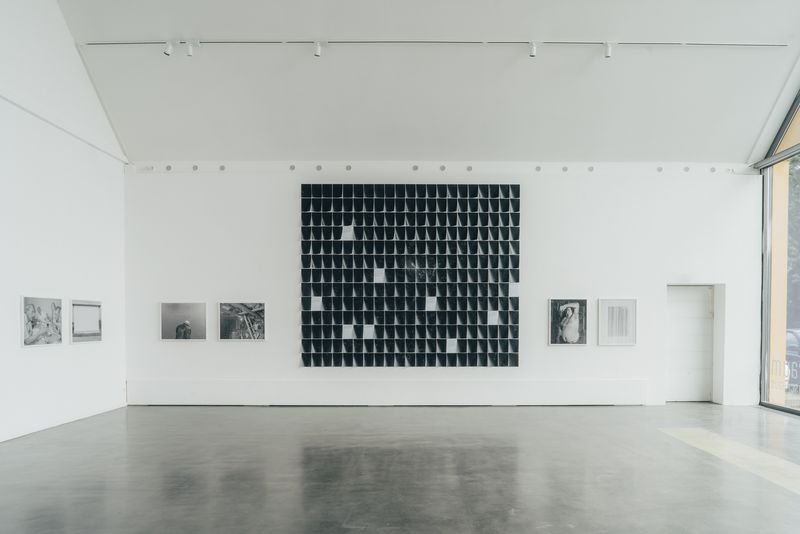
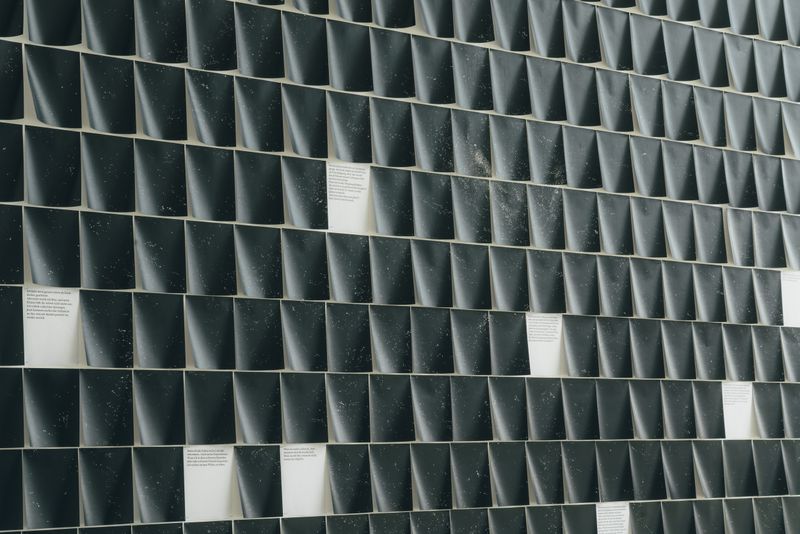
The photographs are shown together with texts that give voice to survivors. They speak of memory, the silence that follows violence, the struggle to continue, and the strength it takes to express the unspeakable. As long as their stories remain untold, the injustice they suffered remains unresolved.
This project is part of an ongoing reflection on memory, trauma, and identity – and an invitation to critically examine how we understand truth and history.