Men don't cry

Men who survived sexual violence in the Bosnian War rarely speak out — shame and silence keep their stories hidden. My photographs approach what cannot be shown — tracing the presence of trauma in places, objects, and silence.

We cannot see what people have been through just by looking at them. Places, too, do not automatically reveal what happened there. Objects, smells, and tastes may seem ordinary to most – yet for some, they are deeply connected to trauma and disaster.

During the war in Bosnia and Herzegovina in the 1990s, men of different ethnic backgrounds were subjected to sexual violence. In camps and detention centers, they were tortured and abused by soldiers and guards, and at times forced to perform sexual acts on one another. This violence threatened not only their physical safety but also aimed to destroy their dignity, identity, and family bonds. Its full impact is difficult to comprehend.

For a long time, the suffering of these men remained hidden. Their stories were ignored, denied, or left untold. Many survivors still struggle with the consequences – mentally, physically, socially, and financially. Shame and social taboos often prevent them from speaking out or seeking help.

What happened to them cannot be fully shown in images. Yet photography can offer a way to approach their stories and create spaces of remembrance.

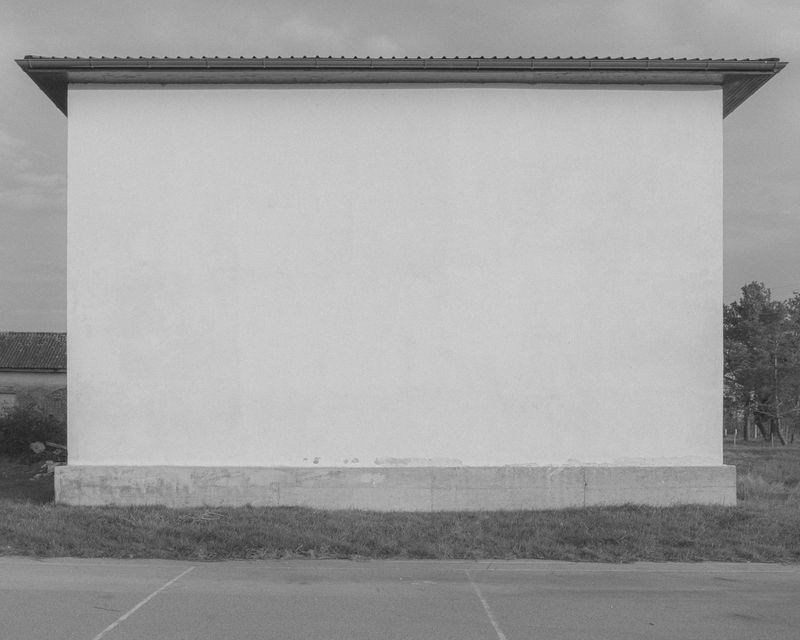
My work is an attempt to make these hidden traumas visible – by focusing on places that appear ordinary at first glance but hold painful memories for some. Abandoned buildings, quiet landscapes, traces in architecture or nature – they carry stories that are not spoken directly but can be sensed.

The landscape, like the human body, can bear witness to violence. But its visible traces often fade. Like wounds beneath the skin, the marks in the land remain concealed. My work fills this emptiness with abstraction – a way to speak about what cannot be seen.

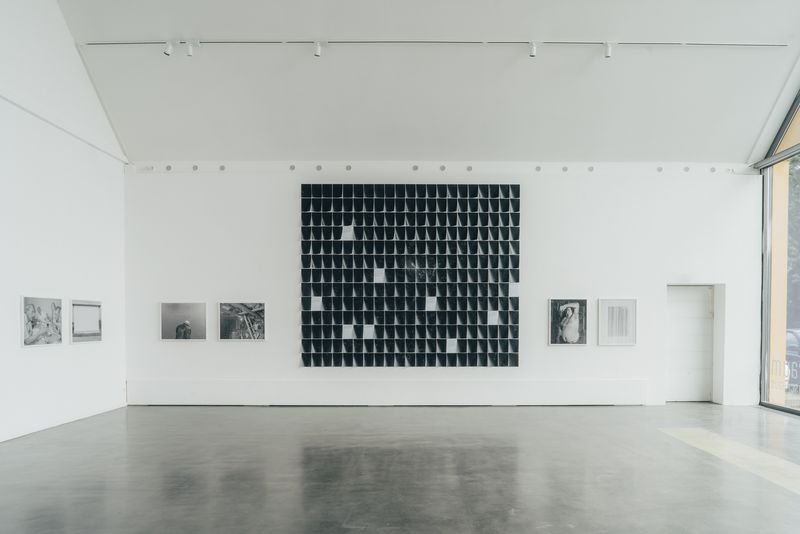
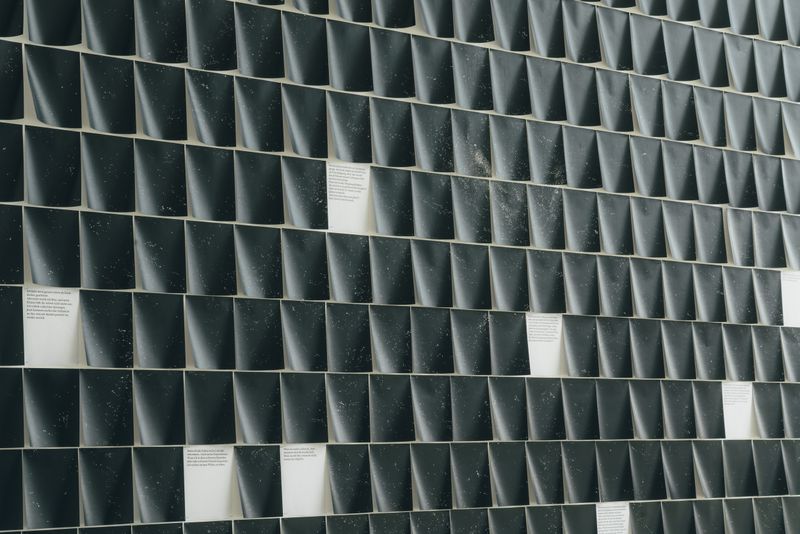
The photographs are shown together with texts that give voice to survivors. They speak of memory, the silence that follows violence, the struggle to continue, and the strength it takes to express the unspeakable. As long as their stories remain untold, the injustice they suffered remains unresolved.

This project is part of an ongoing reflection on memory, trauma, and identity – and an invitation to critically examine how we understand truth and history.

© Hannes Jung - Swirling water at the river Buna, Bosnia and Herzegovina, 2nd of April 2018.
i

Swirling water at the river Buna, Bosnia and Herzegovina, 2nd of April 2018.

© Hannes Jung - Image from the Men don't cry photography project
i

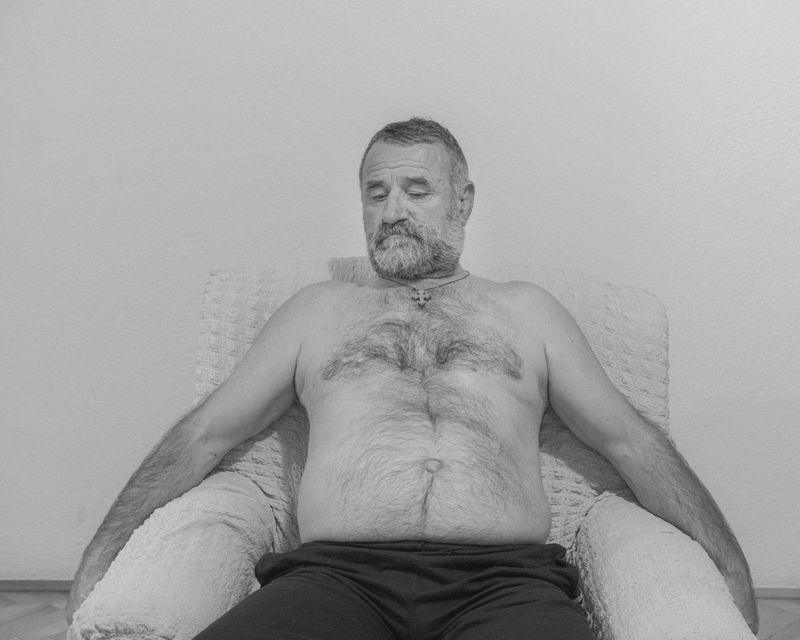
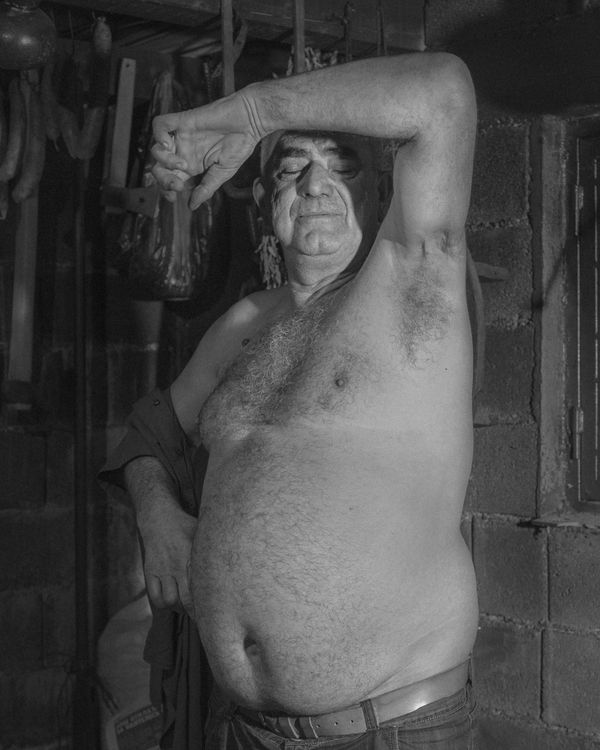
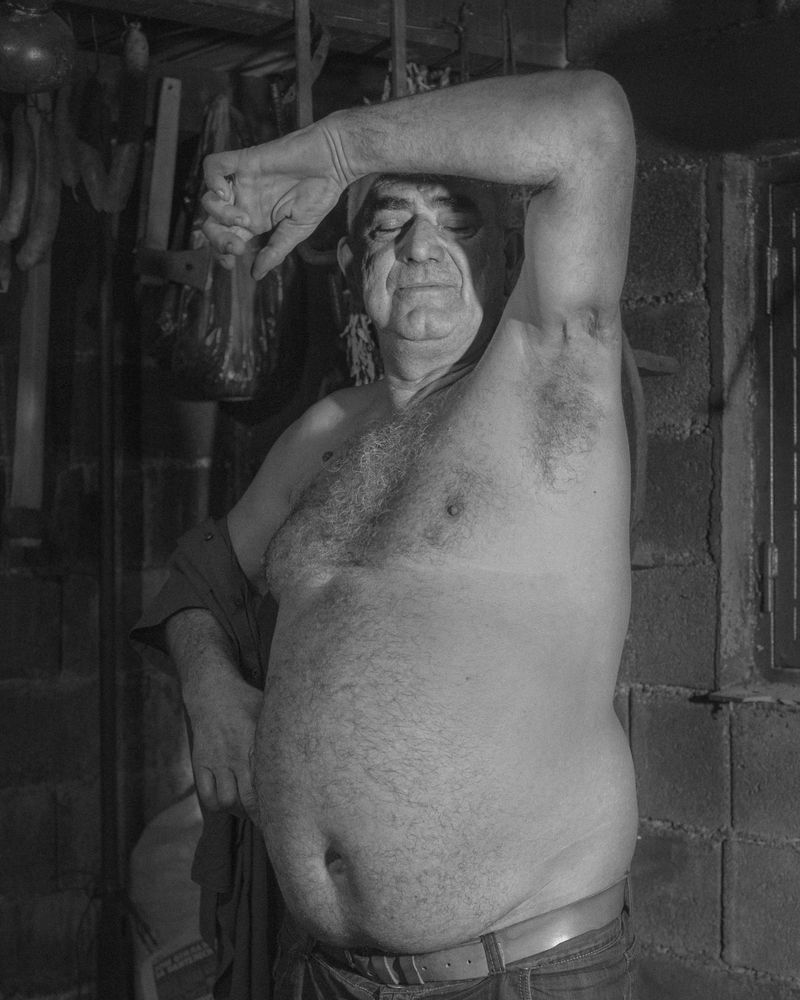
Portrait of Damian, a former inmate of the Lora prison (existed in Split, Croatia during the war), stands in his garden hut. Bileća, November 19th 2017. In 1992, D. was arrested and tortured in Lora prison. Guards subjected him to electric shocks, beatings, and degrading acts. He lost 50 kg in 136 days and left unrecognizable.

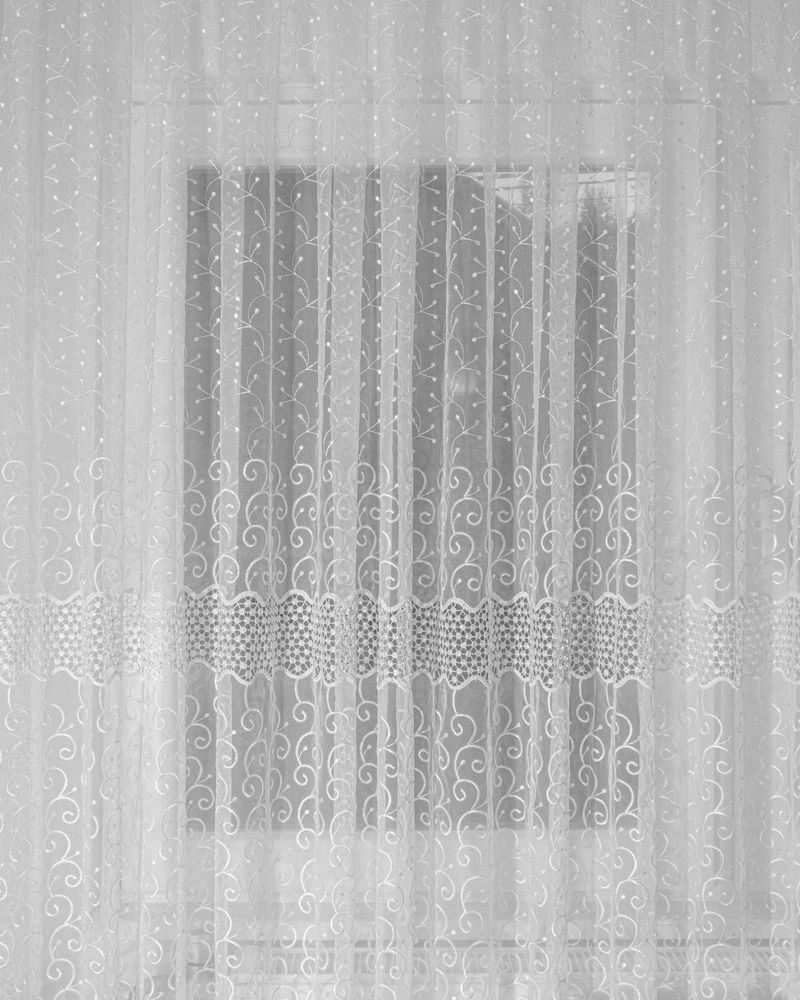
© Hannes Jung - Window in Zihnijas living room. October 4th 2024, Kakanj, Bosnien und Herzegowina.
i

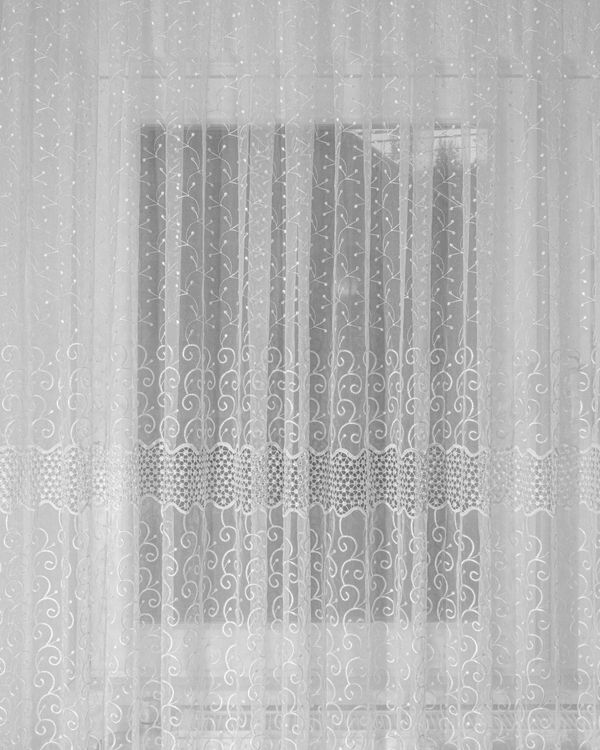
Window in Zihnijas living room. October 4th 2024, Kakanj, Bosnien und Herzegowina.

© Hannes Jung - Image from the Men don't cry photography project
i

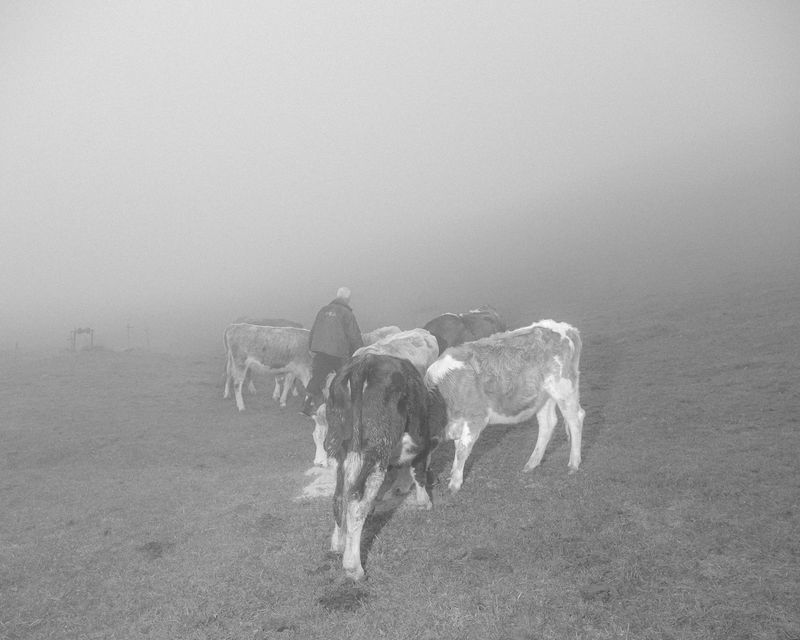
Zihnija and his cows. Kakanj, November 9th 2017. Zihnija is a survivor of war and torture, lives with relentless memories that haunt him daily. After the Dayton Agreement, he was arrested by Serbian police, tortured in a prison camp, and tied to a radiator for days. Flashbacks are like internal explosions, breaking him completely.

© Hannes Jung - Image from the Men don't cry photography project
i

Former prison camp Trnopolje, November 11th 2017. Trnopolje was a notorious Bosnian Serb-run prison camp during the 1992 Bosnian War, located near Prijedor. Initially a detention center for Bosnian Muslims and Croats, it became infamous for overcrowding, inadequate food, forced labor, and brutal conditions. Prisoners faced beatings, torture, and executions.

© Hannes Jung - Image from the Men don't cry photography project
i

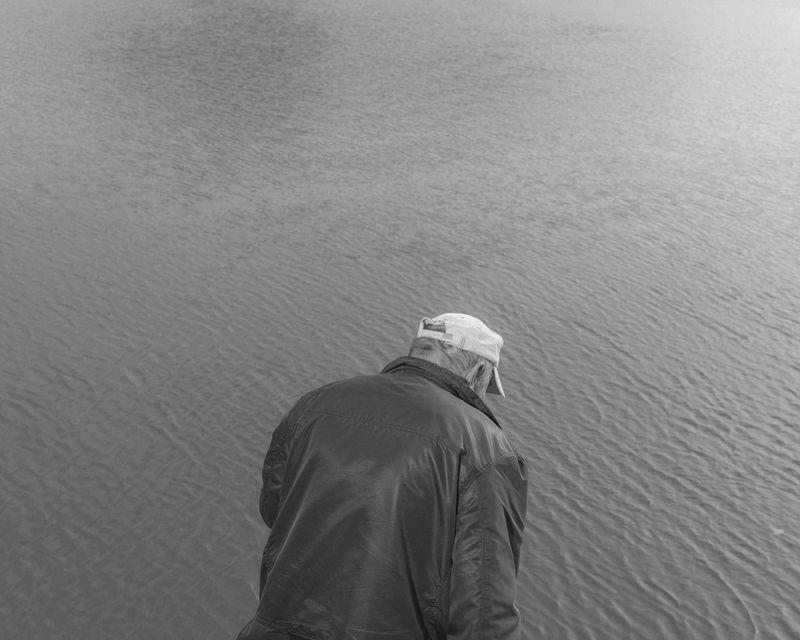
Amir in front of the river Drina. Divic, November 11th 2019. Amir, a Bosnian Muslim, was captured in 1992 and spent 13.5 months in multiple prison camps, including Zvornik and Batkovic. He endured severe torture, including beatings, sexual violence, and forced labor. Released in 1993 during a prisoner exchange.

© Hannes Jung - Image from the Men don't cry photography project
i

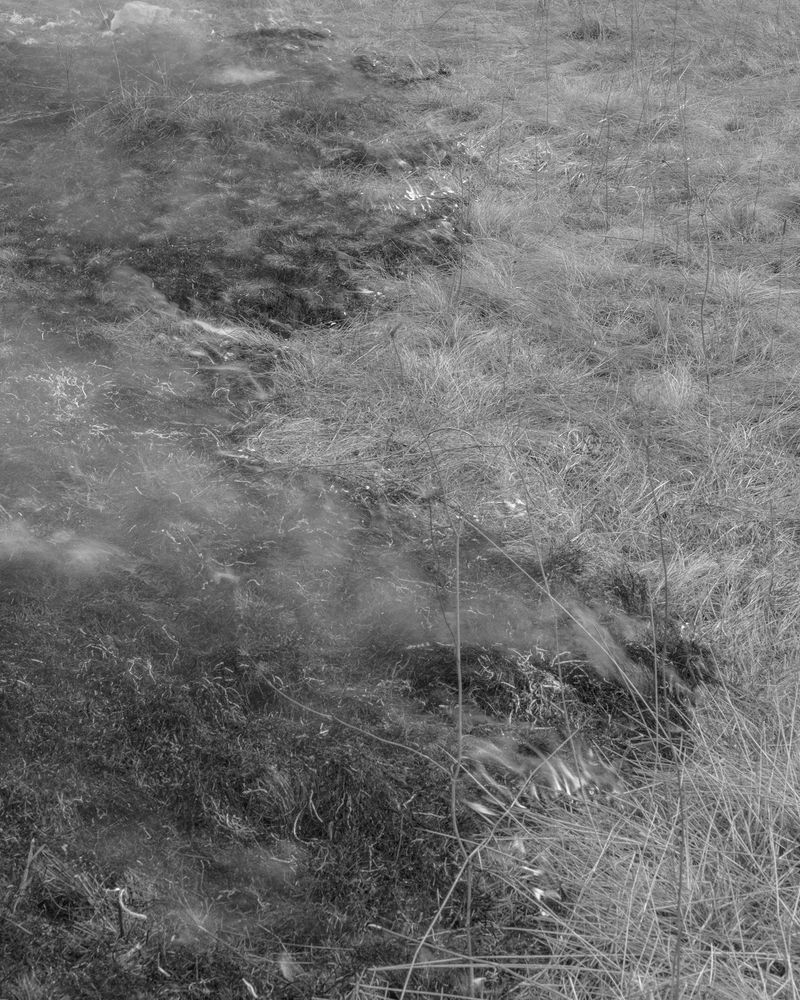
Fire on the fields, near Sokolac. April 4th, 2018.The flames burn the dry grass. During the Bosnian War (1992–1995), men were victims of sexual violence in prison camps and detention centers – a crime that was long kept silent. There were also reports of torture and abuse in the Sokolac region.

© Hannes Jung - One of Zihnijas cows. Kakanj, November 9th 2017.
i

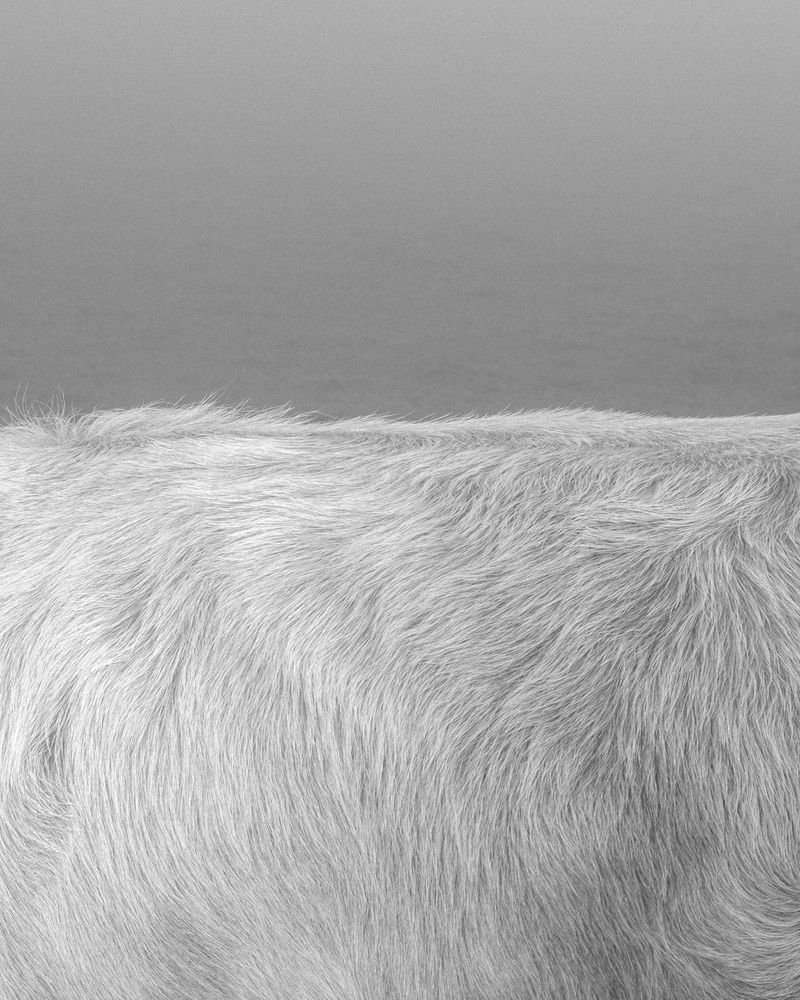
One of Zihnijas cows. Kakanj, November 9th 2017.

© Hannes Jung - Damians smoked ham in his garden hut. Bileća, April 1st 2018.
i

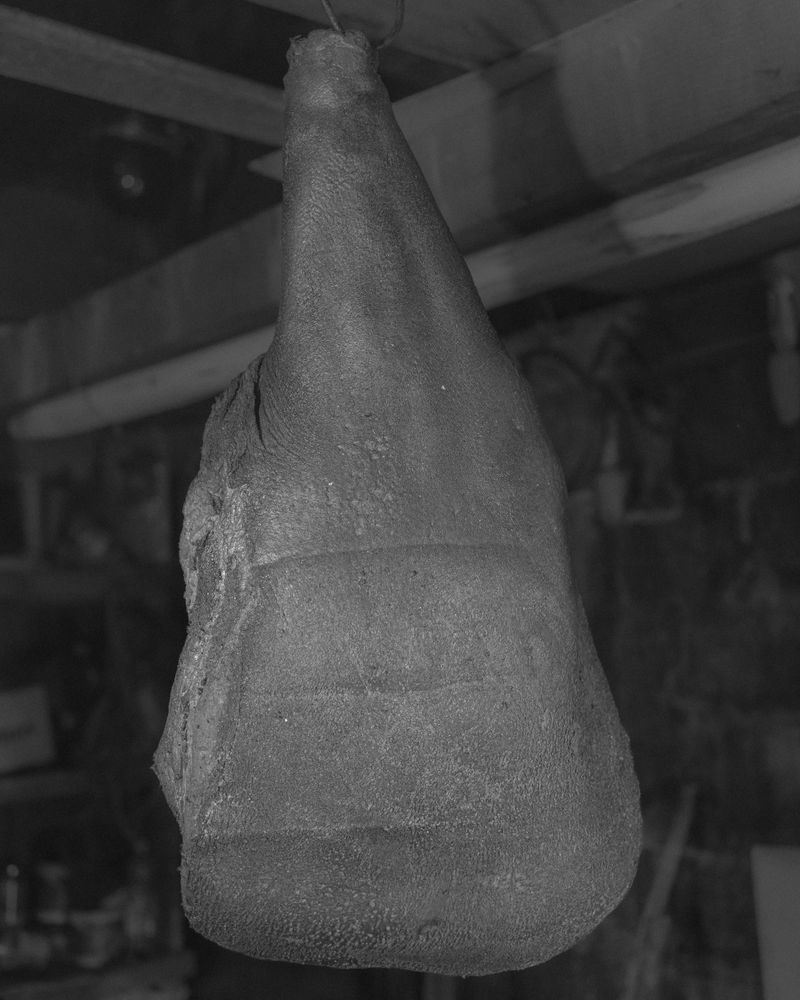
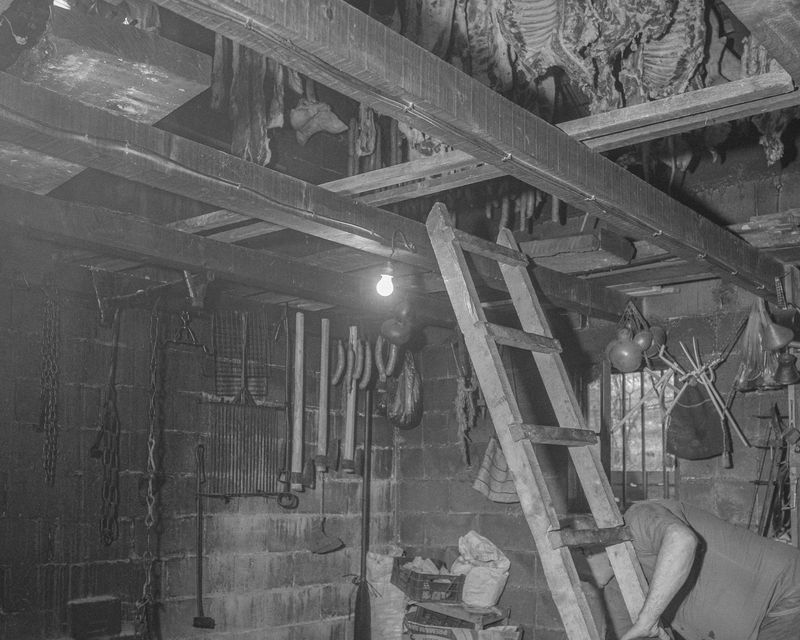
Damians smoked ham in his garden hut. Bileća, April 1st 2018.

© Hannes Jung - Image from the Men don't cry photography project
i

Monument to fallen fighters of the National Liberation War. A place where Zihnija, a survivor of sexual violence, rests, when he feels bad. October 4th 2024, Ponijeri, Bosnia and Herzegovina.

© Hannes Jung - Tree in the mountains, near Zihnijas cows, Kakanj. November 9th 2017.
i

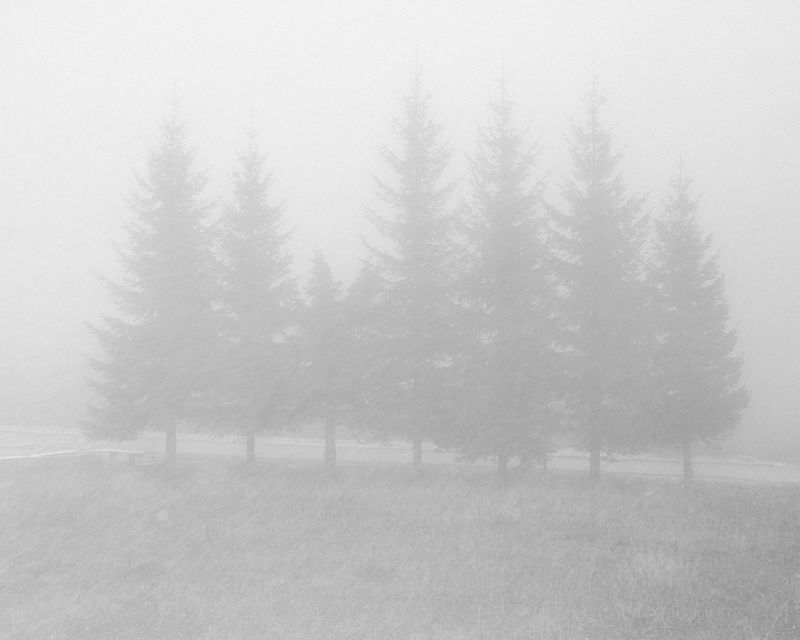
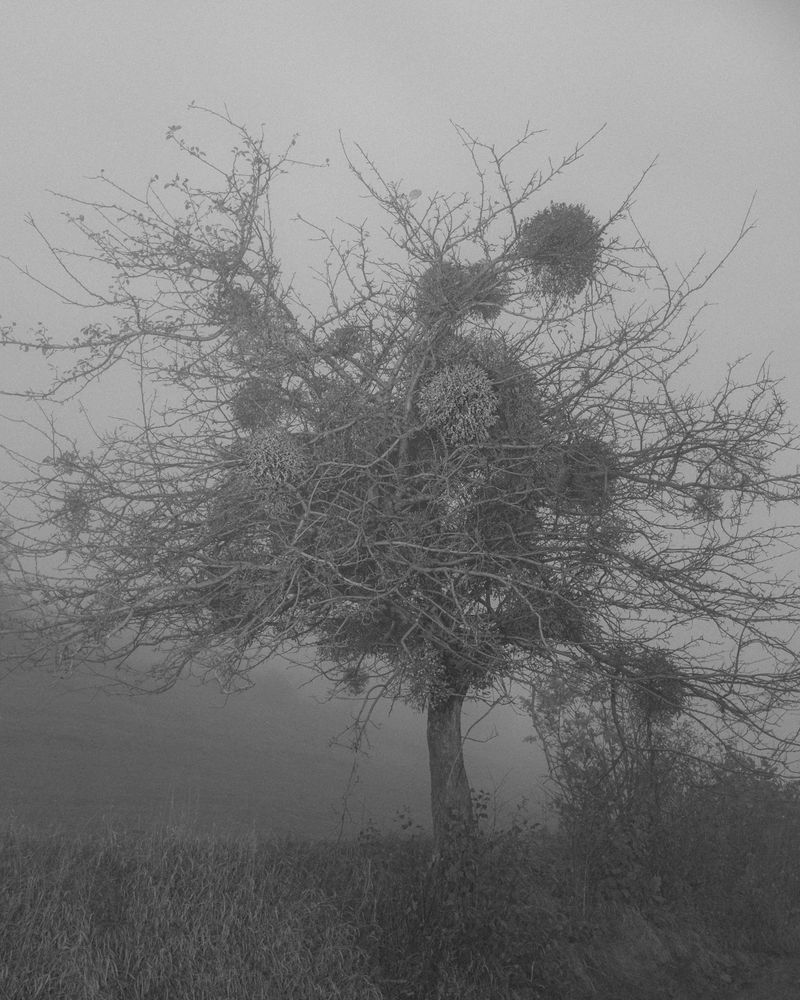
Tree in the mountains, near Zihnijas cows, Kakanj. November 9th 2017.

© Hannes Jung - Image from the Men don't cry photography project
i

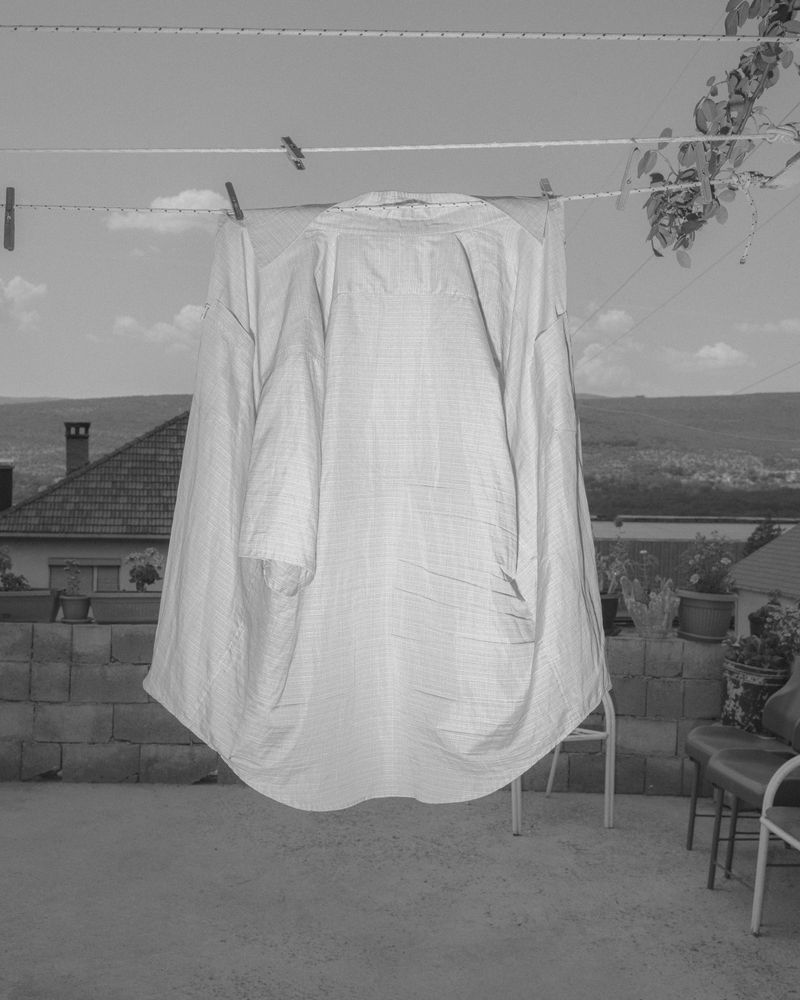
Damian's shirt hangs outside his house to dry. Bileća, Augist 18th 2018. Damian was arrested and tortured in Lora prison. Guards subjected him to electric shocks, beatings, and degrading acts. He lost 50 kg in 136 days and left unrecognizable. Despite lasting trauma, he testified in 2022 against his tormentors, who were sentenced.

© Hannes Jung - Image from the Men don't cry photography project
i

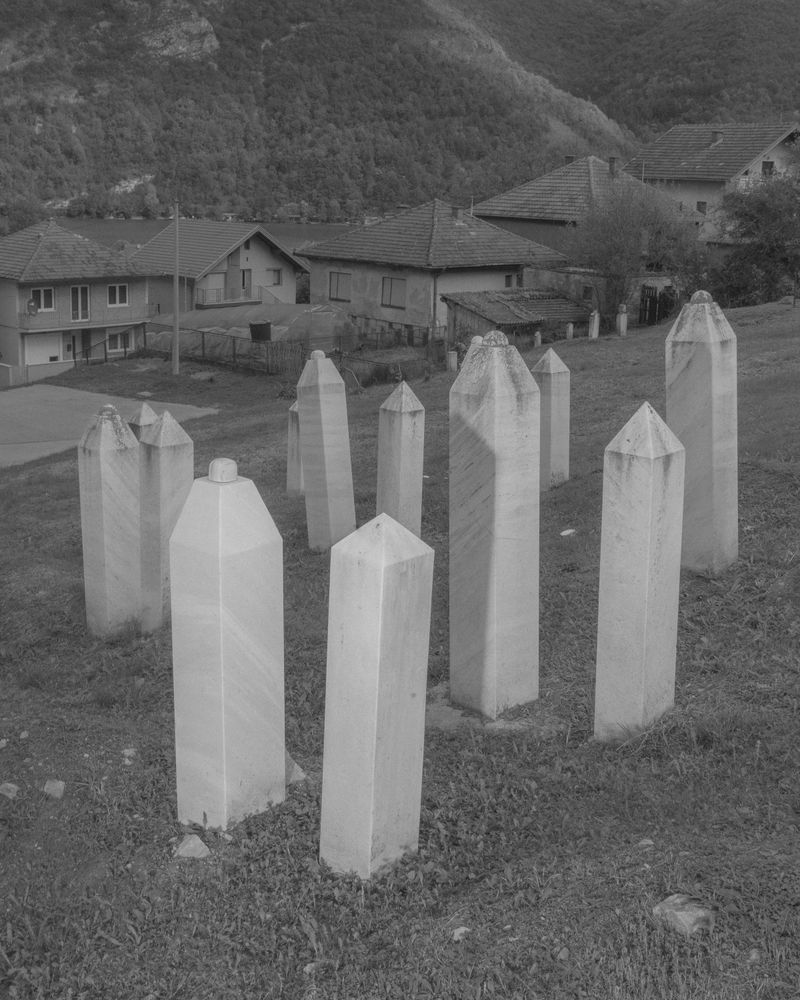
Muslim graveyard, Divic. The brother of Amir is burried here. October 9th 2024, Bosnien-Herzegowina. After the war, Amir returned to his village, Divic. With help from international aid, Amir rebuilt his home. His brother was among those killed in the war, leaving Amir with the painful memory of not being able to save him.

© Hannes Jung - Image from the Men don't cry photography project
i

Portrait of Damian, a former inmate of the Lora prison camp (existed in Split, Croatia during the war), in his garden hut. November 26th 2017.

© Hannes Jung - Image from the Men don't cry photography project
i

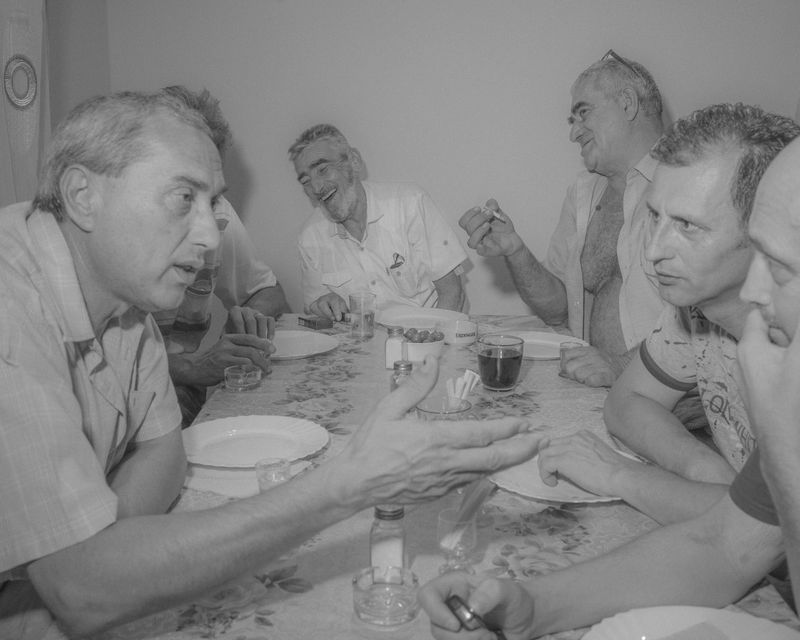
Annual meeting of former prisoners of the Lora prison camp [existed in Split, Croatia during the war]. Damian (3rd from the right). Trebinje, August 18, 2018.

© Hannes Jung - Image from the Men don't cry photography project
i

Portrait Dobrivoje, a former inmate of the Lora prison camp (existed in Split, Croatia during the war), sits in his living room. Trebinje. November 9th 2019. Dobrivoje, born in 1959 in Triboi, Serbia, was arrested in May 1992 while working in Dubrovnik. He was tortured and held in various prisons, including Villa Palma, Metkovic, and Lora, for over a year.

© Hannes Jung - Image from the Men don't cry photography project
i

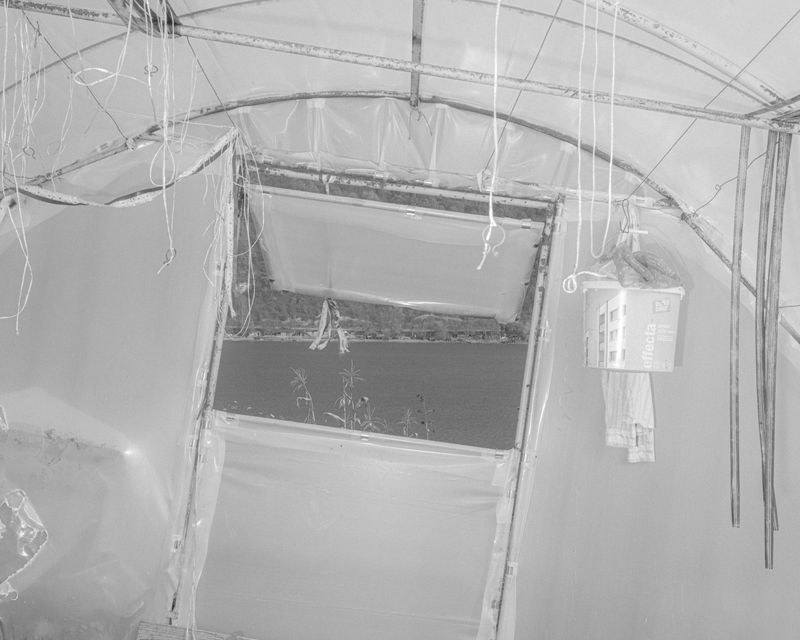
Amir's greenhouse, through the window you can see the river Drina. The greenhouse was built by the NGO Snaga Zene to help survivors of sexualized violence find work and earn a small income. Divic, November 11th 2019. Amir, a Bosnian Muslim, was captured in 1992 and spent 13.5 months in multiple prison camps, including Zvornik and Batkovic.

© Hannes Jung - Wodden branches, near Vlasenica, April 4th 2018.
i

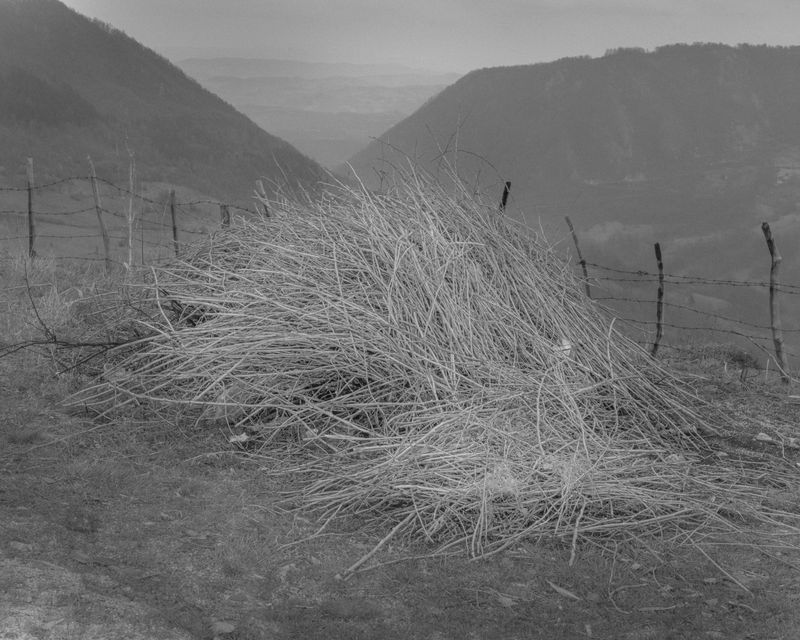
Wodden branches, near Vlasenica, April 4th 2018.

© Hannes Jung - Installation view
i

Installation view

© Hannes Jung - Installation view with texts.
i

Installation view with texts.