How To Carry A Home
-
Dates2025 - Ongoing
-
Author
- Location Ukraine
-
Recognition
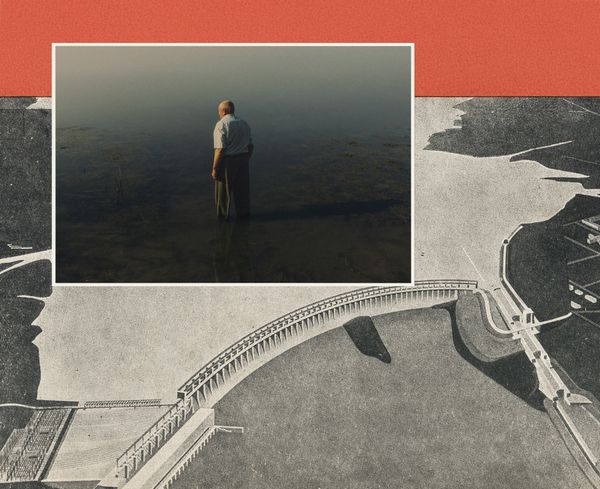
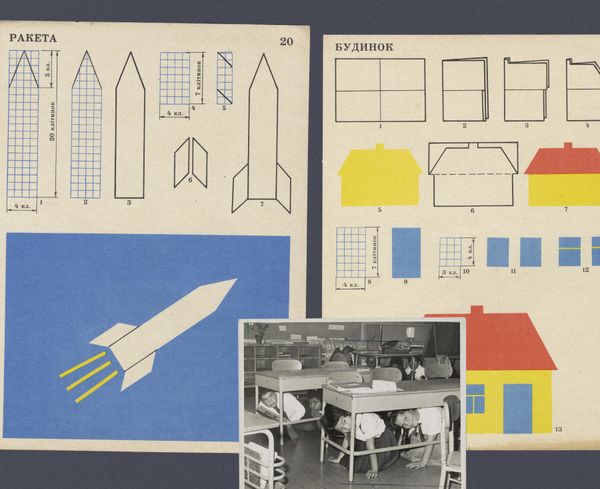
In the 1980s, 28 villages in Ukraine were flooded by the Soviet Union to build a hydroelectric station. Combining photographs with children’s archives and Soviet propaganda, this project explores home, loss, and play as an act of defiance and rebuilding.
HOW TO CARRY A HOME - a playbook for loss, defiance and rebuilding
What does “home” mean for those whose physical, cultural, or emotional homes no longer exist, or provide safety or stability?
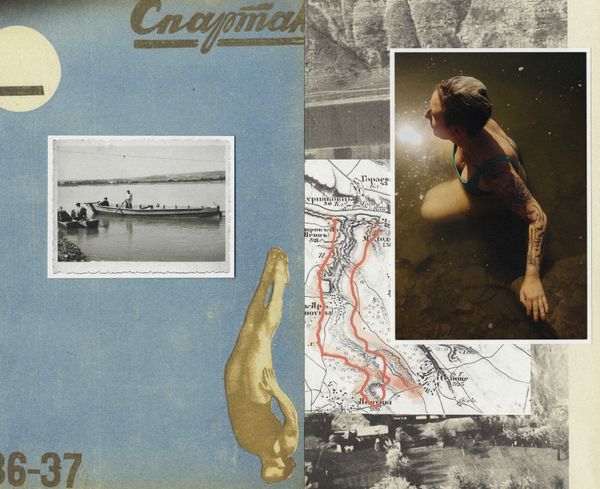
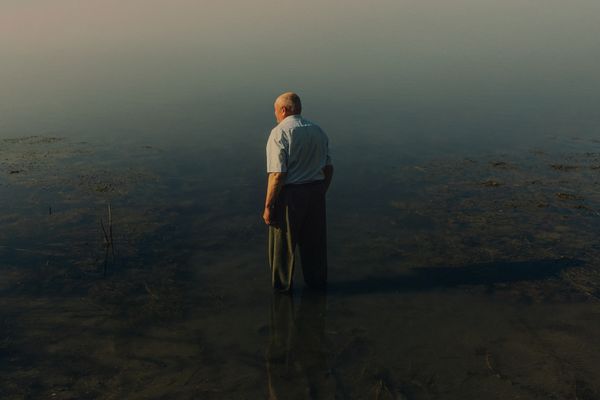
In the 1980s, 28 villages in the Bakota region of Ukraine were completely flooded by Soviet authorities to build a dam and a hydroelectric station. 3,729 households were forced to leave and watched their homes disappear beneath the rising water.
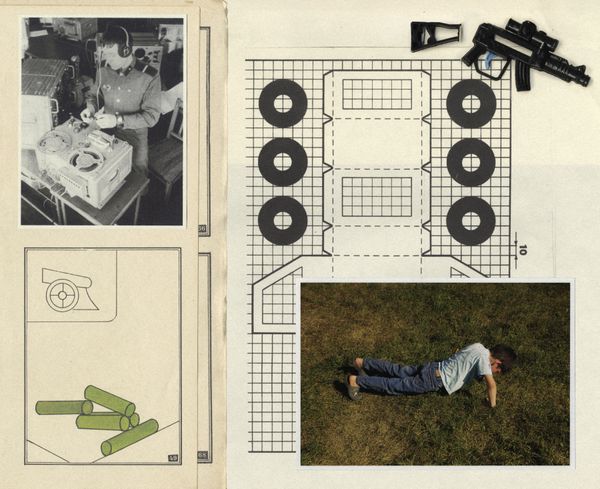
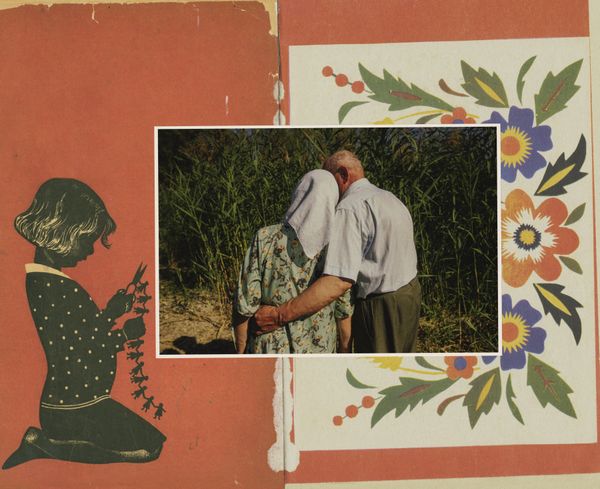
This project combines photography taken in the Bakota region with found archives — including children’s papercraft and Soviet-era propaganda — many discovered in an abandoned kindergarten or from personal collections of Bakota residents.
The project explores how meanings of home can be redefined and reconstructed in times of crisis, and how play can serve as a form of defiance and healing.
Serving as a guide to (re)building, it reflects on how home is something you can always carry with you, wherever you are.
--
How To Carry a Home was created as part of "A Discovery Guide for Recovery", led by Sineglossa (IT) in collaboration with Terytoriia / NGO Territory (UKR) and Fundacja Ziemniakii (PL), co-funded by Creative Europe programme of European Union.