(H)
-
Dates2023 - 2026
-
Author
- Location Switzerland
-
Recognition
(H) explores the paradoxical condition of a life-giving yet brutal particle, pointing out scenarios of connectedness as an act of resistance against today’s socio-environmental fragmentation.
Hydrogen was the first element to emerge after the Big Bang. It is the simplest and lightest of all chemical elements, yet it accounts for 90% of all atoms in the universe. It also composes the water molecule, covering nearly three-quarters of the Earth’s surface and about the same proportion of the human body.
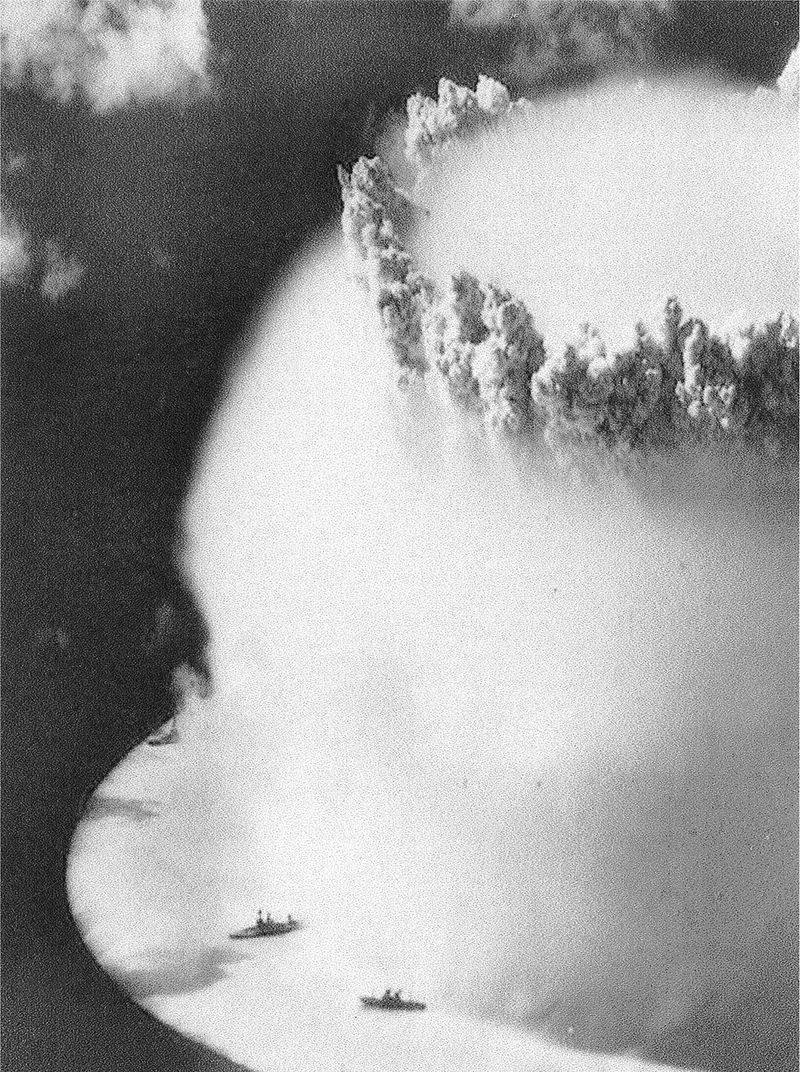
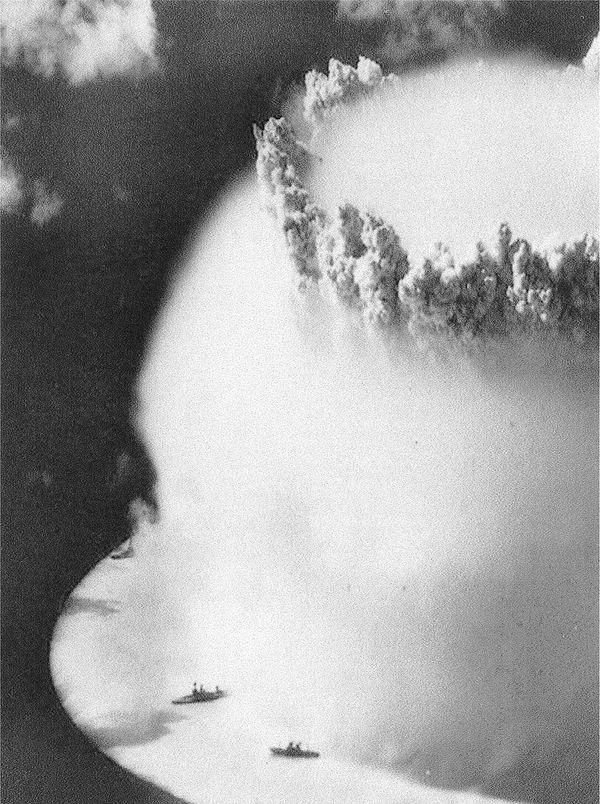
In a sense, hydrogen forms the basis of life. However, it’s also used to create the most destructive weapon ever made: the hydrogen bomb, in which a thermonuclear fusion process similar to that of the Sun is recreated, unleashing a destructive force far greater than that of atomic bombs.
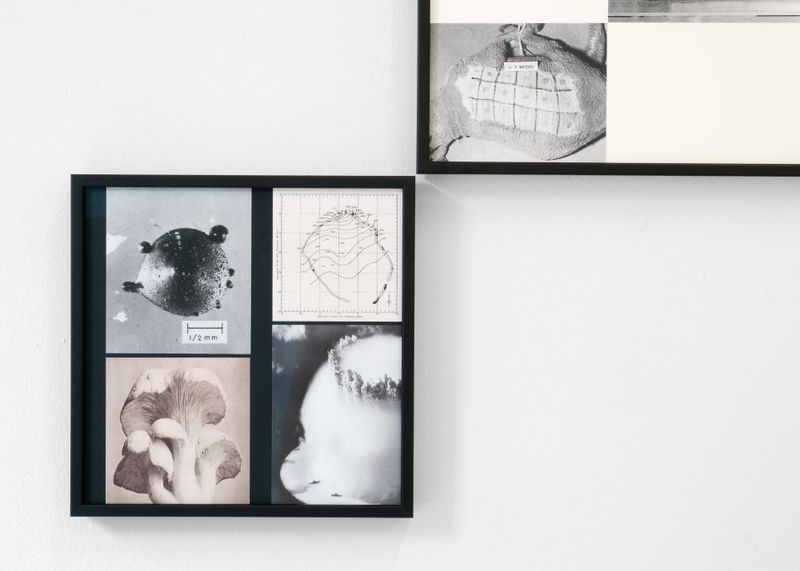
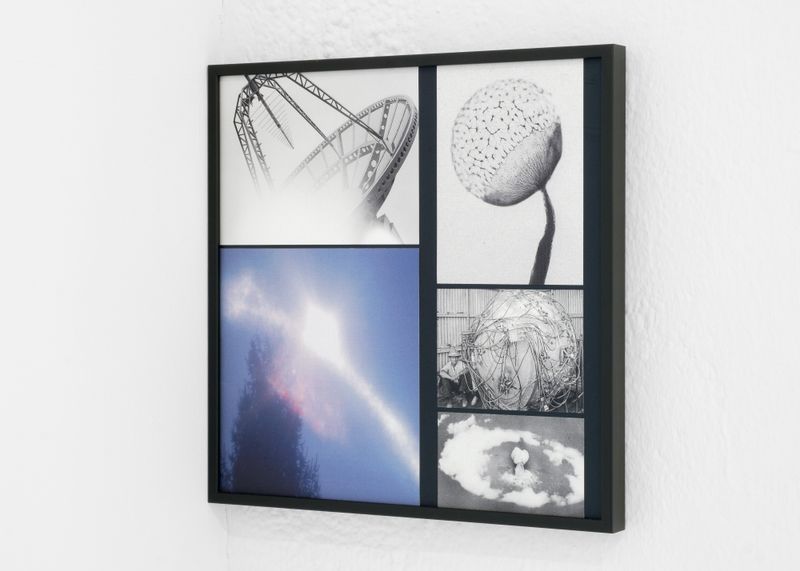
(H) explores the paradoxical condition of a life-giving yet brutal particle. An omnipresent but ethereal, polarised but unifying element. Pointing out broader scenarios of connectedness as an act of resistance against today’s socio-environmental fragmentation, in a visual essay where dissonant realms converge harmoniously in opposition to seclusive conceptions of matter.
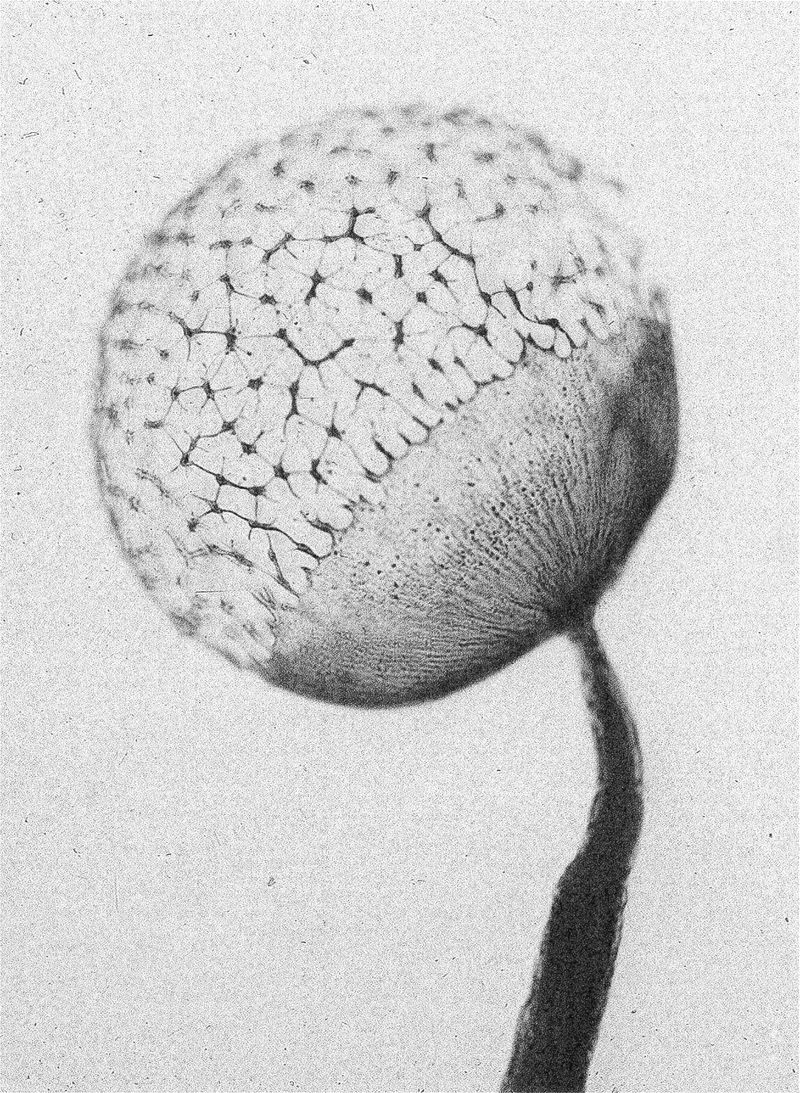
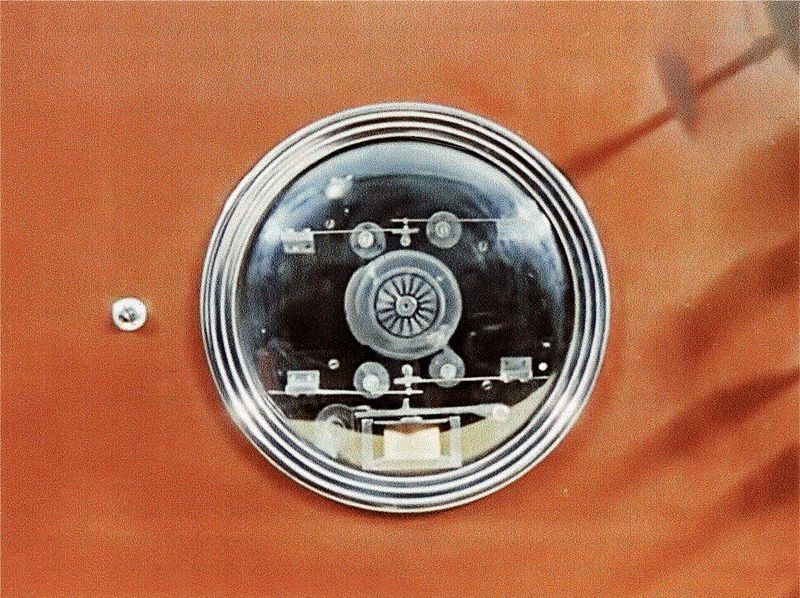
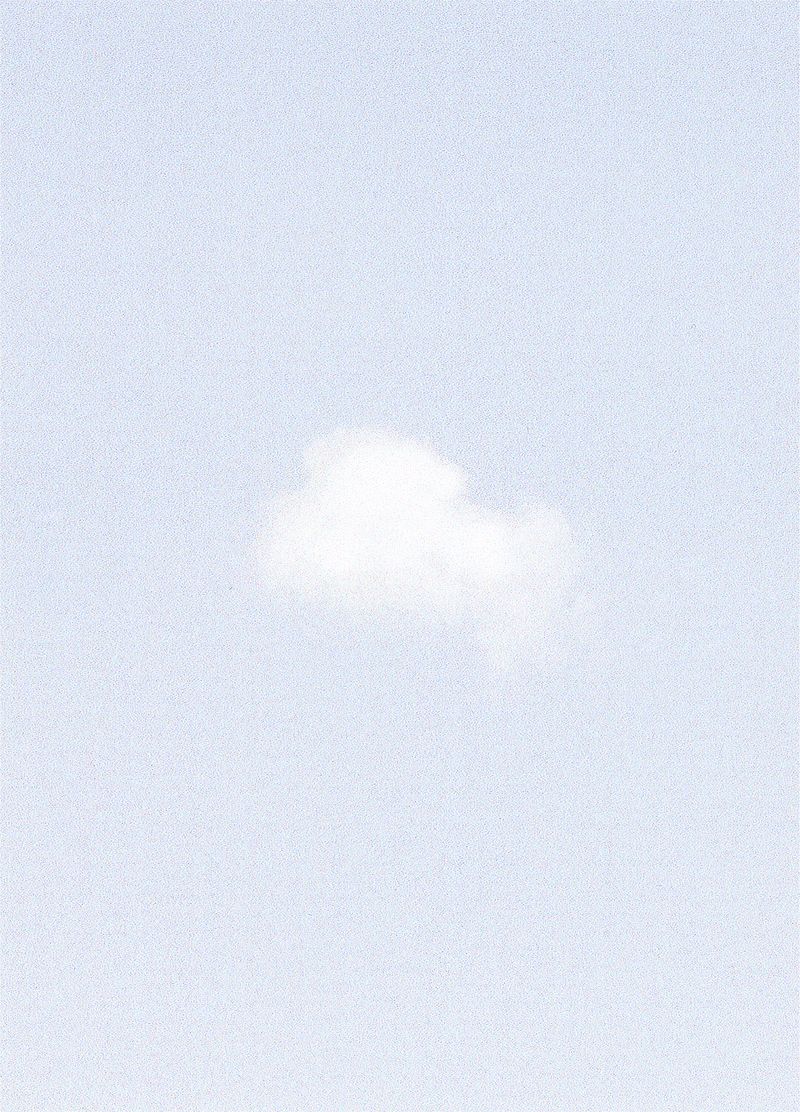
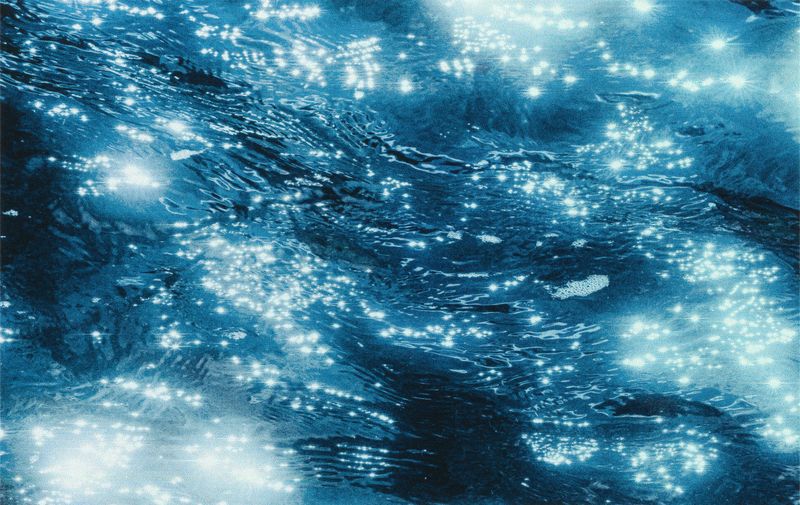
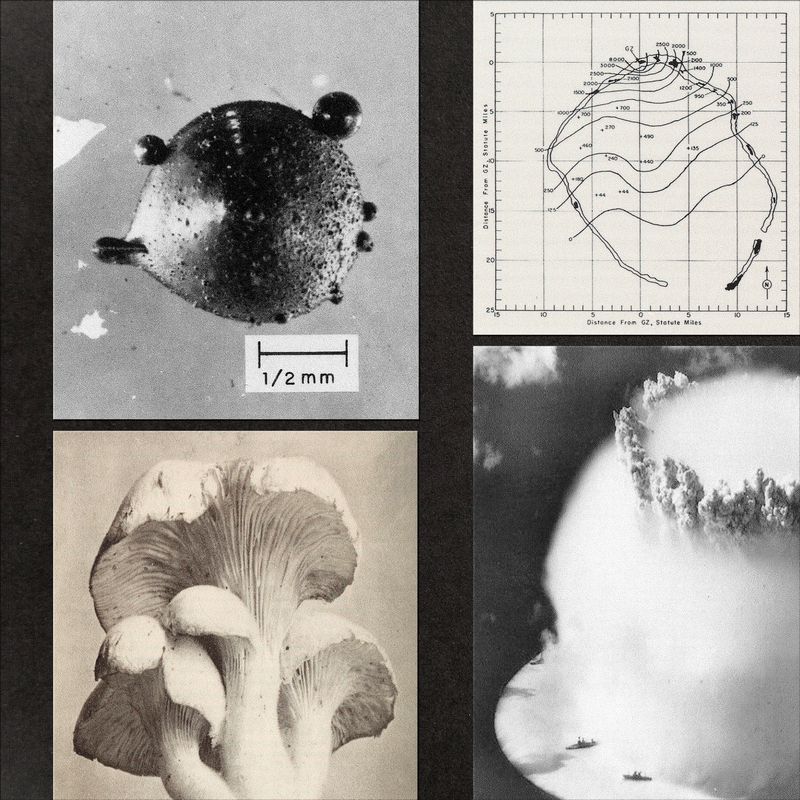
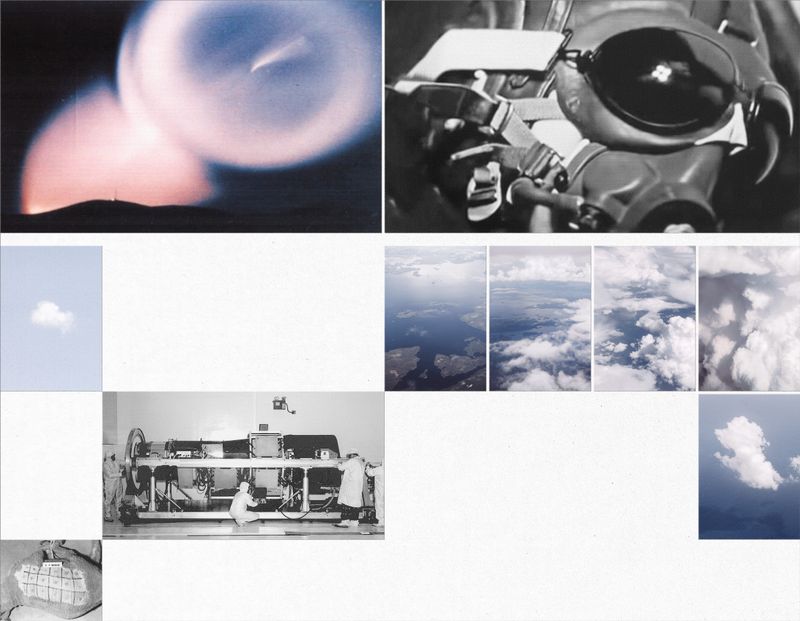
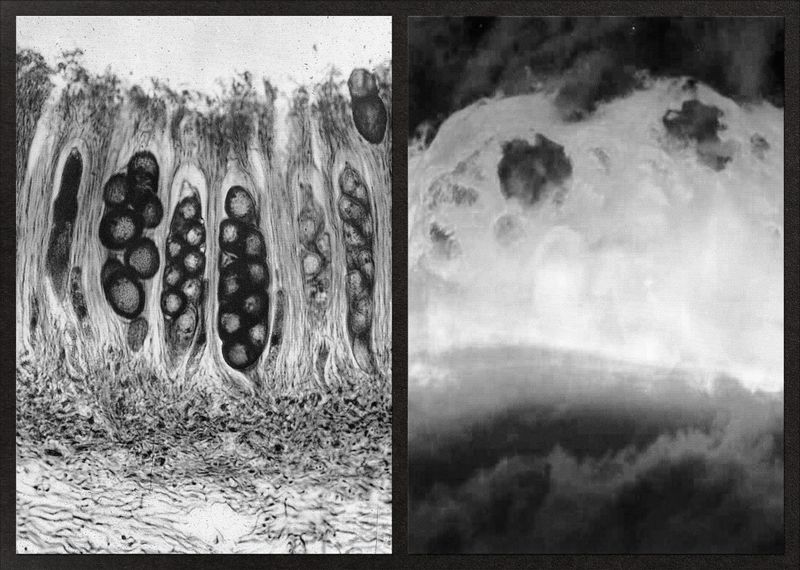
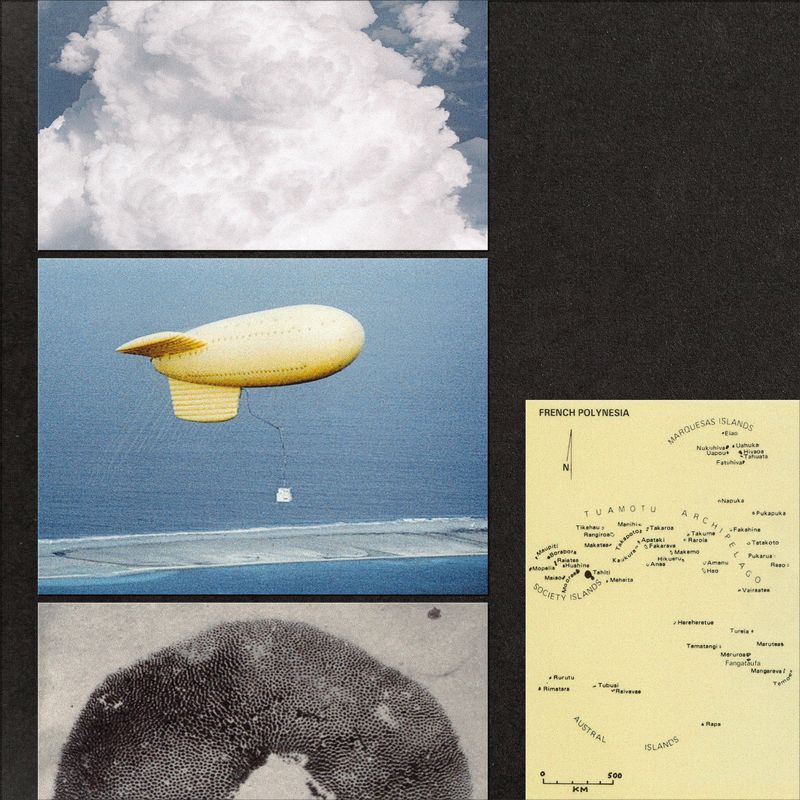
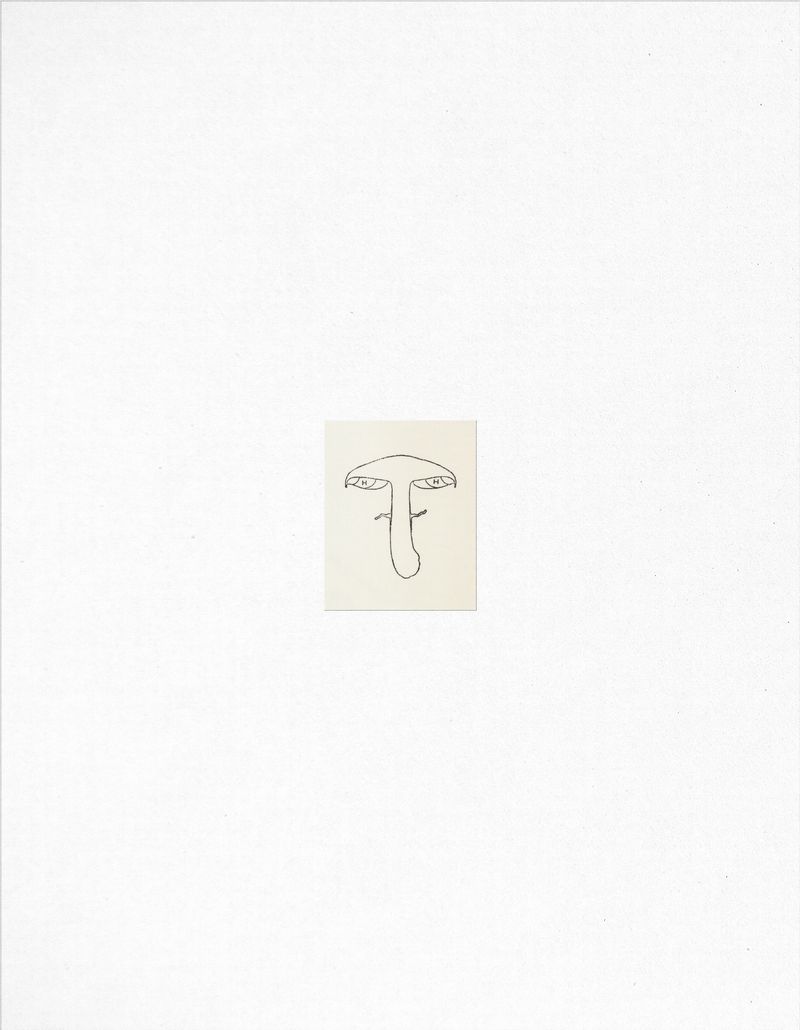
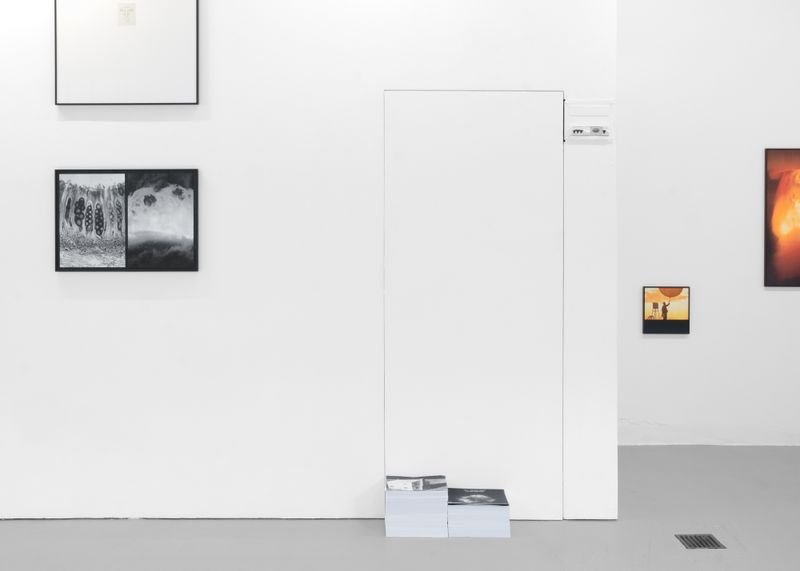
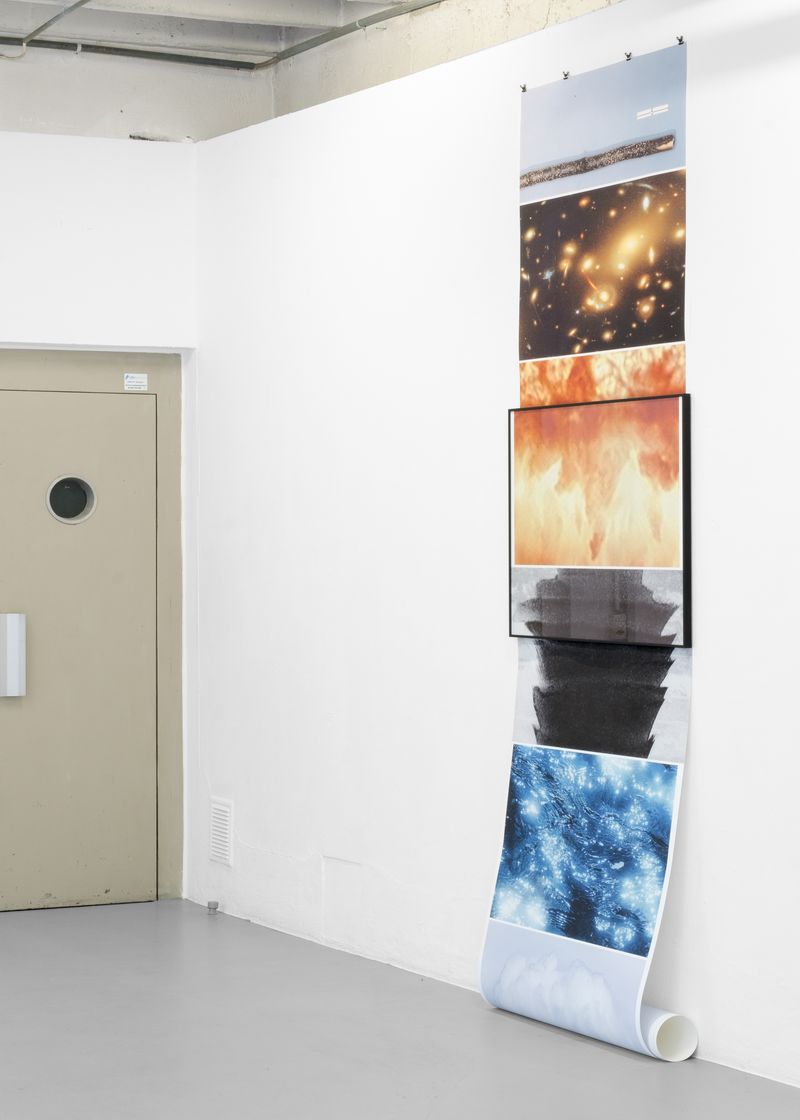
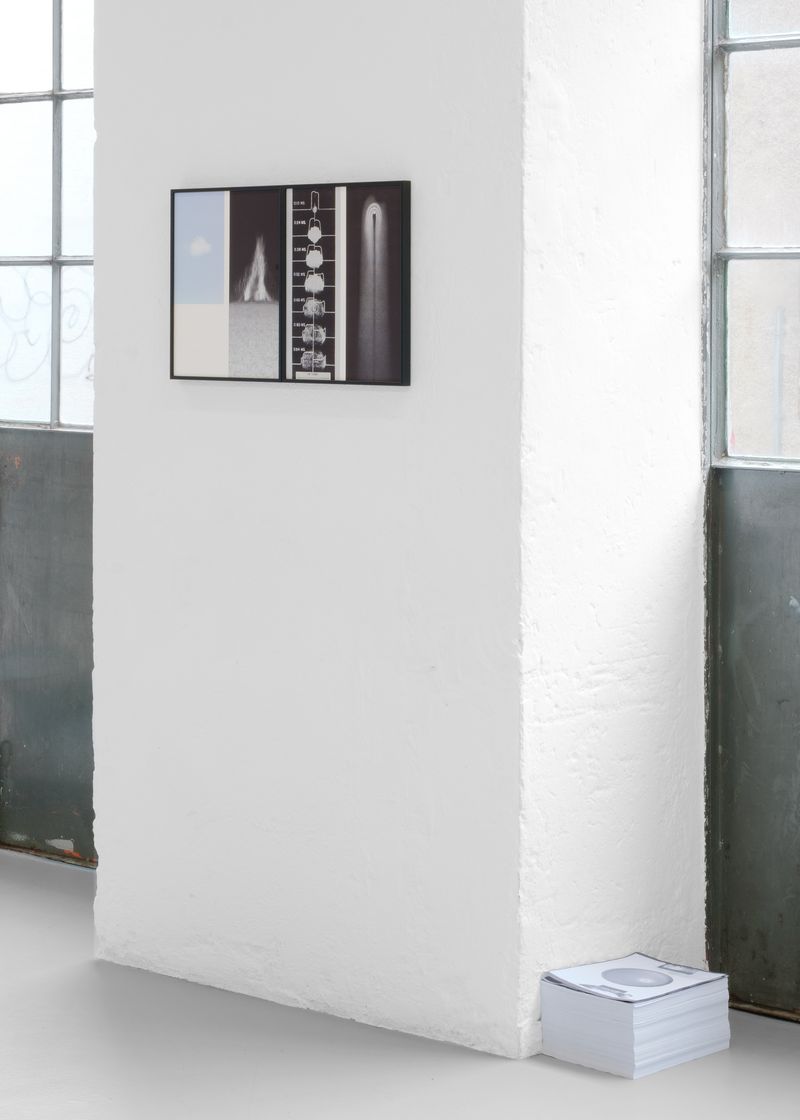
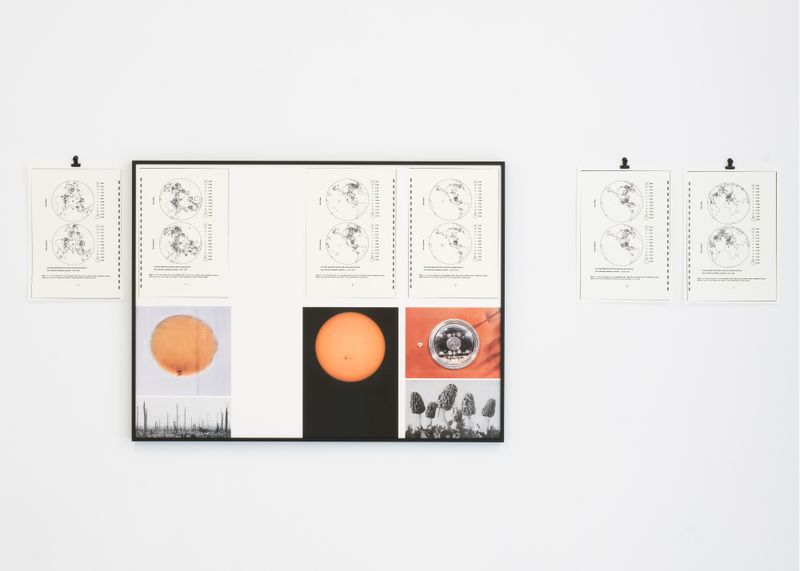
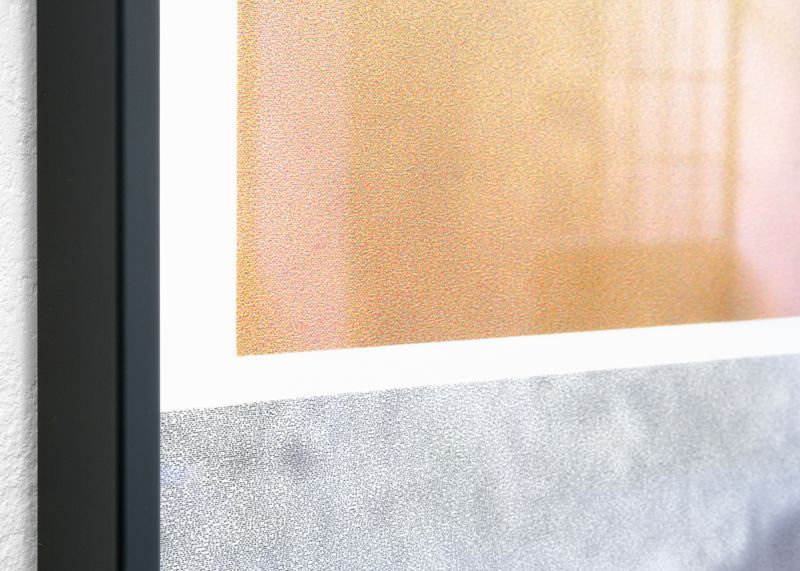
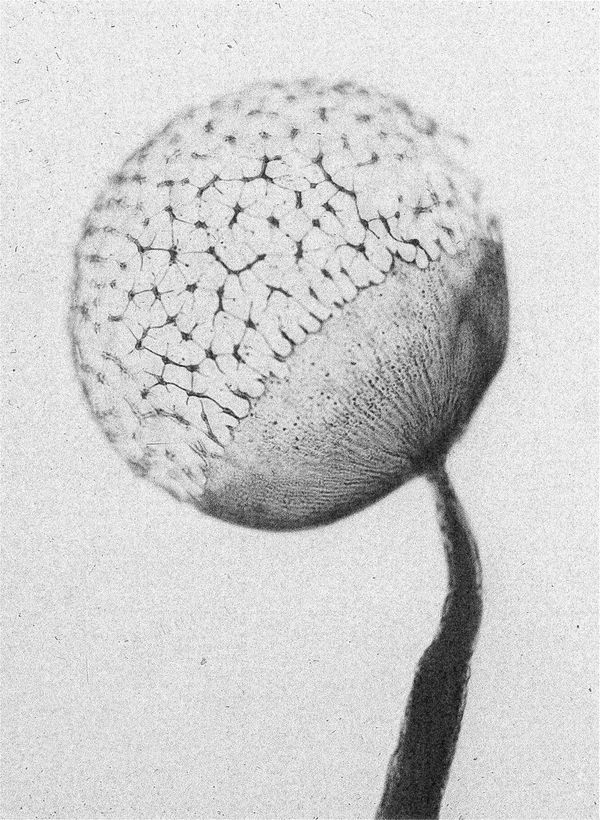
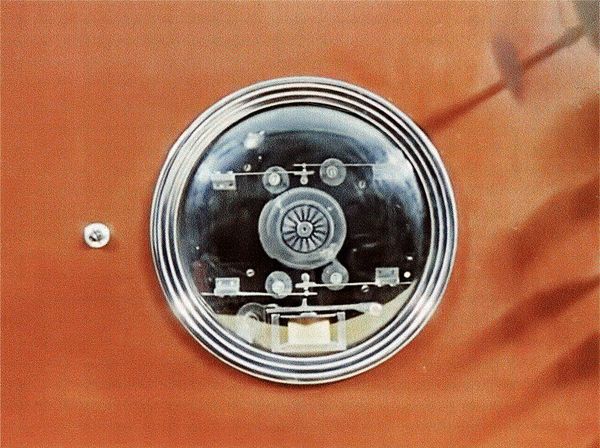
Initially conceived as an editorial project, the process consisted of compiling hundreds of images from diverse sources, all related in one way or another to hydrogen: astronomy, botany and physics laboratories; H-bomb detonations conducted by leading nations since the 1950s; and personal archives exploring water in its different forms. Visual and conceptual links among these images were identified in order to create combinations that blurred the gap between their divergent origins, bringing closer all those distant manifestations of hydrogen. What appears to be a mushroom could equally be a cropped image of a bomb, a cloud, or a dying star — conveying, through this gesture, a sense of unification and connectedness. Afterwards, also in line with the project’s concept, the selected material was printed and scanned in high resolution to emphasise the printing pattern formed by tiny dots, visible from close range, as a way of resembling the structure of matter: individual, isolated, particles forming a whole.
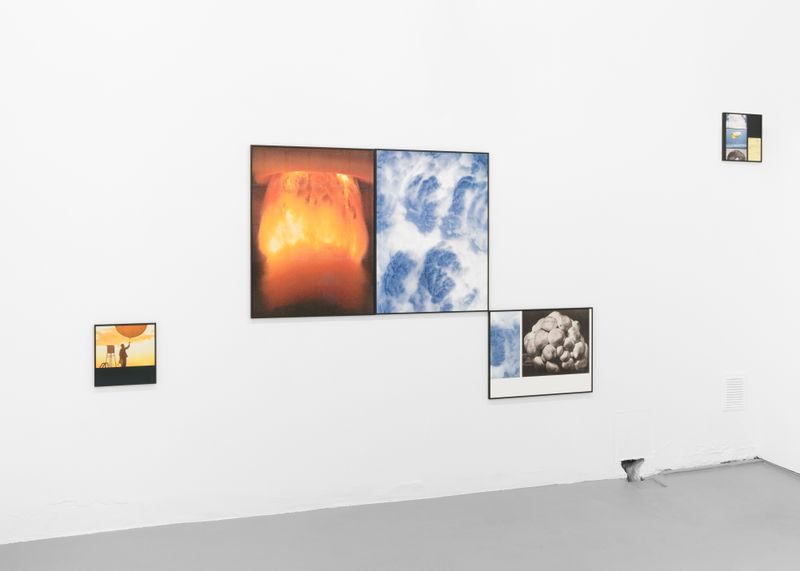
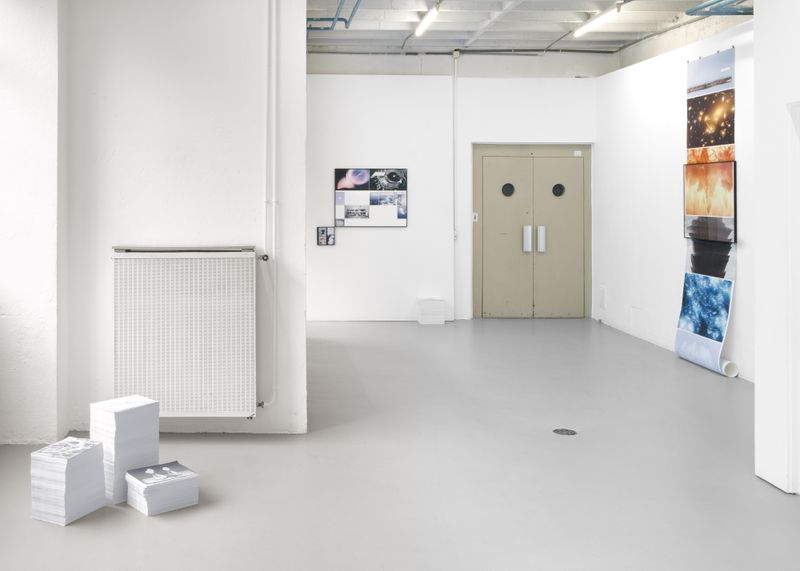
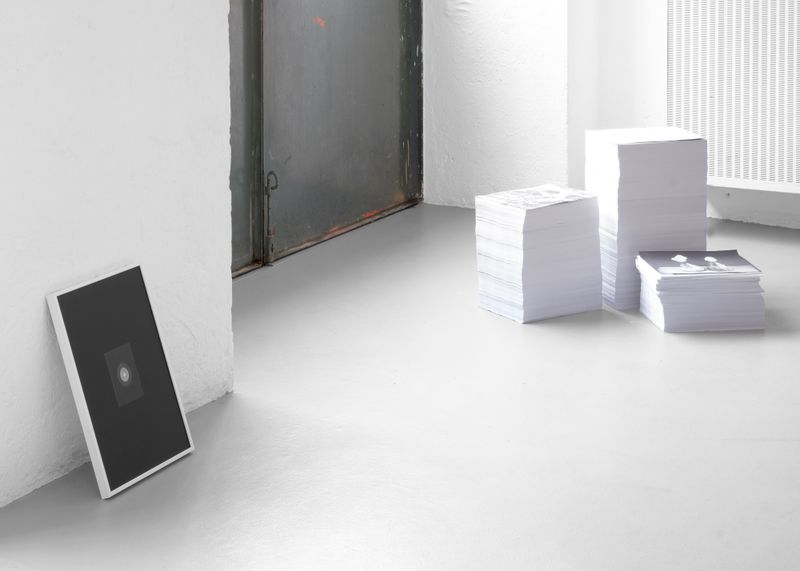
The same ideas also apply to the curation of the exhibition format, where the frames do not isolate the images they contain but instead relate to one another through visual links in the layout, or by allowing the material to move in and out of their borders. The installation element of the paper stacks is intended to convey a sense of abundance and fragility: the number of connections that exist between distant realms is far broader than those highlighted on the walls, so it is among those thousands of printed pages that further material can be found and brought together; while a simple movement could make everything fall apart.
I feel this project resonates strongly with the theme of “archipelago” in this edition of the festival, as well as with some of today’s pressing societal concerns, and has strong potential to be curated, with the support of PhMuseum’s team, into a strong and engaging exhibition. A monograph of the same project will be published by Sternthal Books / Idea Books in late summer 2026, and could potentially also be released or presented during this year’s Photobook Mania. Beyond the visual material used for both the publication and the previous exhibition held at Standard/Deluxe, Lausanne, earlier this year — from which the exhibition views come from — there is plenty of other visual material, around 400 images with their corresponding captions, compiled during the research process. This material could also be used, leaving considerable flexibility to adapt the project to the festival’s space.
A preview of the upcoming publication can be found via the following link: www.danielmartinez.ch/project-(h)
More about the previous exhibition at Standard/Deluxe can be found via the following link: www.standard-deluxe.ch/daniel-martinez