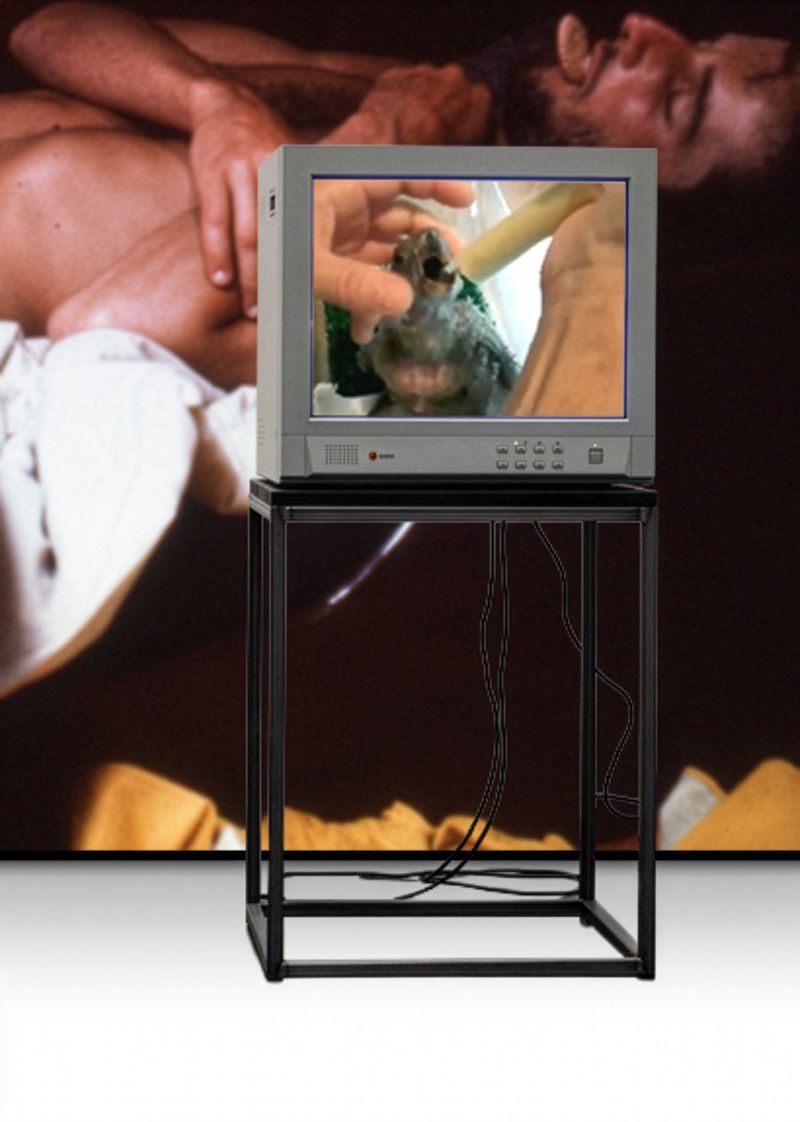
Fractonomy
-
Dates2024 - Ongoing
-
Author
-
Recognition
A divided island. Three languages. A dialect kept at a distance. Fractonomy physically intervenes in colonial archives to ask what speaks from the fracture. Not restoration. Not resolution. Relation.
I grew up on a divided island between three languages, and a dialect I was taught to keep at a distance. Never fully inside or outside any of these. Never a complete sentence in any one language.
I found photography the way you find something universal. A language without borders. Celluloid felt precious to me.
But this promise of singular truth, of clarity and control, is the same logic that built colonial maps and measuring instruments.
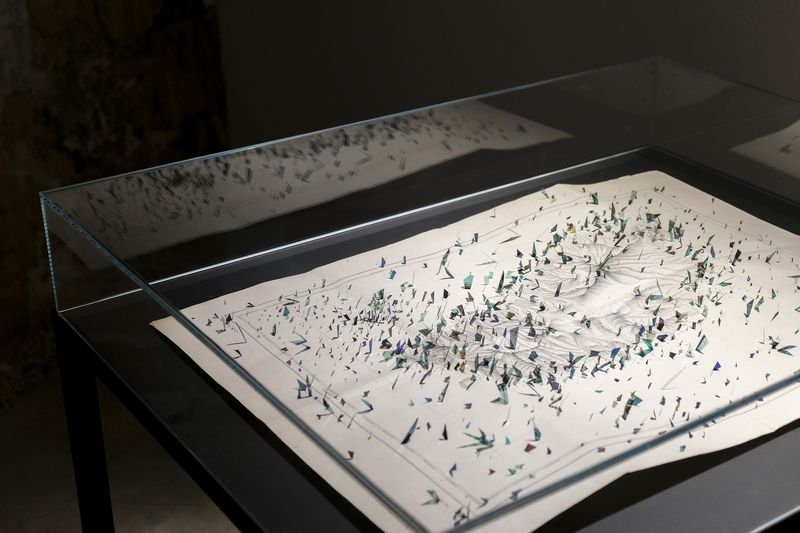
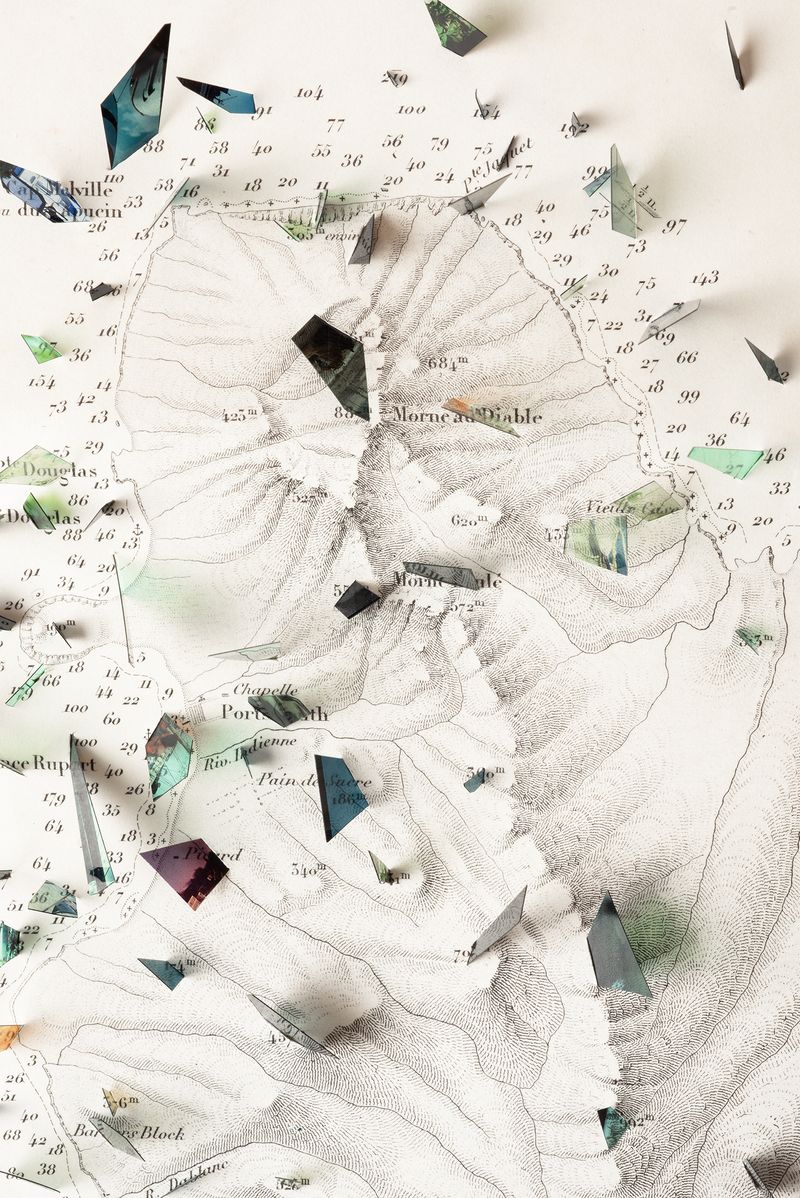
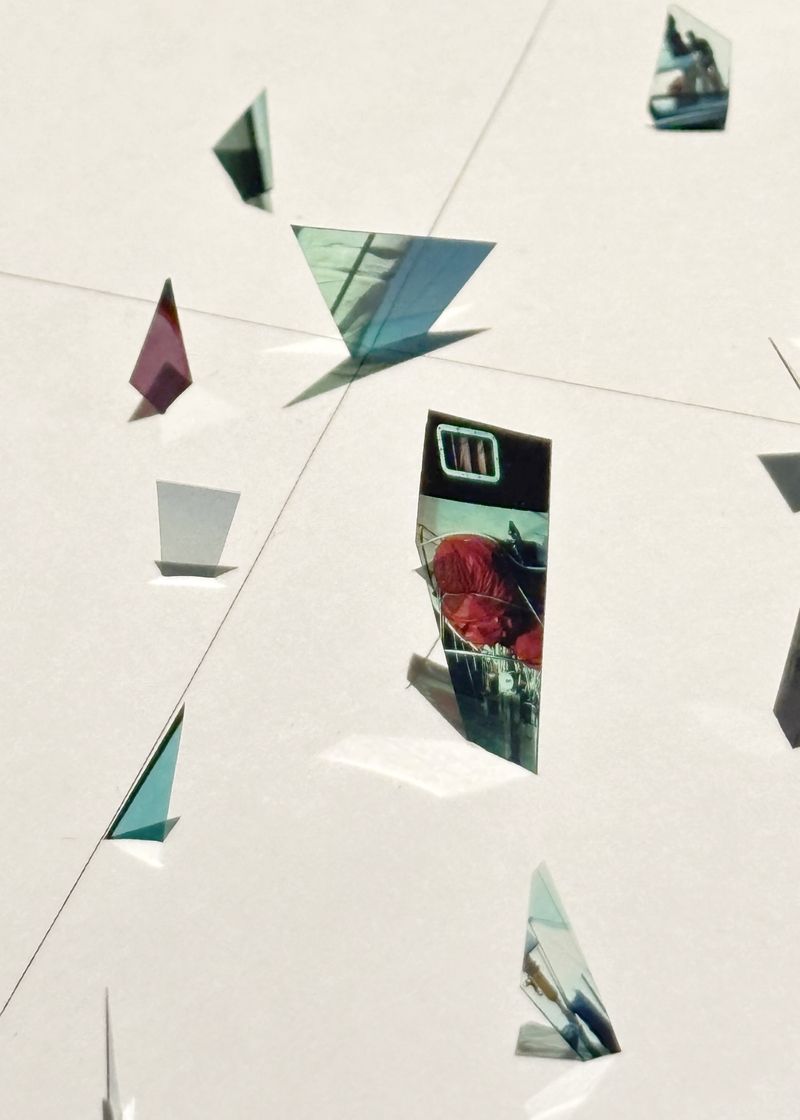
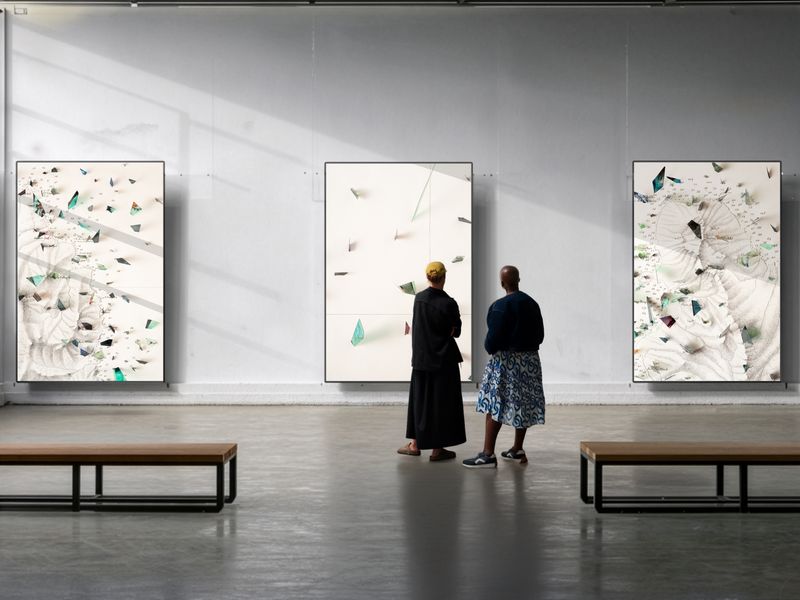
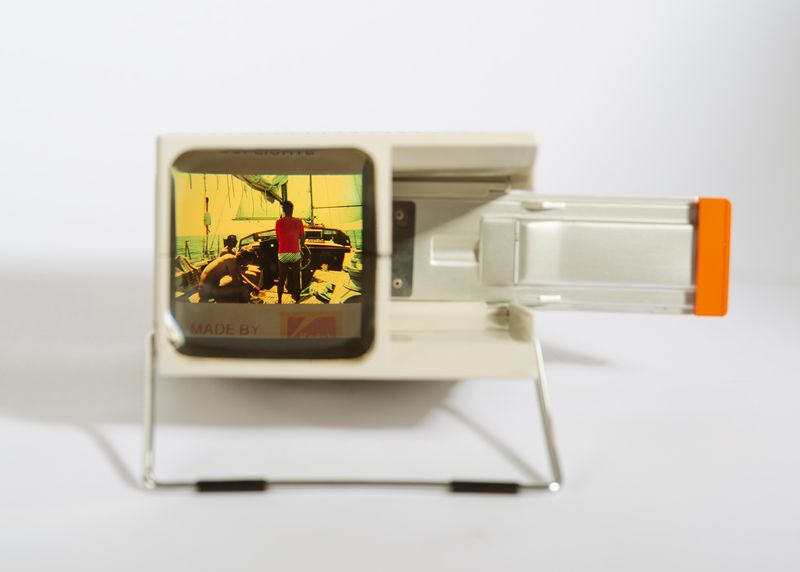
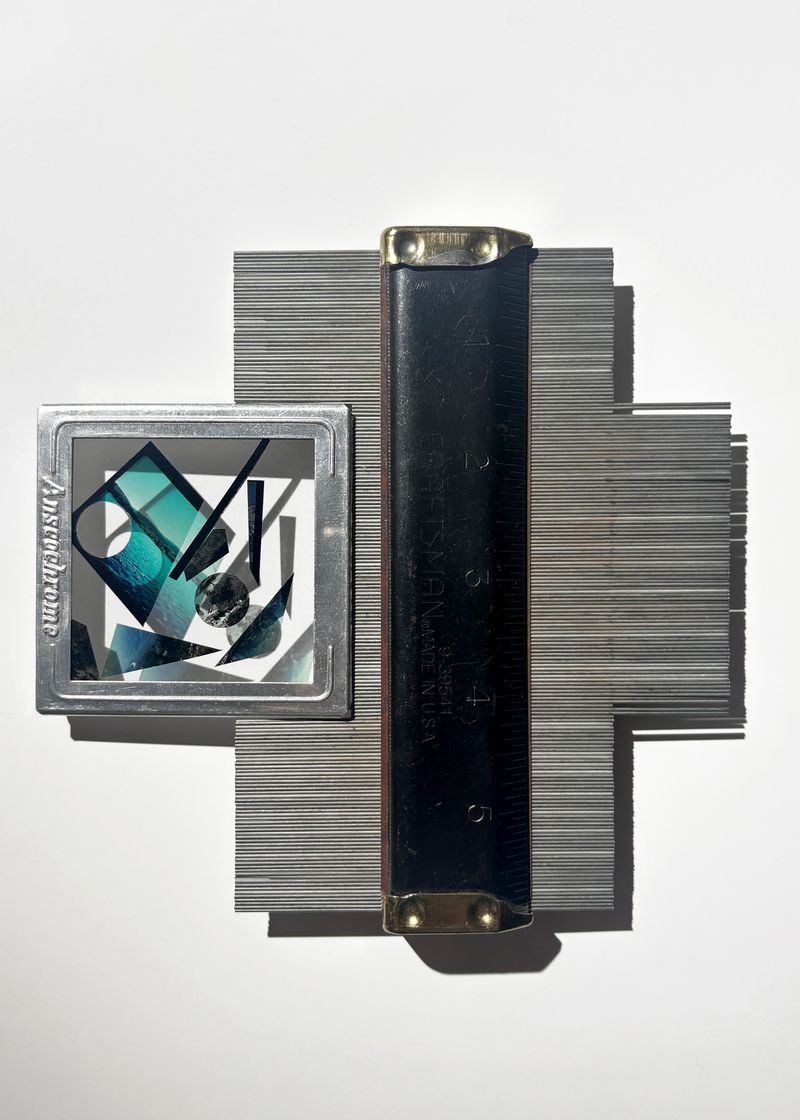
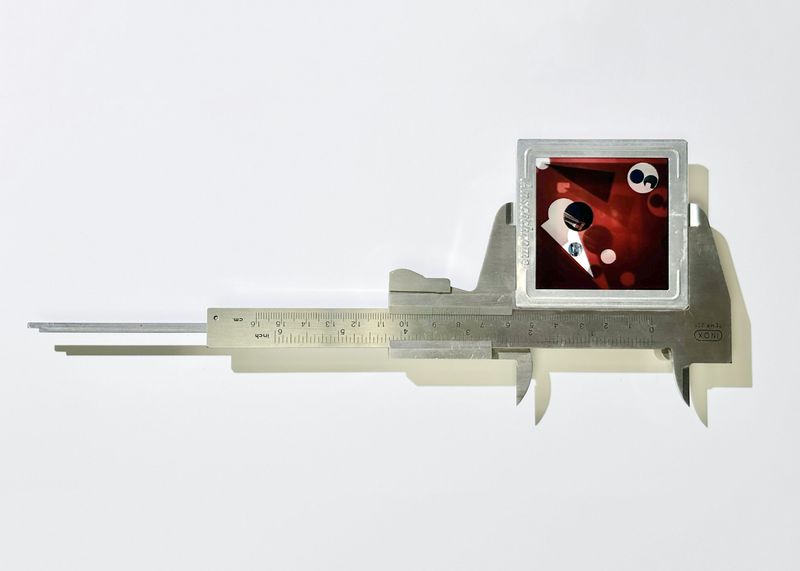
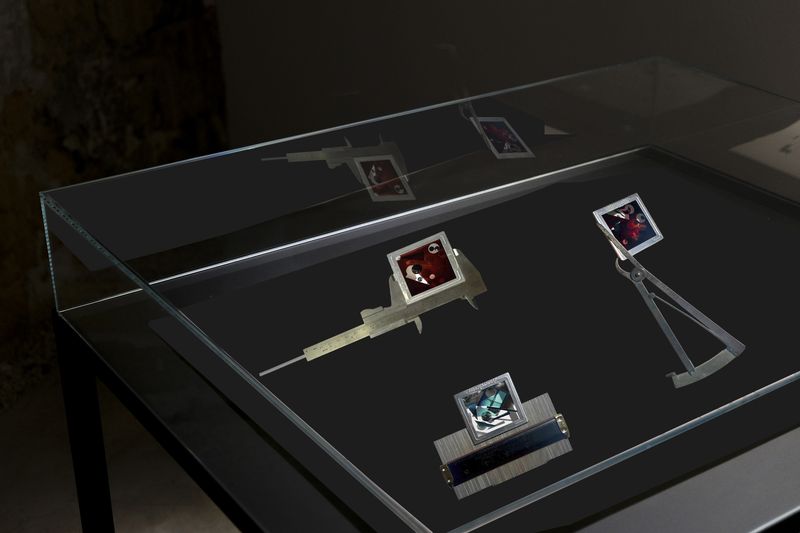
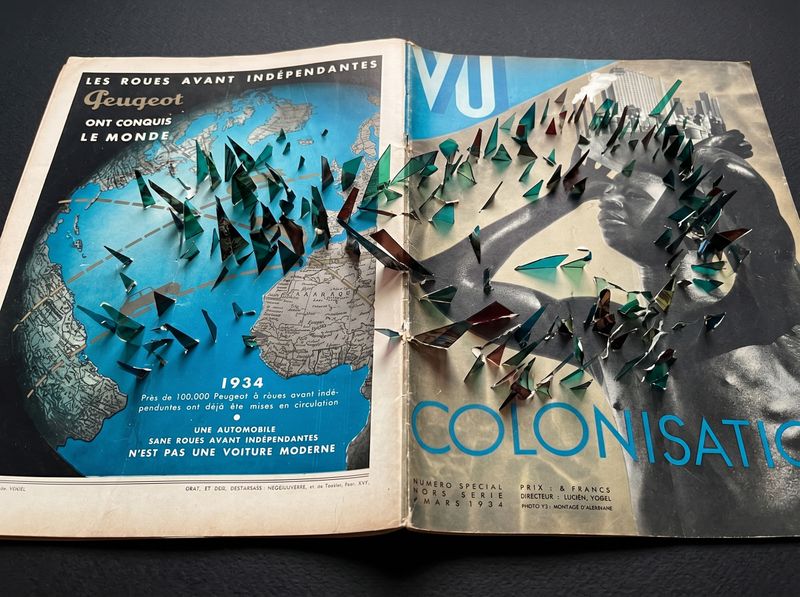
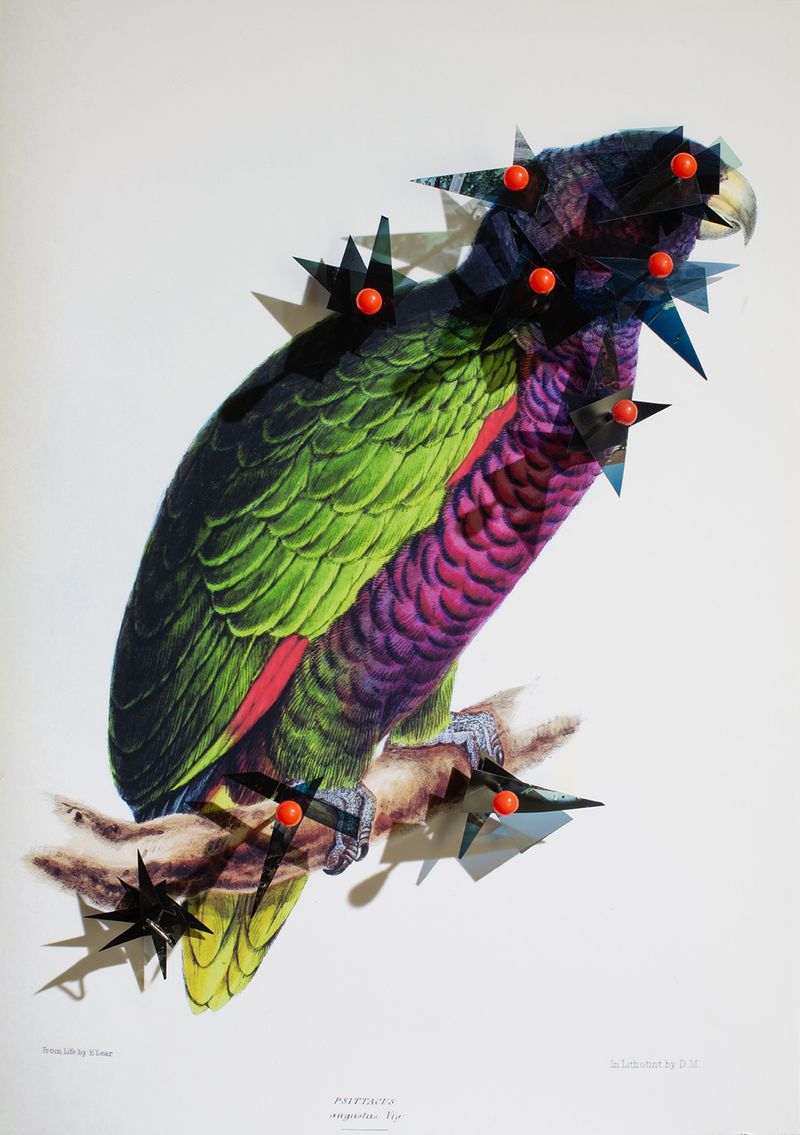
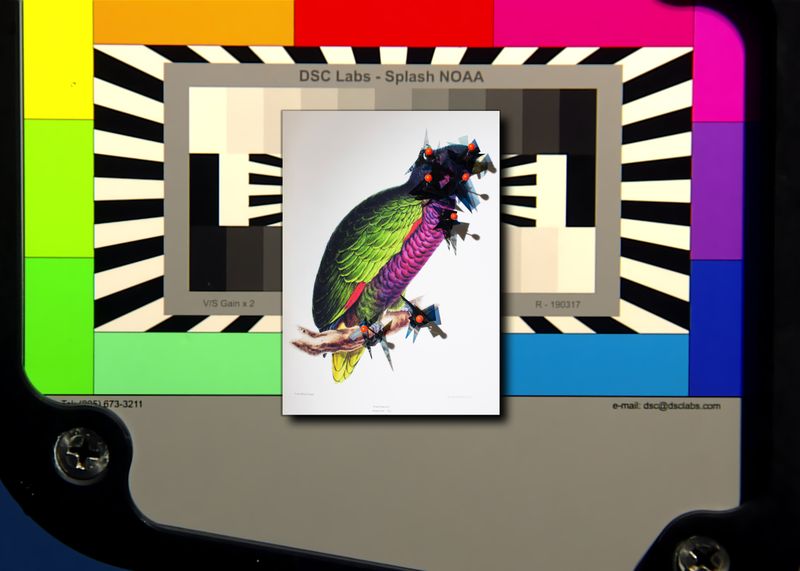
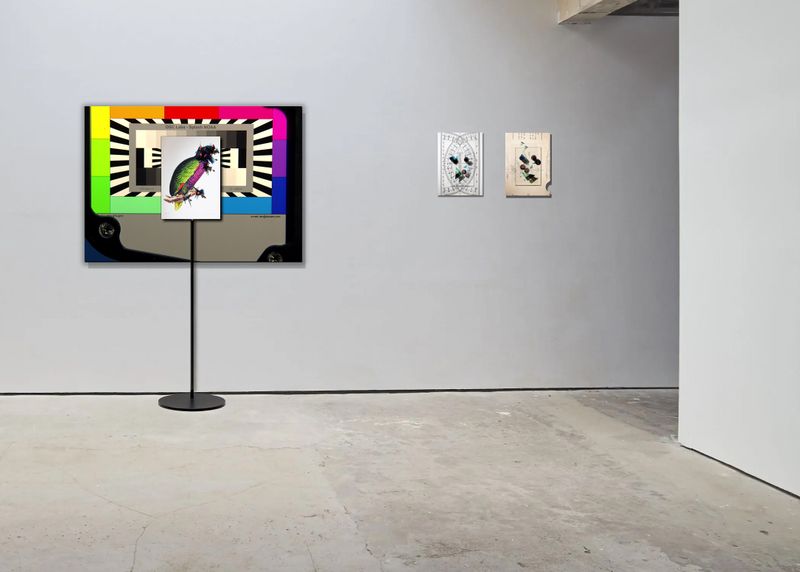
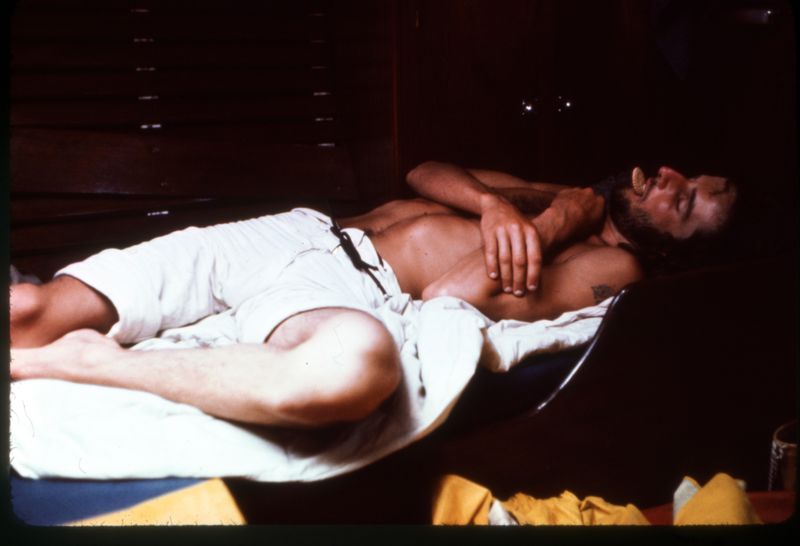
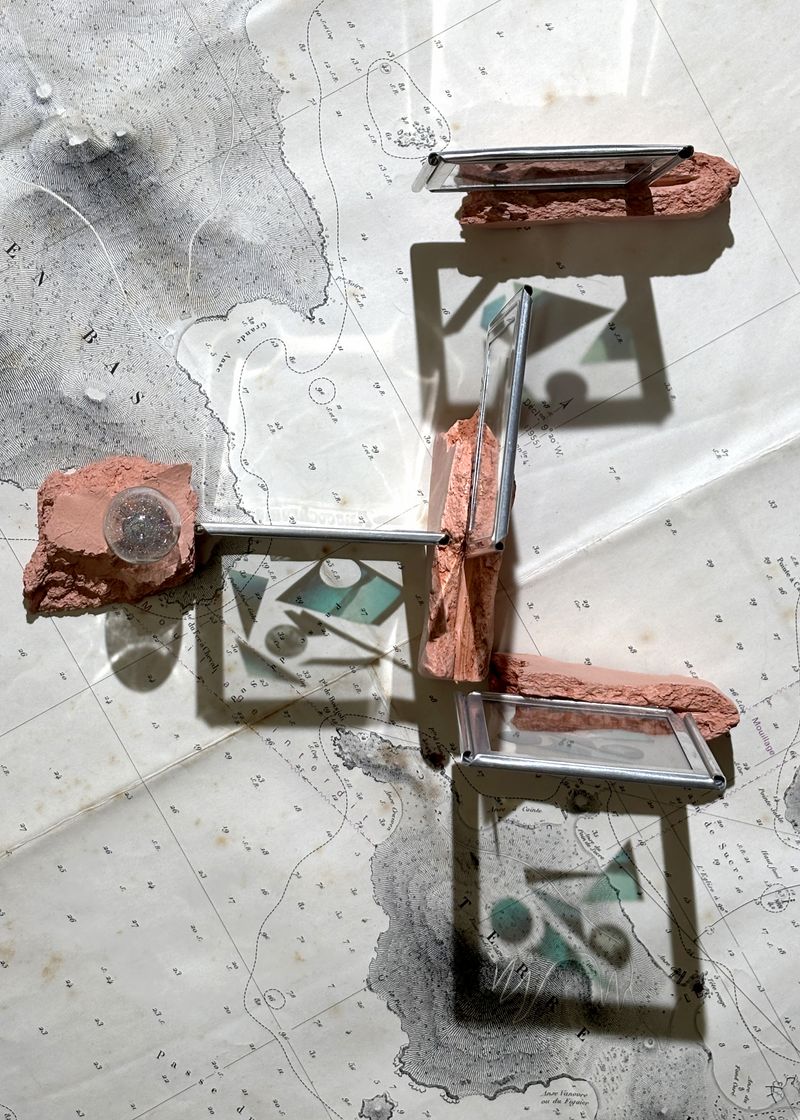
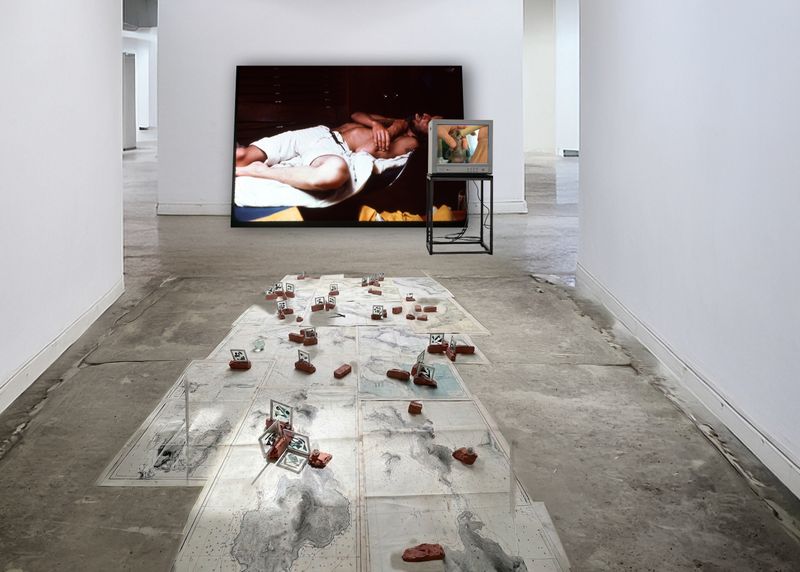
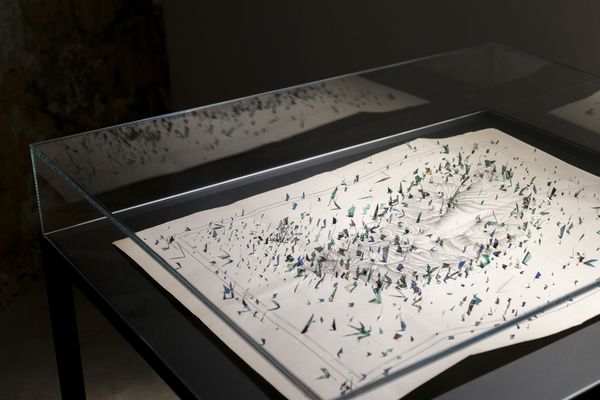
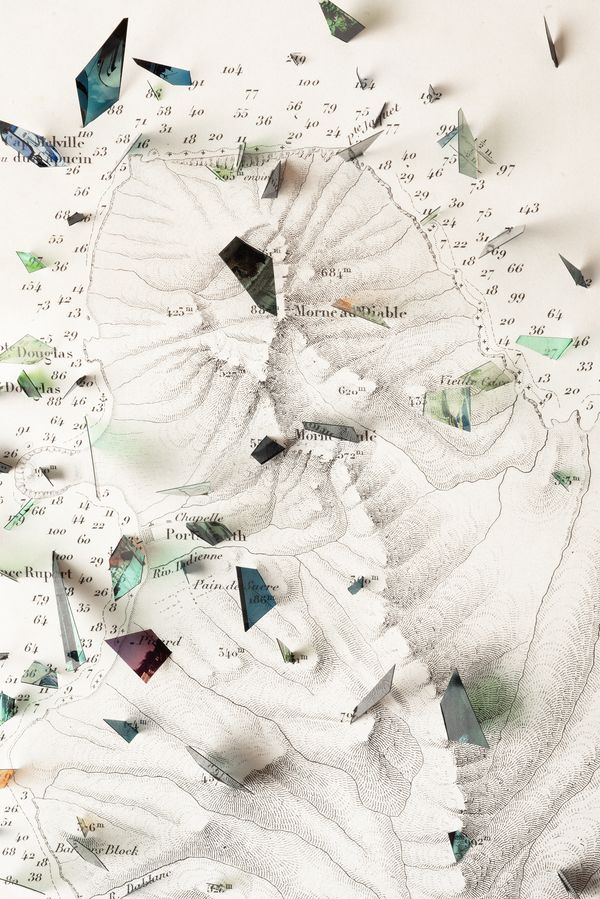
Fractonomy works with the documents those systems produced. Fragments cut from a private photographic sailing archive explode across a nautical chart of an Antillean island. Mapping pins pierce an illustration of the Sisserou parrot, named Imperial Amazon by the empire that claimed the island, set against an oceanic explorer color calibration chart, the tool that decides what color should look like. Measuring instruments attempt to quantify photographic objects, as if calibration itself is what needs to be examined.
The work does not restore what was fragmented. The whole refuses to resolve. What lives there instead is relation. The way islands speak to each other without forming a continent.
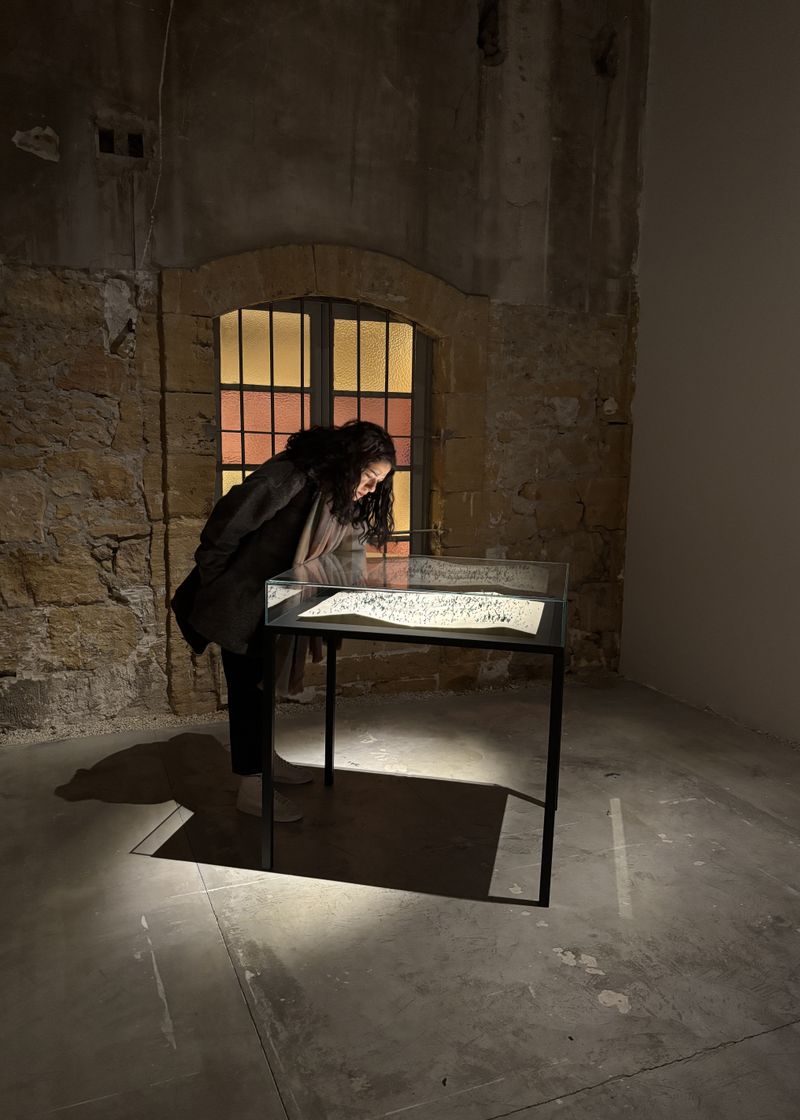
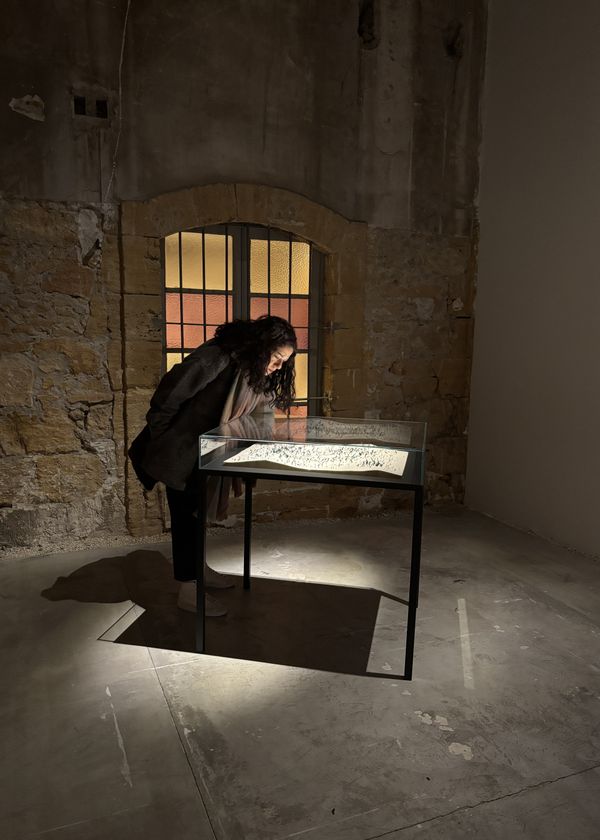
The work asks you to move closer. Something shifts when you do.