Called to the Carpet
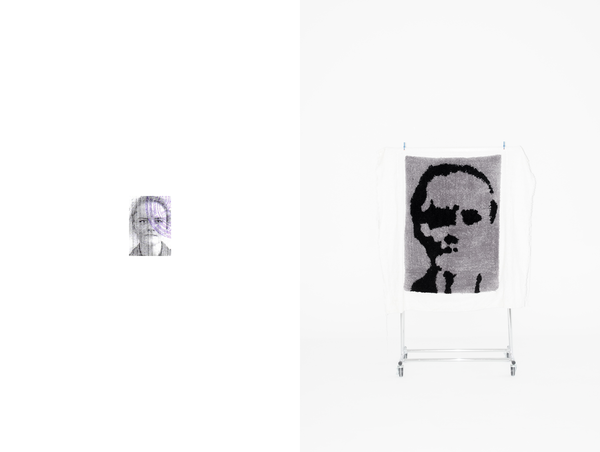
Called to the Carpet examines the mechanisms of biopolitical control directed against women political prisoners in Belarus. The title refers to the expression “to be called to the carpet” — to be summoned by an authority for reprimand or punishment.
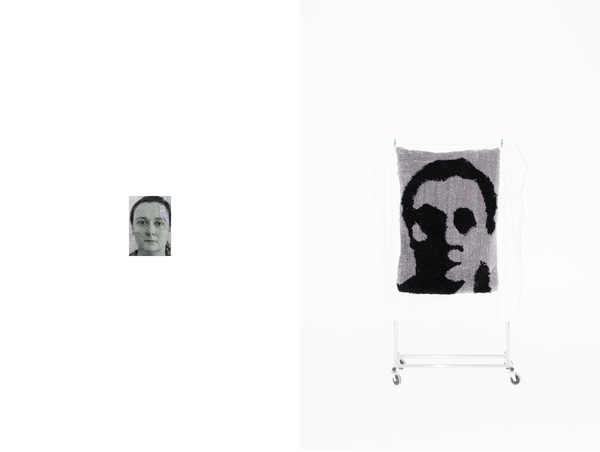
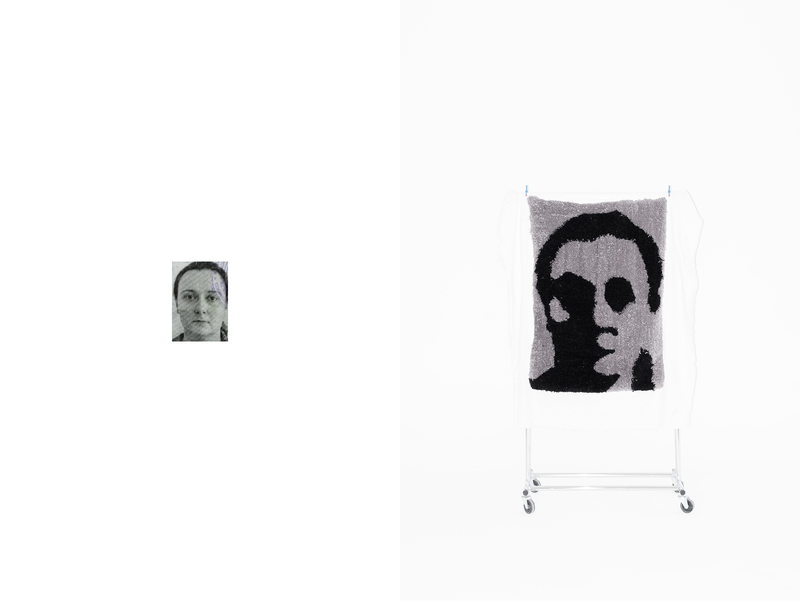
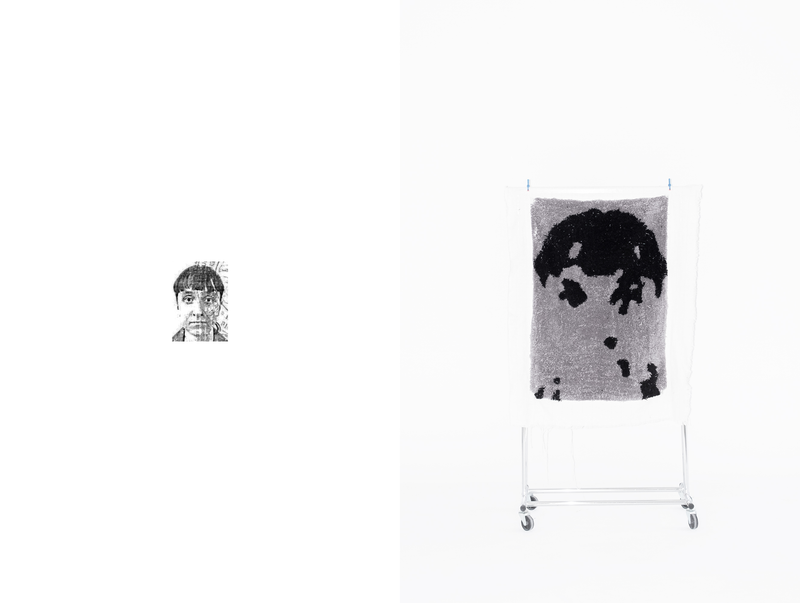
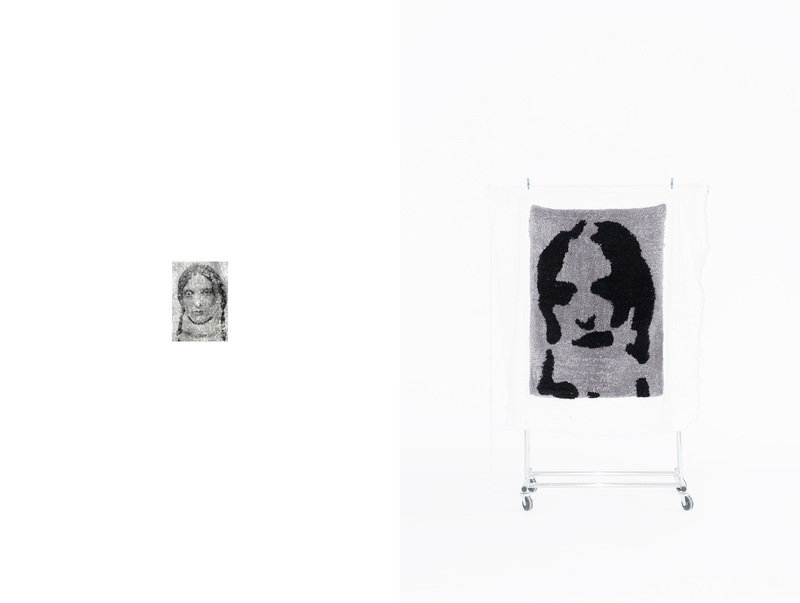
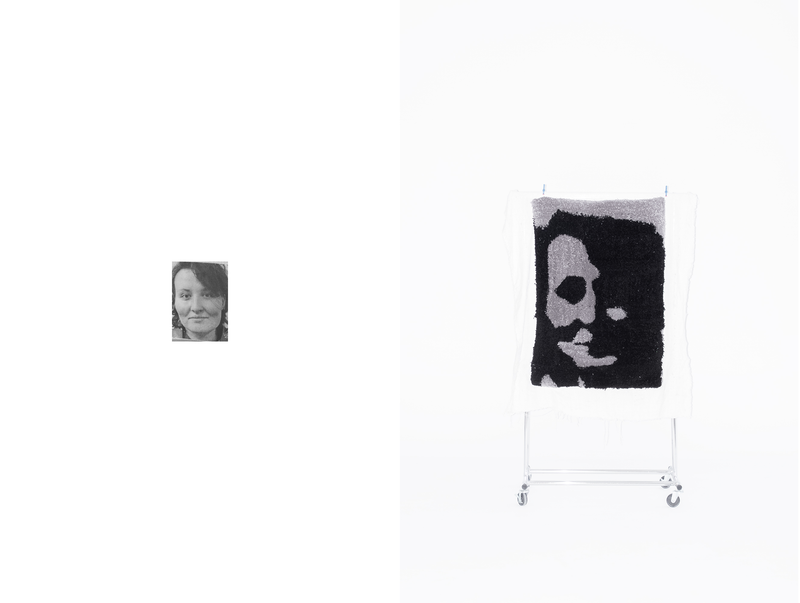
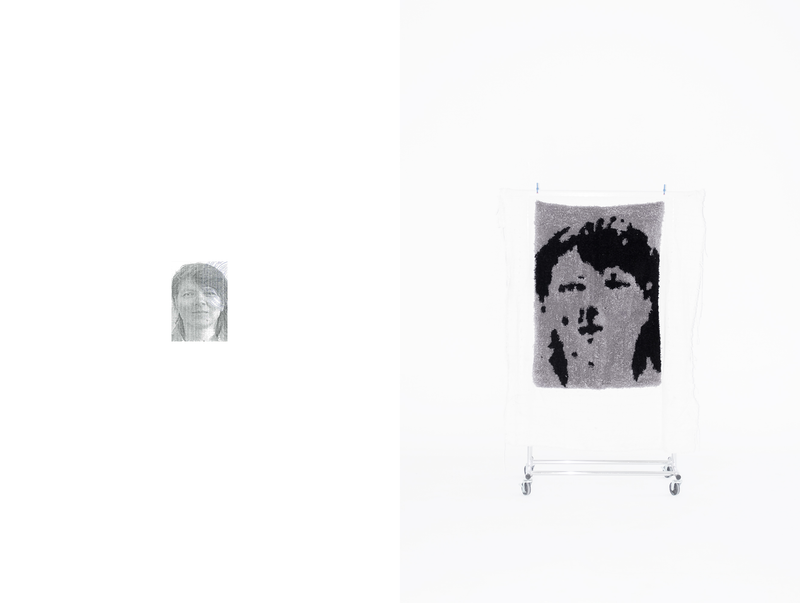
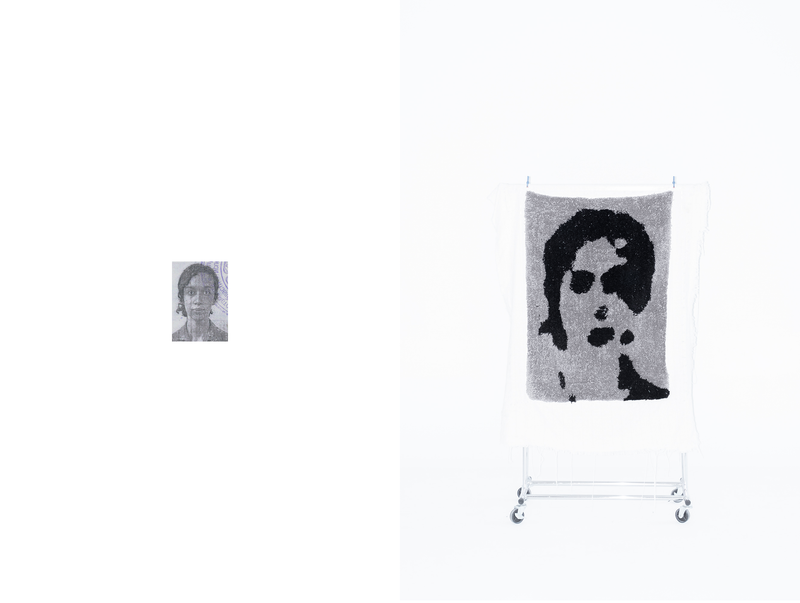
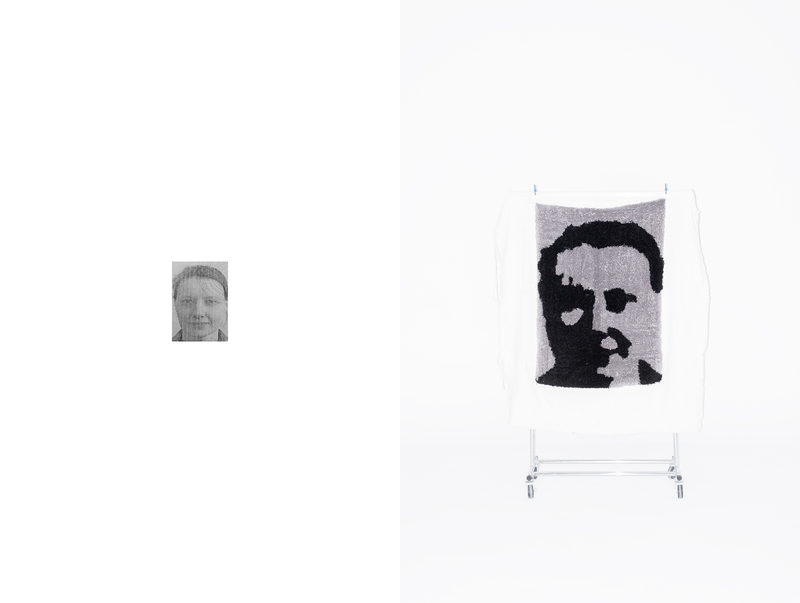
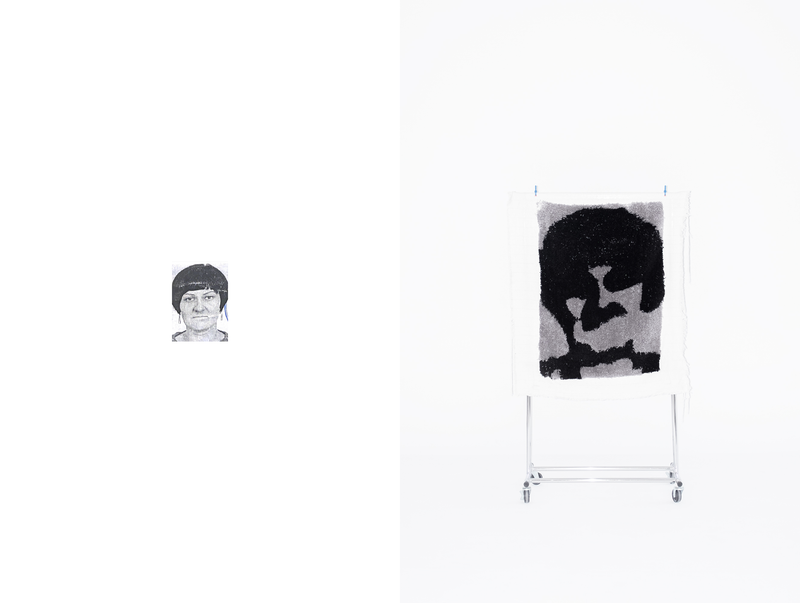
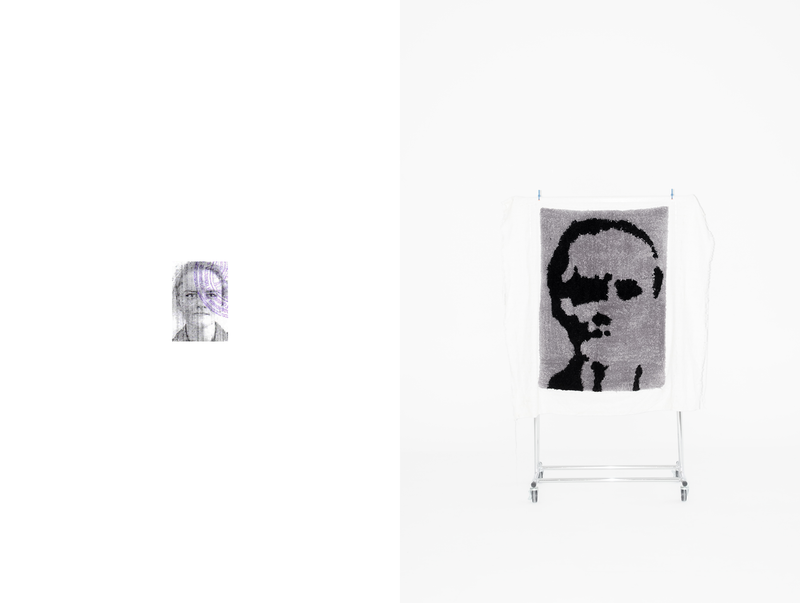
In the first part of the project, I work with prison mugshots of women sentenced after the falsified 2020 presidential elections in Belarus and weave them myself into carpets. The portraits are intentionally blurred and abstracted, reflecting the regime’s attempt to erase individuality and reduce prisoners to faceless elements of a repressive system. This visual disappearance extends political violence: in prison, women are subjected to sexualised, psychological and physical abuse. The mugshots are sourced from the archive of the human rights organisation Viasna. The carpets are woven in a black-and-grey palette, echoing the quality of the source material: mugshots printed on cheap, fading paper. Each carpet measures 100 × 70 cm and is framed with textile margins on the sides.

The choice of carpet as a medium is intentional. Historically, weaving was a traditional form of women’s labour in Belarus. Today, in Belarusian prisons, female political prisoners are forced to work in factories, sewing uniforms for the Belarusian and Russian armies without any prior experience. I learned to weave from scratch, and the first carpets bear visible imperfections, I chose to keep them as an act of solidarity with imprisoned women. In Soviet and post-Soviet interiors, wall carpets also symbolised comfort and protection. Women played a crucial role in the 2020 Belarusian protests. Despite threats, arrests and persecution, they marched, formed solidarity chains, protected and supported one another. Many of those who now remain in prison were among the most visible faces of these protests, embodying courage and collective resistance. According to the human rights organisation Viasna, since August 2020 more than 8,000 women in Belarus have been subjected to repression.

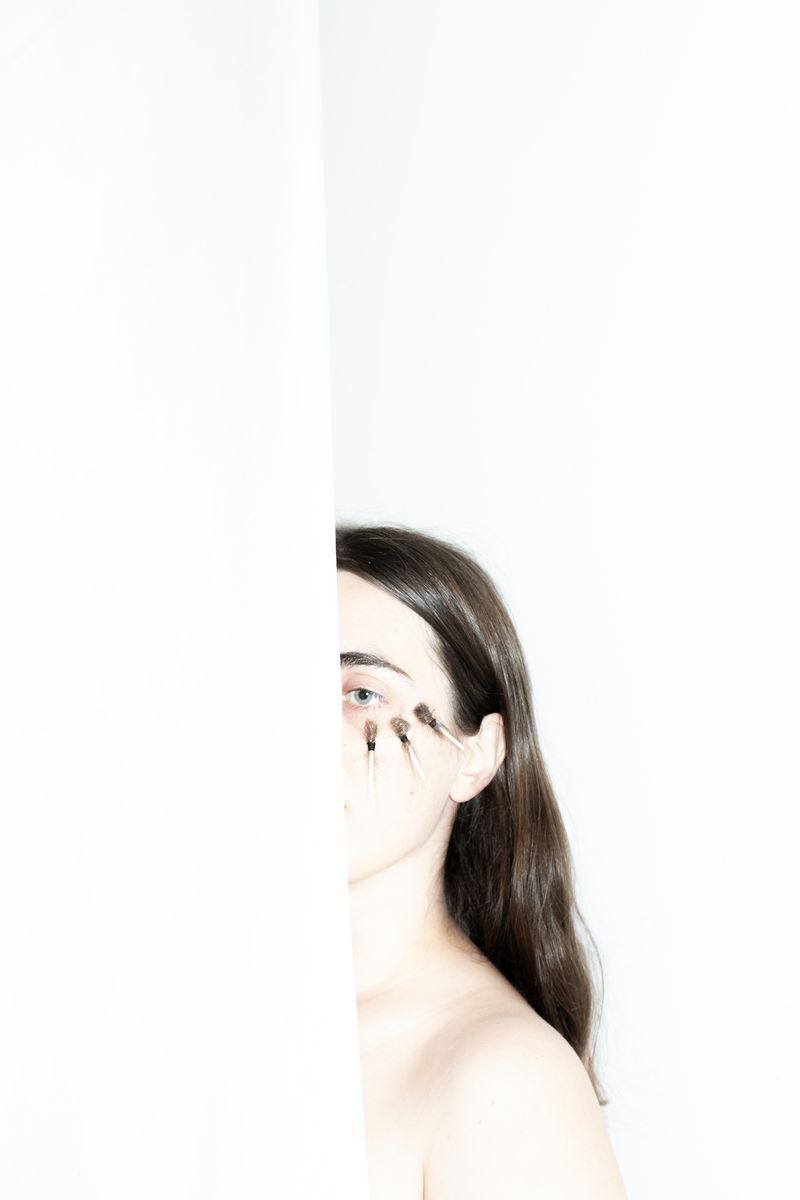
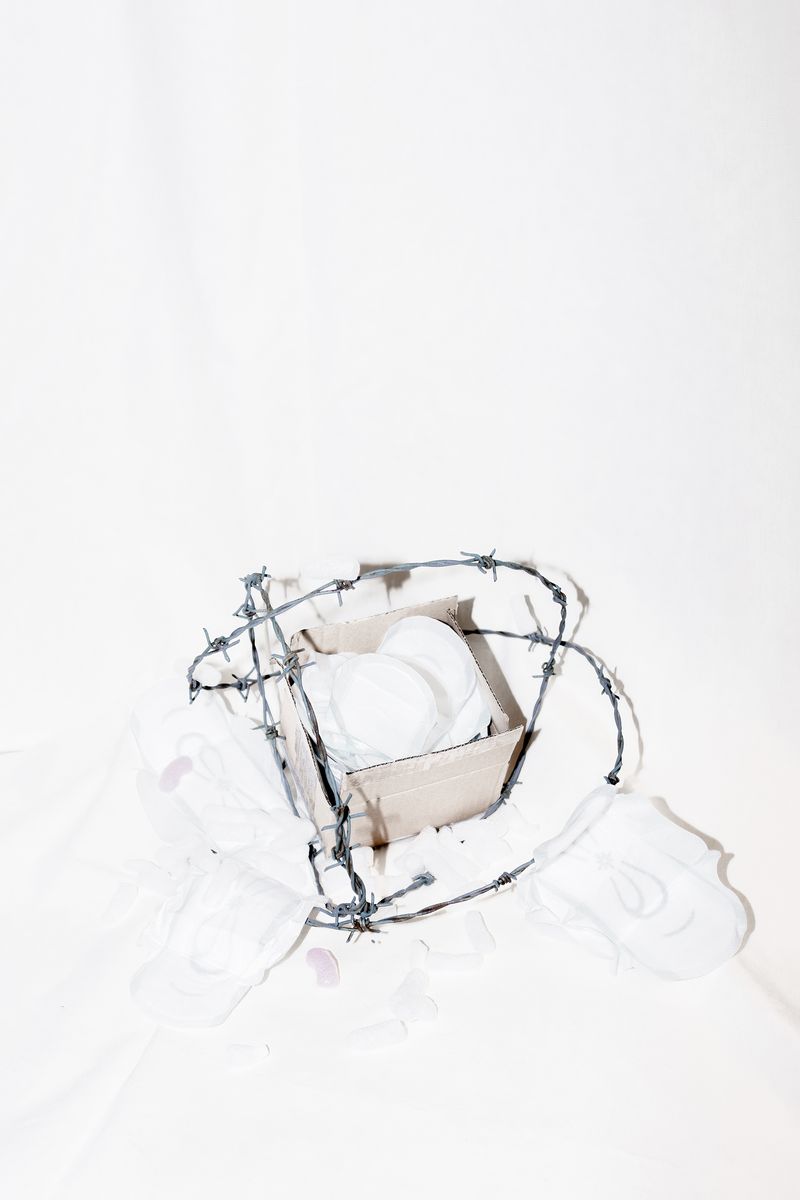
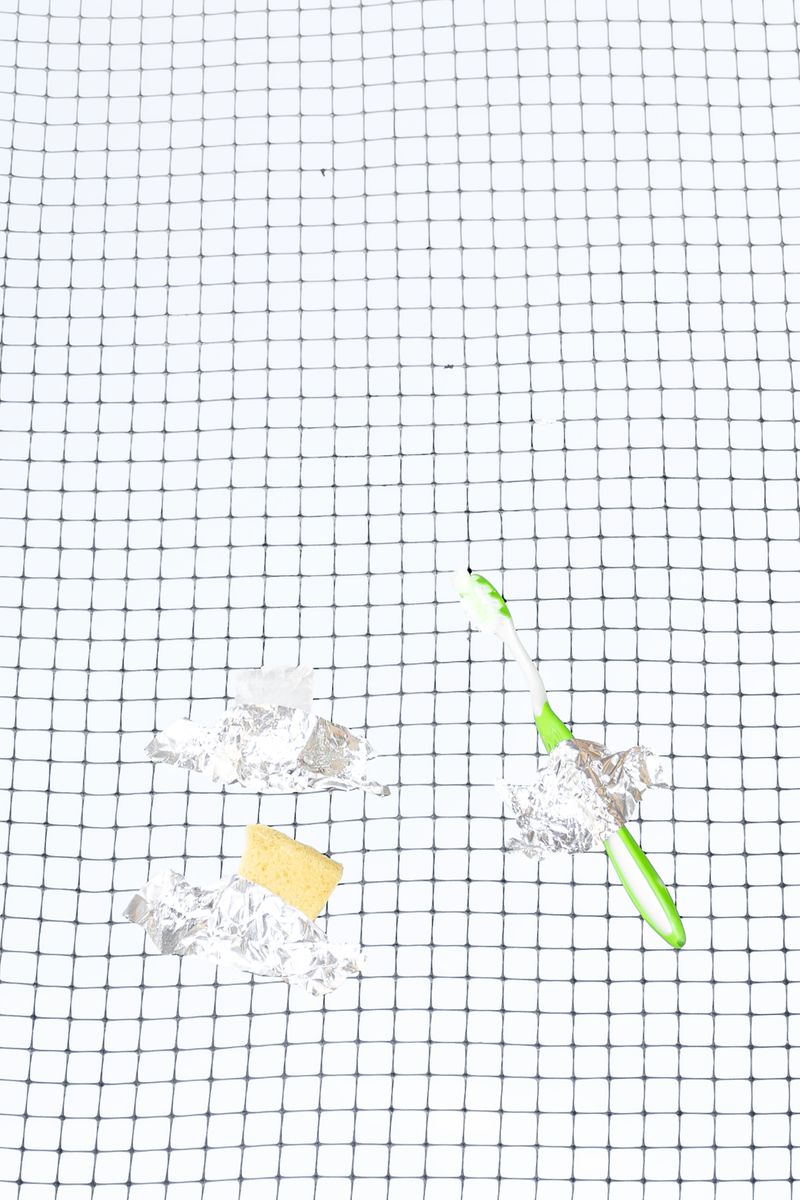
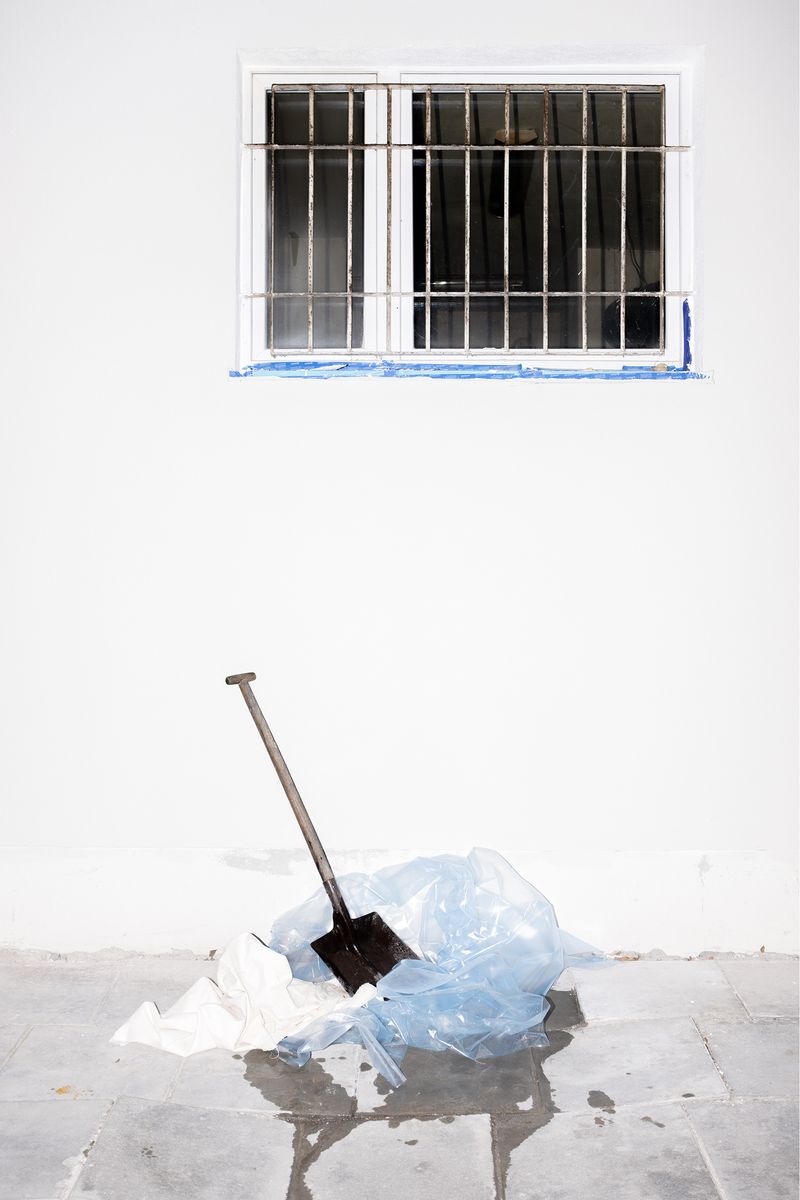
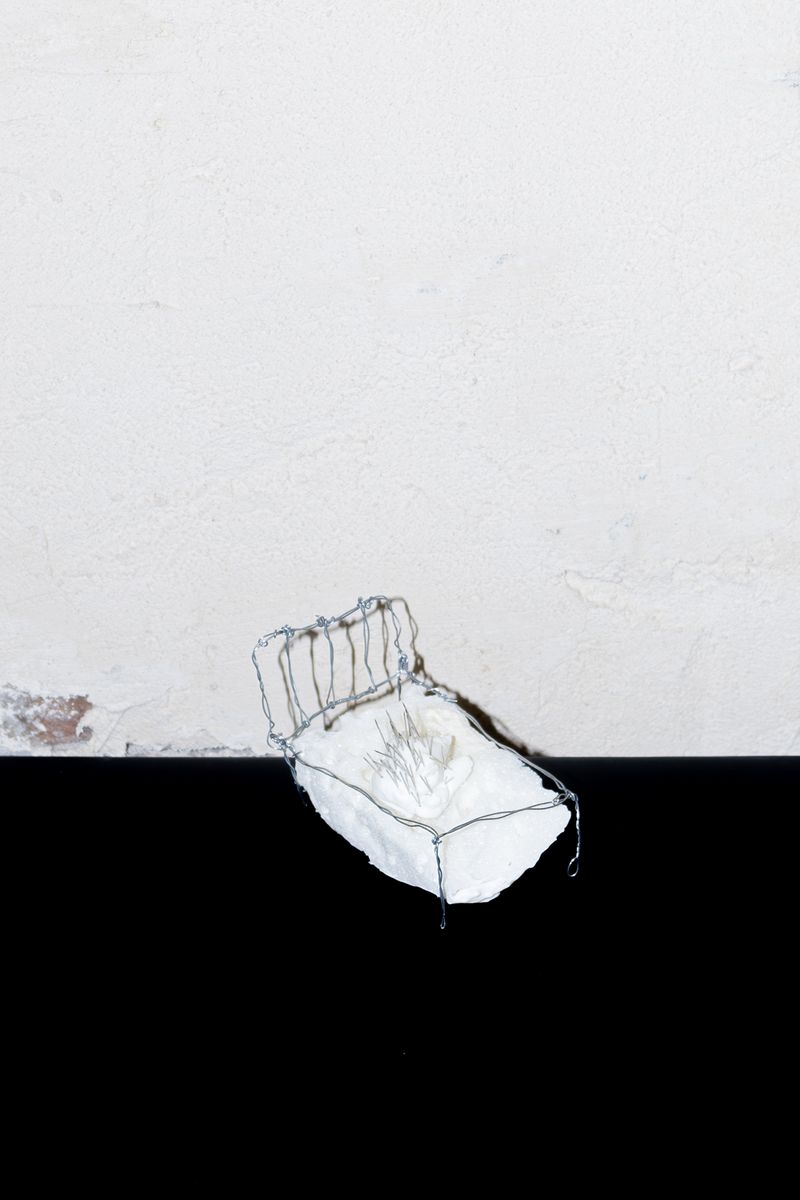
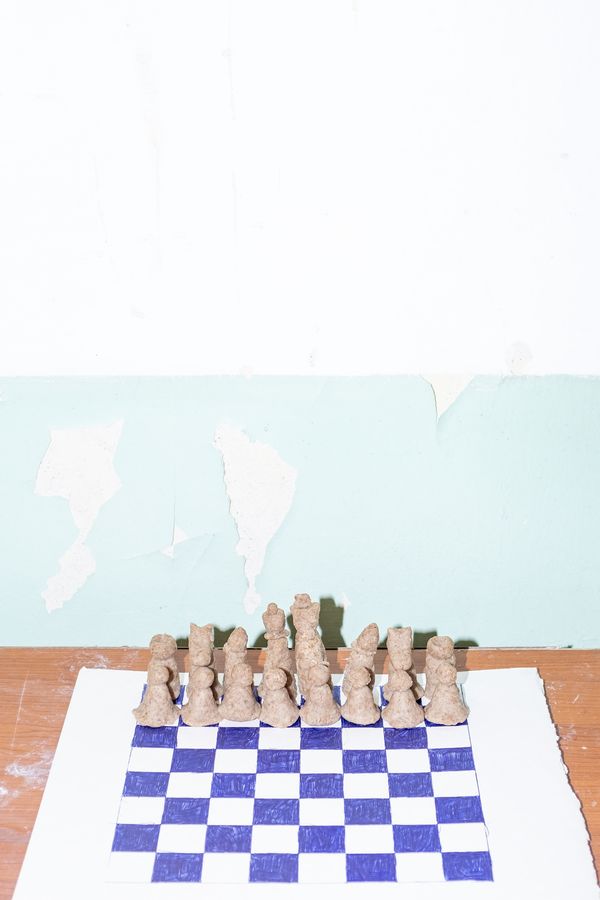
The second part of the project focuses on the conditions in which women political prisoners in Belarus live, as well as on their ingenuity and resilience. Deprived of basic self-care items, they invent ways to preserve dignity and selfhood: creating makeup brushes from their own hair, matches, and threads; ironing clothes with aluminum mugs heated by immersion boilers; using cigarette capsules as perfume; and moisturising their skin with masks made from prison bread. I recreated and documented these fragile objects as still lifes, drawing on letters and testimonies of former prisoners. I show the phenomenon of political repression through the woven carpets and also the acts of resistance and endurance through the photographs, revealing how even under systematic violence women preserve their dignity and individuality.

Since 2020, female political prisoners have been subjected to torture in prison and denied medical care. Some of them die after release because chronic illnesses progress and remain untreated during incarceration. Political prisoners are not allowed to attend the funerals of their relatives, even though this is permitted by law. They are granted only one phone call per month, lasting seven minutes. If a woman has two or more children, she must choose which one she will speak to. Documented cases include rape and sexual violence committed by prison staff, as well as the rupture of internal organs with police batons. These acts of violence have been recorded by the United Nations.

This project is deeply personal. In 2020, I was sentenced and forced to flee Belarus in 2021; had I stayed, I could have become one of these women. Today, more than 180 women are officially recognised as political prisoners in Belarus, around 30% of them mothers of underage children.

The work has been realised in collaboration with Politvyazynka and Pink Scarves, initiatives supporting Belarusian women political prisoners.
© Sasha Velichko - Image from the Called to the Carpet photography project
i

Y. (b. 1996) is a veterinarian, she was detained directly at her workplace and sentenced to 3 years for participating in peaceful women’s protests.

© Sasha Velichko - Image from the Called to the Carpet photography project
i

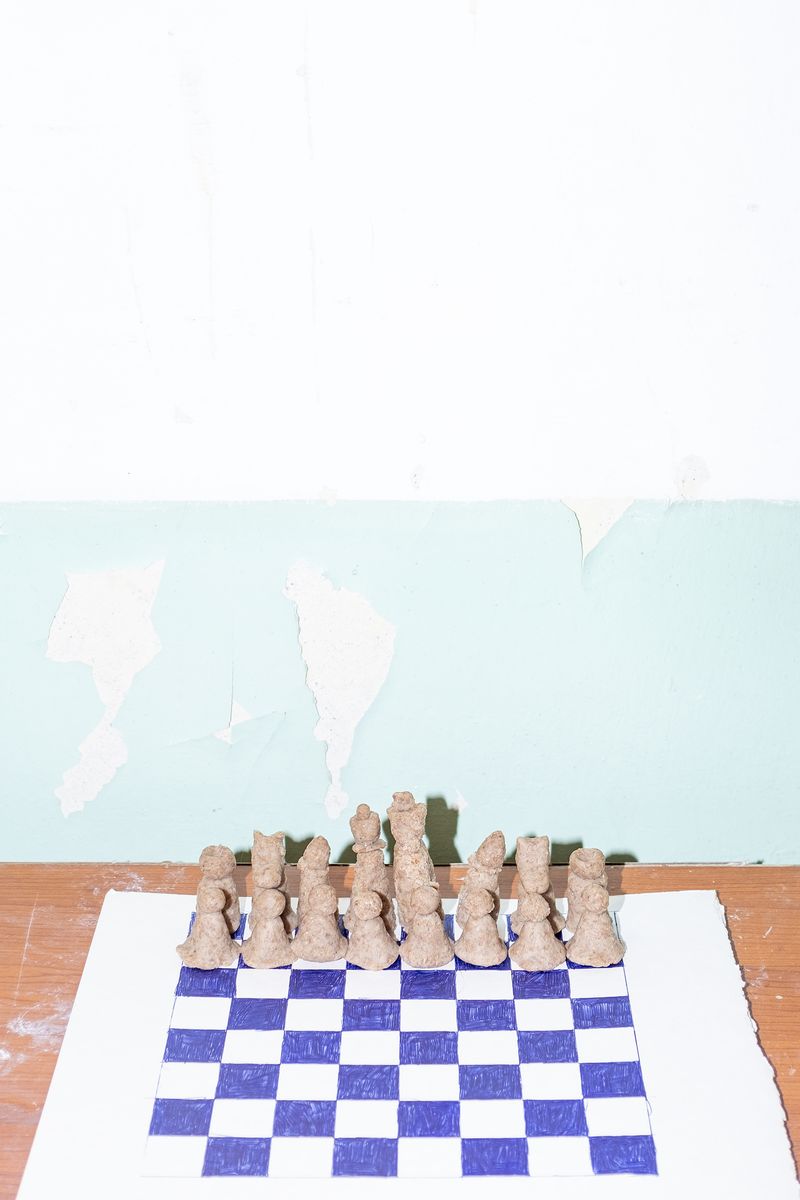
Women in prison make chess pieces from prison bread. It is so poor in quality that it feels like plasticine and causes stomach pain.

© Sasha Velichko - Image from the Called to the Carpet photography project
i

D. (b. 1995) is an activist and feminist blogger, she was sentenced to 2 years and 6 months for participating in peaceful women’s protests, in particular for holding a poster that read “Fight like a Belarusian girl.”

© Sasha Velichko - Image from the Called to the Carpet photography project
i

Women political prisoners craft makeup brushes from hair, matches, and threads — small tools to paint bold eyeliner as acts of self-expression.

© Sasha Velichko - Image from the Called to the Carpet photography project
i

K (b. 2001) was sentenced to 2 years and 6 months in the "students" case for signing petitions against violence. She was violently detained, and her home was subjected to an aggressive search.

© Sasha Velichko - Image from the Called to the Carpet photography project
i

According to official law in Belarus, sanitary pads can be sent to women political prisoners in parcels only twice a year. Women usually resort to using rags or socks as substitutes.

© Sasha Velichko - Image from the Called to the Carpet photography project
i

K. (b. 1990) is a volunteer, she was detained for participating in a peaceful women’s protest and spent 6 months in a pre-trial detention center. She was then released under her parents’ surety, but managed to escape the country and is now living abroad, without the possibility of returning home.

© Sasha Velichko - Image from the Called to the Carpet photography project
i

From an interview with a former political prisoner: in a four-person cell at the temporary detention center, there were up to 36 women. They all had to share one toothbrush, a small piece of soap, and a tiny scrap of sponge. Sending parcels to the detention center is not allowed. The women were also forced to strip naked “for the amusement” of the guards.

© Sasha Velichko - M. (b. 1995) was sentenced to 2 years and 6 months for “insulting Lukashenko.”
i

M. (b. 1995) was sentenced to 2 years and 6 months for “insulting Lukashenko.”

© Sasha Velichko - Image from the Called to the Carpet photography project
i

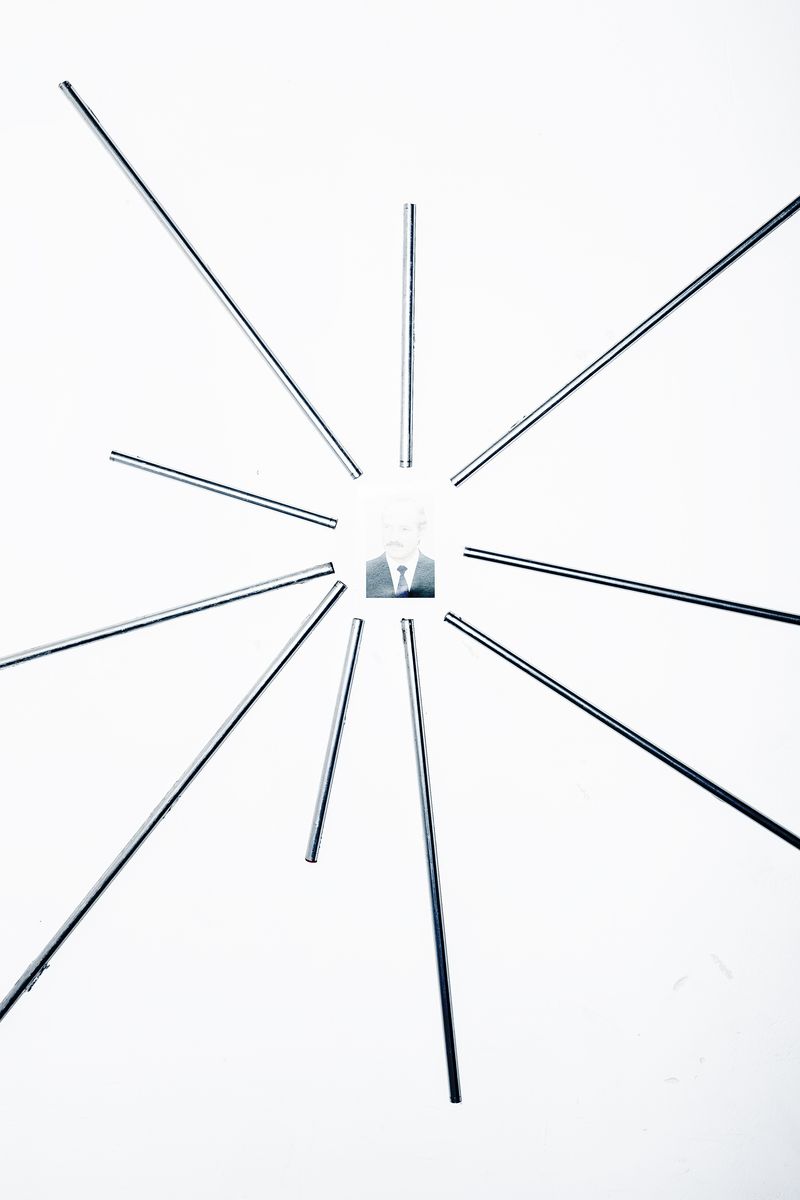
In prisons, portraits of Lukashenko hang on the walls. Women political prisoners are deprived of access to independent information and are subjected to constant ideological indoctrination through state news and propaganda programs.

© Sasha Velichko - Image from the Called to the Carpet photography project
i

A. (b.1970) was sentenced to 1 year in the case of the painted hay bales in a field. The arrest was carried out with assault rifles, drones, and beatings.

© Sasha Velichko - Image from the Called to the Carpet photography project
i

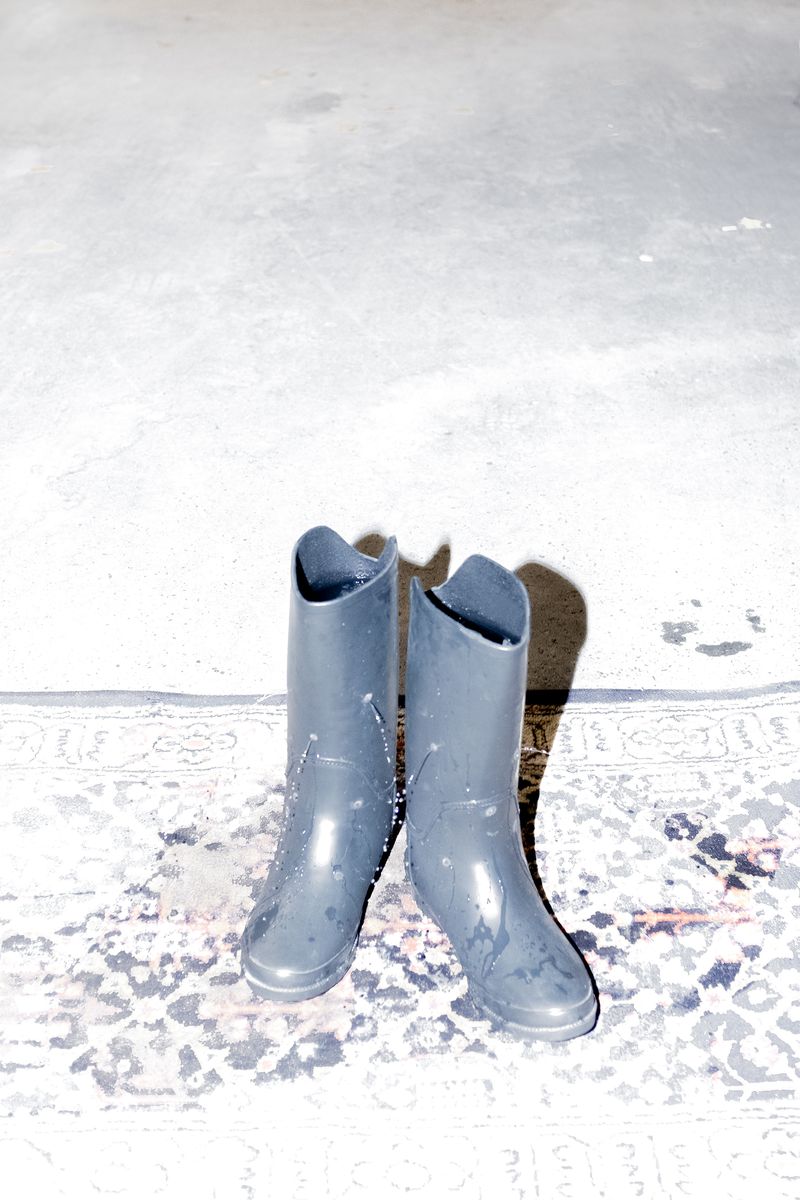
One of the common forms of torture used against female political prisoners is that, in winter, ice-cold water is poured into their only pair of boots. With nothing else to change into, they are forced to walk in soaked shoes. In pre-trial detention centers, women are also doused with water mixed with bleach from buckets while they sleep on the floor, as there is no other place to lie down.

© Sasha Velichko - Image from the Called to the Carpet photography project
i

A. (b. 1997) is an activist, she was sentenced to 2 years and 6 months in the “students" case for signing petitions against violence. Her home was subjected to an aggressive search.

© Sasha Velichko - Image from the Called to the Carpet photography project
i

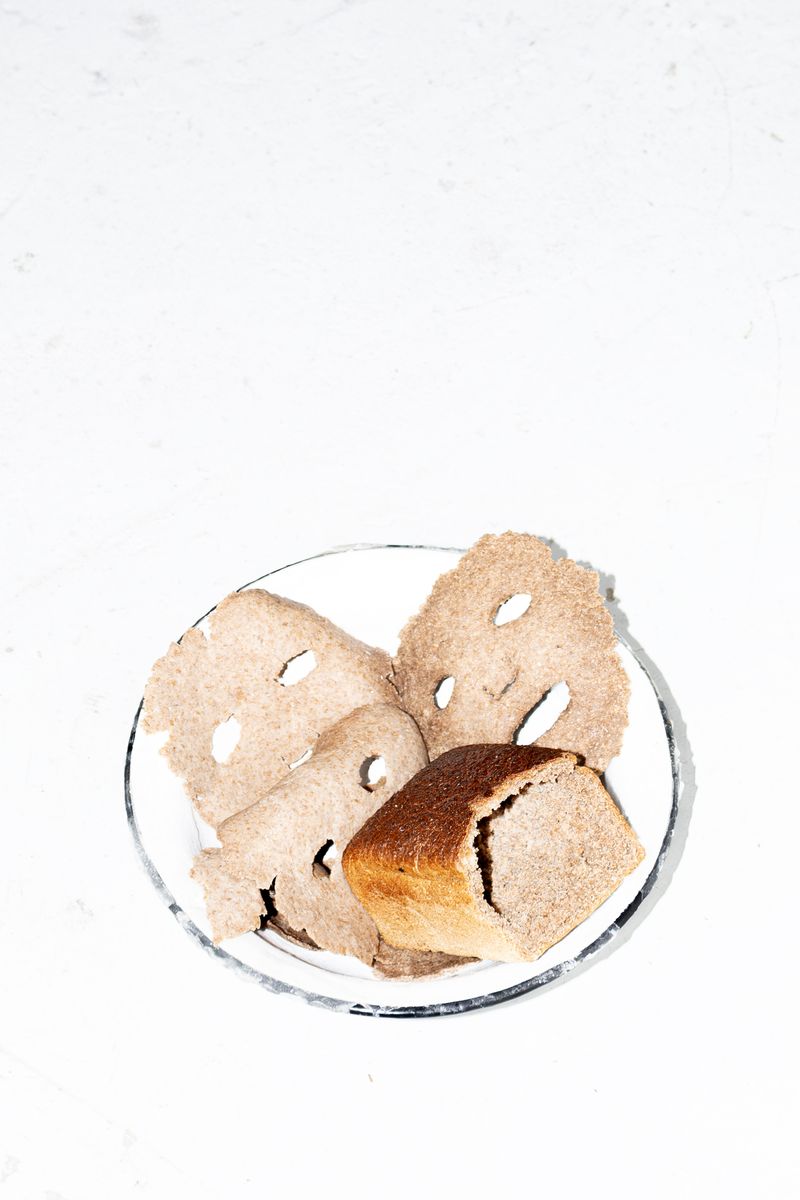
Prison bread becomes a multipurpose tool: the crumb is used to wash the face and make masks for dry skin, while in the foul-smelling cells bread are put under the head, both to suppress the smell and to replace pillows.

© Sasha Velichko - Image from the Called to the Carpet photography project
i

V. (b. 1977) was sentenced to 1 year in the case of the painted hay bales in a field. The arrest was carried out with assault rifles, drones, and beatings.

© Sasha Velichko - Image from the Called to the Carpet photography project
i

All women political prisoners are required to clean the colony grounds before their factory shifts. They chop ice, carry heavy bags of snow, scoop water from puddles with shovels, and wipe them dry with rags. And they begin all this work at 5:30 in the morning. In addition to the hard labor, female political prisoners have to buy the tools for it themselves, using their own money.

© Sasha Velichko - Image from the Called to the Carpet photography project
i

E. (b. 1973) was sentenced to 1 year and 6 months in the "Circle dance" case. This case is the largest mass trial of demonstrators in Belarus. They danced in a circle and sang songs. Nevertheless, the police brought water cannons and dispersed the people.

© Sasha Velichko - Image from the Called to the Carpet photography project
i

Female political prisoners are not allowed to get out of bed at night, not even to go to the toilet. If a woman feels unwell, she is also not allowed to get up. If she does, she will receive a reprimand or be sent to a SHIZO [punishment cell: concrete floor, no windows, lights on 24 hours, prohibition on sitting, freezing temperatures, one meal per day. Women can spend up to 30 days in SHIZO].