26/01

Project 26/01 looks through the lens of a witness at the Women, Life, Freedom movement in Iran, born after Mahsa Amini was killed by morality police, using UV-reactive prints to reveal hidden layers of memory and suppressed narratives.

Project 26/01 examines the Women, Life, Freedom movement in Iran through the perspective of a witness, using UV-reactive prints to reveal hidden layers of memory and suppressed narratives.

The work is grounded in the tension between presence and absence, visibility and erasure, exploring how bodies—particularly female bodies—become sites of control, resistance, and collective memory under systems of oppression. It reflects on how bodily autonomy is entangled with broader political and social structures.

The movement was triggered by the death of Mahsa Amini, which sparked nationwide protests and the ongoing Women, Life, Freedom movement, where women removing their hijabs became a collective act of resistance.

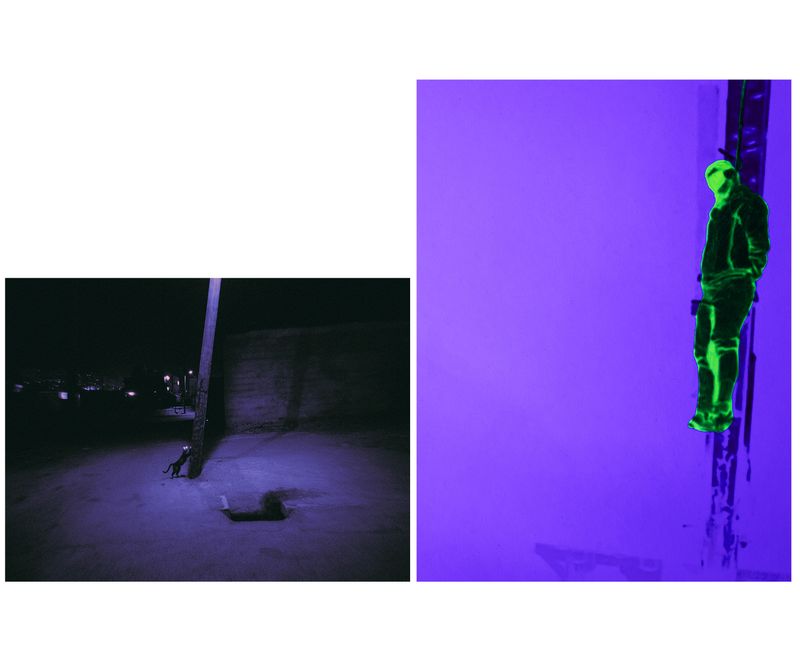
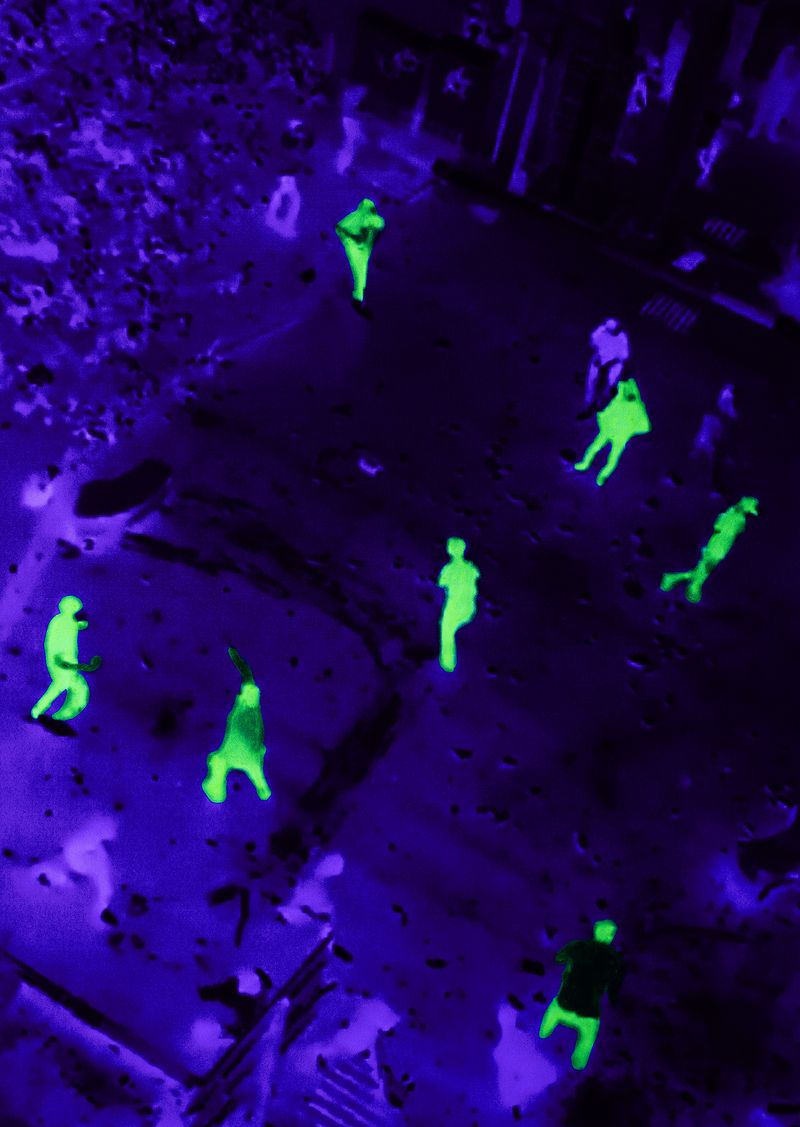
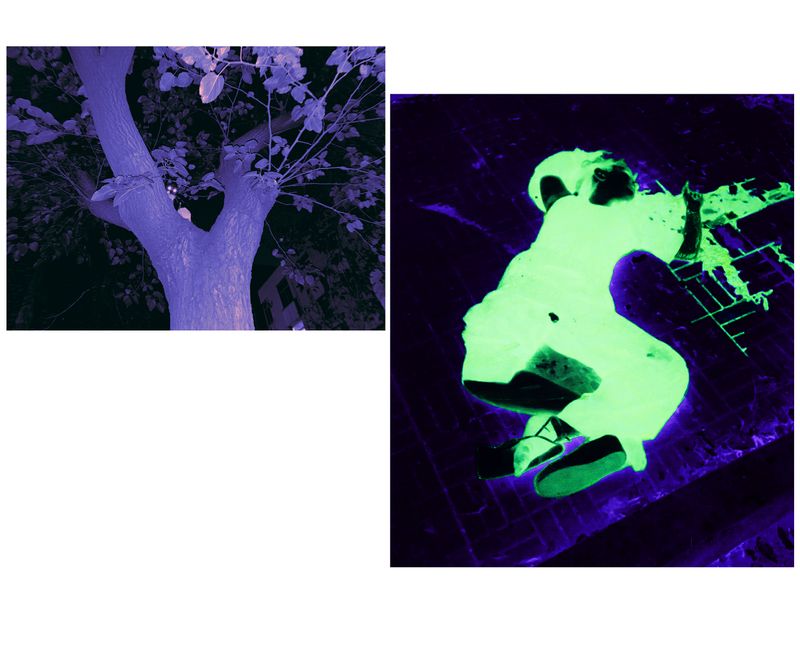
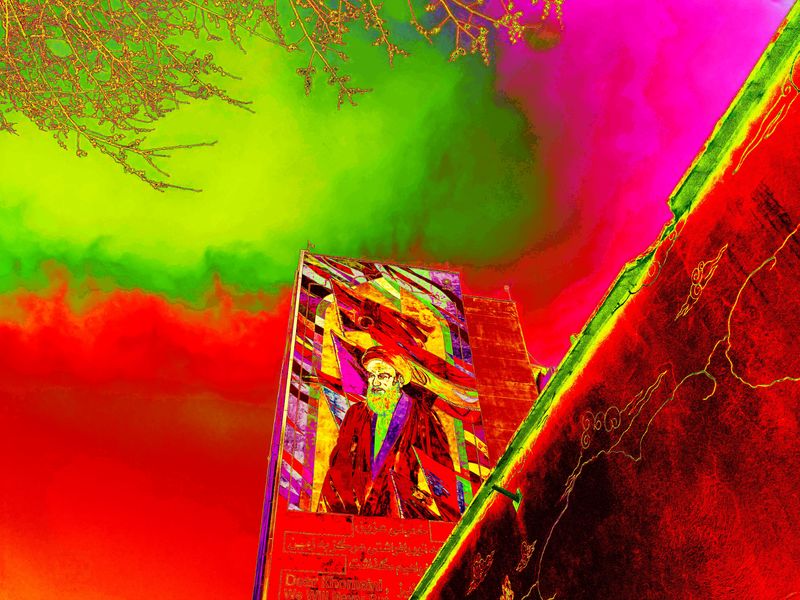
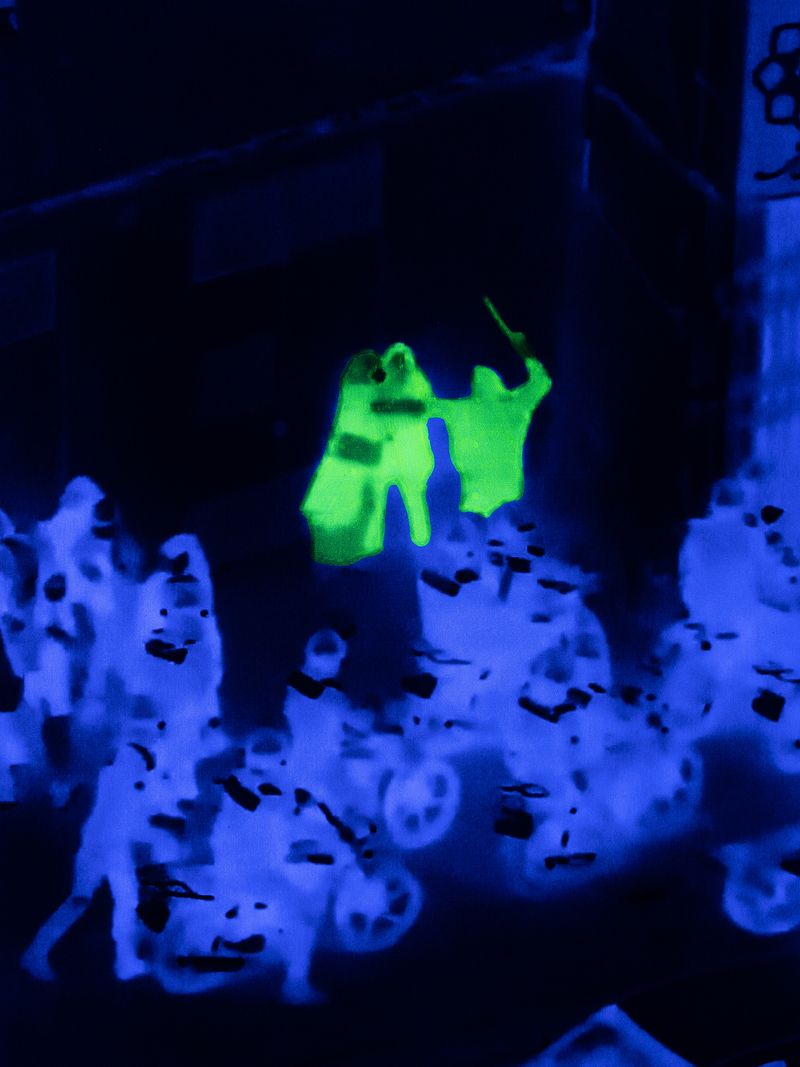
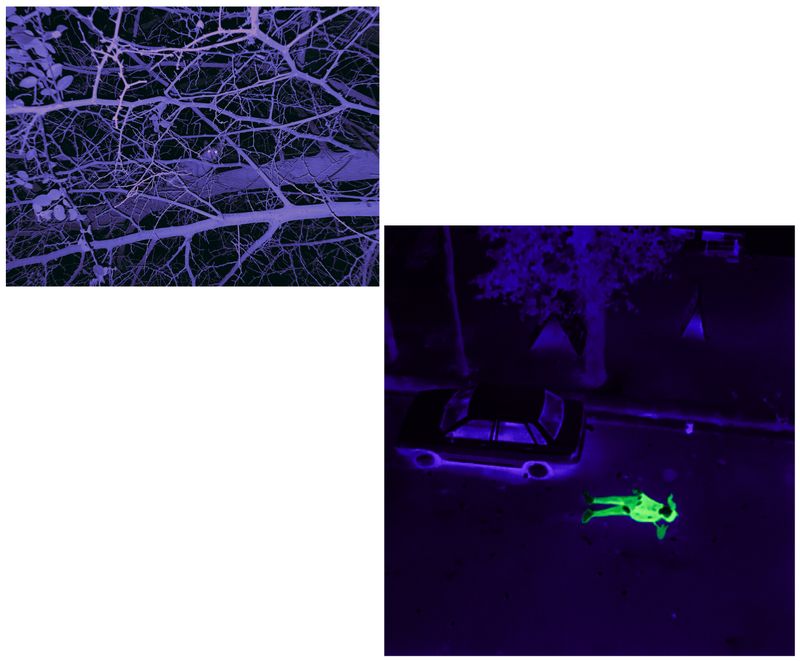
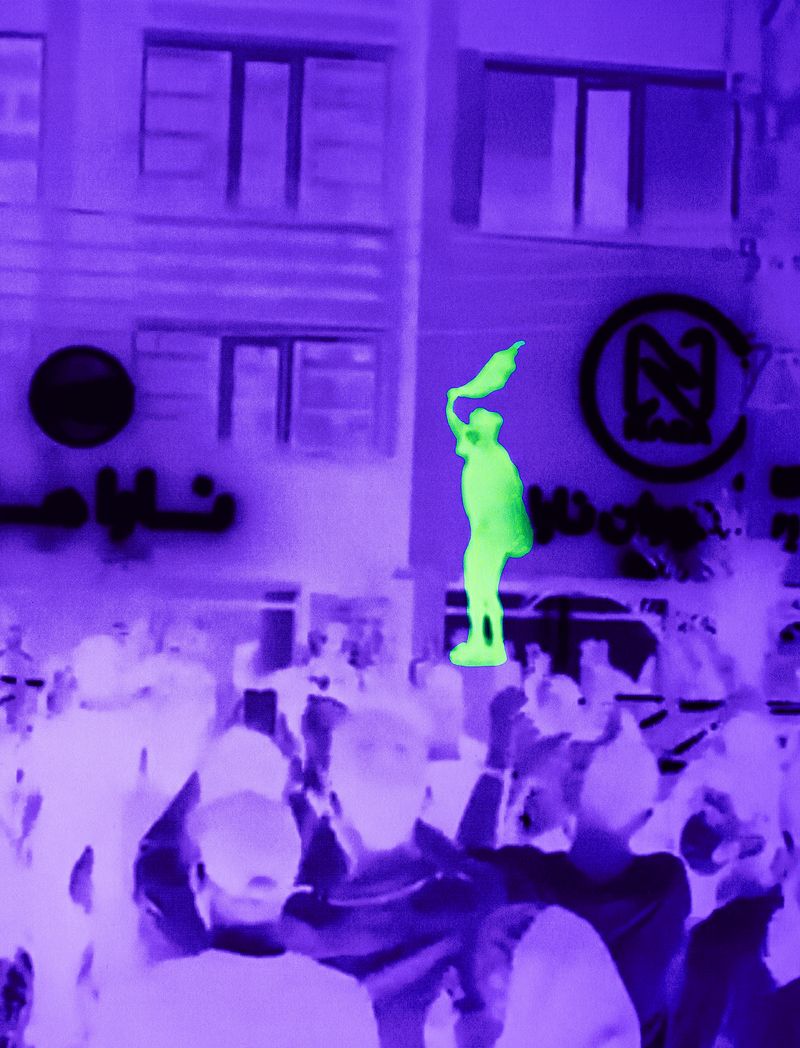
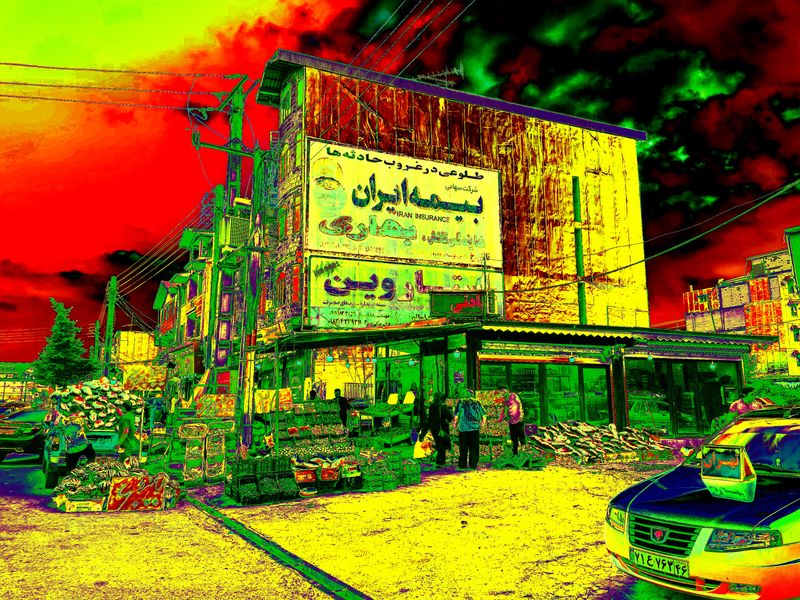
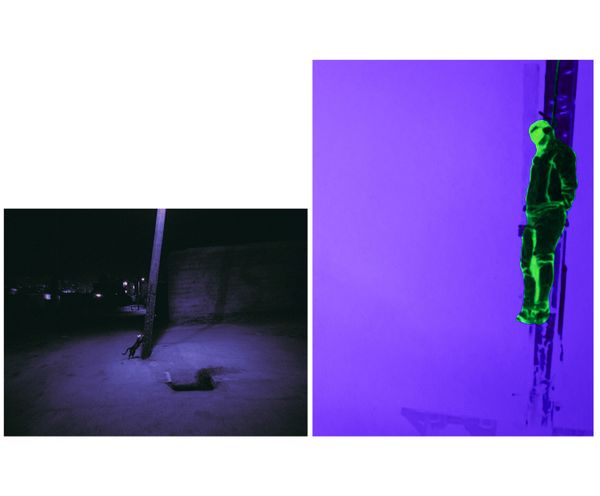
The project is structured as diptychs. On one side, censored or erased protest screenshots are printed with UV-reactive ink, revealing hidden layers under ultraviolet light. Urban landscapes are treated as a collective body, where traces of control and erasure are embedded in spatial memory.

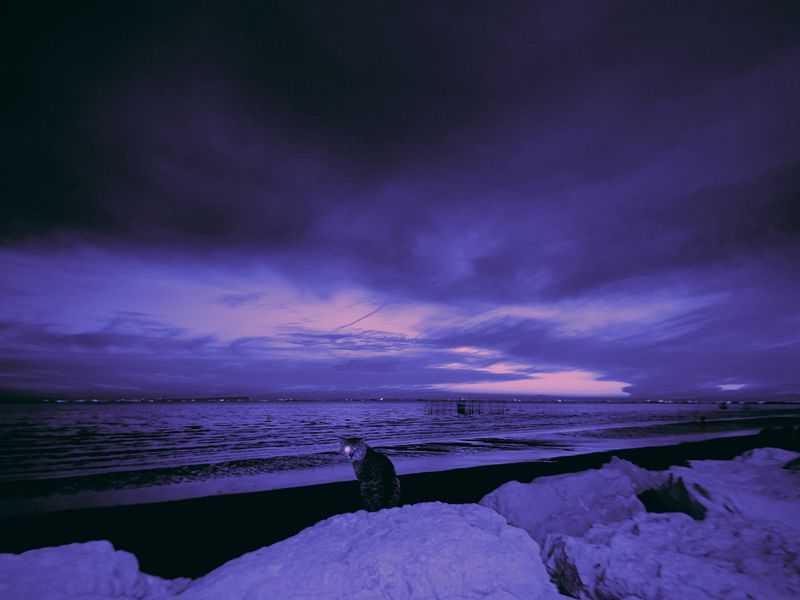
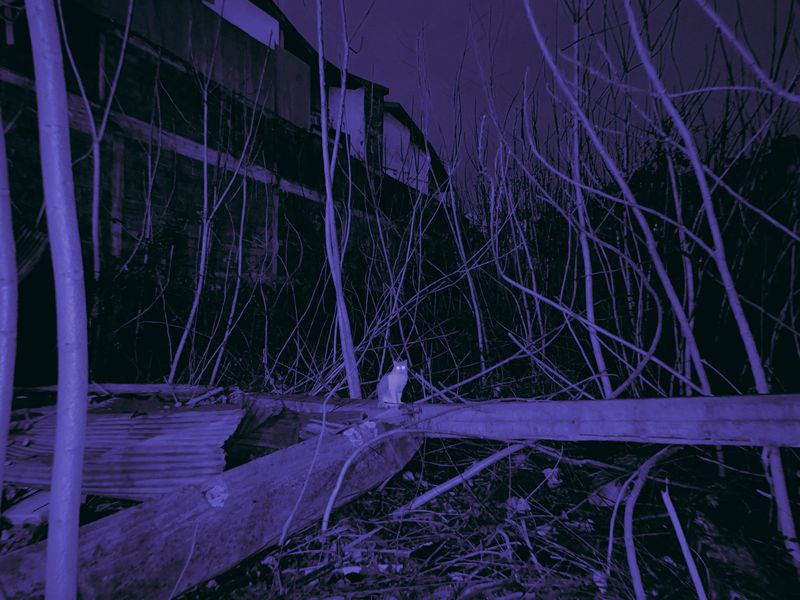
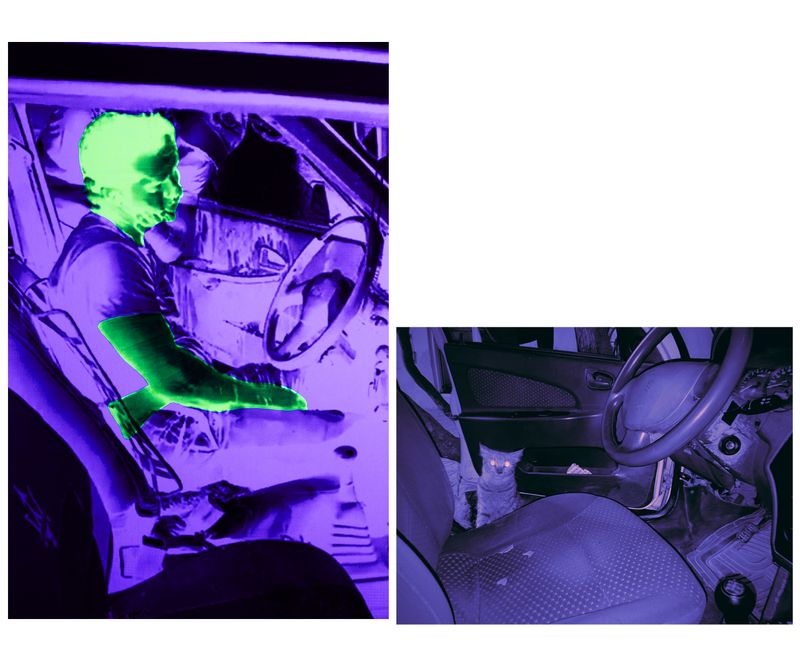
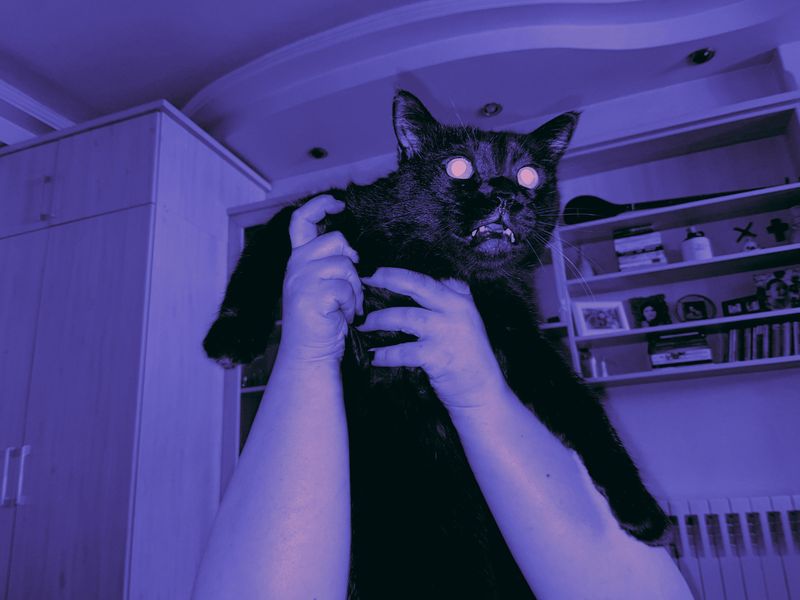
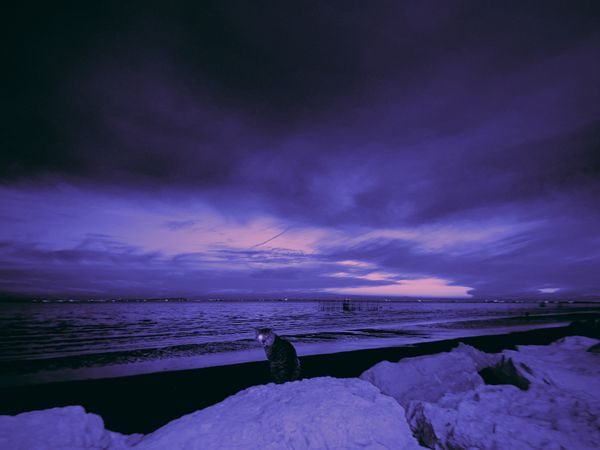
On the other side, photographs of street cats mirror gestures and emotional states from the protests, acting as silent witnesses and forming an alternative archive beyond official documentation.

Incomplete diptychs invite viewers to reconstruct missing layers through memory. The work shifts between visual fragments, positioning the viewer between witness and participant, and emphasizing the instability between visibility and disappearance.

Ultimately, the project forms an archipelago of fragmented memories, bodies, and absences—separate yet interconnected, where meaning emerges through relational structures rather than linear narrative. 
© Mehrdad Mosaferi - Image from the 26/01 photography project
i

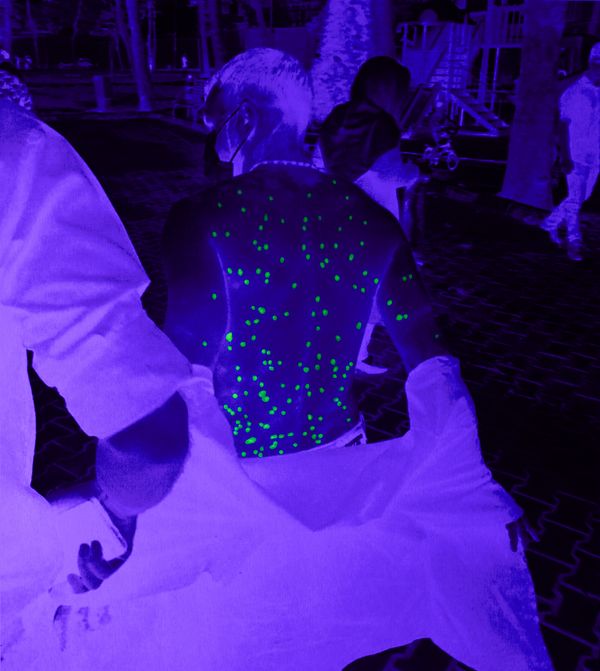
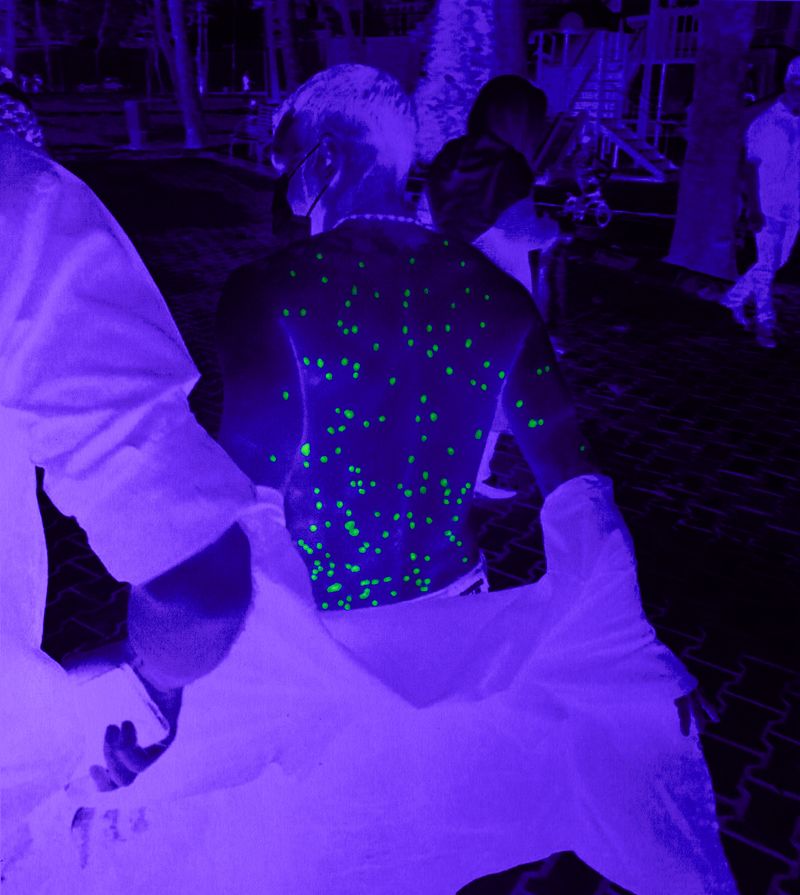
Awounded protester, marked by pellet wounds, issupported amidst the crowd - solidarity and care strongerthan any weapon. During the Woman, Life, Freedom uprising in Iran, thousands of protesters were blinded or severely injured by pellet rounds. The regime used theserounds ot instill fear, silence, and literally take the sight from those who dared witness what they were not supposed tosee.

© Mehrdad Mosaferi - Image from the 26/01 photography project
i

To crush the “Women, Life, Freedom” uprising, the regime resorted to rapid executions. Some young protesters were killed to intimidate others and silence the movement.

© Mehrdad Mosaferi - The witness, like the Lady of Justice, sees without eyes — and remembers without compromise.
i

The witness, like the Lady of Justice, sees without eyes — and remembers without compromise.

© Mehrdad Mosaferi - In the face of bullets, they raise empty hands — vulnerable yet unbroken, defiance louder than any weapon
i

In the face of bullets, they raise empty hands — vulnerable yet unbroken, defiance louder than any weapon

© Mehrdad Mosaferi - a silent testament to violence, the cost of defiance, and the endurance in the fight for justice.
i

a silent testament to violence, the cost of defiance, and the endurance in the fight for justice.

© Mehrdad Mosaferi - Image from the 26/01 photography project
i

An urban landscape capturing the city streets where the protests unfolded, mapping the space of collective presence and resistance. Colors are inspired by corneal topography, connecting the environment to the memory and lived experience of the events.

© Mehrdad Mosaferi - The lashes of oppression may wound the bodies of freedom-seekers, but they make their spirits unbreakable.
i

The lashes of oppression may wound the bodies of freedom-seekers, but they make their spirits unbreakable.

© Mehrdad Mosaferi - A young life silenced by a direct shot in the streets, yet courage echoes louder than the violence that sought to erase it.
i

A young life silenced by a direct shot in the streets, yet courage echoes louder than the violence that sought to erase it.

© Mehrdad Mosaferi - Being a witness means remembering, even when evidence is destroyed and memory is obliterated.
i

Being a witness means remembering, even when evidence is destroyed and memory is obliterated.

© Mehrdad Mosaferi - Image from the 26/01 photography project
i

After years of preparing for the dream of freedom, she must now live it—standing above the crowd, twirling her scarf in the air, and dancing

© Mehrdad Mosaferi - Image from the 26/01 photography project
i

A young man raised his voice in the streets with nothing but his car horn, standing for freedom—yet his call was silenced forever.

© Mehrdad Mosaferi - Image from the 26/01 photography project
i

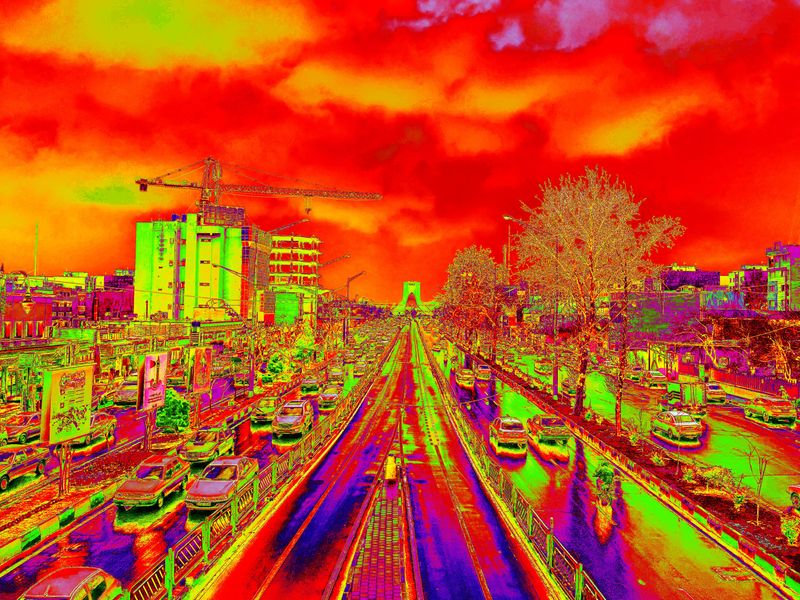
An urban landscape with the Azadi Tower (“Freedom”) in the distance—a symbol of freedom in a land where basic rights have been denied. Colors are inspired by corneal topography, linking the cityscape to collective memory and acts of resistance.

© Mehrdad Mosaferi - A young woman sets her scarf—symbol of restriction and oppression—on fire.
i

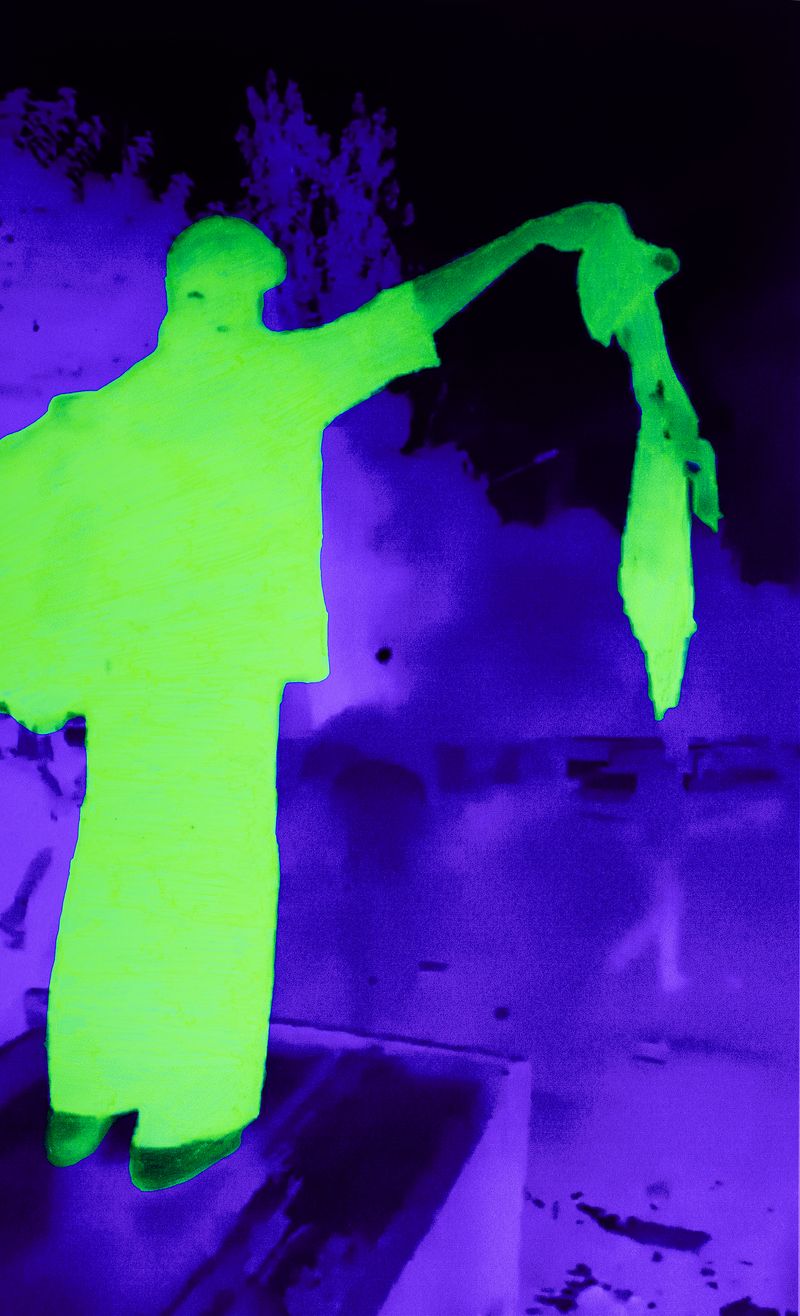
A young woman sets her scarf—symbol of restriction and oppression—on fire.

© Mehrdad Mosaferi - Image from the 26/01 photography project
i

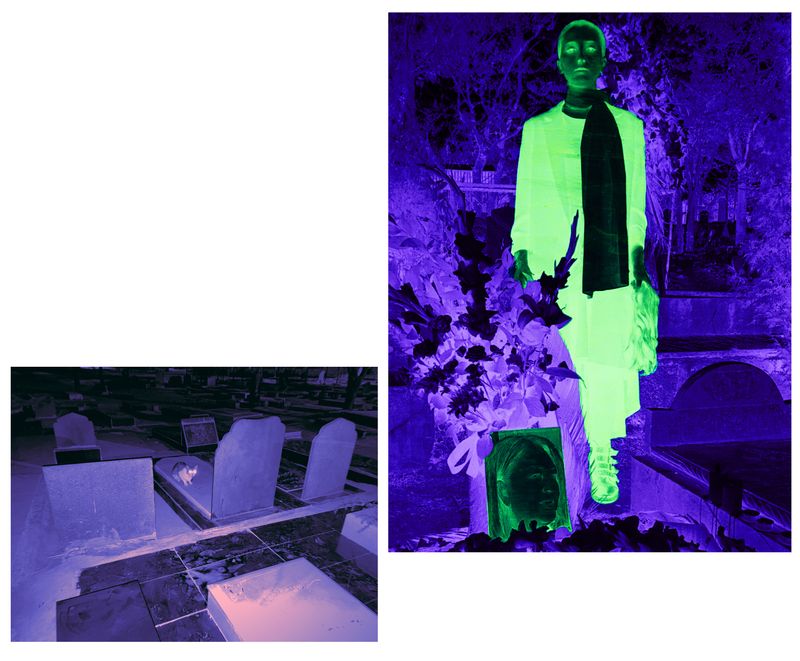
An Iranian girl, after her mother was killed during the Women, Life, Freedom uprising, stood at her grave, cut her hair, held it in her hands, took a photo of herself, and shared it online. The photo drew widespread attention.

© Mehrdad Mosaferi - The witness watches the truth as it unfolds, for the day it will testify before Justice.
i

The witness watches the truth as it unfolds, for the day it will testify before Justice.

© Mehrdad Mosaferi - Women, Life, Freedom, a wall from the movement.
i

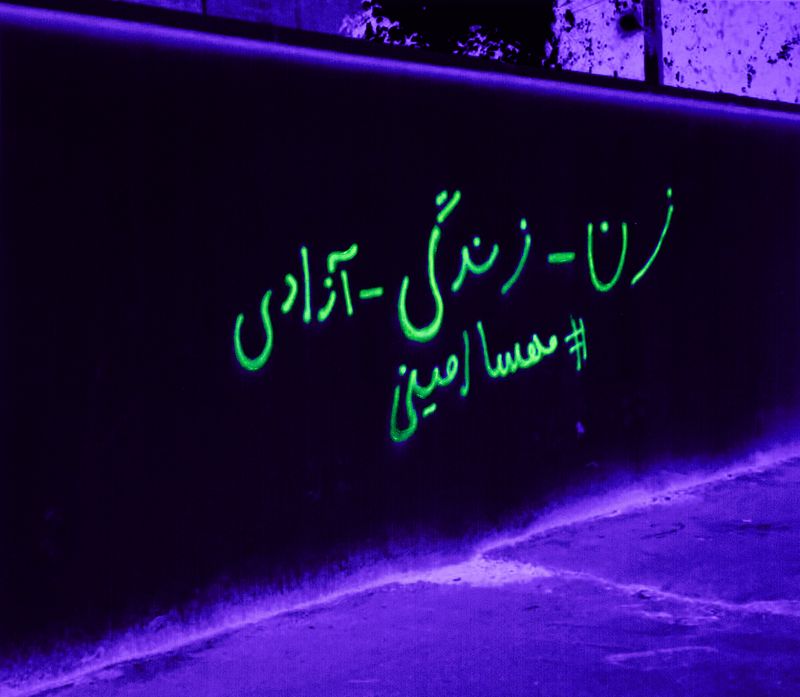
Women, Life, Freedom, a wall from the movement.

© Mehrdad Mosaferi - The protest act of a woman with optional attire in front of the oppressors.
i

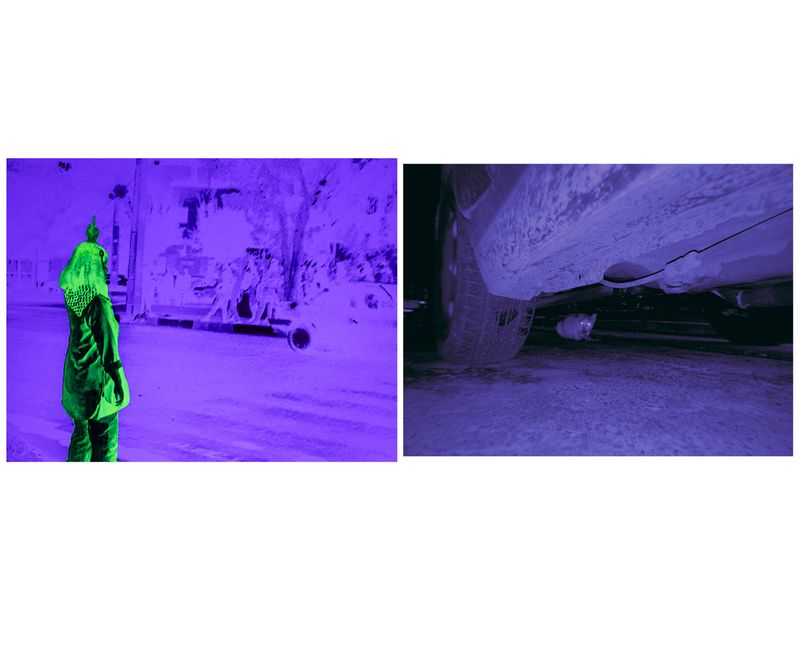
The protest act of a woman with optional attire in front of the oppressors.

© Mehrdad Mosaferi - Image from the 26/01 photography project
i

An urban landscape where traces of mourning, violence, and oppression linger in the memory of the city. Colors and textures are inspired by corneal topography, connecting the environment to collective memory and resistance.