Yes, dinner tomorrow at home
-
Dates2022 - Ongoing
-
Author
- Locations Toronto, Rotterdam, Hong Kong
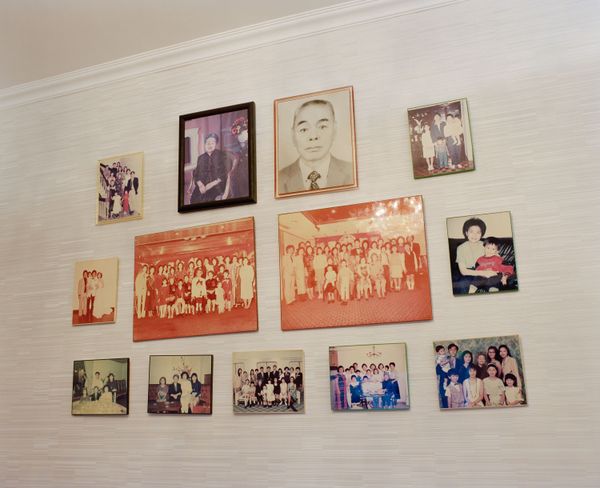
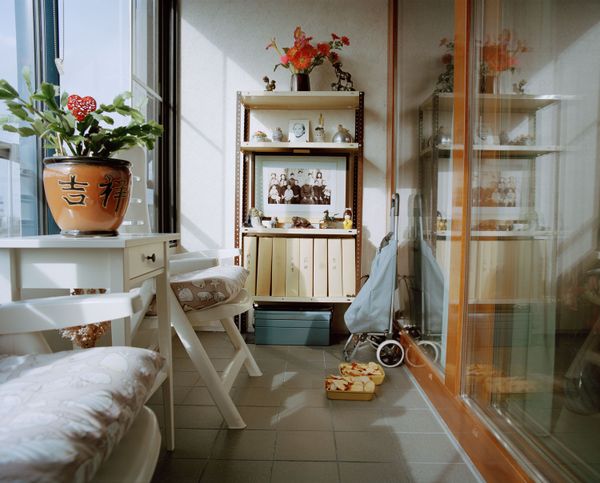
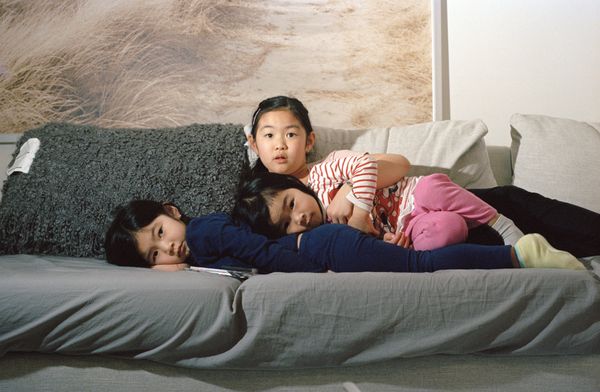
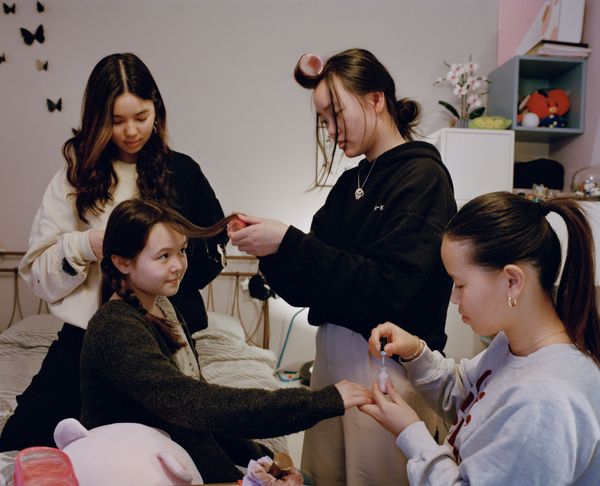
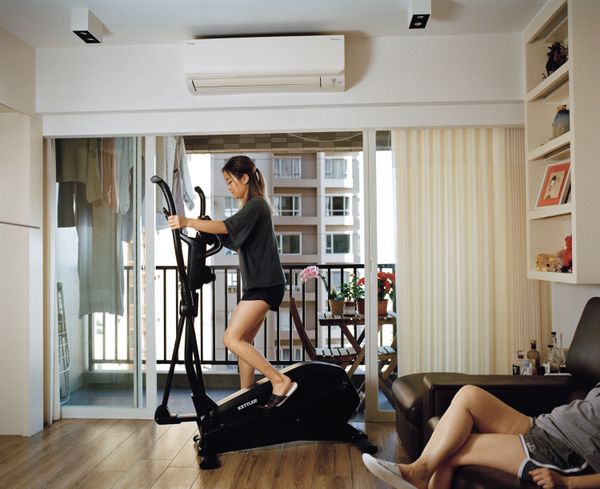
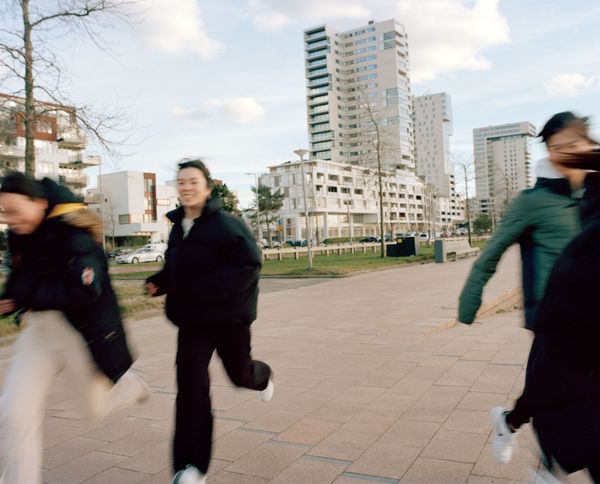
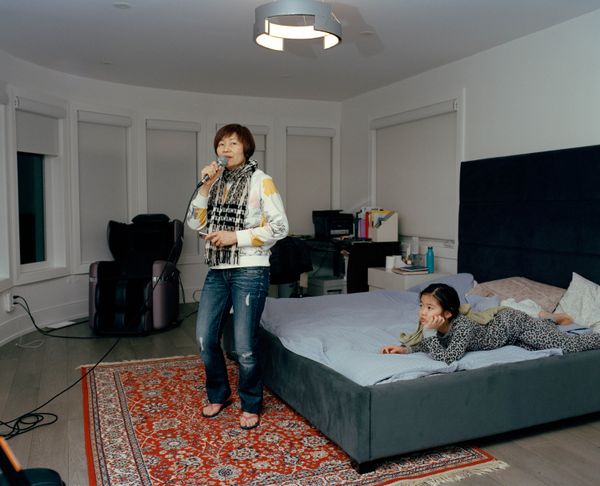
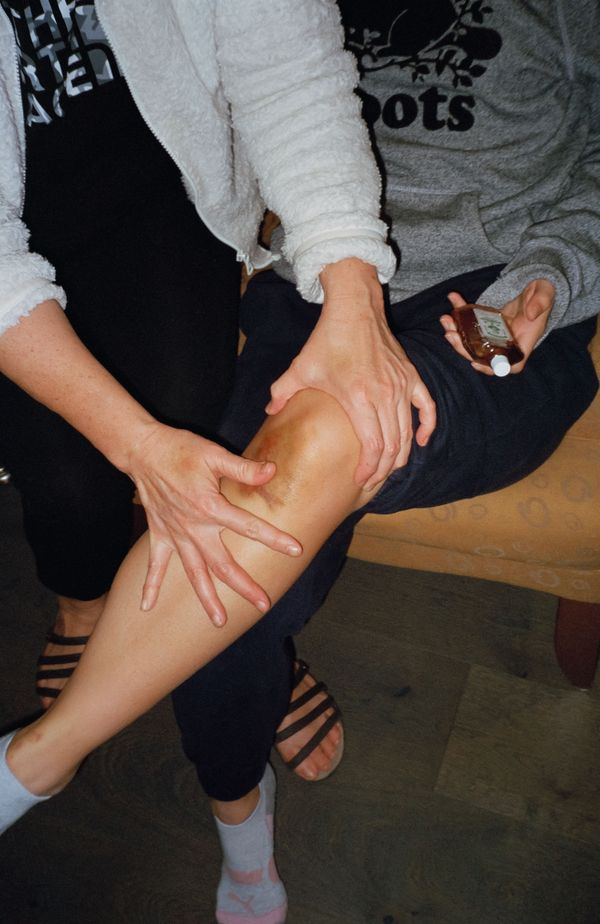
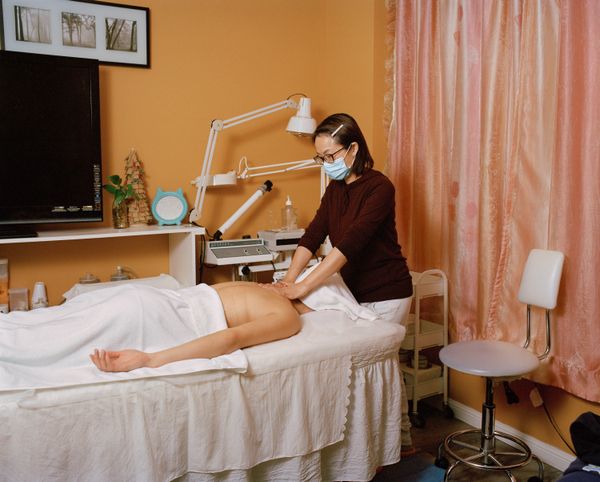
This analog series explores Chinese identity through a multi-generational conversation, as the cultural preservation of subjects is visually anchored through their respective domestic spaces.
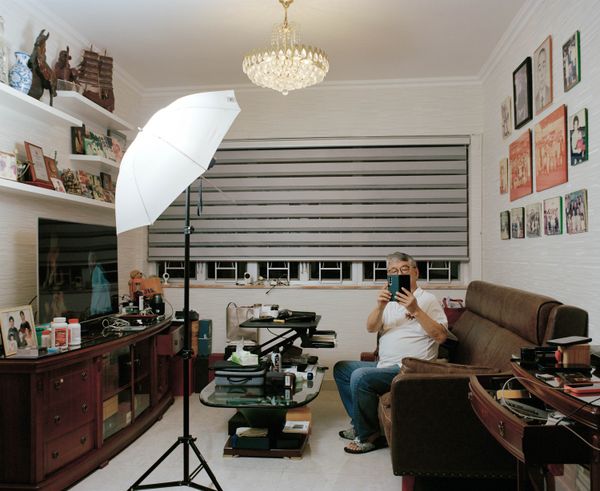
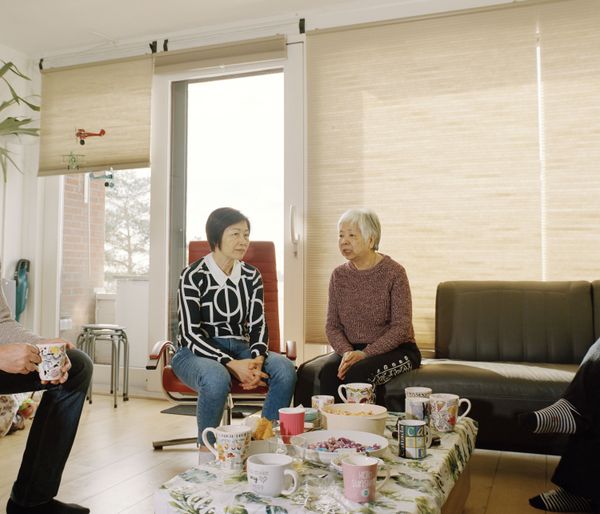
Yes, dinner tomorrow at home is centered around my maternal side of the family's migration. My aunt immigrated to the Netherlands in 1972 to be with her husband, while my mom immigrated to Canada in 1988 in anticipation of the political climate that would occur in 1997, once China repossessed Hong Kong from Britain. The city has always had a warped identity, as it seems to be living on borrowed time. However, the historical tug-of-war between China and Britain cultivated a space with an unreplicable bond for all Hong Kongers across the globe.
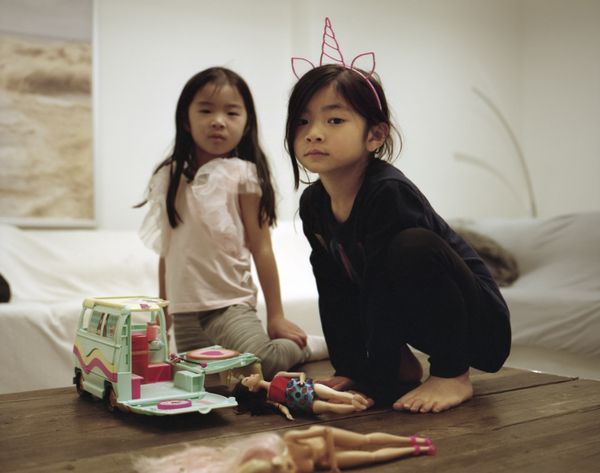
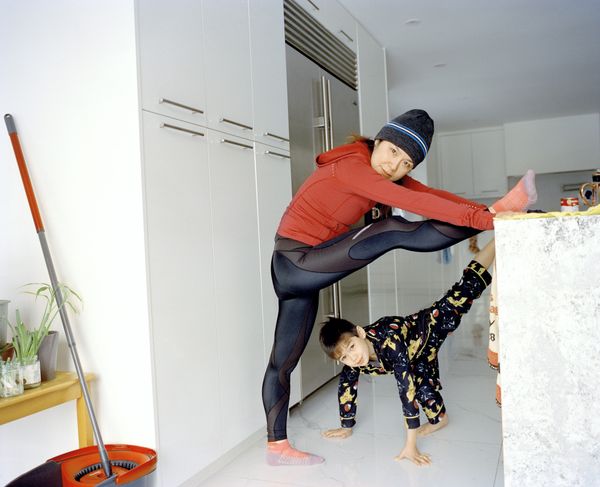
My work shows how Hong Kong immigrants in my family have preserved and passed on Chinese traditions to their children, while the newer generations navigate their own identities. In this chapter of my longterm series, I photographed my family and community in the Netherlands, Canada, and Hong Kong. I wrestled with my definition of being Chinese with the generations who grew up outside of Hong Kong, while also making images of my dad who never left. There are cumulative daily decisions my generation makes that inherently bring us and our descendants closer to our culture, while other customs inevitably fade. The photos integrate portraits and domestic objects that embody Asian Diasporic culture.
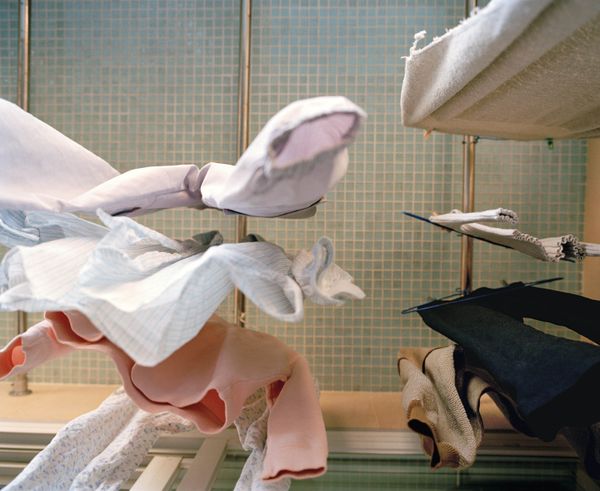
Home is the best place to get a sense of a person. Home is where rituals and routines are established and lays the foundation of how one recognizes their role in the world. The home is filled with items that have been curated by the dweller, therefore creating a sense of comfort. From there, I can observe their surroundings and begin cultivating a connection with them. As we share space, the process of image making seamlessly flows from one image to the next — each image melting off another layer of tension until we’re left with a tender understanding.
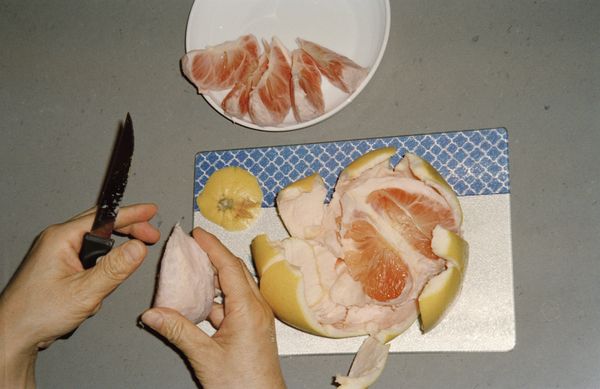
The theme of hands threads through the images, in various compositions. These gestures are small and fleeting. It is only when the hands have been caught in an act that we can appreciate and analyze what is happening in front of us. It is with our hands that we tell others how we feel. It is with our hands that we cultivate an intimate scene.
I pace back and forth between my tripod and subject to ask for their opinion on the pose, composition, and lighting of the shot. The process of shooting my family with film is my methodology of asserting my presence in the room. My Mamiya RZ 67 medium format camera has a waist level viewfinder where I am required to look down simulating a bowing motion. This integral gesture reminds me of the shared collaborative relationship I’m having with my family — I want to be able to honor and elevate the people that I photograph. The slow burn of composing one image with film creates a heightened sense of excitement where both me and my subject can exist in the same realm of anticipation of what we have created together. They begin to establish their individual presence with every shift and glance. We are able to invoke a spectrum of emotions — from heavy to humorous — in the final shots. Although many shoots begin with the same intention, because of this collaboration, the end result becomes distinct in its own story.