¿Y donde esta la tierra? (and where did the earth go?)
A documentary project on natural history collections and the fragile infrastructures that sustain them, examining taxonomy as a physical practice and asking what remains verifiable when the conditions that support scientific memory weaken.

My parents worked in the same building as Fundación La Salle de Ciencias Naturales in Caracas, Venezuela. After school, I would escape to the basement. I walked through rows of animals before I understood what a collection was. Drawers, jars, bones, textures, the smell of formaldehyde and alcohol. Rooms that felt suspended in time. Hermano Ginés was still a presence then as director, his office closer to a cabinet of curiosities than an institutional workspace, filled with specimens, artifacts, and fragments of expeditions. He even had a shrunken head. Those visits formed an early understanding that science is also a way of looking.

Years later, the national science museum lost electricity because it could not pay its bills. Rooms designed to preserve life after death were left without the conditions that make preservation possible. It felt close to home. This space where my curiosity could roam freely was about to disappear, or so I believed. I collected signatures, family, neighbors, strangers. I wrote letters and insisted in the only way a child understands insistence. Enough noise was made that power eventually returned. The memory stayed. So did the question: what does it mean for knowledge to depend on fragile infrastructure.

Where Did the Earth Go? documents natural history collections in Venezuelan research institutions and the scientists who have spent years protecting them. These rooms hold hundreds of thousands of specimens — fish, reptiles, pressed plants, bird skins, mammal skulls — alongside paratypes and holotypes, the singular physical specimens that give each species its scientific name. If a holotype disappears, that part of evolutionary history becomes unverifiable.

In natural history, death is not an ending. Preservation extends time. But preservation depends on materials and people. Alcohol evaporates. Labels fade. Funding stops. The collections remain, but the conditions that allow them to function weaken. These are not archives of death. They are the grammar of life.

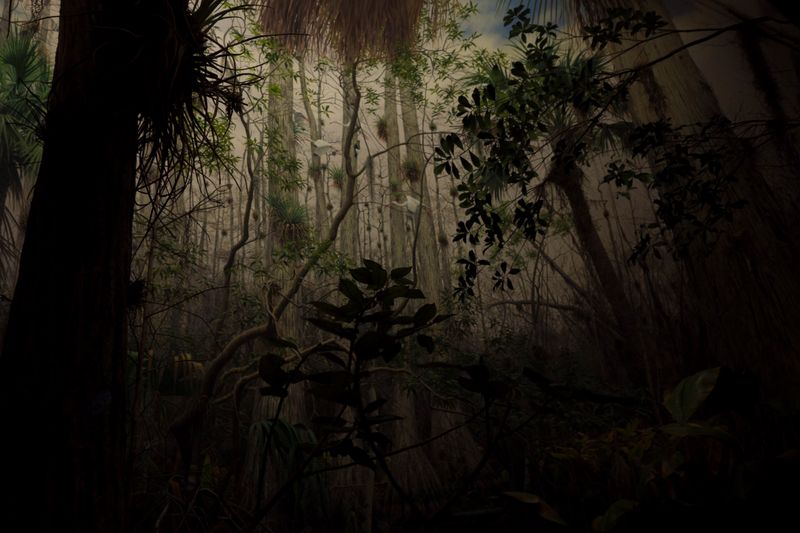
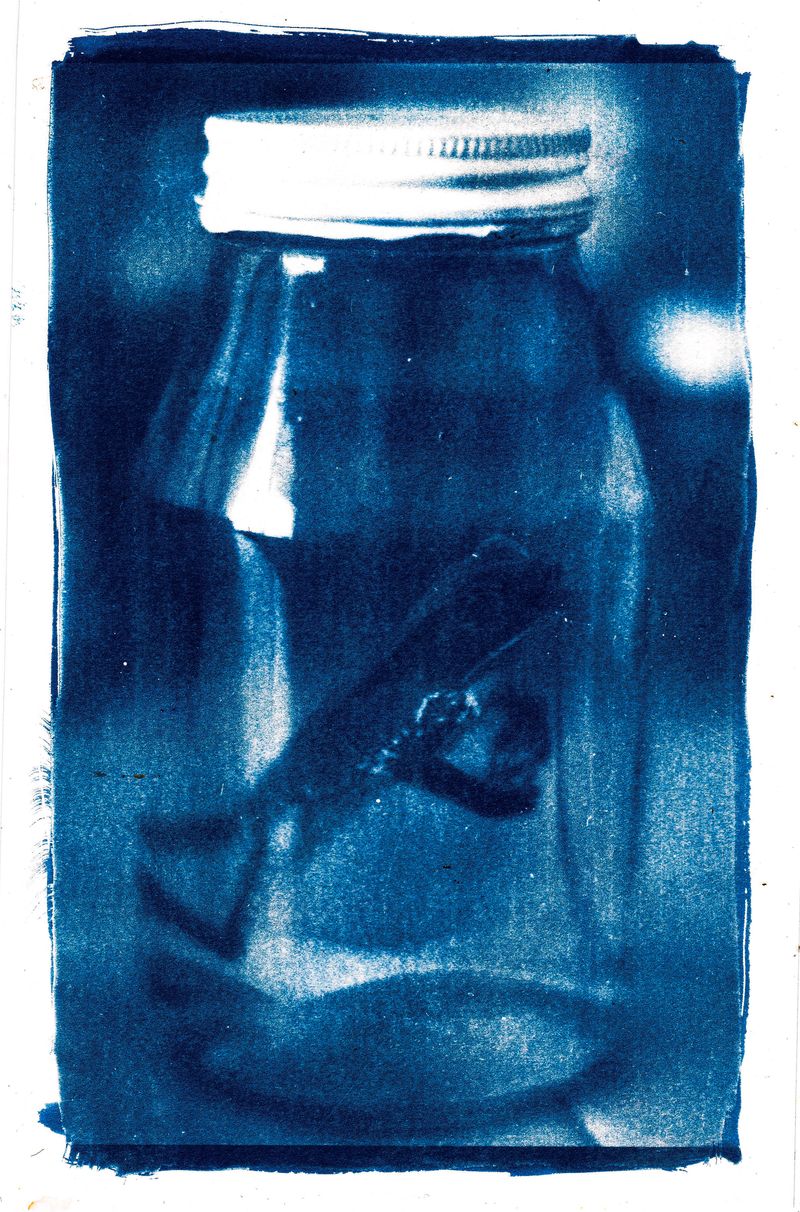
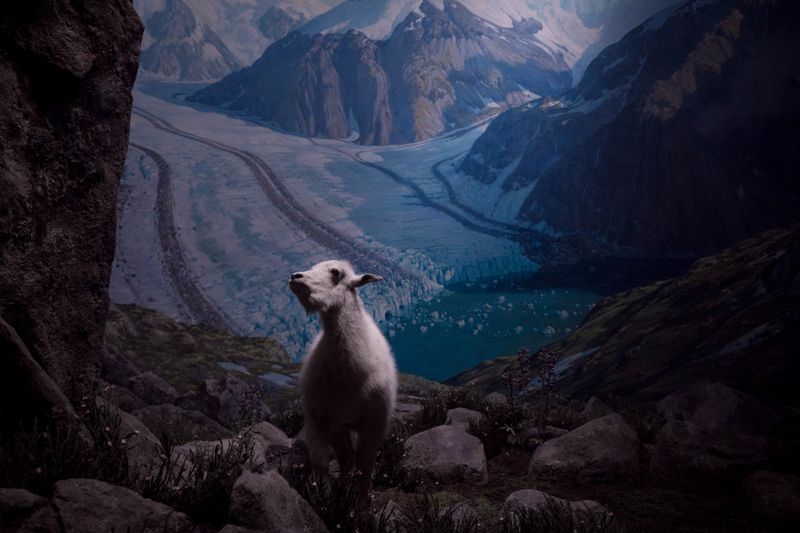
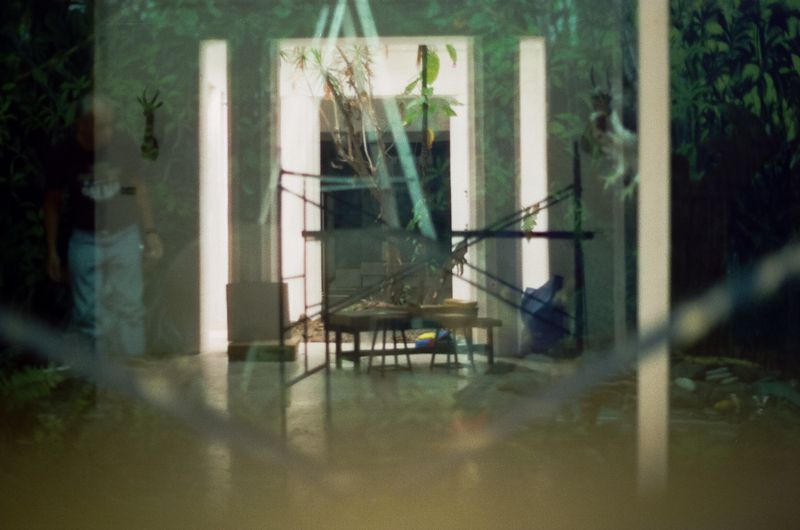
The work moves across three photographic registers. Digital color documents with precision. Analog film renders dioramas as living landscapes, dissolving the border between nature and its representation. Cyanotype, one of the oldest photographic processes, translates specimens into blueprints, into ghosts, into the Prussian blue of vanishing knowledge.

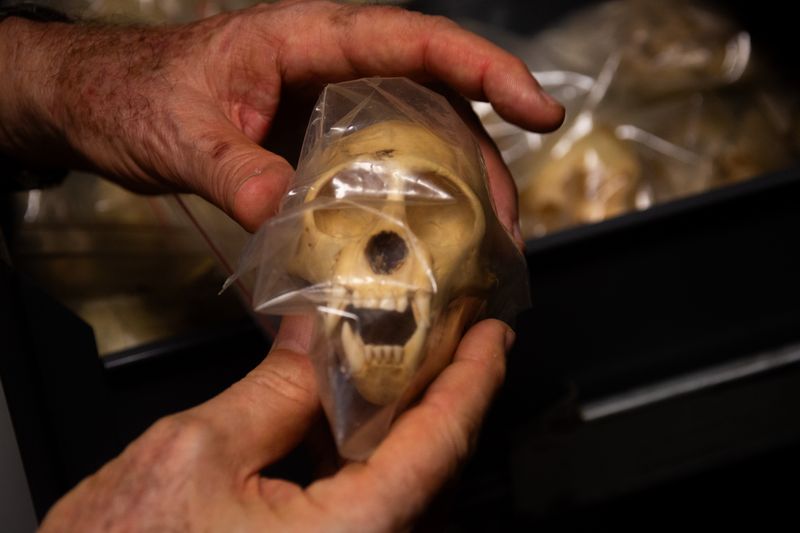
No generative AI was used in producing this work. Taxonomy is physical. It depends on hands. The scientist’s hands extracting a specimen from ethanol. Hands cradling a primate skull through plastic. Hands that form the bridge between what is stored and what can still be understood.

When that bridge disappears, the jars remain. But without someone who knows how to read them, they become containers with life preserved, yet without language.

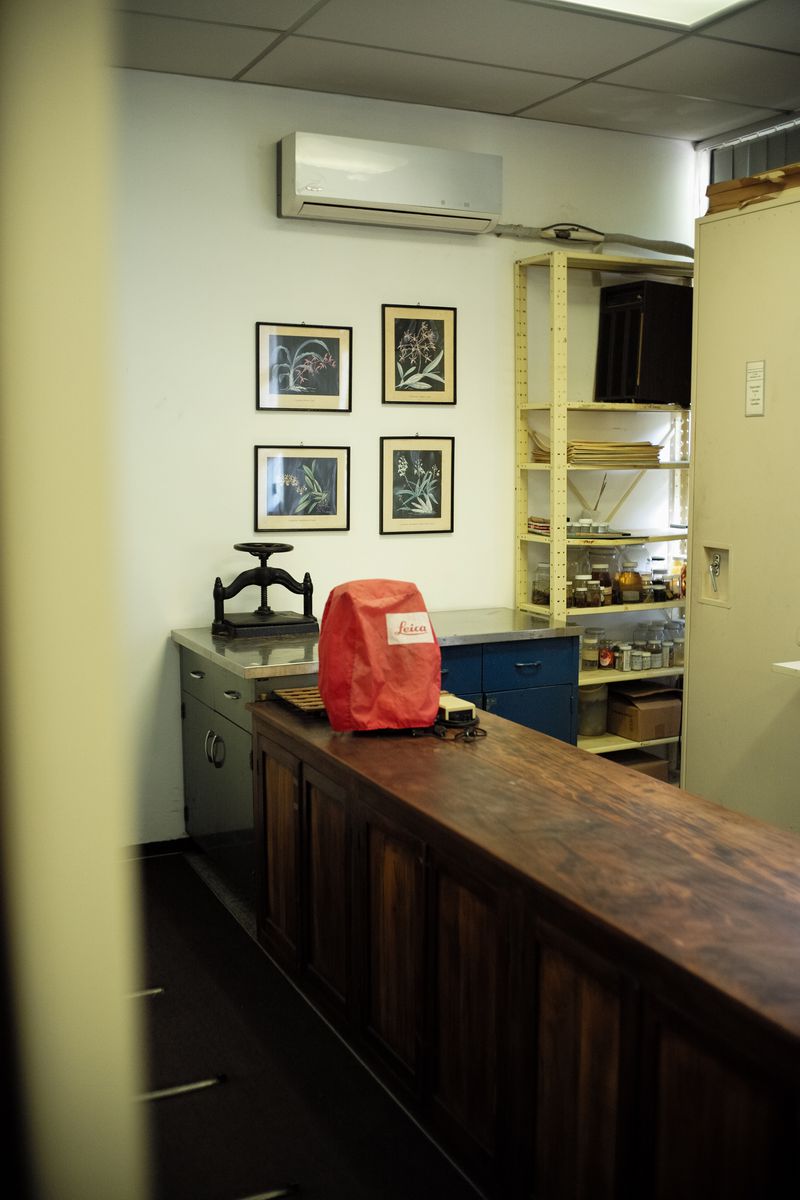
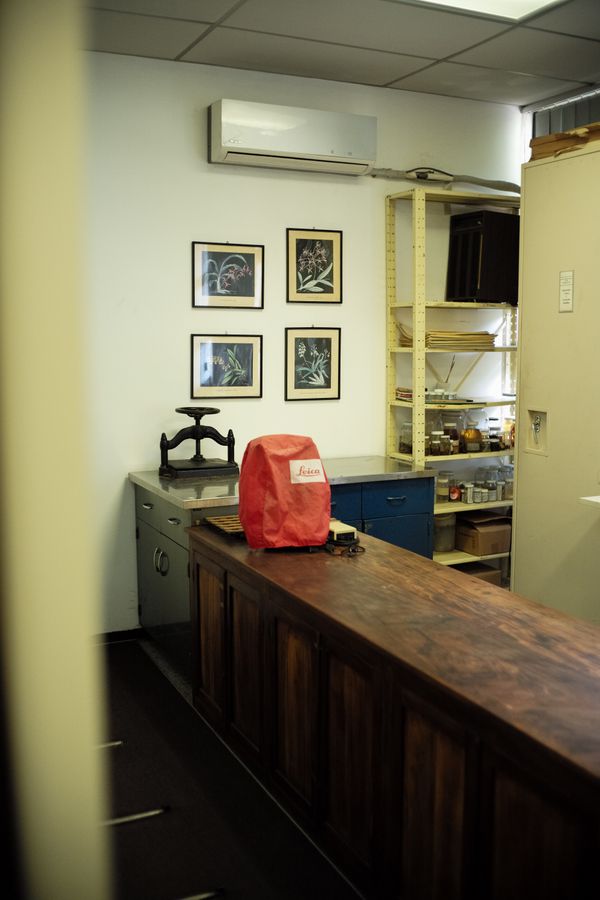
© Jose Menendez - Botanical specimens room, Fundación La Salle de Ciencias Naturales, Caracas, Venezuela, 2020
i

Botanical specimens room, Fundación La Salle de Ciencias Naturales, Caracas, Venezuela, 2020

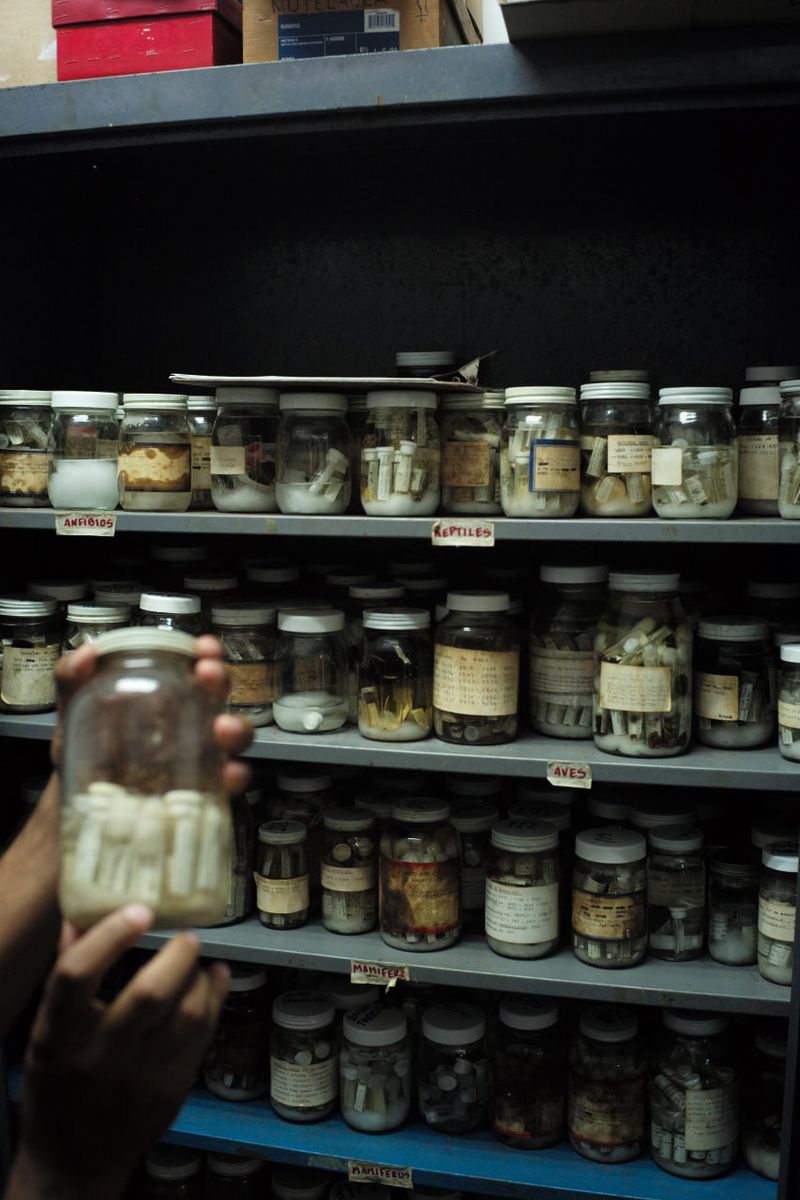
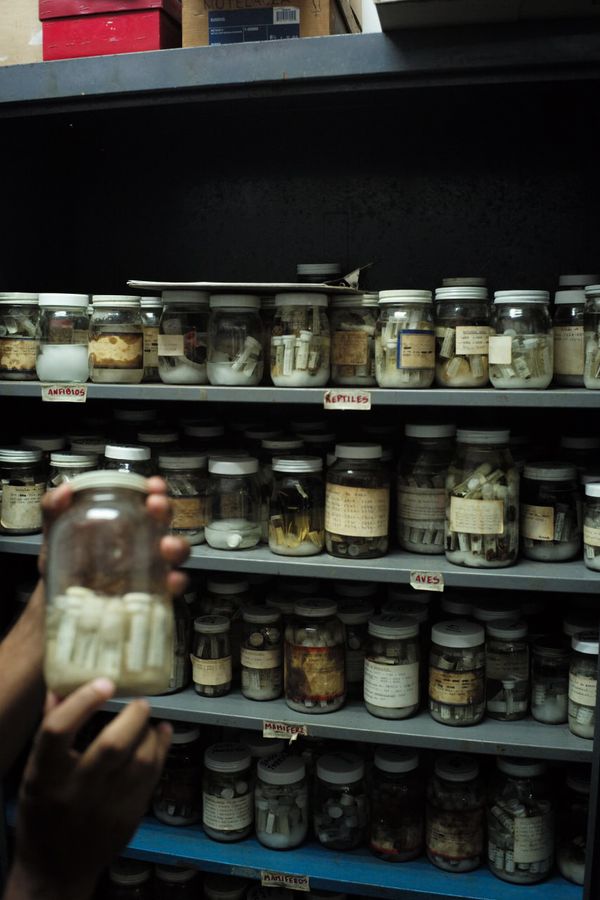
© Jose Menendez - Parasite collectionFundación La Salle de Ciencias Naturales, Caracas — 2020
i

Parasite collectionFundación La Salle de Ciencias Naturales, Caracas — 2020

© Jose Menendez - Background muralAmerican Museum of Natural HistoryNew York, NY, USA, 2018
i

Background muralAmerican Museum of Natural HistoryNew York, NY, USA, 2018

© Jose Menendez - Capuchin monkey skull, Fundación La Salle de Ciencias Naturales, Caracas, Venezuela, 2020
i

Capuchin monkey skull, Fundación La Salle de Ciencias Naturales, Caracas, Venezuela, 2020

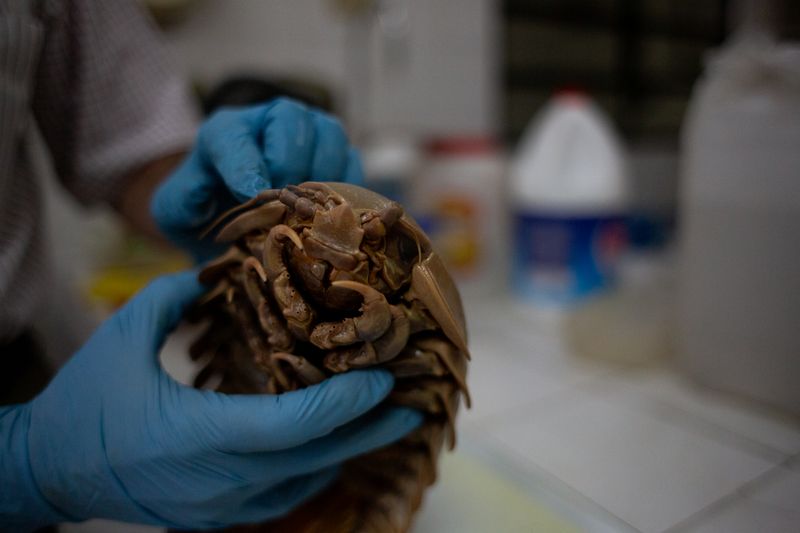
© Jose Menendez - Giant isopod specimen, Fundación La Salle de Ciencias Naturales, Caracas, Venezuela, 2020
i

Giant isopod specimen, Fundación La Salle de Ciencias Naturales, Caracas, Venezuela, 2020

© Jose Menendez - Image from the ¿Y donde esta la tierra? (and where did the earth go?) photography project
i

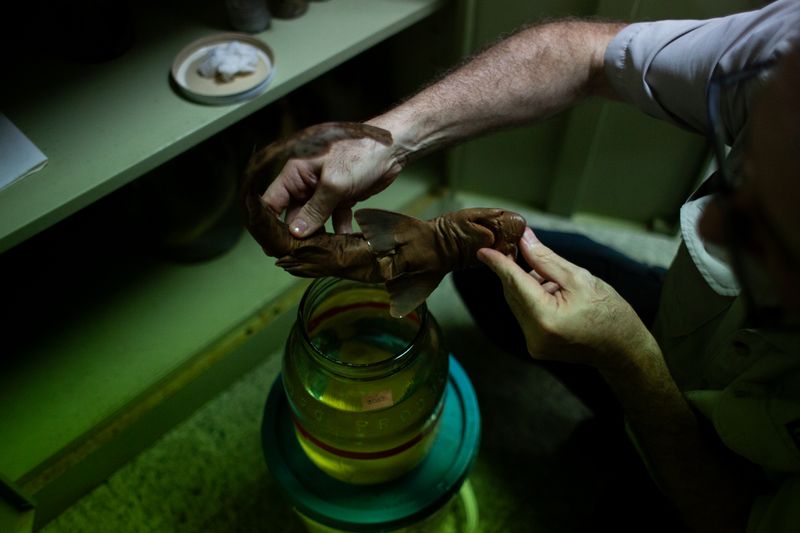
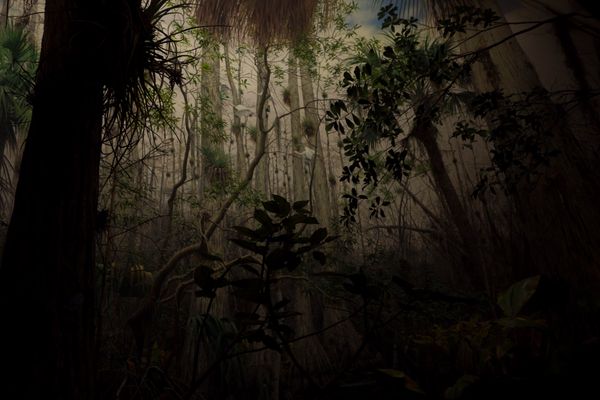
Deep-dwelling shark holotype discovered off Falcón, Venezuela by an unsuspecting fisherman.Fundación La Salle de Ciencias Naturales, Caracas, Venezuela, 2020.

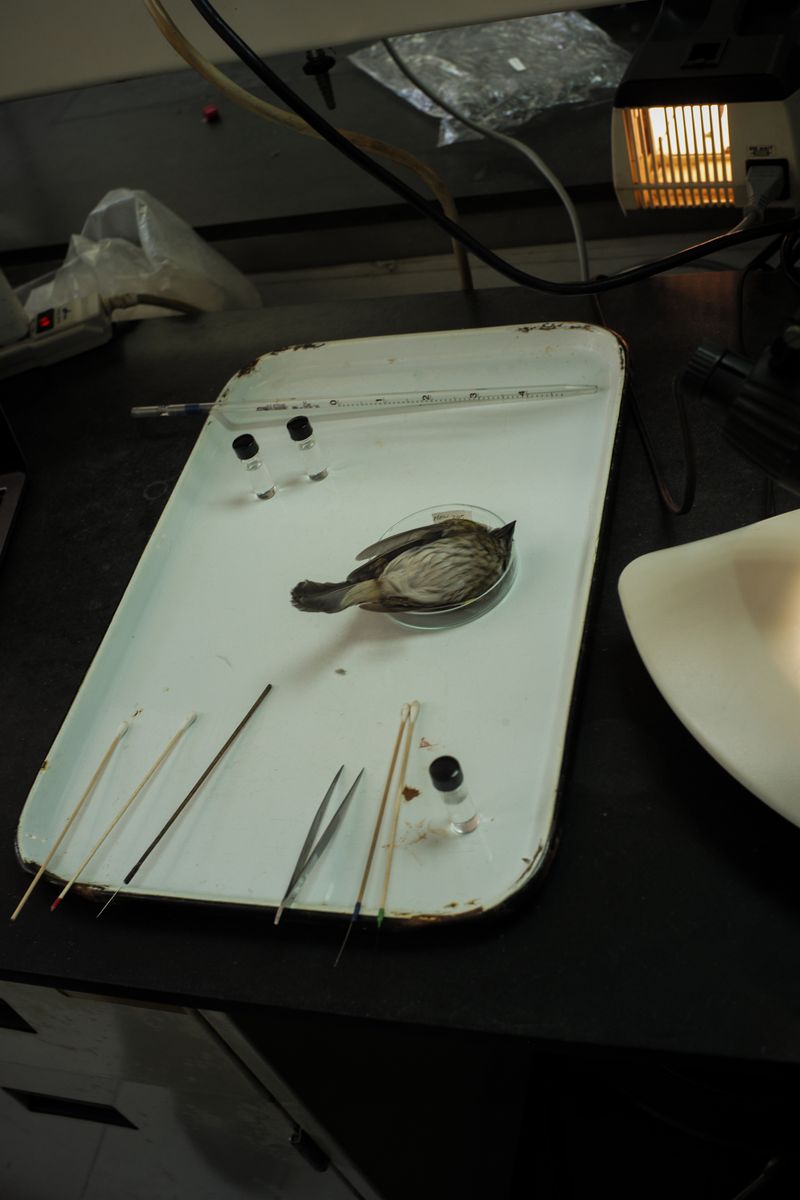
© Jose Menendez - Bird parasite collection with handmade preparation toolsFundación La Salle de Ciencias Naturales, Caracas, Venezuela, 2020
i

Bird parasite collection with handmade preparation toolsFundación La Salle de Ciencias Naturales, Caracas, Venezuela, 2020

© Jose Menendez - Cyanotype from preserved specimen, studio process, 2023
i

Cyanotype from preserved specimen, studio process, 2023

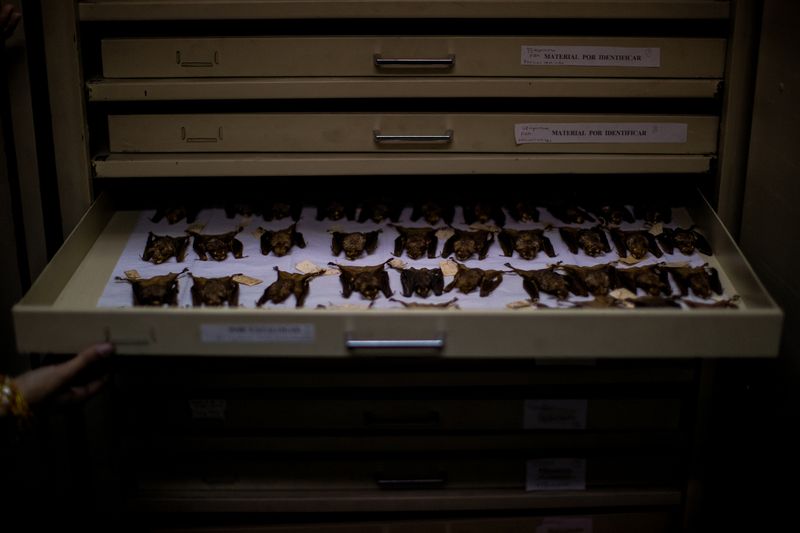
© Jose Menendez - Bats, Entomology drawer, Fundación La Salle de Ciencias Naturales, Caracas, Venezuela, 2020
i

Bats, Entomology drawer, Fundación La Salle de Ciencias Naturales, Caracas, Venezuela, 2020

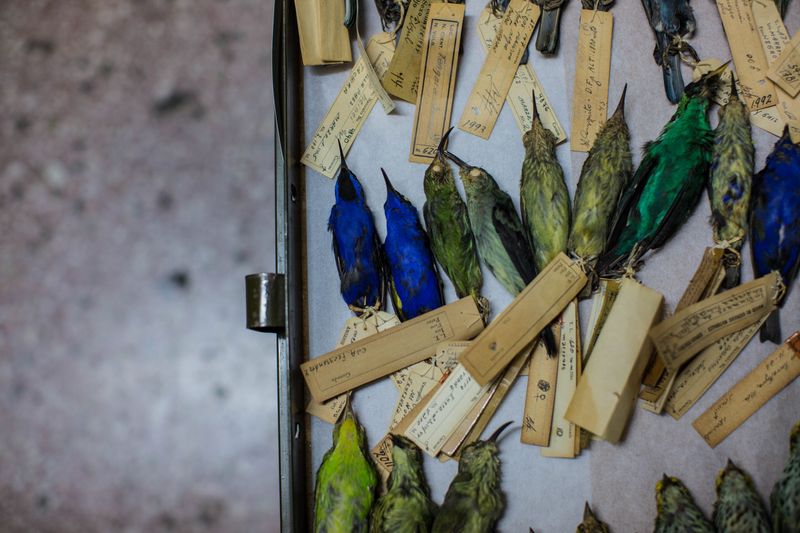
© Jose Menendez - Bird specimen drawer, Fundación La Salle de Ciencias Naturales, Caracas, Venezuela, 2020
i

Bird specimen drawer, Fundación La Salle de Ciencias Naturales, Caracas, Venezuela, 2020

© Jose Menendez - Image from the ¿Y donde esta la tierra? (and where did the earth go?) photography project
i

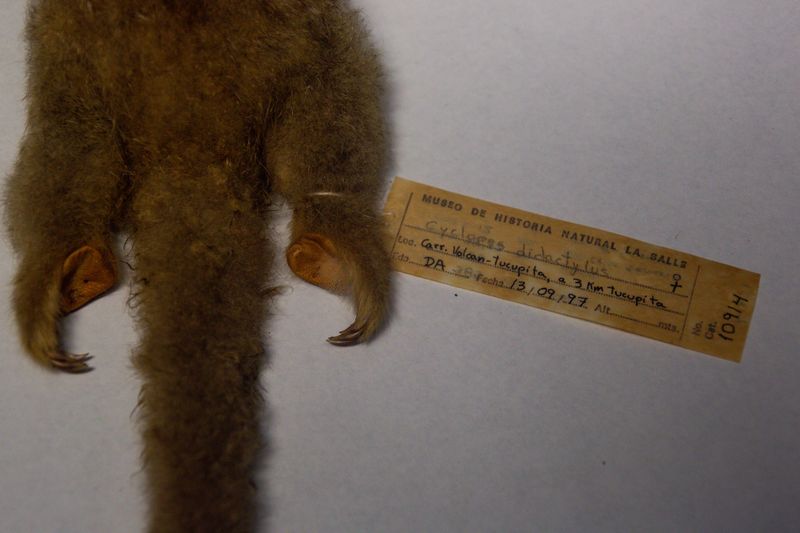
Cyclopes didactylus — single recorded specimen in collectionFundación La Salle de Ciencias NaturalesCaracas, Venezuela, 2020

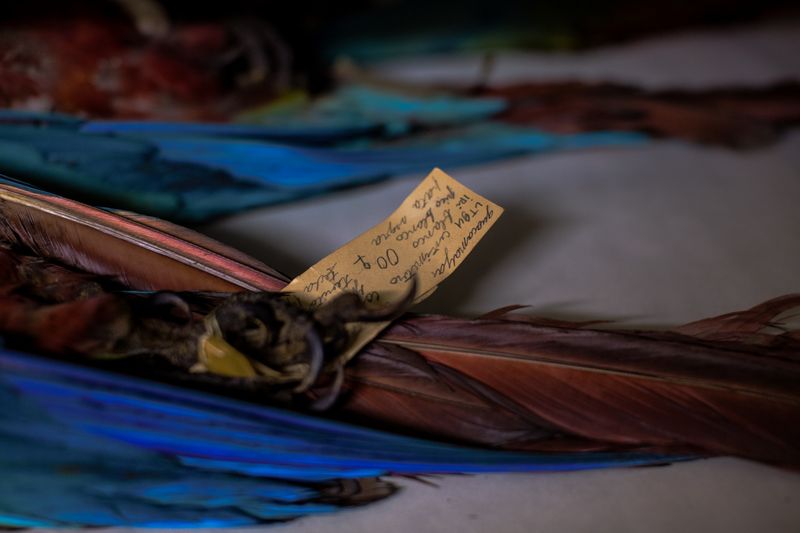
© Jose Menendez - Macaw specimen tagsDeposit of the Museo de Ciencias NaturalesCaracas, Venezuela, 2019
i

Macaw specimen tagsDeposit of the Museo de Ciencias NaturalesCaracas, Venezuela, 2019

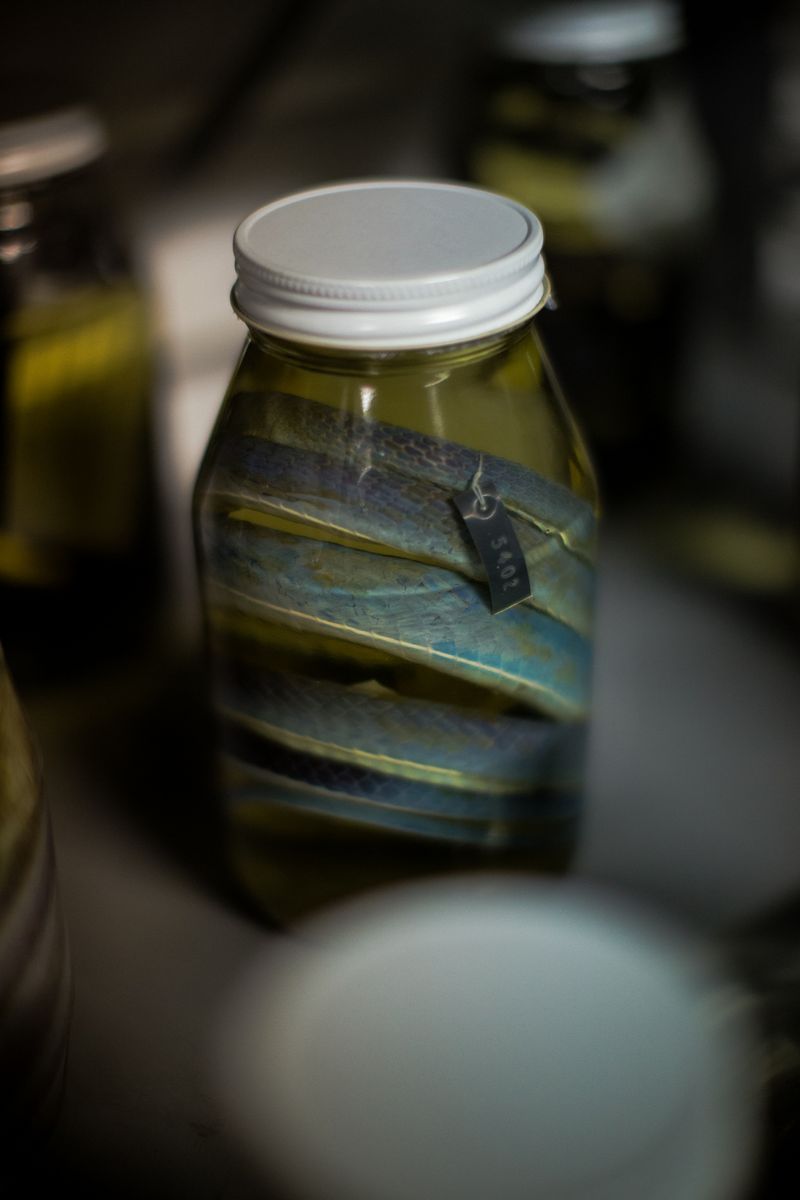
© Jose Menendez - Snake specimen, herpetology collectionDeposit of the Museo de Ciencias NaturalesCaracas, Venezuela, 2019
i

Snake specimen, herpetology collectionDeposit of the Museo de Ciencias NaturalesCaracas, Venezuela, 2019

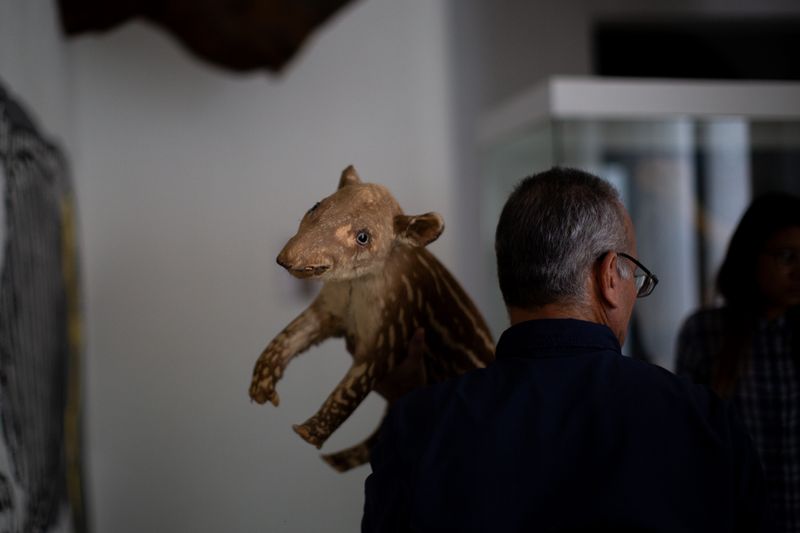
© Jose Menendez - New installation for tapir displayMuseo de Ciencias NaturalesCaracas, Venezuela, 2023
i

New installation for tapir displayMuseo de Ciencias NaturalesCaracas, Venezuela, 2023

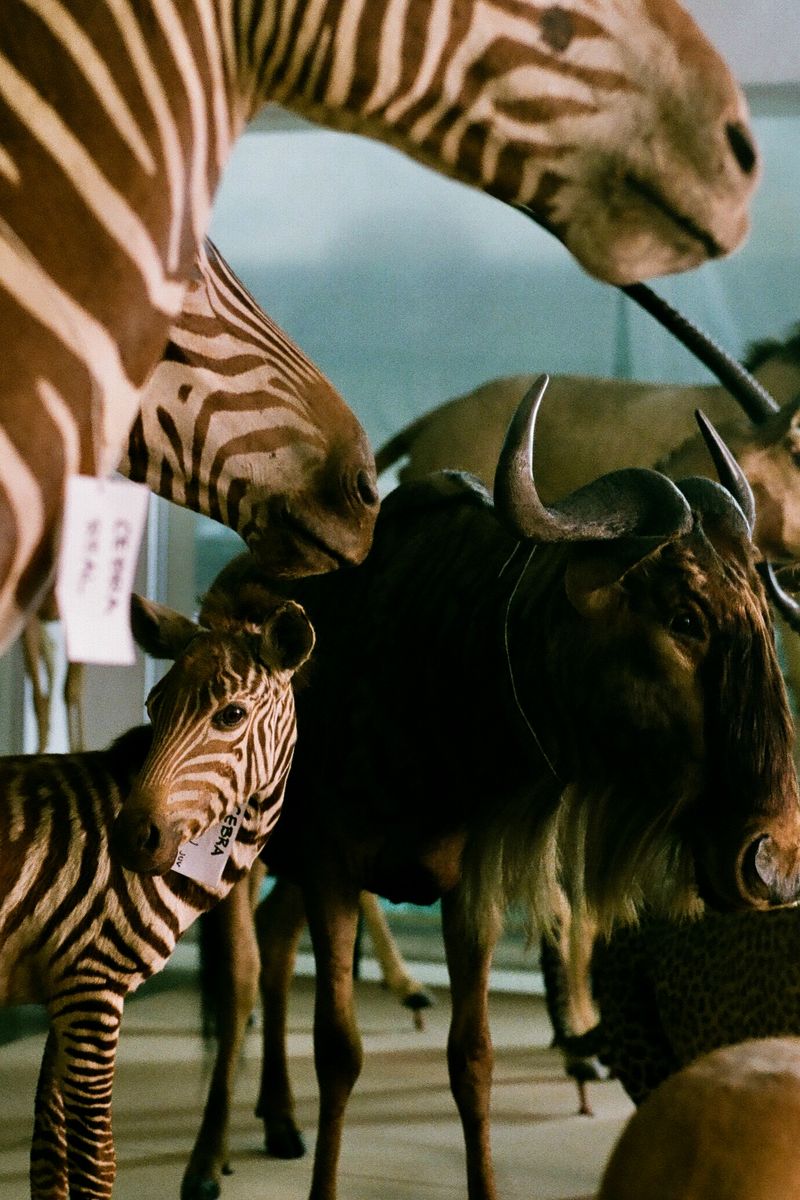
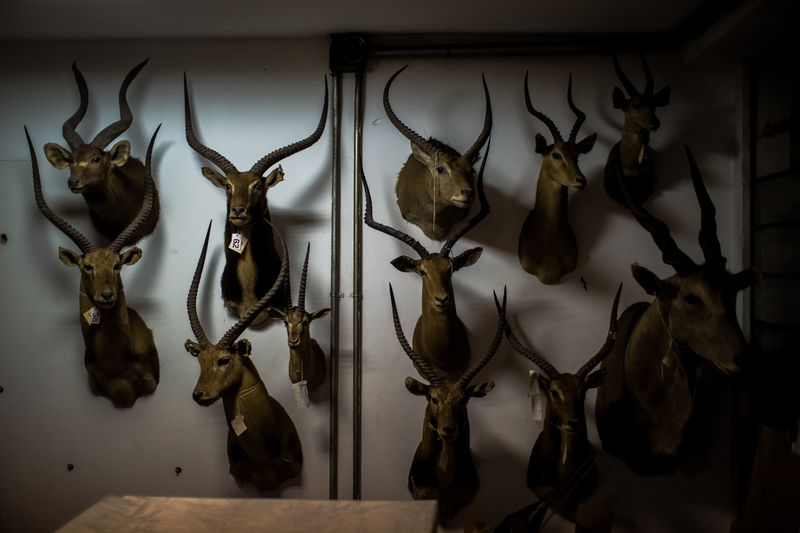
© Jose Menendez - African mammal trophy collection, donated specimensDeposit of the Museo de Ciencias NaturalesCaracas, Venezuela, 2019
i

African mammal trophy collection, donated specimensDeposit of the Museo de Ciencias NaturalesCaracas, Venezuela, 2019

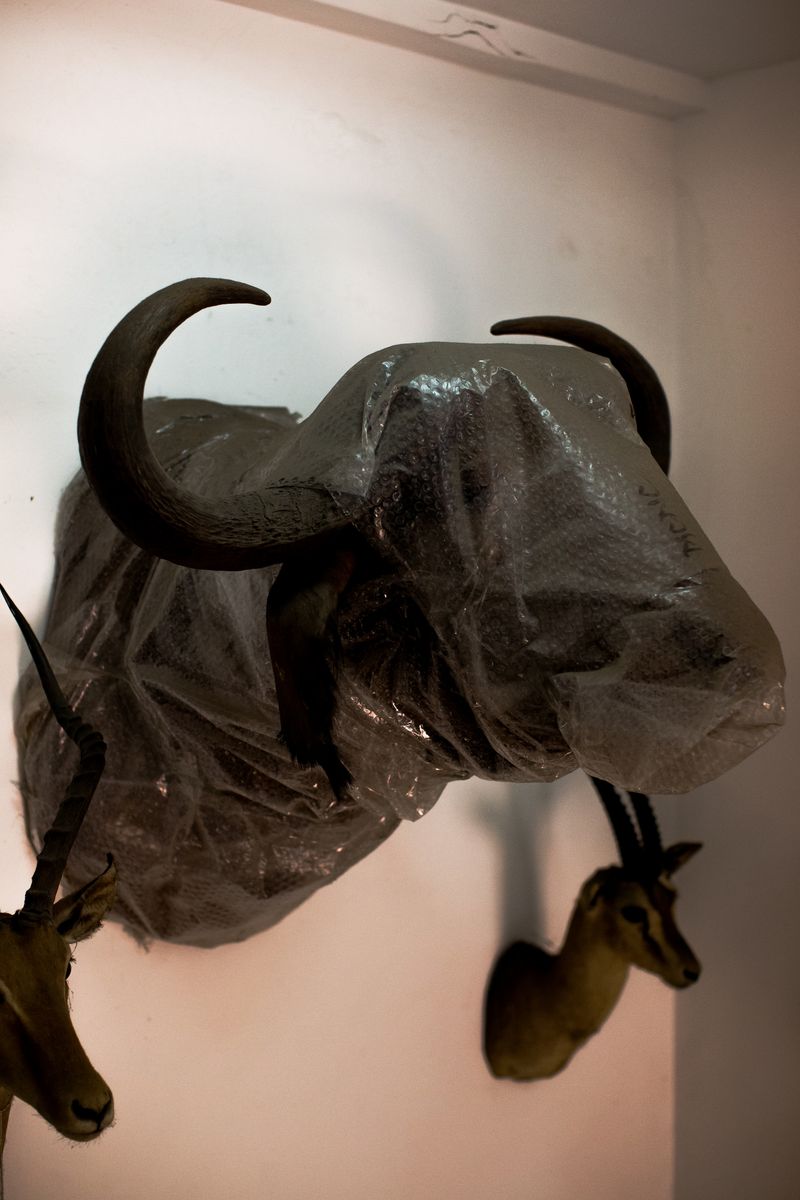
© Jose Menendez - Buffalo head, seized trophy specimenDeposit of the Museo de Ciencias NaturalesCaracas, Venezuela, 2019
i

Buffalo head, seized trophy specimenDeposit of the Museo de Ciencias NaturalesCaracas, Venezuela, 2019

© Jose Menendez - Horned mammal heads, seized trophy collectionDeposit of the Museo de Ciencias NaturalesCaracas, Venezuela, 2019
i

Horned mammal heads, seized trophy collectionDeposit of the Museo de Ciencias NaturalesCaracas, Venezuela, 2019

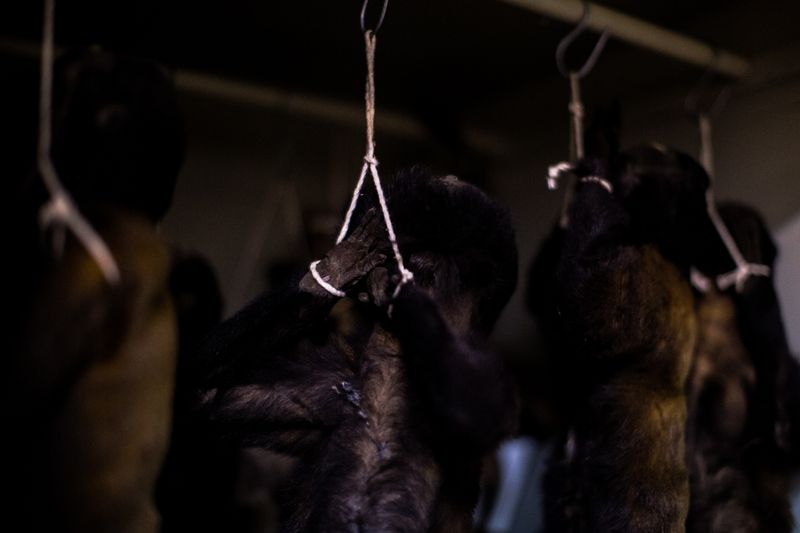
© Jose Menendez - Howler monkey peltsDeposit of the Museo de Ciencias NaturalesCaracas, Venezuela, 2019
i

Howler monkey peltsDeposit of the Museo de Ciencias NaturalesCaracas, Venezuela, 2019

© Jose Menendez - Baby mountain goatAmerican Museum of Natural HistoryNew York, NY, USA, 2018
i

Baby mountain goatAmerican Museum of Natural HistoryNew York, NY, USA, 2018