Woven Fates
-
Dates2020 - Ongoing
-
Author
- Location Accra, Ghana
"Woven Fates" is a photo reportage exploring the environmental and social impact of textile waste in Ghana. It focuses on local communities, especially the kayayei women, who bear the brunt of fast fashion's excess, highlighting resilience and injustice.
"Woven Fates" is a photo reportage that aims to explore the profound impact of textile waste pollution in Ghana and its far-reaching effects on the environment and local communities. Ghana has become a major importer of second-hand clothes, driven by fast fashion's relentless cycles and overconsumption in the Global North. The influx of these second-hand clothes in recent years, often referred to locally as "obroni wawu" or "dead white man's clothes," has created major implications for the country.
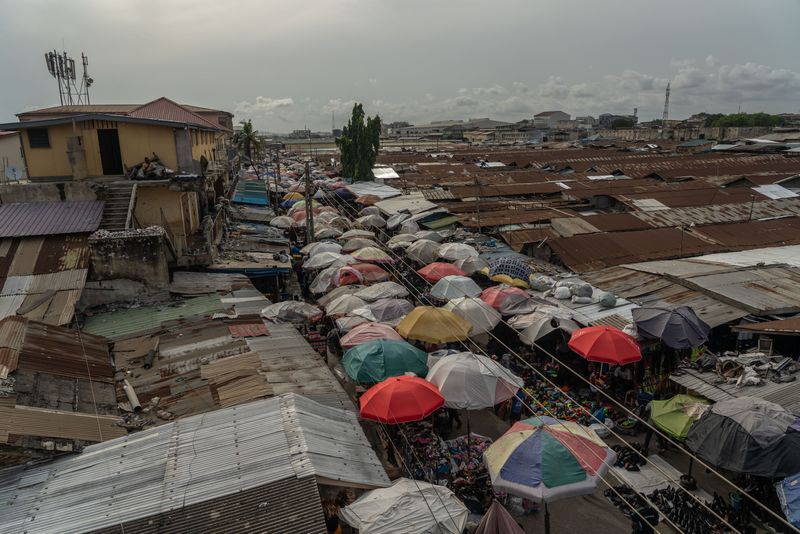
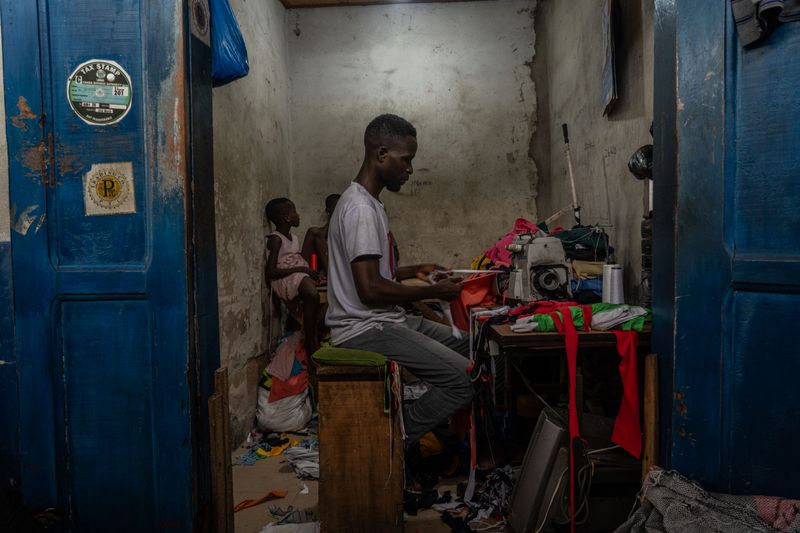
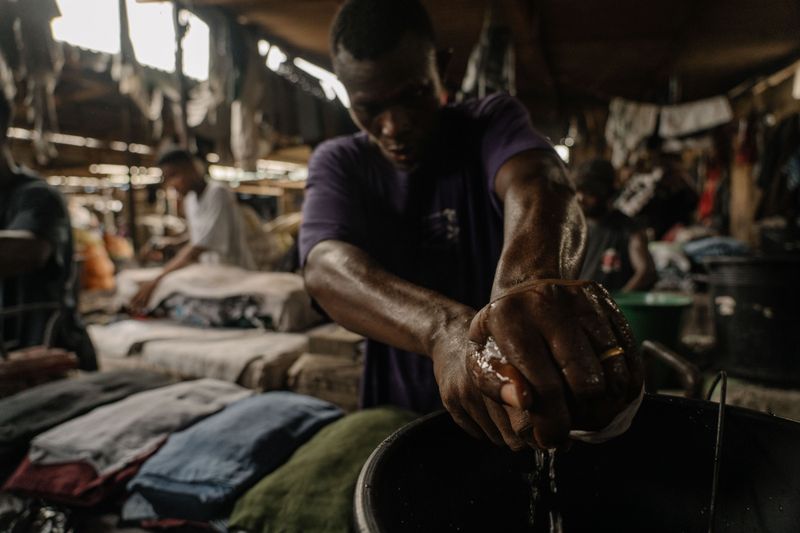
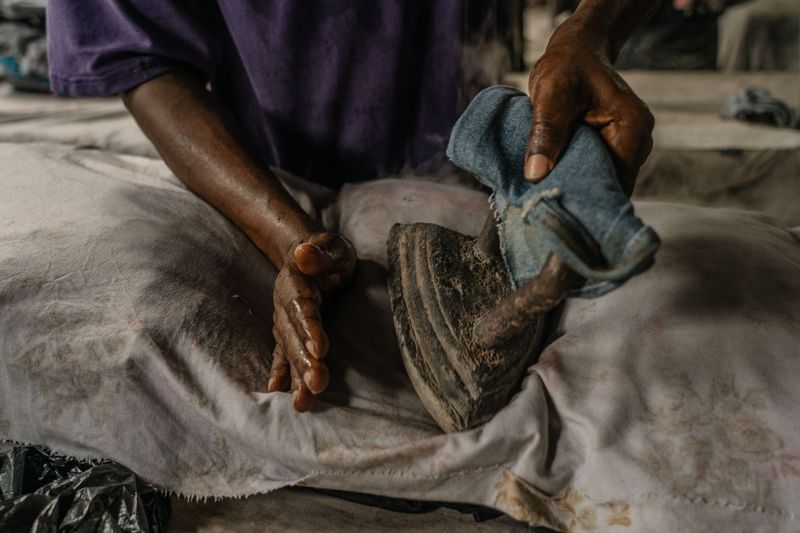
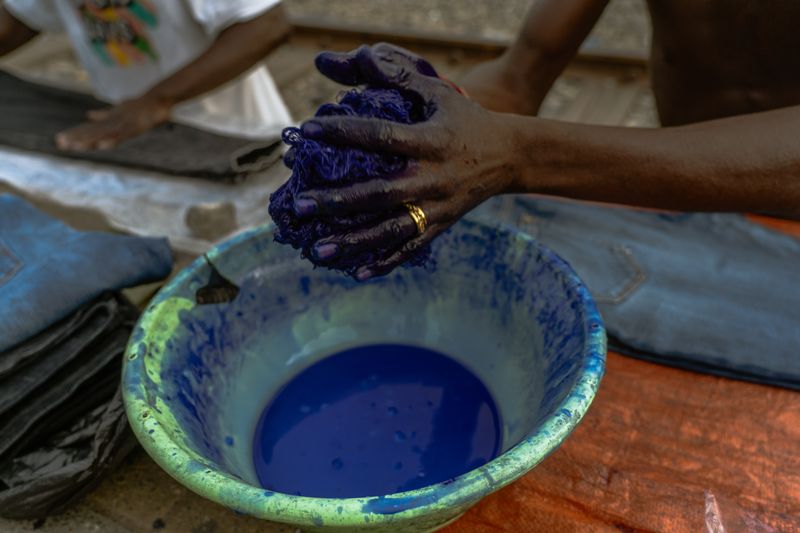
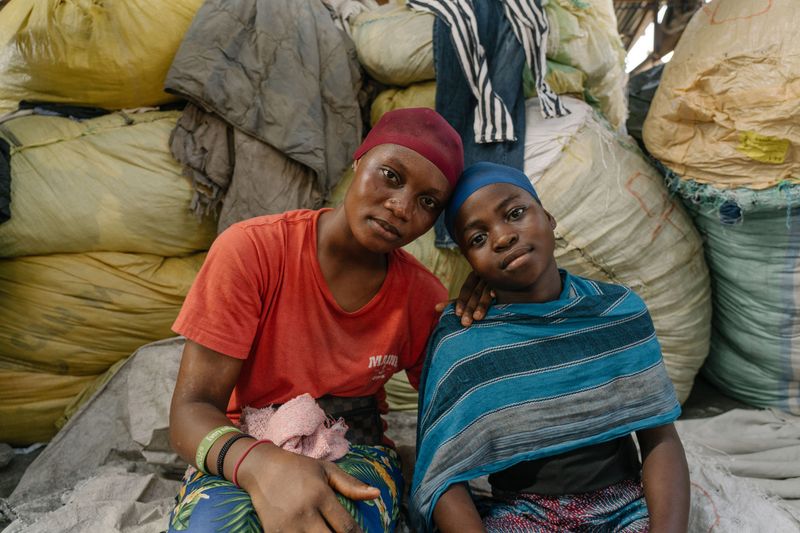
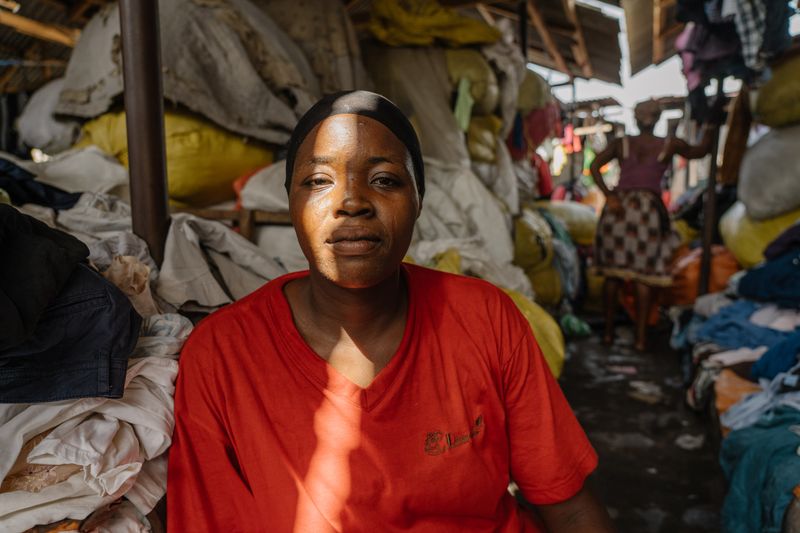
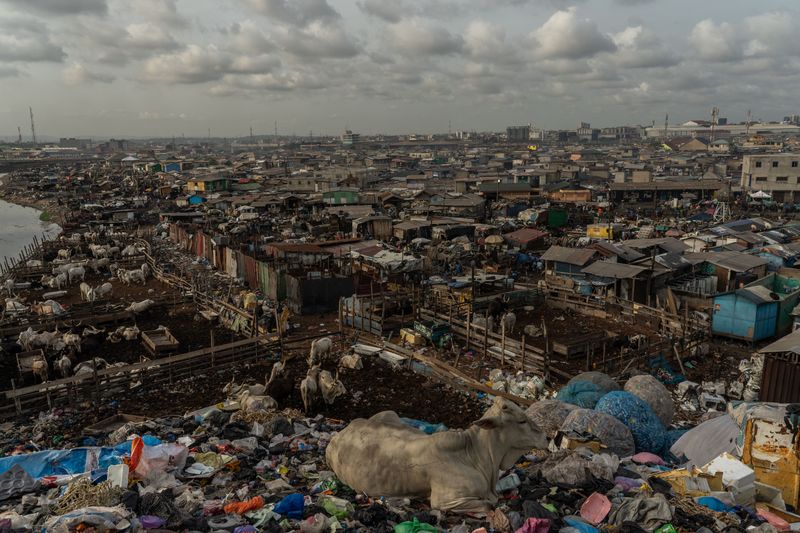
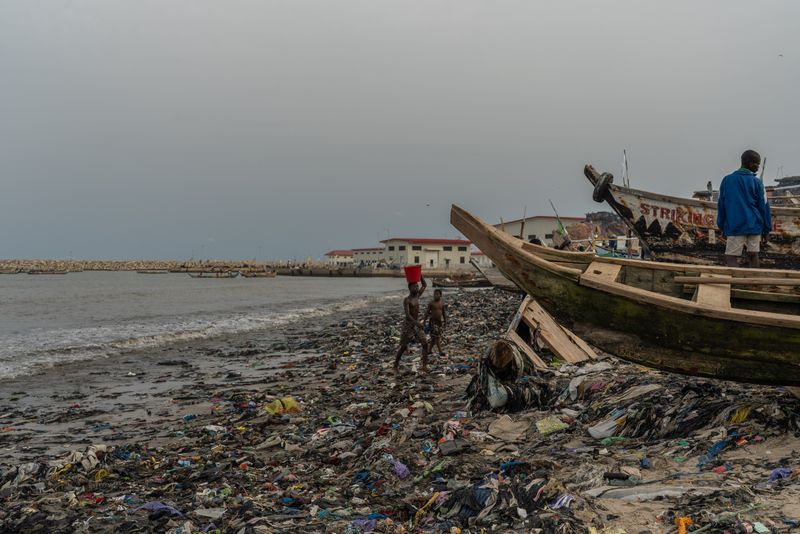
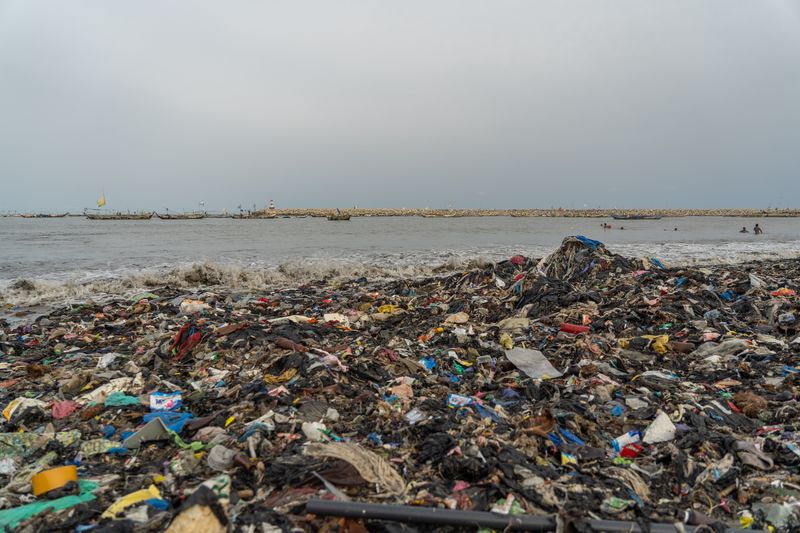
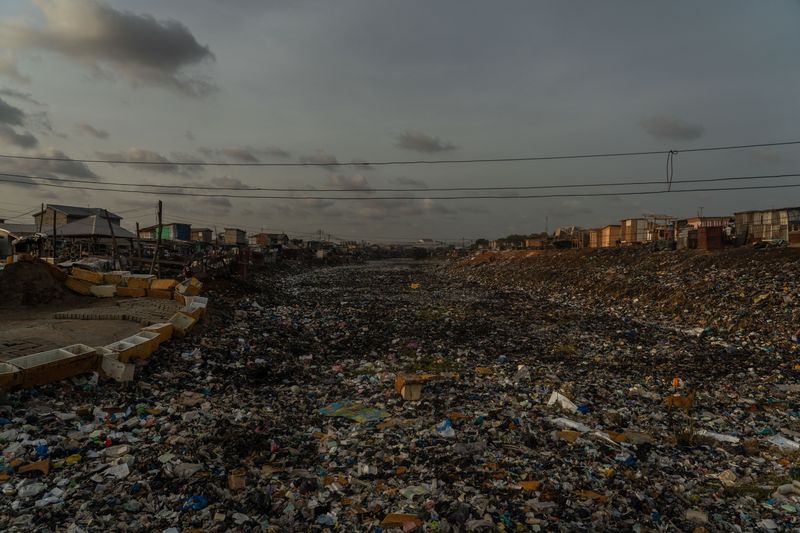
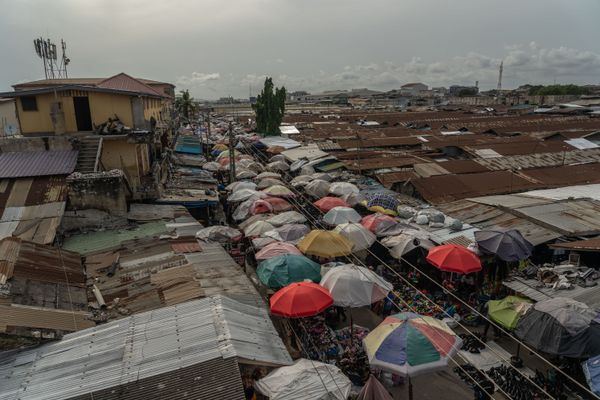
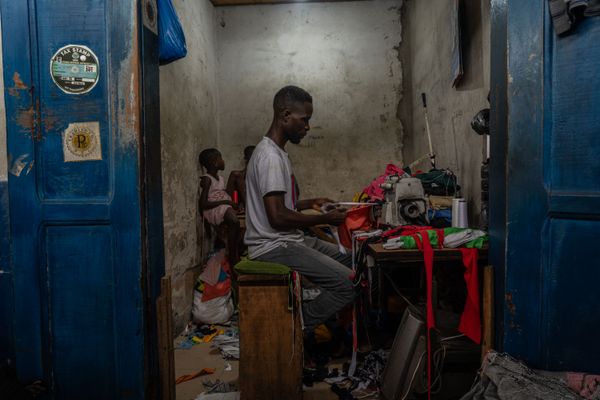
On one hand, Kantamanto market is a vital source of income for many traders, transporters, tailors and kayayei. It plays a crucial role in supporting a complex ecosystem of informal work and entrepreneurship. However, the environmental cost of this trade is severe. Ghana's waste management infrastructure struggles to handle huge volumes of textile waste. Much of the imported second-hand clothing is of low quality and quickly becomes waste, accumulating in landfills and coastal areas, and destroying marine ecosystems.
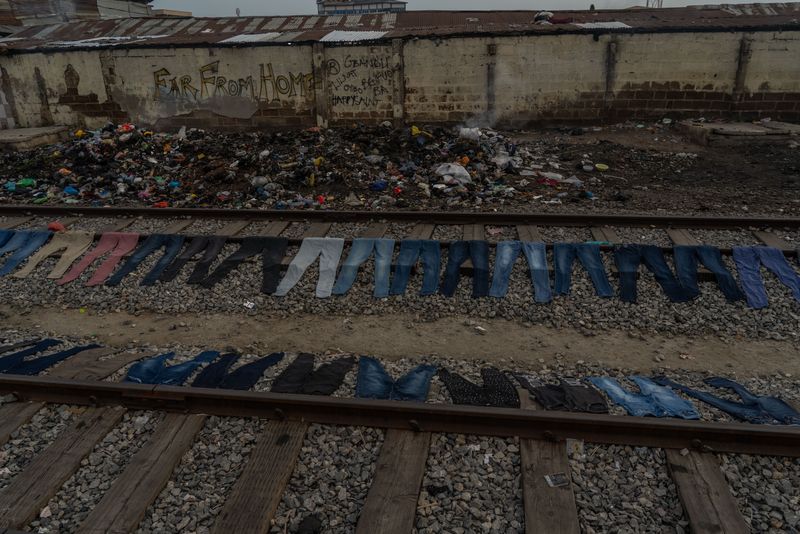
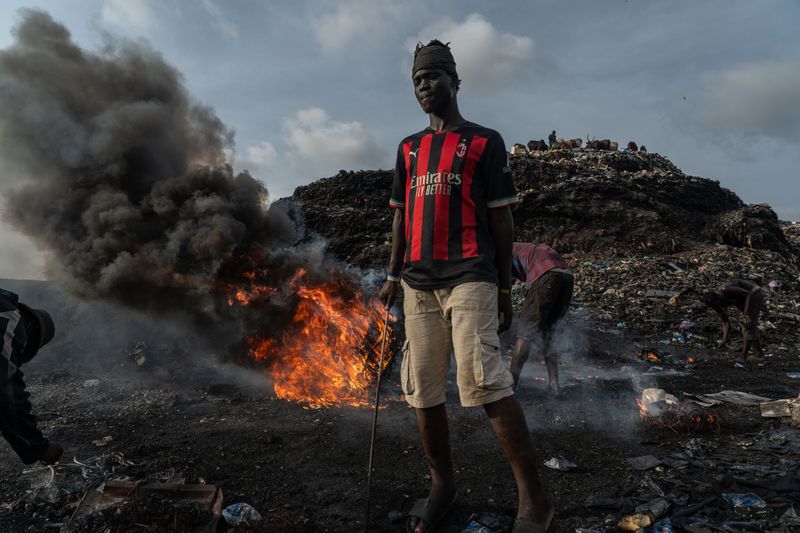
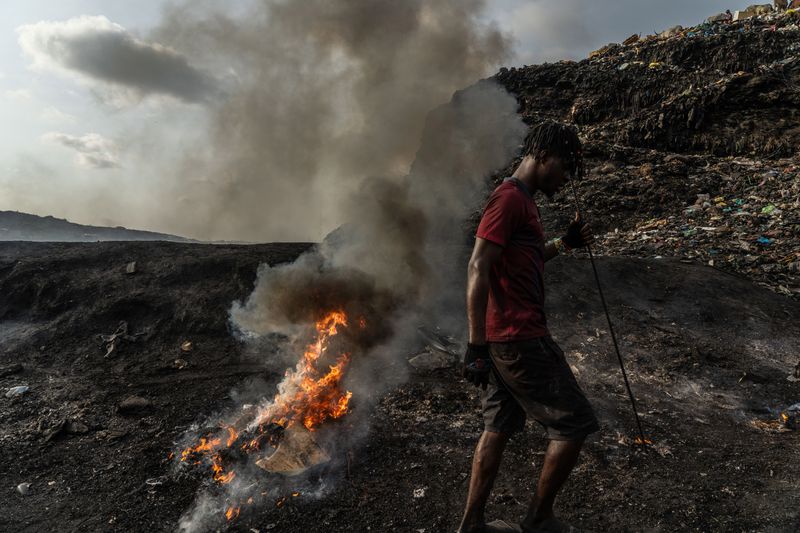
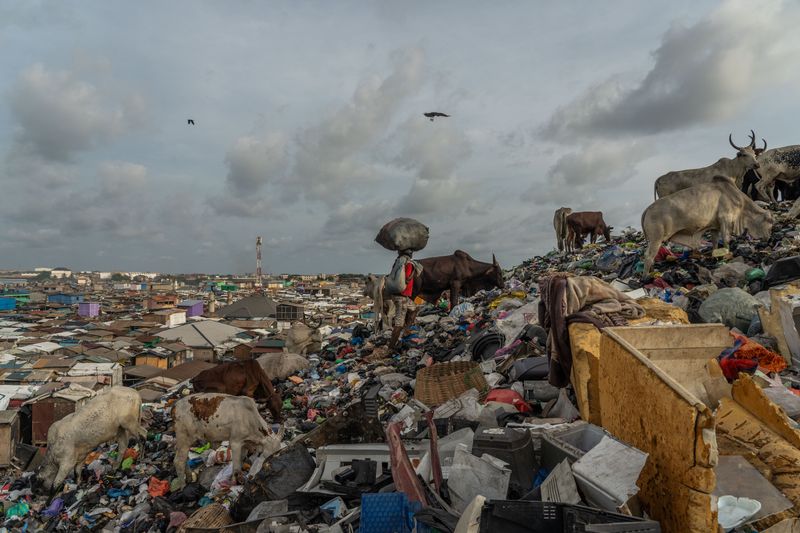
Accra’s largest slum, Agbogbloshie, often referred to by locals as ‘Sodom and Gomorrah, is one of the world’s largest e-waste dumping sites. In addition to electronic waste, Agbogbloshie also receives significant amounts of textile and plastic waste, exacerbating the area's pollution and making waste management and recycling efforts more challenging. The burning of e-waste in Agbogbloshie releases toxic chemicals, including lead and mercury, which contaminate the air, soil, and water. This leads to severe environmental pollution and creates hazardous living conditions for the local communities. Common health issues among residents and workers include respiratory problems, skin diseases, and long-term conditions such as cancer and neurological disorders.
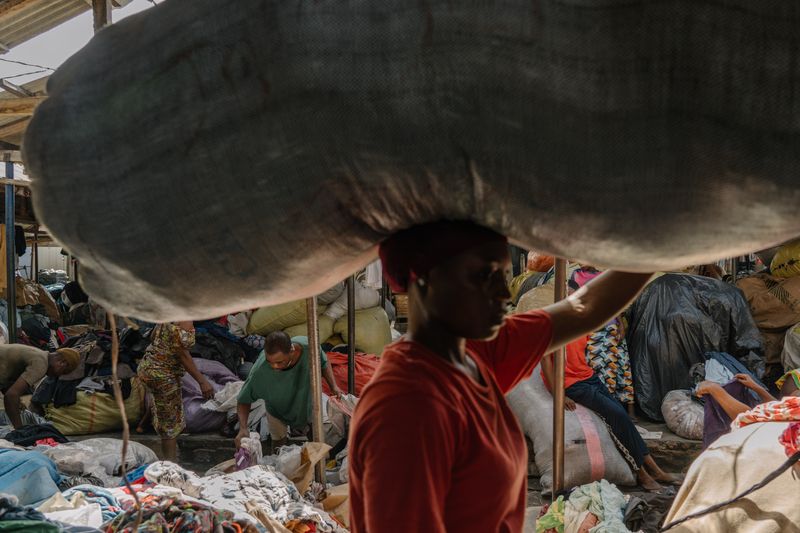
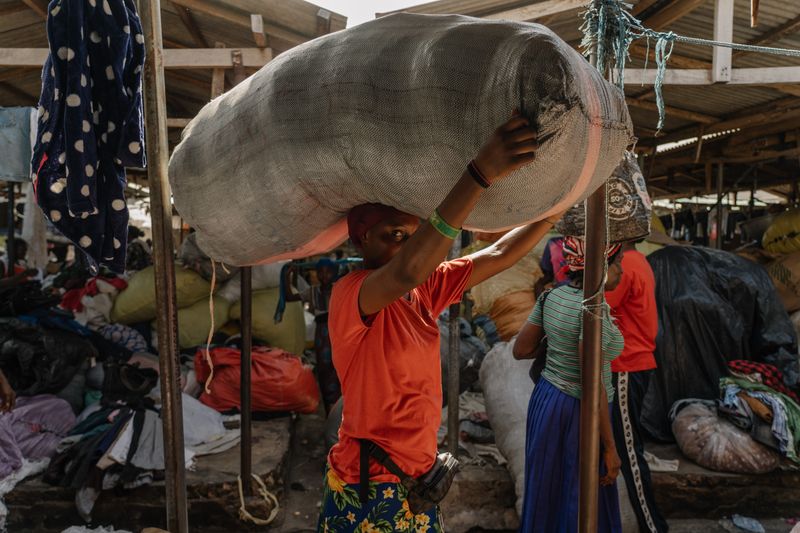
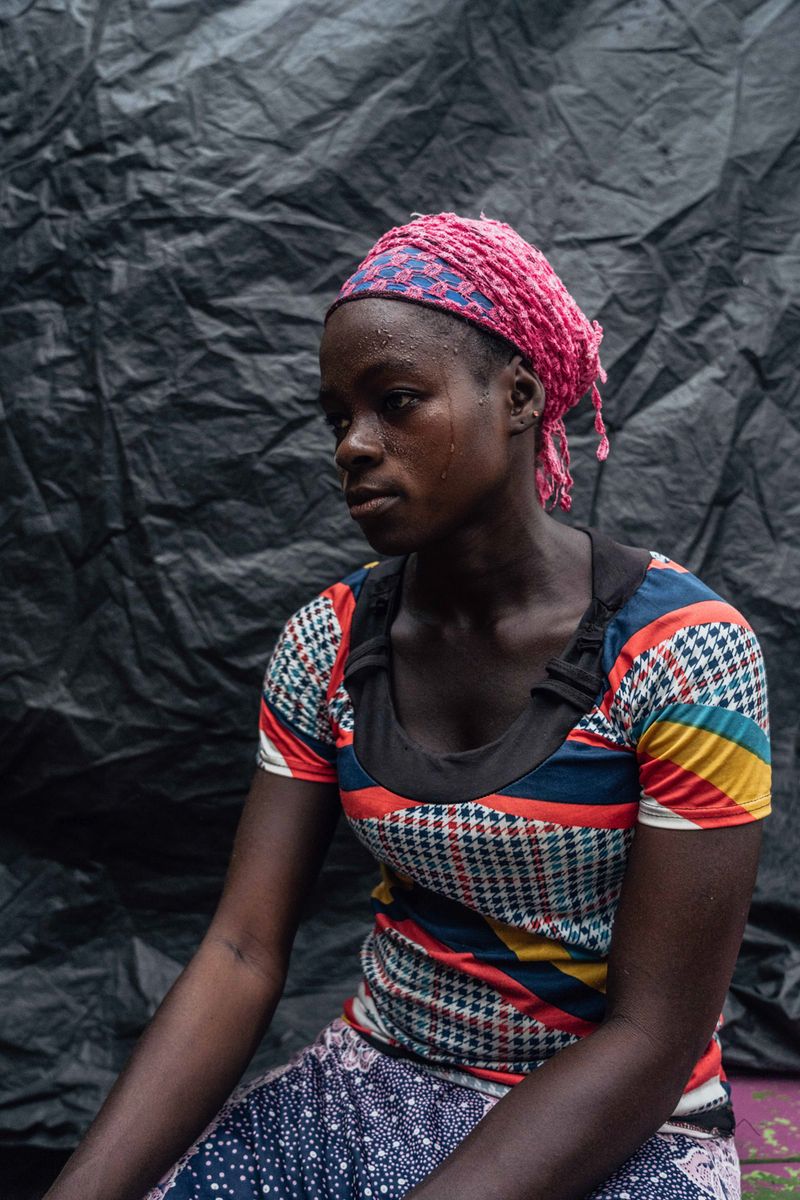
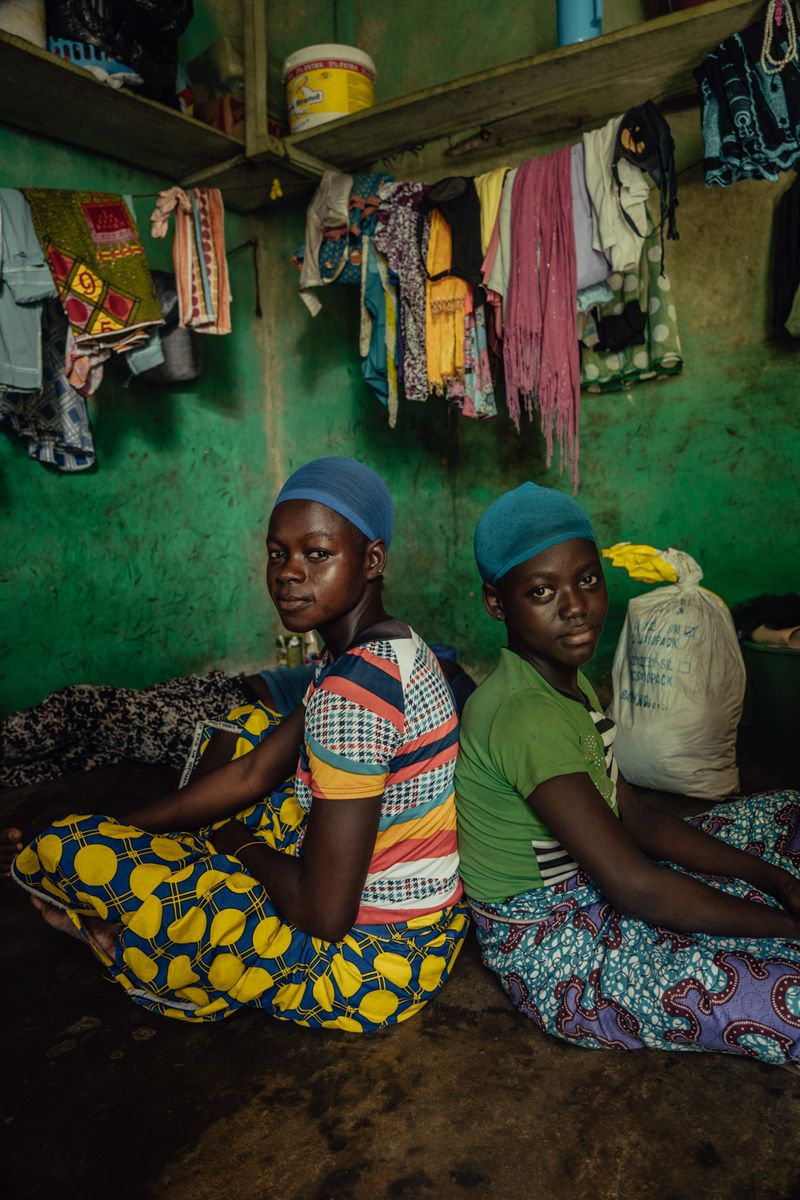
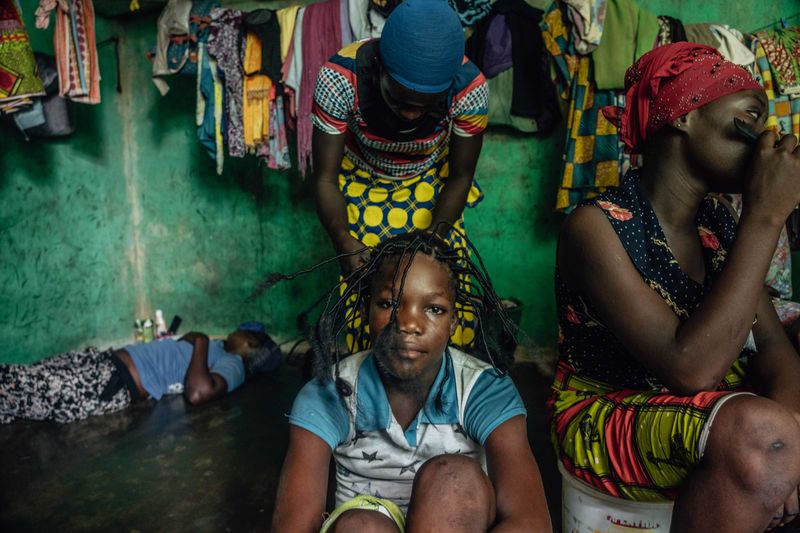
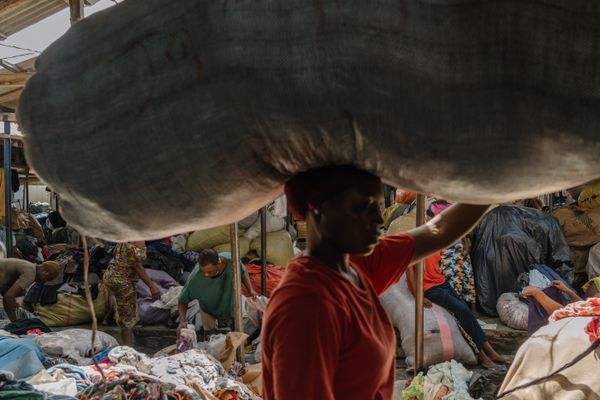
Due to climate change and prolonged droughts in northern Ghana, many young women migrate to Accra in search of employment opportunities. Under the sweltering sun, the kayayei spend long hours carrying heavy loads on their heads through Accra’s busiest market, earning only a few cedis (a few dollars) a day. Some kayayei carry bales as heavy as 55 kg, leading to severe injuries to their spines and necks. Often, they rely on over-the-counter painkillers to continue working despite the pain. The heavy bales of second-hand clothes they carry symbolize the broader socio-economic burdens they endure, including financial hardship, gender inequality and urban poverty.
Whether it’s dumping e-waste or textile waste, the recurring narrative highlights environmental injustice, with the Global South disproportionately bearing the pollution and health hazards caused by the consumption patterns of the Global North.