Whispers of the Amazon: The Last Voices of the Sapara Nation
-
Dates2024 - Ongoing
-
Author
- Location Ecuador
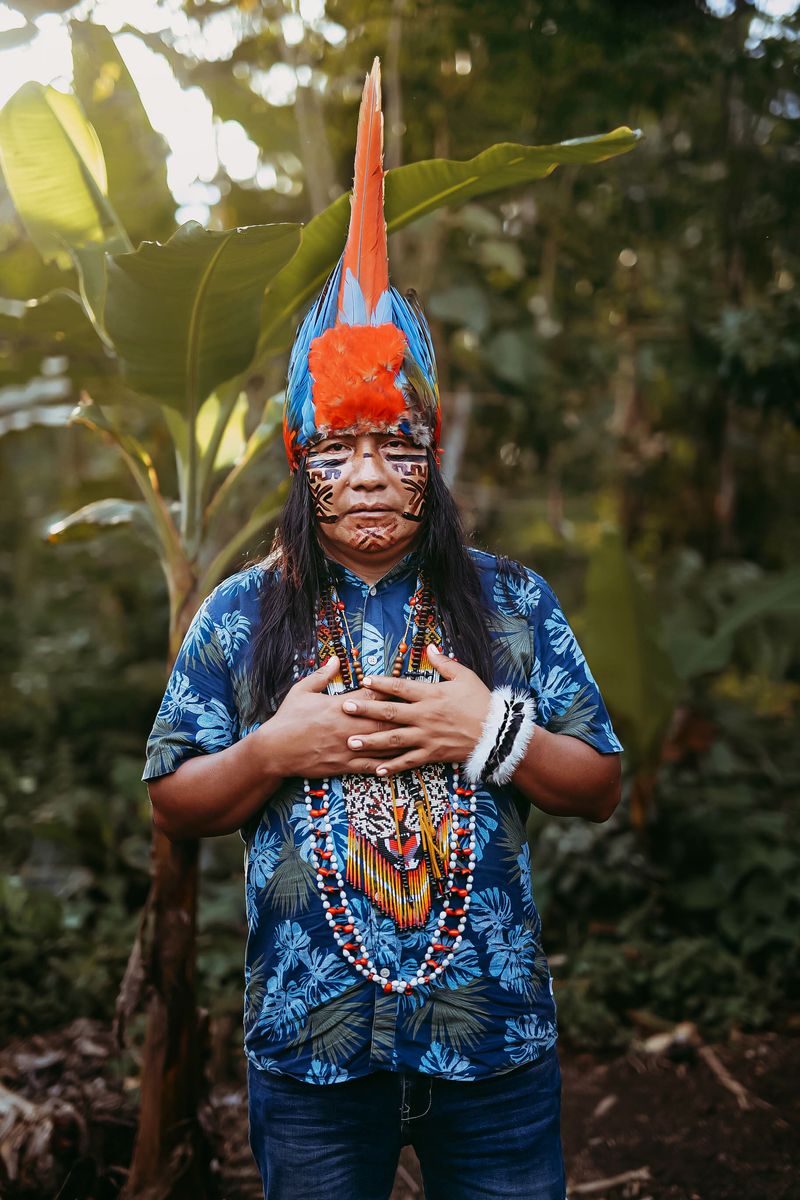
What are Indigenous peoples supposed to look like? Whispers of the Amazon: The Last Voices of the Sapara Nation exists because we have been answering that question for them for too long.
Whispers of the Amazon: The Last Voices of the Sapara Nation
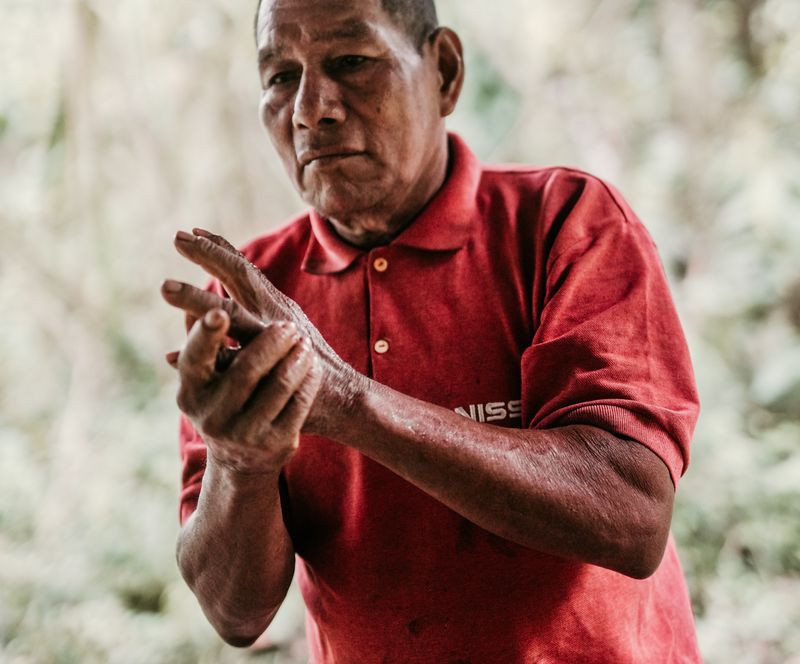
When I asked them their names, some could not remember. The government had issued them other names.
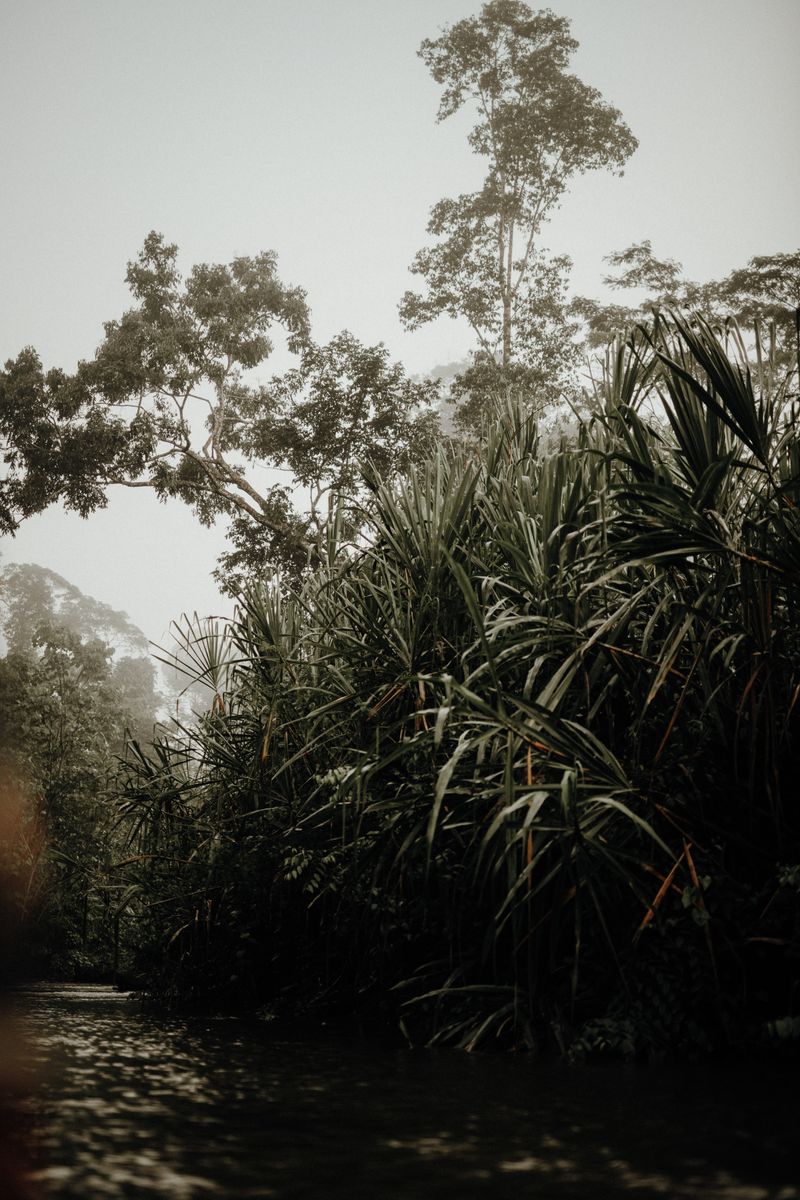
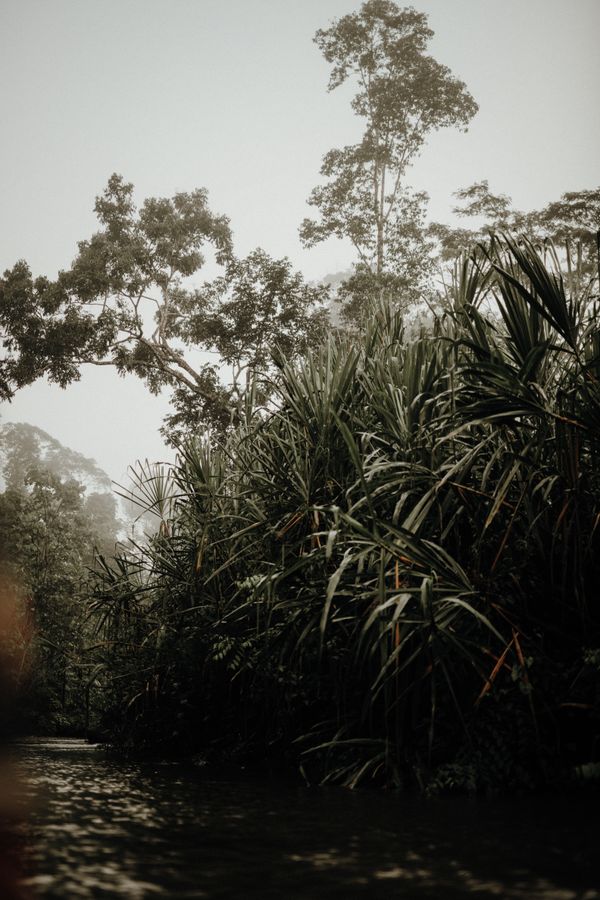
The Sapara are fewer than 700 people living in Pastaza Province in the southeastern Ecuadorian Amazon. Only three elders still speak their language fluently. They steward over 900,000 acres of rainforest, a cosmology rooted in dreamwork, ecological reciprocity, and the understanding that the forest is not a resource but a relative. UNESCO has recognized their oral and intangible heritage as a Masterpiece of Humanity.
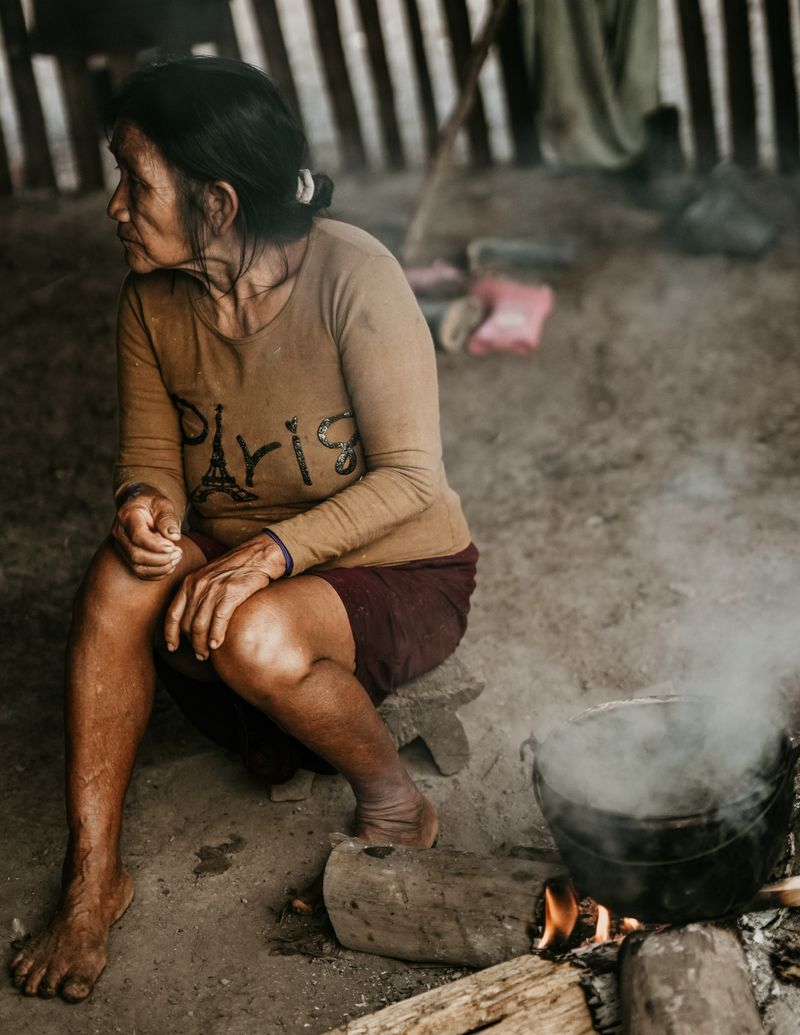
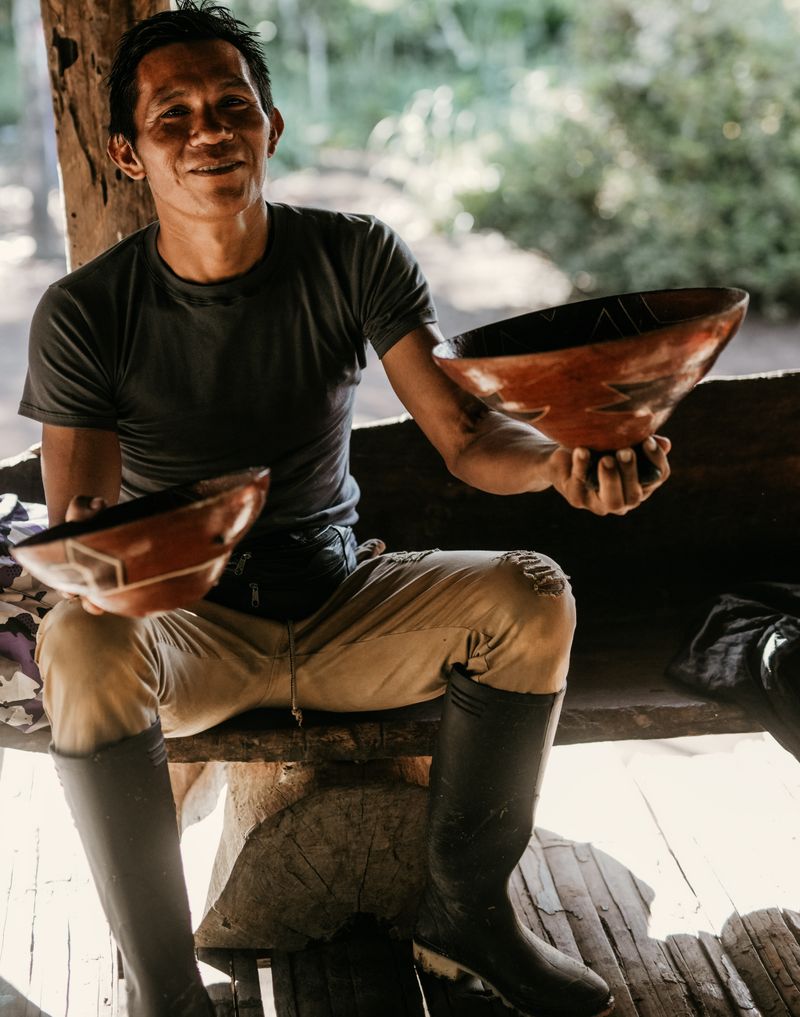
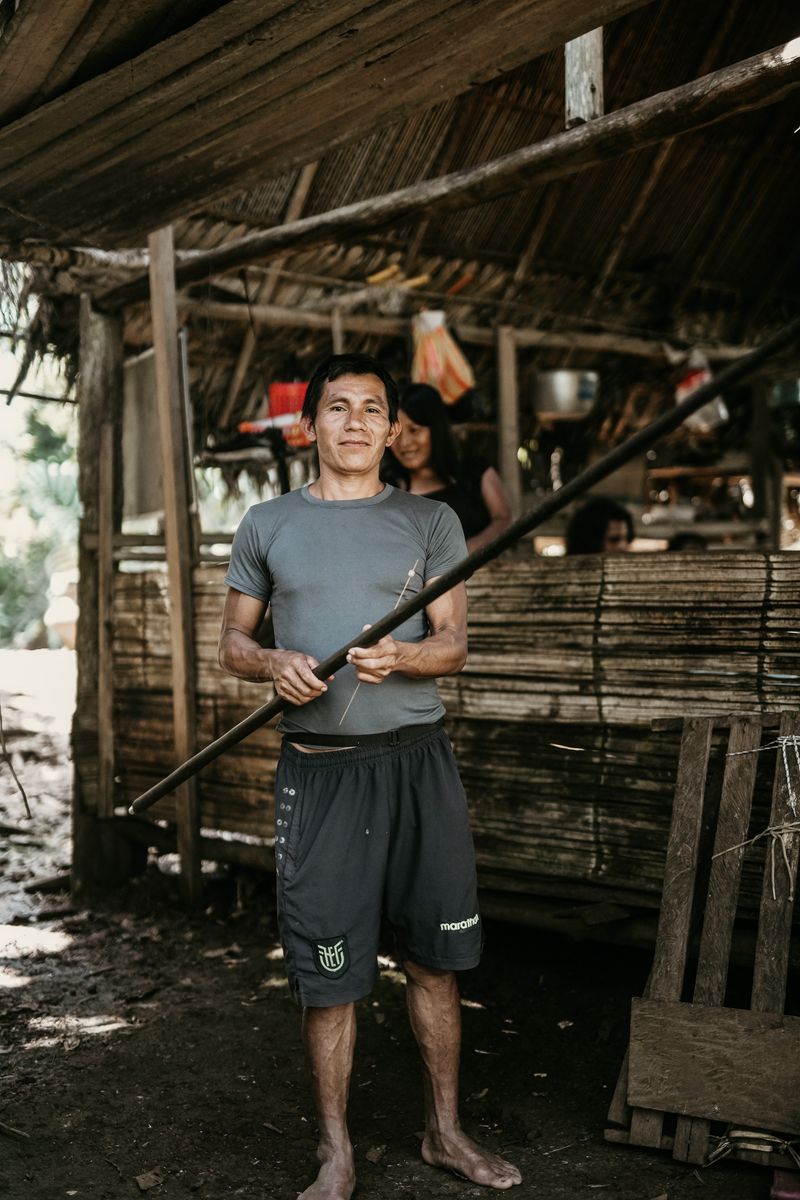
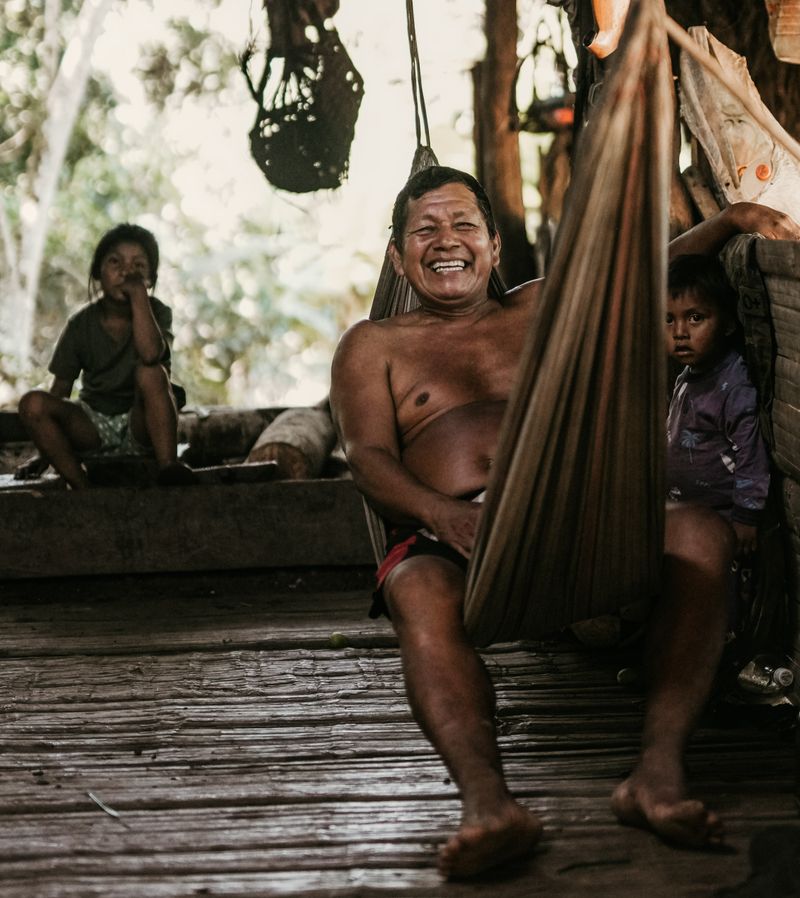
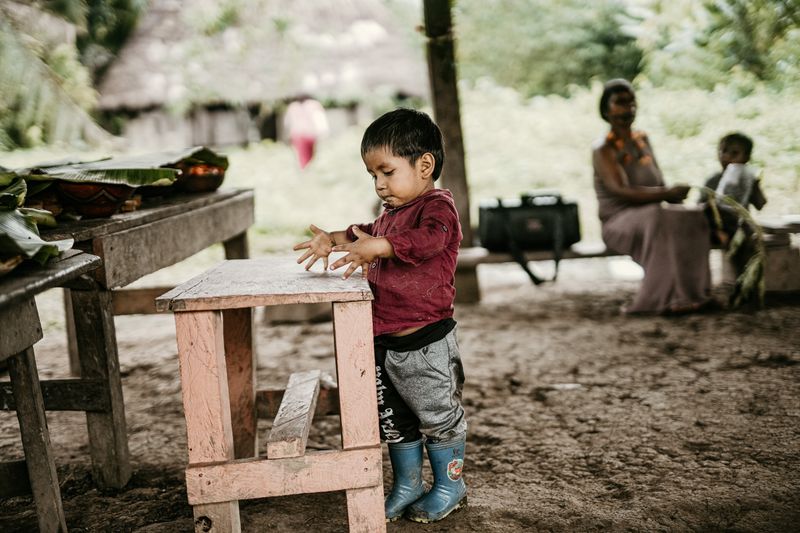
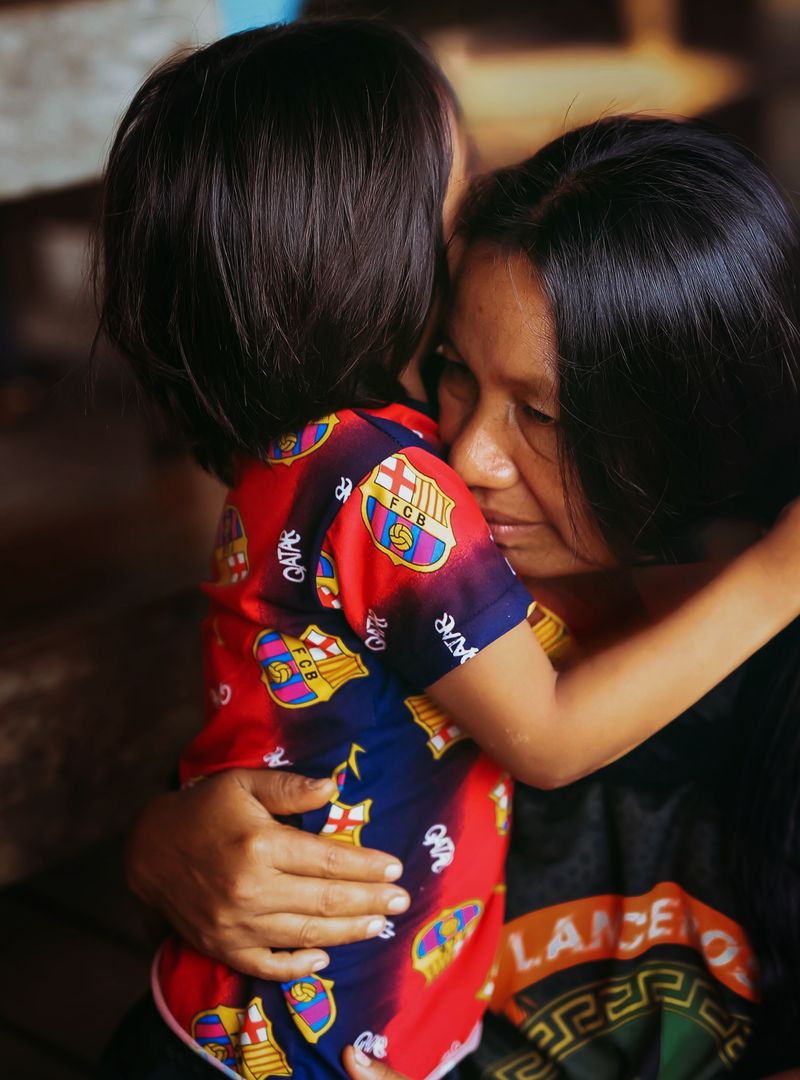
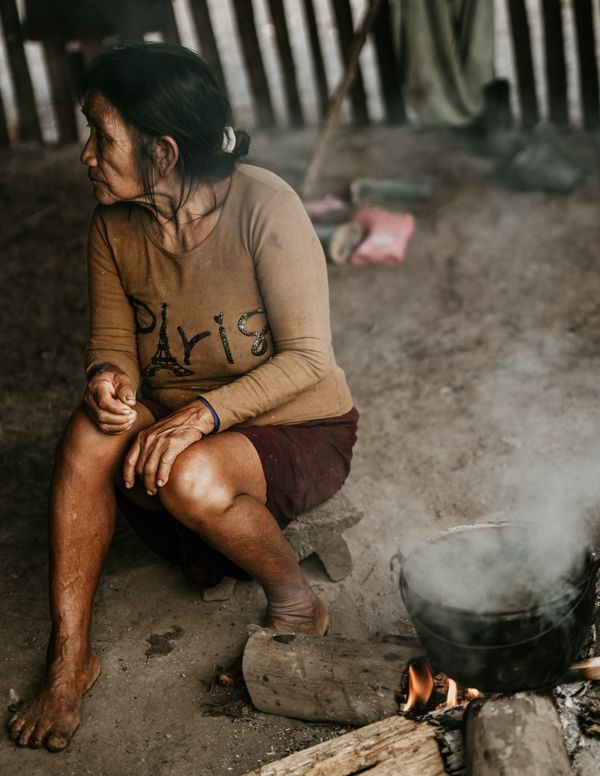
And yet when photographs of them circulate in the world, the question still gets asked: are they really from the Amazon? Because there is a Paris shirt. Because phones are beginning to arrive at the edges of the community. Because the children are now being taught from a Western curriculum that has no word for the kind of knowing that passes between a person and a river.
This is what the Western gaze has done. It has decided what Indigenous peoples are supposed to look like — and anything that falls outside that image becomes suspect. The feathers. The ceremony. The untouched. That is the only story it has wanted to tell.
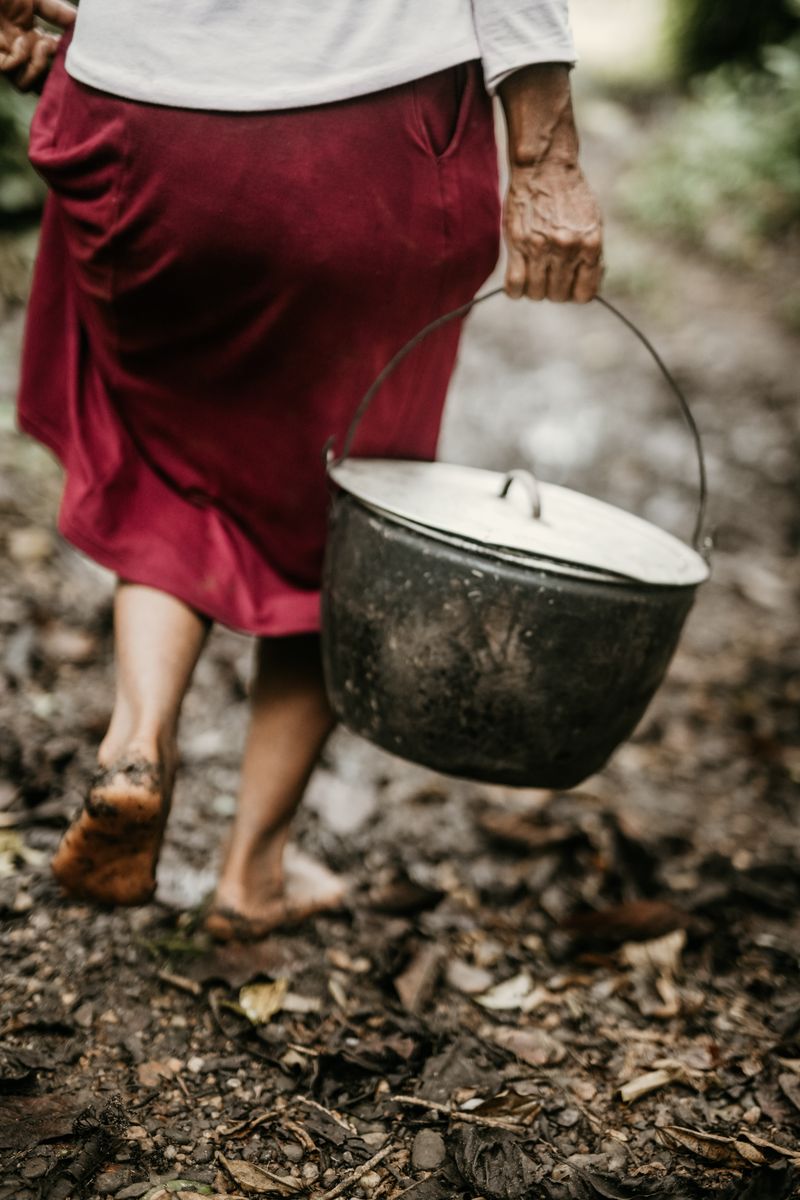
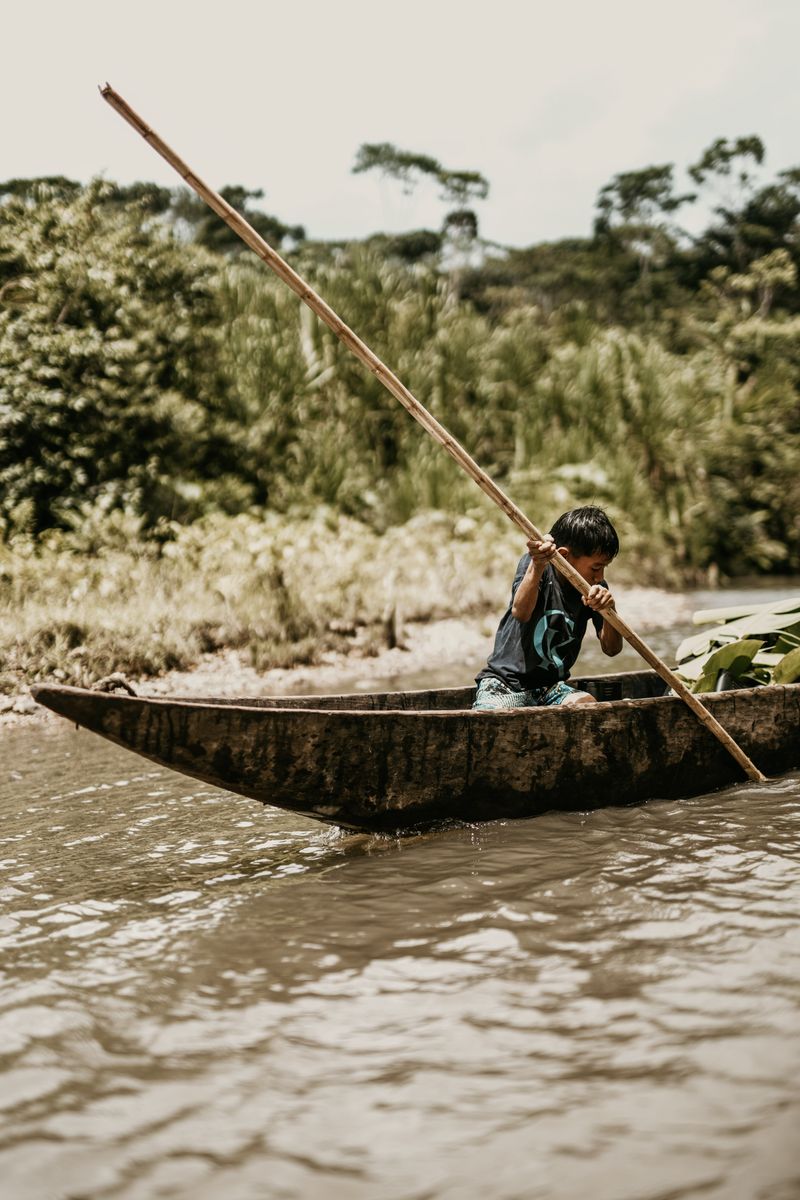
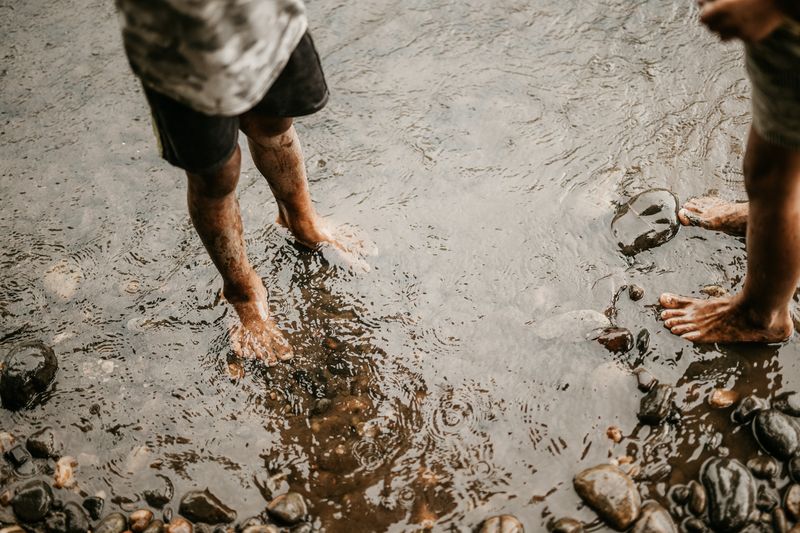
Manari Ushigua, Sapara spiritual leader, says his people do not understand money or consumerism because they have never lived inside that relationship. Every ordinary day is made in relationship with all living beings, the plants, the animals, the water, and the dream. That is what no photograph has shown. Not because it is invisible, but because no one has thought it worth framing.
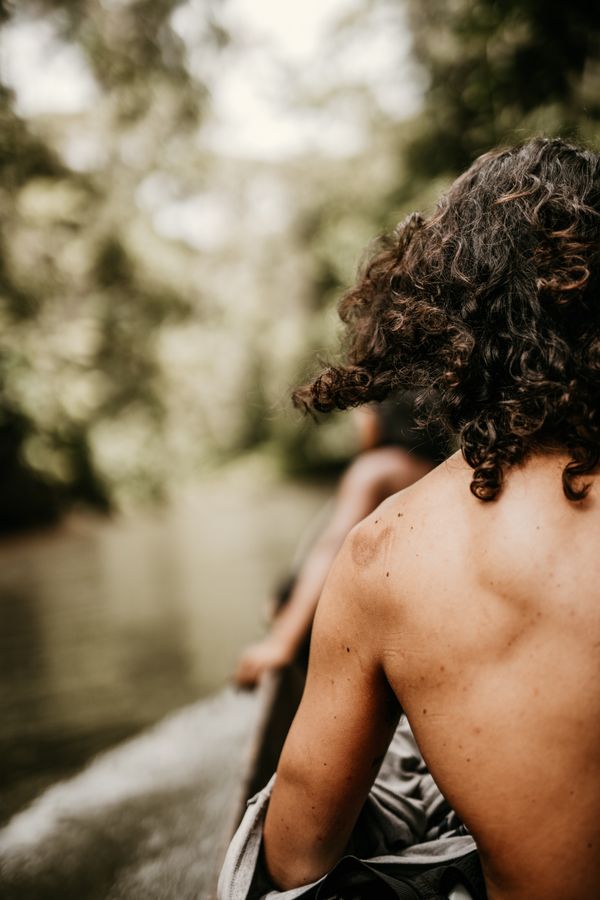
At Manari's invitation, I entered this work not as an observer but as a participant, guided by listening, permission, and ritual. What began as documentation has grown into an ongoing relationship and a living archive of what is being lost, what is persisting, and what the camera has never thought to show.
I could see what others had missed because I know this wound from the inside. I am a Mapuche woman in the process of my own cultural reclamation. I know what it costs when a person is told their name is not the right one, and their way of moving through the world must make room for another. I went to the Amazon and recognized that cost in someone else's present.
Their world is under immediate threat. Oil extraction continues to encroach upon Sapara territory, endangering one of the most biodiverse regions on Earth and threatening a worldview that has tended it for thousands of years. The Western world does not arrive all at once; it infiltrates slowly. A government-issued name. A school curriculum. A screen at the edge of the village.
Whispers of the Amazon is a visual prayer and an act of remembrance, a commitment to photography as an ethical and relational practice that moves beyond representation toward accountability.
We have been deciding what Indigenous peoples should look like for too long. This project listens instead.