What grows from the things you've lost?
  • Dates
    2025 - 2026
  • Author
  • Topics Contemporary Issues, Nature & Environment, Documentary, Archive
  • Locations Belgium, Latvia

"What grows from the things you’ve lost?" is a conceptual work reflecting on the fragmented kinship of Jays and Latvians, shaping its natural landscape and identity.

The whisper of a Jay bird echoes through a barren Latvian landscape.

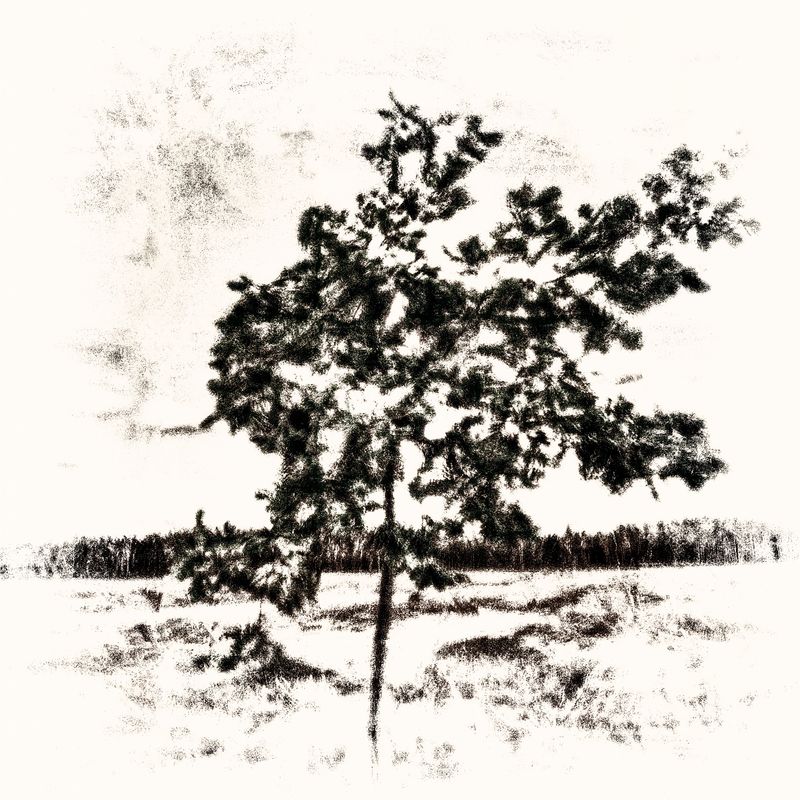
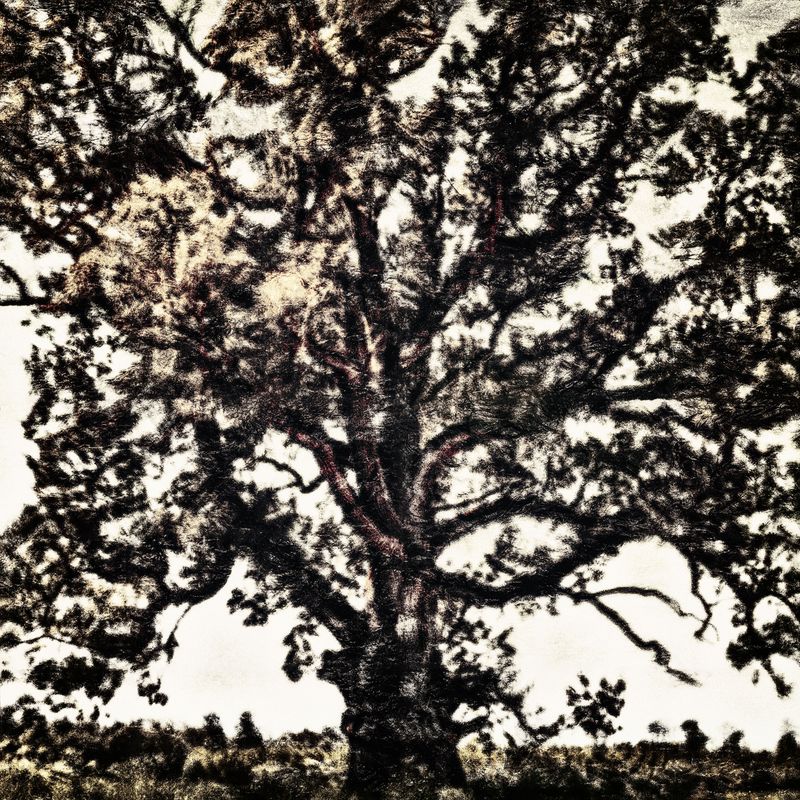
In a space many would overlook, artist Kenny Ros noticed the silent strength and resilience of Latvian monumental oaks – trees that have kept growing through centuries of storms and wars. As strength and resilience fades away from the artist’s body – suffering from a progressive muscle disease – he has found solace in identifying himself with the most decaying and senescent oaks along his path.

In the short film the artist juxtaposes the lonesome giants with the fragile, small and quick jay birds – the natural spreaders of acorns, serving as an analogy to Latvians themselves – carrying out the work of the birds by planting 100 oak trees across the country’s border during the centennial festivities.

Through extensive research using archive materials, interviewing locals and exploring Latvia on many field trips, Kenny commemorates the national heritage oaks. Combining photography, installations and audiovisual works, the exhibition preserves the memory of the sacred trees and carries over the sublime feeling of interacting with the monumental oaks. Transcending the limits of space and time we get to experience the cycles of creation and decay that take many human lifetimes to witness in nature.

Using curtains and veils the exhibition hints at the mysteries of Latvian folklore held by the ancient oaks and invites us to see these natural monuments in a different light. By removing the trees from their natural habitat and contrasting them with earth-toned monochrome, the focus shifts towards the abstract and creates a space for intuitive reflection.

Text written by Anna Dvinska, freelance writer and collaborator from Latvia.

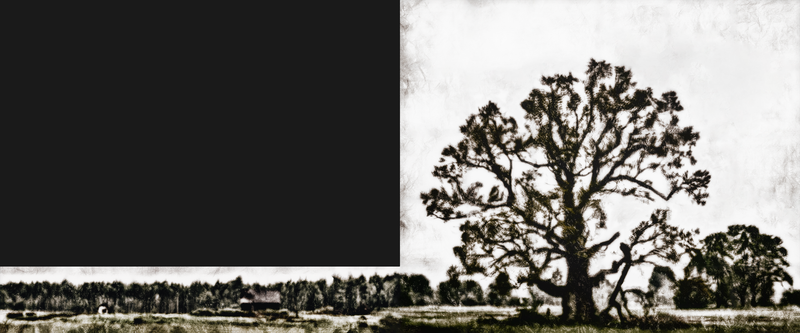
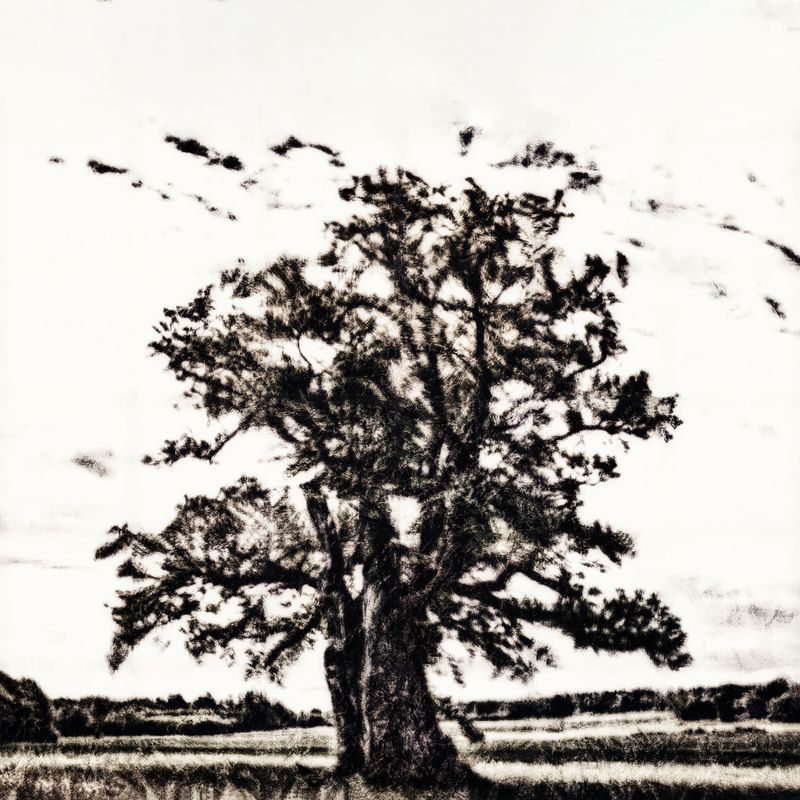
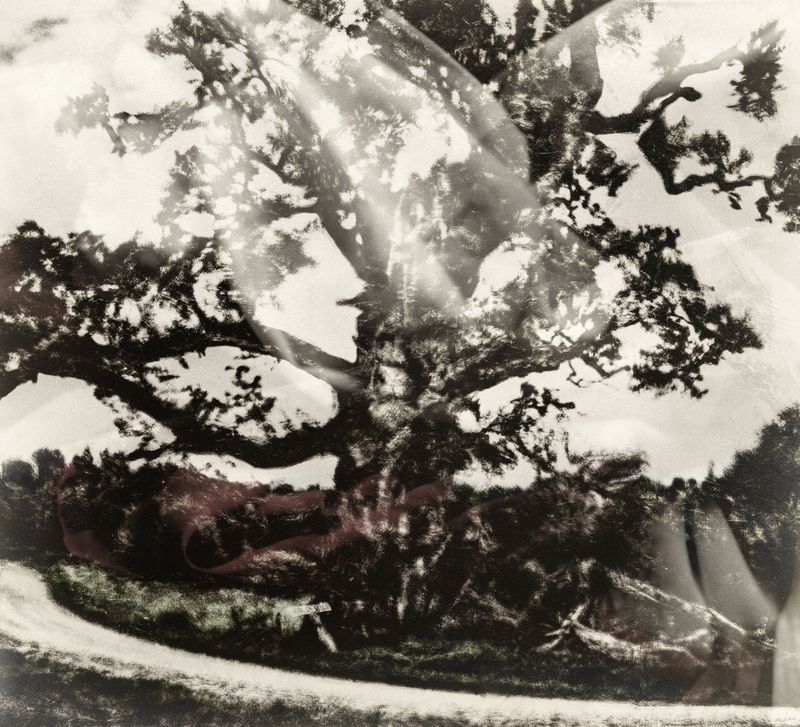
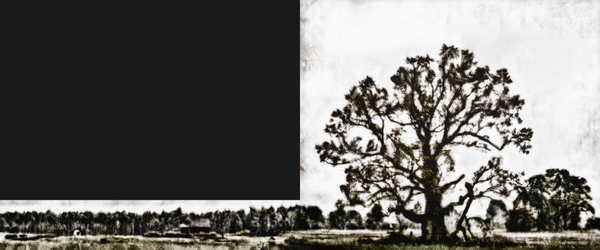
© Kenny Ros - Vecsaikavas oak and landscape - Print on alu dibond panel of 180cm x 150cm and 180cm x 30cm.
i

Vecsaikavas oak and landscape - Print on alu dibond panel of 180cm x 150cm and 180cm x 30cm.

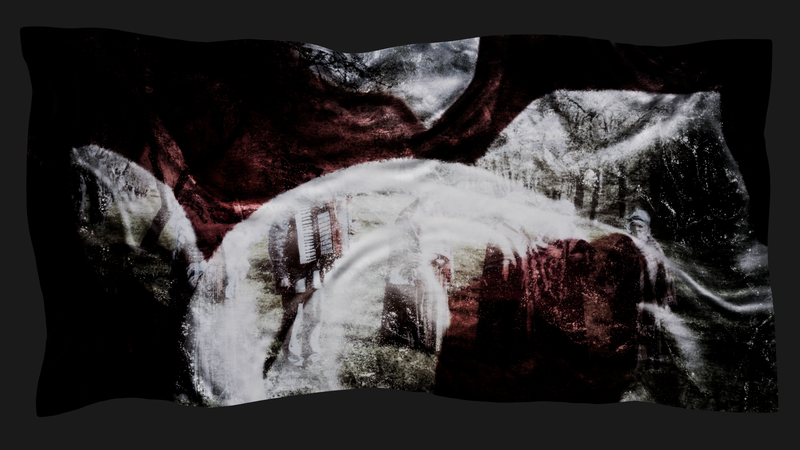
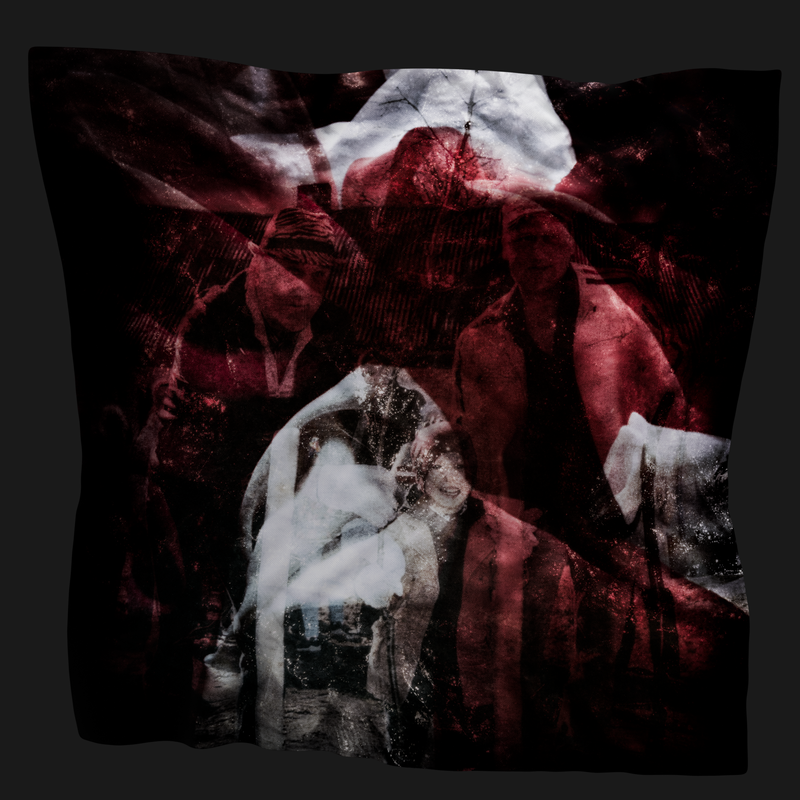
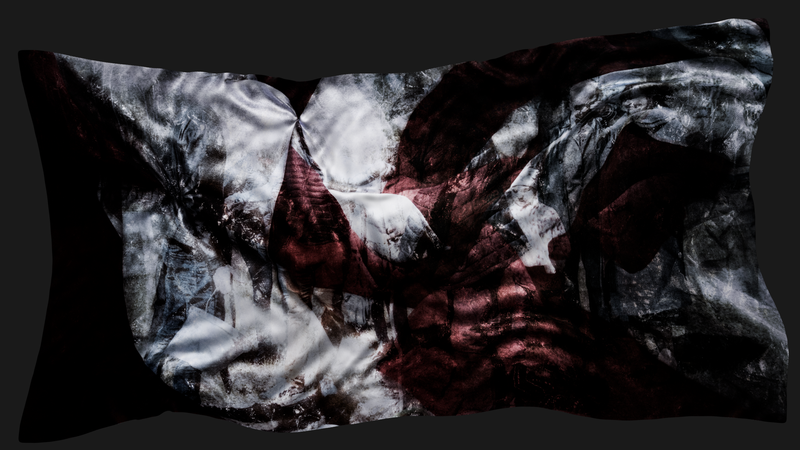
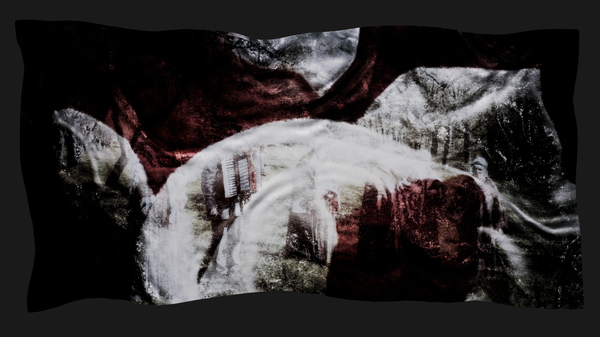
© Kenny Ros - Unnamed - Print on  textile of 100cm x 50cm, mounted unstretched on the wall above the Vecsaikavas landscape.
i

Unnamed - Print on textile of 100cm x 50cm, mounted unstretched on the wall above the Vecsaikavas landscape.

© Kenny Ros - Image from the What grows from the things you've lost? photography project
i

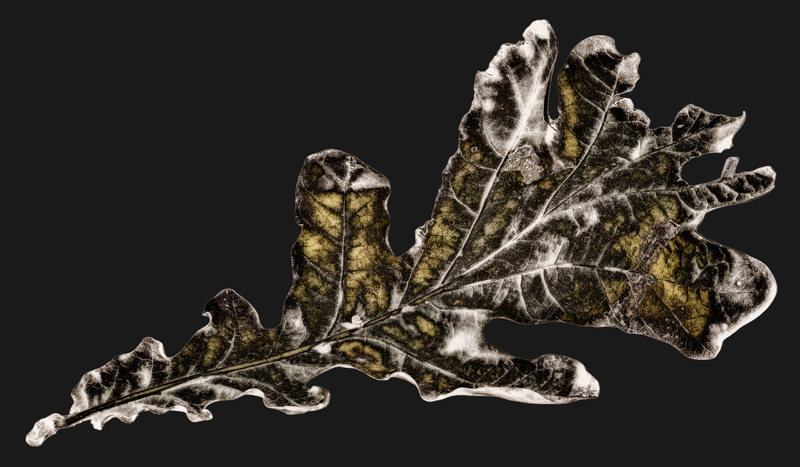
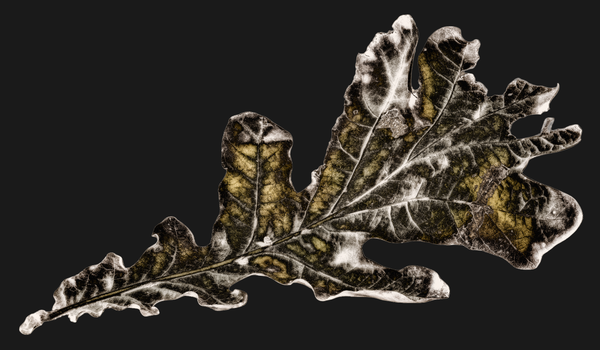
Decaying oak leaf - Print on fabric of approximately 500cm by 250cm, mounted unstretched in a cornered floor to ceiling installation.

© Kenny Ros - Image from the What grows from the things you've lost? photography project
i

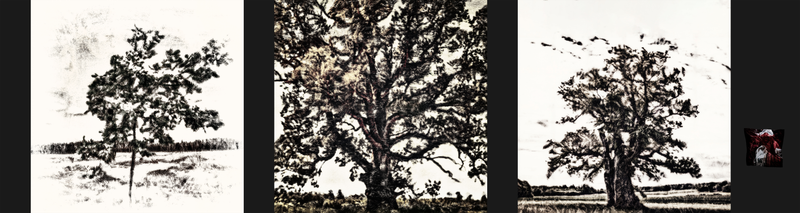
Triptych: It takes an oak 300 years to grow, 300 years to live, and 300 years to die - Print on alu dibond panel, 3x 150cm x 150cm - Additional print on textile of 30cm x 30cm, mounted unstretched on the wall.

© Kenny Ros - Triptych: It takes an oak 300 years to grow, 300 years to live, and 300 years to die - Left panel
i

Triptych: It takes an oak 300 years to grow, 300 years to live, and 300 years to die - Left panel

© Kenny Ros - Triptych: It takes an oak 300 years to grow, 300 years to live, and 300 years to die - Central panel
i

Triptych: It takes an oak 300 years to grow, 300 years to live, and 300 years to die - Central panel

© Kenny Ros - Triptych: It takes an oak 300 years to grow, 300 years to live, and 300 years to die - Right panel
i

Triptych: It takes an oak 300 years to grow, 300 years to live, and 300 years to die - Right panel

© Kenny Ros - Triptych: It takes an oak 300 years to grow, 300 years to live, and 300 years to die - Additional work on textile.
i

Triptych: It takes an oak 300 years to grow, 300 years to live, and 300 years to die - Additional work on textile.

© Kenny Ros - Image from the What grows from the things you've lost? photography project
i

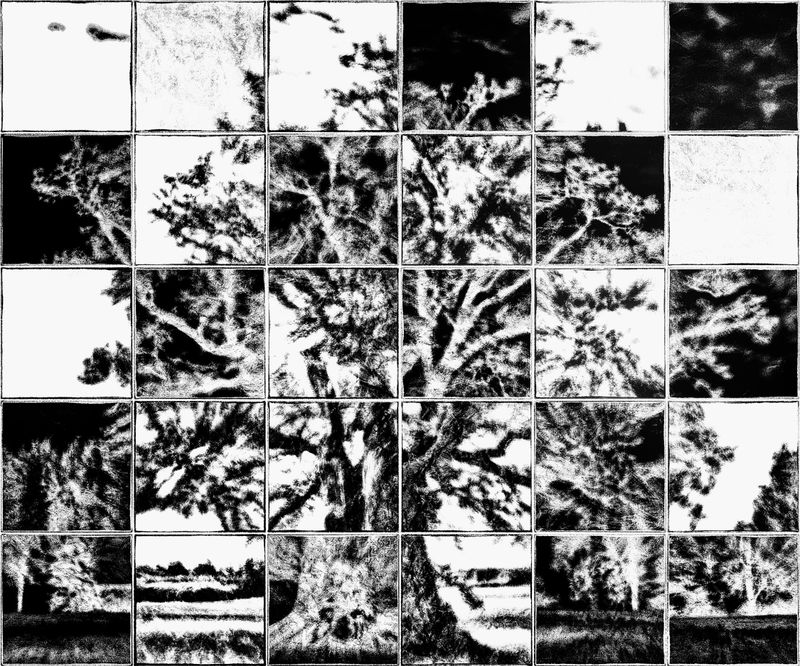
The Great Oak of Kaņepju from the perspective of “Austras koks,” “Saules puķe,” “Zaļais stars,” and “Baltās naktis” - 30 UV prints on 30 oak blocks of 80cm x 80cm each - Total artwork of 480cm by 400cm.

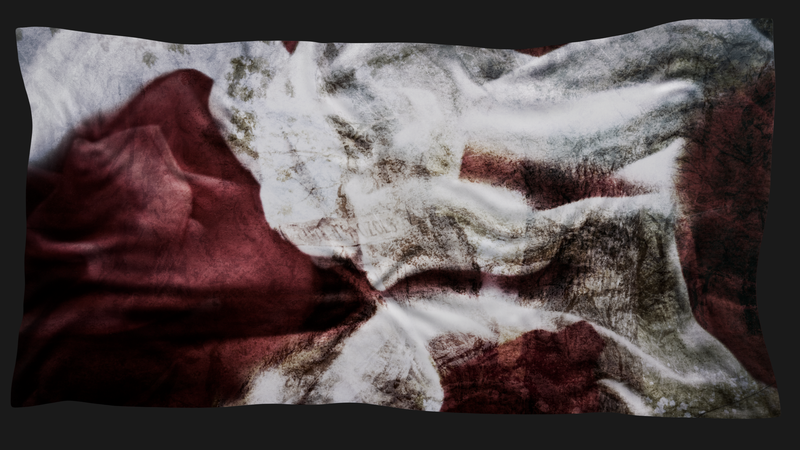
© Kenny Ros - Unnamed - Print on textile of 150cm x 75cm, mounted unstretched on the wall.
i

Unnamed - Print on textile of 150cm x 75cm, mounted unstretched on the wall.

© Kenny Ros - Image from the What grows from the things you've lost? photography project
i

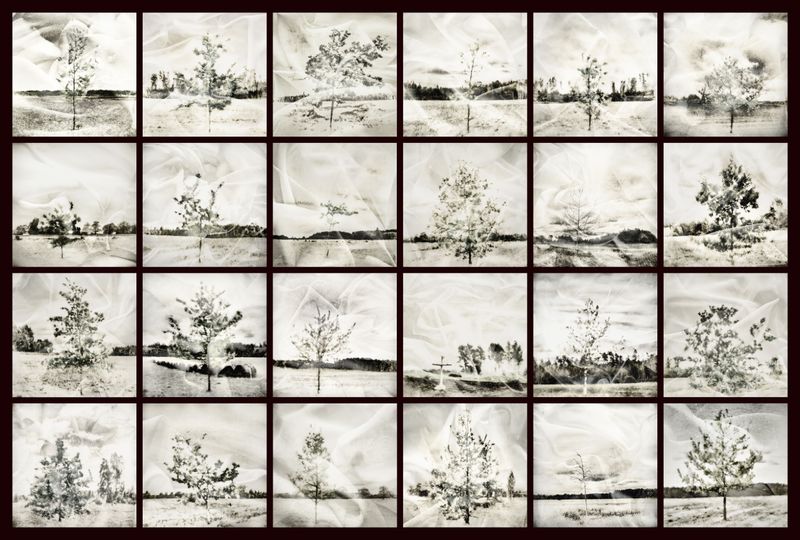
LV100, part one (A reconstructed unification of the cultural act of oak planting by Latvians and the natural act of burying acorns by Jays) - 24 prints on alu dibond, each 50cm x 50cm.

© Kenny Ros - Image from the What grows from the things you've lost? photography project
i

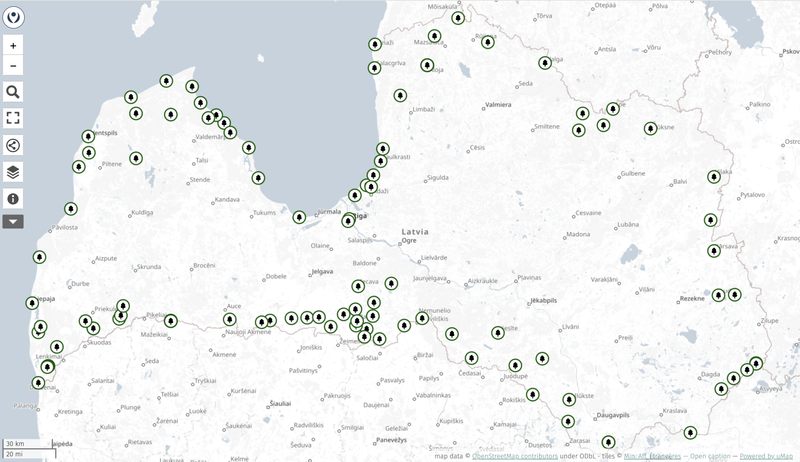
LV100 planting campaign - The interactive map and locations of the planting campaign disappeared from the internet and was reconstruct out of fragmented information with the help of Latvian mapping collaborateur Niklāvs Brash.

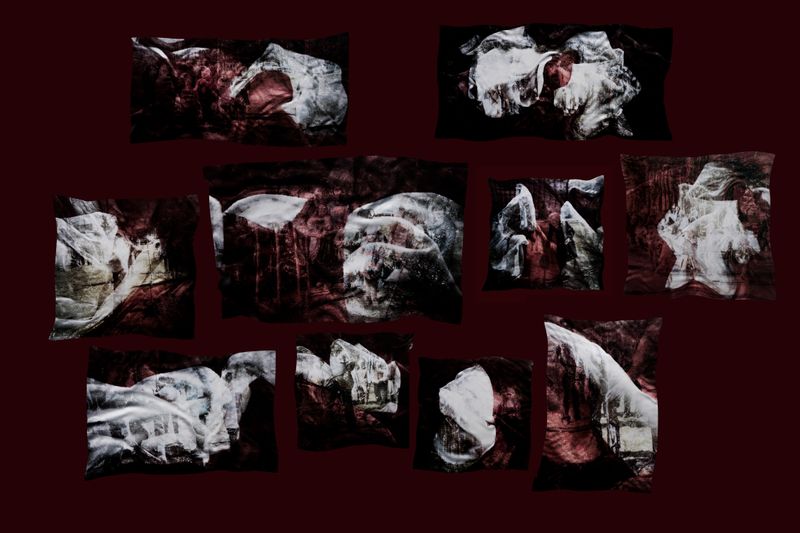
© Kenny Ros - LV100 Archipelago - Fragmented installation of 10 works on textile, mounted unstretched on the wall - Varied dimensions.
i

LV100 Archipelago - Fragmented installation of 10 works on textile, mounted unstretched on the wall - Varied dimensions.

© Kenny Ros - Tūteres oak - Print on textile of 100cm x 50cm, mounted unstretched on the wall.
i

Tūteres oak - Print on textile of 100cm x 50cm, mounted unstretched on the wall.

© Kenny Ros - Image from the What grows from the things you've lost? photography project
i

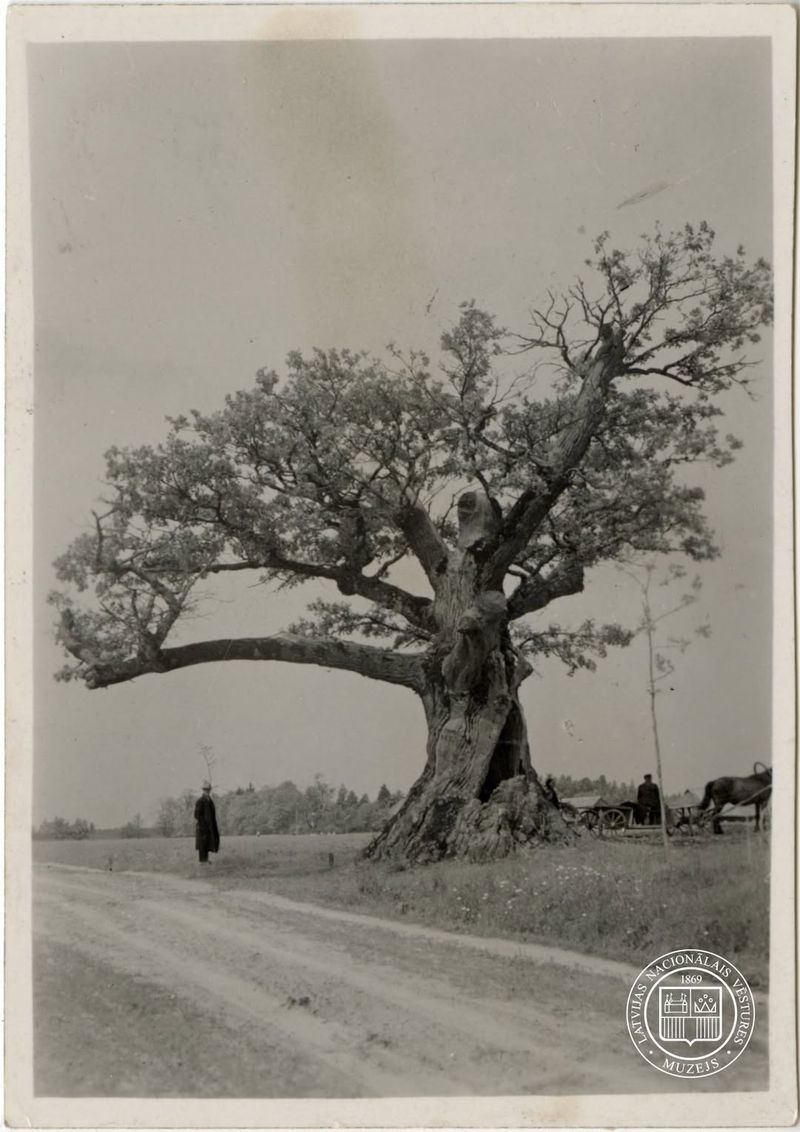
Tūteres oak - courtesy of Latvian National Museum of History - The mythological Tūteres oak fell down during a storm in 1967 and only one fragment of the gigantic trunk survived until this very day. This fragment was the starting point for the reconstructed Tūteres oak artwork.

© Kenny Ros - Image from the What grows from the things you've lost? photography project
i

Tūteres oak (reconstructed oak out of hundreds of oak fragments, based upon archival photographs of Tūteres oak) - Print on curtain of 400cm x 364cm - Installed on a structural frame in front of the wall - Additional archival footage and info about the mythological Tūteres oak mounted on the wall, behind the curtain.