We Fear No God, But Ourselves
-
Dates2024 - 2025
-
Author
- Topics Archive, Contemporary Issues, Documentary, Photobooks, Portrait, Social Issues
- Location Leeds, United Kingdom
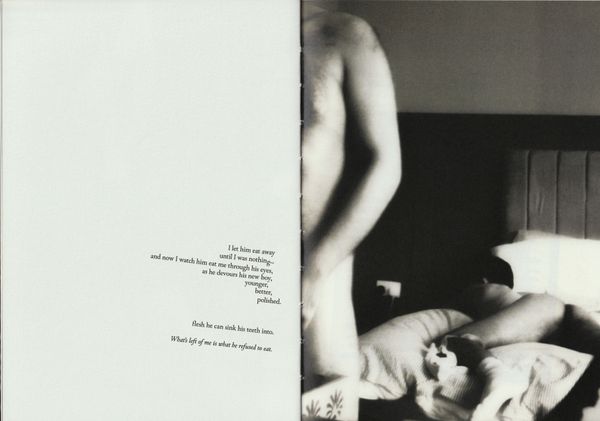
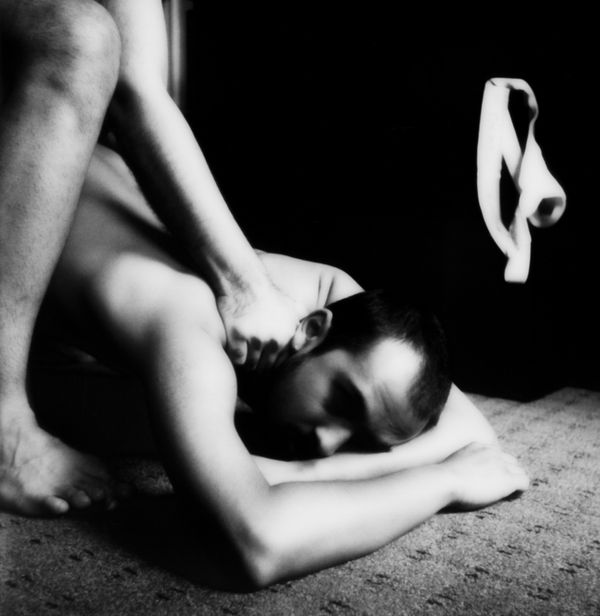
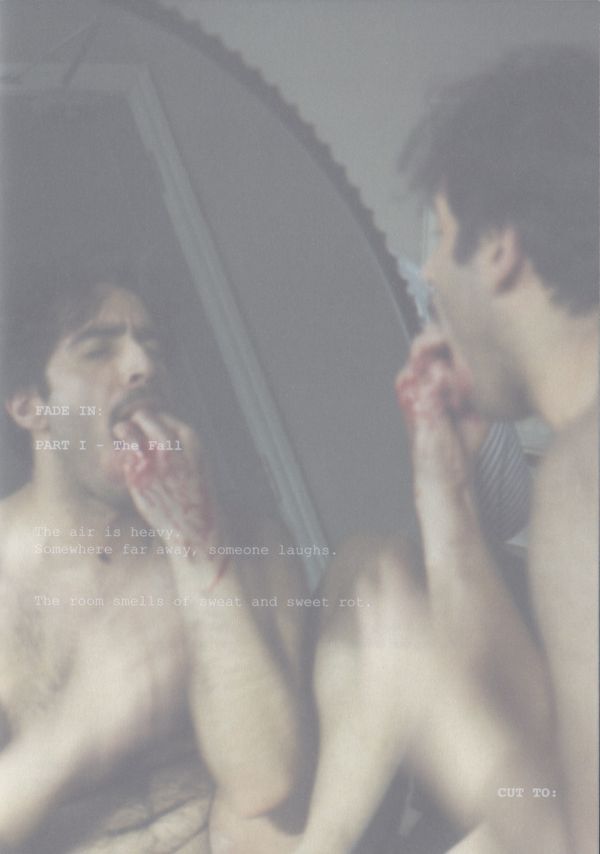
We Fear No God, But Ourselves is my attempt to confront shame, performance, and survival after being outed and banned from my birth country for being gay by using photography and writing to sit with what remains when the façade of self begins to crack.
We Fear No God, But Ourselves is a completed photographic and written work that emerged from a moment when the structure of my life quietly collapsed. After being outed as a queer Muslim man in 2024, I lost my residency status and was banned from returning to the country where I was born and raised. In the immediate aftermath, I attempted to continue as if nothing had changed. Yet beneath that effort was a paralysis; an internal wall I could not move through. It was accompanied by a question that looped relentlessly: how will people see me now?
That question reopened a landscape I believed I had already crossed. Shame and guilt from my childhood, shaped by growing up in a conservative Muslim environment, resurfaced with unexpected force. What I encountered was not simply grief or fear, but the realisation that much of my sense of self had been constructed through performance: of masculinity, of hyper-sexuality, of belief, of desirability, of composure. The exposure I experienced did not invent this performance; it revealed it, and in doing so, began to fracture it.
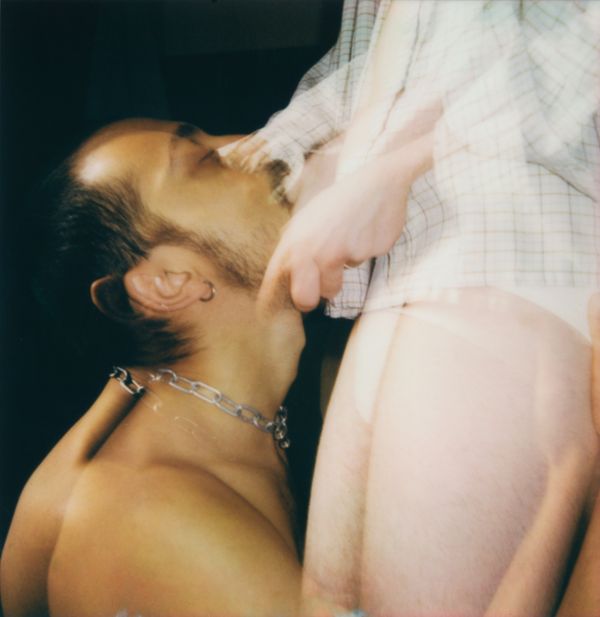
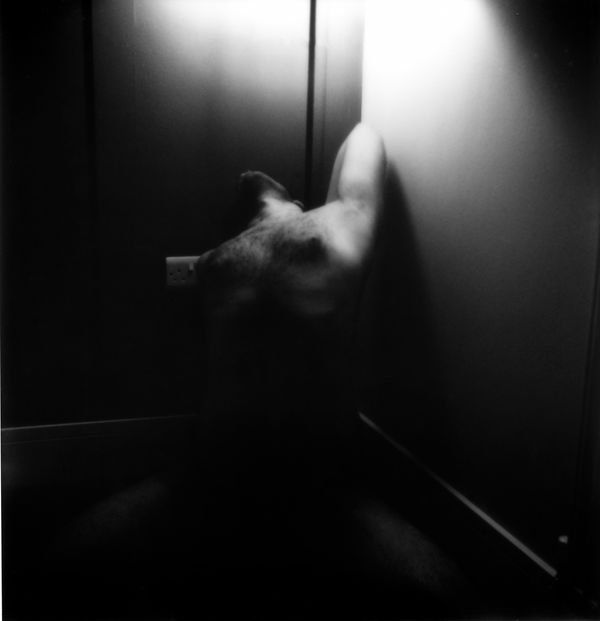
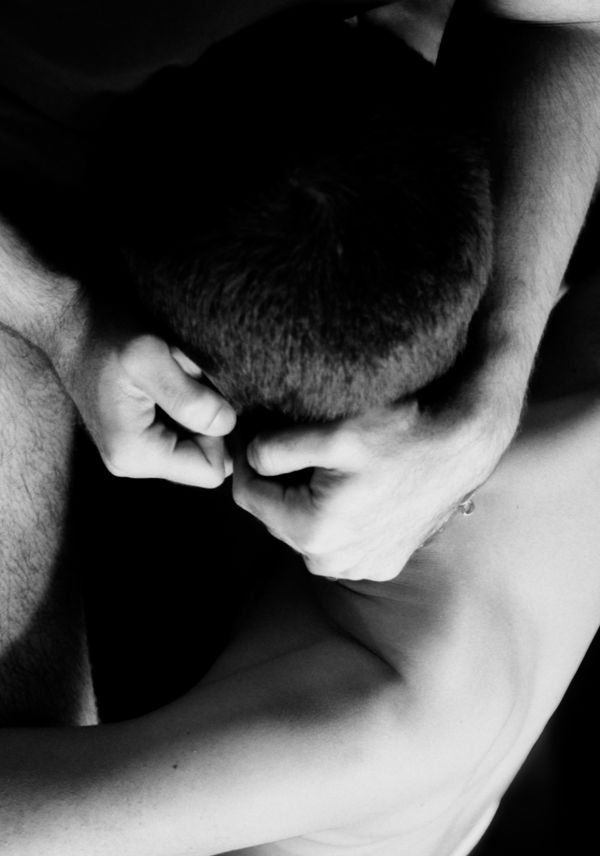
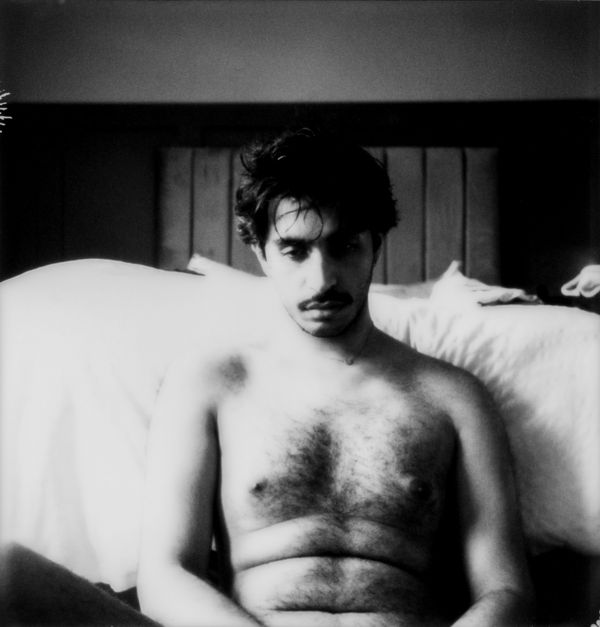
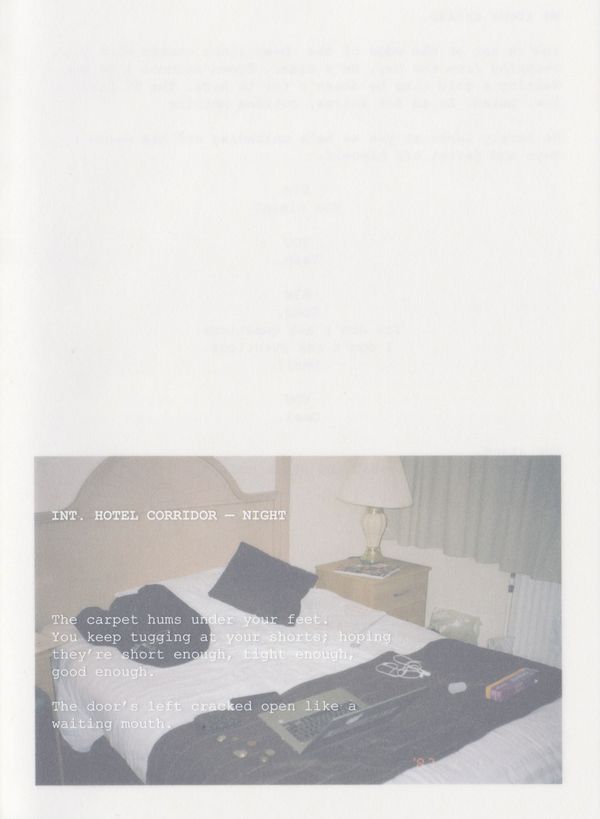
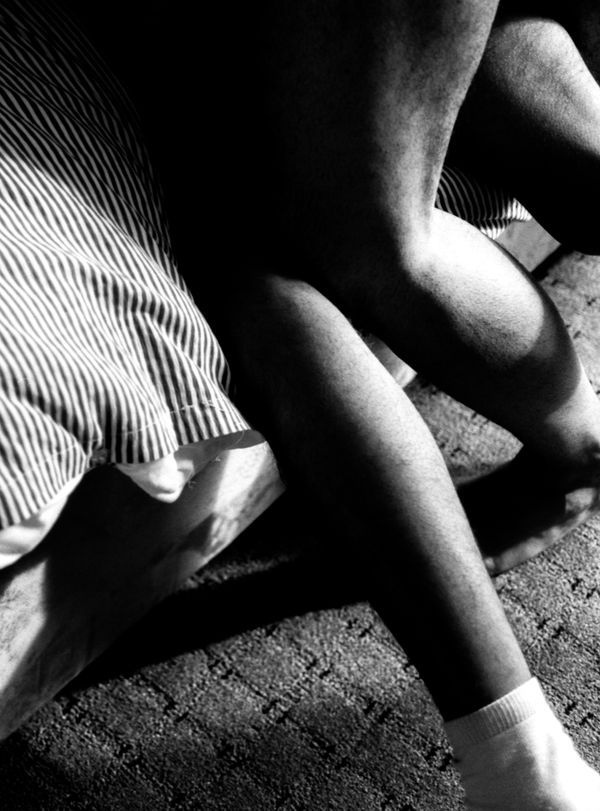
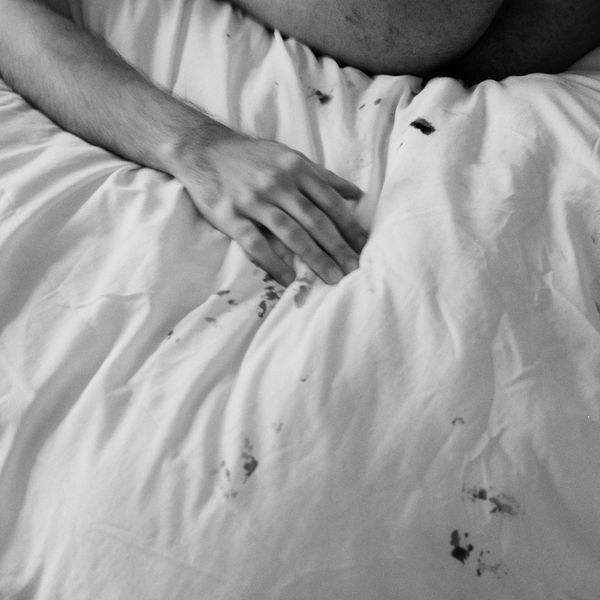
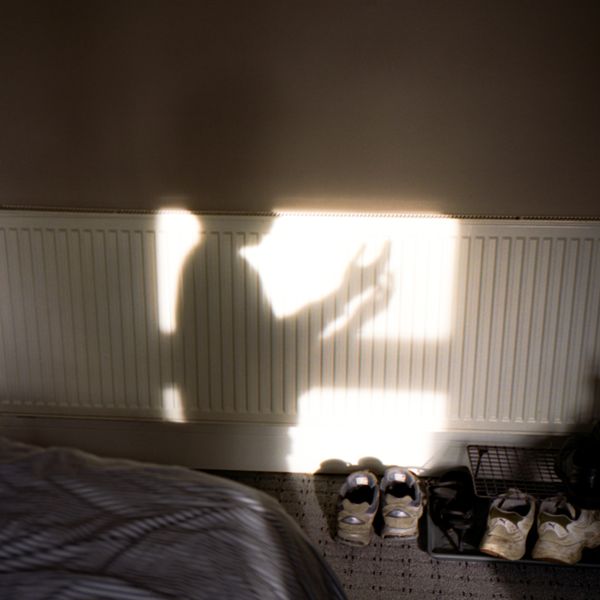
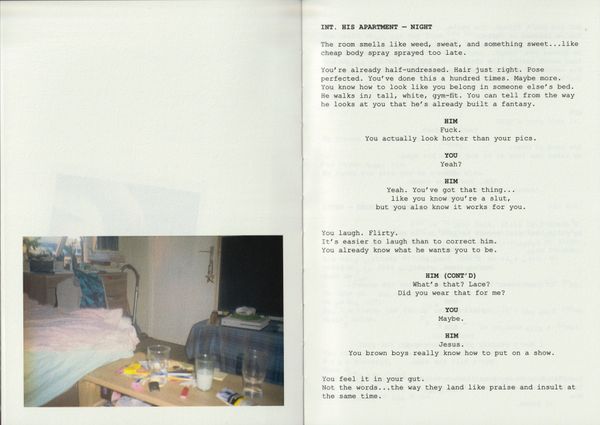
I decided to move toward that fracture rather than away from it. The project took shape as a deliberate act of re-enactment and return. Through photography, poetry, scripts, and diary fragments, I began to restage the emotional terrain I had learned to suppress. Moments of intimacy, avoidance, self-surveillance, desire, and collapse. Many of the images were made in private, transitional spaces: bedrooms, hotel rooms, places of aftermath rather than action. I was less interested in depicting events than in staying with their residue; the quiet, bodily knowledge that remains when language falters.
The work developed non-linearly, shaped by repetition and pause rather than chronology. I allowed images and texts to echo one another, to contradict, to trail off. This fragmentation reflects how shame operates; not as a single wound, but as something recursive, returning under new conditions. Rather than seeking catharsis or resolution, I approached the work as a sustained conversation with pain, one that acknowledges its persistence without allowing it to dominate the frame.
Editing the project into a 112-page photobook became a crucial extension of this process. It required distance and restraint: deciding what to show, what to withhold, and how to construct a narrative that could hold vulnerability without aestheticising harm. The book’s structure mirrors the performance of the self as it begins to fail. How the façade cracks, how control loosens, and how what remains is not clarity, but presence. In this sense, the work is both an offering and a reckoning: a way of sitting with what was inherited, what was internalised, and what cannot be neatly resolved.
We Fear No God, But Ourselves stands as a finished work, but it also marks a threshold. The conditions that shaped the project: displacement, uncertainty, bureaucratic suspension; all continue to define my present. I hope to extend this body of work through a sequel photobook that documents my asylum process in real time, following the same ethos of intimacy and restraint. This next phase would trace life in suspension, attending to the quiet negotiations of identity, belonging, and endurance that unfold beyond spectacle. Together, these works form a continuum as not a linear journey toward healing, but an evolving record of what it means to live, reckon, and persist within uncertainty.