Watering my Horse by a Spring at the Foot of the Long Wall
-
Dates2017 - 2020
-
Author
- Location China
Watering My Horse traces life along the Ming Great Wall and older remnants, bringing together portraits, landscapes, local stories and historical material to explore where history, everyday life and imagination meet.
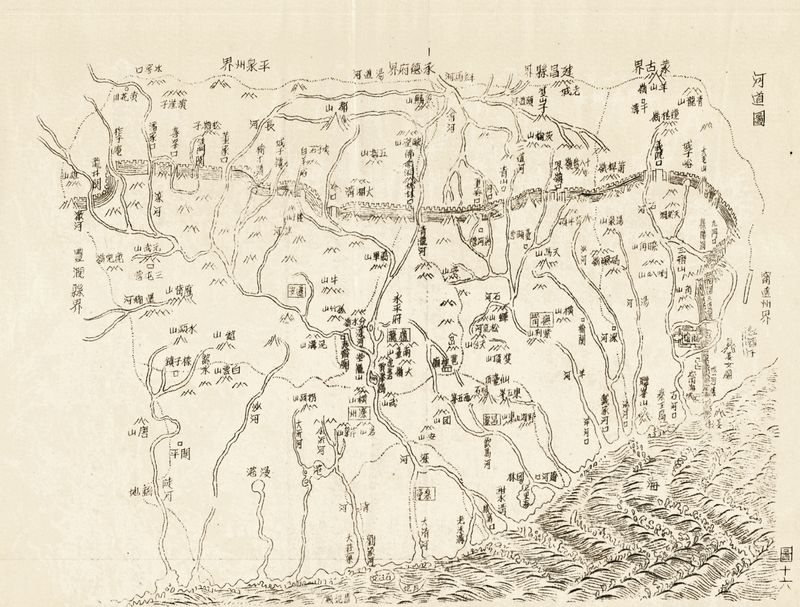
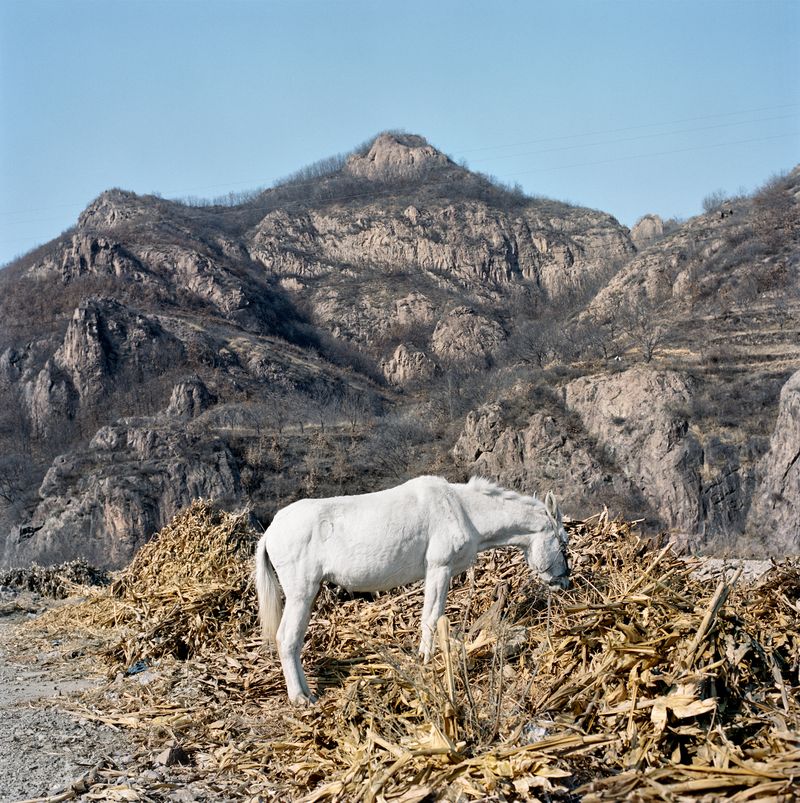
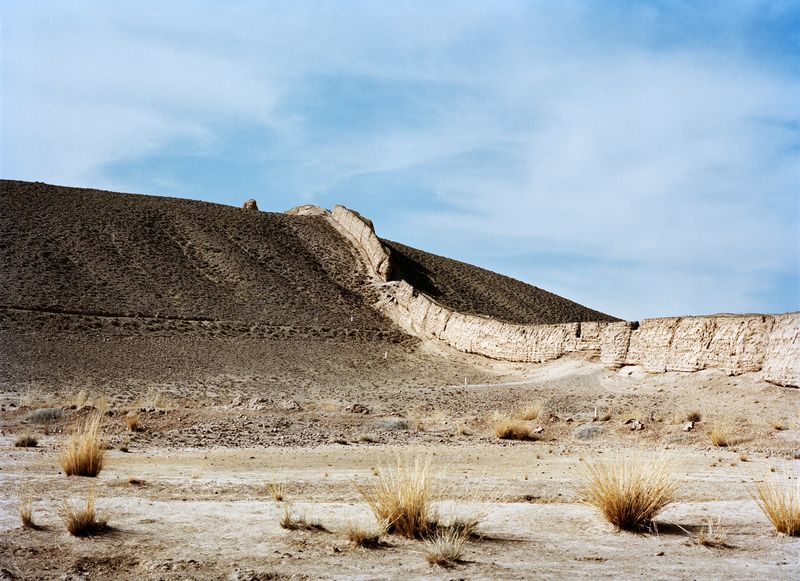
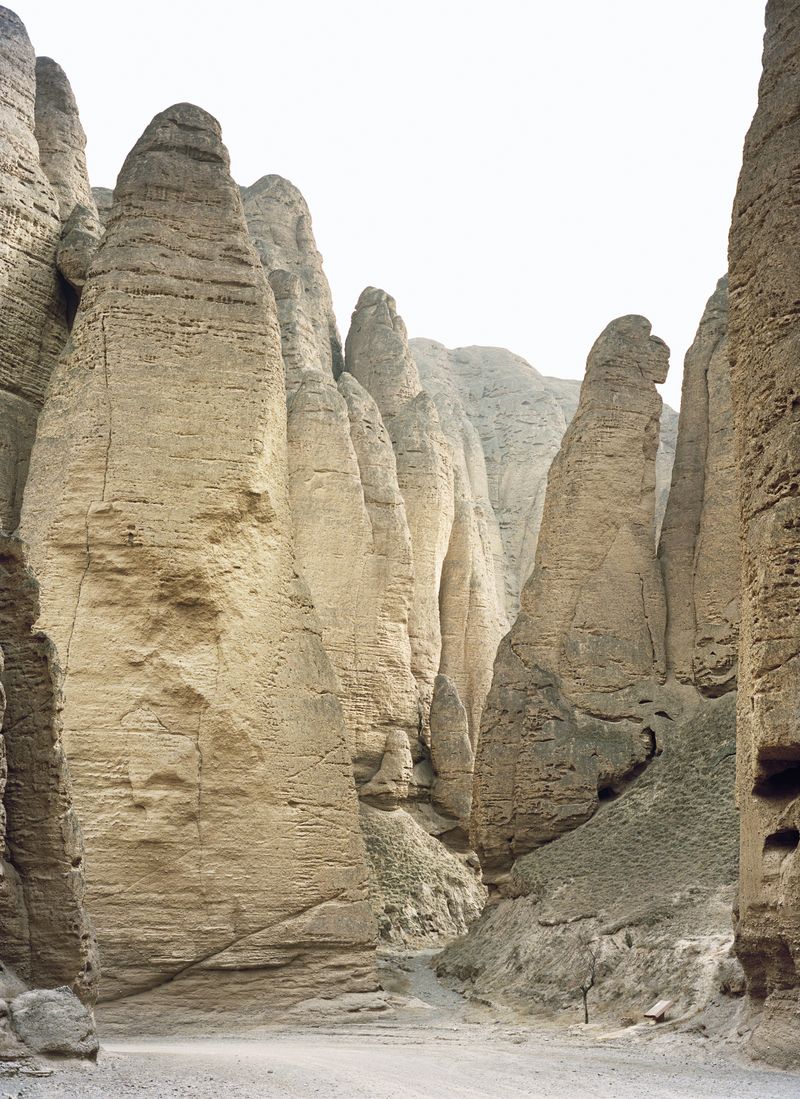
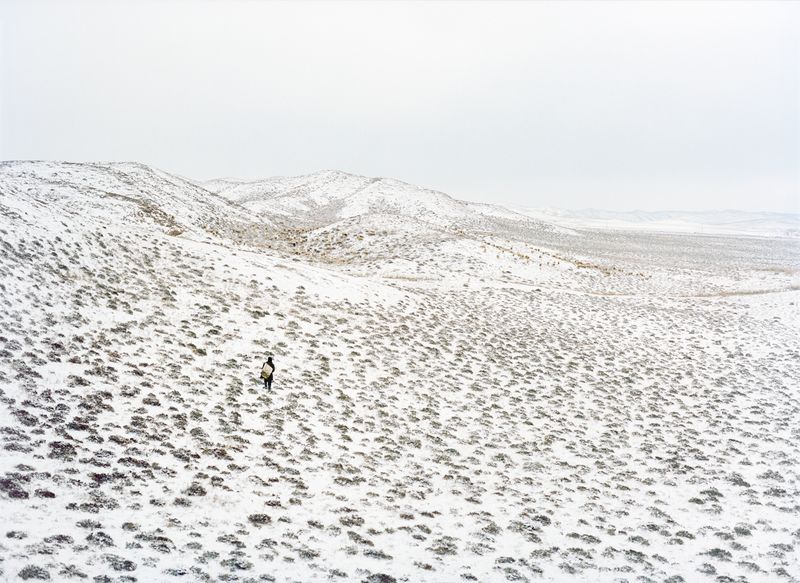
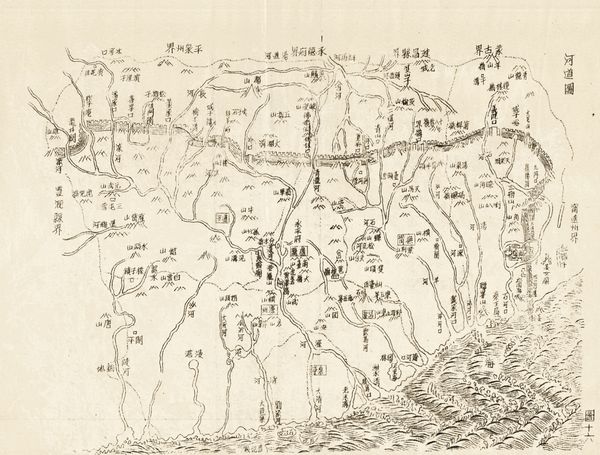
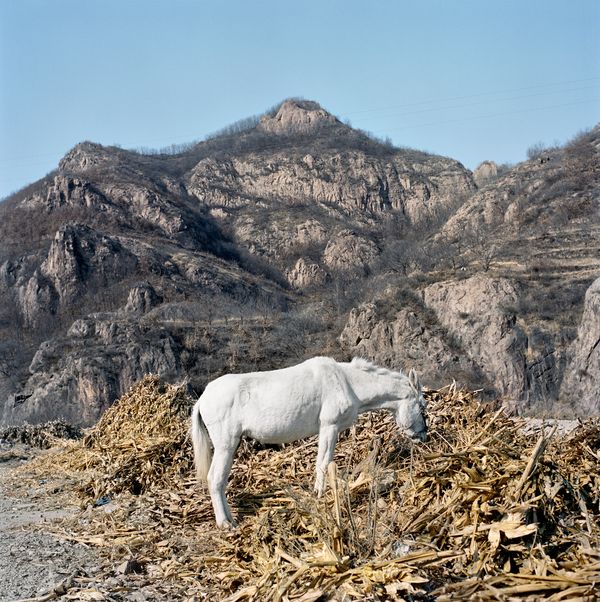
Watering My Horse by a Spring at the Foot of the Long Wall follows life along lesser-known sections of the Great Wall of China. Over a 25,000-kilometre journey, I travelled westward from Shanhaiguan Pass on the Bohai coast to Jiayuguan Pass at the edge of the Gobi, crossing the steep mountains around Beijing and Hebei, the Loess Plateau and increasingly arid landscapes farther west. The Wall changed with the terrain: from the monumental stone fortifications around Beijing to stretches of rammed earth in Ningxia and Gansu that almost disappear into the surrounding landscape.
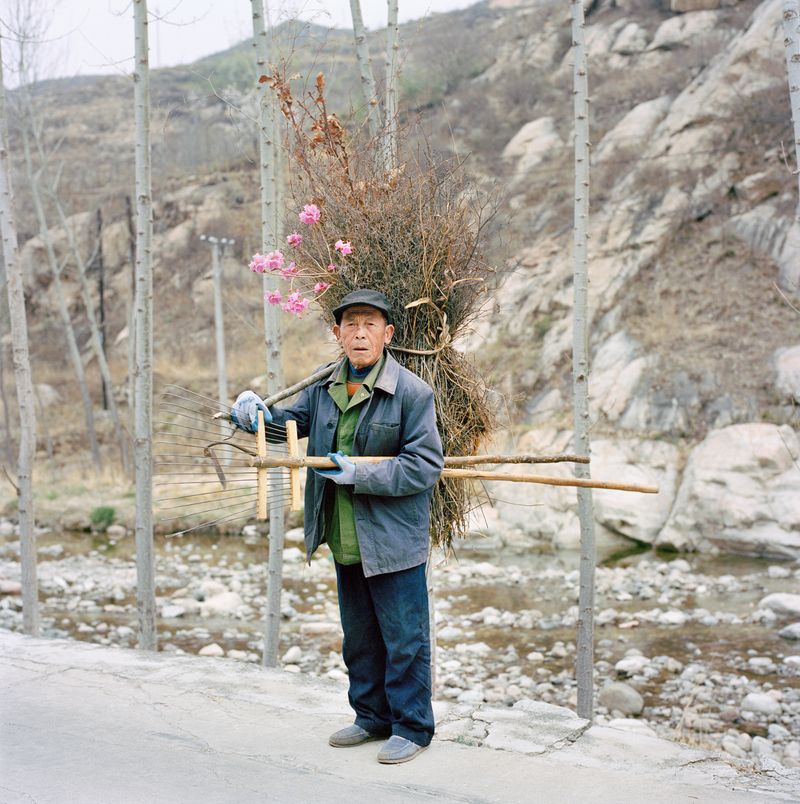
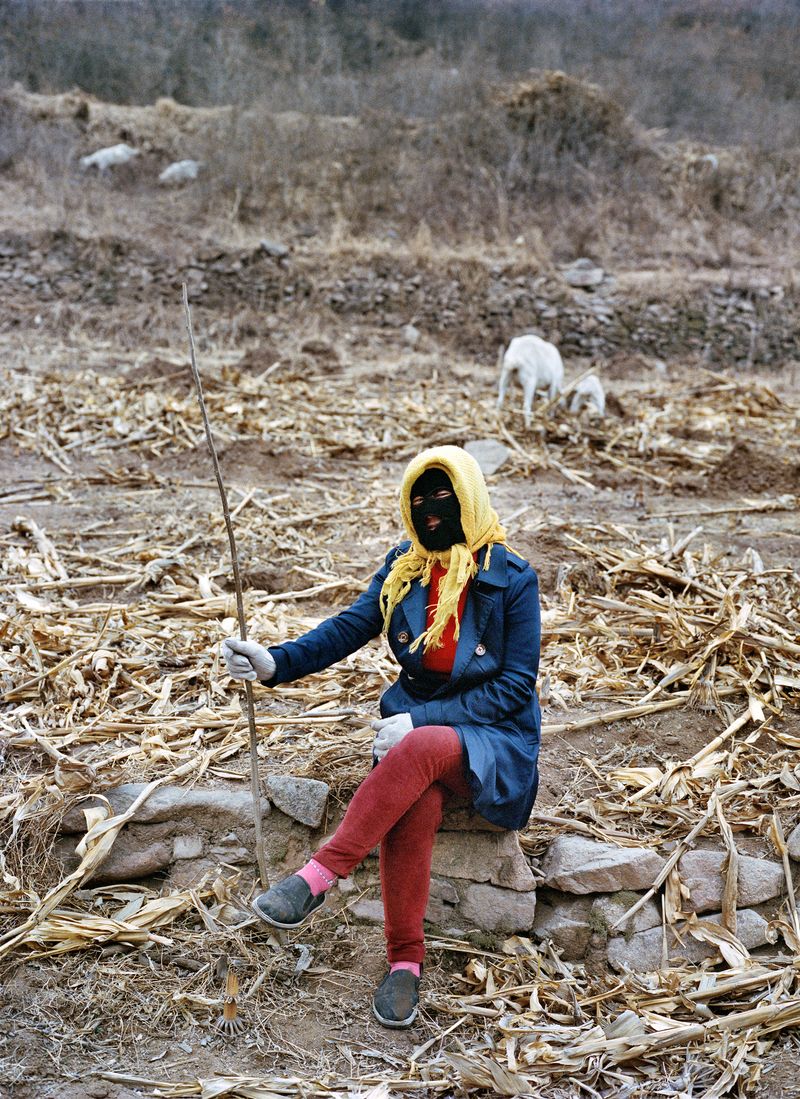
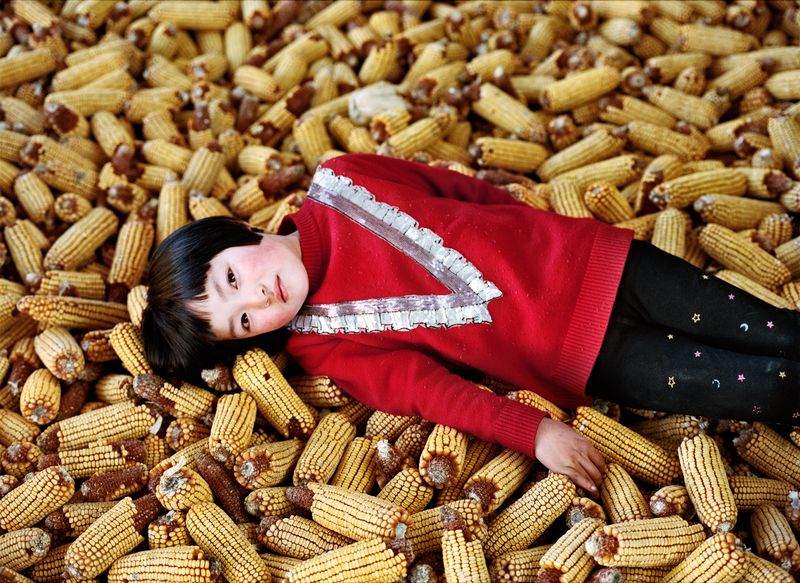
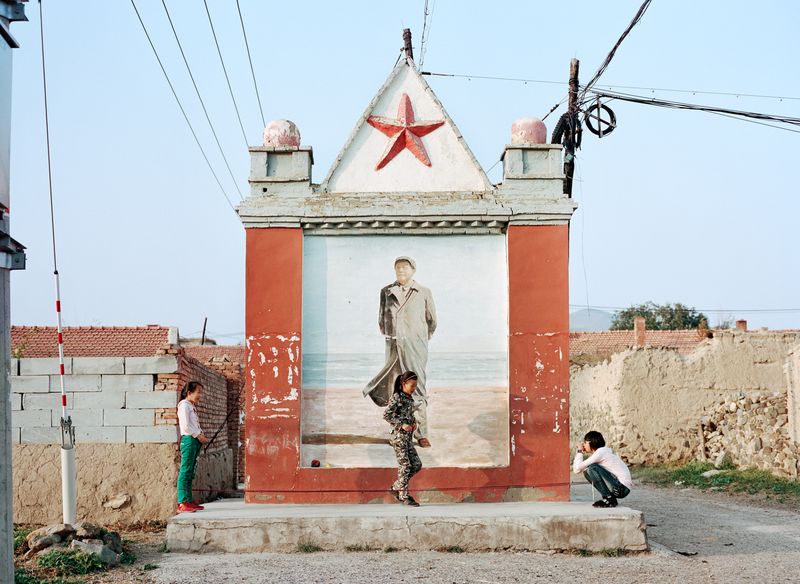
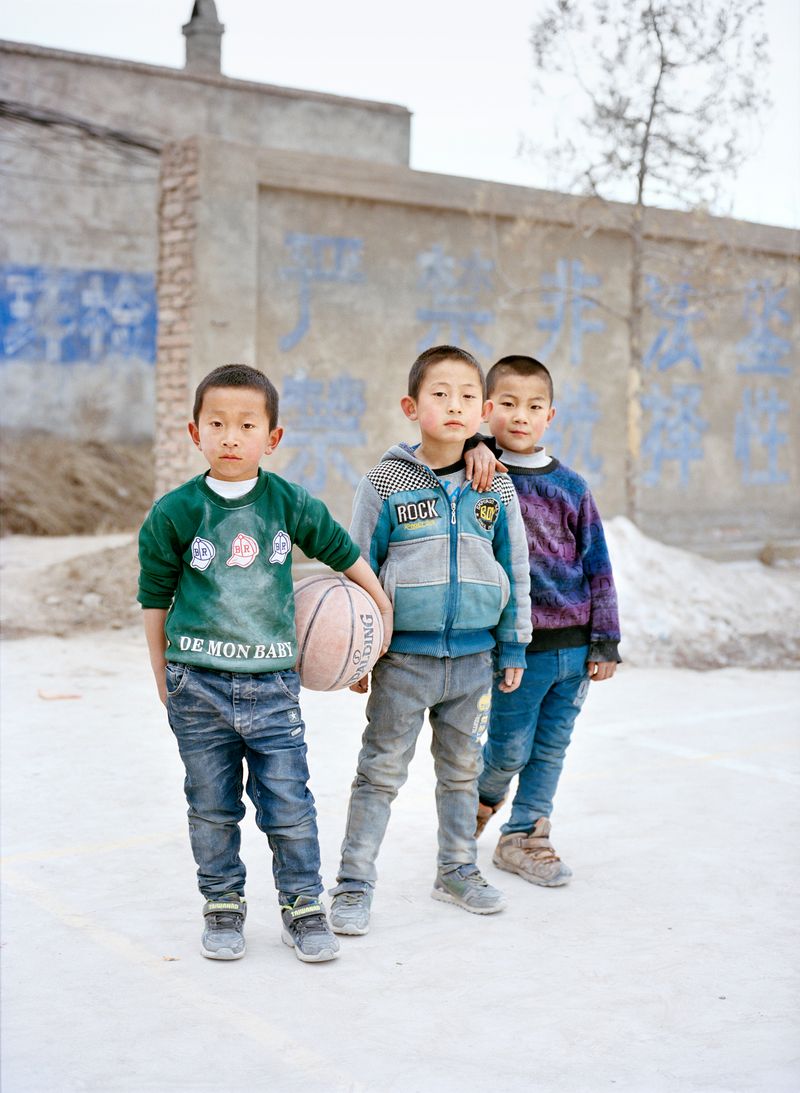
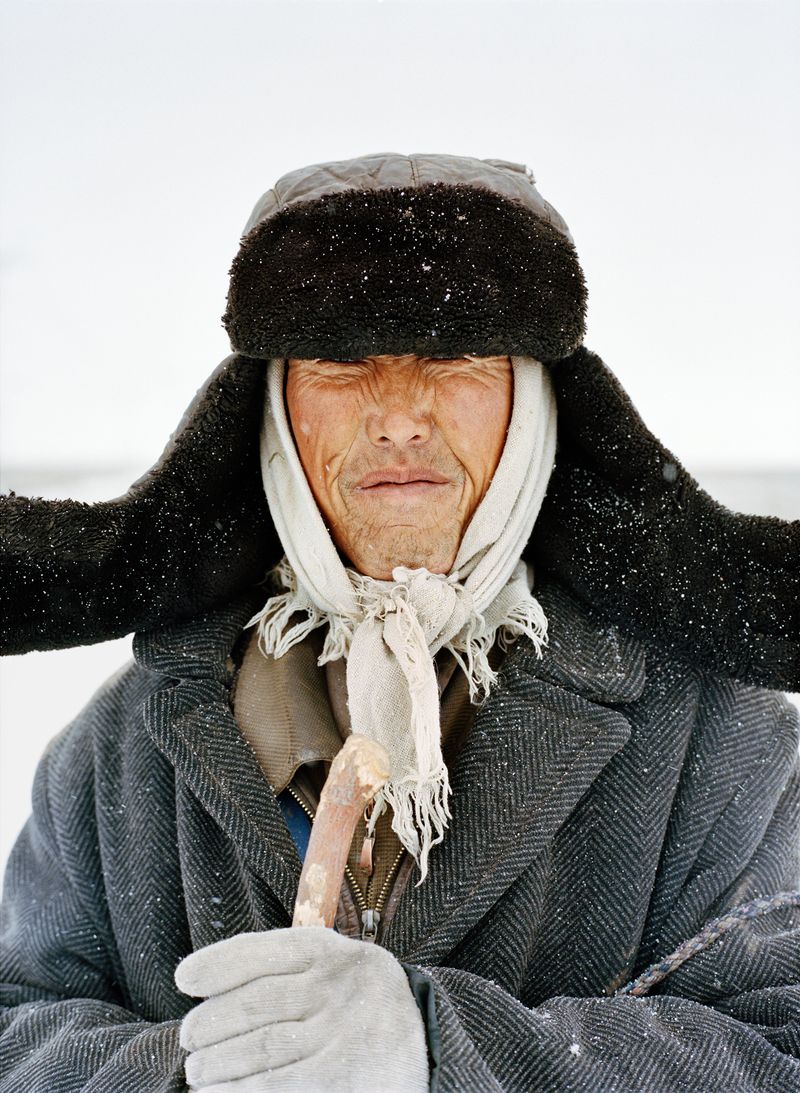
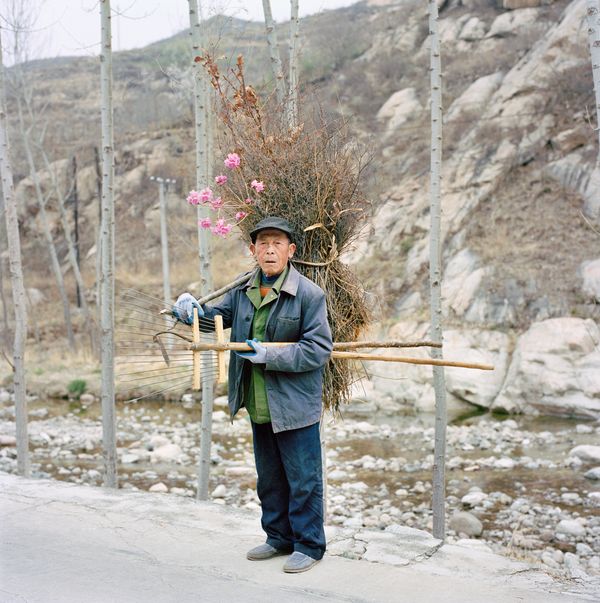
Rather than approaching the Wall only as a monument, border or national symbol, I became interested in the relationships people still have with it. I met elderly residents, children, shepherds and local Wall protectors. The Wall is guarded and repaired, walked alongside and woven into everyday routines. Children play beside its ruins, shepherds move through the surrounding hills, Wall protectors collect objects found on patrol, and local festivals and rituals continue nearby.
The project also looks at how rapid social and economic change is reshaping these places. Many younger people have left for towns and cities, while older residents and children remain. Traditions and ways of life persist, but in changing forms. I was interested not only in what was disappearing, but also in what continued: habits and ways of living that connect people to the landscape and to one another.
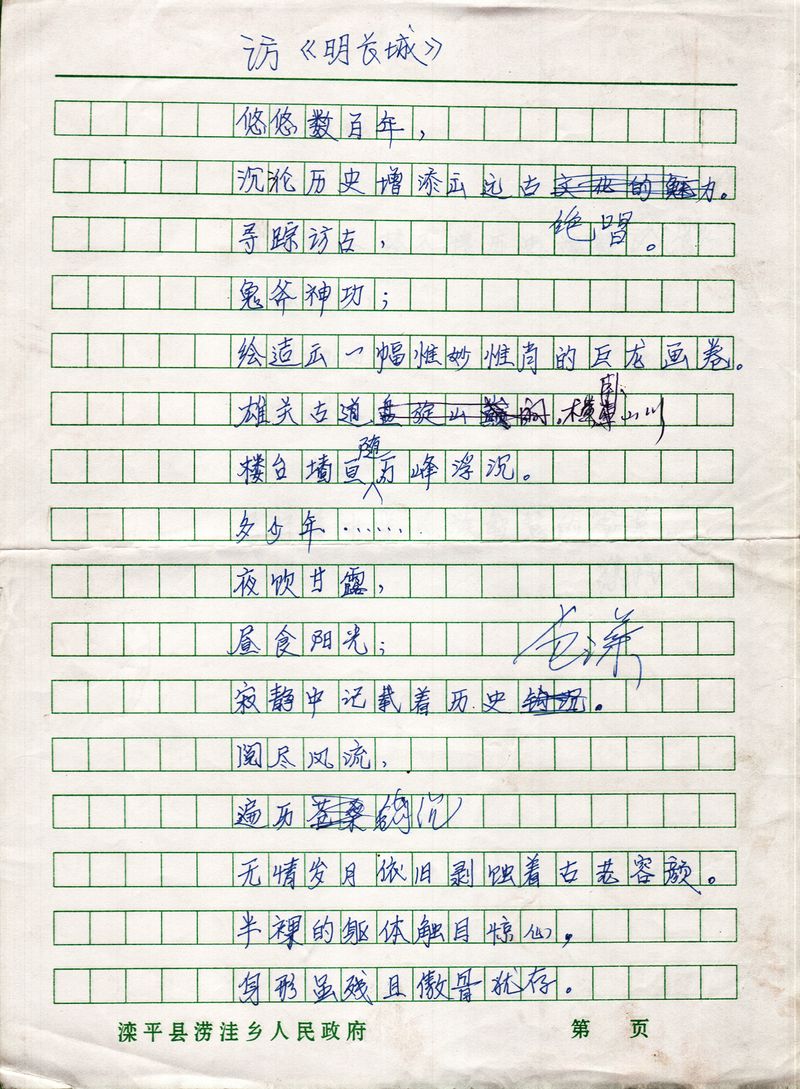
The title comes from a poem by Chen Lin, written during the Eastern Han dynasty about the hardship, separation and deaths of labourers sent north to build the Wall. Along the way, I also collected handwritten folk tales and stories from local Wall protectors. These accounts opened another way of seeing the Wall: not only as a historical or political structure, but as a place shaped by memory, myth and imagination.
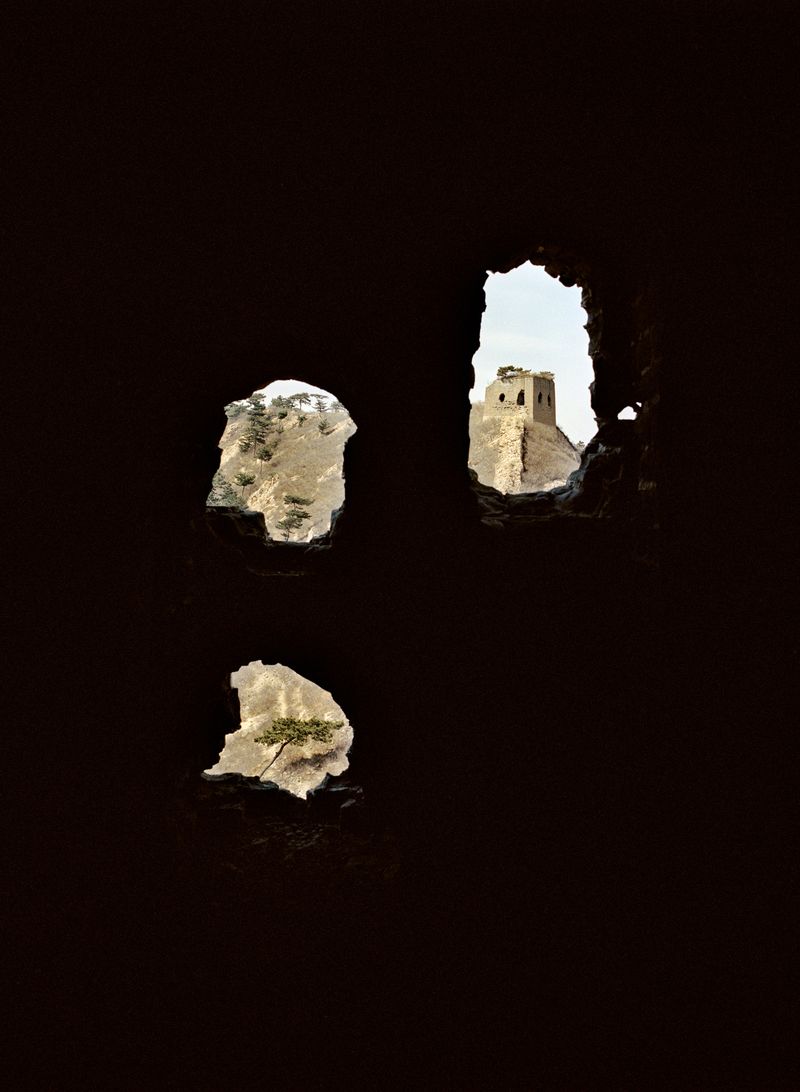
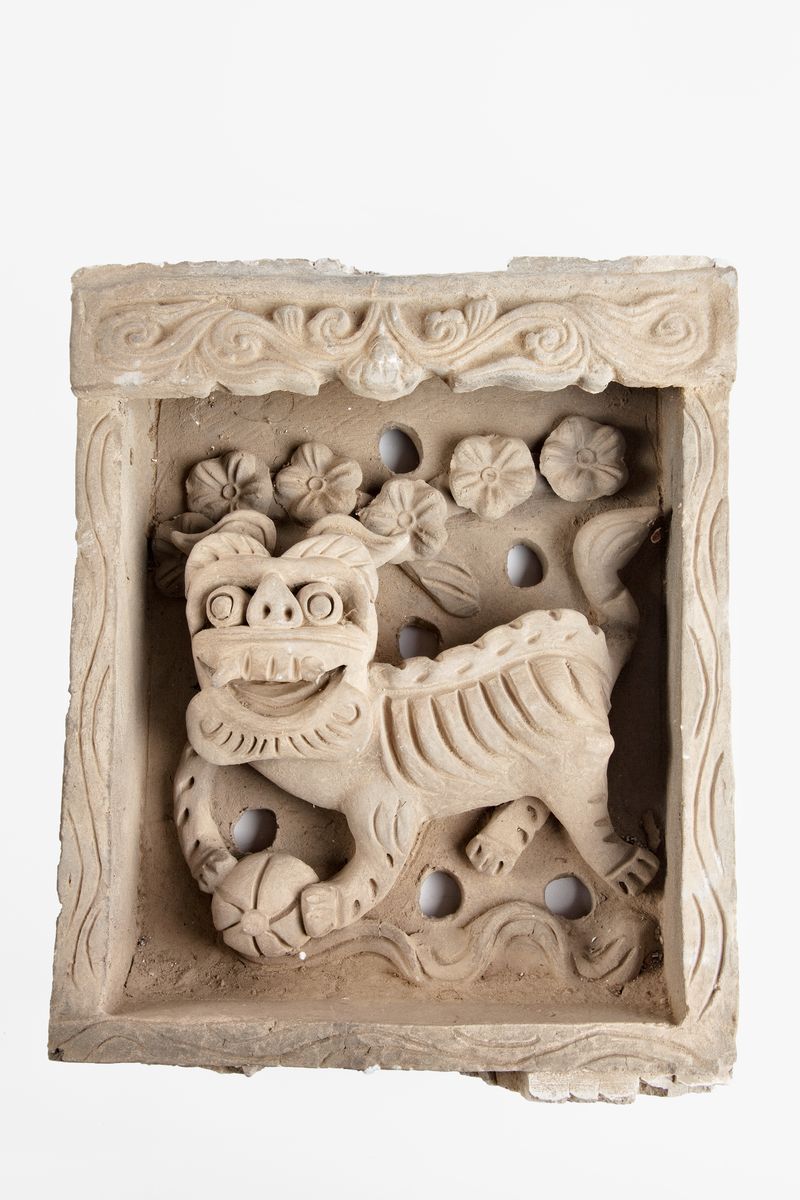
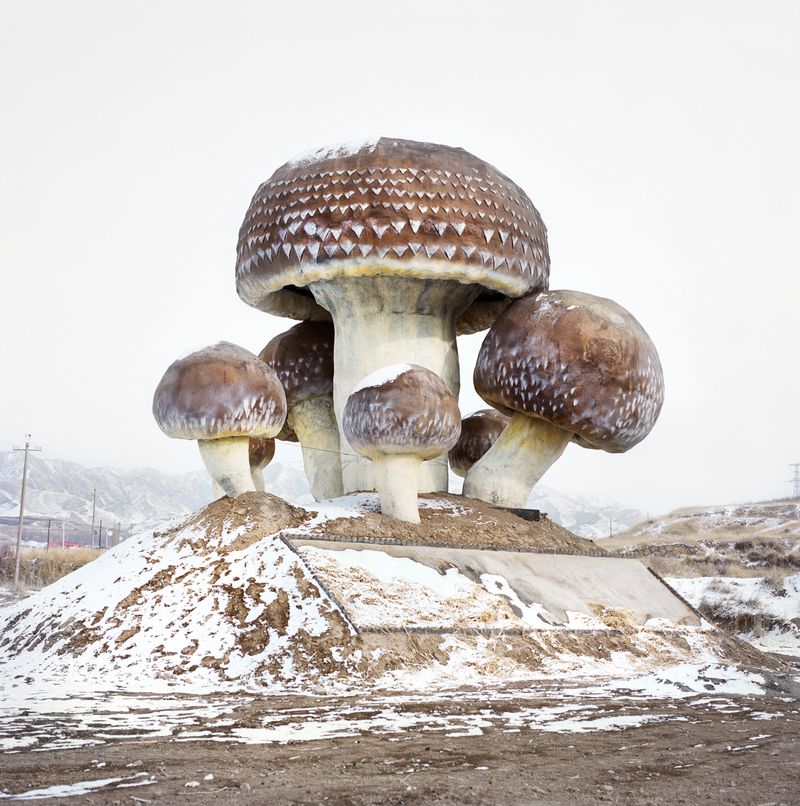
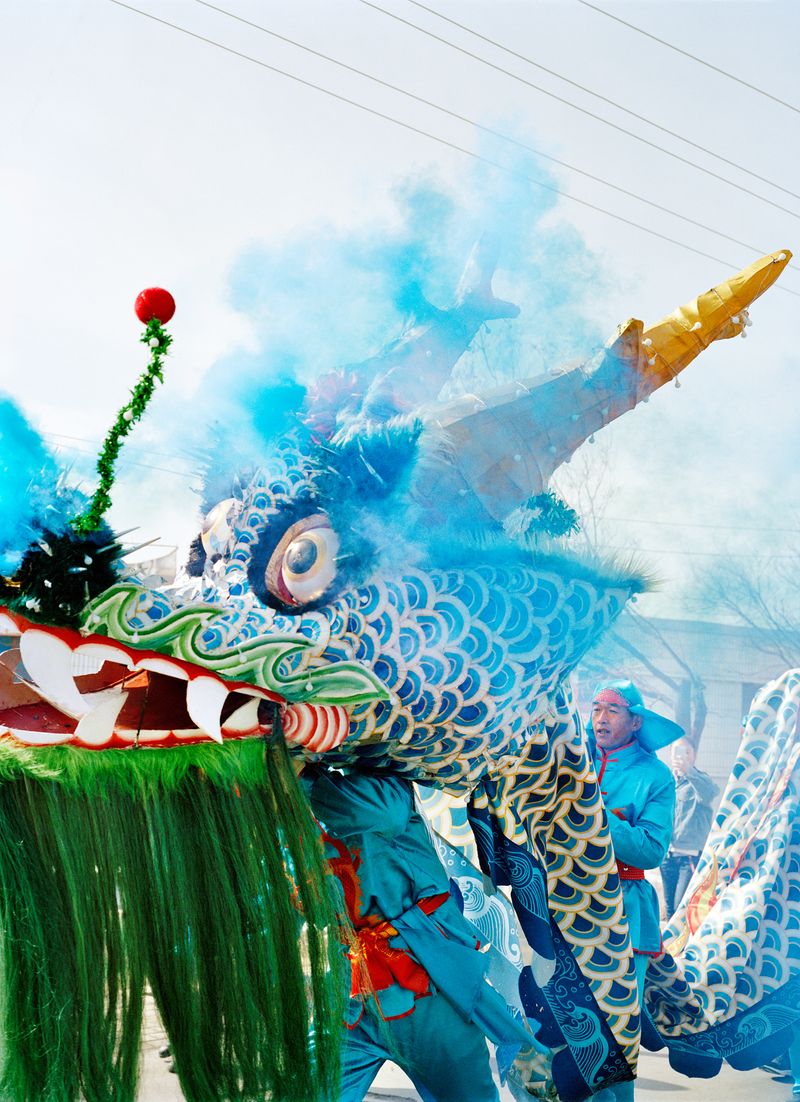
That perspective also influenced how I photographed. I was drawn to the Wall’s weathered, melancholic presence, and to moments in which everyday life became slightly strange or poetic—a blue dragon appearing in the landscape, an oversized mushroom sculpture beside a village, or fragments of landscape floating in the darkness of a ruined watchtower. Moving between portraiture, landscape, unearthed objects, handwritten stories and these more ambiguous encounters, the project looks at the Great Wall at human scale, while also exploring where reality and imagination begin to overlap.