Urban Paradise - neither inside nor outside



-
Dates2021 - Ongoing
-
Author
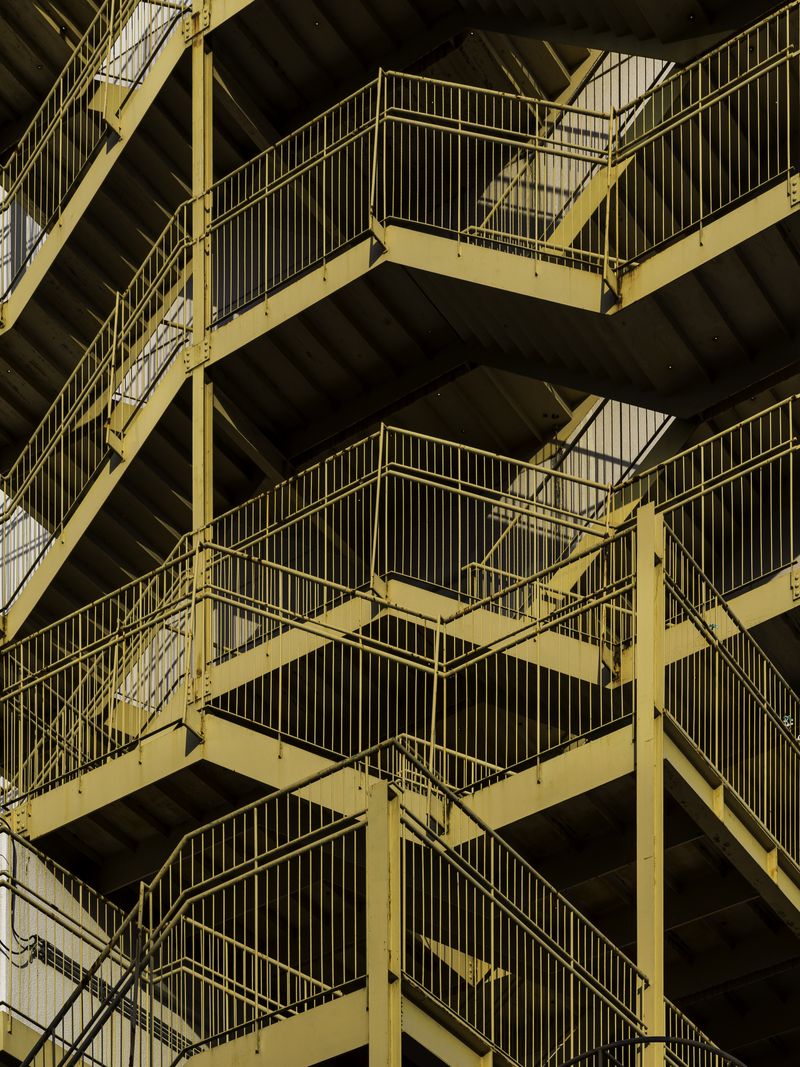
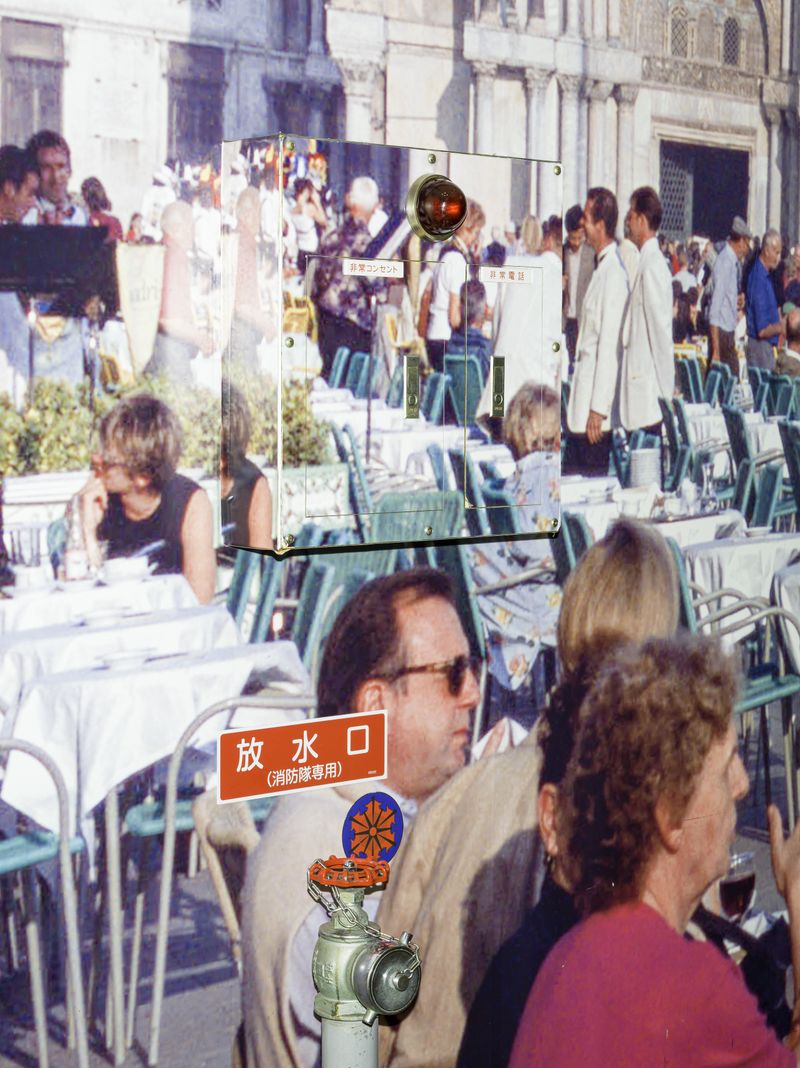
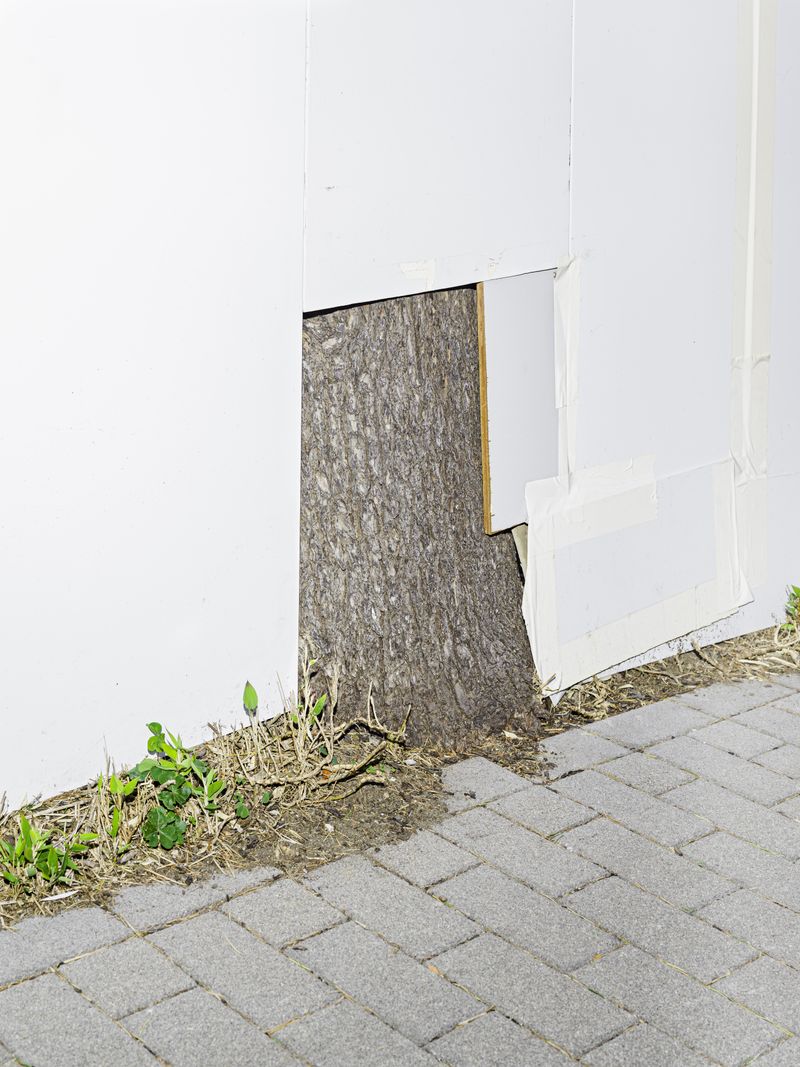
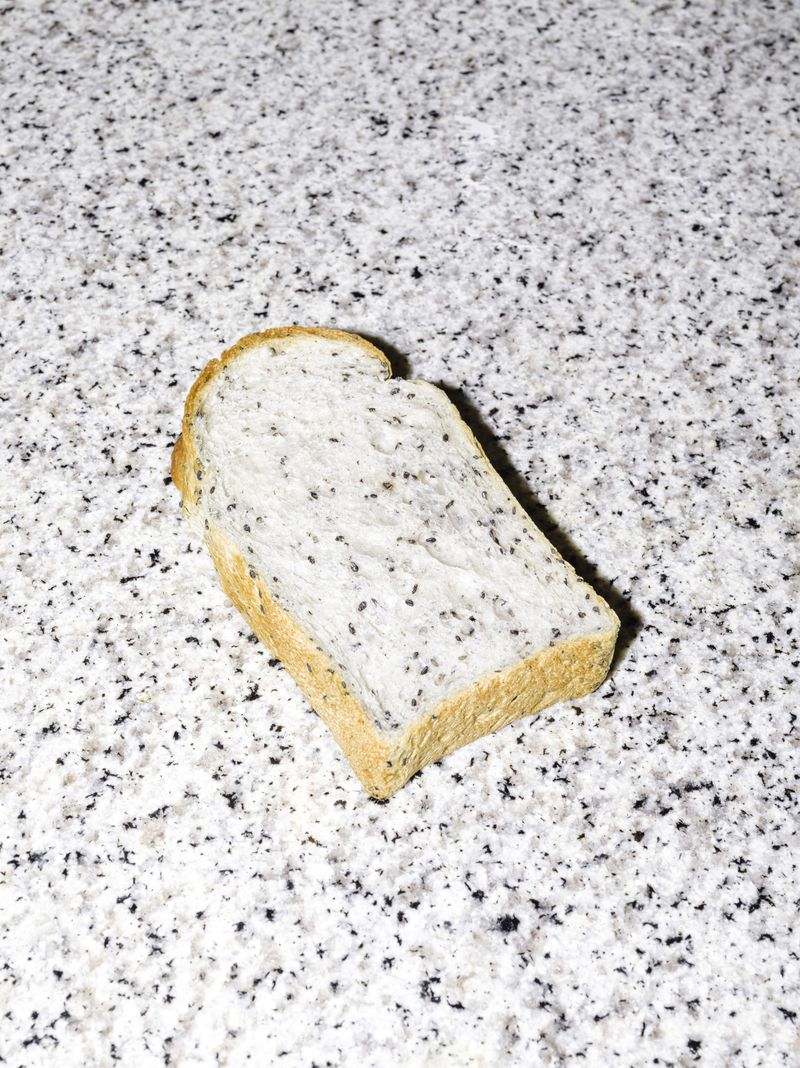
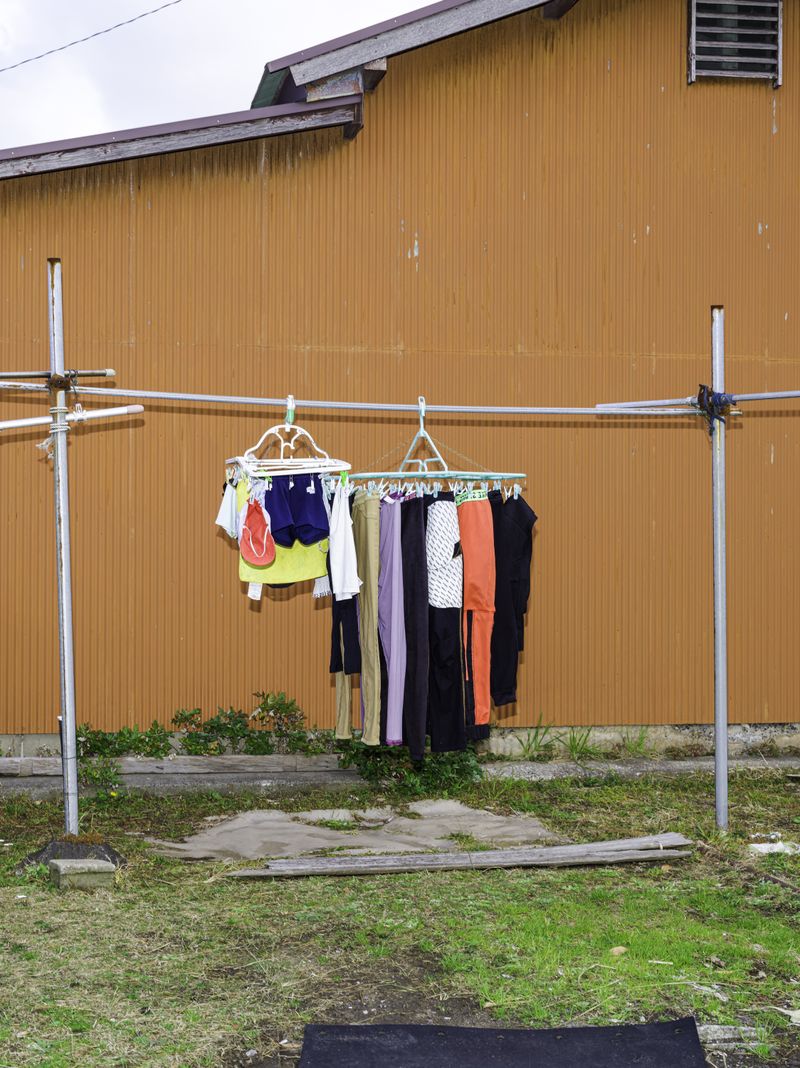
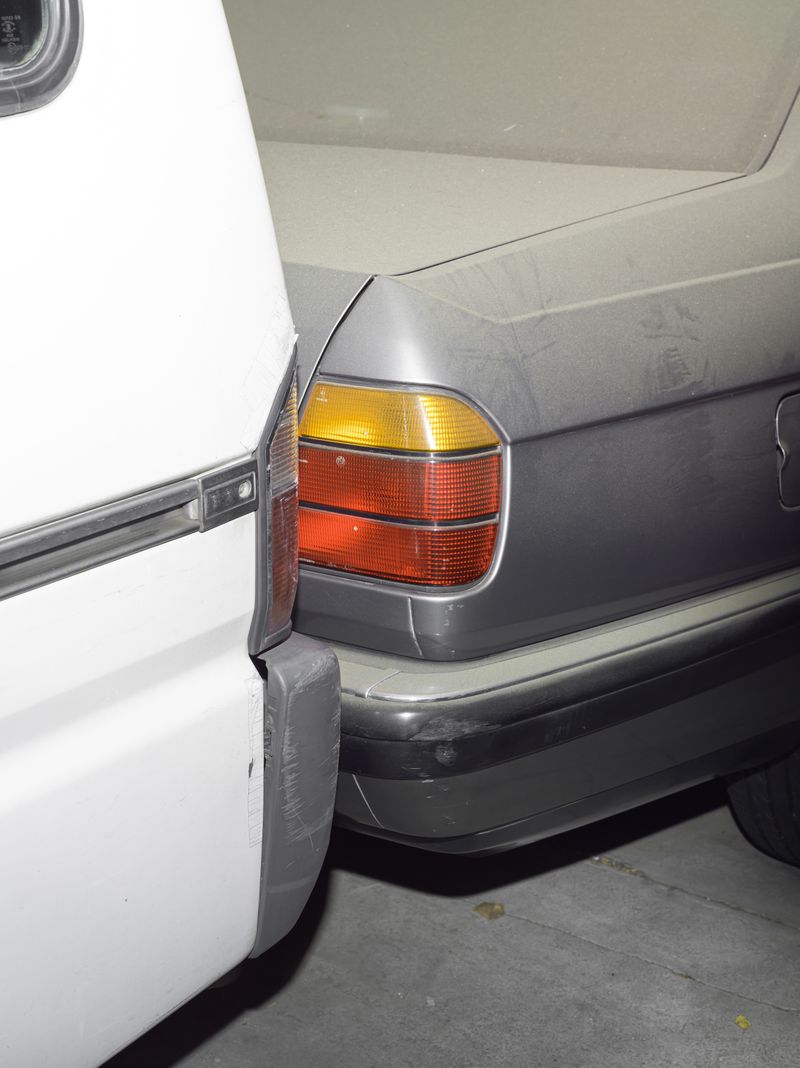
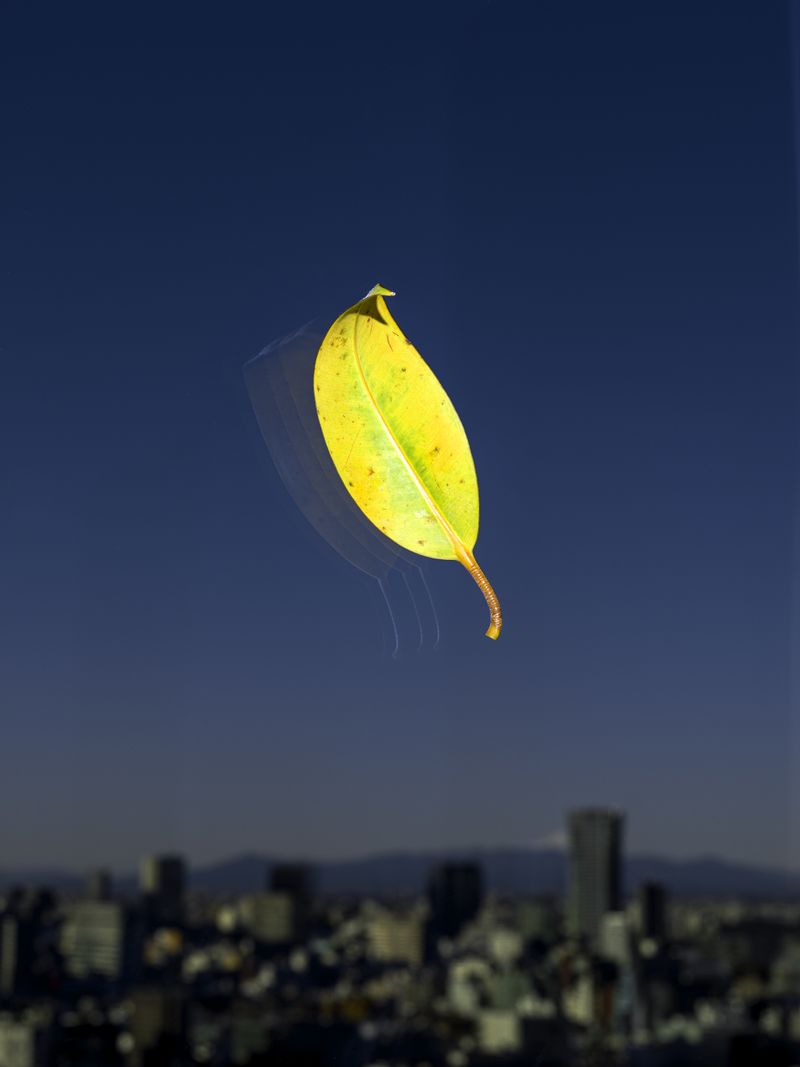
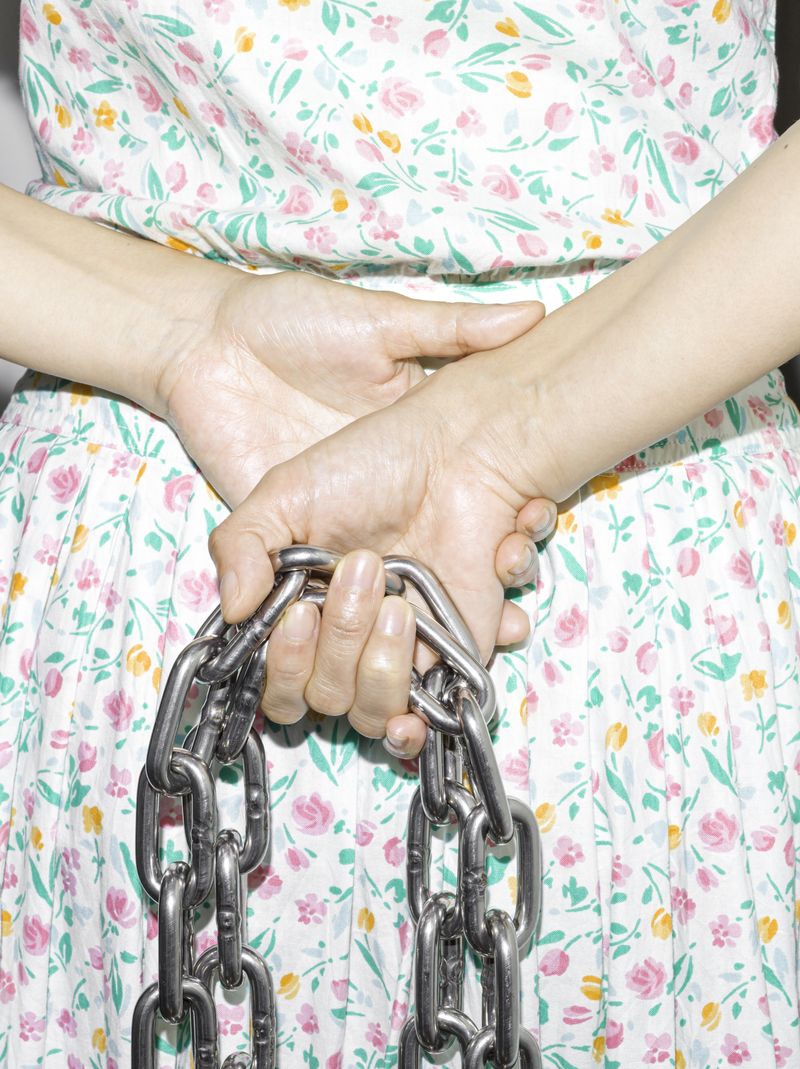
As urban spaces grow more controlled and uniform, traces of everyday life seem left behind. Like small thorns within the urban order, these overlooked presences reveal subtle dislocations between reality and our perception of it.
Contemporary cities appear increasingly ordered and homogenized. Buildings are meticulously constructed, public spaces are carefully managed, and moments of chance or fluctuation are quietly being eliminated. Yet beneath this surface, traces of everyday life, human habits, and unconscious gestures still linger faintly. Small distances and gaps left behind in the shadow of urban refinement and efficiency emerge like presences abandoned within systems of order. This series focuses on the subtle discomforts and dissonances hidden within these urban gaps and dislocations. Like “thorns” remaining within orderly landscapes, these quiet presences generate slight fluctuations and shifts in temperature, creating subtle fractures beneath the homogenized surface of the city. What appears in these images is not human absence itself, but traces of passing time, remnants of daily life, and unconscious imprints. Within continuously regulated urban environments, these drifting and overlooked presences quietly reveal the uncertainty, instability, and subtle otherness hidden within the city’s gaps. Our perception of the world is shaped by memory, experience, imagination, and the images we have accumulated over time. Even familiar surroundings may reveal an uncertain distance between what exists and how we perceive it. The city exists not merely as a functional structure, but as an imperfect space shaped through overlapping memories and layers of human activity. Within it, accumulated vibrations of time and the murmurs of everyday life create delicate rhythms that gently unsettle the air of the city.