Untitled (Domestic Gaze)
-
Dates2025 - Ongoing
-
Author
- Topics Portrait, Social Issues, Contemporary Issues, Fine Art, Documentary
- Locations Chicago, Los Angeles
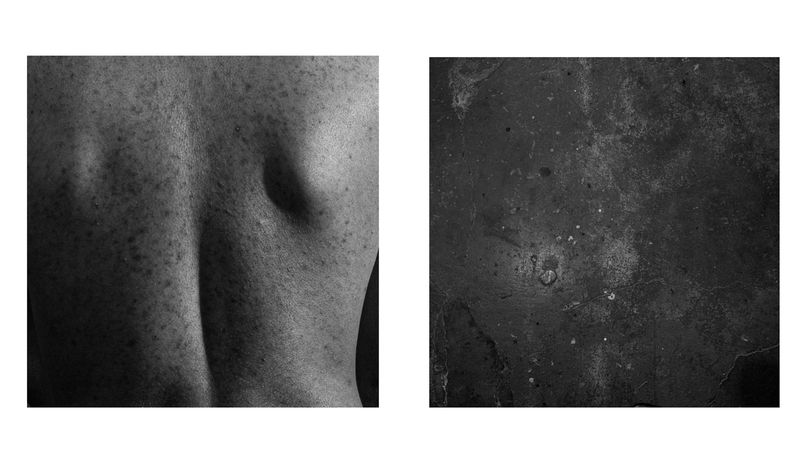
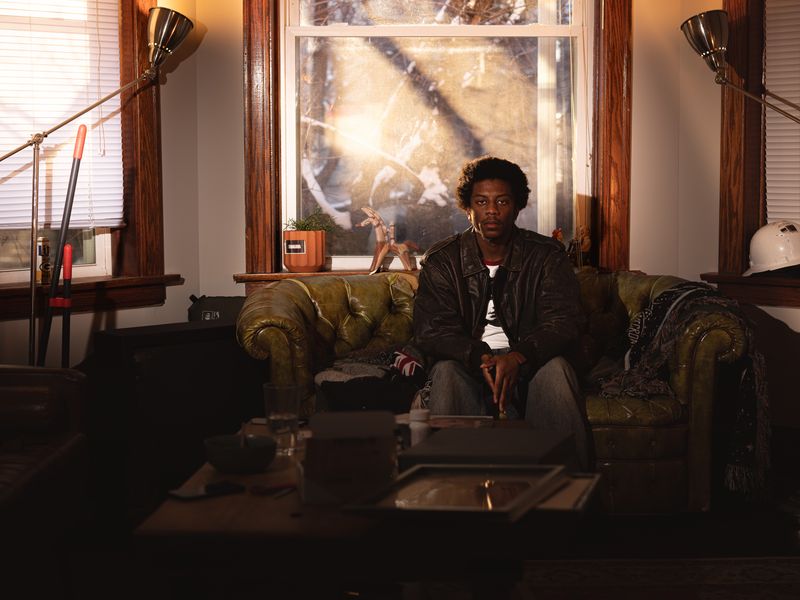
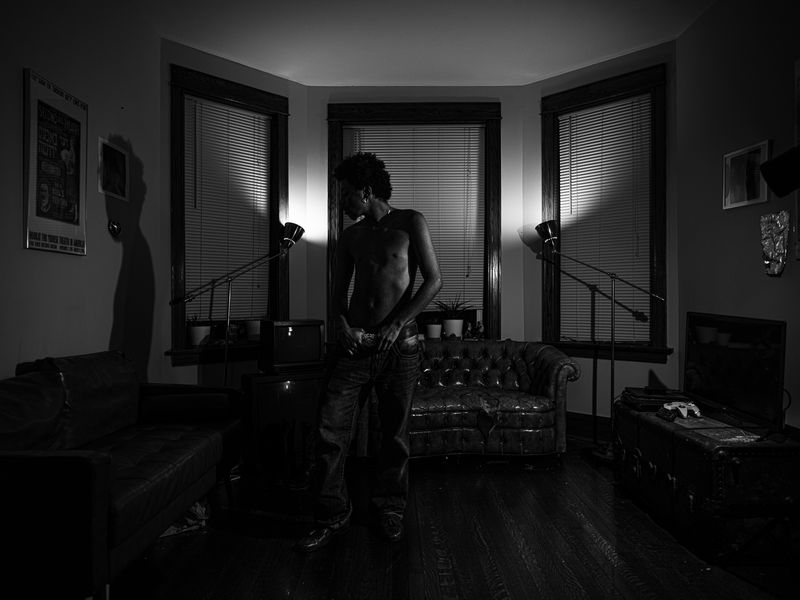
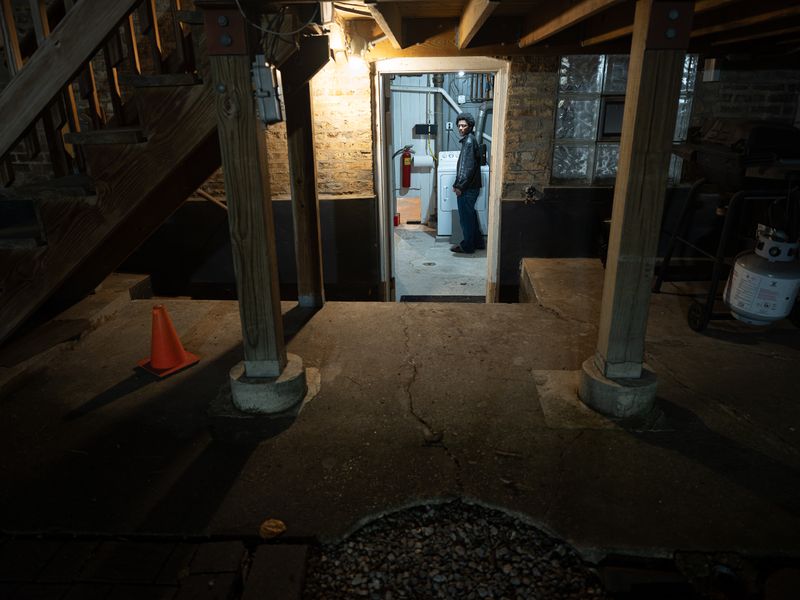
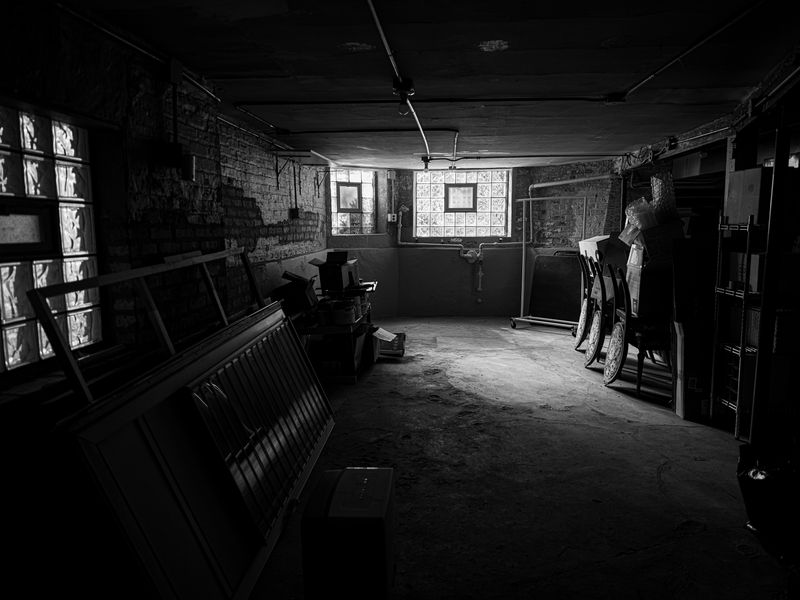
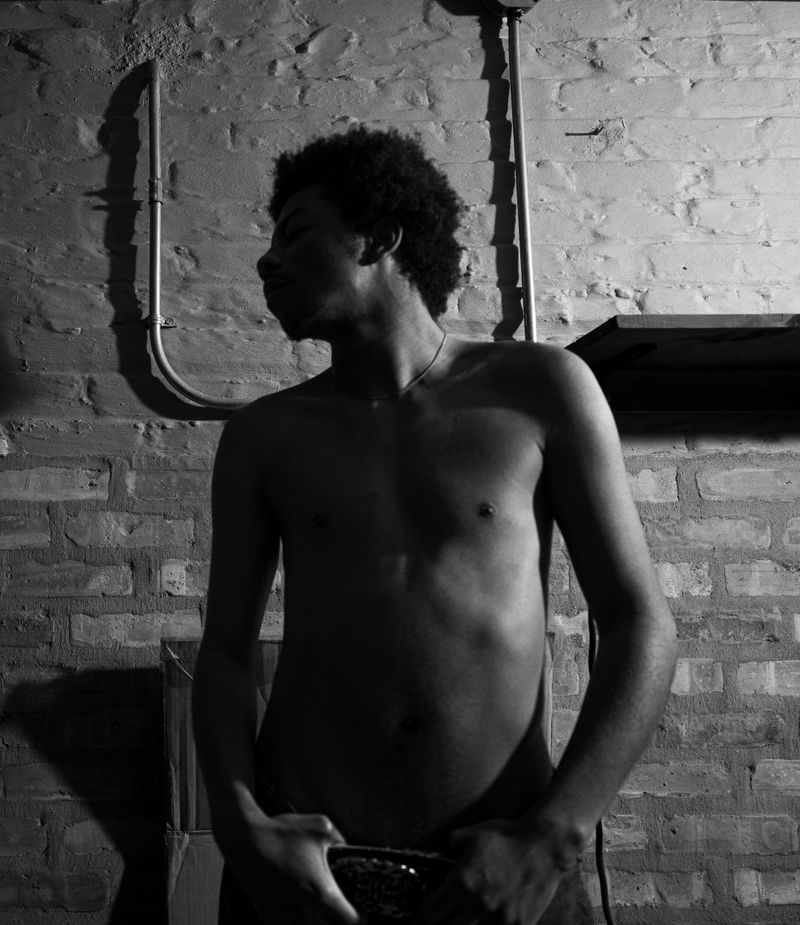
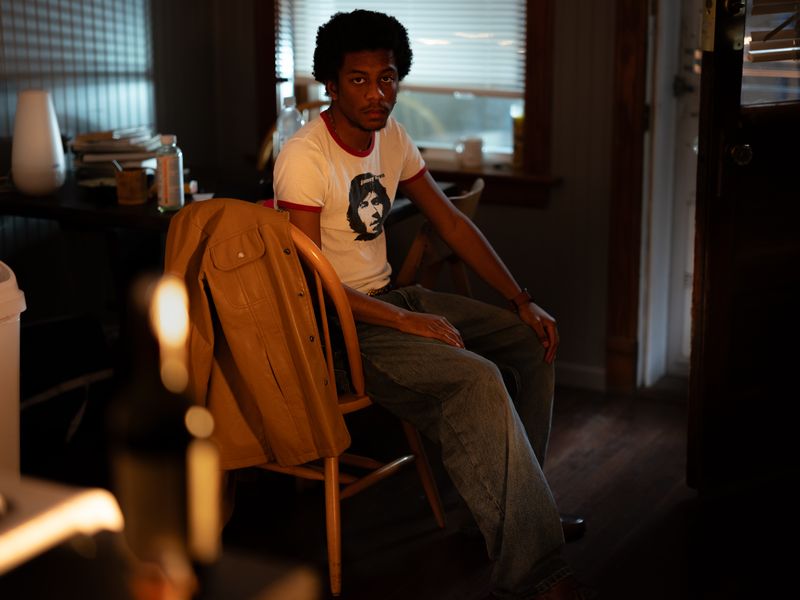
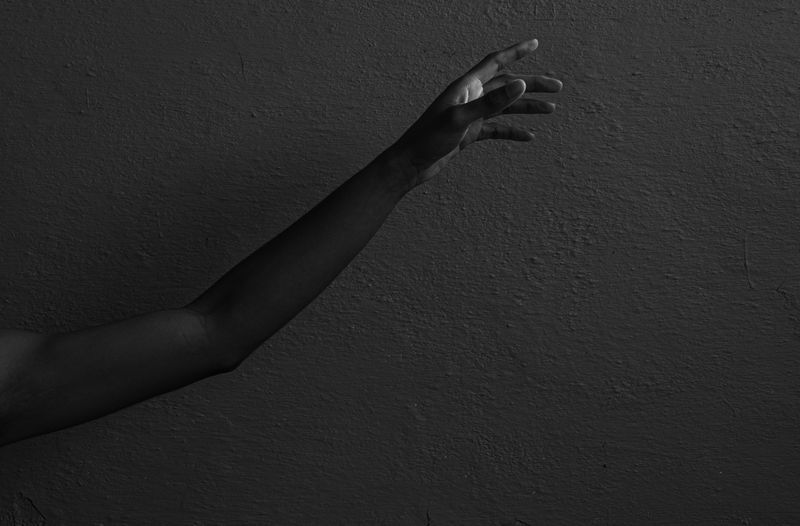
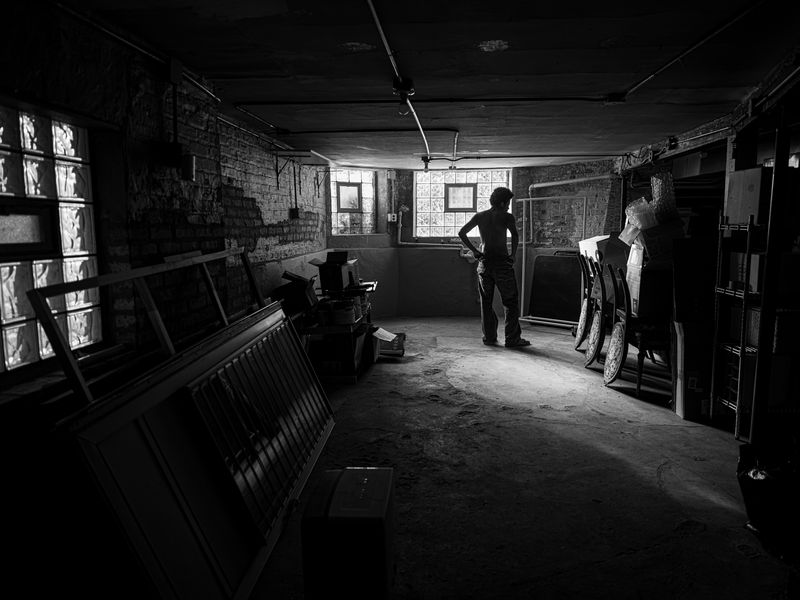
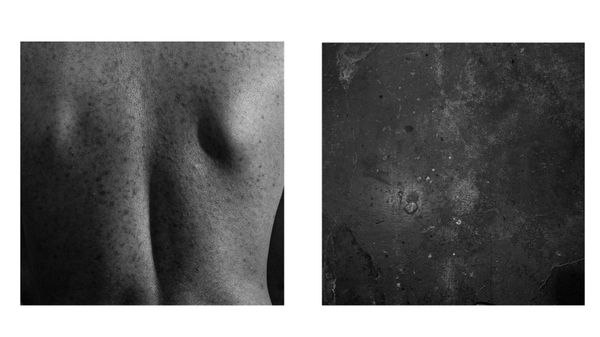
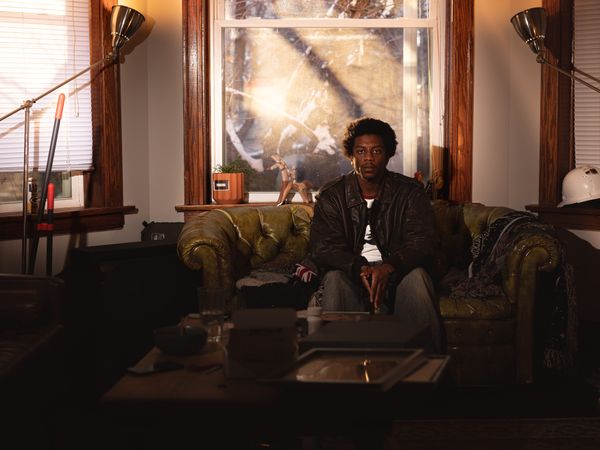
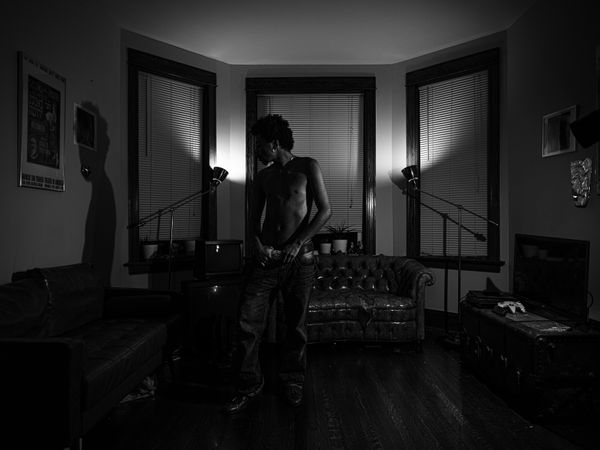
Either I stare directly into the camera in these domestic scenes, or I look away, allowing myself to be viewed by the audience without being objectified. The camera has long functioned as a tool of capture and display, defining the self, and historically, photographers have used it to define Black bodies. As a Black queer individual, my body has often been placed on a pedestal as something to be displayed or examined. By taking control of the camera and looking away, I reclaim that display and pedestal, stealing back the objectification forced upon me and many like me; by staring into the camera, I confront the viewer directly, producing a palpable tension.
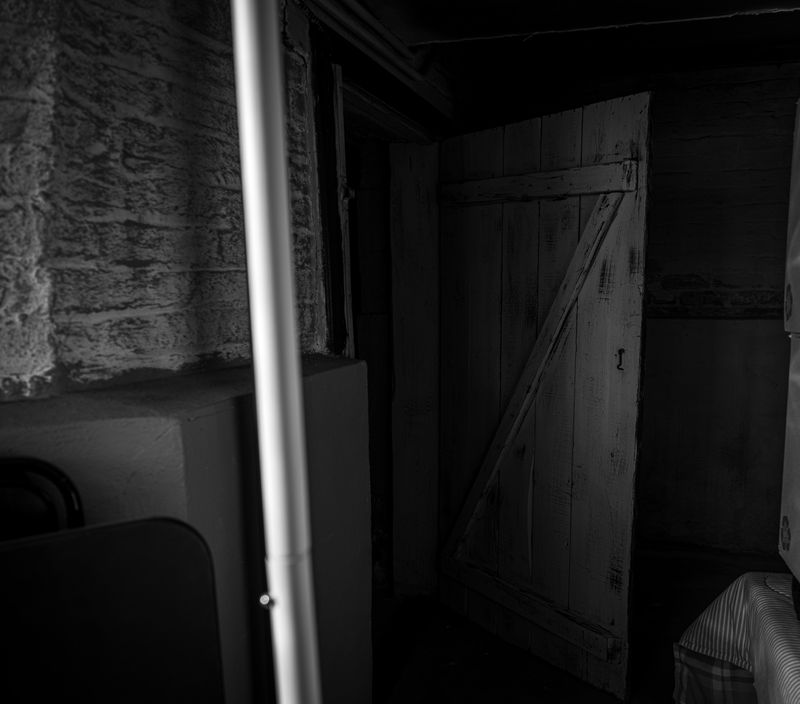
Within this gaze, I am speaking directly of my residence in Logan Square, Chicago; I arrived here from South Central Los Angeles, a neighborhood shaped by black and brown communities, yet so often reduced to a narrative of danger and disorder. I left as gentrification began to unravel the fabric of this space, pushing people out, rewriting its story. Now, I find myself in another space already transformed and stripped of much of its history. Logan Square stands as a mirror of what I left behind, its past barely visible, lingering only in fragments.
The gaze captures the affective experience of racial isolation within spaces once populated by bodies that mirrored my own. There’s a notable tenseness of being watched, judged, and “othered,” the paranoia of living in a space where the self feels ghostly, as if constantly scrutinized. This condition of hypervisibility extends beyond the individual to the disciplinary scrutiny imposed on the Black body, and more specifically, the Black queer body, continually mediated through external frameworks of judgment and control. Though these images depict myself, they are not acts of self-expression; they function instead as conceptual platforms where I take liberties with my own image. If the system insists on defining how I am represented, I will present an already outlined self while removing the self from the conversation.