On a Loom of Hope, Under Shadows of Uncertainty, Generations Weave the Fabric of Survival.
-
Dates2024 - Ongoing
-
Author
- Topics Portrait, Daily Life, War & Conflicts, Social Issues, Contemporary Issues, Editorial, Documentary, Awards
- Locations Pakistan, Khyber Pakhtunkhwa, Akora Khattak
Turkmen Afghan refugees in Pakistan craft fine rugs in poverty, exploited by middlemen. Facing deportation, they risk losing homes, heritage, and safety. This project captures their resilience, artistry, and the profound uncertainty of their future.
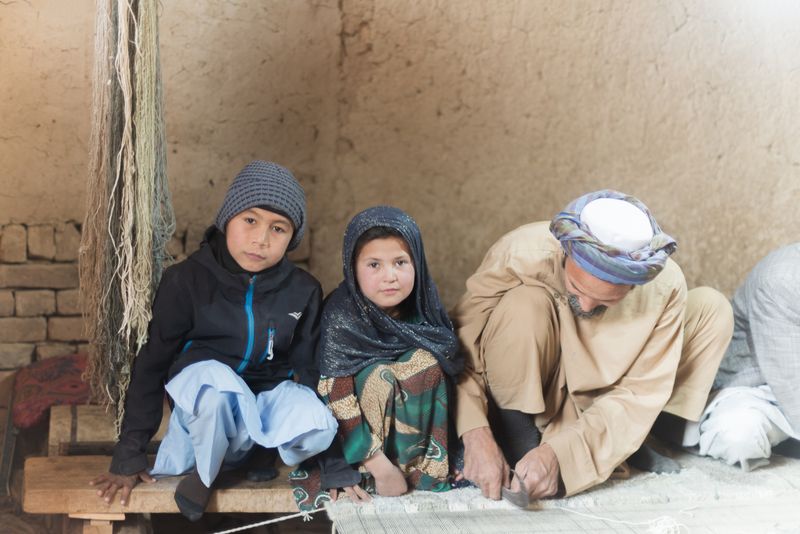
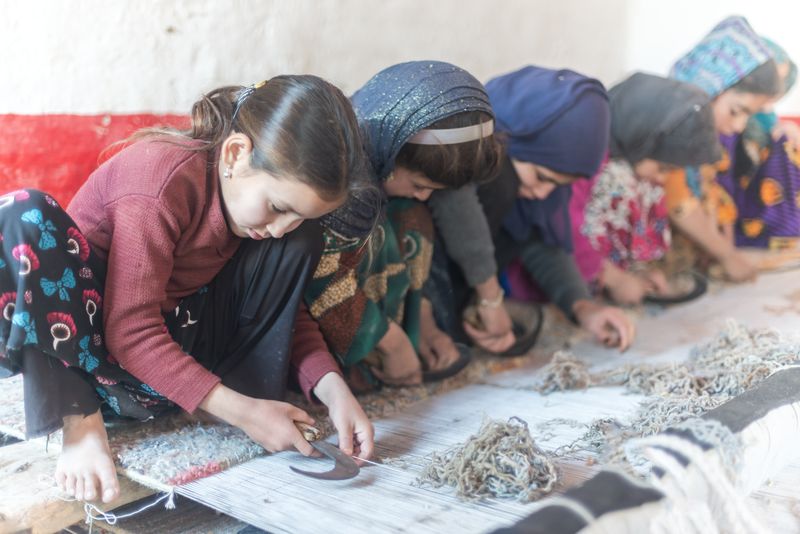
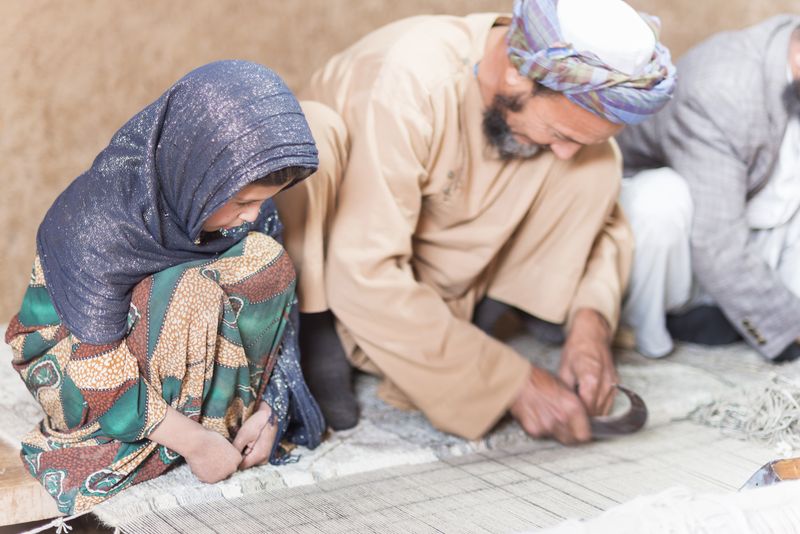
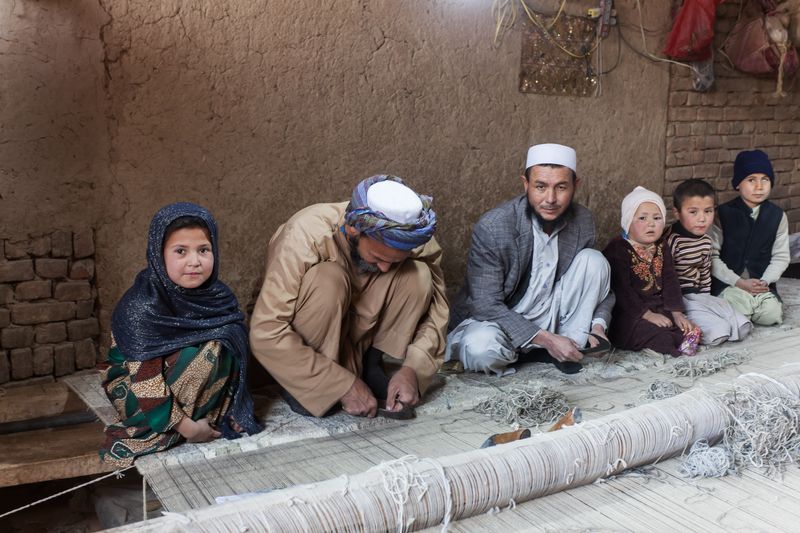
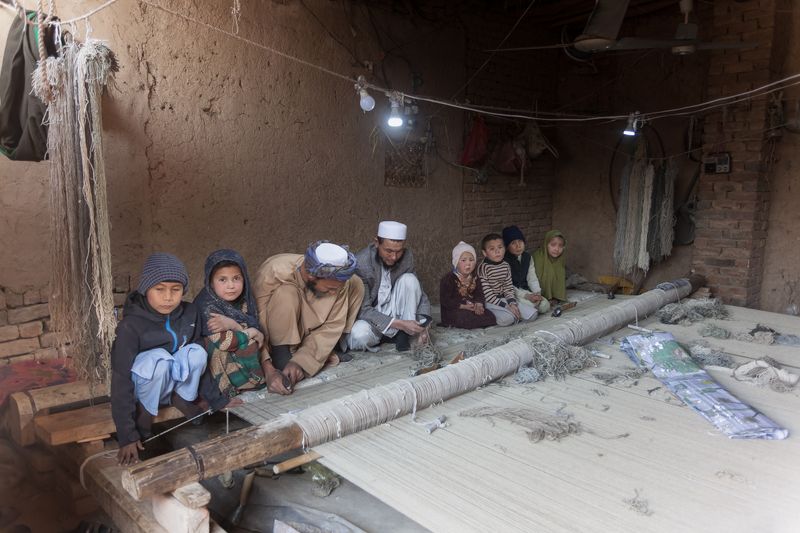
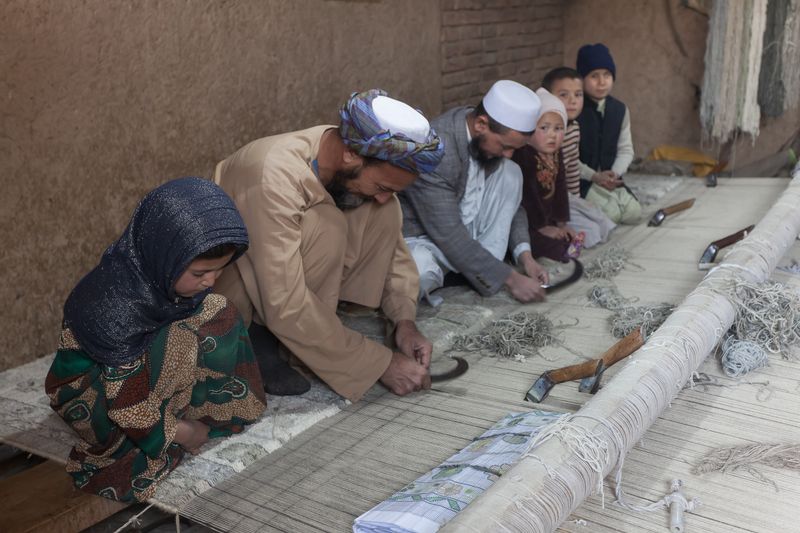
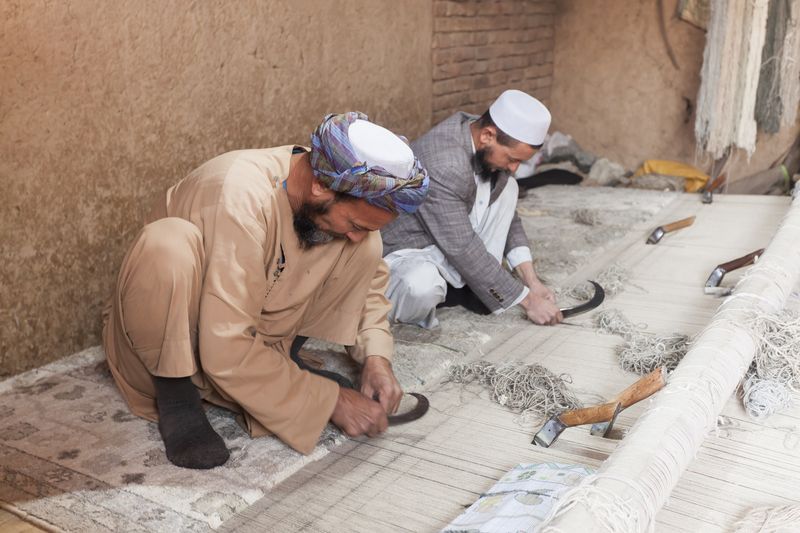
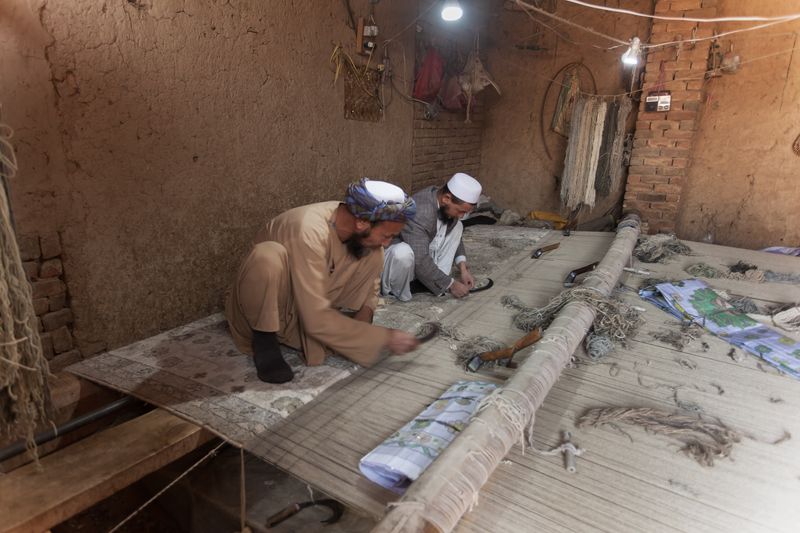
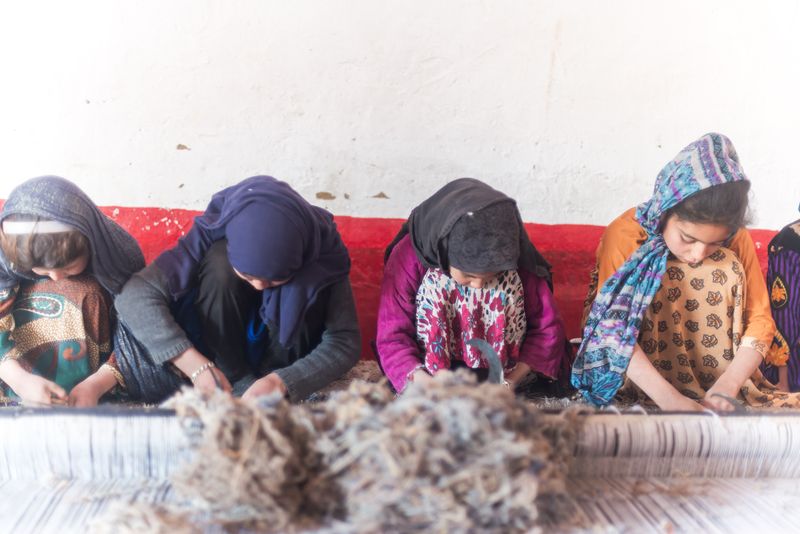
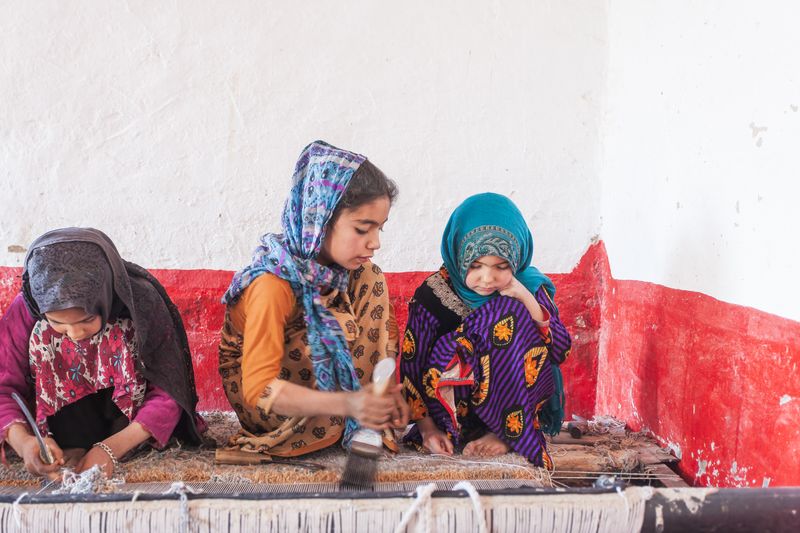
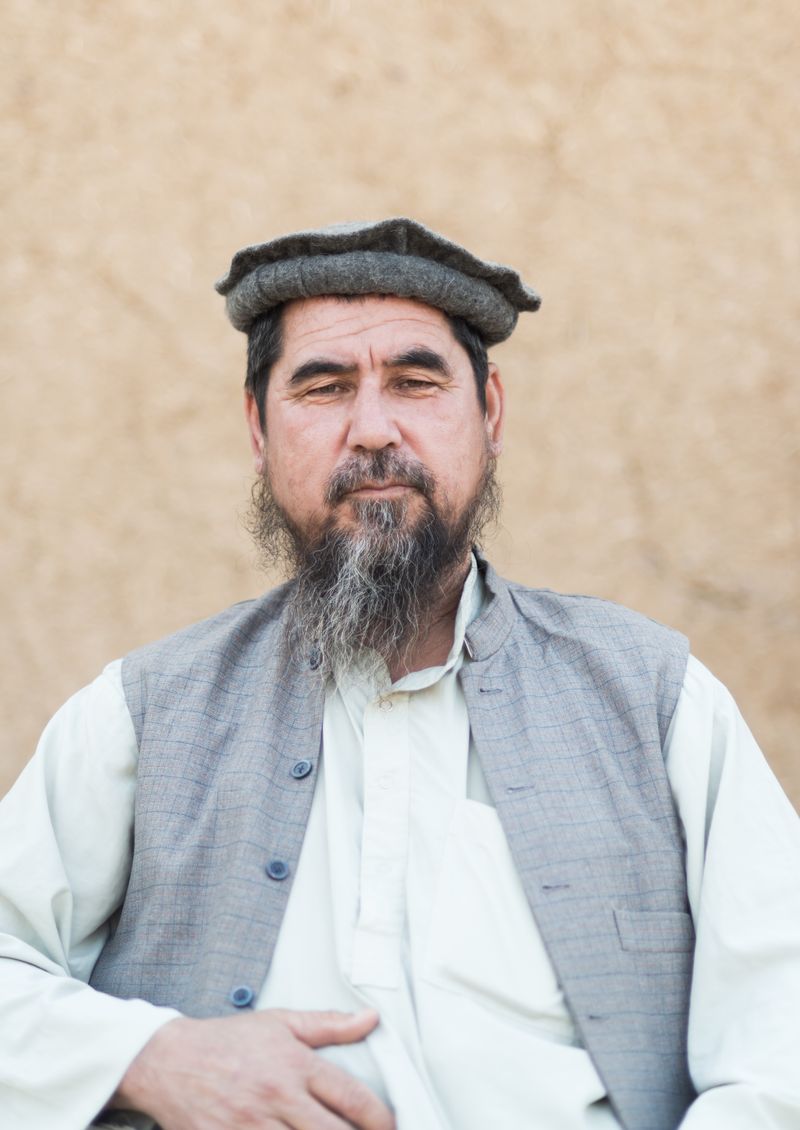
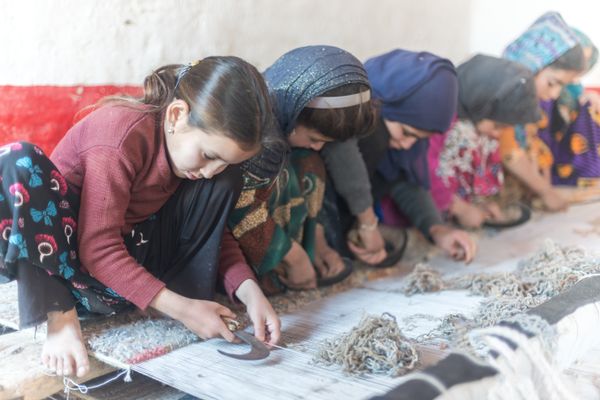
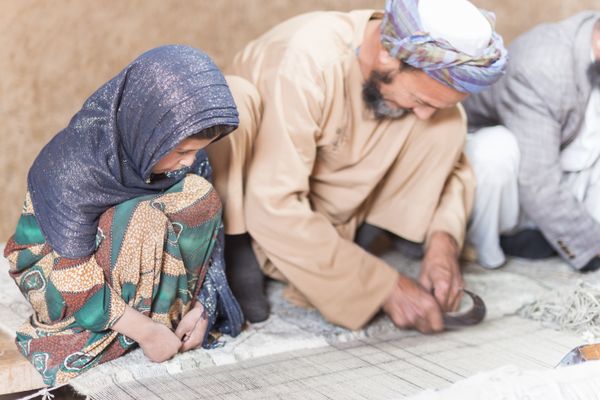
This project documents the lives of Turkmen Afghan refugees residing in a camp near Akora Khattak, Khyber Pakhtunkhwa (KP) province, Pakistan. Displaced and fleeing from their conflict-ridden homeland on account of continuous war, turmoil, and uncertainty, and living in mud houses with limited access to modern amenities, these resilient individuals have clung to their centuries-old craft of carpet weaving—a skill passed down through generations to eke out a living.
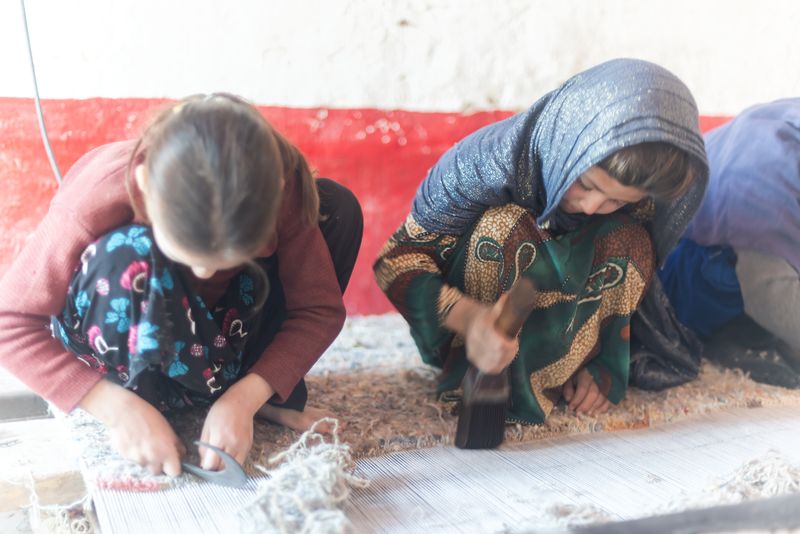
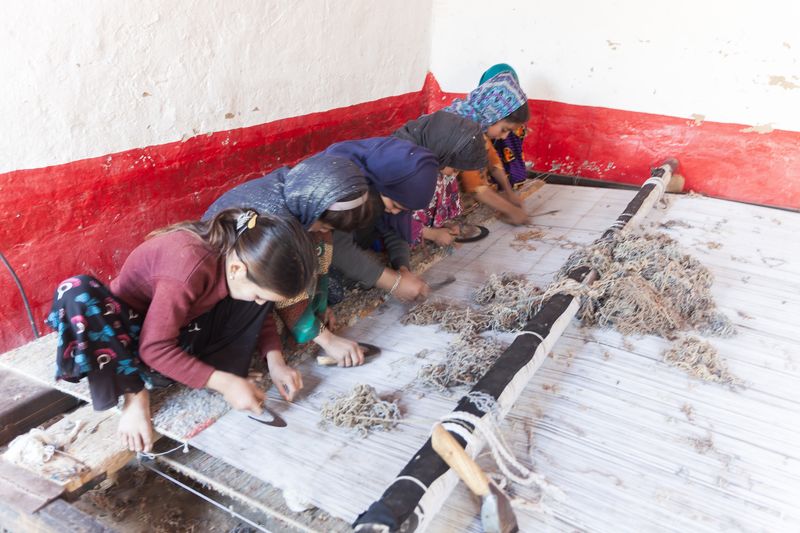
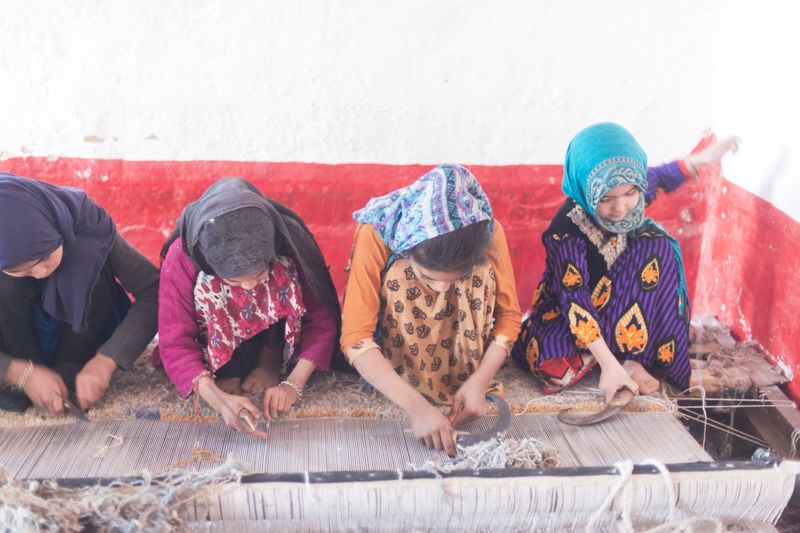
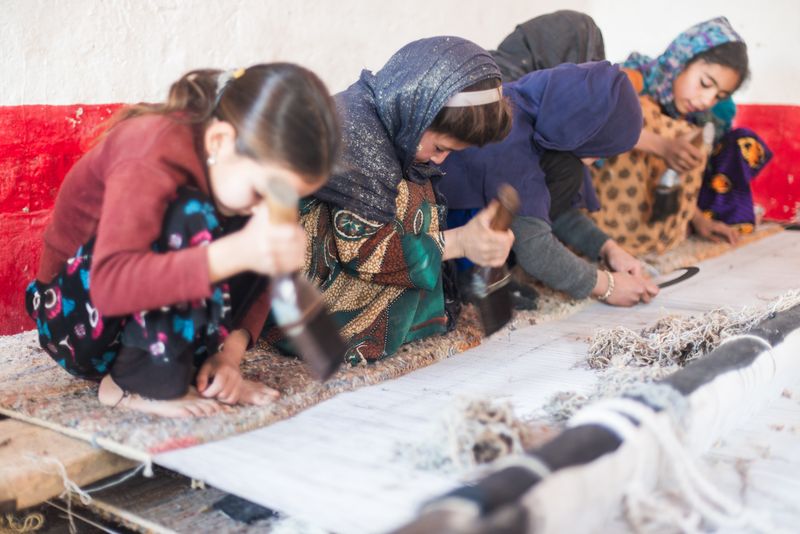
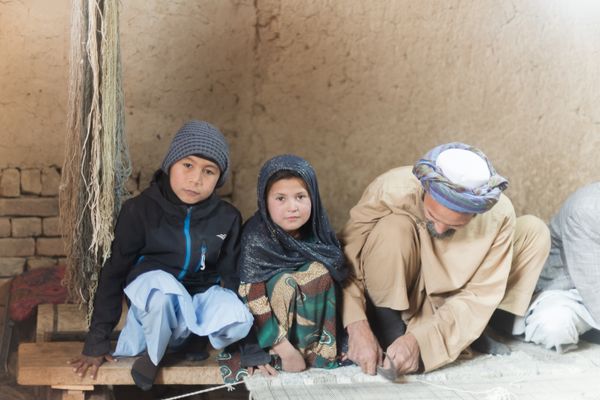
Within these ghettoes, mud-built homes, entire families, including young children, painstakingly weave intricate rugs that reflect their cultural heritage. These carpets, celebrated for their fine craftsmanship, are sold to middlemen at meager prices, only to be marketed at exorbitant rates in national and international markets. This exploitative system leaves the artisans with barely enough to survive, forcing even young children—especially girls—to work alongside their parents. While some may view this as child labor, for these families, it is a necessity, a way to scrape together a living in an unforgiving world.
Education and healthcare are basic and scarce. Few children go beyond primary school, and even fewer break free of the cycle of poverty to achieve higher education. For decades, these refugee camps have been managed by the United Nations High Commissioner for Refugees (UNHCR) and the Government of Pakistan, a nation that has shown remarkable generosity by hosting over two million Afghan refugees for more than forty years despite its own economic hardships and security-related challenges.
Yet, amidst the hardships and the looming shadow of an uncertain future, these people, especially the children, remain content and resilient. Their smiles, captured in many moments, are an emblem of their enduring spirit. They reflect the broader truth that no one willingly leaves home unless forced by violence and despair, yet even in exile, the human spirit finds ways to rebuild, create beauty, and hope for a better tomorrow. For the Turkmen refugees, their woven carpets are more than a livelihood; they are threads of survival and a fragile connection to a sense of home that exists in memory and longing.
As the Government of Pakistan announces plans to deport millions of Afghan refugees, including the Turkmen craftsmen, back to Afghanistan, the future is filled with fear and pain. For these families, who have spent decades weaving not just carpets but lives within the fabric of Pakistani society, returning to Afghanistan means facing an uncertain reality, fraught with new challenges and the possibility of persecution.
This project seeks to capture not just their craft but their struggle—the silent pain of displacement, the resilience in their artistry, and the beauty of their humanity even in the face of adversity. It is a story of tradition and survival, of people caught between the threads of history and a future that threatens to unravel all they have worked for.