UNDER THE SAME SUN
-
Dates2026 - Ongoing
-
Author
- Location Brazil
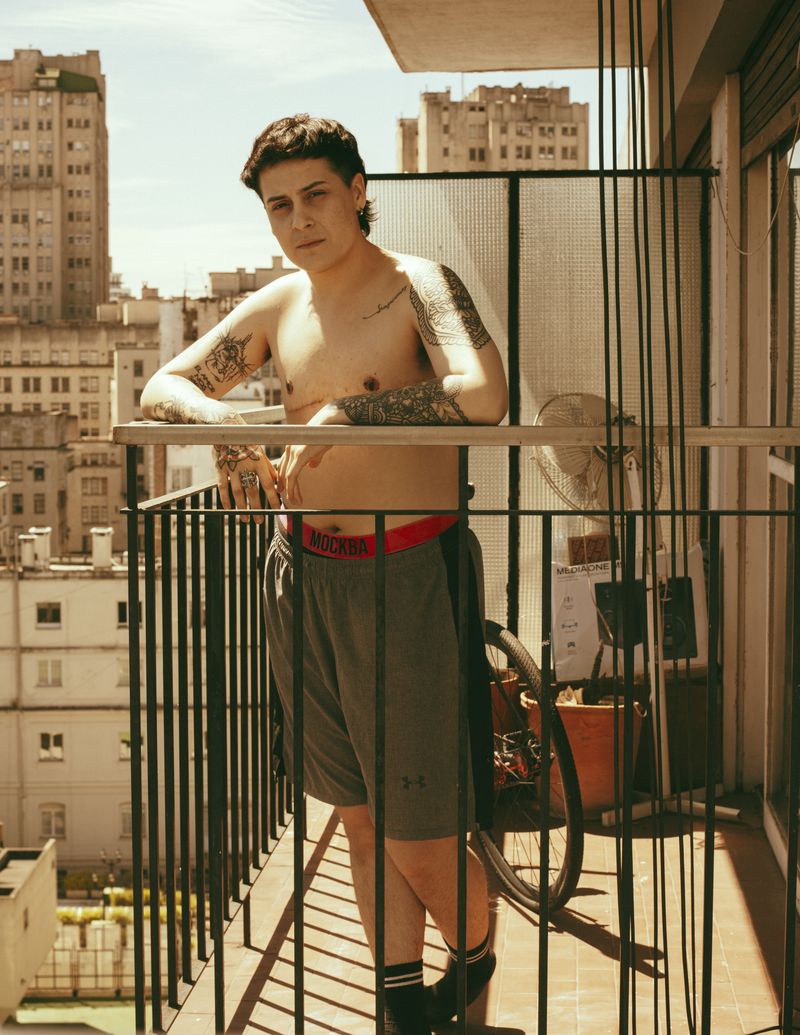
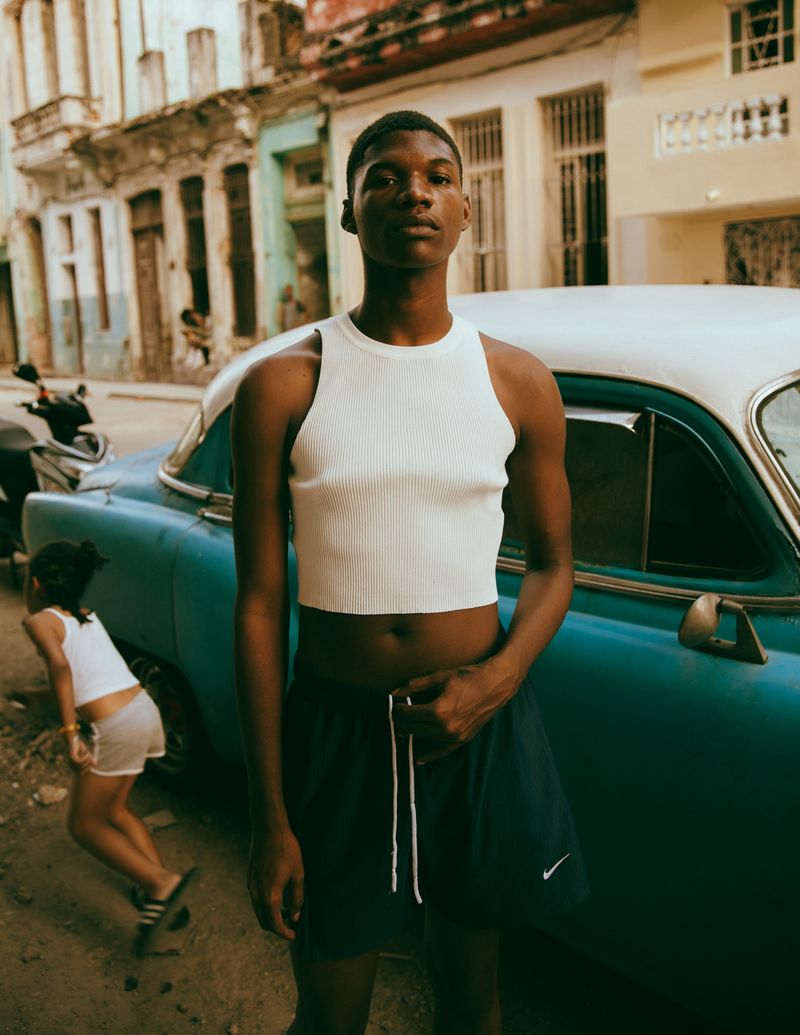
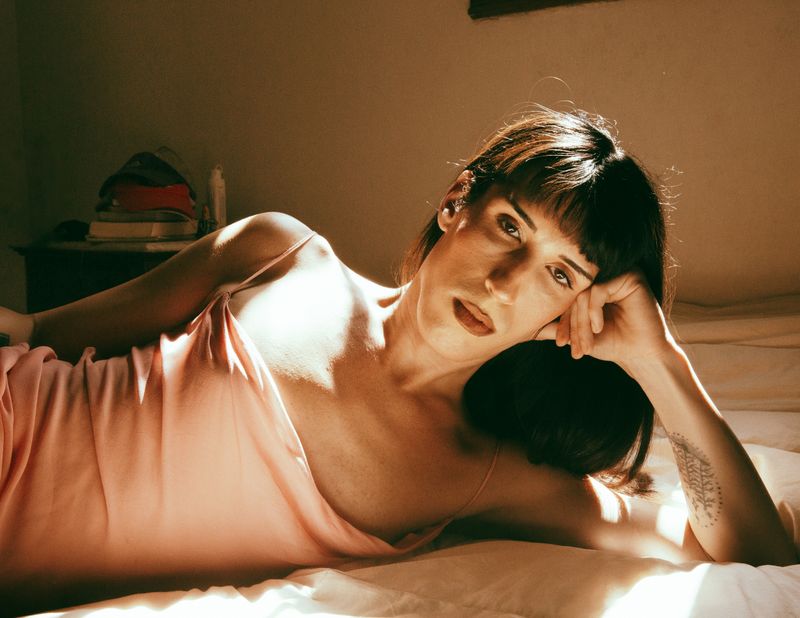
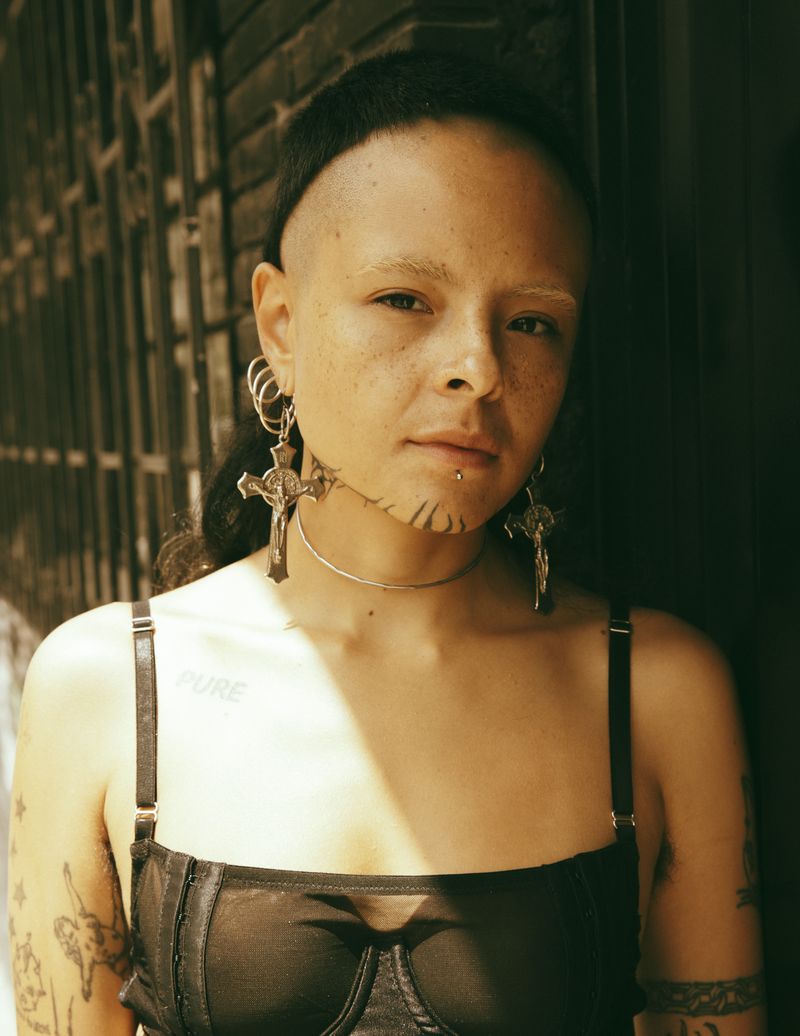
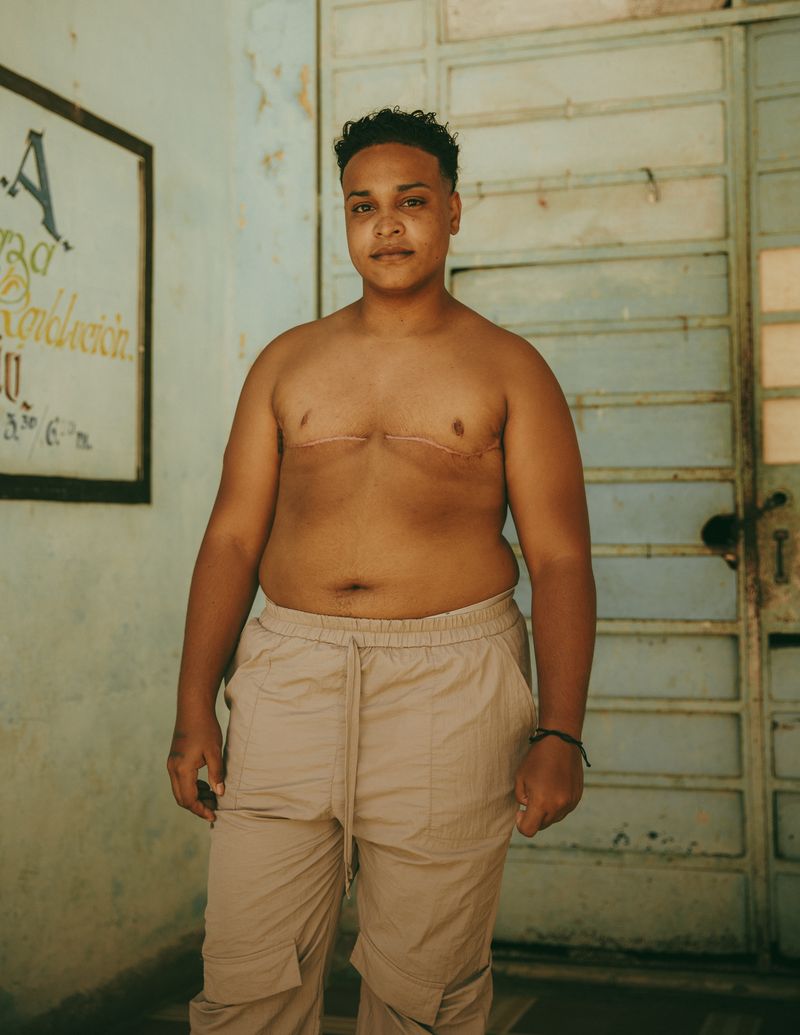
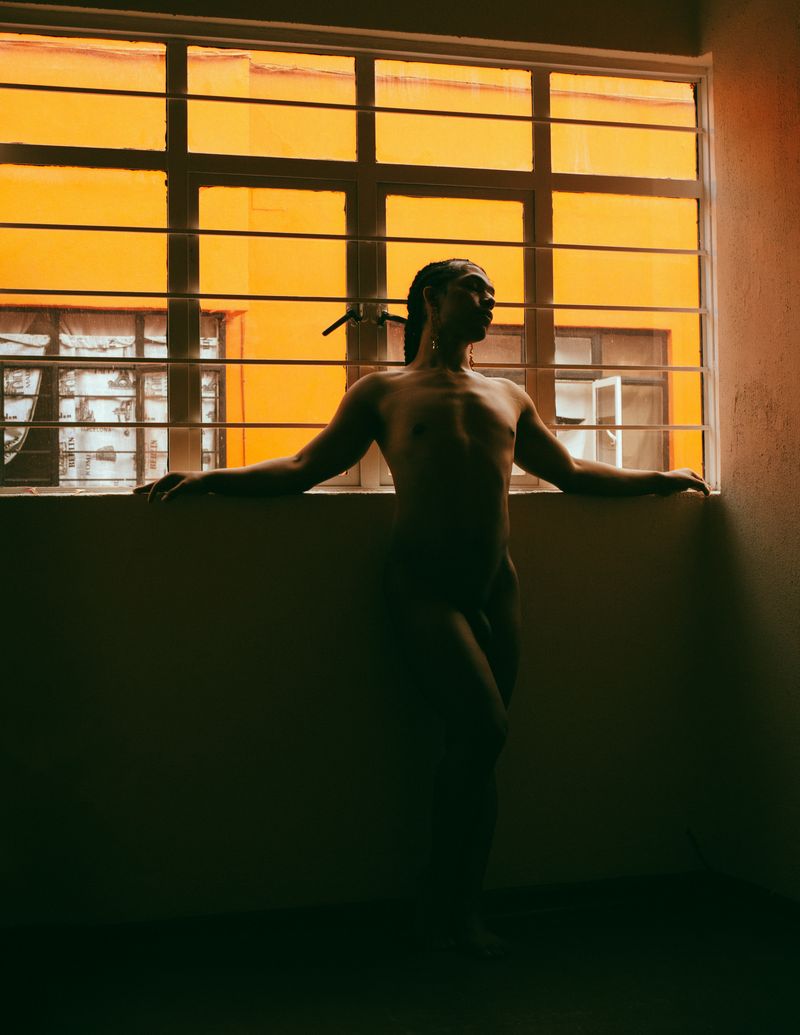
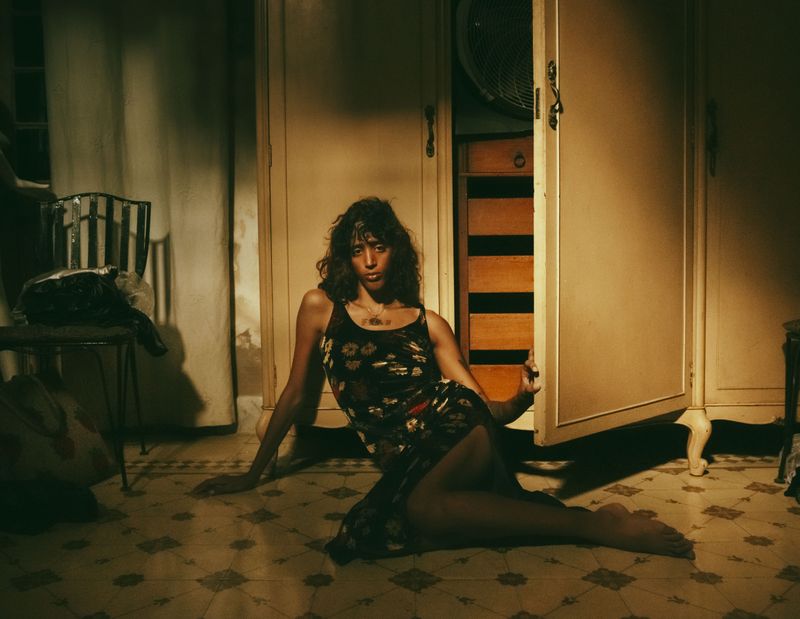
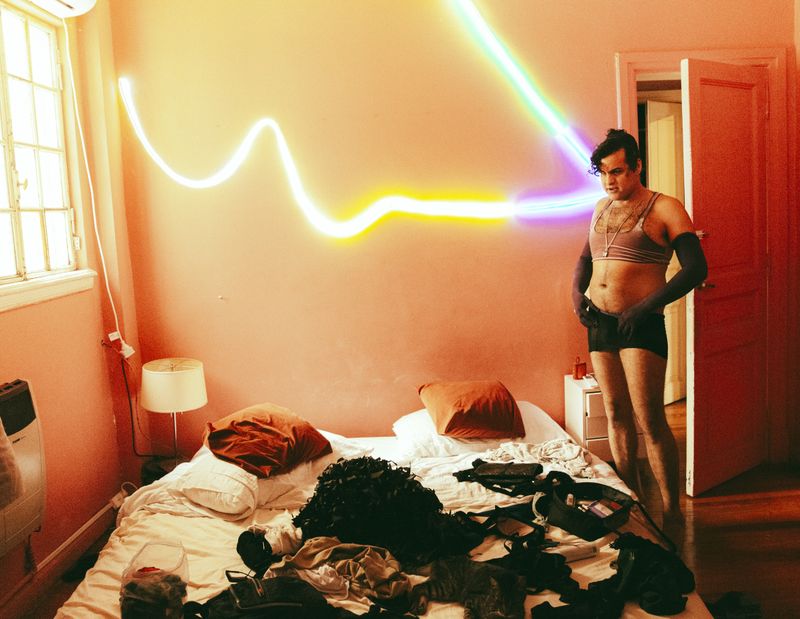
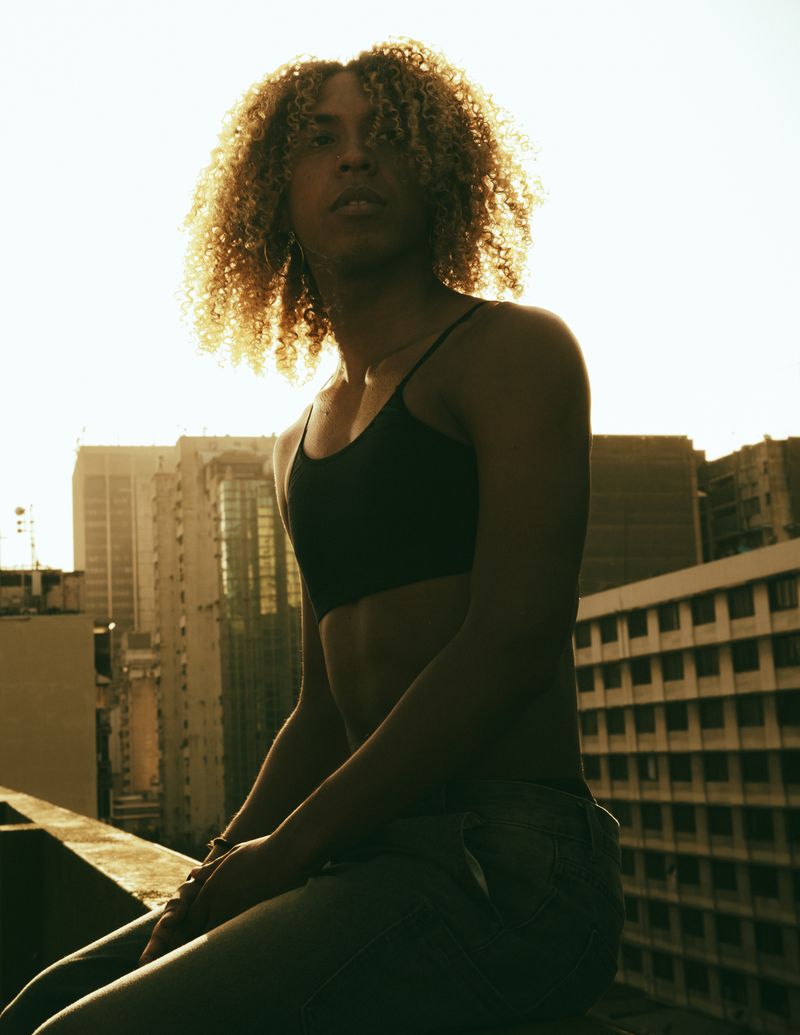
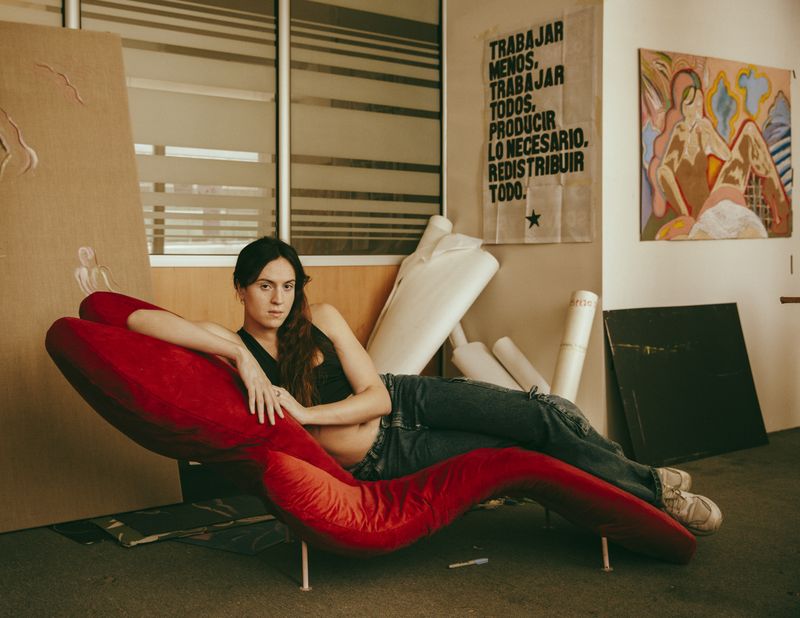
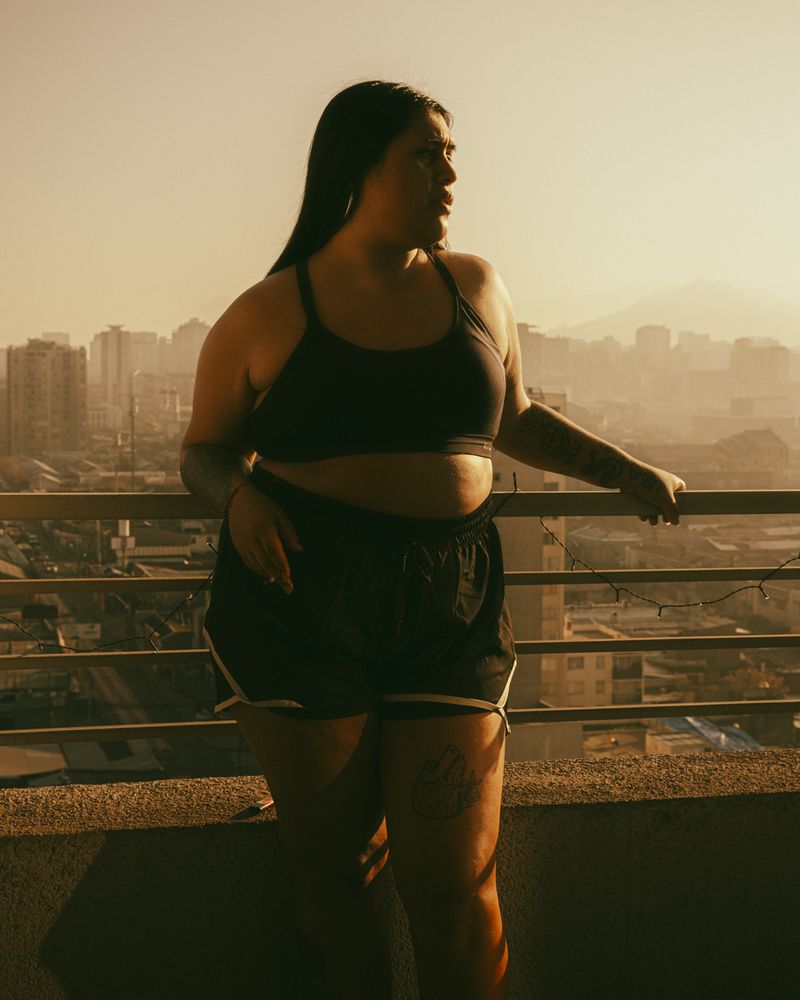
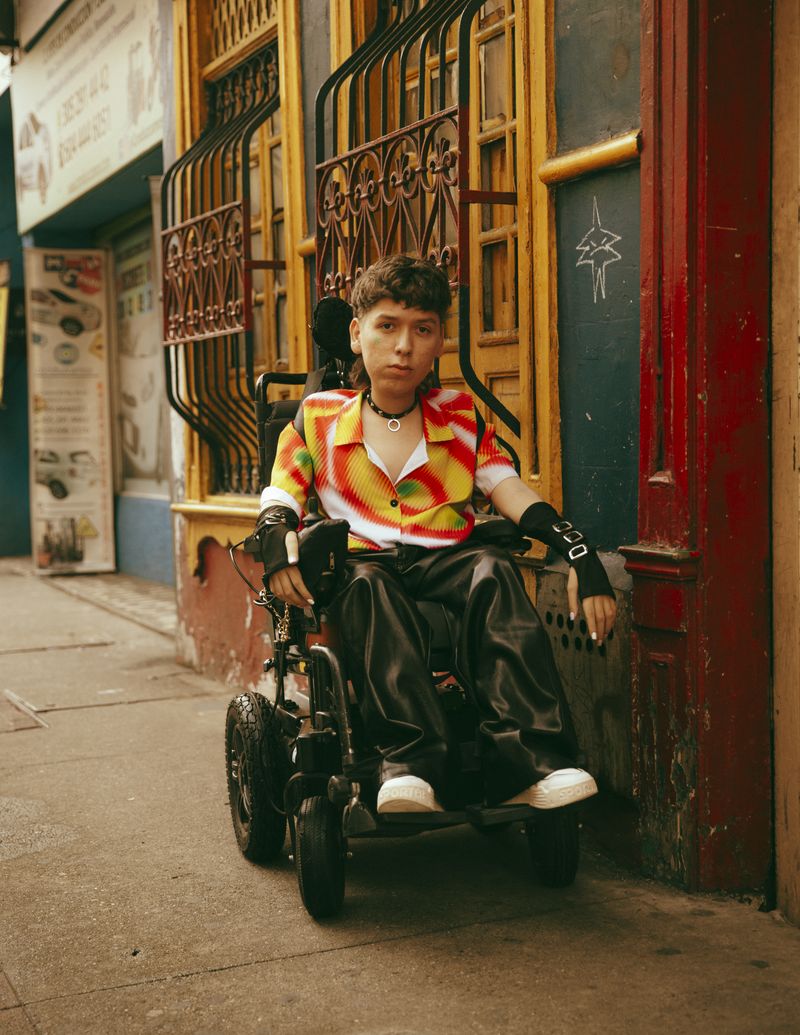
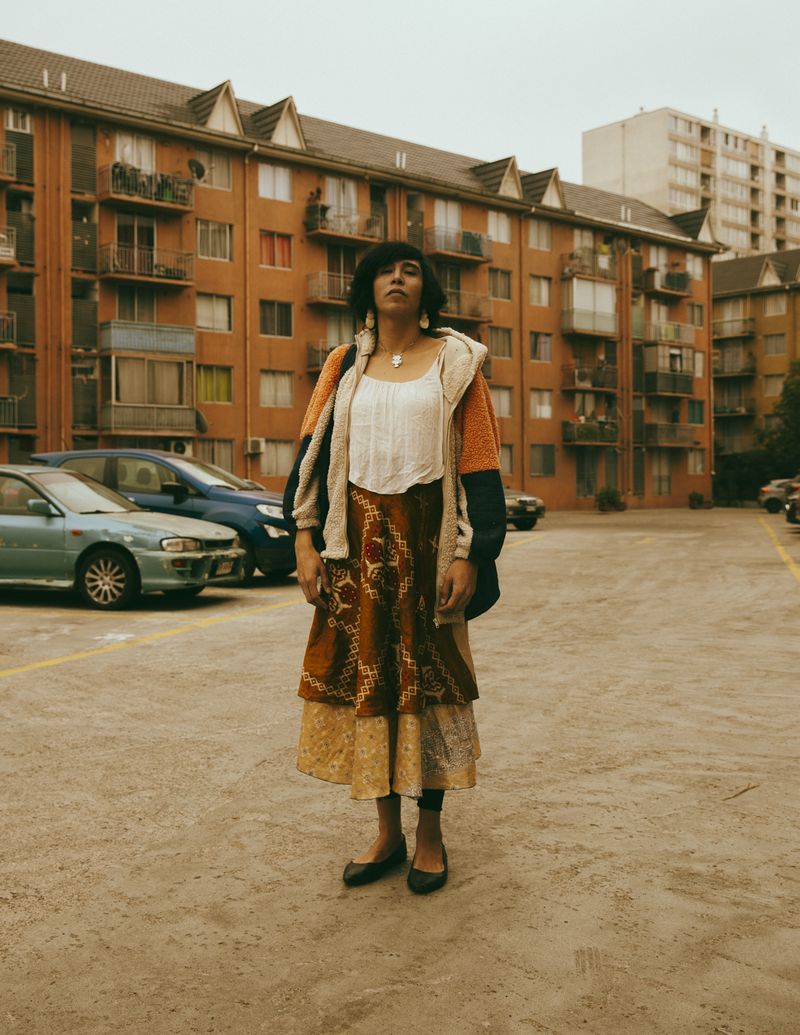
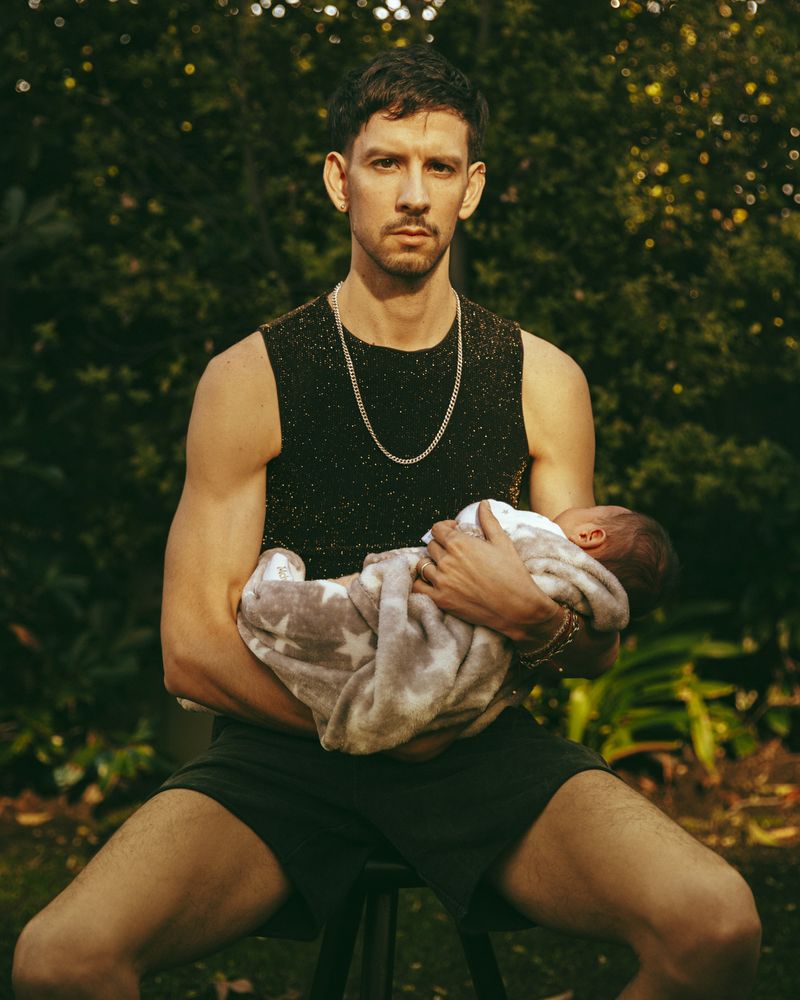
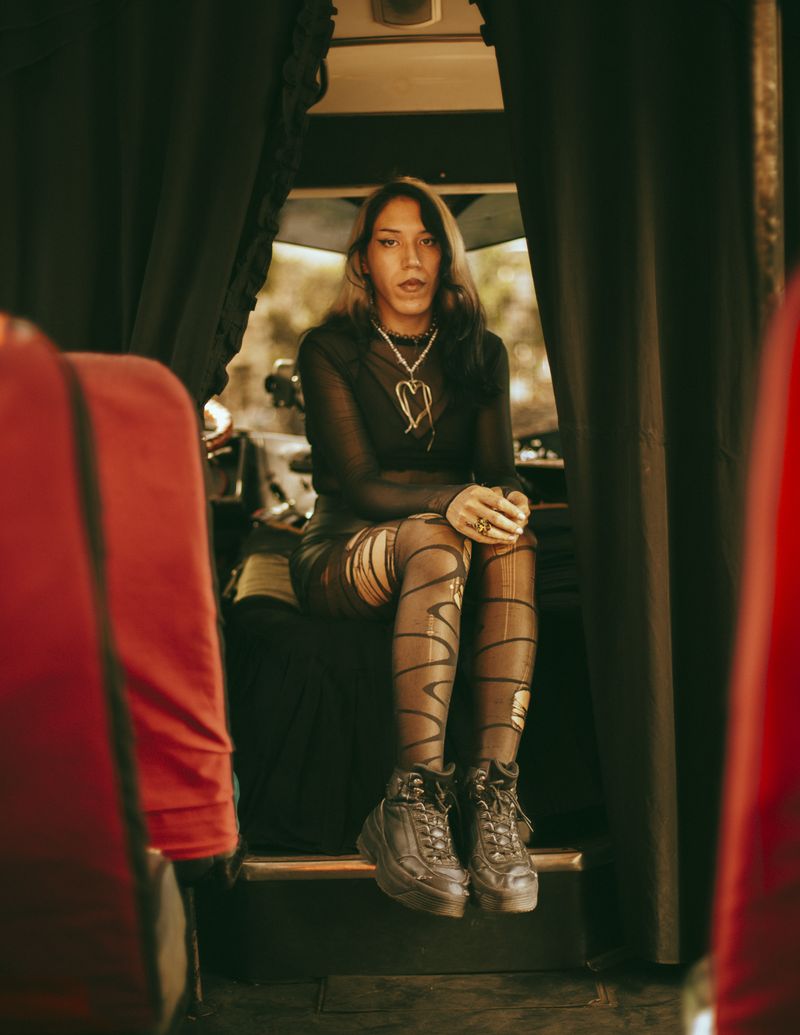
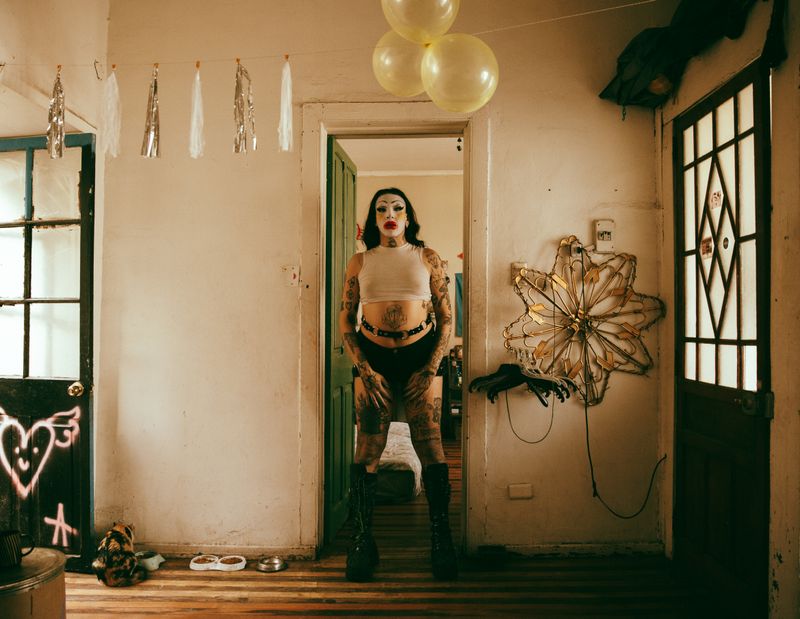
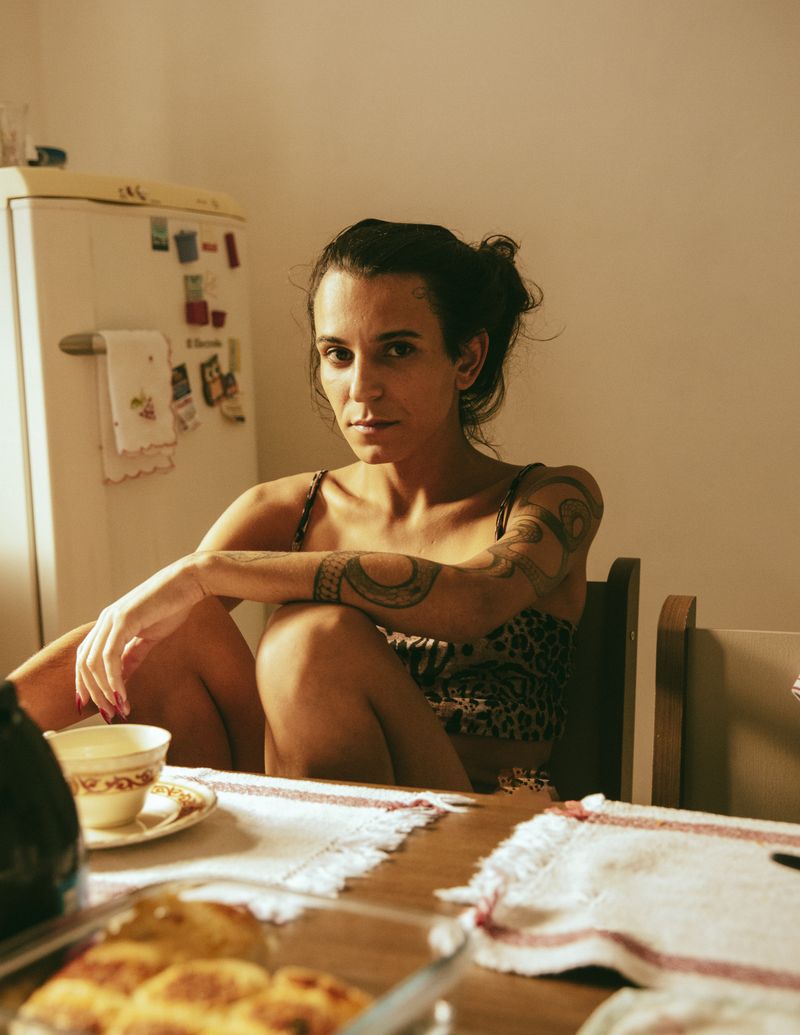
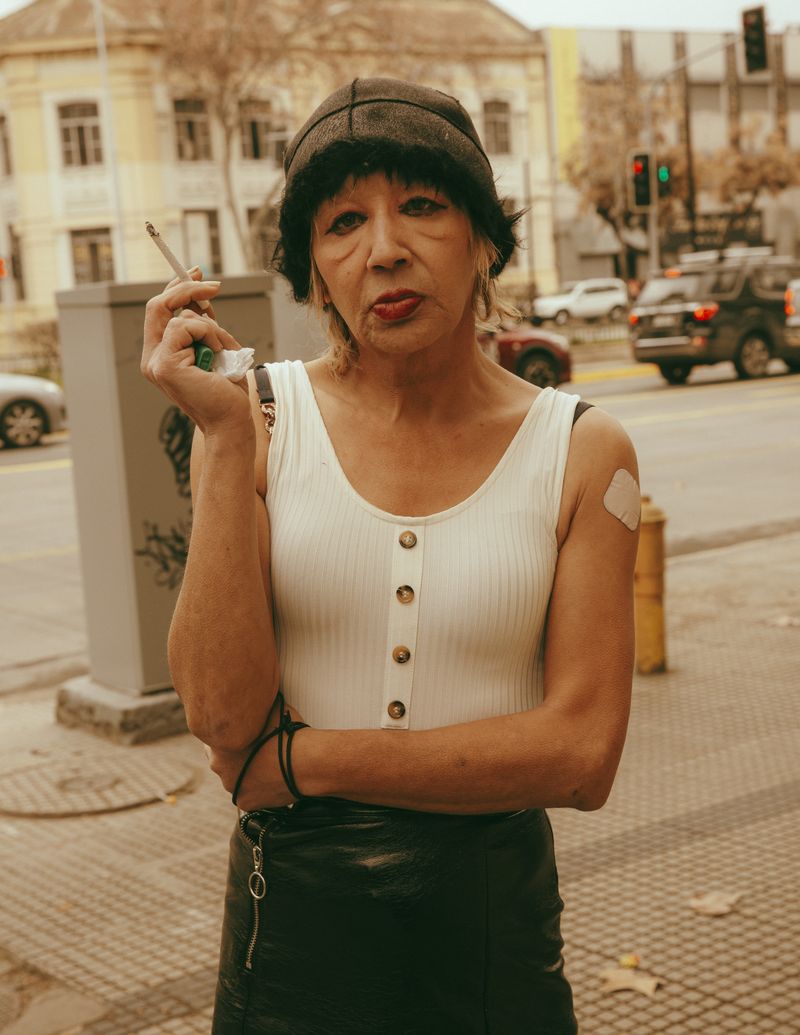
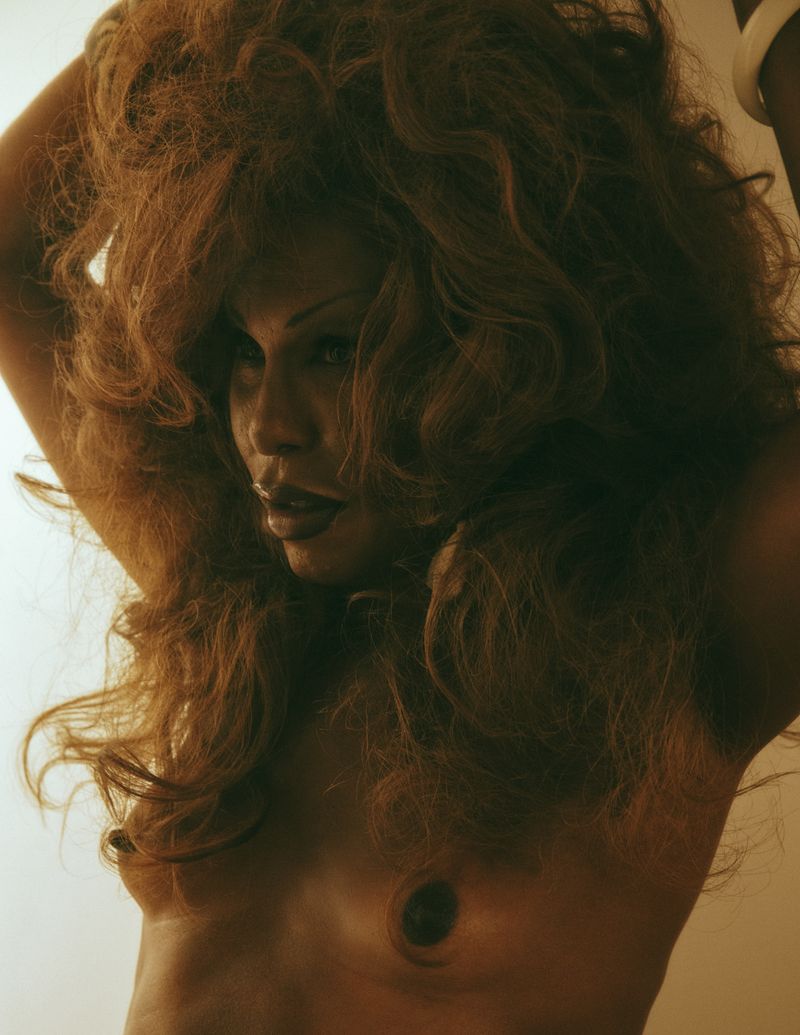
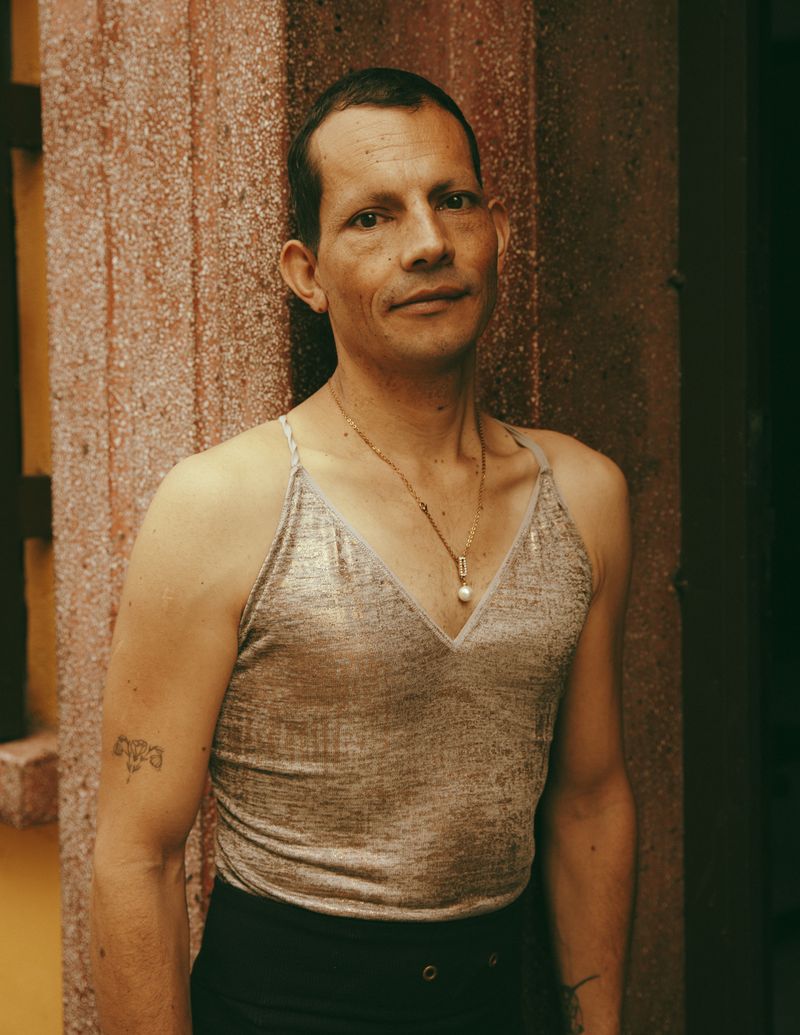
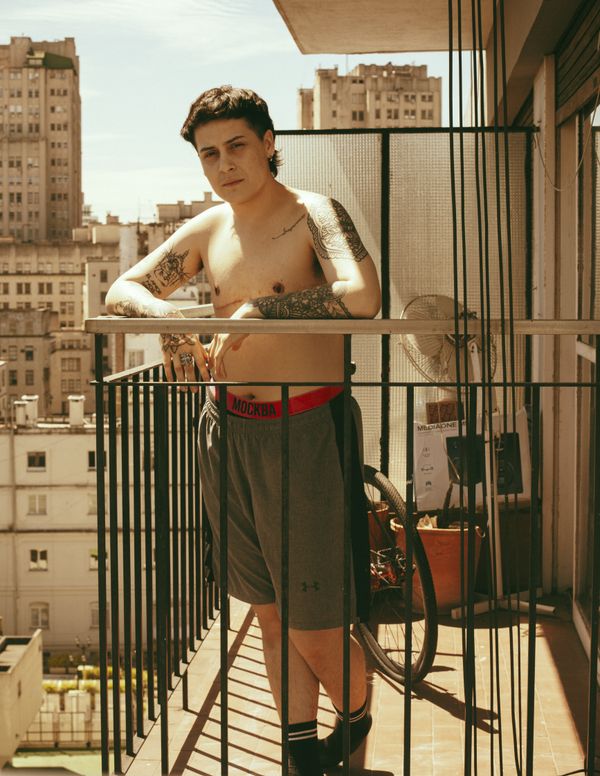
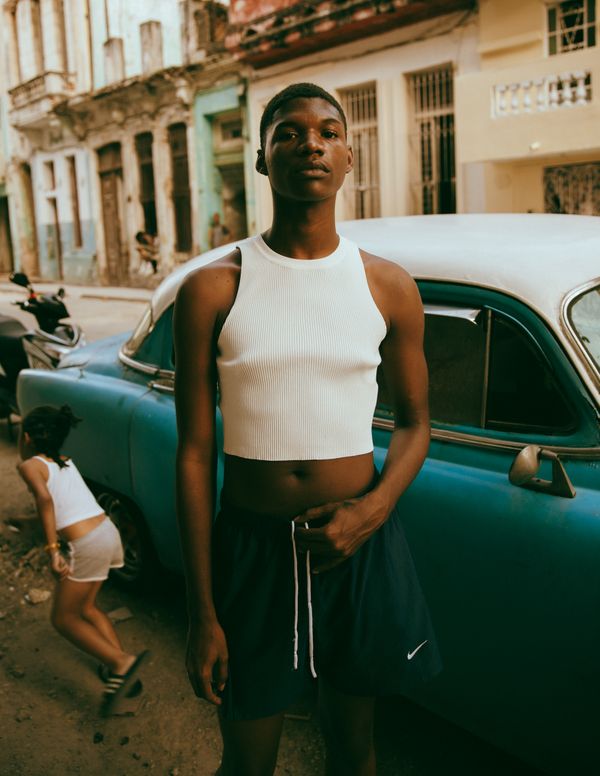
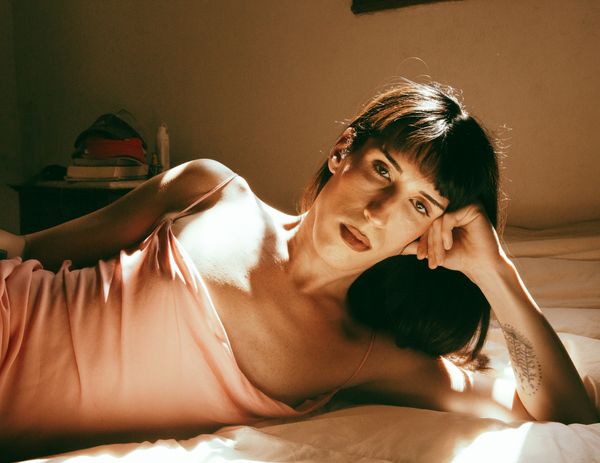
We stand under the same sun, not from the same place. This photography holds bodies with care, exposing urban inequality while imagining new forms of belonging. Fragile, exhausted, resilient, these images center dignity and collective possibility
We stand under the same sun, but not from the same place. That phrase does not organize, does not equalize, does not soothe. It exposes. If the city claims to be a refuge, it has to be said clearly: it never was. What it really does is reorganize violence, make it less visible, more manageable, but doesn’t make it disappear. The city promises freedom, but it runs under very specific conditions, and when you arrive, you don’t enter it. You adjust to its rhythm.
Many of the people in this project arrived in the city with that promise: the possibility of being. There, the kind of freedom you long for doesn’t exist. What you find instead is another way of negotiating with the same forces. The family that rejects, the system that pushes you out, the precarity that keeps pressing, all of that is still there, just redistributed. Here in Latin America, not every context operates the same way. In some places, violence gets diffused. In others, it is imposed directly, even by the state. What changes is the form, not the pressure. Structures mutate, they shift, but they keep operating.
What connects these images is not the city. It is the body. The body as the only place where something like freedom can happen. It is not stable. It appears and disappears. Sometimes it is barely visible. But in that appearance, the body holds its ground. Asafe’s gaze works right there, in that unstable moment where the body is still present. Between what the body is in private and what it is allowed to be in public, that in-between space starts to take shape.
The way these images are constructed comes from history, from his relationship to photography and the community. There is no neutrality in how these bodies appear. There is a trained gaze that decides what enters and what stays out, that organizes, cleans, directs. In that operation, a position is being taken. It does not correct reality or deny it. It works with it, aware of its limits, aware of how far the image can be pushed without breaking. And I see that as a responsibility, one that only takes shape within the ludic space of the queer that moves through both the body and the camera.
The direction moves with the body without imposition. Its function is to keep the subject within its context without reducing it to that context. Something runs through many of these images: a relationship to fantasy as a form of construction. The body appears as it is, but also as it can imagine itself, as it can perform itself in front of the lens. That possibility is also part of what is being held. And that is a form of care.
I connect with the idea of ‘care’ as a way of working with the image, because the image is built with the subject’s density, and there, delicacy is not optional. The image is not forced. What would break intimacy is not shown. It is controlled with the intention of not betraying. There is a sense of how far to intervene, because care also implies control. It means deciding how someone appears. Within that logic, aesthetics stops being a resource and becomes a way of thinking. It does not come after. It organizes from the beginning. At the edges of a certain queer sentimentality, one that does not avoid excess but holds it, there is a way of making images that does not transform the subject or correct it. It lets it exist without reducing it.
Asafe works with aesthetics to hold the subject without betraying it, to keep the image from turning against it. That gesture is not innocent. It comes from a territory where abandonment is a condition that repeats itself, that is inherited, that we learn to endure. And still, there is an insistence on producing images, on building beauty, on not giving up certain ways of appearing.
How exhausting it is to hold yourself here!
And what a strange place this is, where even from that exhaustion, you keep dreaming!
Santiago Méndez,Caracas 2026