Tunisia, where the Land breaks into Memory
-
Dates2008 - Ongoing
-
Author
- Locations Tunis, Tunisia, Douz, La Marsa
Jan Brouckaert’s work in Tunisia captures everyday life in Tunisia through poetic, atmospheric images. Blending documentary and emotion, his work reflects urban spaces, solitude, and subtle social change, inviting a quiet, reflective view of the country.
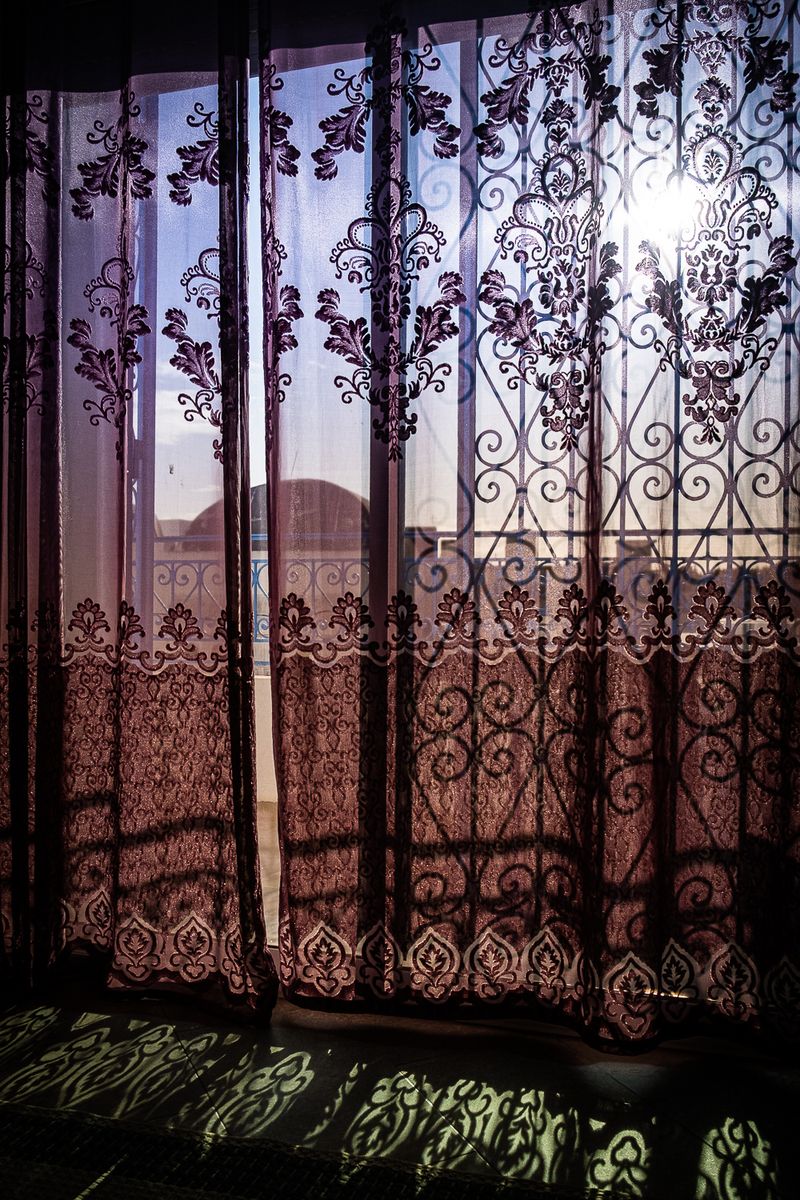
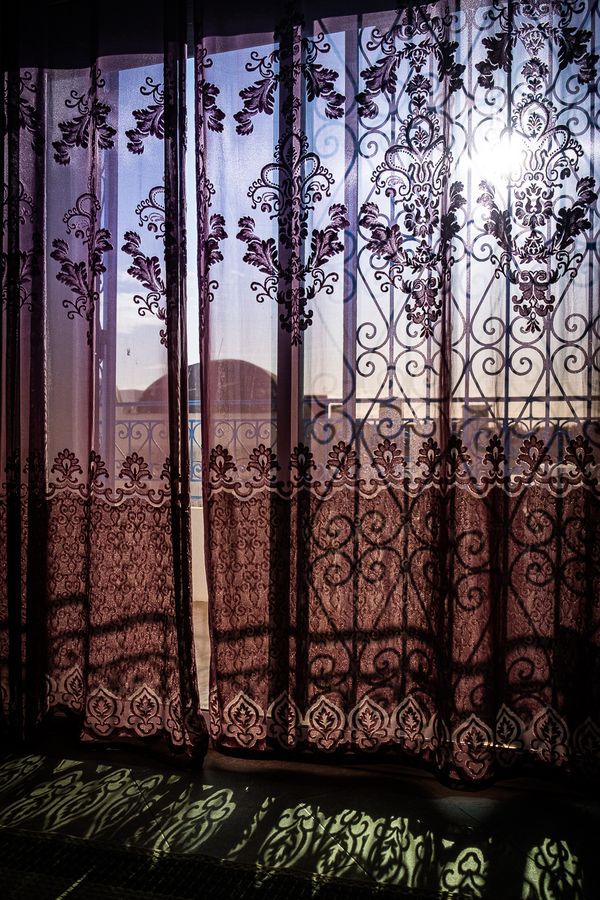
Jan Brouckaert’s Tunisie collection is a photographic project that unfolds as a constellation of visual fragments—an archipelago of images that together construct a nuanced portrait of Tunisia. Expanding beyond an initial focus on Tunis to encompass the country as a whole, the work traces a geography that is at once physical, social, and emotional. Each photograph operates as an “island,” a self-contained moment shaped by its own atmosphere, yet connected to others through subtle visual and conceptual threads.
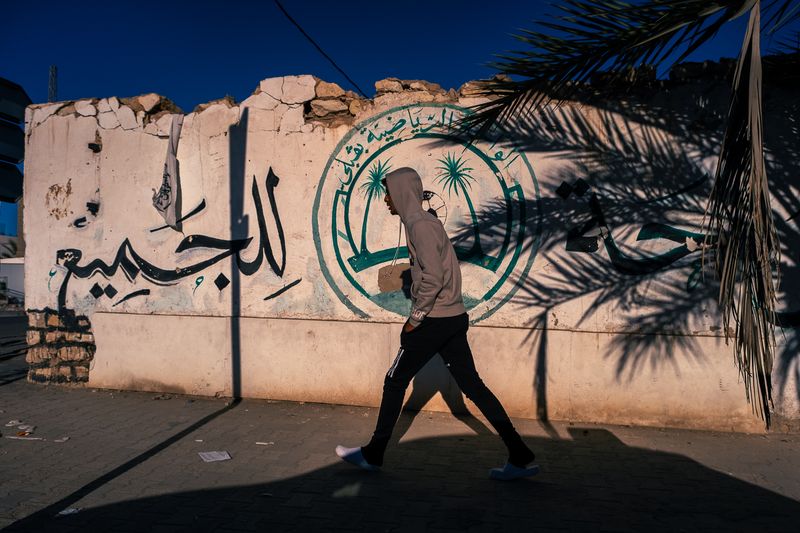
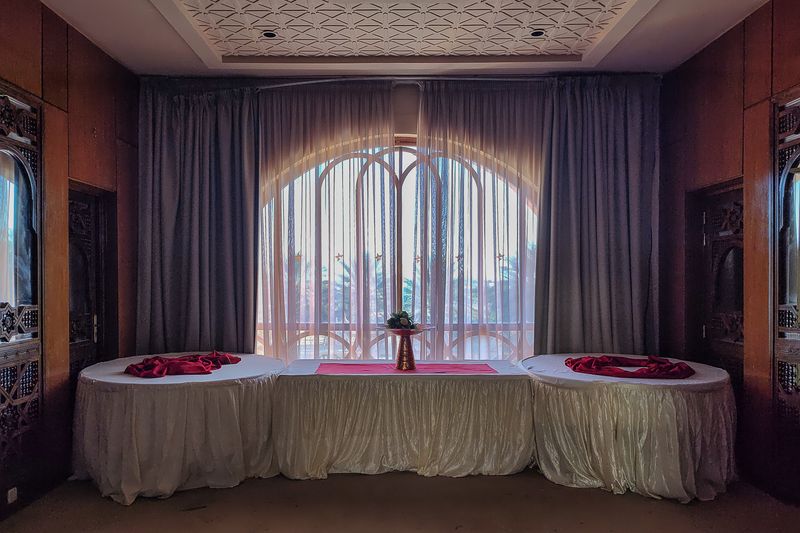
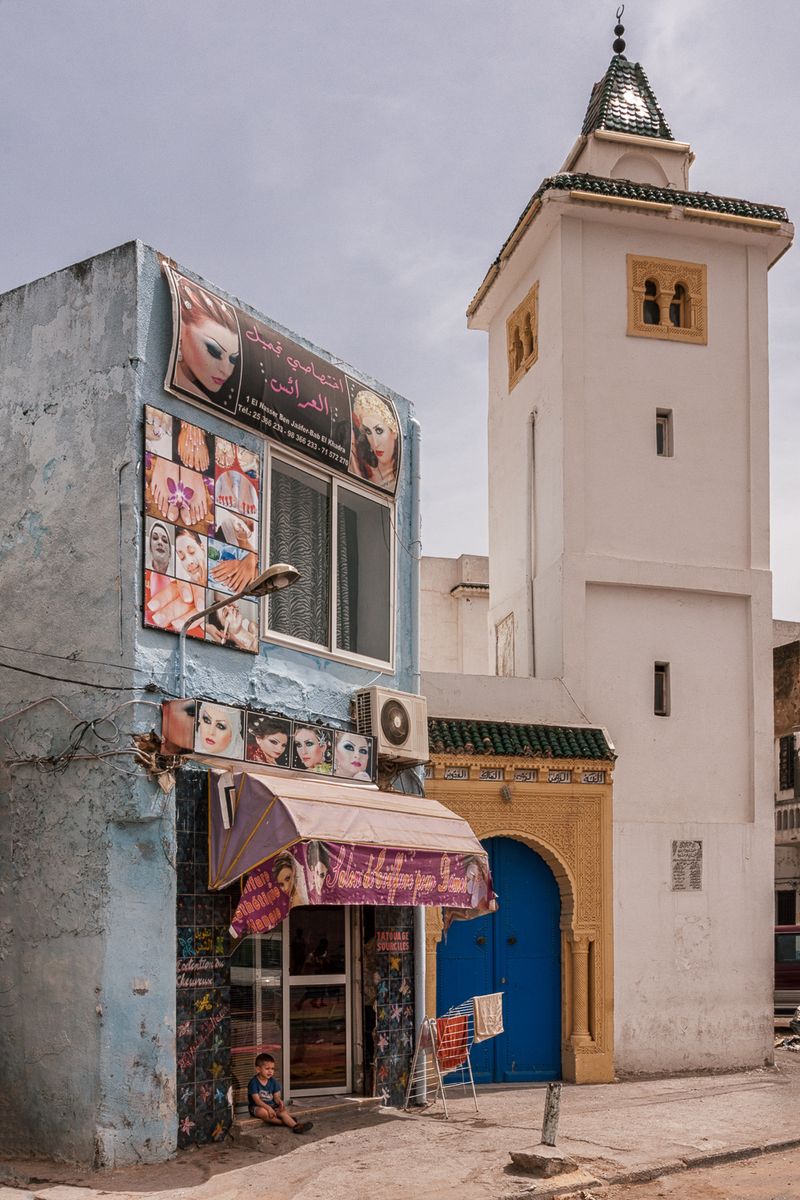
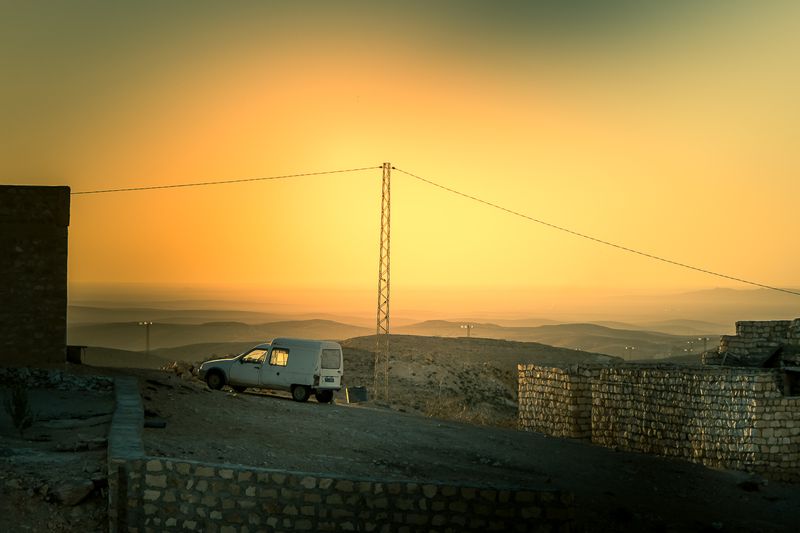
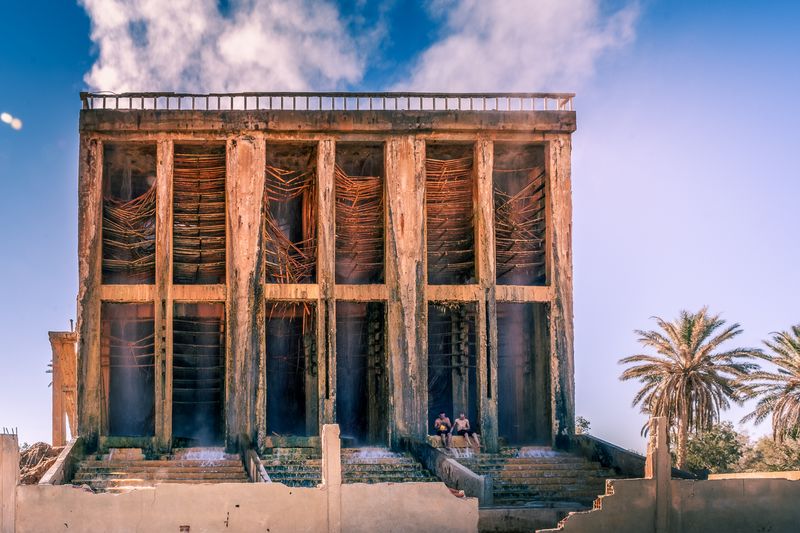
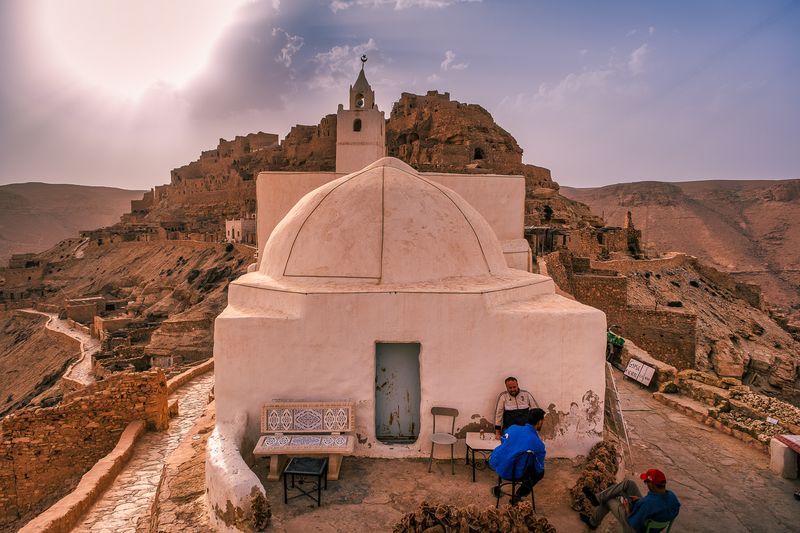
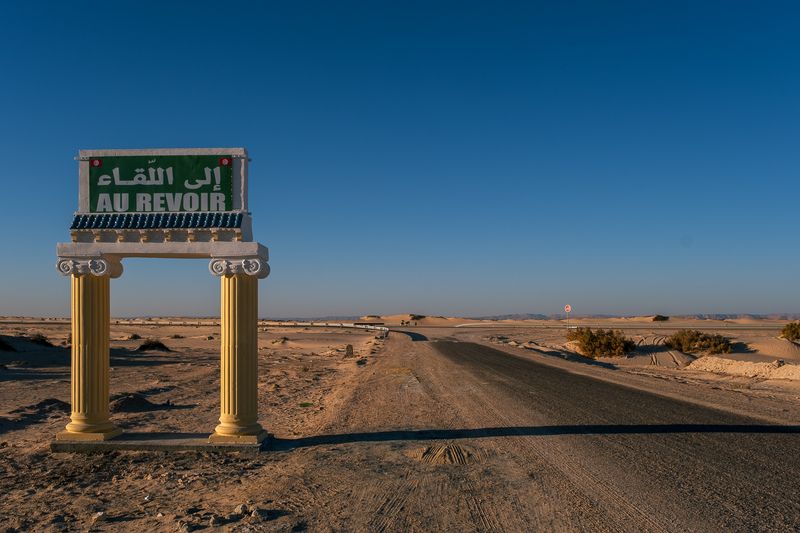
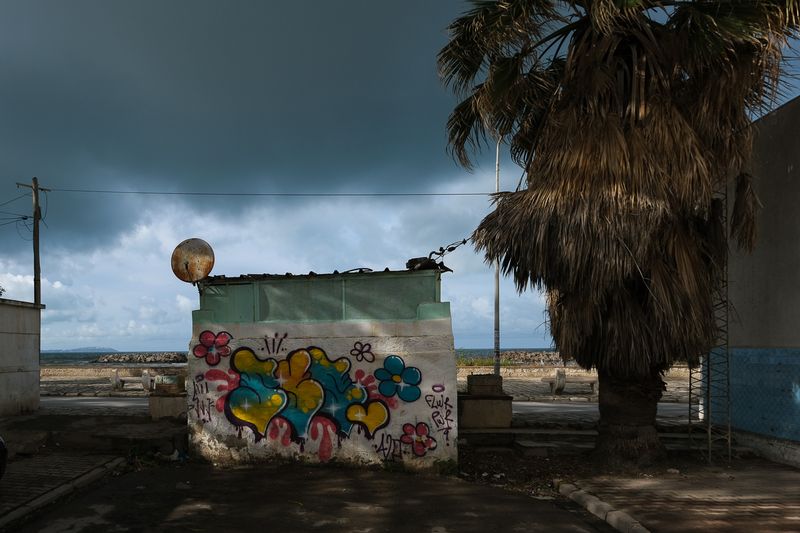
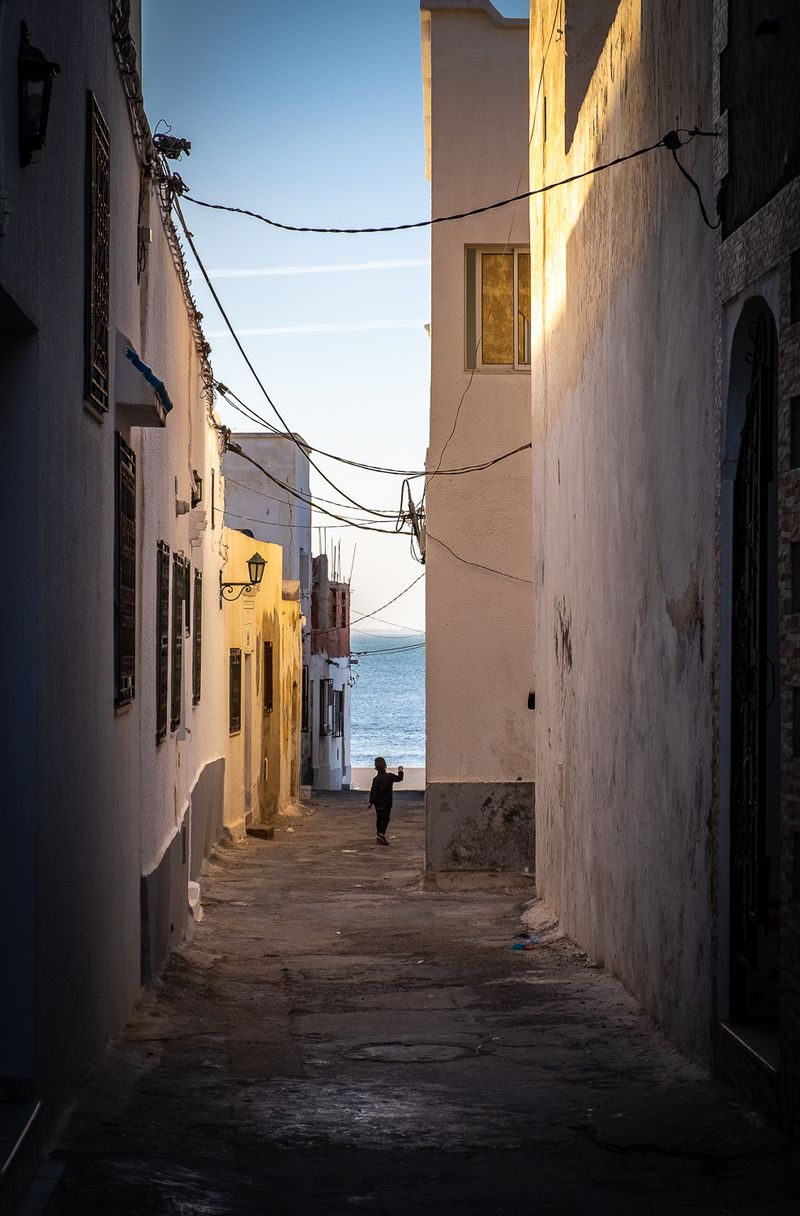
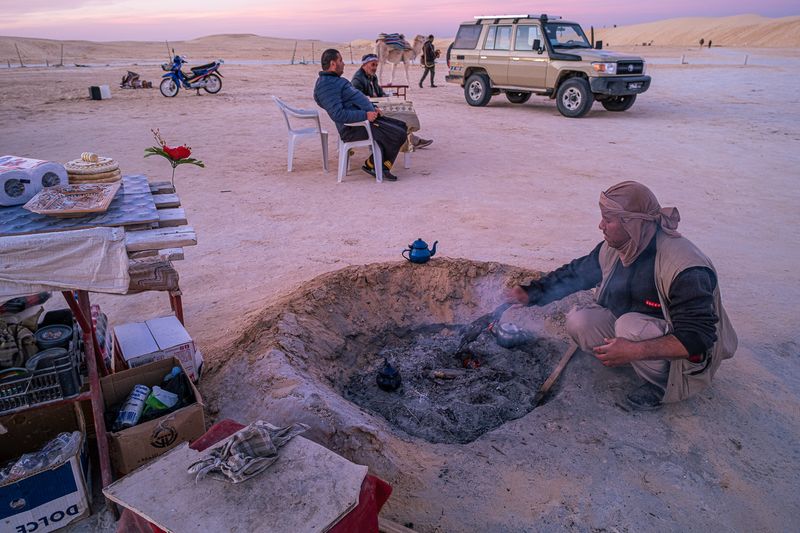
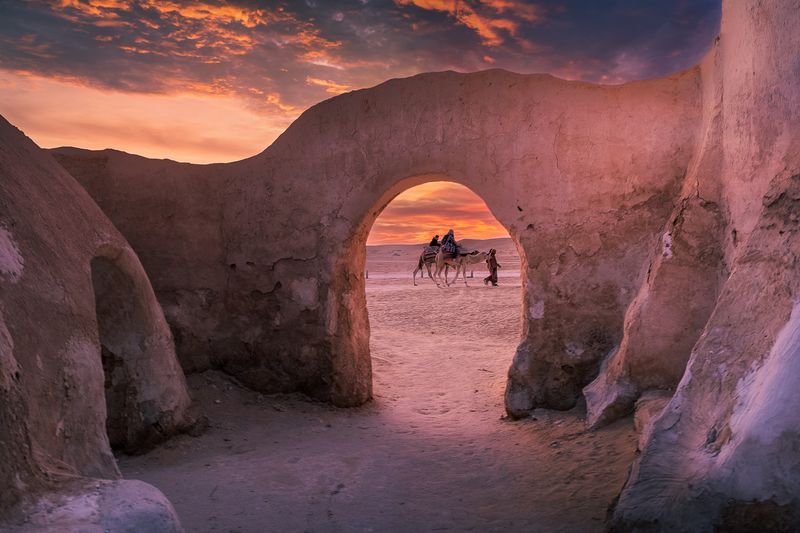
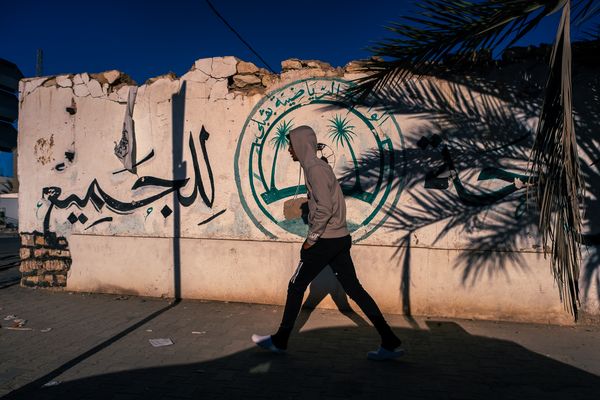
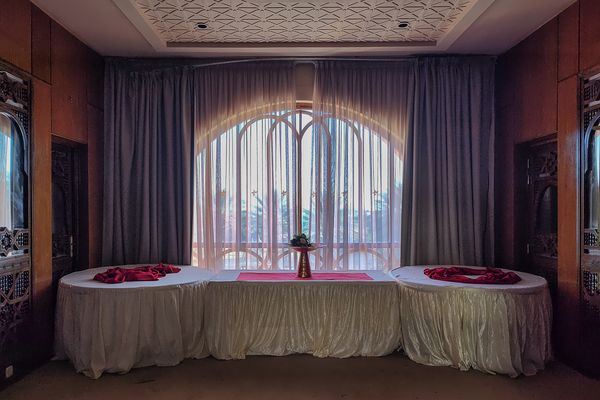
Rooted in a long-term engagement with Tunisia, Brouckaert’s practice moves between documentary observation and poetic interpretation. His images capture everyday life across diverse regions—from dense urban environments to quieter peripheral spaces—revealing how people inhabit, transform, and move through their surroundings. Architecture, light, and human presence are central elements, often composed in ways that emphasize distance, stillness, and the passage of time.
Within this expanded national scope, Tunisia appears not as a unified or homogeneous territory, but as a fragmented and layered landscape. Cultural, social, and spatial differences emerge across regions, suggesting a series of distinct yet interrelated realities. This approach resonates with the notion of the archipelago: a structure defined by separation as much as by connection. Brouckaert’s photographs highlight these discontinuities—between public and private space, past and present, proximity and isolation—while also revealing the invisible ties that link them.
The project is also informed by the broader context of social and political transformation, particularly in the years surrounding the Tunisian Revolution of 2011. Rather than depicting events directly, Brouckaert focuses on their traces and atmospheres. Subtle shifts in urban landscapes, gestures, and everyday routines hint at underlying tensions and transitions. In this sense, the work becomes a meditation on change as it is lived and perceived over time, rather than as it is recorded in singular moments.
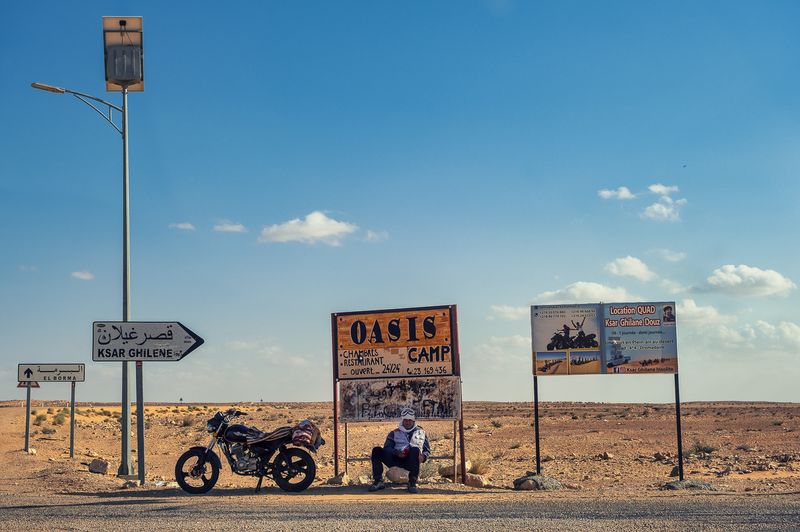
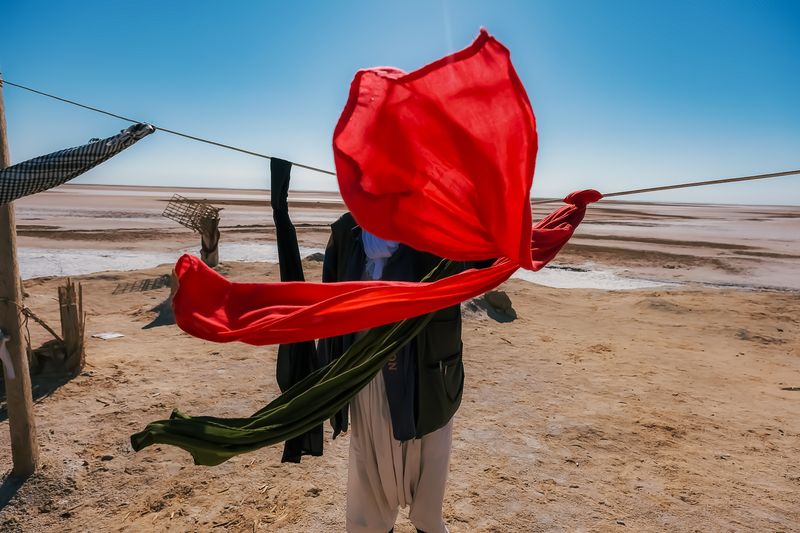
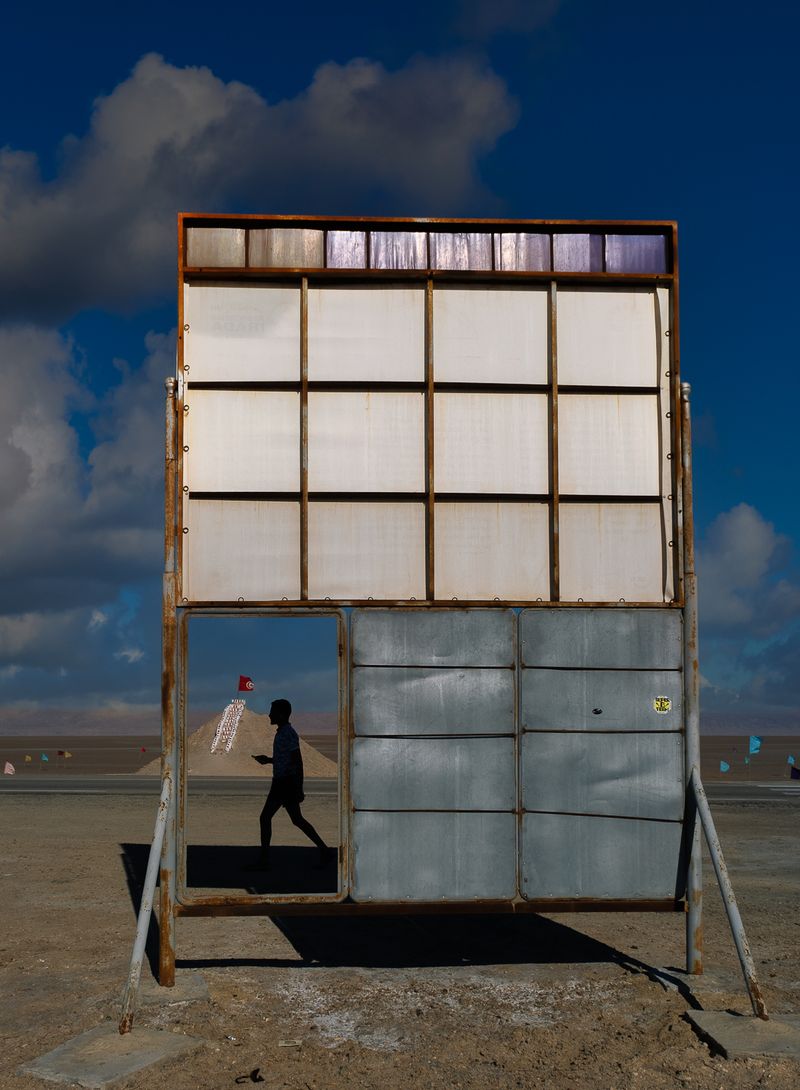
A recurring quality in the images is a sense of solitude and quiet observation. Figures often appear small within larger environments, or are partially obscured, reinforcing a feeling of distance and introspection. These compositional choices create space for ambiguity, allowing viewers to project their own interpretations and emotional responses. The photographs do not seek to explain, but to evoke—inviting a slower, more contemplative engagement.
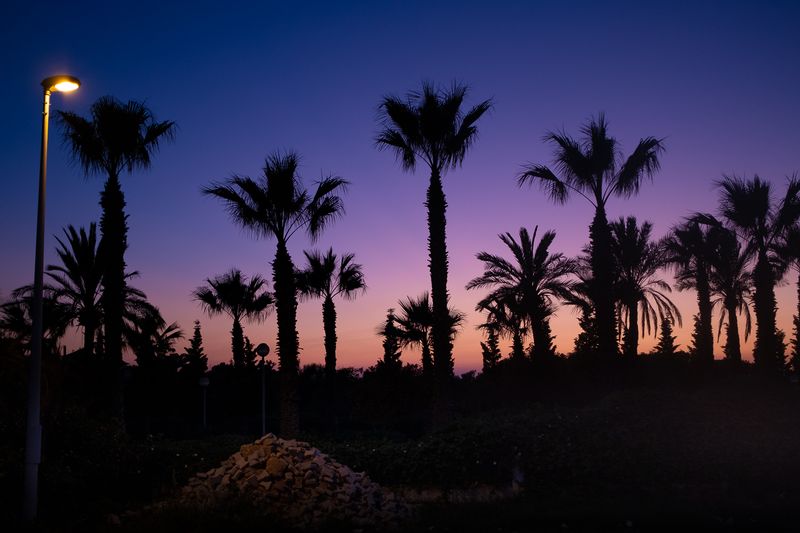
By extending across the entire country, the Tunisie collection deepens its exploration of multiplicity. Coastal cities, inland towns, and transitional landscapes all contribute to a broader narrative that resists simplification. The diversity of locations underscores the idea that Tunisia is not a single story, but a network of experiences that coexist, overlap, and sometimes remain disconnected.
In dialogue with the theme of the archipelago, Brouckaert’s work proposes a way of seeing that embraces fragmentation without losing coherence. The project suggests that meaning emerges not from uniformity, but from the relationships between differences. Each image stands alone, yet gains resonance when viewed as part of the whole—like islands within a shared sea.
Ultimately, Tunisie collection offers an open-ended visual journey. It invites viewers to navigate between images, to draw connections, and to reflect on the spaces in between. Through its balance of distance and intimacy, documentation and poetry, the project becomes a subtle exploration of place, memory, and the complex ways in which a country can be seen, experienced, and imagined.