Today is the day the mountain is most visible
-
Dates2023 - Ongoing
-
Author
- Topics Contemporary Issues, Fine Art, Landscape, Nature & Environment
- Location Seoul, South Korea
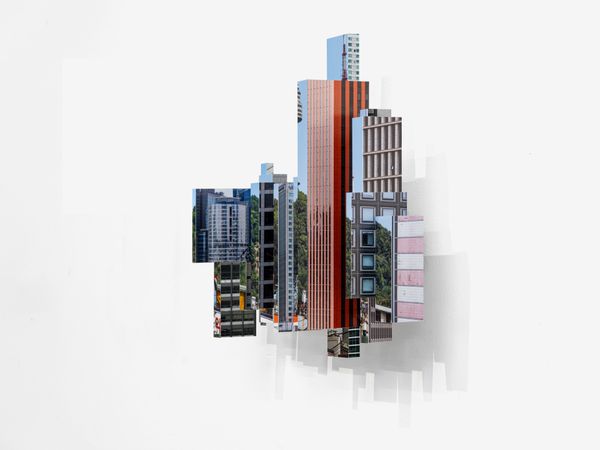
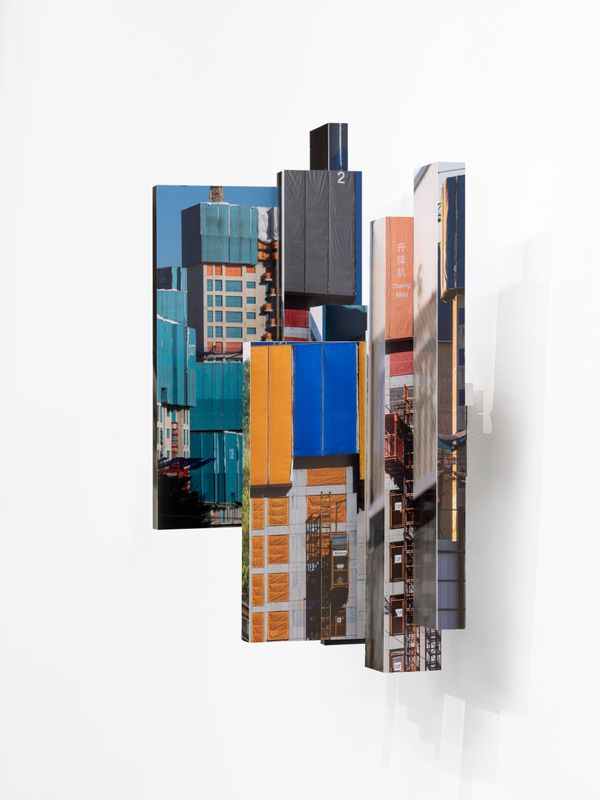
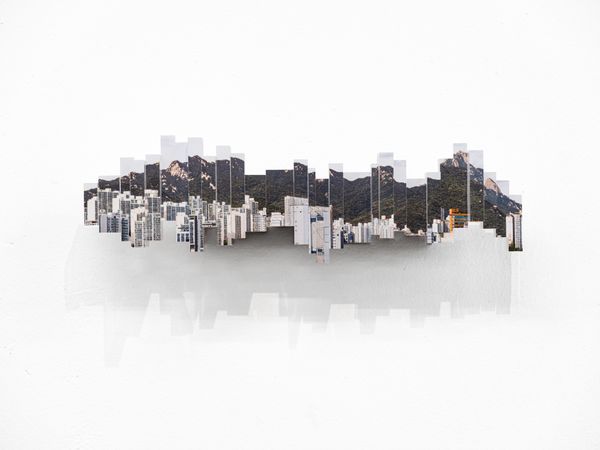
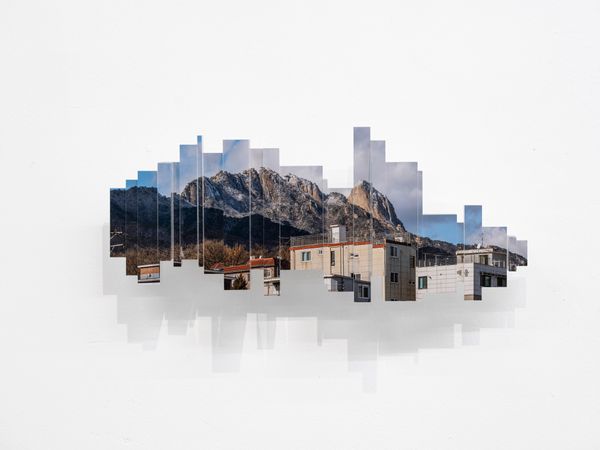
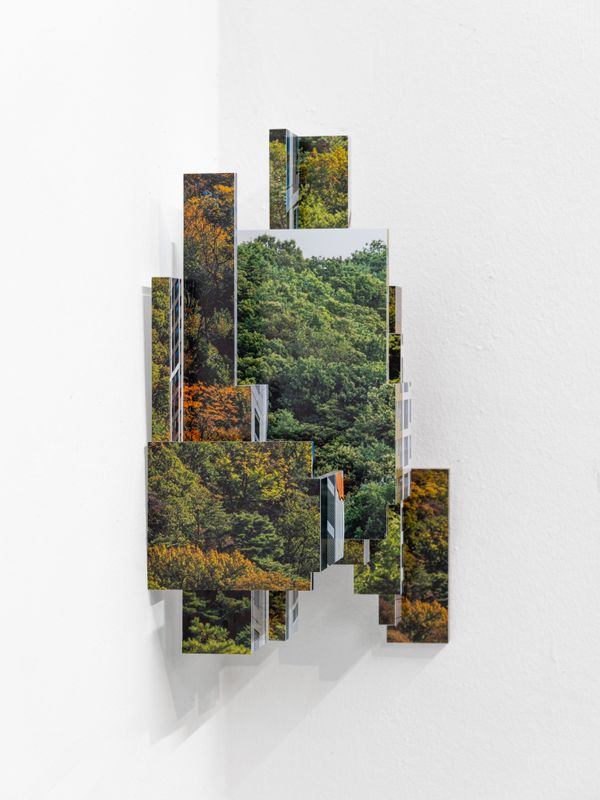
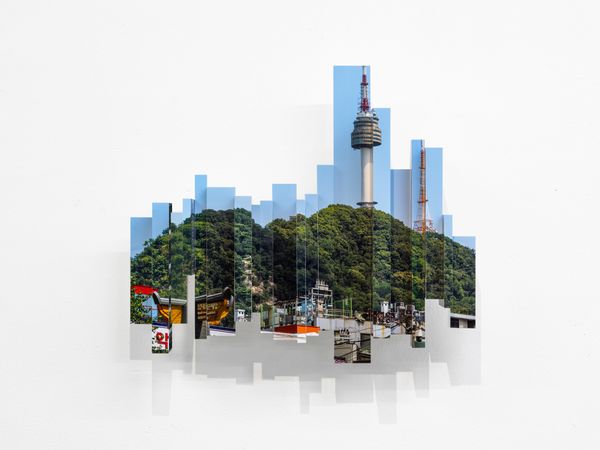
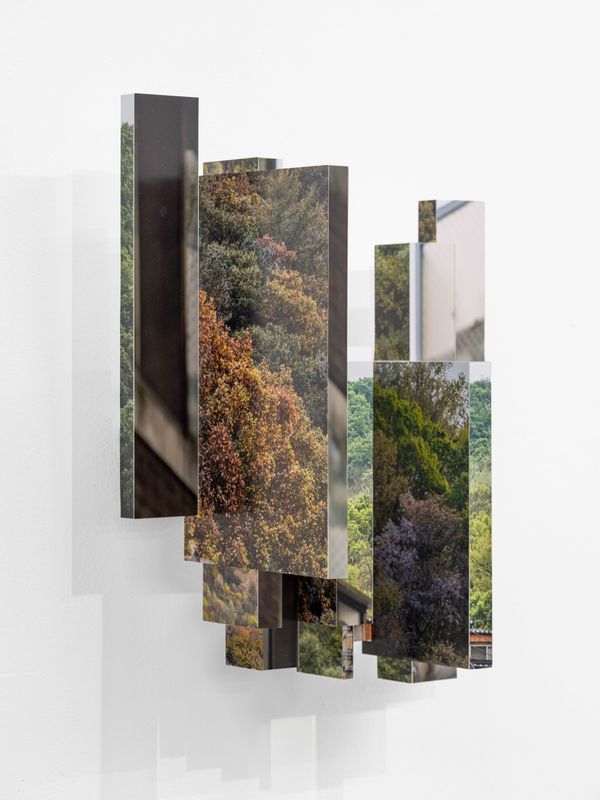
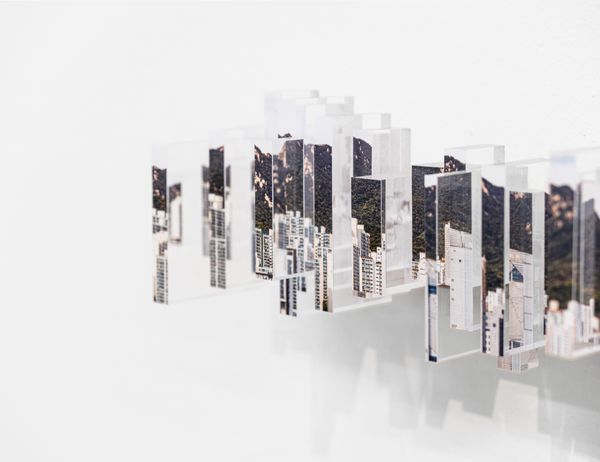
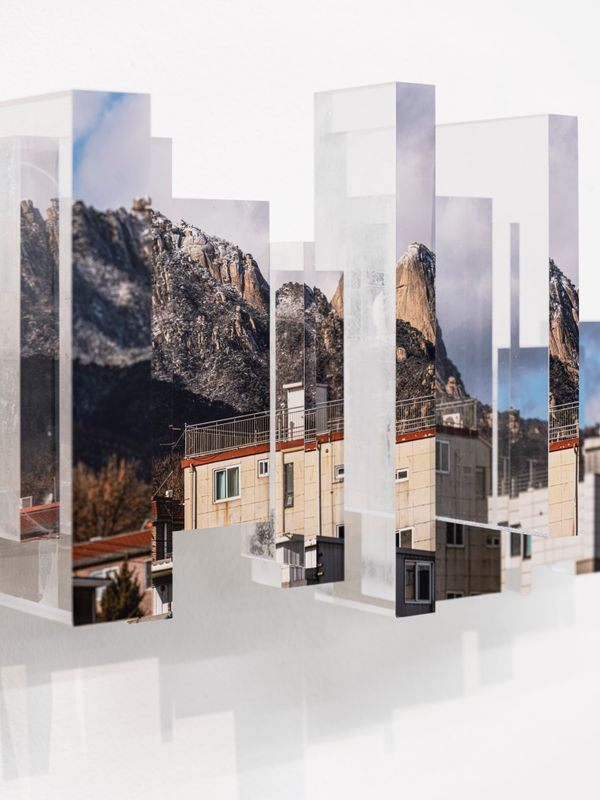
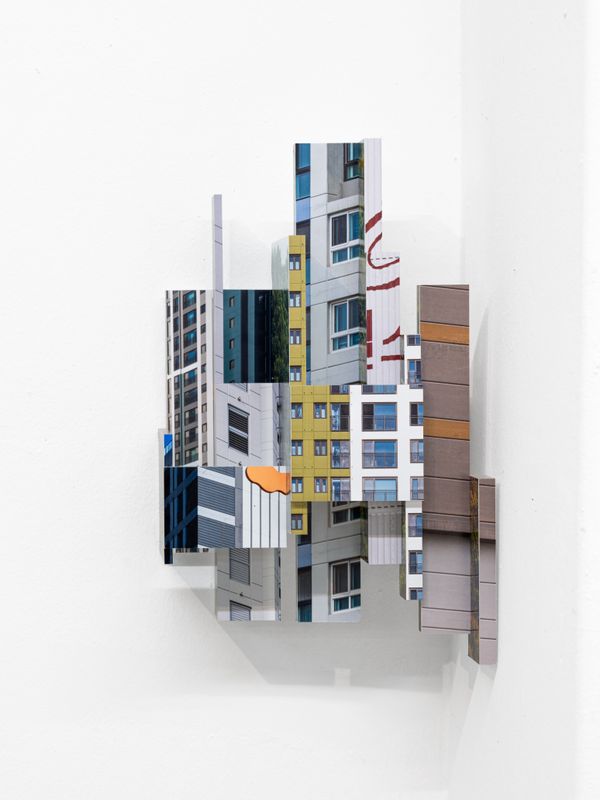
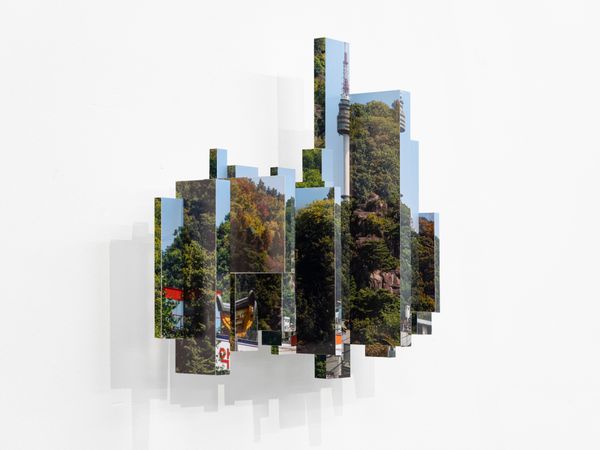
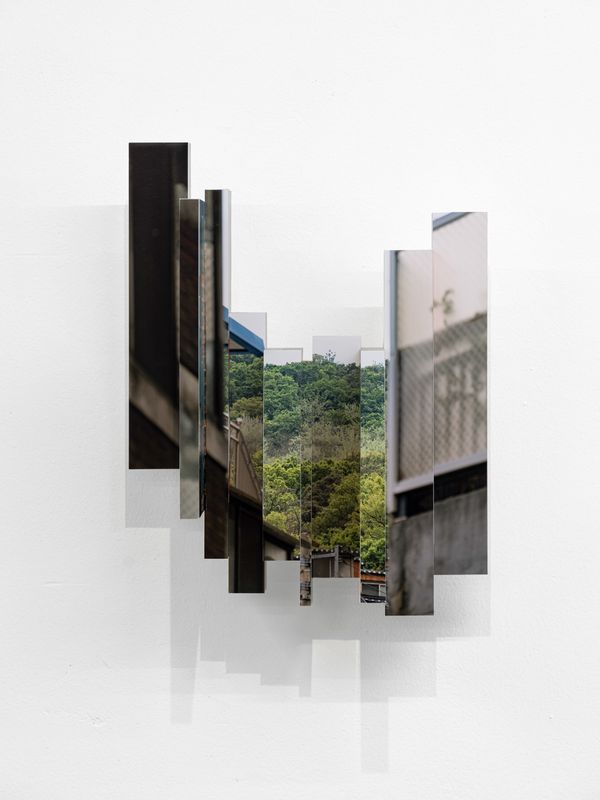
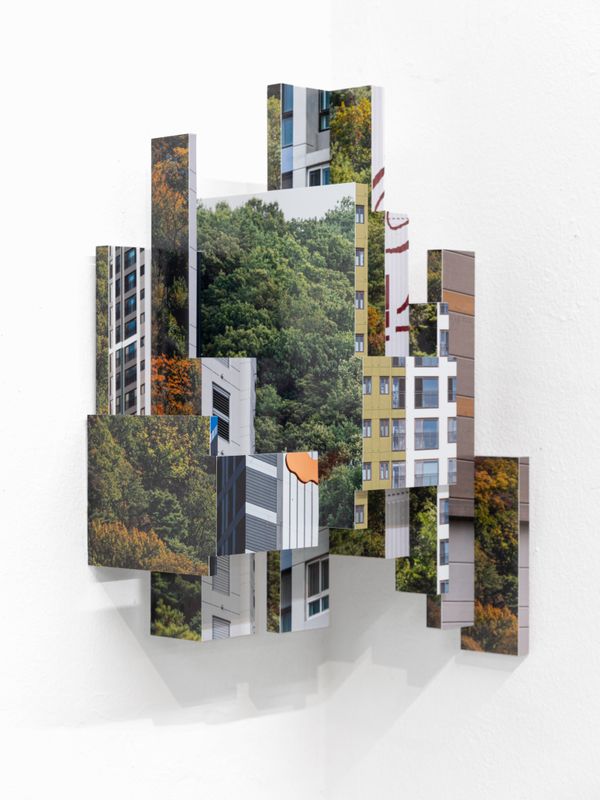
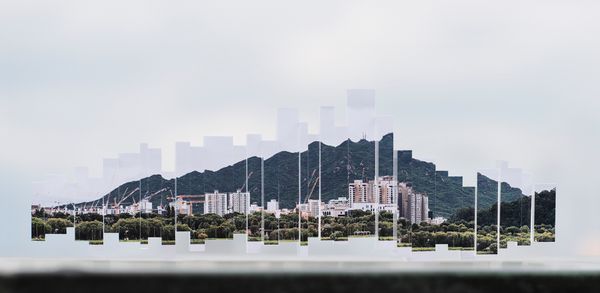
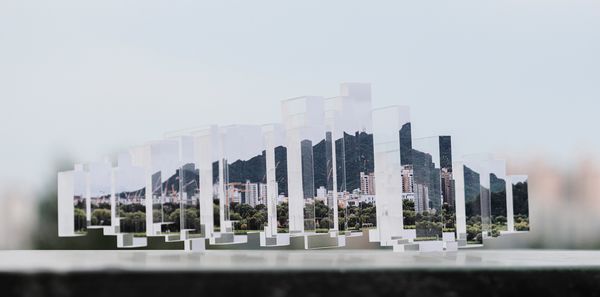
A photo-sculptural series on Seoul’s vertical growth and redevelopment. It rebuilds vanishing ridgelines as layered acrylic structures that cohere or fragment as viewers move—prompting a present-tense search for the mountain within the changing city.
"Today is the day the mountain is most visible."
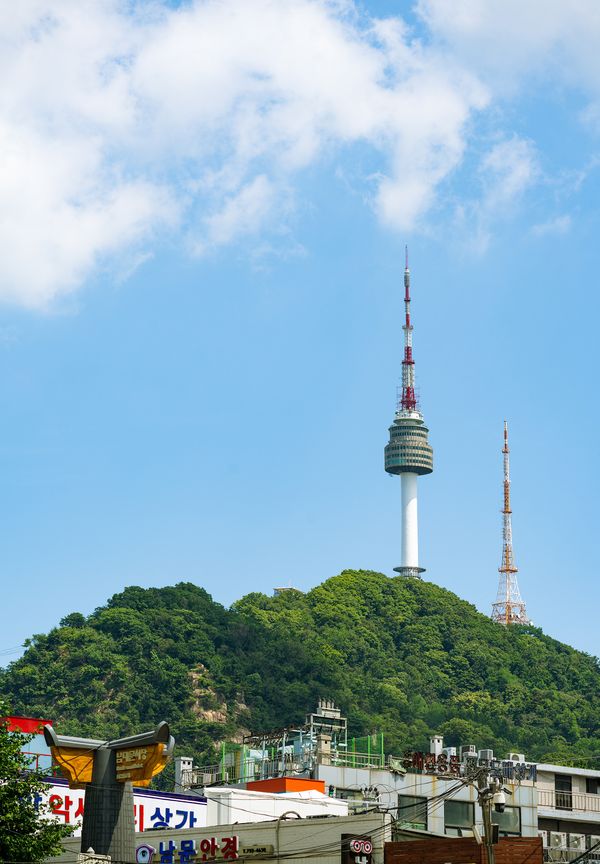
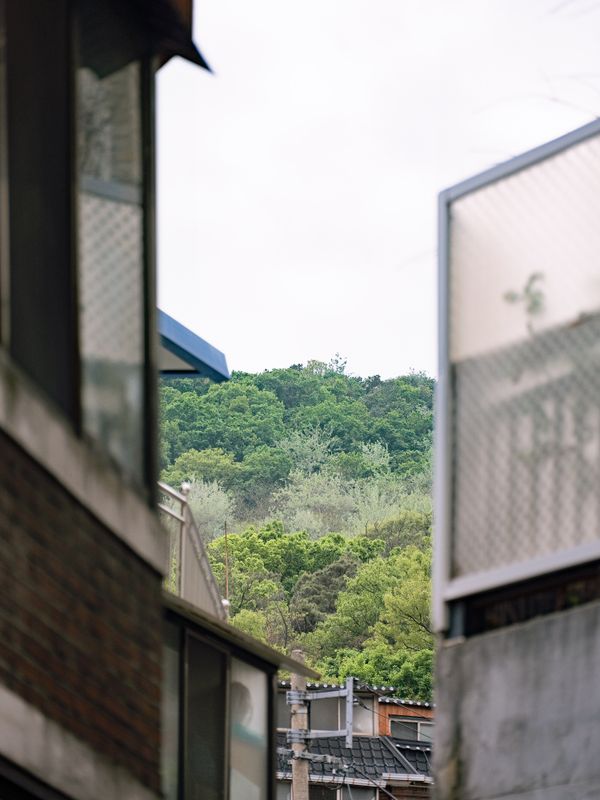
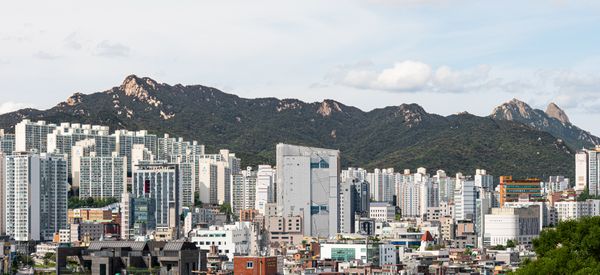
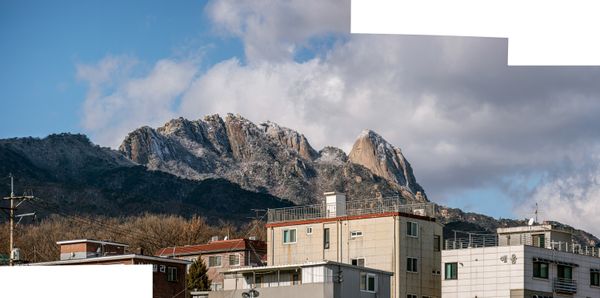
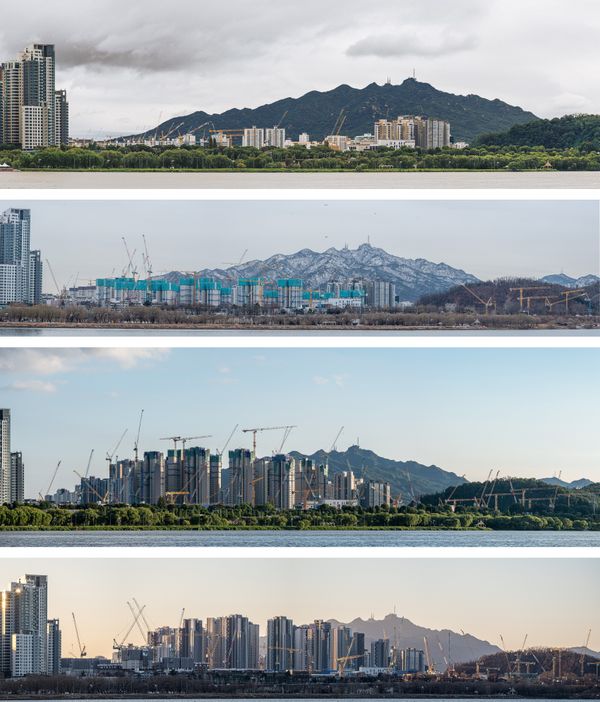
I grew up in a place where I could see a mountain beyond my window. The mountain revealed the day’s weather and the turning of seasons, and its ever-shifting presence made me feel connected to a longer, almost cosmic time beyond the city. After moving to central Seoul as an adult, only a small, distant fragment of the mountain remained in view. Then one day, when I opened the window out of habit, I saw a tower crane standing in front of that sliver of ridge. From that moment on, every day became “the day when the mountain is most visible.”
As even the last traces of the mountain gradually slipped out of sight, I began to read the city not only as it is, but as it is becoming—a future crowded with taller and denser buildings. Alongside this, loosened height restrictions and large-scale redevelopment accelerate vertical expansion, filling the remaining gaps in the landscape with construction.
Across the city, these shifts keep happening. I began by treating the disappearing view as something to document. Over time, however, I came to believe that what matters more than the record itself is the act of seeing the city as it changes in the present. The work therefore moves from documentation toward a situation that helps viewers recognize change as it unfolds.
Approaching Prospect(2023-ongoing) began from this need. A photograph is often received as a record of the past. To resist that distance, I split the image into fragments, build layered acrylic structures, and attach each fragment onto separate planes. As viewers change position, a view that once seemed whole coheres or breaks apart. I hope this perceptual shift does not end in the gallery, but continues when viewers step back into the city—reading the gaps between buildings and the vanishing ridge as a present-tense condition.
Rather than functioning as documentation or a restoration of an ideal landscape, the work is a present-tense device. It asks viewers to register the city’s ongoing change—and to notice that change through the act of searching for the mountain within it.