Time (100:50:0)
-
Dates2026 - Ongoing
-
Author
- Topics Daily Life, Fine Art
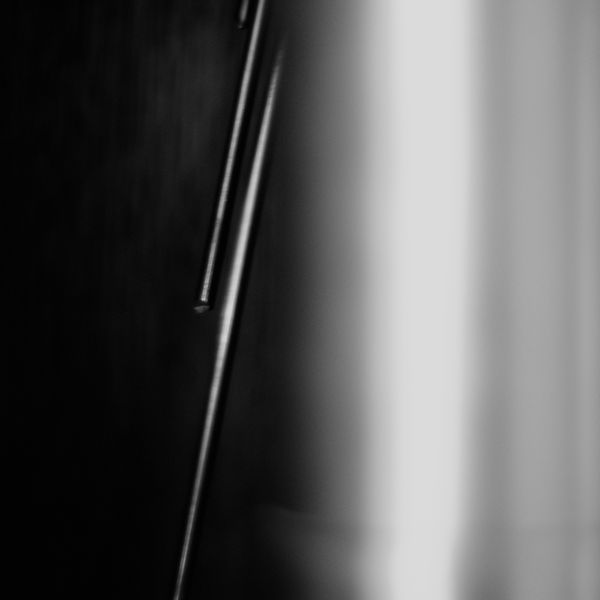
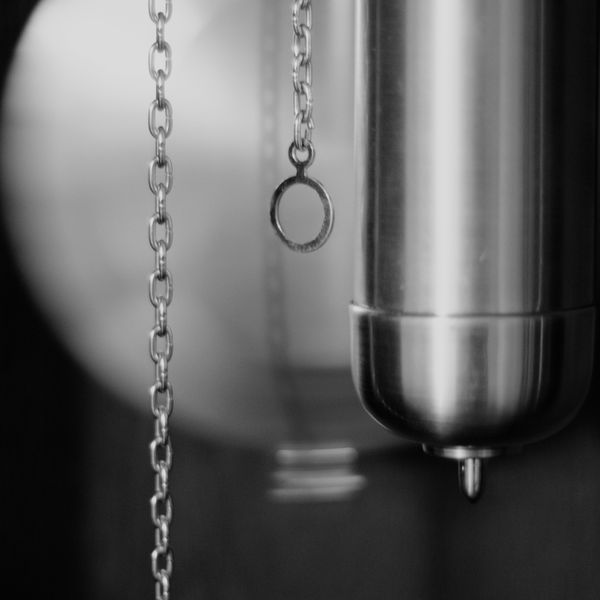
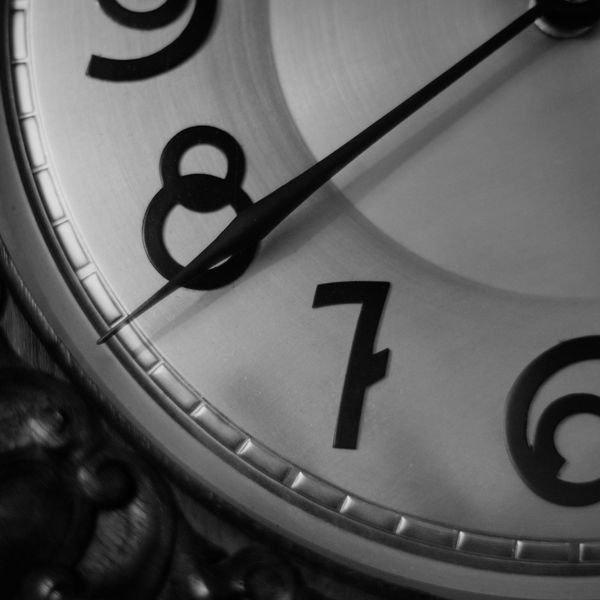
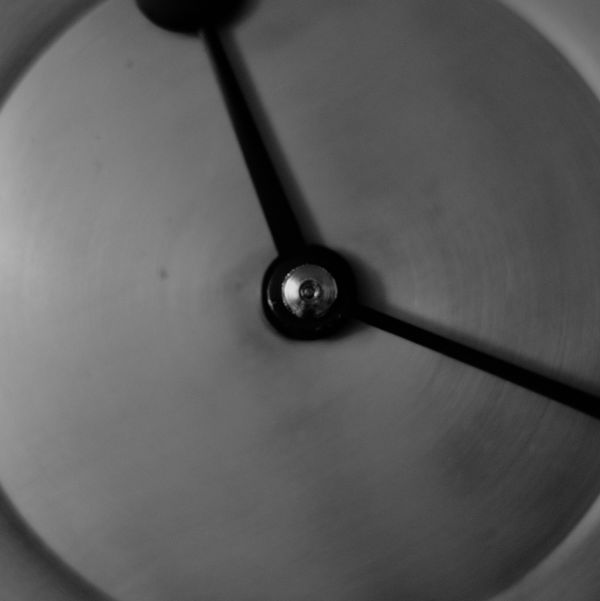
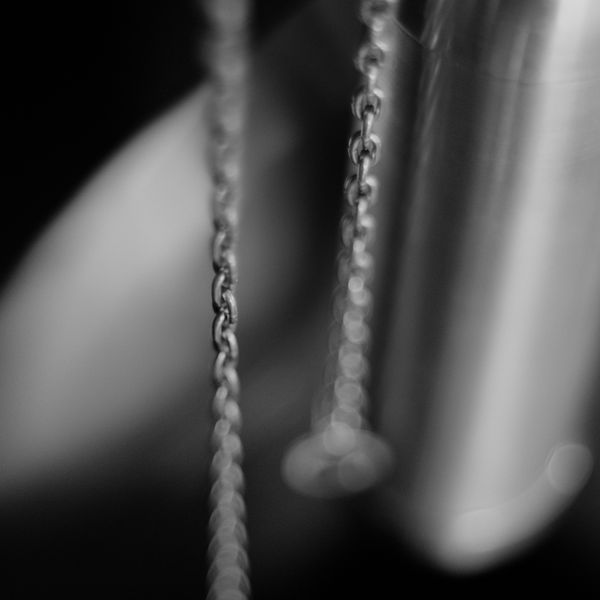
A hundred-year-old grandfather clock, photographed with a fifty-year-old lens. Not to show time — to feel for it. Chains, hands, reflections: a mechanism still turning, still measuring, still keeping something we can no longer name.
There is something particular about a clock that has been keeping time for a century. Not the face, which we read without thinking, but the interior logic of it — the chains that carry weight downward as hours pass, the pivot at the center of the hands, the pendulum bob hanging in the dark like a held thought. A mechanism that has outlasted almost everyone who ever glanced at it.
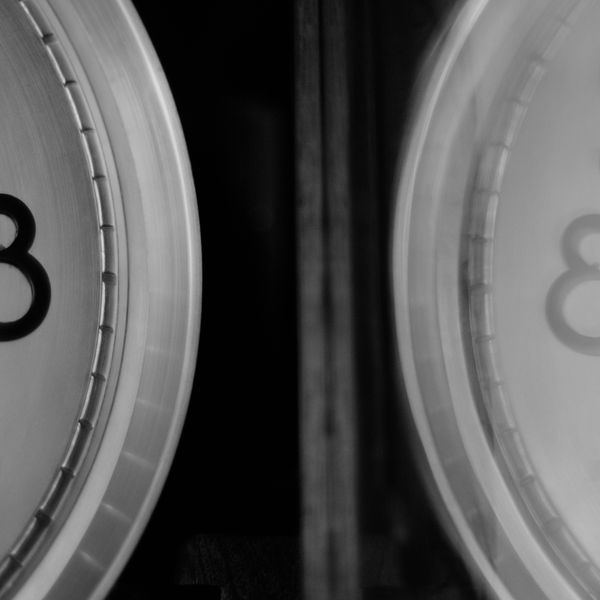
100:50:0 approaches a hundred-year-old grandfather clock not as furniture or heirloom, but as a subject worthy of close attention. Shot on a Fuji X-T4 with a Rollei Planar 1.4/50 — a lens that is itself fifty years old — the series moves through the clock's functions almost like a dissection: weight, movement, face, voice. And then, at the end, the face again — reflected in its own glass, doubled across a dark interval, contemplating itself.
The numbers in the title carry their weight precisely: one hundred years of the clock, fifty years of the lens — and fifty millimetres of focal length, the distance at which the eye sees most naturally, most honestly. Two objects of different age, meeting at the same number, looking at each other across time.
The Planar renders metal with an unusual warmth, its handling of out-of-focus areas smooth and unhurried — mirroring the quality of time the clock itself seems to hold. Old glass on old brass.
The zero at the end is where every countdown arrives. The series does not lament that arrival. It simply gets close enough to time that it stops being abstract — becomes instead texture, weight, sound, reflection. Something you could almost touch, if you were patient enough to look.