Tibetan Country Doctor
  • Dates
    2023 - Ongoing
  • Author
  • Location Garzê Tibetan Autonomous Prefecture, China

Tibetan Country Doctor is a collaborative documentary with Zhaba Gyatso, a rural Tibetan doctor in western Sichuan. Through photographs and his handwritten notes, the project traces everyday medical care shaped by distance, trust, and life beyond institut
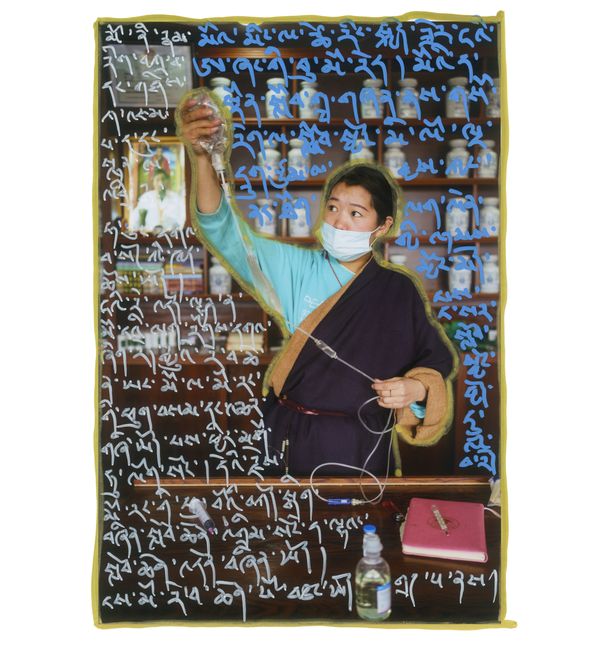
Tibetan Country Doctor is a long-term documentary project developed through sustained collaboration with Zhaba Gyatso, a rural Tibetan doctor practicing in western Sichuan’s Garzê Tibetan Autonomous Prefecture.

Working far from county hospitals and formal medical infrastructure, Gyatso moves daily between villages, monasteries, and pastoral settlements, providing primary care across disciplines—internal medicine, pediatrics, gynecology, and emergency treatment. His practice operates at the intersection of necessity, trust, and endurance, shaped by geographic isolation, limited resources, and the lived realities of contemporary rural China.

The project focuses on medicine not as crisis or spectacle, but as repetition; thirty to forty patients a day, long journeys on mountain roads, delayed treatments, and decisions made without access to advanced facilities. It situates Gyatso’s work within broader structural pressures—distance from state hospitals, economic hardship, uneven implementation of national healthcare systems, and gaps in medical education—while also attending to the social fabric that sustains care: familiarity, patience, and long-term responsibility to a community. Through this lens, the project examines what healthcare looks like when it is embedded in place rather than institution.

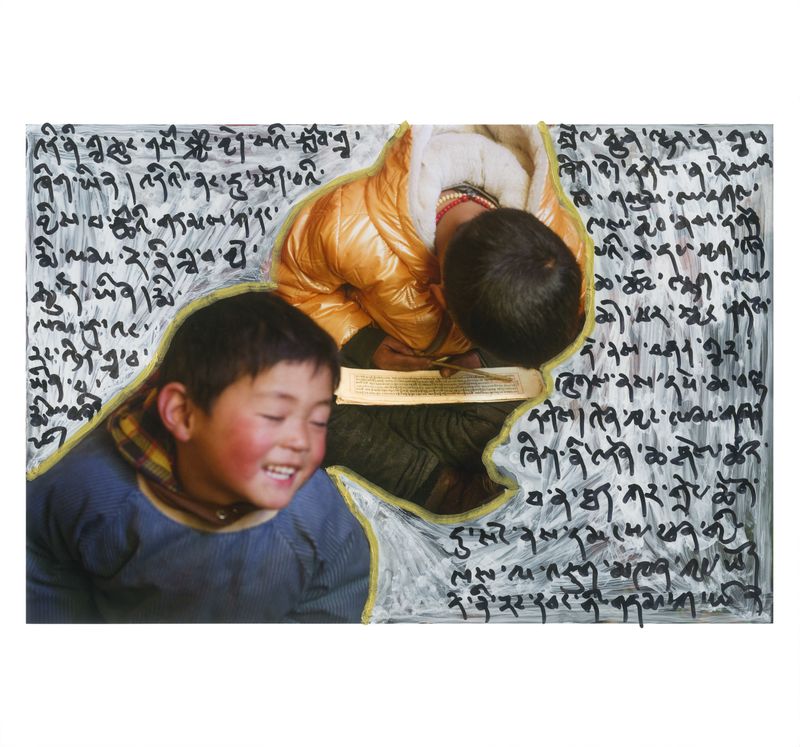
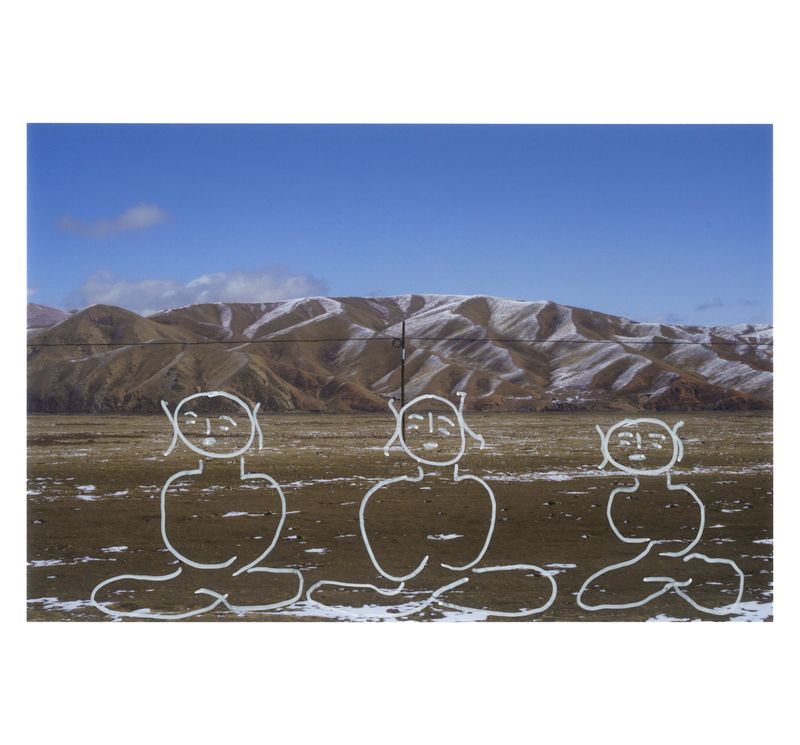
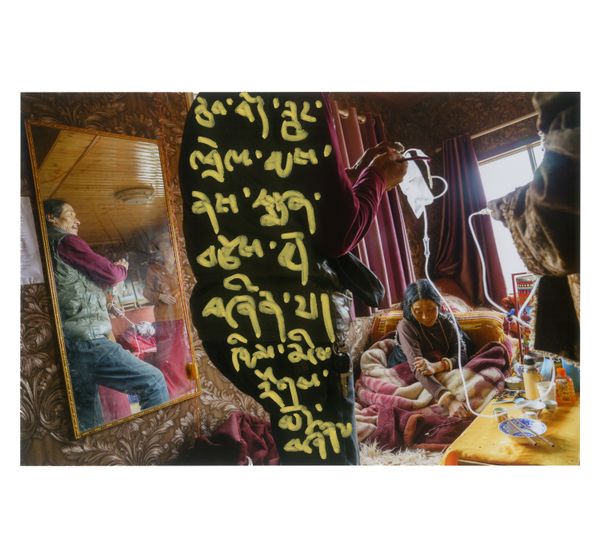
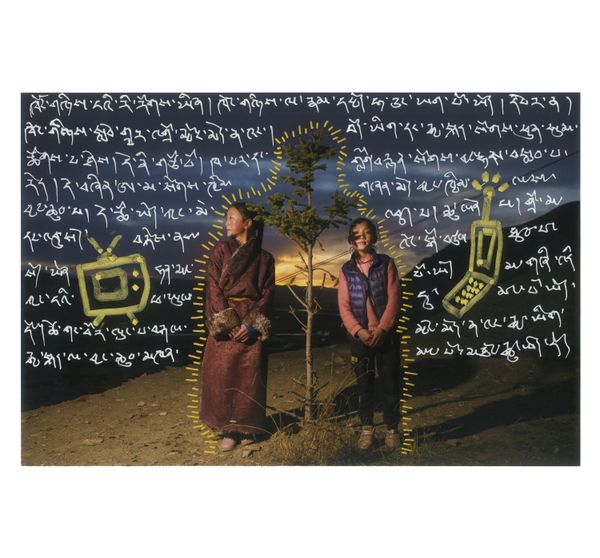
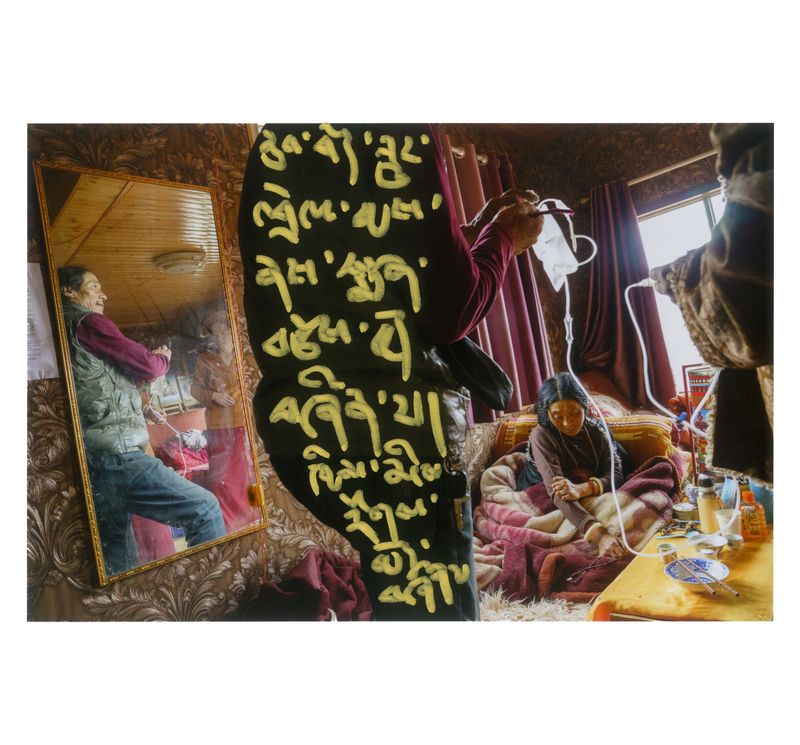
The photographs are layered with handwritten annotations made directly on the prints by Gyatso himself. Combining contextual accounts and personal reflections with medical notes, these material interventions create space for the agency of the subject in representation and narrativization — documenting in a collaborative, non-extractive mode and positioning authorship as shared rather than singular.

The resulting work asks what happens when care providers like Gyatso quietly disappear, and what is lost when local medical knowledge erodes under the pressures of modernization. Tibetan Country Doctor functions as both record and intervention: a portrait of medical practice as lived labor, and a testimony to forms of care that remain essential yet increasingly fragile in contemporary China.
© jake homovich - Image from the Tibetan Country Doctor photography project
i

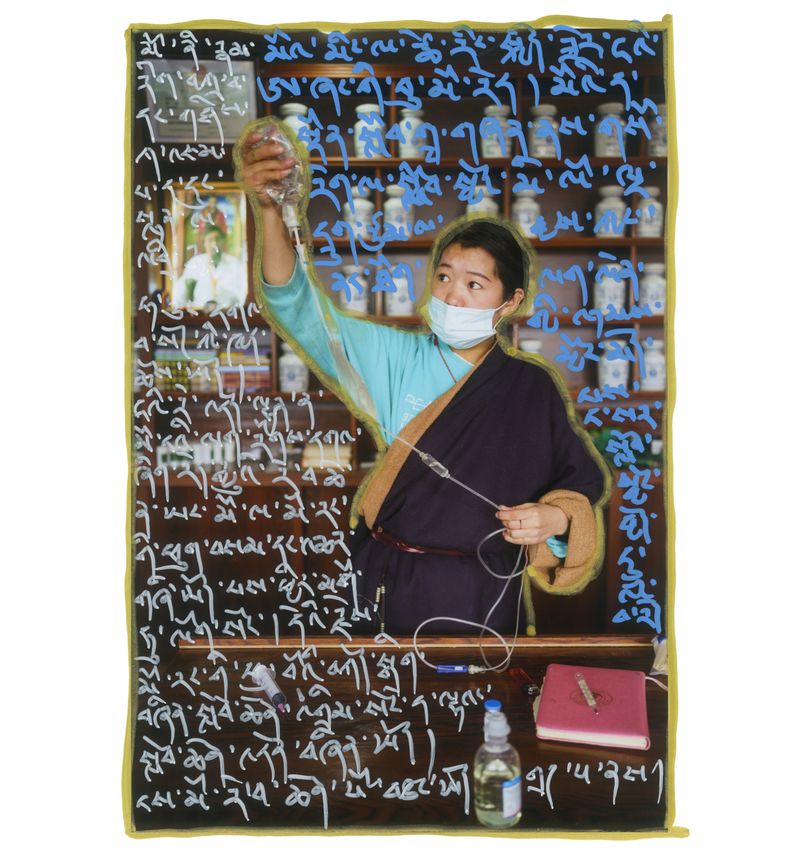
I will combine traditional Chinese medicine with Tibetan medicine, as well as Western medicine with Tibetan medicine. I will try my best to apply all the knowledge and skills I learn outside to clinical treatment, and truly help patients solve their problems.

© jake homovich - Image from the Tibetan Country Doctor photography project
i

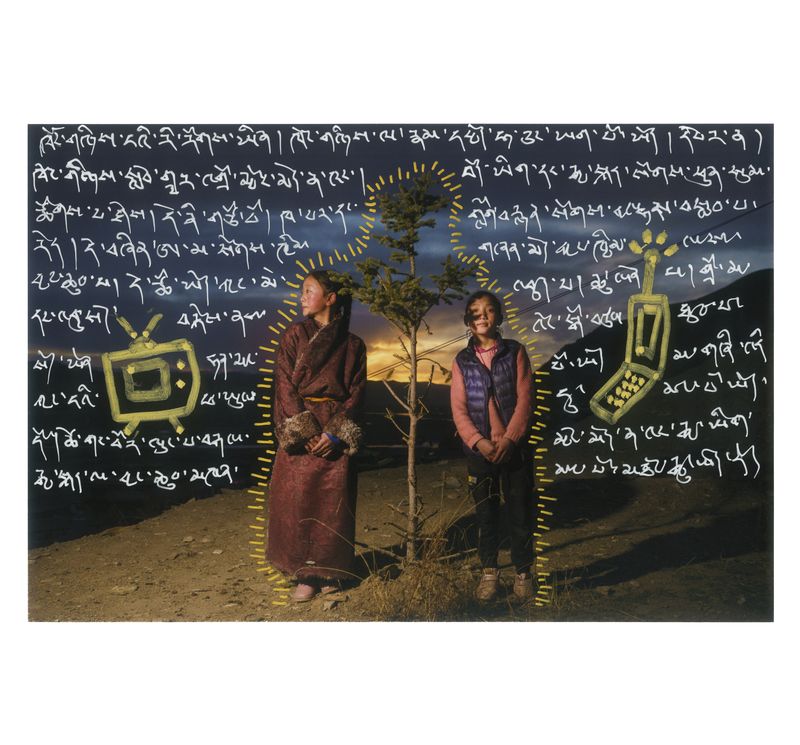
These two are children from my extended family. They never attended school or traveled far, yet they’re naturally bright—teaching themselves Tibetan and Mandarin through phones and television. Responsible and kind, they take on all the household work, carrying their family with quiet strength. In my hometown, children like this are not uncommon.

© jake homovich - Image from the Tibetan Country Doctor photography project
i

Her name is Zerenji, my uncle’s child. He studied Tibetan medical theory for five years but lacked clinical experience, so she came to learn through practice with me. she later went to university to study Tibetan calligraphy instead of medicine, which I’ve always felt was a pity, as she’s very talented in medicine.

© jake homovich - Image from the Tibetan Country Doctor photography project
i

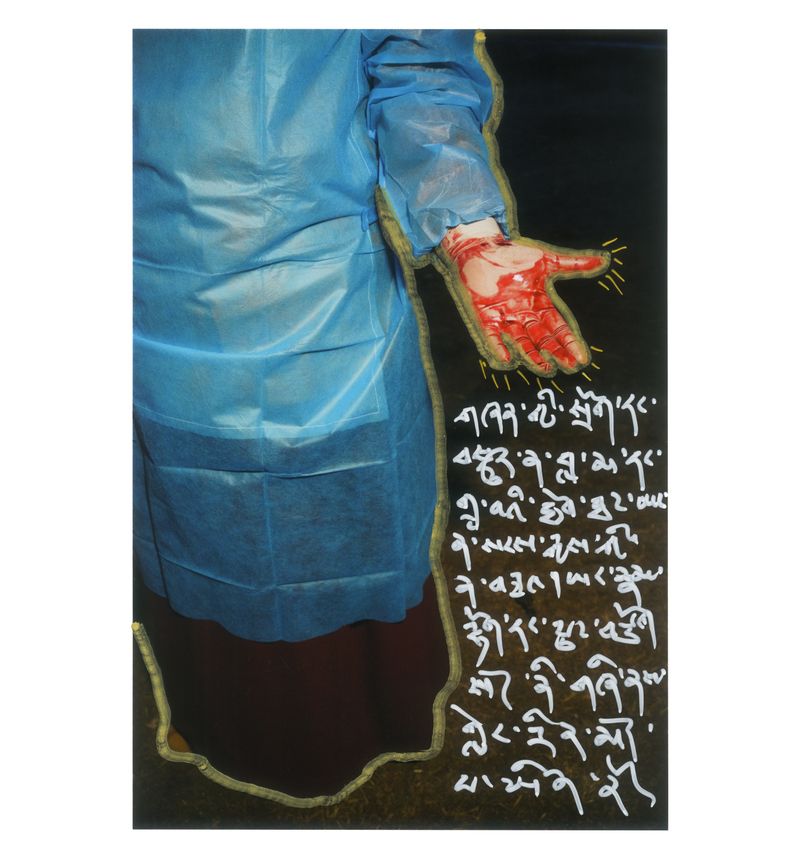
Compared to another person’s life, so-called titles—being a teacher, being a lama—and concerns about whether one shows proper reverence to monastic robes, or whether they remain clean or become dirty, are all insignificant.

© jake homovich - Image from the Tibetan Country Doctor photography project
i

Every time I help deliver a child, I give them a name. All of the names begin with “Deji.” Deji means happiness, and I truly hope these children will grow up happy and joyful. The names written on this image are ones I’ve given in the past—though they are far from all of them.

© jake homovich - All my good wishes and sincere blessings are written here.
i

All my good wishes and sincere blessings are written here.

© jake homovich - Image from the Tibetan Country Doctor photography project
i

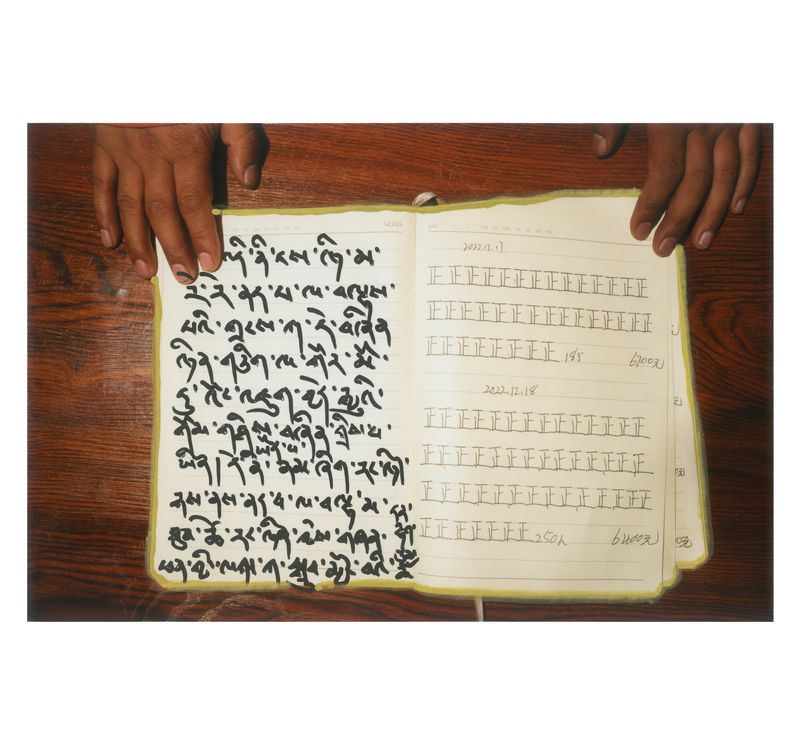
This is my daily habit. Each time a patient comes, I make a mark and write the character “正”—one “正” represents five patients. I record how many people I see each day this way. When I’m old and look back through these notebooks, seeing all the patients I’ve helped and treated, I think my life will have been a truly fulfilling one.

© jake homovich - Image from the Tibetan Country Doctor photography project
i

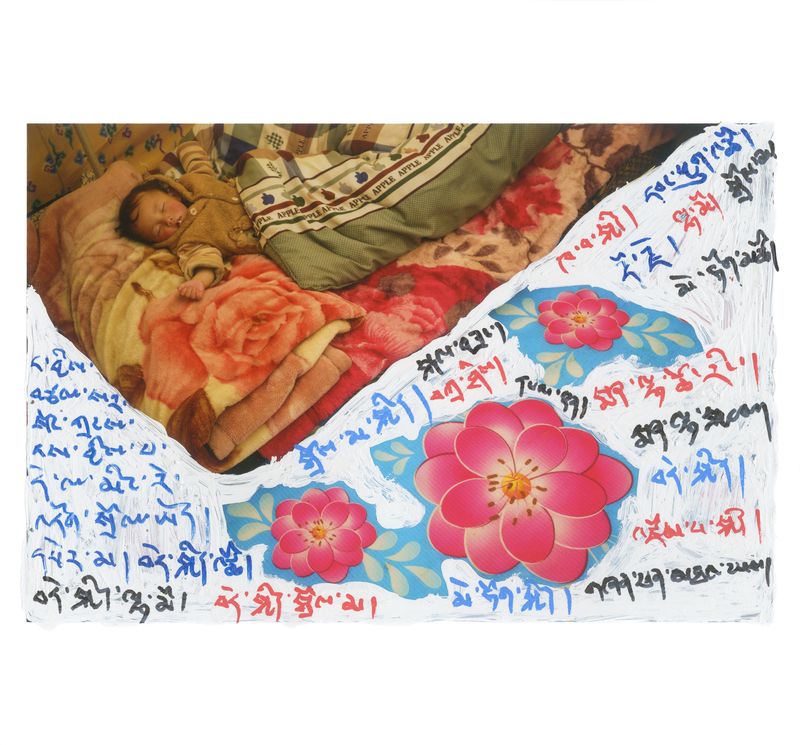
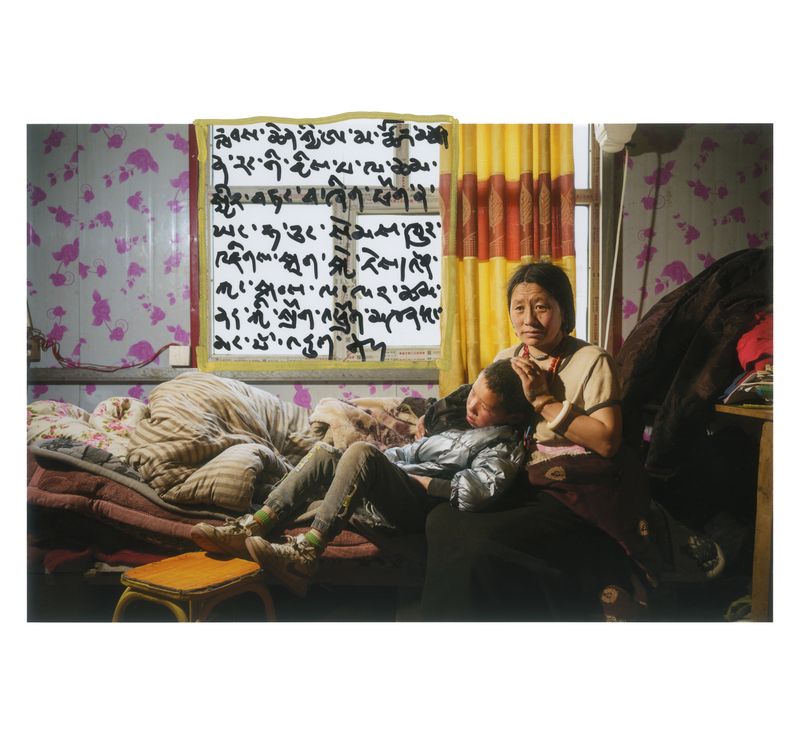
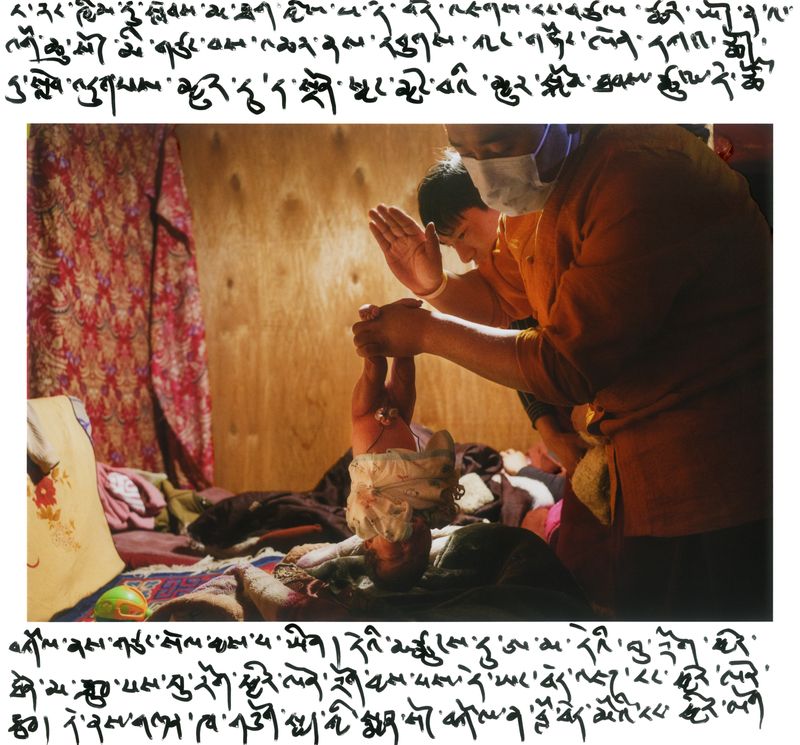
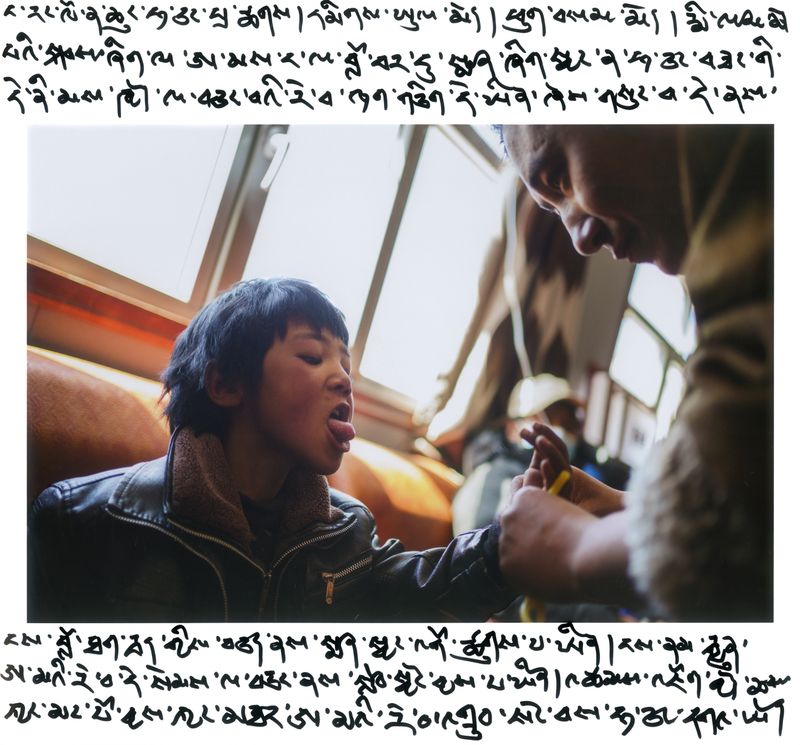
For every mother, even something as ordinary as a child catching a common cold can cause deep worry and anxiety. In the places where we live, sometimes what seems like the most routine illness can still take away a young and vibrant life.

© jake homovich - Image from the Tibetan Country Doctor photography project
i

Women are extraordinary—especially women on the plateau. They care for their children, take on all the household work, and still ride motorcycles into the mountains to dig for caterpillar fungus, fritillaria, rhodiola, and other precious medicinal plants. Inside the home and out, everything rests on their shoulders. They are truly remarkable.

© jake homovich - Image from the Tibetan Country Doctor photography project
i

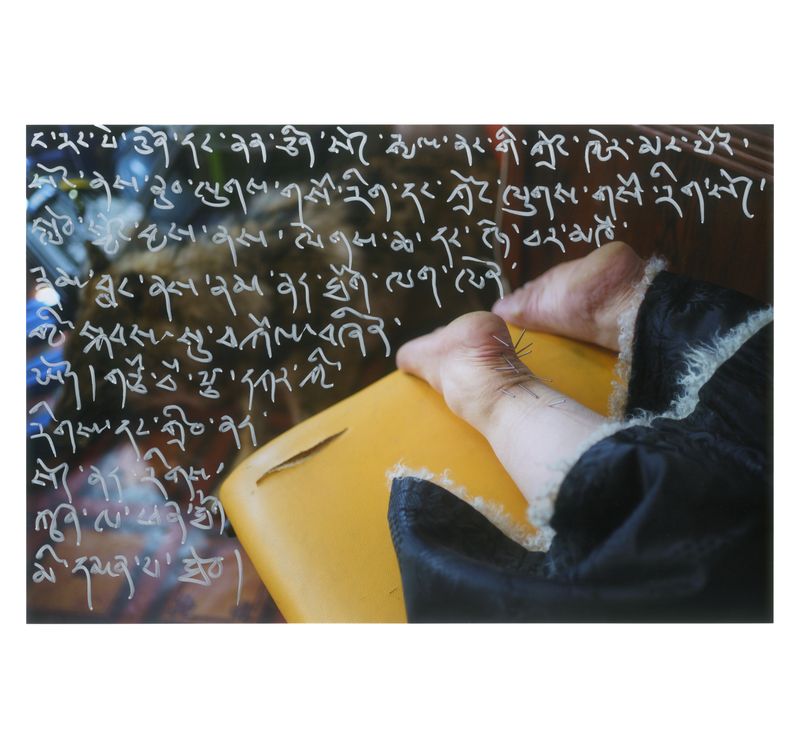
I traveled to Beijing, Nanjing, and Chengdu to study traditional Chinese medicine theory, as well as clinical practices like cupping, acupuncture, and massage, in order to learn from others and absorb their strengths. After returning, I began combining Tibetan medicine and Chinese medicine in my clinical work, using different methods to treat patients.

© jake homovich - Image from the Tibetan Country Doctor photography project
i

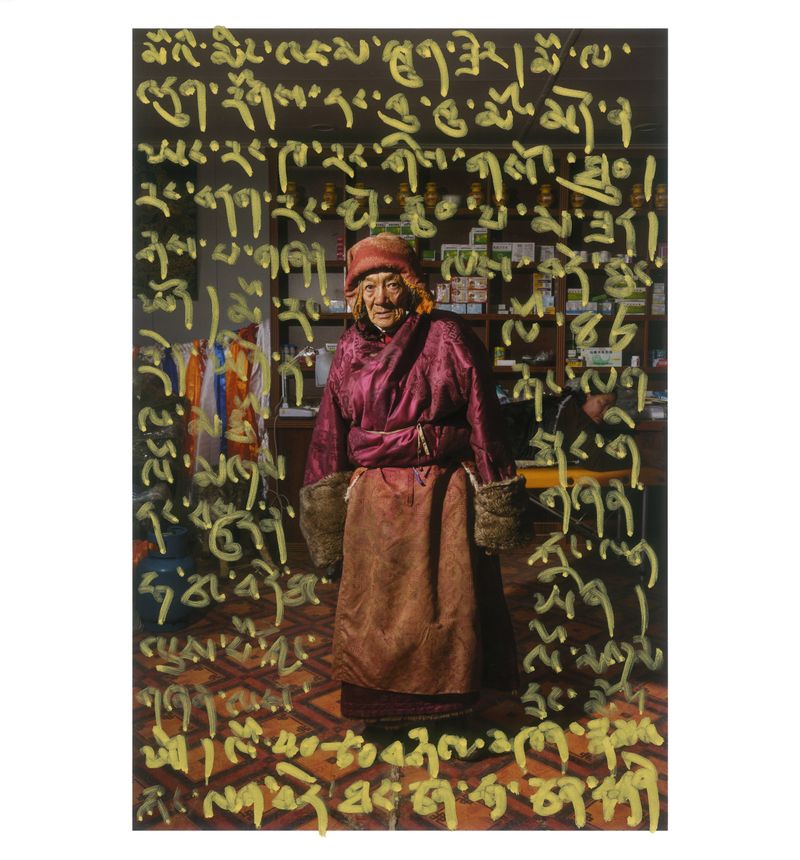
She is 86 years old and has no children. Fortunately, she is in remarkably good health—fully independent, walking faster than many others, and even stronger than some people much younger than her. Having no children yet enjoying such vitality feels like a kind of blessing bestowed by fate.

© jake homovich - My ambulance.
i

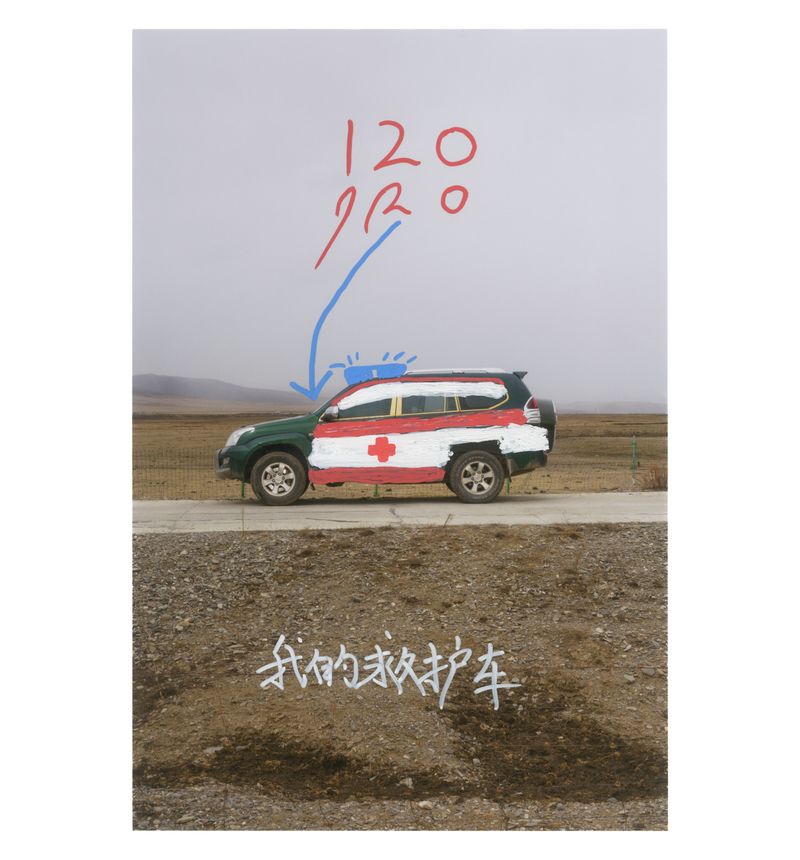
My ambulance.

© jake homovich - Image from the Tibetan Country Doctor photography project
i

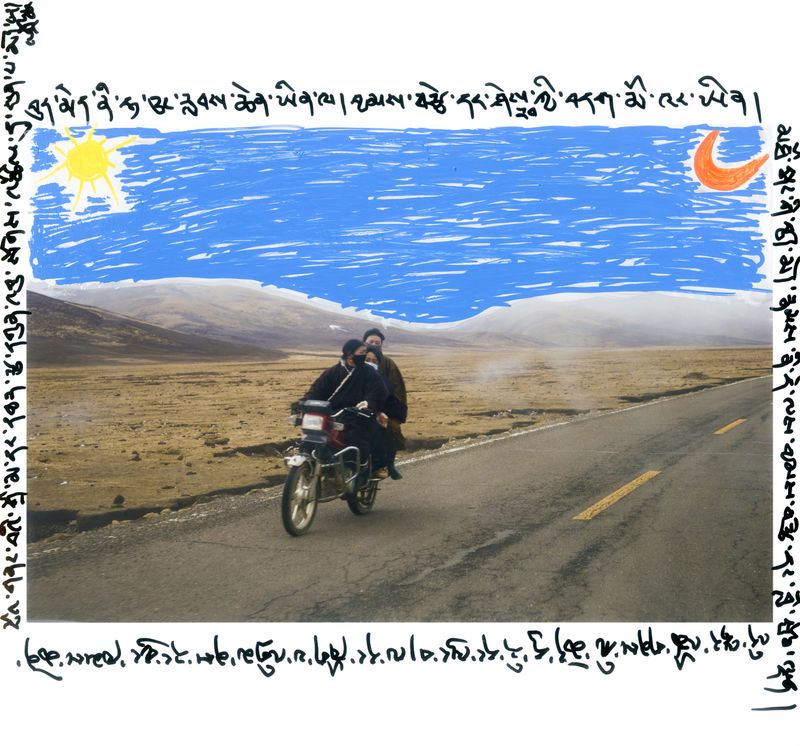
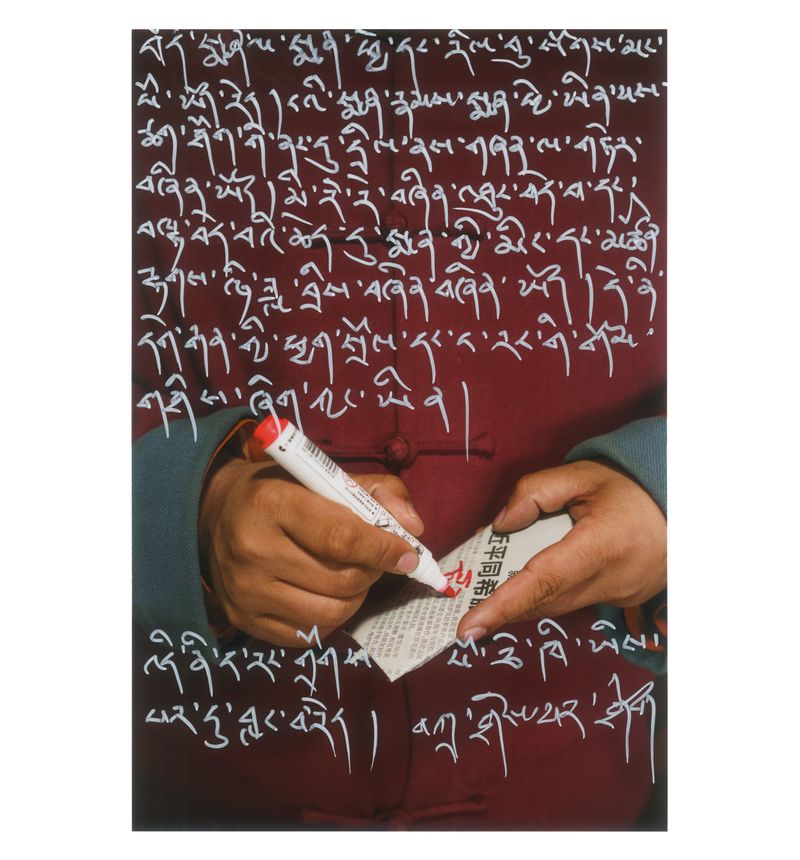
I use Tibetan medicine in powder form made from herbs I gather grind myself.I wrap the medicine in newspaper and draw symbols of the sun and the moon on it—the sun means to take it in the morning, the moon in the afternoon. This is mainly for villagers who can’t read; they may not understand words, but they understand the drawings right away. That’s a habit passed down from my teacher.

© jake homovich - May the darkness of ignorance afflicting all sentient beings be completely dispelled and vanish like smoke.
i

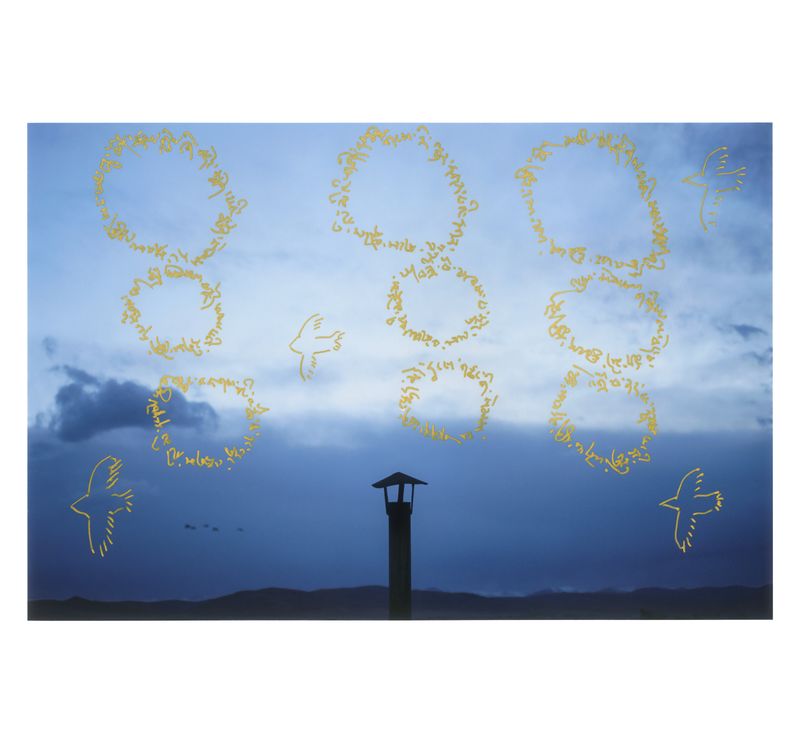
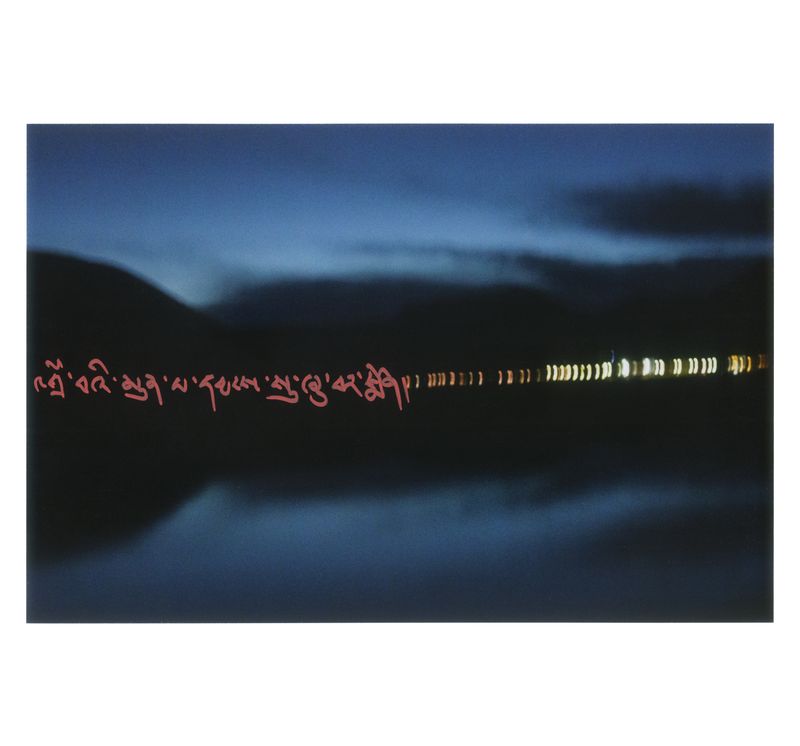
May the darkness of ignorance afflicting all sentient beings be completely dispelled and vanish like smoke.

© jake homovich - Image from the Tibetan Country Doctor photography project
i

On the plateau, every new life is especially precious. I am the only doctor here, responsible for treating illnesses of all kinds and for welcoming new lives into the world.Once, I received a call saying a young woman was about to give birth. I prepared immediately, rushed over, and in a very short time, safely helped bring a new life into the world.

© jake homovich - Image from the Tibetan Country Doctor photography project
i

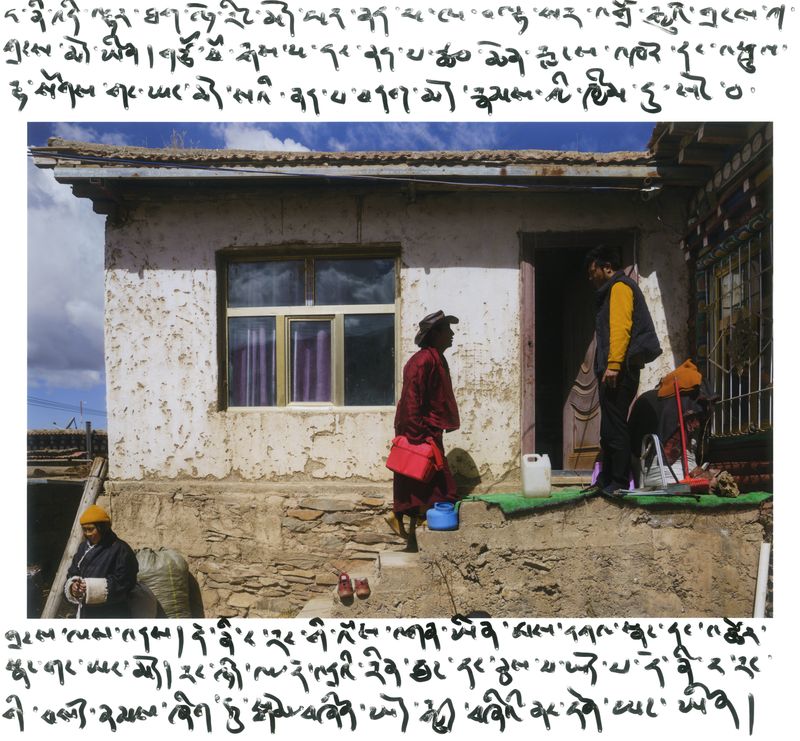
Whenever patients can’t afford transport, don’t have a vehicle, or are seriously ill, I make house calls—whether it’s early morning, midday, or late at night. No matter how far the journey, I never feel it as a burden; instead, I feel grateful to have the ability to help, which to me is the greatest blessing.

© jake homovich - Image from the Tibetan Country Doctor photography project
i

When I was very young, I didn’t have any ambitions or clear goals. My mother told me, “You should study medicine—then you’ll be able to help many people, and I won’t have given birth to you for nothing.” It was those words from my mother that set me on the path of becoming a doctor.

© jake homovich - Image from the Tibetan Country Doctor photography project
i

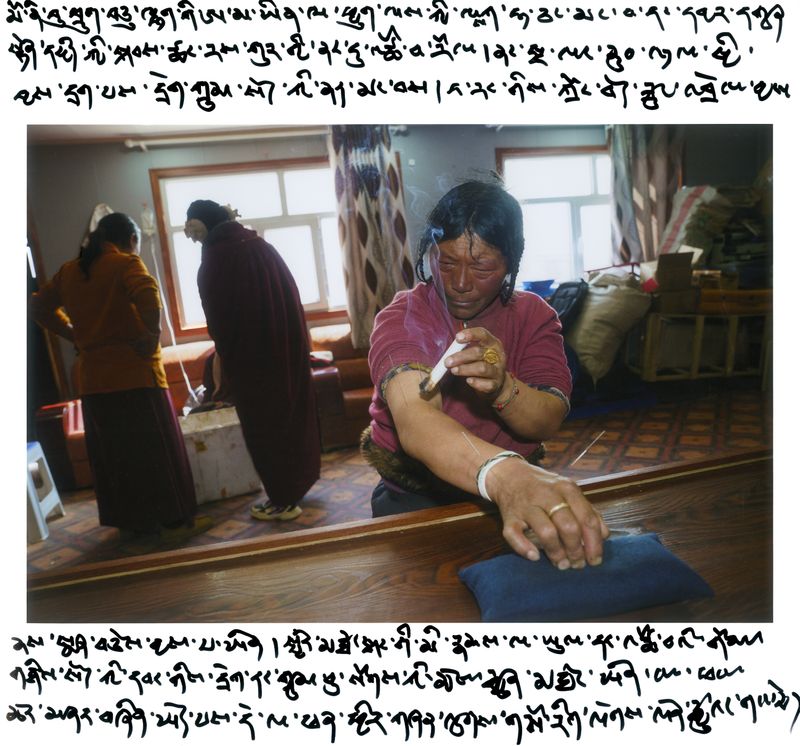
She is a mother of more than ten children. Living at high altitude, combined with a lifetime of constant labor and years spent in tents exposed to cold and damp, has left her suffering from rheumatoid arthritis and chronic rheumatic pain. I treated her using moxibustion from traditional Chinese medicine, warming the meridians to help relieve her pain.

© jake homovich - Image from the Tibetan Country Doctor photography project
i

They are studying the rituals of Buddhism, and becoming a lama is their dream. They must first complete at least three years of studying Tibetan language and ritual practices; only after passing examinations are they allowed to wear monastic robes. After that, they must enter a Buddhist academy to study the Five Great Treatises and other classical text - no step in the process can be skipped.